Can You Do This Yourself
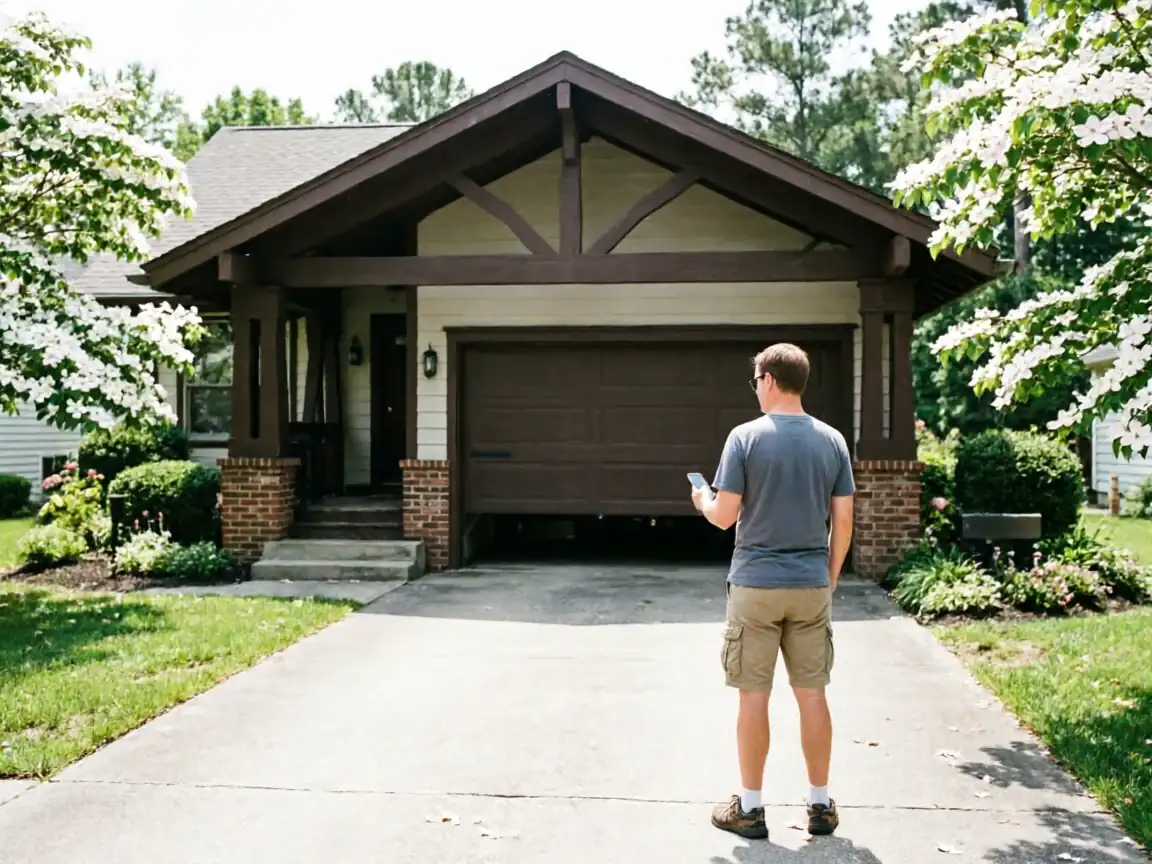
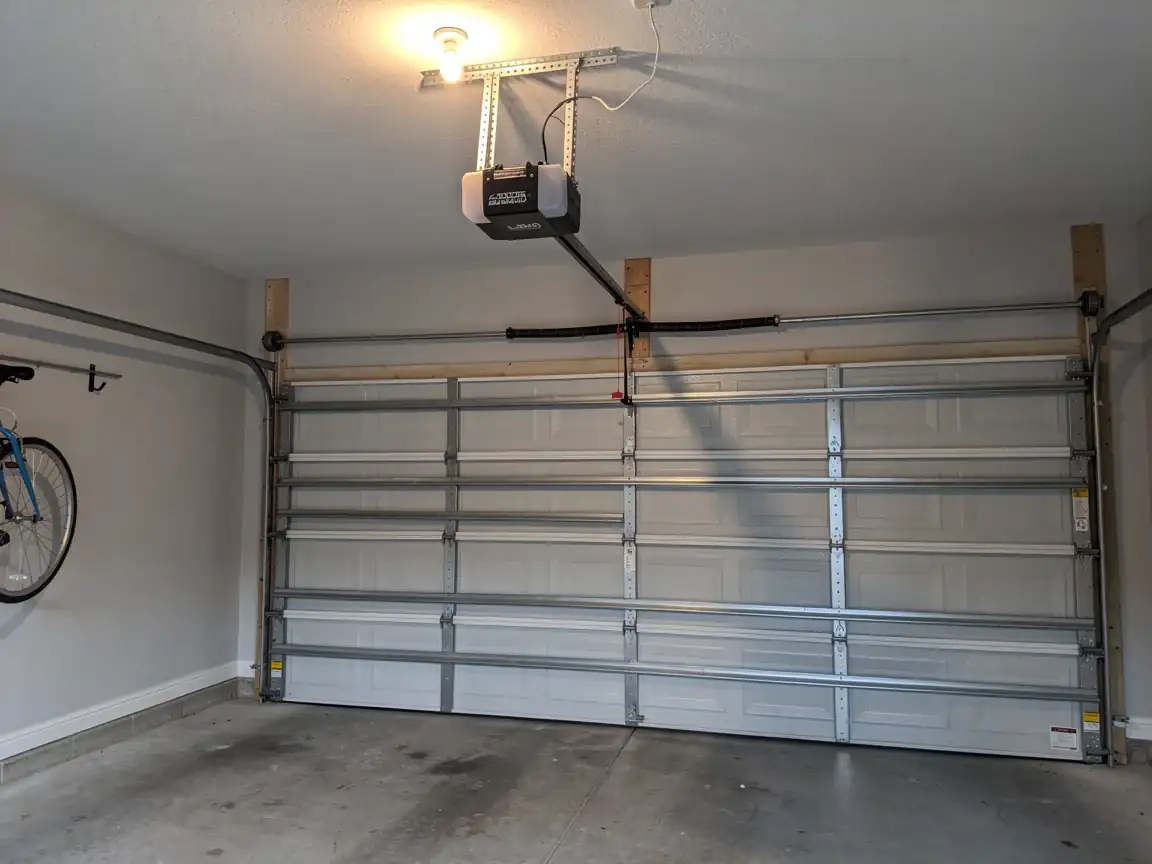
If your house in Swepsonville went up around the area's 2004 median build year, there's a decent chance nobody has ever touched the torsion spring over the garage door. That's not unusual - it's just the math of a neighborhood that's mostly one age. A spring that old is wound tight and has been doing the same job, unassisted, for close to twenty years.
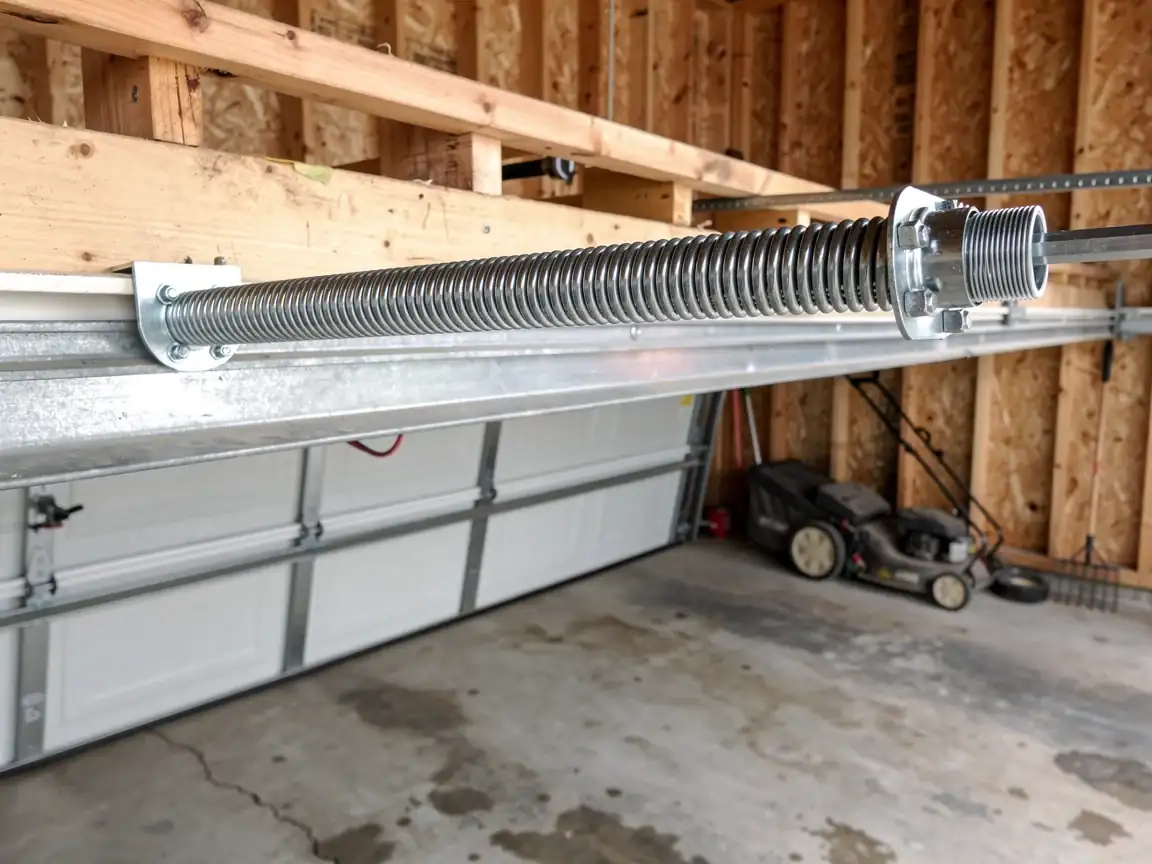
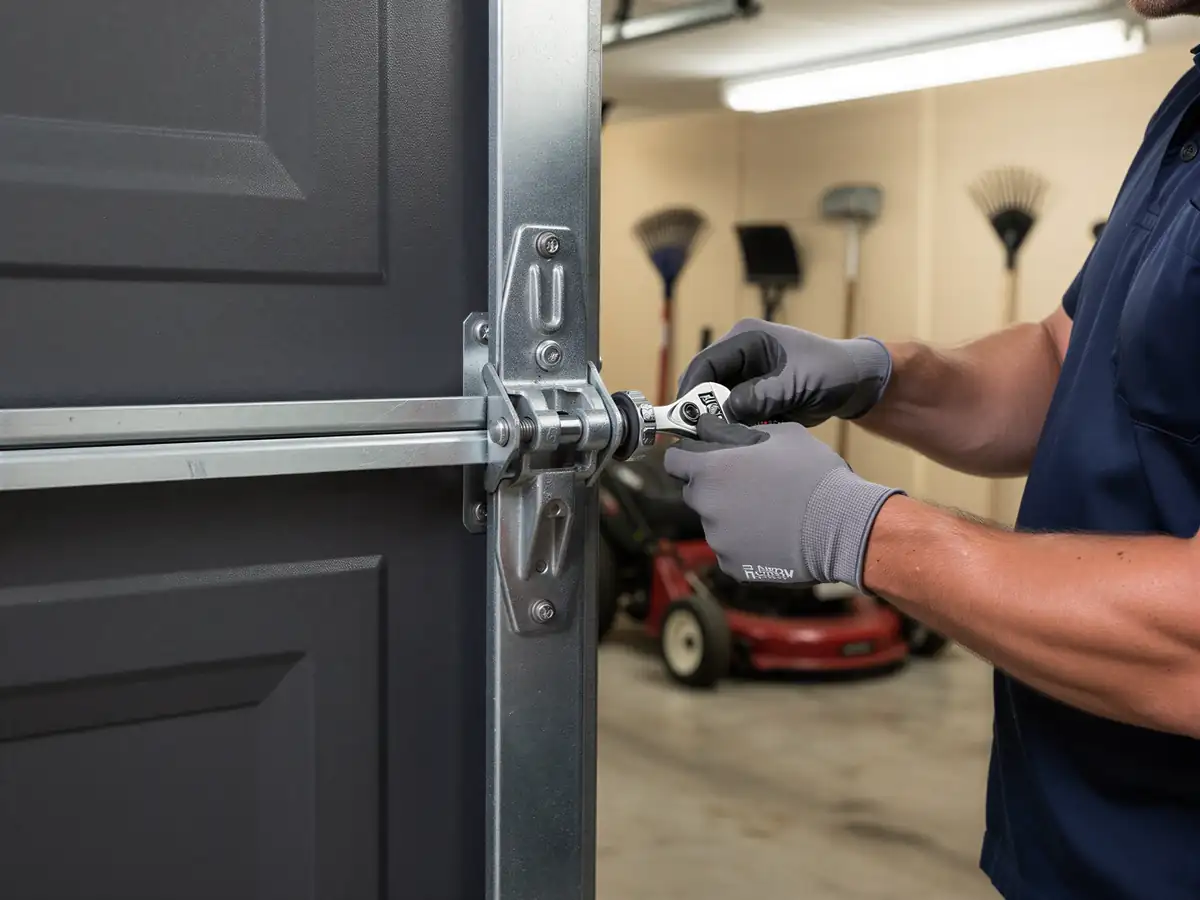
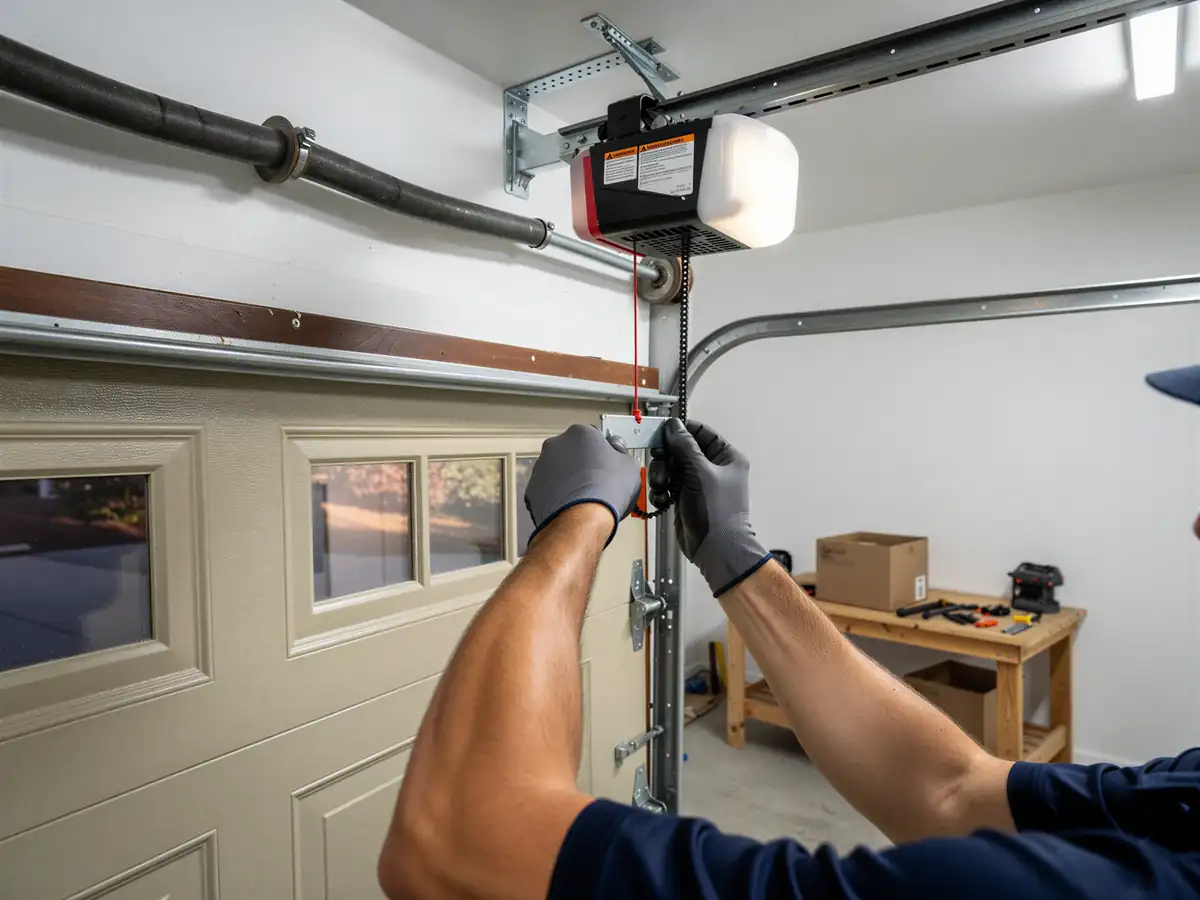
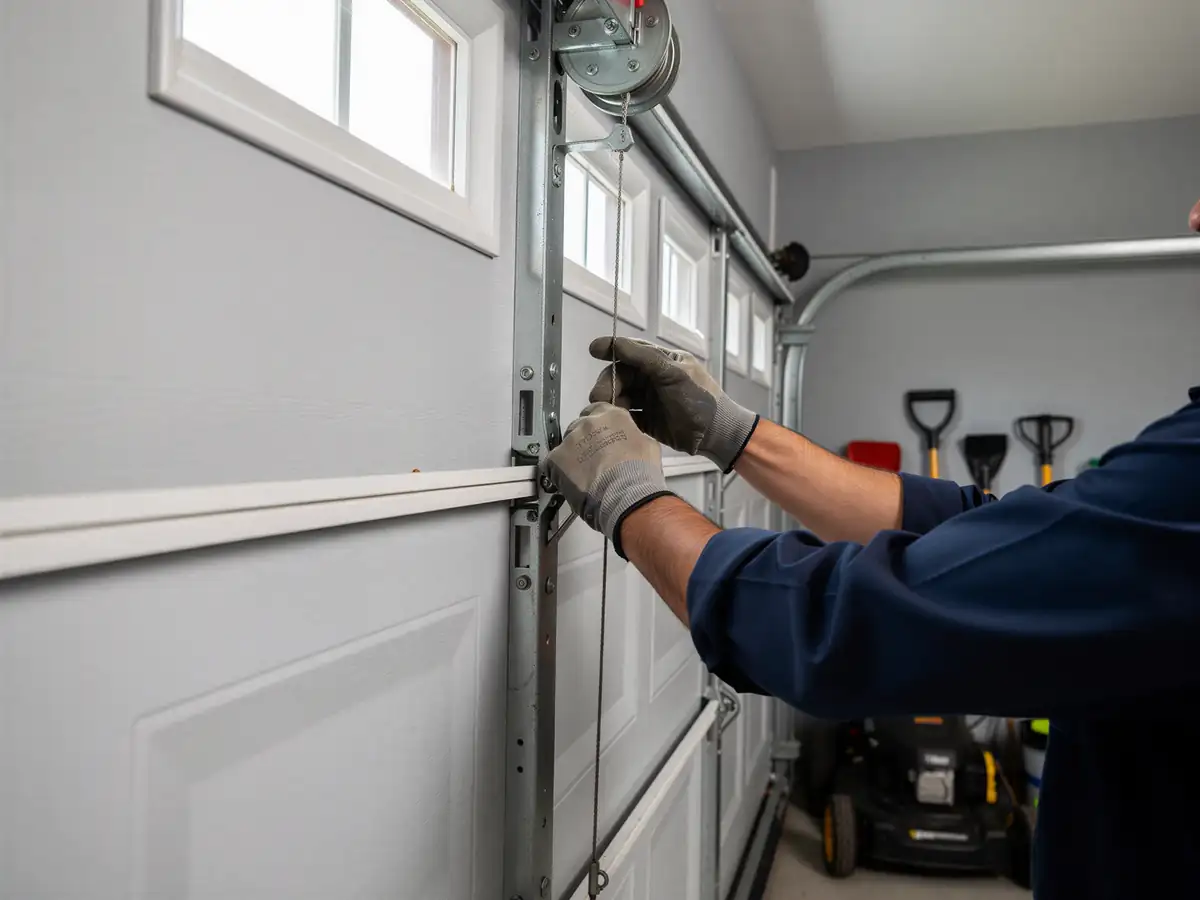
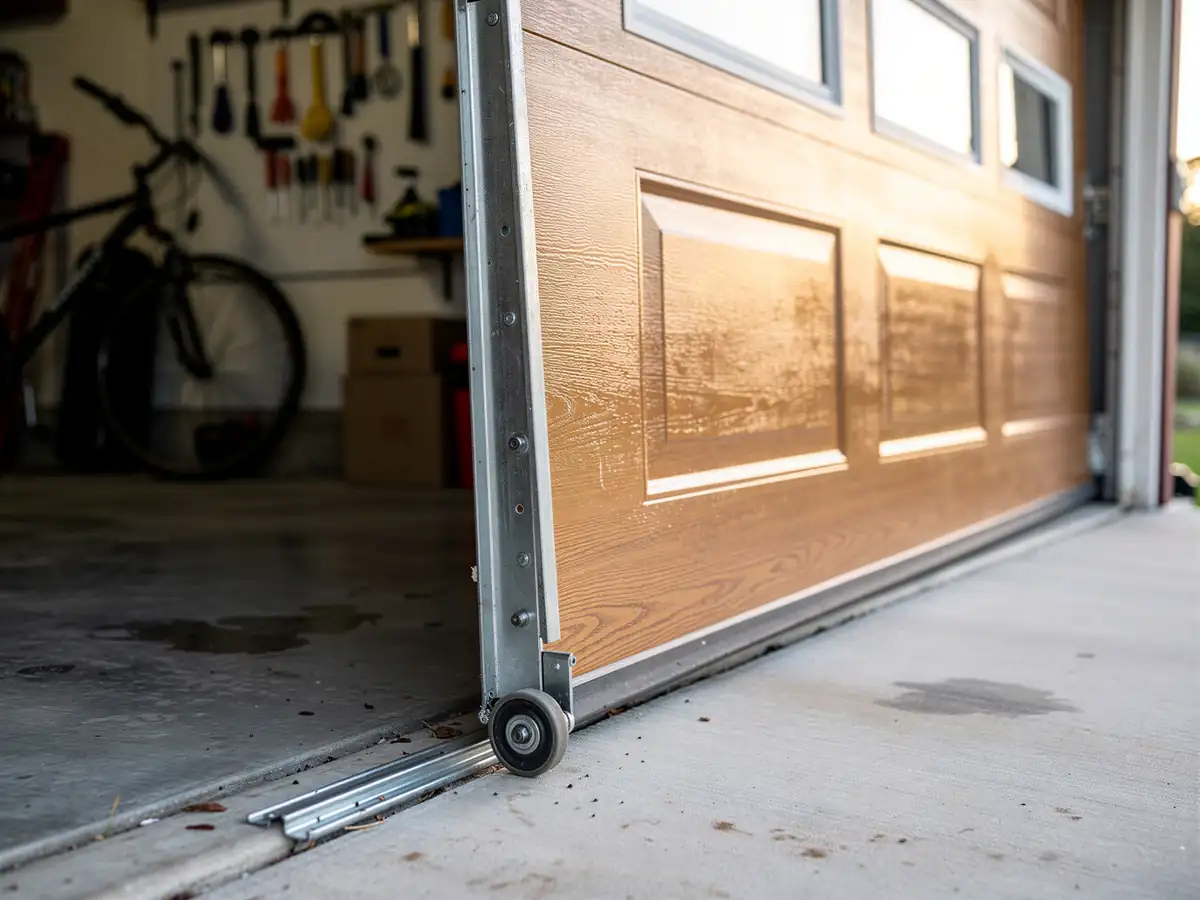
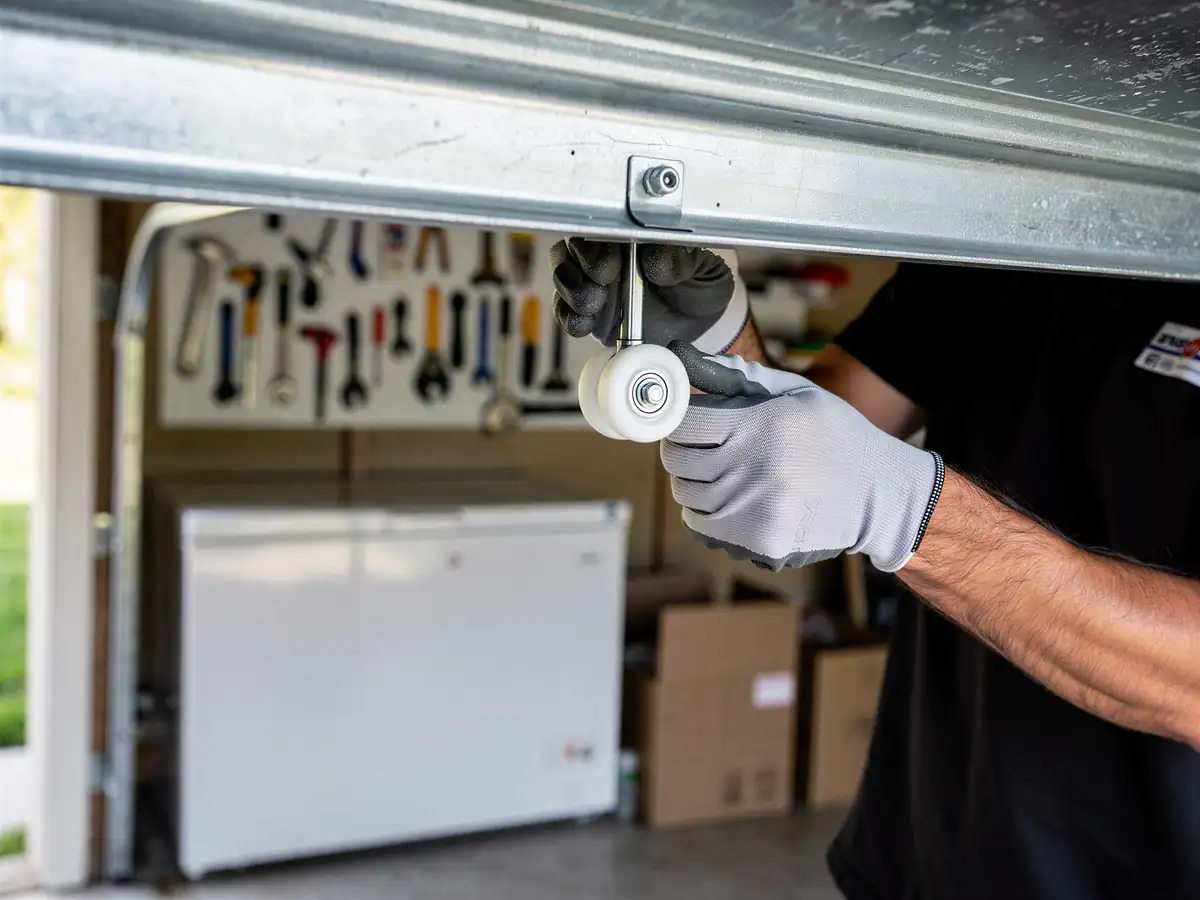
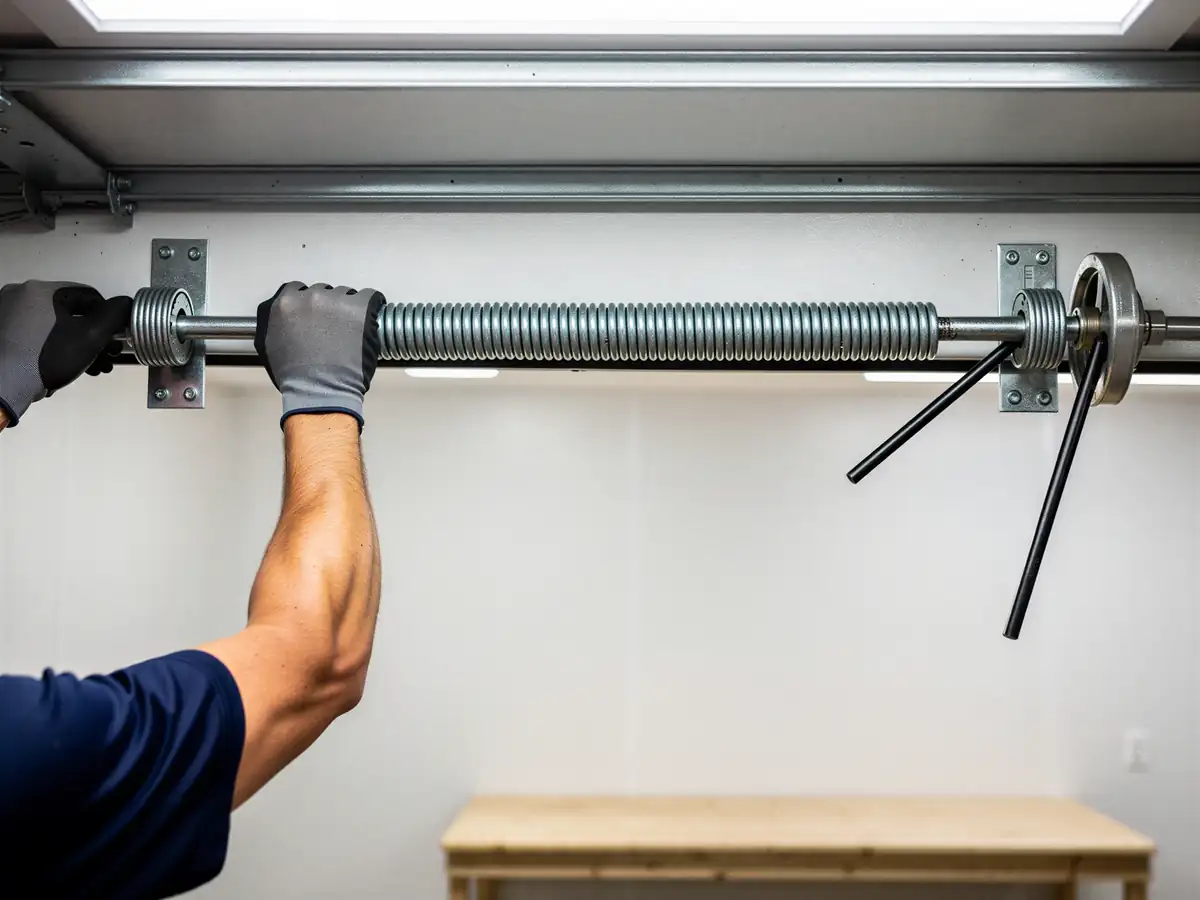
That's exactly why this isn't a bolt-and-socket job. A torsion spring under tension can put someone in the ER if the winding bars slip or the wrong size bar is used. We're not going to pretend otherwise to sell a repair. If you're comfortable replacing rollers or tightening hinge screws, go ahead - that's routine maintenance. Winding or unwinding a spring under load is a different category of risk, and it's the single biggest reason this is a call-a-pro job rather than a weekend one.
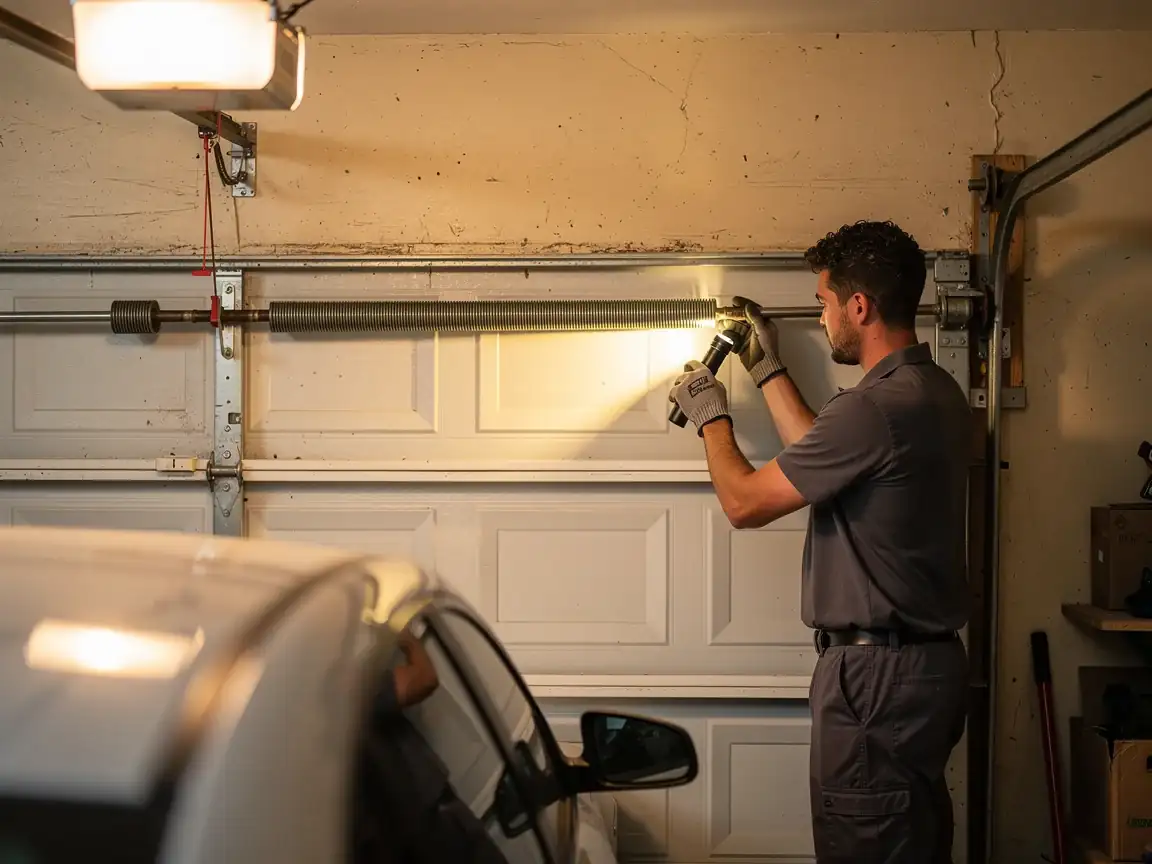
What you can safely do yourself: watch for the warning signs. A door that feels heavier than it used to, a loud bang from the garage, or a door that won't stay open halfway are all spring symptoms worth catching before the cable or the opener takes the damage instead.
What Can Go Wrong
A spring installed when a Swepsonville house was built in the early 2000s is now well into its expected cycle life, and cycle life is about use, not calendar years - so two identical houses on the same street can have springs in very different condition depending on how often the door opens.
The most common failure we see on stock from this era is a clean snap at a coil, usually with a loud bang and a door that drops or won't lift at all. Less dramatic but just as real: a spring that's stretched and lost tension gradually, so the opener strains to do work the spring used to carry. That extra load burns out opener gears and chains faster than it should.
Cold mornings make a tired spring's job harder - the steel is stiffer and less forgiving when it's already near the end of its rated life, which is one reason late-winter calls for failed springs tend to cluster. We don't see hardware here that predates 1970s-era doors, so this isn't about old one-piece panels - it's about mid-2000s torsion sets reaching the point where metal fatigue, not neglect, is the cause.
Time on the Job
A straightforward torsion spring swap on a single door is a same-visit repair once the truck is on-site
There's no reason to leave a Swepsonville garage shut for days over a standard spring failure. The work itself is measured in an hour or so, not a full day.
What can stretch the timeline is the travel, not the repair
Swepsonville sits about seven miles out from Burlington, so the job starts with a drive, and if a spring size turns out to be nonstandard or a second spring on the opposite side is also near failure, we'll flag it on-site rather than guess from a phone description.
We don't keep every spring size in stock
Most jobs use common sizes we carry on the truck, but a less common size can mean a second trip. That's the honest limitation: if your door uses a spring size we don't have with us, we'll tell you straight rather than force a mismatch, because the wrong spring size is its own safety problem down the road.
What It Costs
We don't publish a flat number for spring repair here because the cost depends on spring type, door size, and whether one spring has failed or both are near the end of their life - quoting a single price for every Swepsonville garage would be guessing, and we'd rather not do that.
What we can say: a single-spring failure on a standard door is a smaller job than replacing both springs on a double door, and if your door was installed with the house around 2004, there's a reasonable chance the second spring is close behind the first one, even if it hasn't broken yet. Replacing both at once, when one has already failed, usually costs less overall than two separate visits months apart.
Median household income in the Swepsonville area runs higher than the wider Burlington service territory, but that doesn't change what the repair costs - parts and labor price the same no matter the street. We'll give you a number for your specific door and spring before any work starts, not after.
What the Repair Takes
A torsion spring replacement means matching the new spring's wire size, length, and wind direction to what the door actually needs - not just swapping in whatever's closest. Get that wrong and the door either won't balance right or it wears out again fast, which defeats the point of the visit.
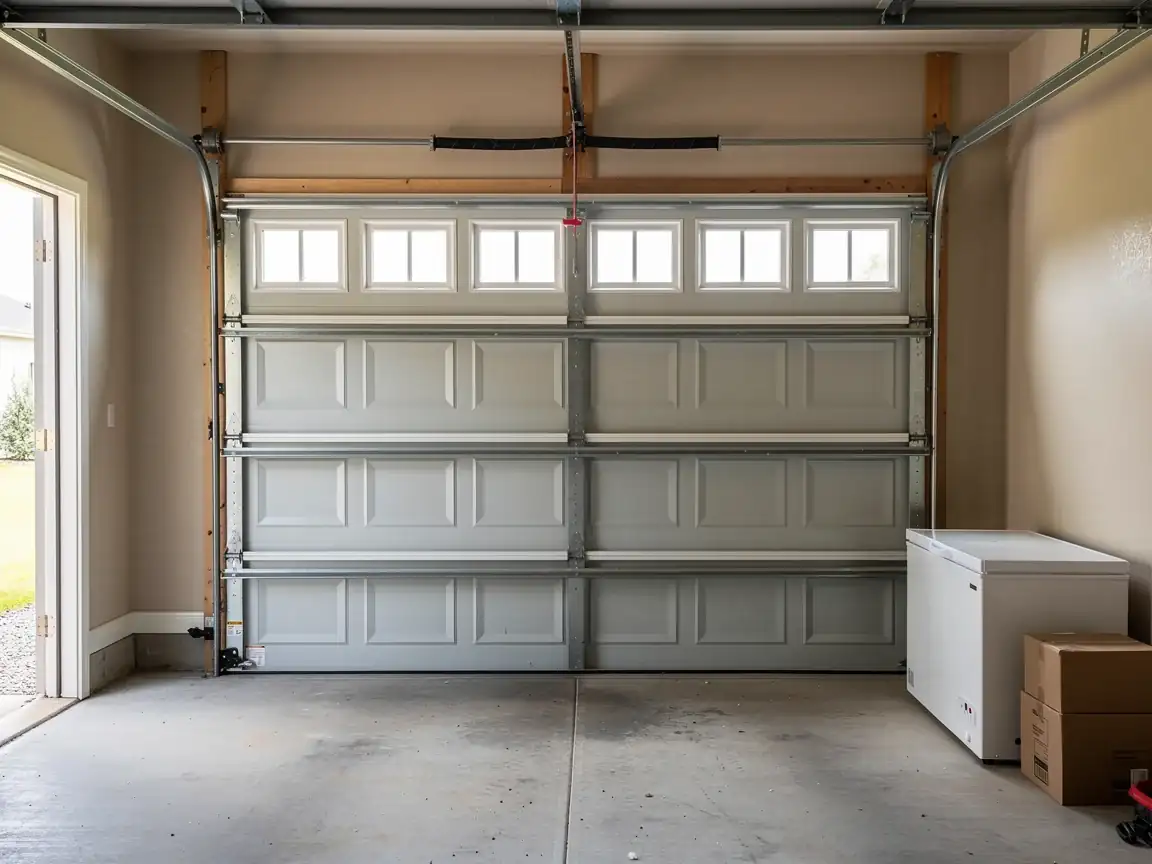
For a house built around Swepsonville's 2004 median, the door is usually still on its original torsion hardware - the shaft, the cable drums, the center bearing. Those parts don't always need replacing alongside the spring, but they get checked, because a worn cable drum or a dry bearing will shorten the life of a brand-new spring fast.
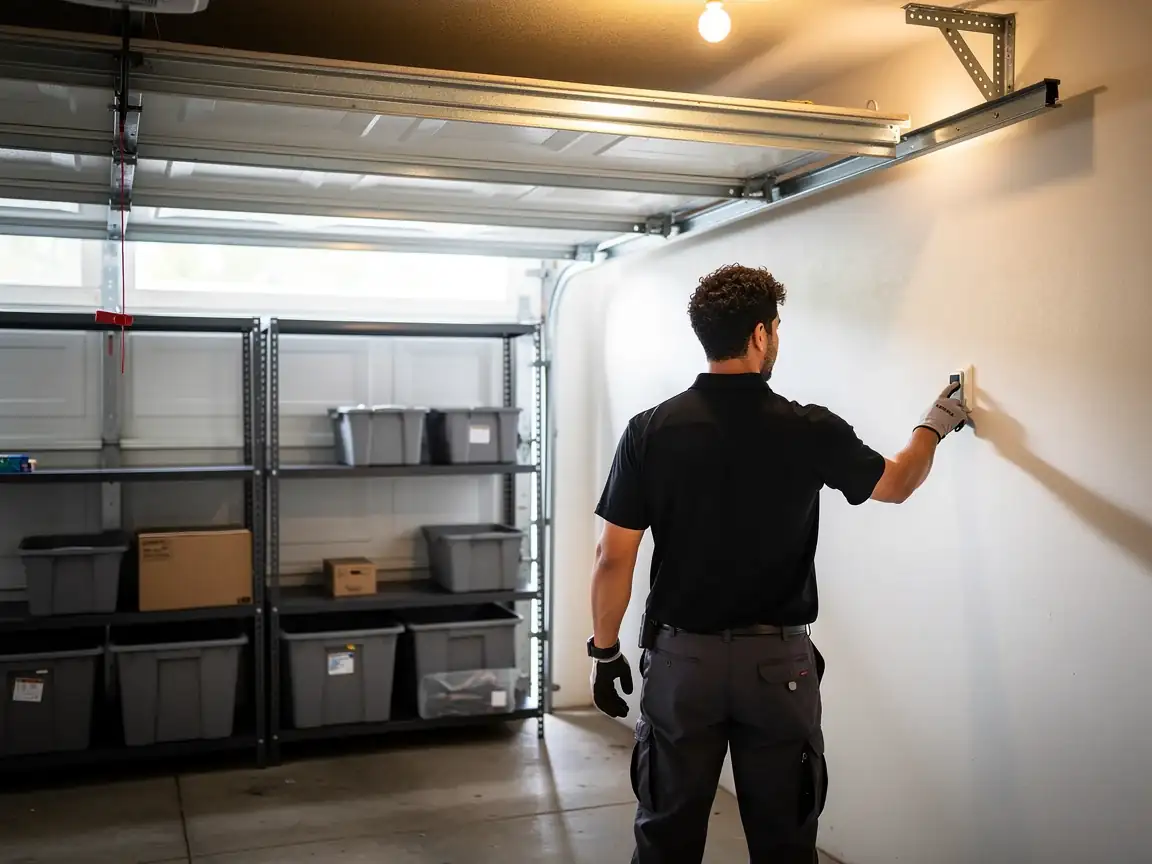
After the spring goes in, the door gets rebalanced by hand - lifted partway and let go, checking it holds its position rather than sliding up or dropping down. That balance check matters more than the spring swap itself; a door that's out of balance puts uneven strain on the opener and on whichever spring is left doing the work.