Parts We Carry
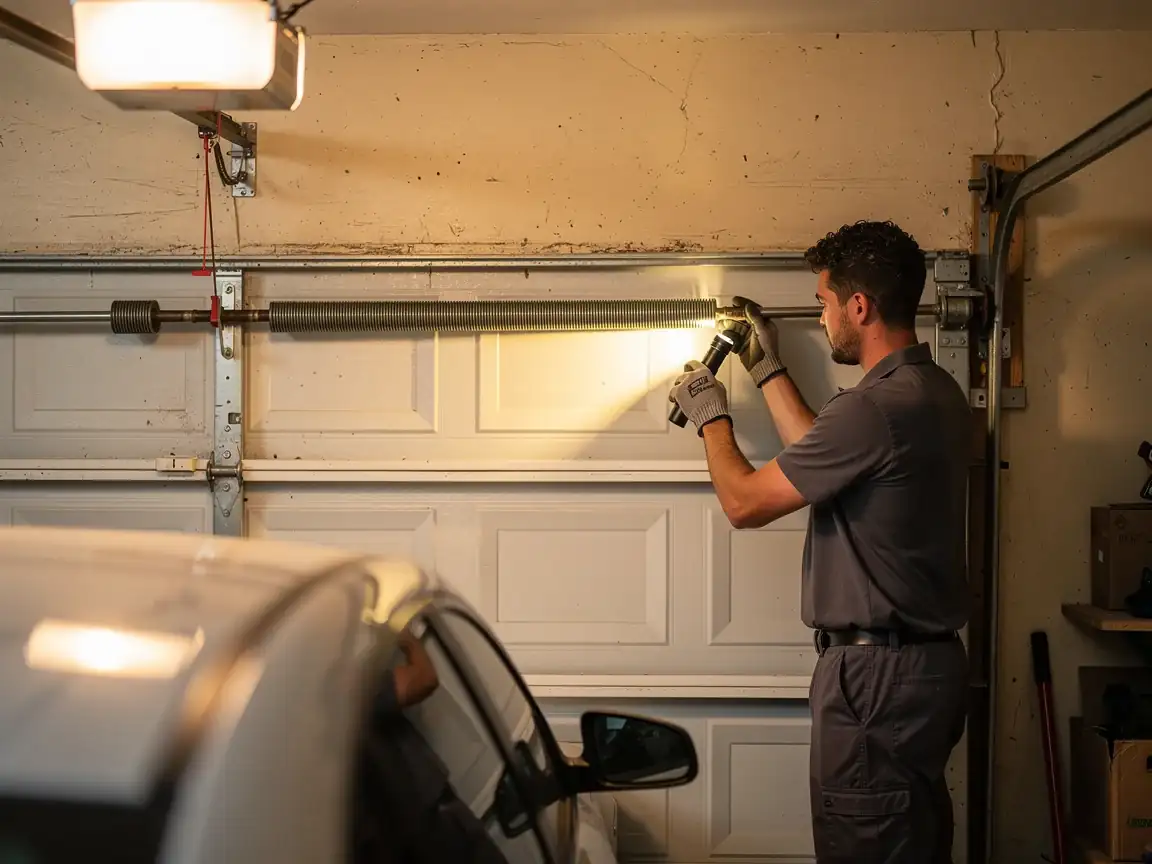
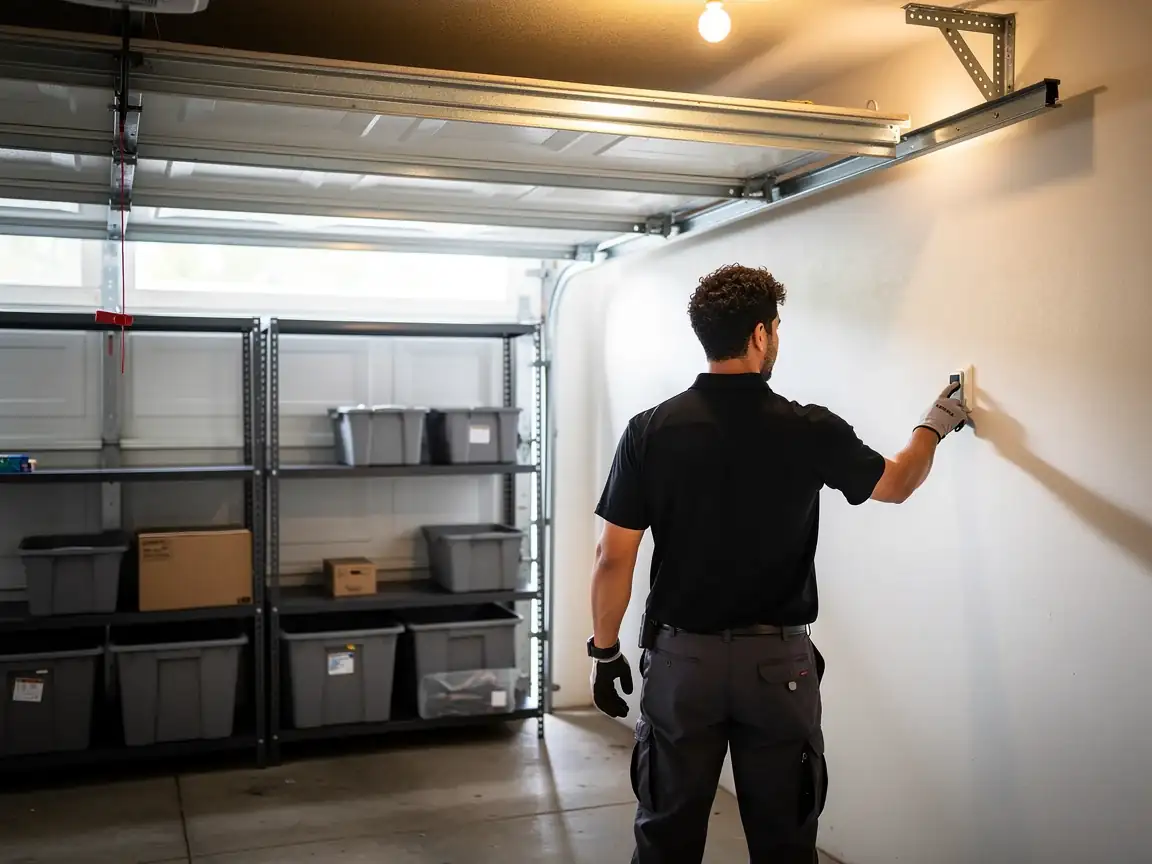
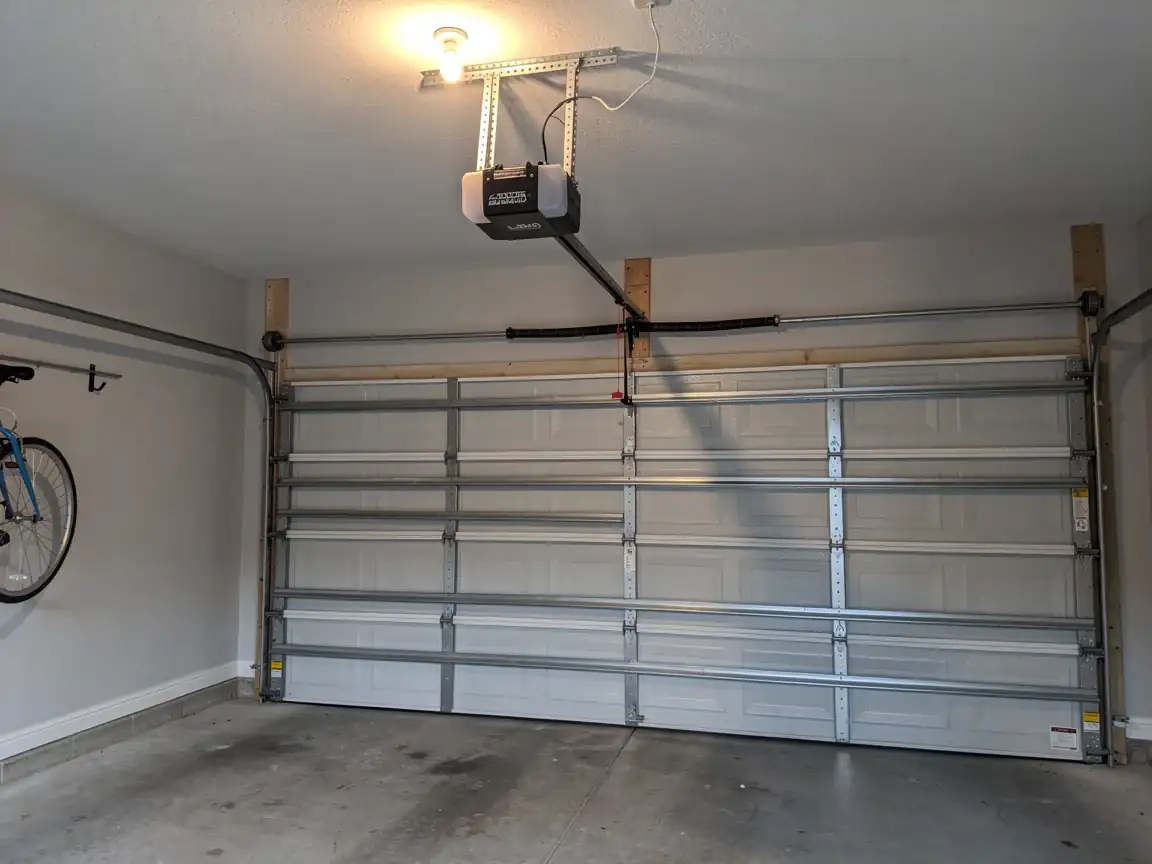
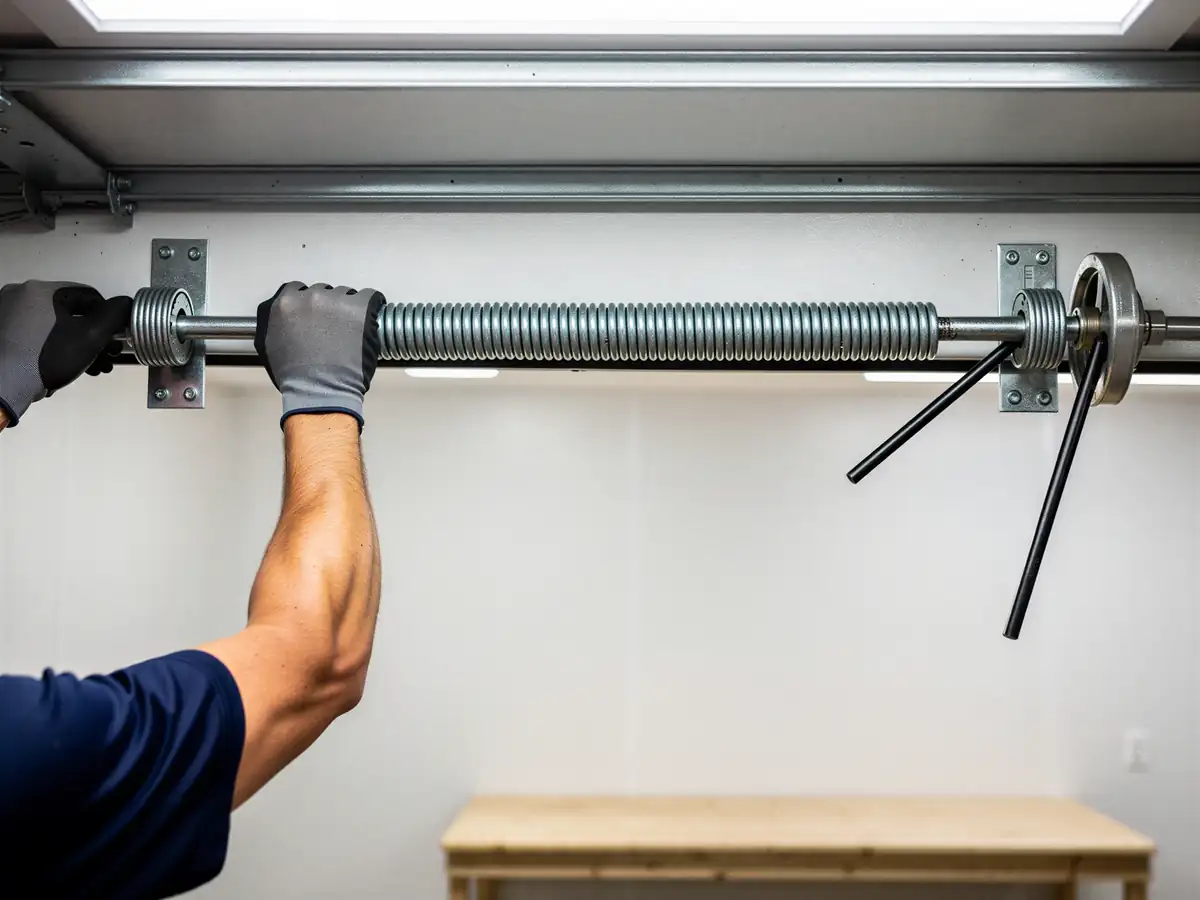
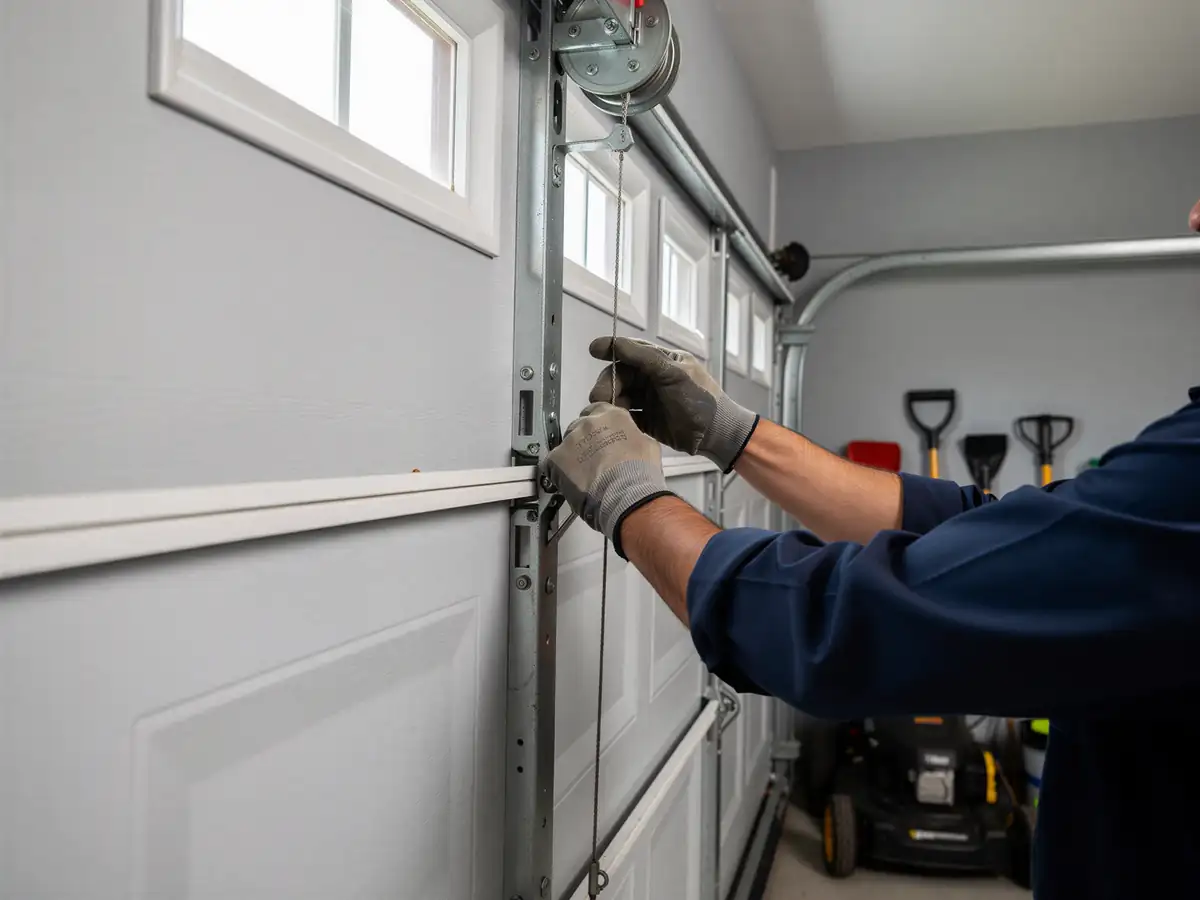
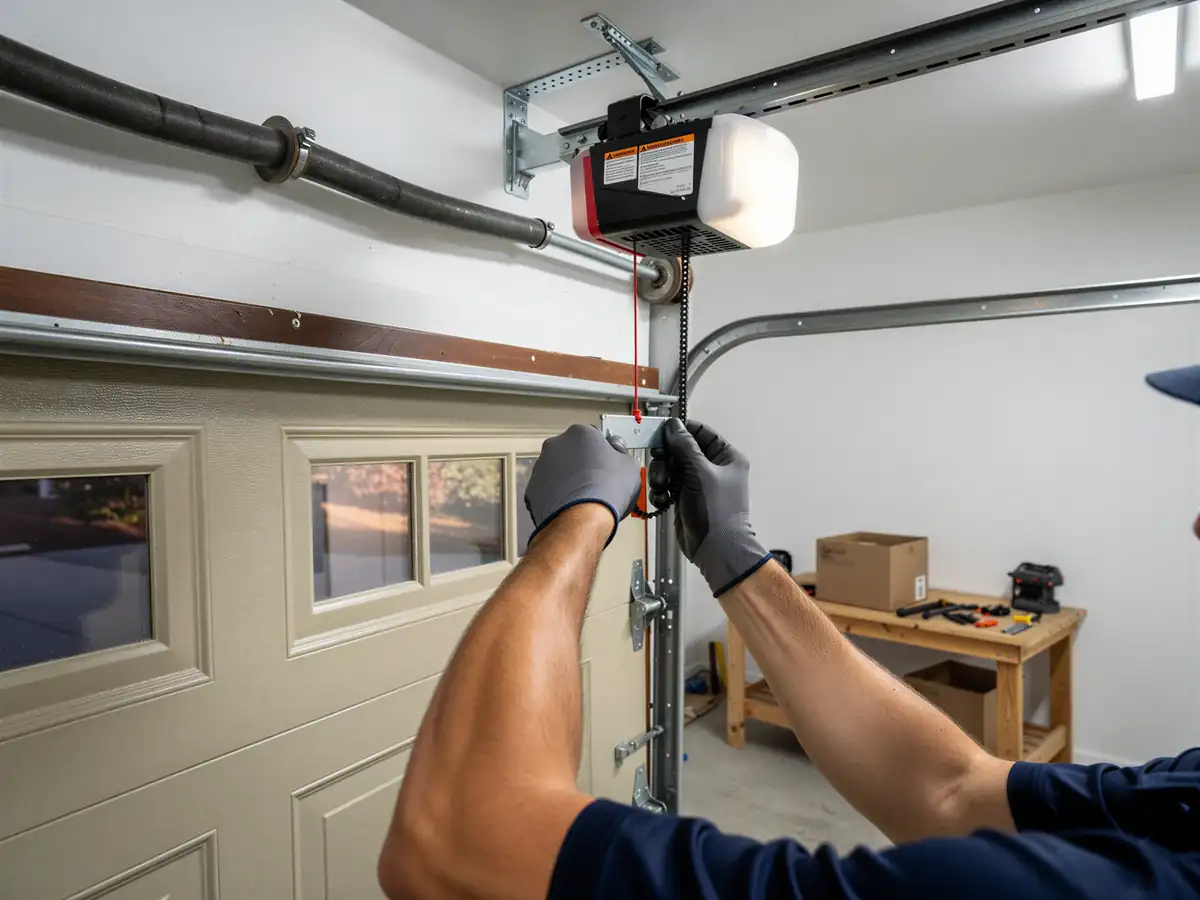
We stock chain-drive and belt-drive openers in the horsepower ranges that fit a standard single or double door, plus the parts that wear out around them: drive gears, trolley carriages, logic boards, wall consoles, and safety sensor pairs. Most of what we install is a 1/2 HP or 3/4 HP unit - enough for the door sizes common on houses built from 1970 through the early 2000s, which describes the bulk of this service area. We carry replacement rail sections and chain/belt kits separately, since the motor head often outlives the drive mechanism by years. If your opener is an older screw-drive unit, we can usually source a direct replacement rather than tear out the rail system. One limit worth saying up front: we don't stock every niche brand on the market, and a specialty or commercial-grade opener may mean a short order wait. For anything mainstream, we're installing same-visit.
What Causes It Around Here
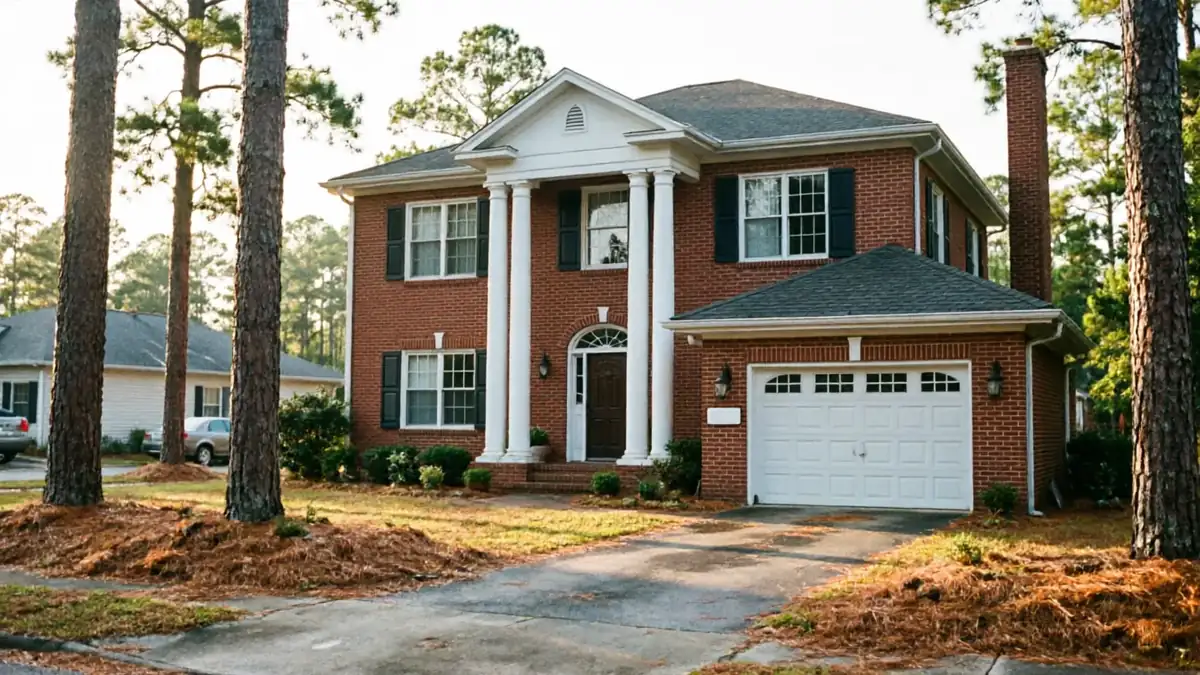
Most houses across this service area went up between 1970 and 2004, with the bulk of that stock built in the 1980s and 90s across the eighteen communities we work - Elon, Glen Raven, Gibsonville, Graham, and the towns further out. That puts a lot of original openers at 30 to 40 years old, well past the point where capacitors, gears, and logic boards hold up reliably. These aren't openers that get replaced because they broke overnight - they get replaced because the owner finally notices the door is slow, loud, or reversing for no reason. The region sits in a cold-moderate climate band, so these units also deal with real seasonal swings: cold snaps that stiffen chain tension and grease, and humid summer stretches that corrode circuit boards and sensor contacts over time. That combination - older housing stock plus moderate-cold cycling - is the main reason opener failures cluster the way they do here, more than any single bad part.
What You Are Seeing
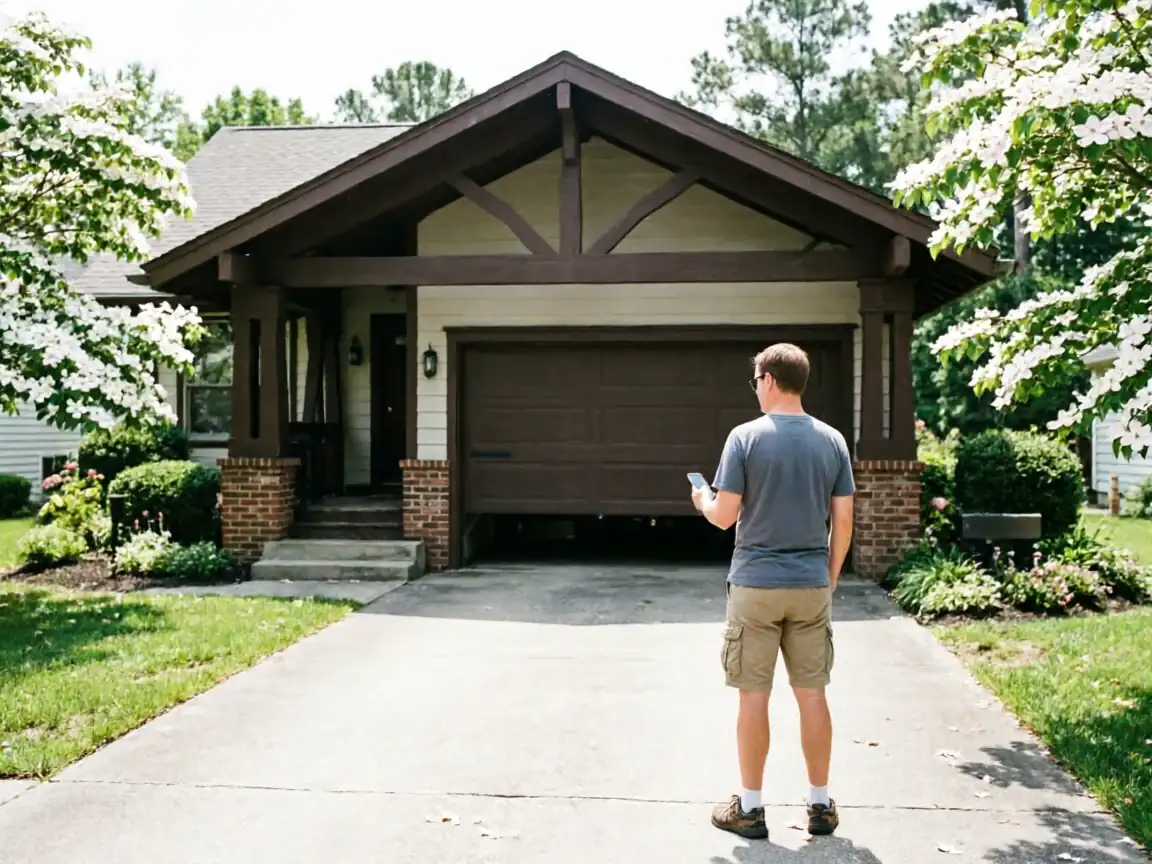
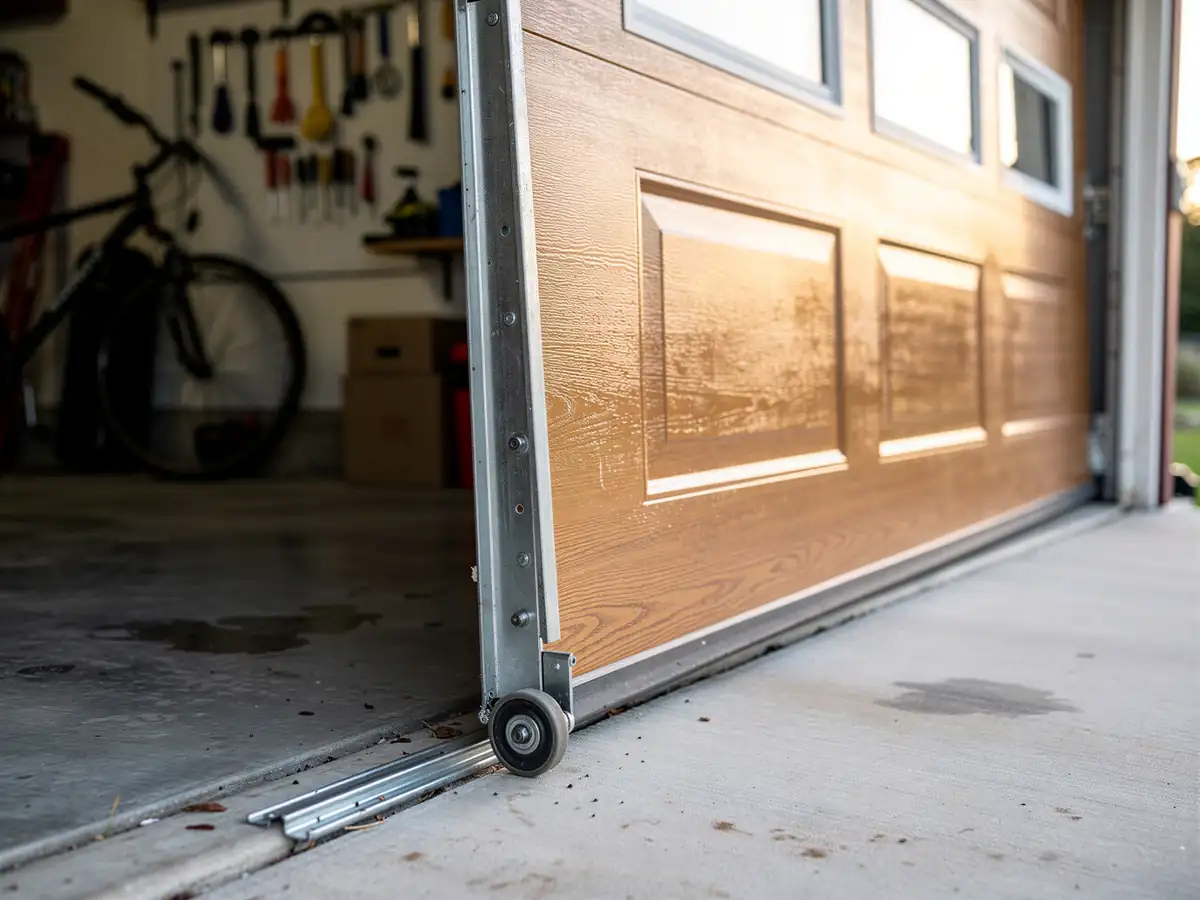
The usual signs: the door stalls partway up or down, the opener hums but the trolley doesn't move, the light blinks and the unit won't engage, or the remote works intermittently but the wall button doesn't. Some owners notice the door reversing right after it touches the floor - often a sensor alignment issue rather than the motor itself. Others hear a grinding or popping sound from the motor head before anything visibly fails. With 32,051 households and 16,594 owner-occupied houses across this service area, we see the same handful of failure patterns repeat house after house, which is mostly a function of age and climate rather than bad luck. If your opener is original to a house built in the 1980s or 90s, intermittent behavior now is usually the motor telling you it's near the end, not a one-off glitch worth chasing with a new remote.