The Problem
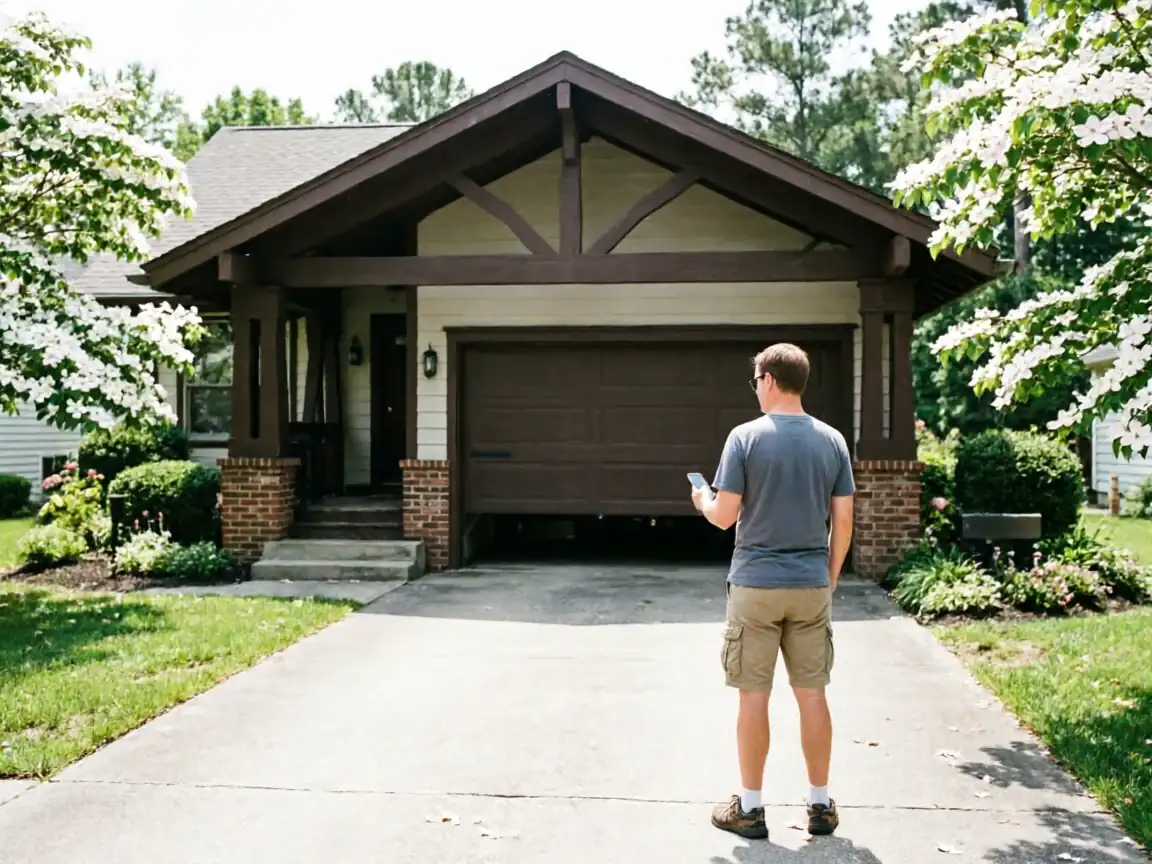
Most of the garage doors around Burlington went up between 1970 and 2004, with the heaviest run landing in the 1980s and 90s, and that holds true across all eighteen of the area's named neighborhoods, not just one pocket of town. That matters because a door is a mechanical assembly, and thirty to forty years of opening and closing wears specific parts in a specific order - rollers first, then hinges, then the spring itself.
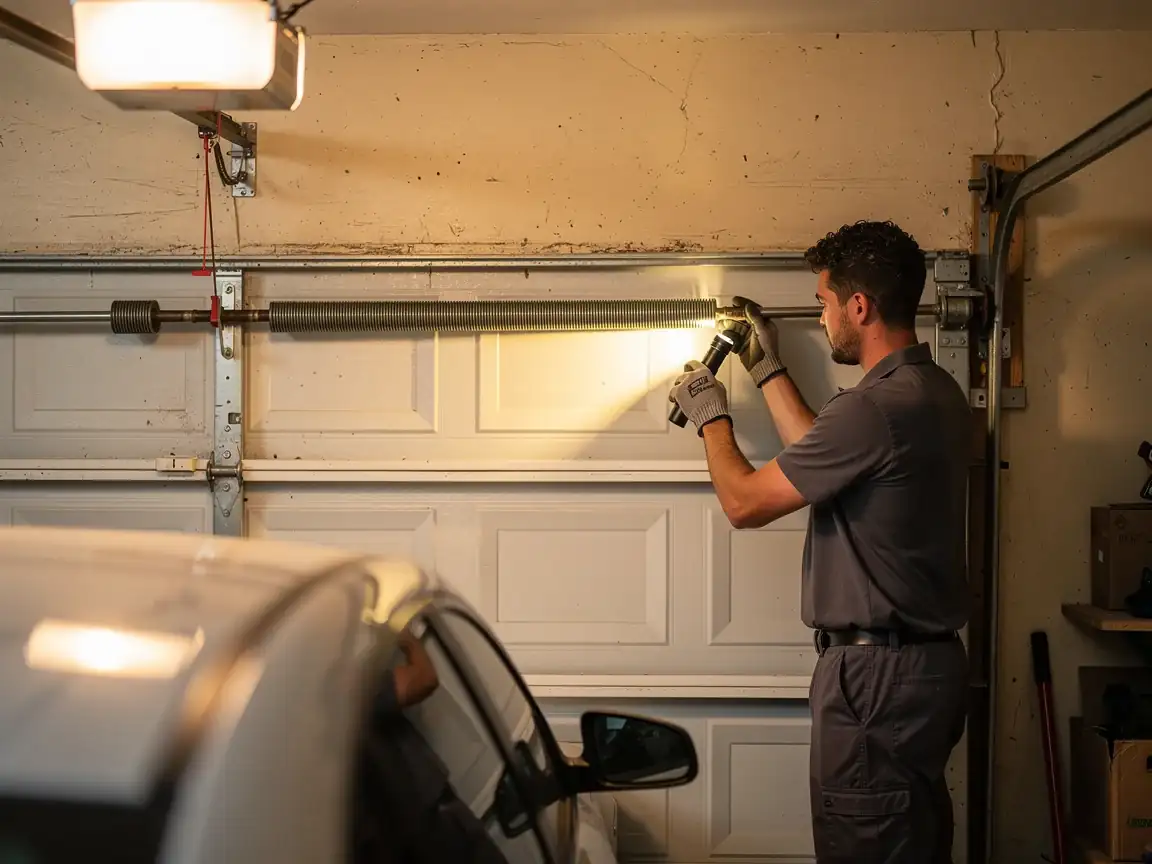
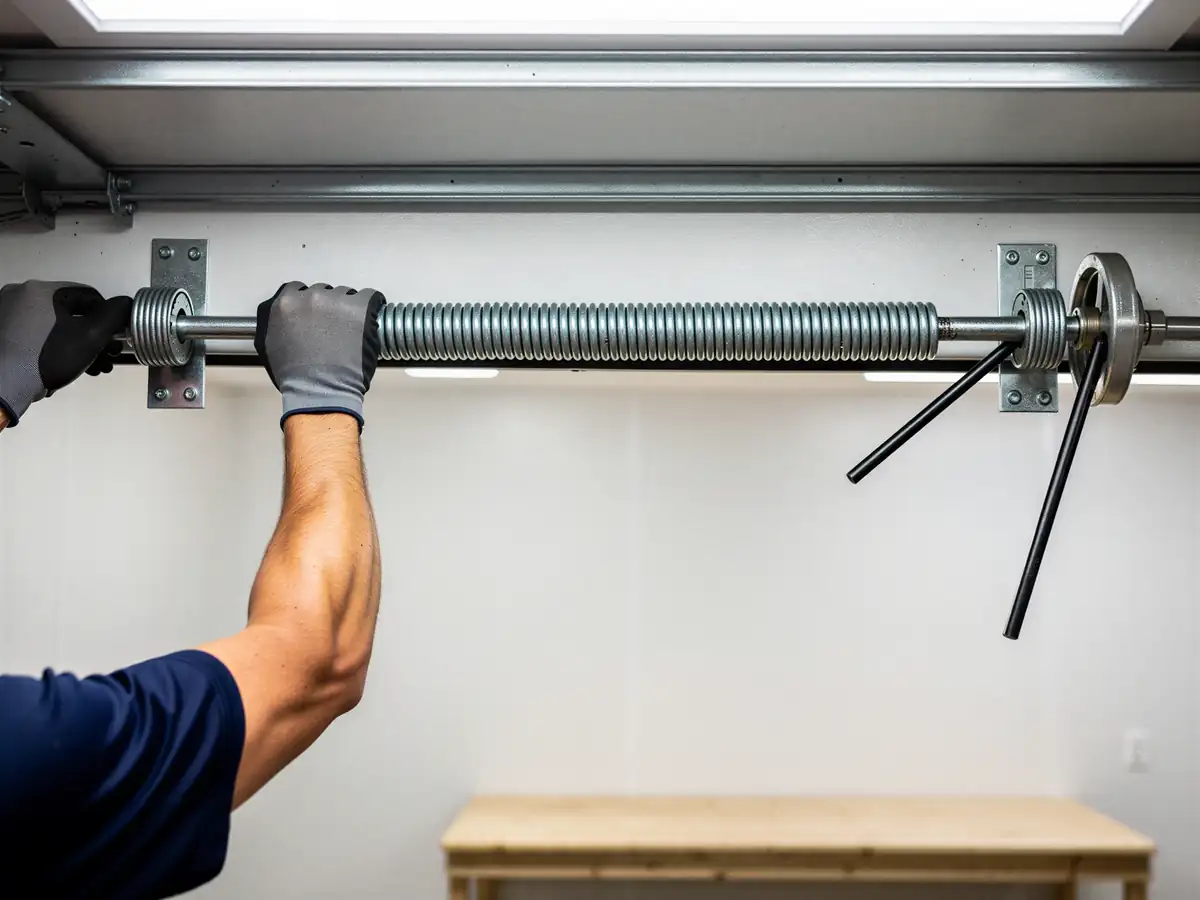
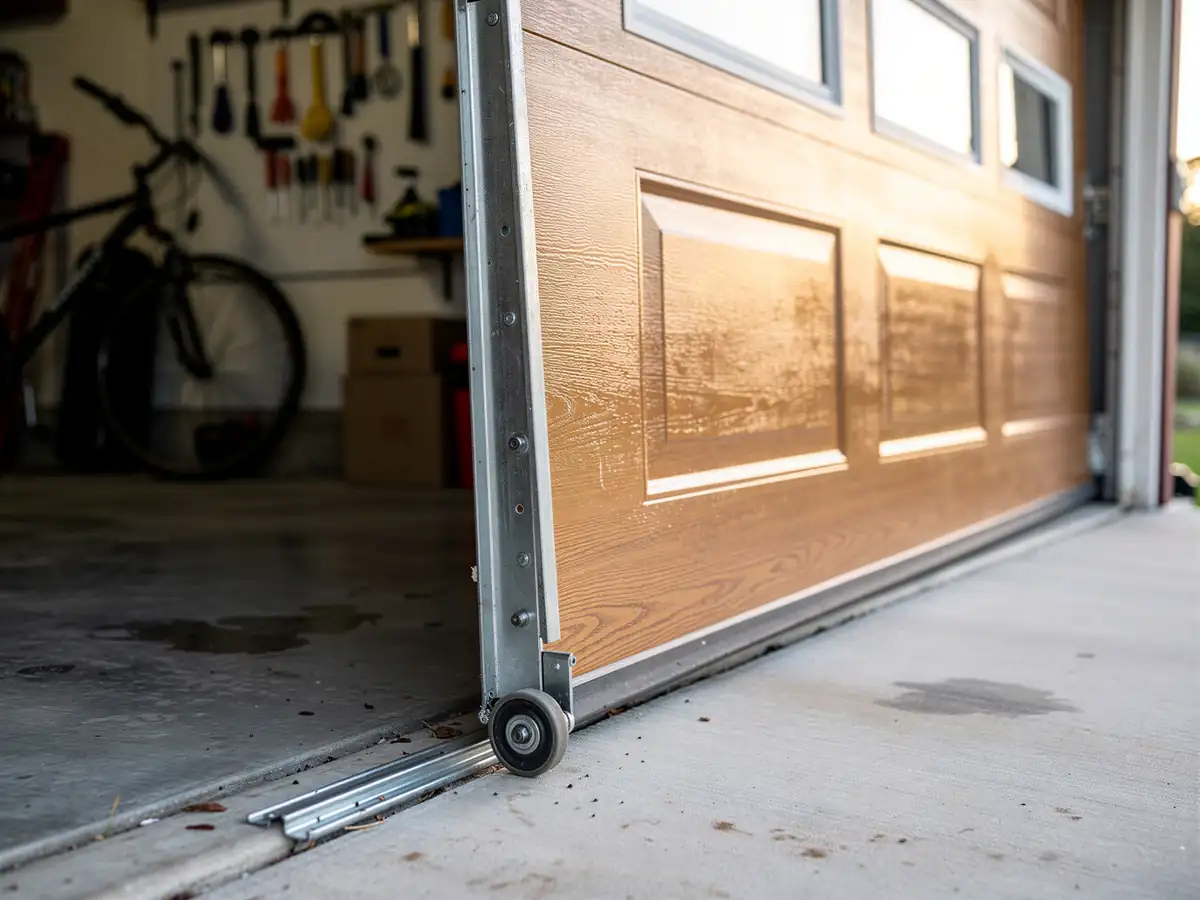
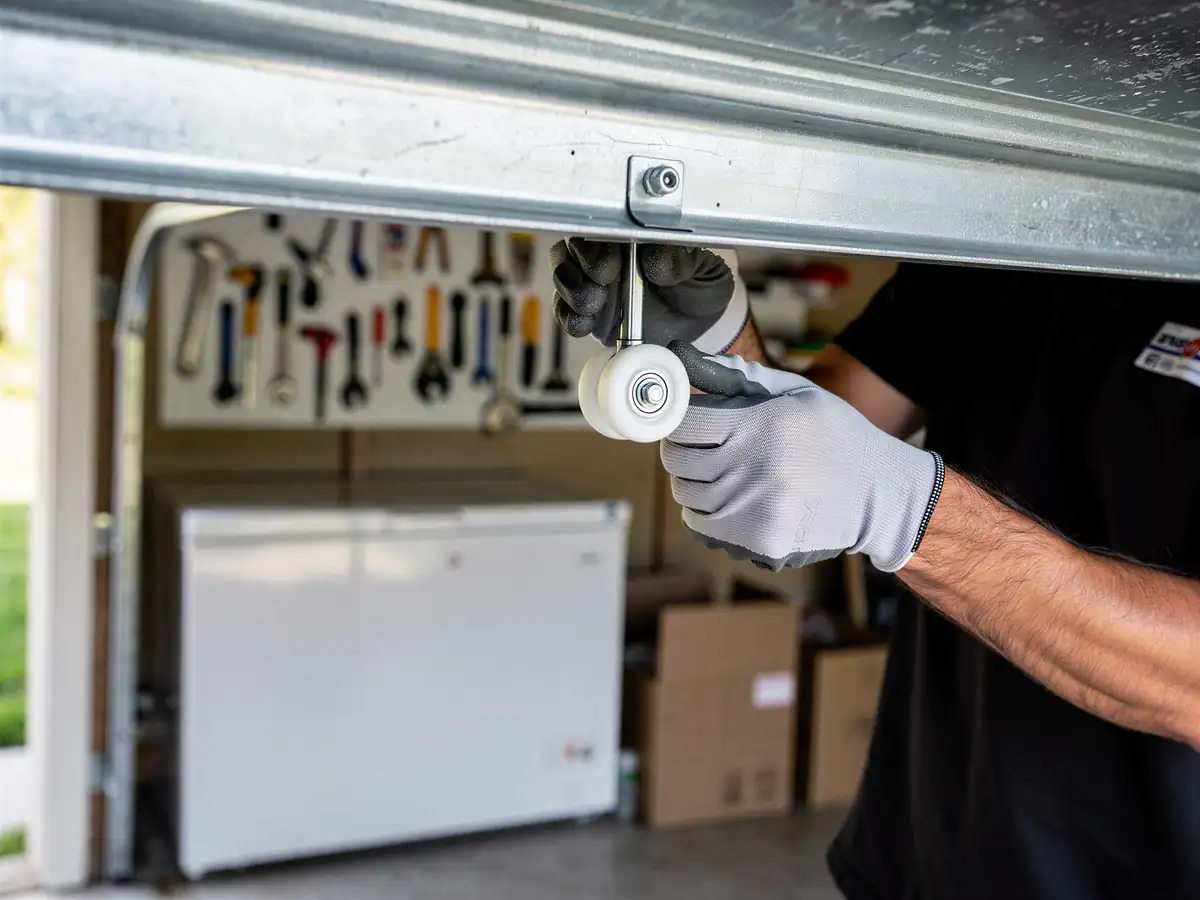
So when a homeowner calls about a noise, the age of the house tells us a lot before we even see the door. A grinding sound on the way up usually means the nylon rollers have worn flat on one side and are riding on bare metal. A rhythmic thump every few seconds means a roller has split or a hinge pin has worked loose. A loud bang, usually once, is a different animal - that's often a spring losing tension or a cable starting to fray. None of these sounds are cosmetic. They're the door telling you which part is about to fail, and on hardware this age, something usually is.
We can't tell you which one your door has without looking at it, but we can tell you that a door built in that window is old enough that the steel has fatigued even if it still opens every day.
Doing Nothing For Now
There's a real argument for waiting. With 16,594 owner-occupied houses among the area's 32,051 households, a lot of original hardware out there is still doing its job - a noise alone doesn't mean a door is about to come off the track. If the sound is new, isolated, and the door still opens and closes square, you can usually get another season out of it by lubricating the track and tightening the hardware.
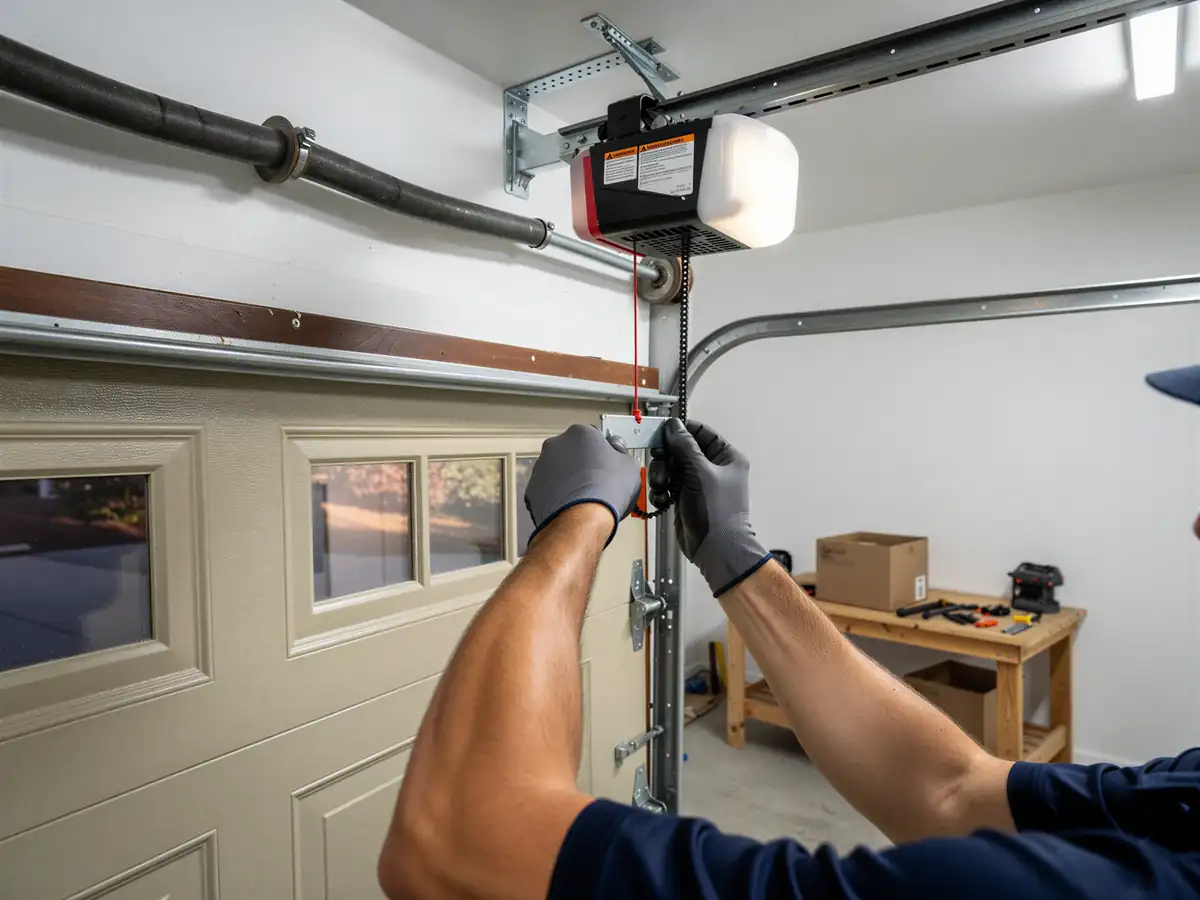
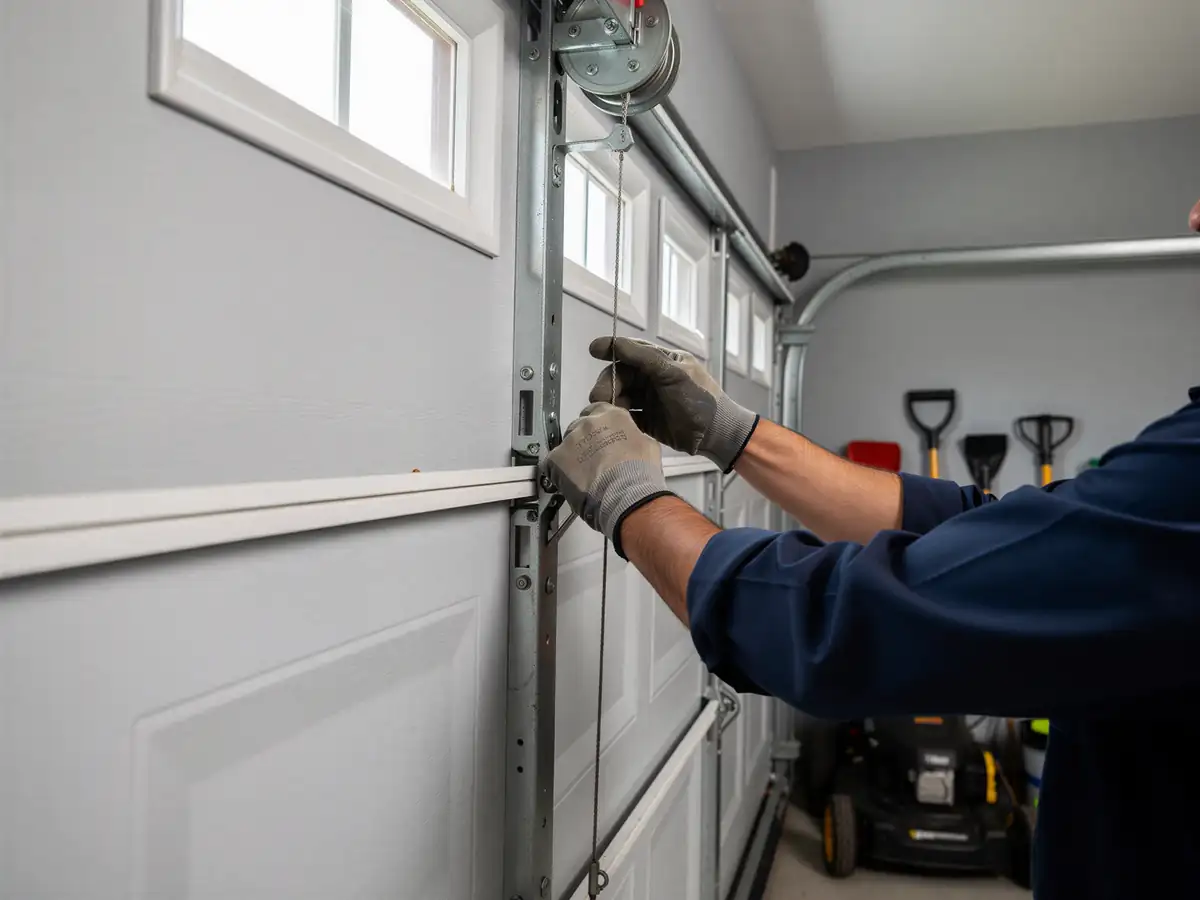
What you shouldn't wait on is a spring that's visibly stretched or a cable with frayed strands - that's not a maintenance item, that's a door that can drop. At a median household income of $67,366 here, most owners we talk to are weighing a $40 roller job against a full opener swap, not writing a blank check, and that's a fair instinct. The honest limitation is this: we can't diagnose a spring or cable issue over the phone with any confidence, and guessing wrong on that one is how people get hurt. If the noise is a bang followed by the door feeling heavier to lift by hand, that's the one category where waiting costs you more than a service call would.
How Local Conditions Play In
Burlington sits in a cold-moderate climate band
Which means steel track, torsion springs, and hinge pins go through a real freeze-thaw cycle every winter, not just a couple of cold mornings. Metal contracts in the cold, grease stiffens, and a door that was quiet in August can start groaning in January for no reason other than temperature.
That cycle is harder on hardware that's already thirty-plus years old than on something installed last year
Because the tolerances that were tight when the door was new have opened up with wear, and cold makes every loose joint more audible. A hinge pin with some play in it will rattle in July and bang in January. This isn't a Burlington-specific failure mode in the sense of being unique to one street, but it is tied to the area's winters being cold enough, consistently enough, to matter for hardware this age. If your door got noisier the same week the temperature dropped, that's not a coincidence - it's the cold finding the slack that was already there.
Where People Go Wrong
The most common mistake we see is spraying WD-40 on a noisy roller and calling it fixed. WD-40 is a solvent, not a lubricant - it cleans the grime off for a week and then the metal-on-metal grinding comes right back, sometimes worse because the little lubrication that was left is gone too. A door built in that 1970-2004 window needs actual white lithium or a silicone garage door lubricant on the rollers, hinges, and track, not a degreaser.
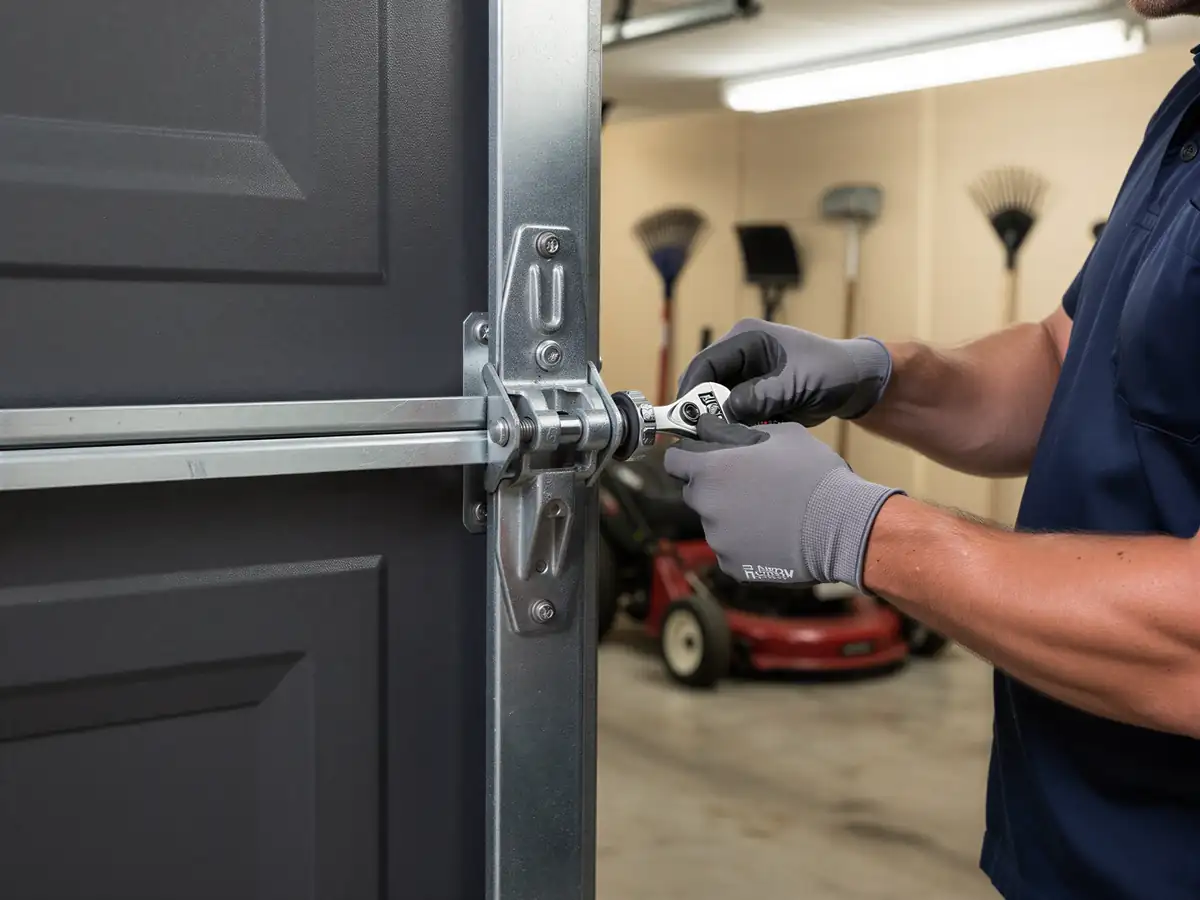
The second mistake is tightening a loose bracket without checking what loosened it. On a lot of the original installs from this era, the lag bolts holding the track to the framing have worked loose over decades of vibration, and tightening them without checking the wood behind them just means they'll strip out again in a year. The third, and the costliest, is ignoring a single loud bang because the door still opened afterward. That bang is almost always a spring or cable event, and running the door again before it's checked is how a manageable repair turns into a door that drops.