Can You Do This Yourself
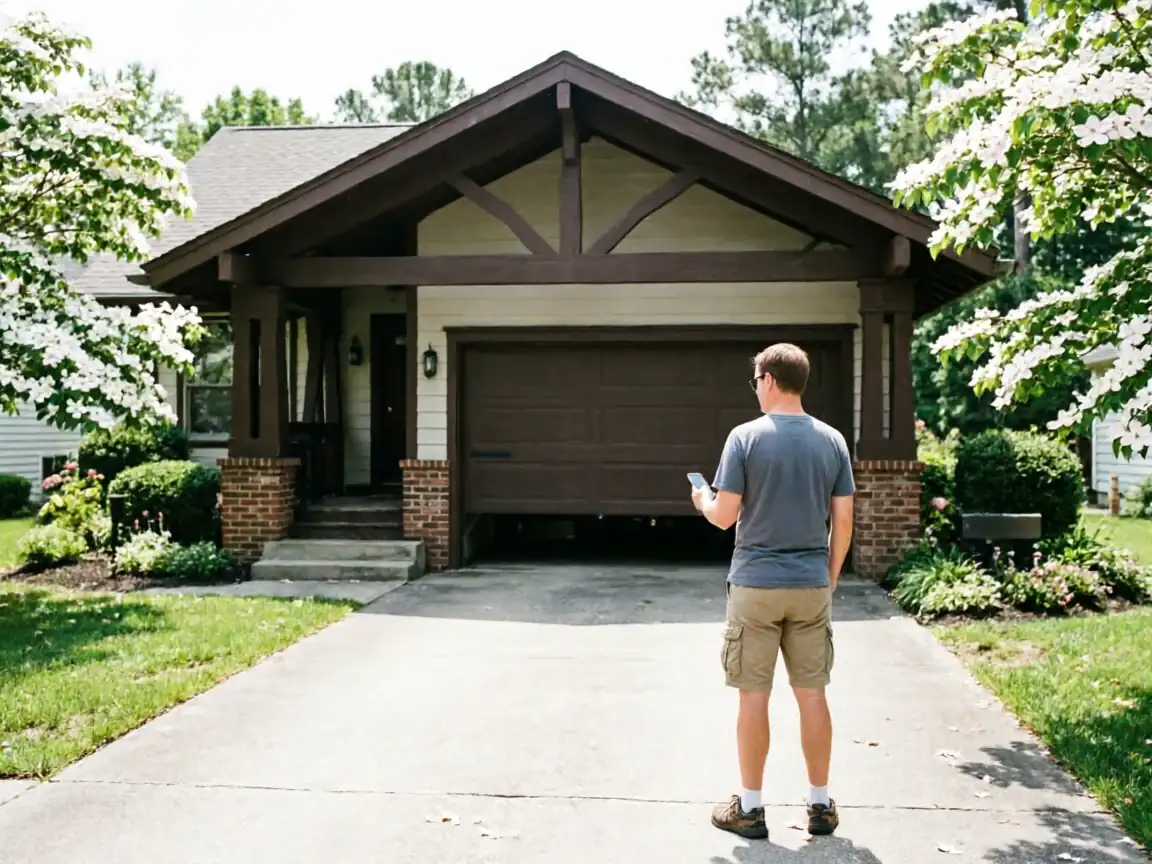
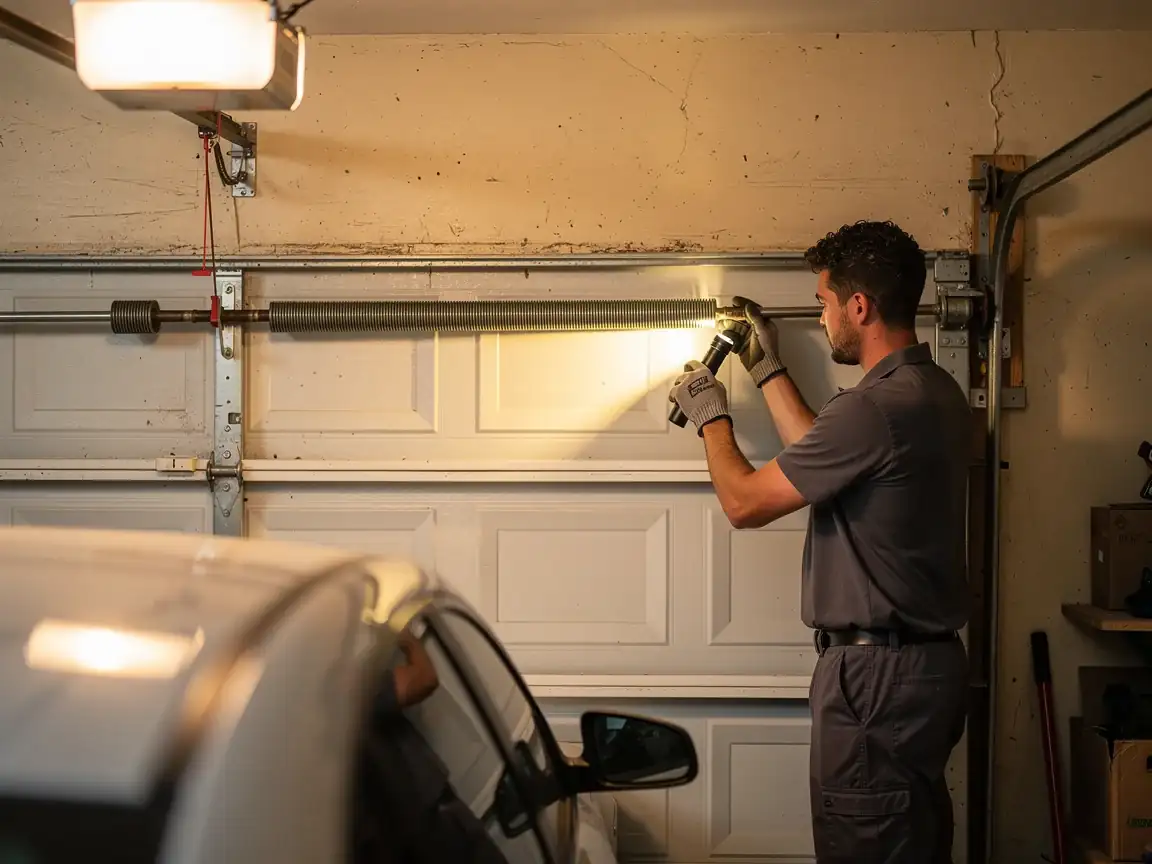
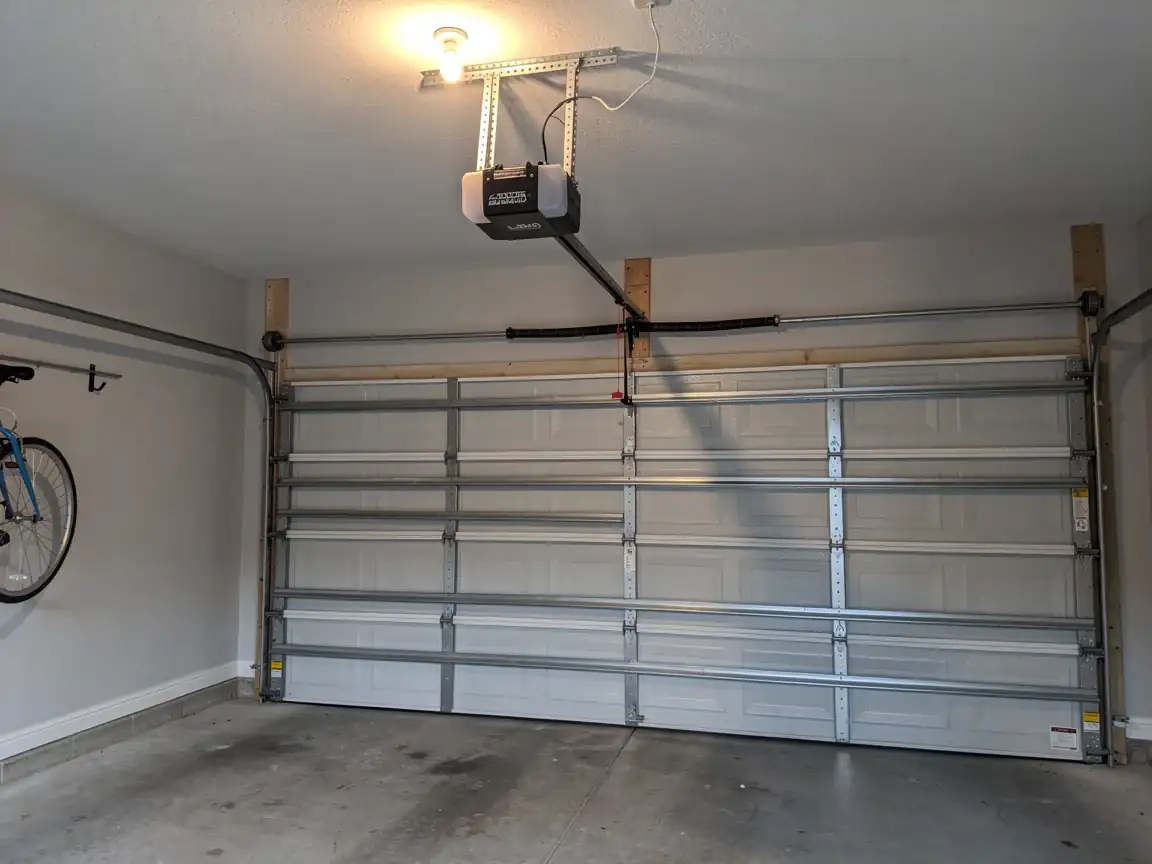
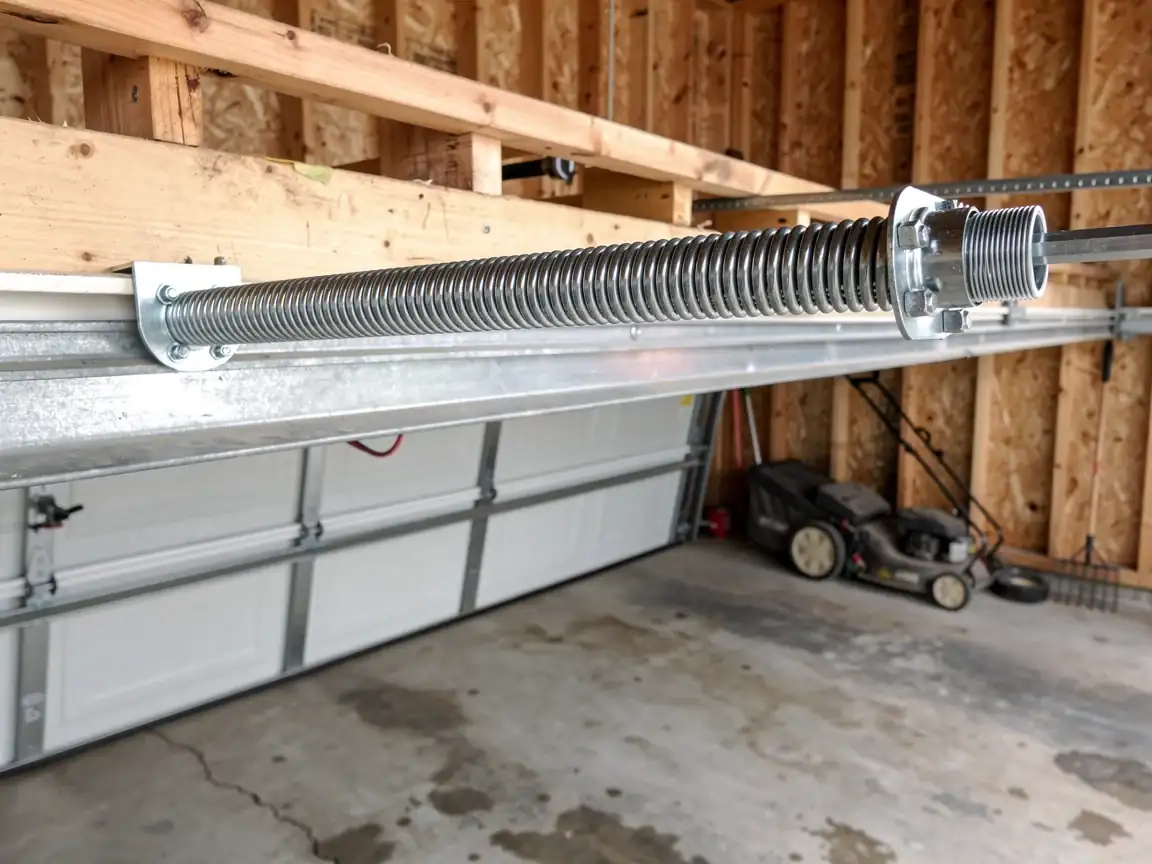
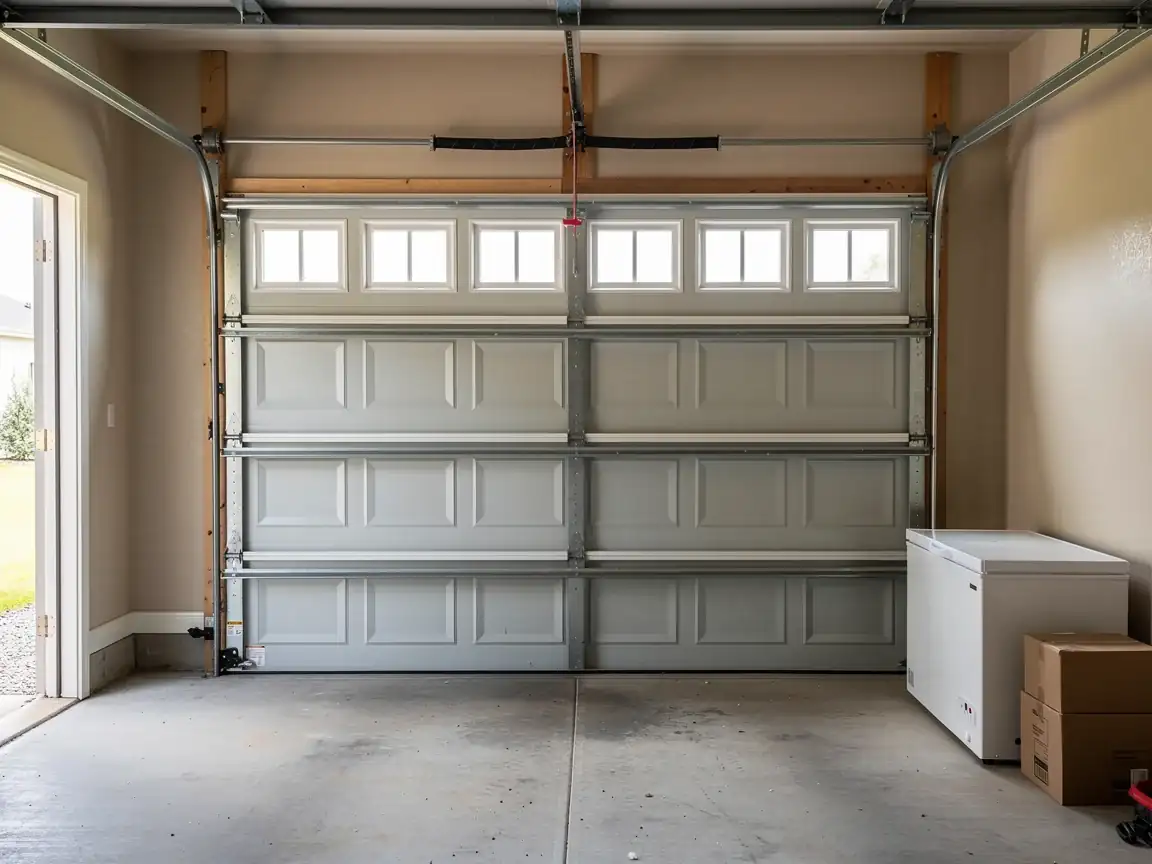
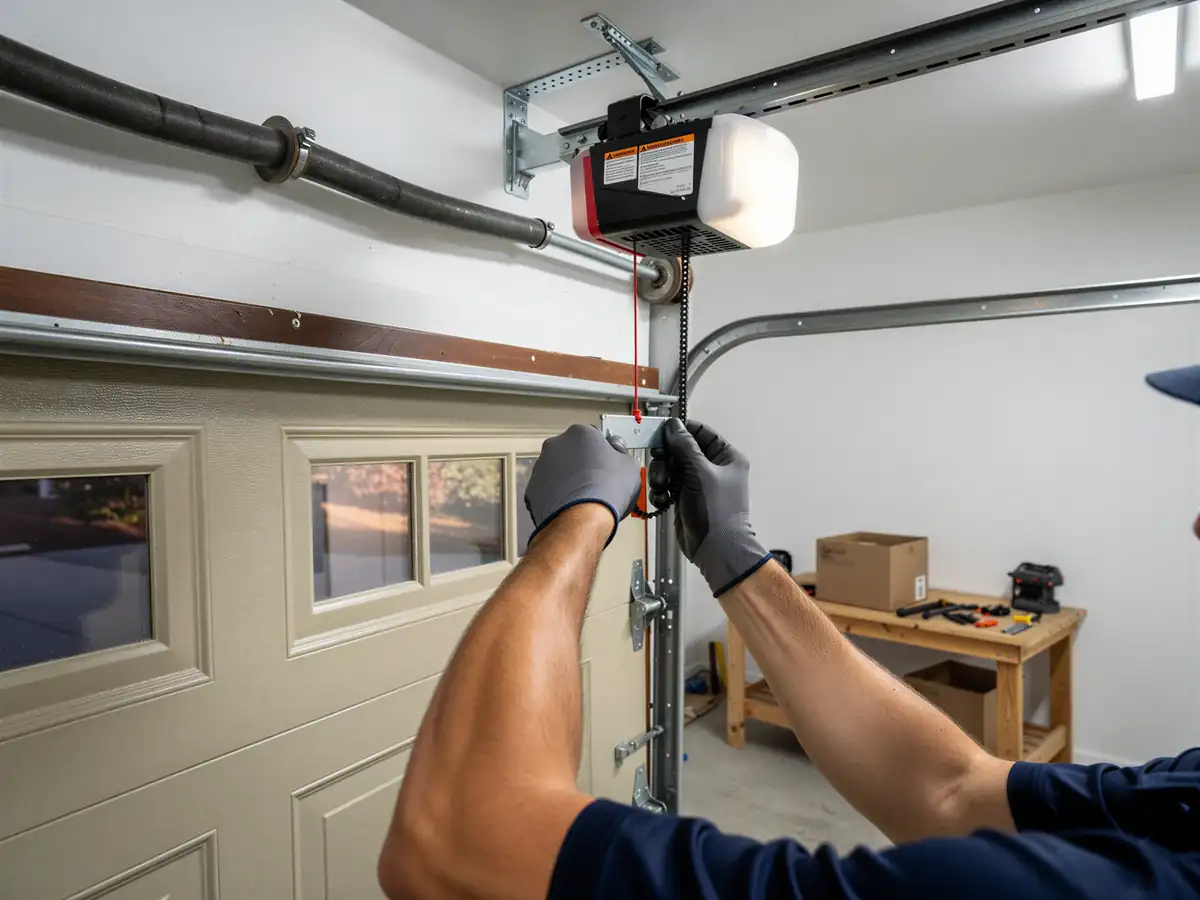
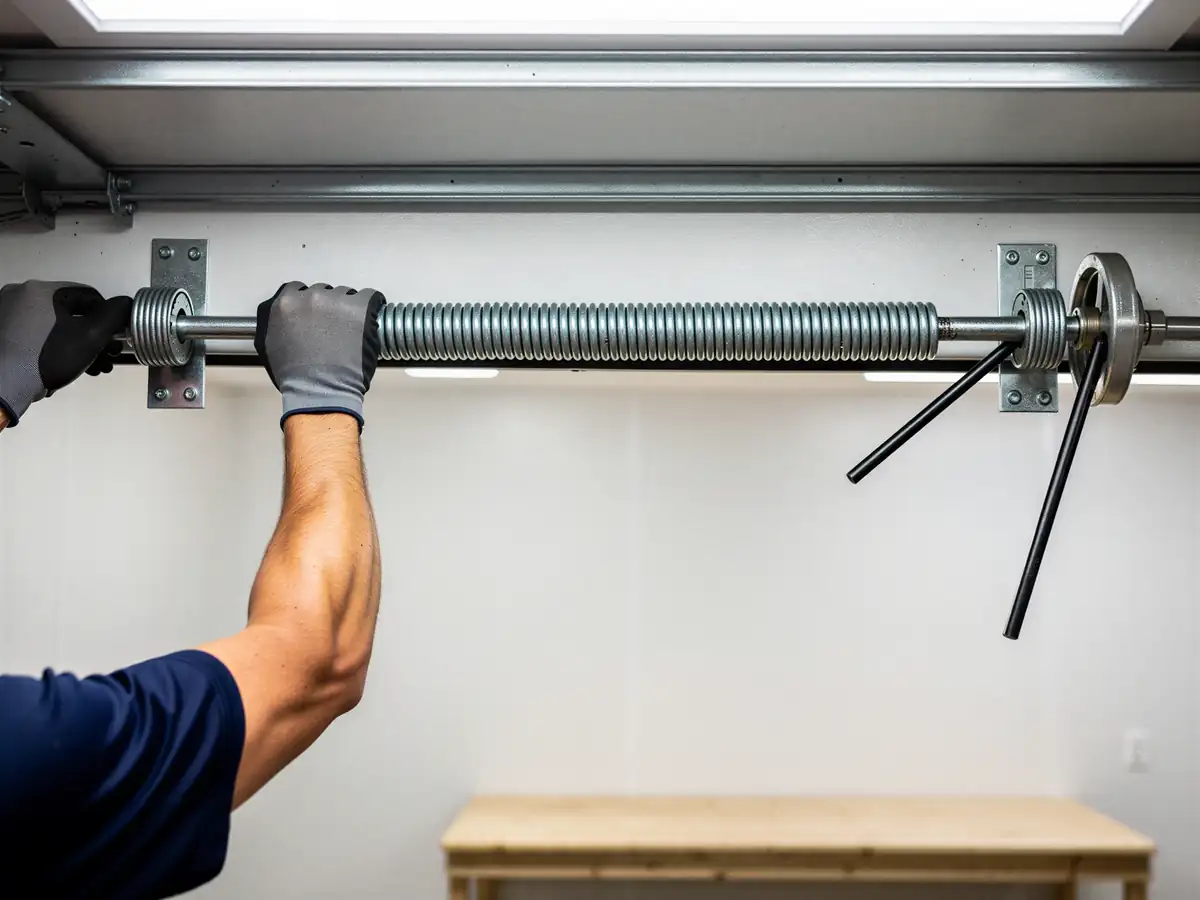
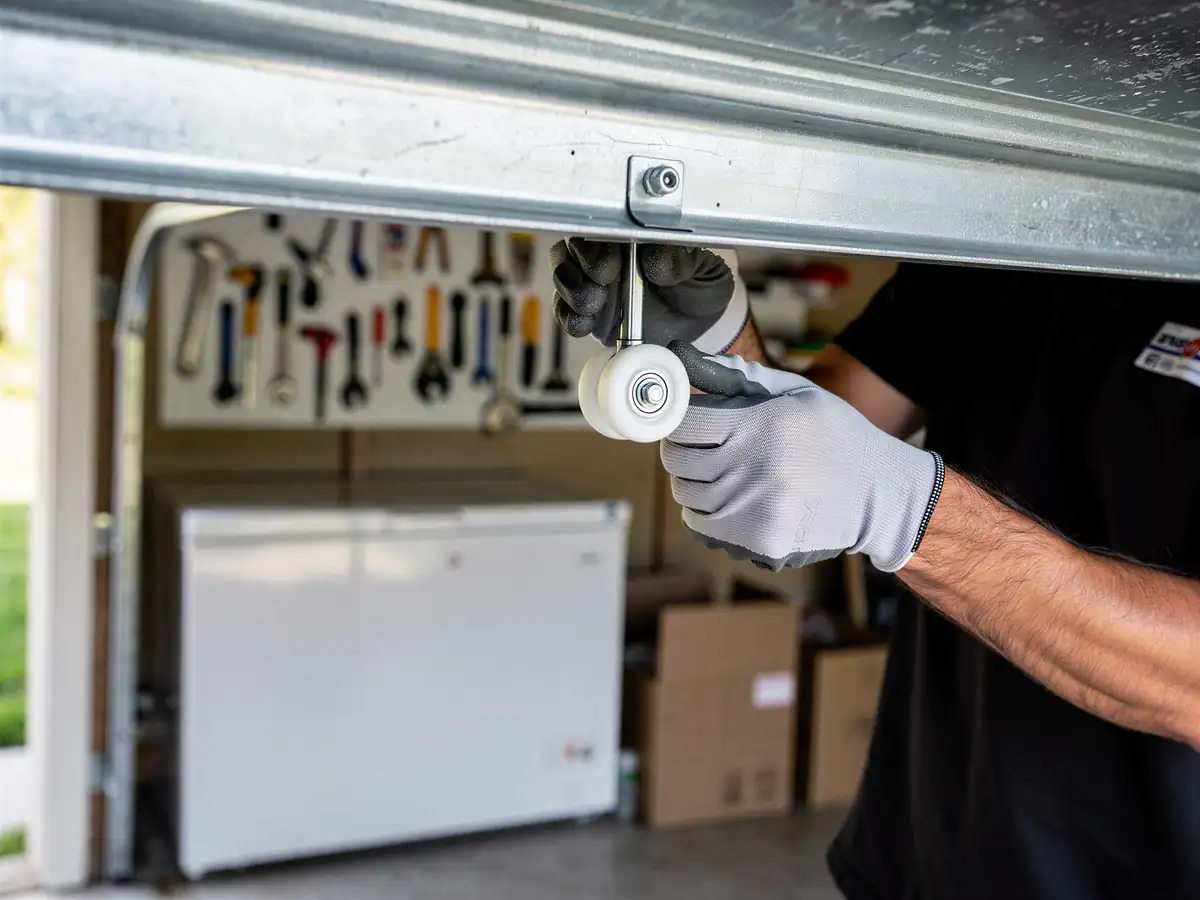
Swapping rollers looks simple until the door is halfway up on a spring under tension. Most houses in Swepsonville went up around 2004, which means the doors are old enough now that the original rollers - usually stamped steel on a cheap nylon sleeve - have worn oval instead of round. That wear doesn't show until you pull the roller stem out of the track, and by then the door is unsupported on one side. You can do the bottom rollers yourself with the door down and the opener unplugged, if you're comfortable working around a loaded spring you don't touch. The top rollers, the ones that ride near the horizontal track where the door's full weight sits, aren't a one-person job without a second set of hands holding the section steady. We'll say plainly: if you've never had the door open with a spring exposed, this isn't the repair to learn on. A roller replacement that goes sideways turns into a bent track, and a bent track costs more than the service call would have.
What Can Go Wrong
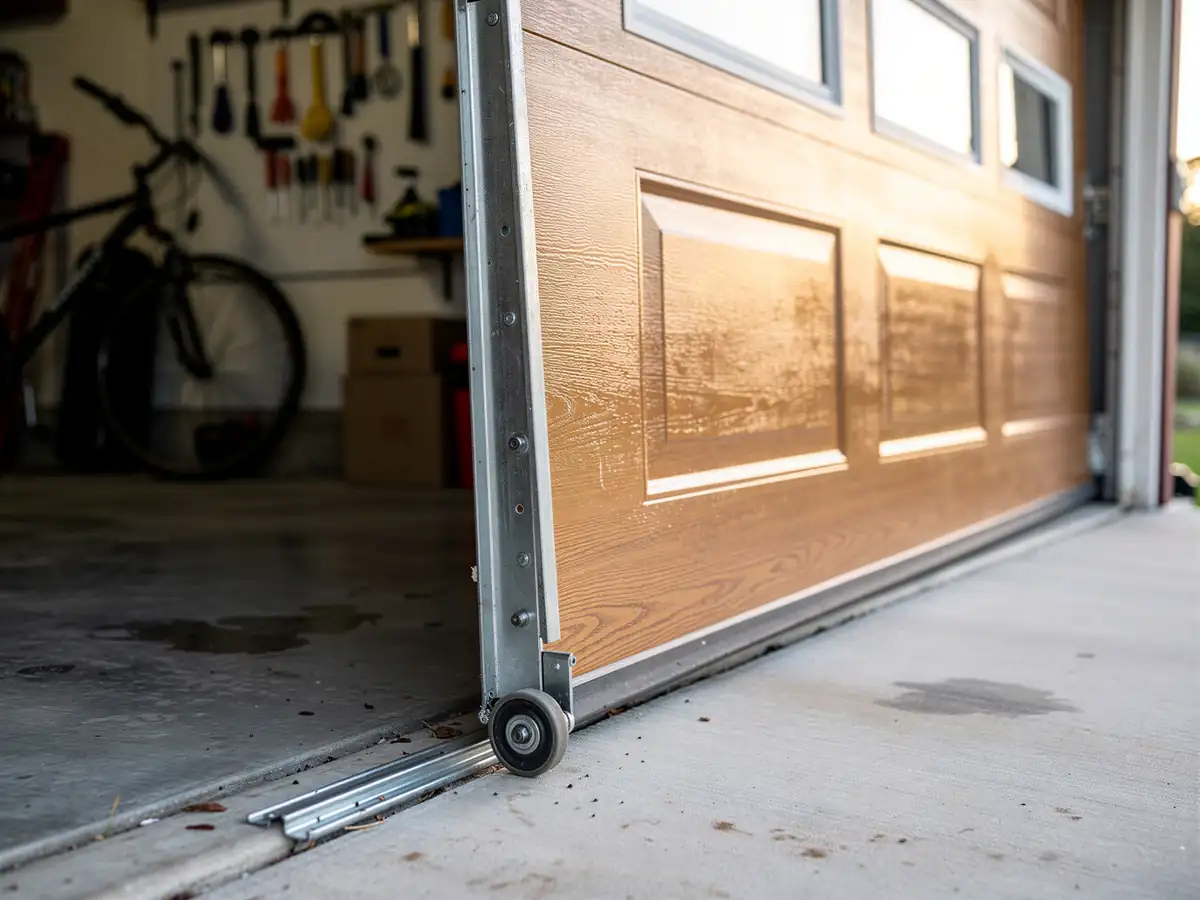
The fault we see most in this part of the service area is track wear from rollers that were never upgraded from builder-grade. A house built in 2004 has had twenty years of the door cycling on the same steel-stem rollers, and in cold-weather swings the nylon jacket cracks and the steel core starts grinding a groove into the track rail. Once that groove is there, a new roller alone won't fix the noise or the binding - the track itself has to come out. The second failure is a roller that's seized in its own bracket rather than worn at the wheel. It stops turning, drags instead of rolling, and chews a flat spot into itself within a few weeks. Either way, by the time a homeowner calls, it's usually not one bad roller - it's the full set on one side, because they were all installed the same day and they all wear out close together.
What It Costs
We don't publish a flat number here because the spread between a basic nylon roller swap and a full set of sealed-bearing steel rollers is real, and so is the difference between a job with a clean track and one that needs straightening. What we can say is that Swepsonville's housing stock, with a median income noticeably higher than the broader Burlington service area, is one of the few pockets where we regularly get asked to upgrade to the sealed-bearing rollers outright rather than replace like-for-like. That's a fair call on a door this age - if you're already paying for labor, the upgrade cost over basic rollers is small, and it buys quieter operation for years instead of a few seasons.
What the Repair Takes
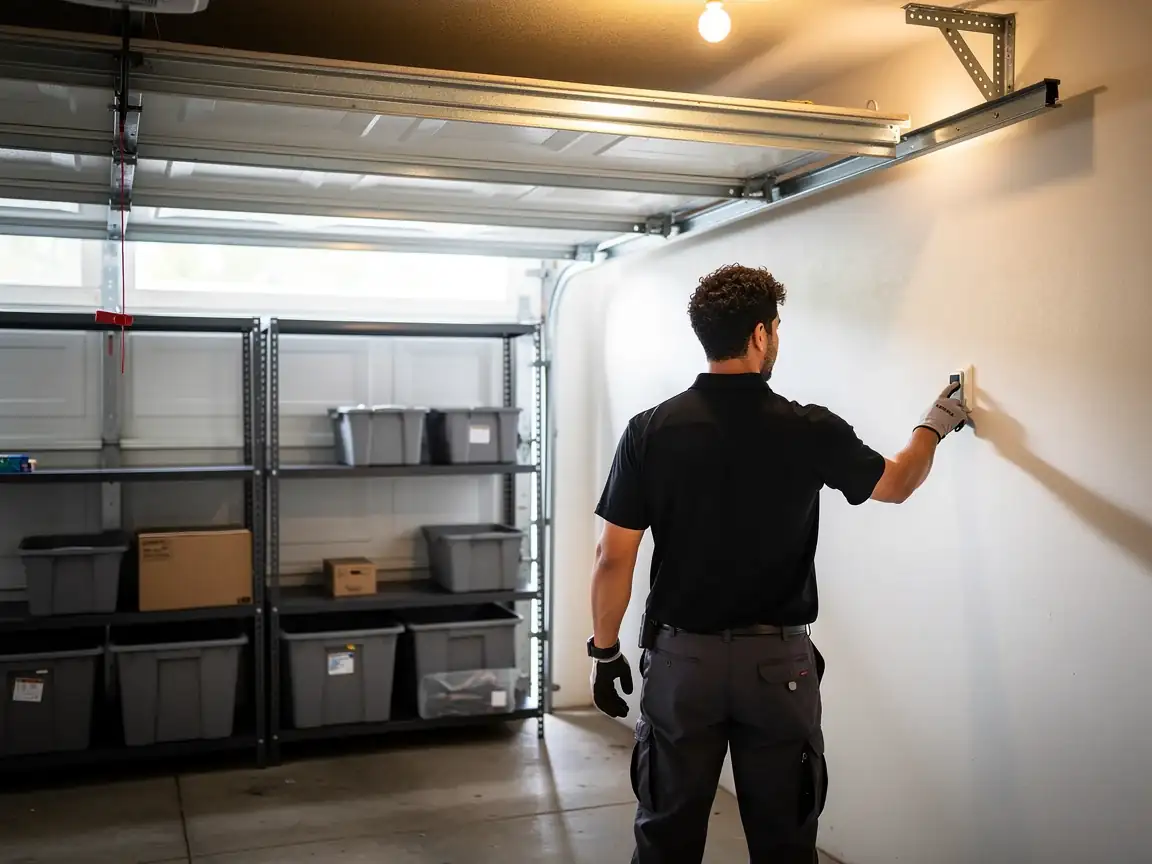
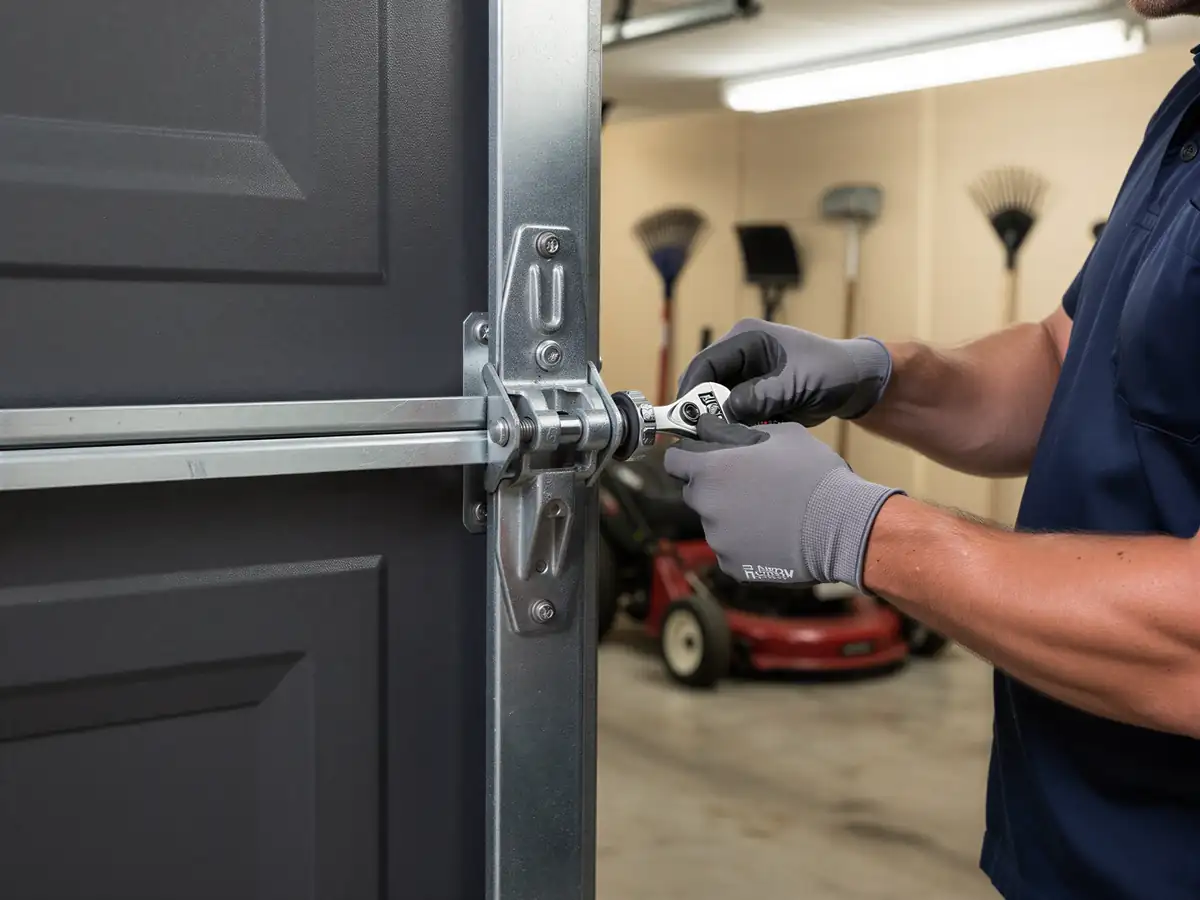
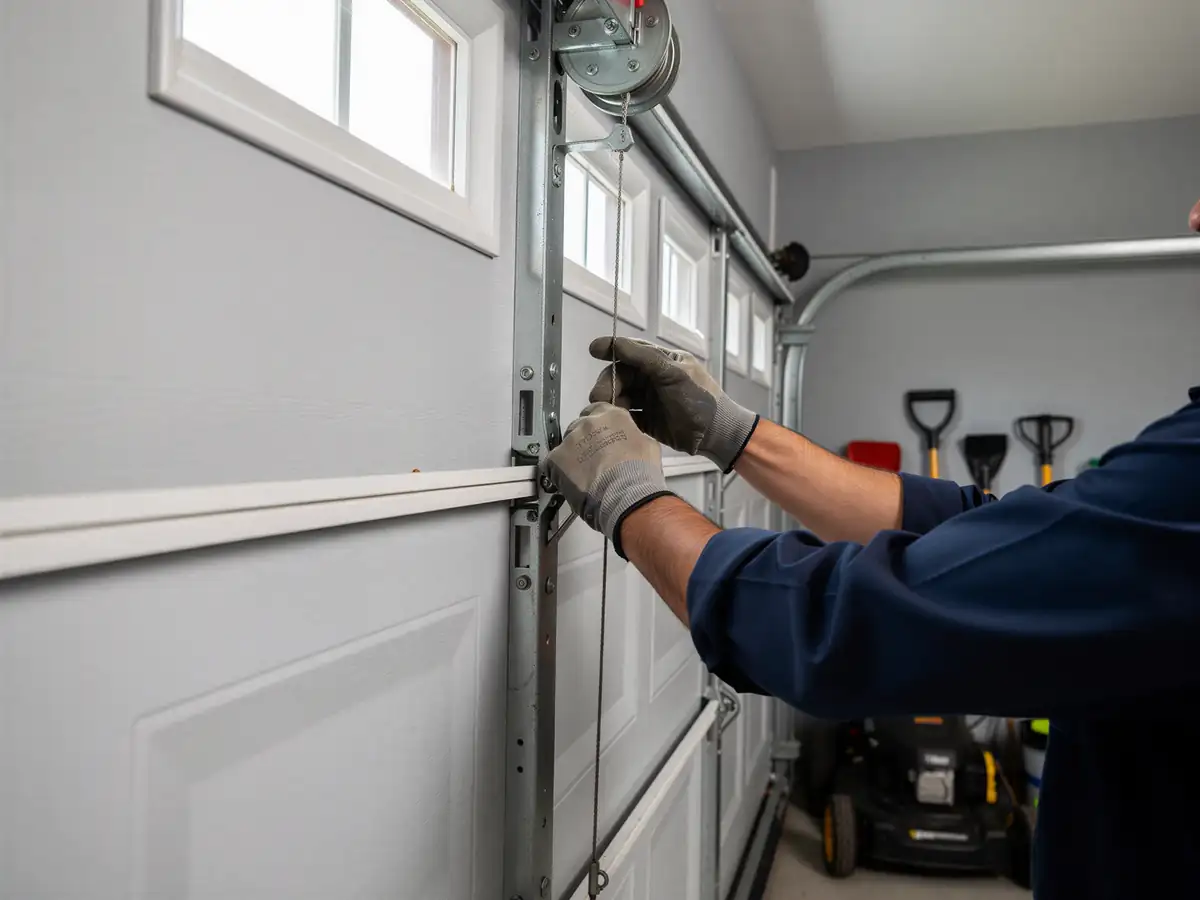
The basics: unload the door's weight by locking it in place, pull the roller stems from the track one at a time working top to bottom, inspect the track itself for the groove wear common on these 2004-era setups, and seat new rollers before releasing tension. On a cold-climate install like this region, we lean toward nylon rollers with sealed bearings over bare steel, since steel-on-steel in a track gets noisy and stiff when temperatures drop. If the track has a groove worn deep enough to catch a fingernail, replacing the roller without replacing or straightening the track just buys you a few quiet months before the new roller wears the same way. That's the one part of this job we won't shortcut, even when a customer just wants the noise gone today.