The Problem
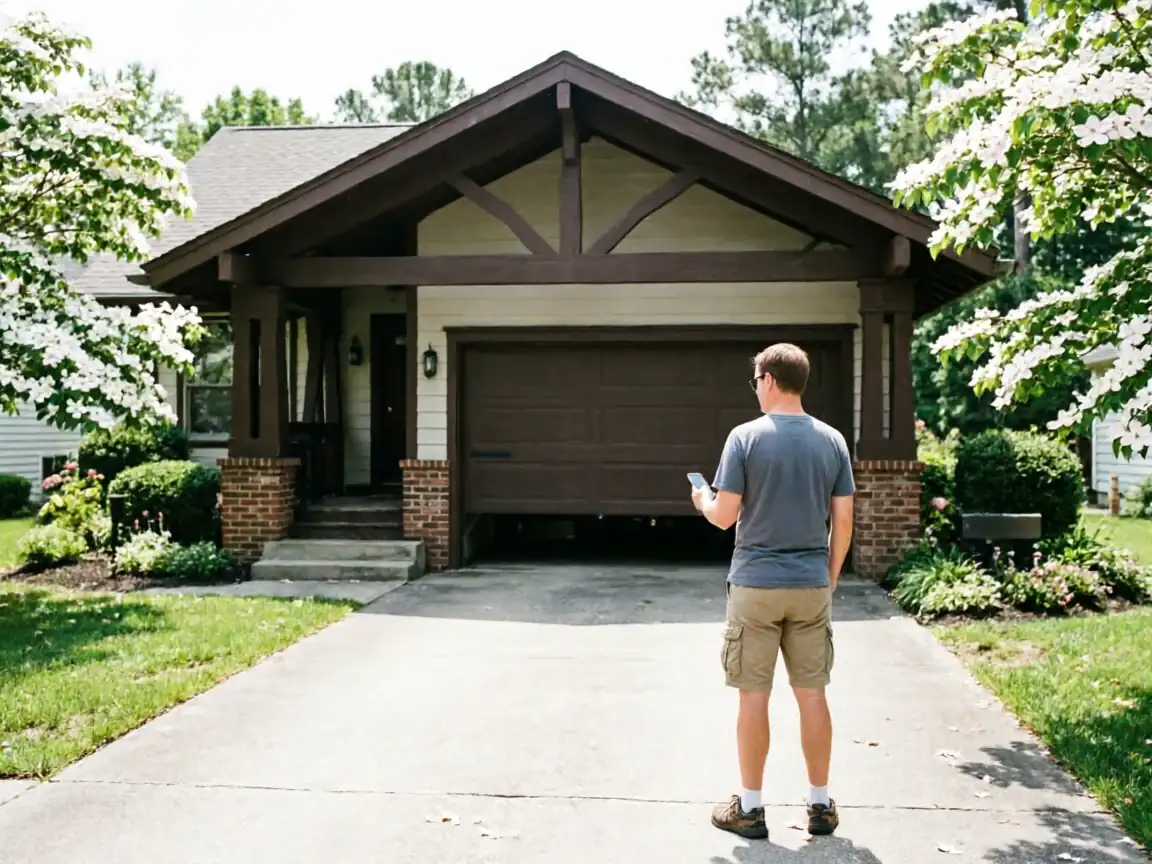
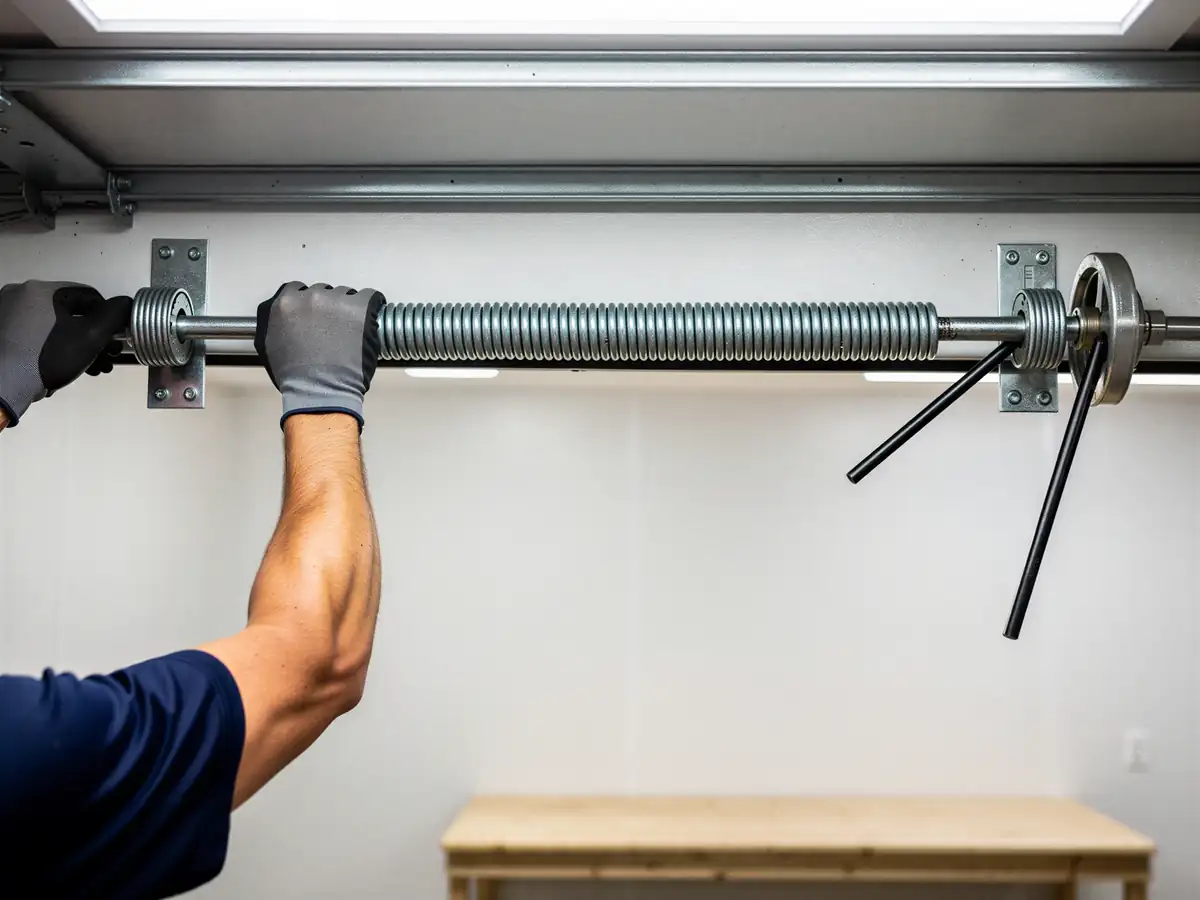
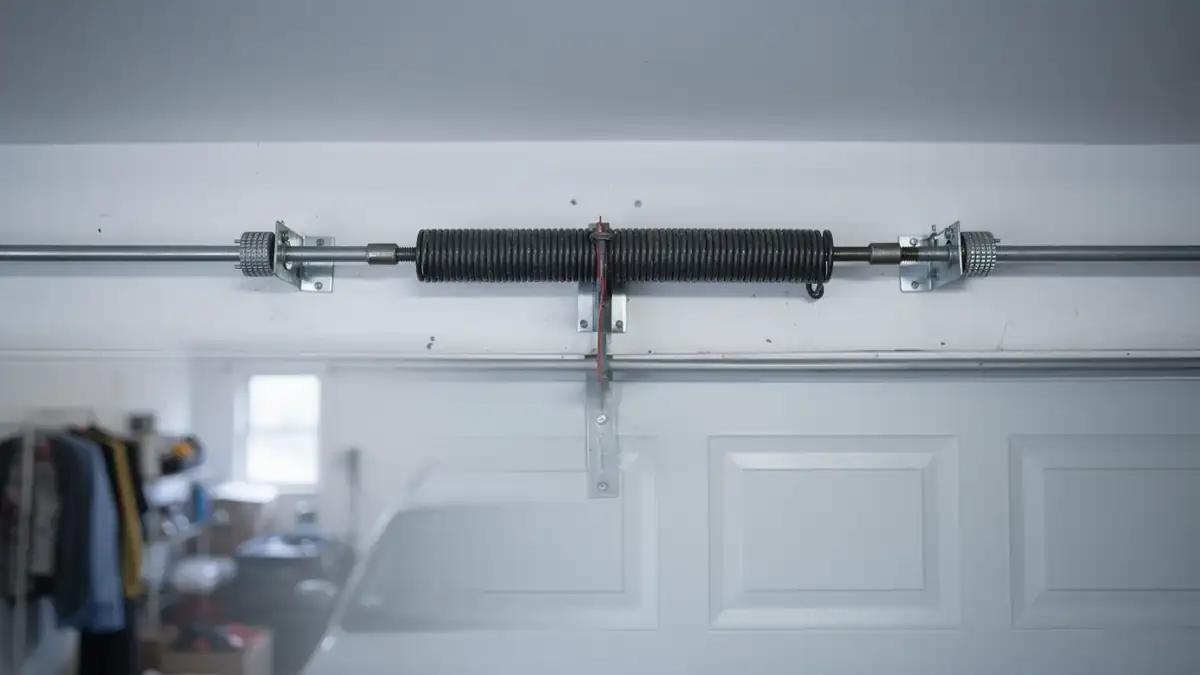
Burlington sits in a cold-moderate climate band, which means winters bring repeated freeze-thaw swings rather than deep sustained cold - but that cycling is exactly what tires out spring steel. A torsion spring that's wound tight all summer gets stiffer and more brittle as temperatures drop, and a coil that's been flexing the same way for years finally cracks on one of those cold mornings when you need the door most. Most of the housing in and around Burlington went up between 1970 and 2004, with a lot of it sitting square in the 1980s and 90s. That means a huge share of the springs out there right now are old enough to be near or past their wind-cycle life, and they're going to fail in the cold before they fail in July. The break usually isn't a surprise to the spring itself - it's been losing tension for months - but it feels sudden to the homeowner. One morning the door is forty pounds heavier than it was the day before, the opener strains and stalls, or the door won't lift past a foot. That's not the opener failing. That's worn spring steel doing what worn spring steel does when a cold morning adds one more stress to metal fatigue that was already most of the way there.
Doing Nothing For Now
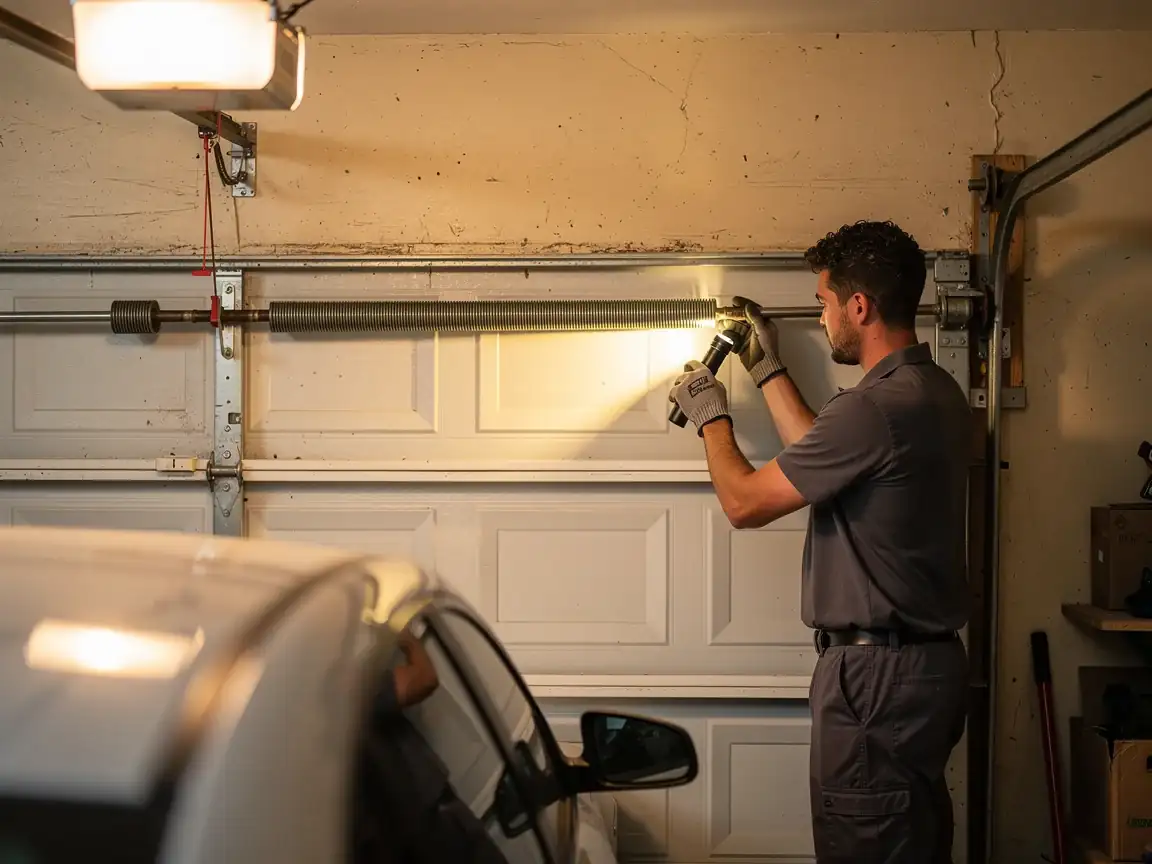
A broken spring on one side of a double door isn't automatically an emergency. If the door still closes and locks, you can park the car outside and wait a few days without real risk, as long as nobody forces the opener to lift the dead weight - that's what burns out motors and strips gears, and it turns a spring call into a spring-and-opener call. What you shouldn't do is keep hitting the remote hoping it'll finally catch; each attempt adds load to a system that's already fighting gravity on one side. We also won't tell you both springs need replacing if only one broke, unless the other is visibly at or near the same wear and age - but on a lot of the 1980s and 90s builds around here, that second spring is usually close behind, and it's worth asking us to check the wind count while we're already under the door.
Where People Go Wrong
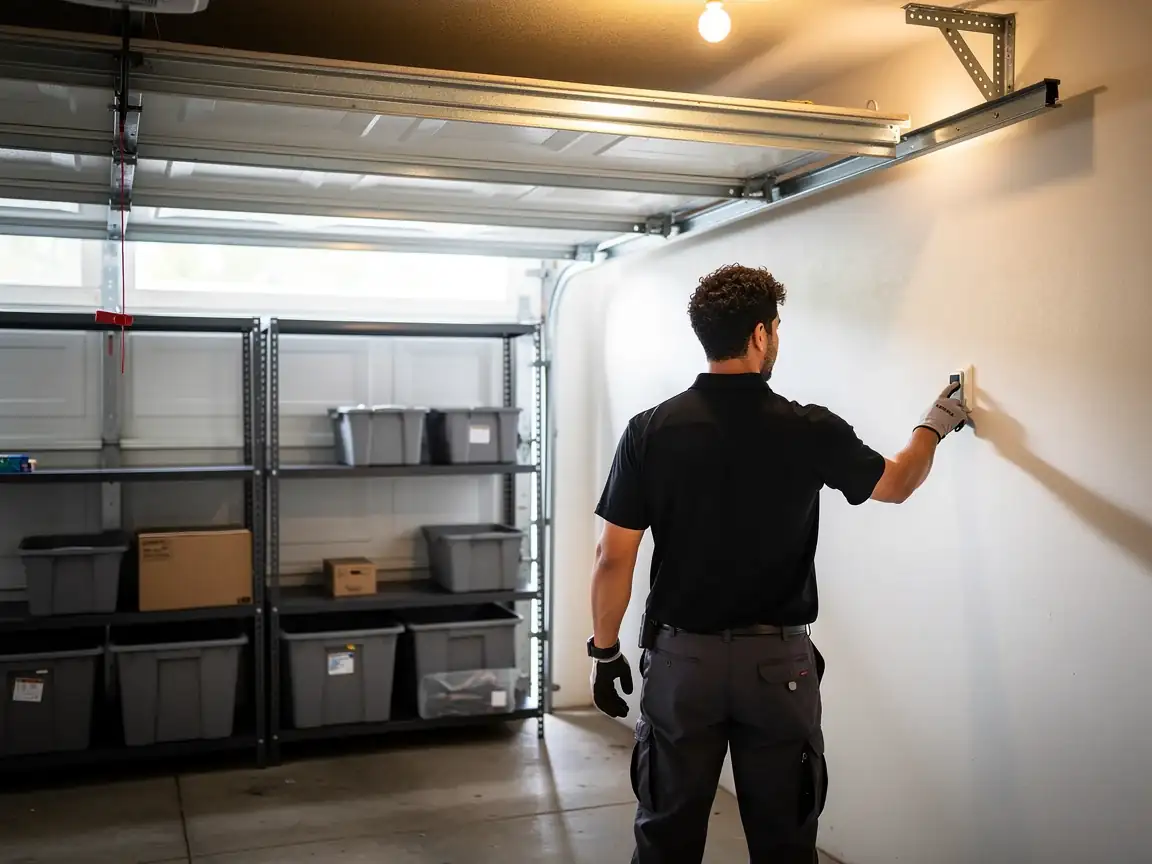
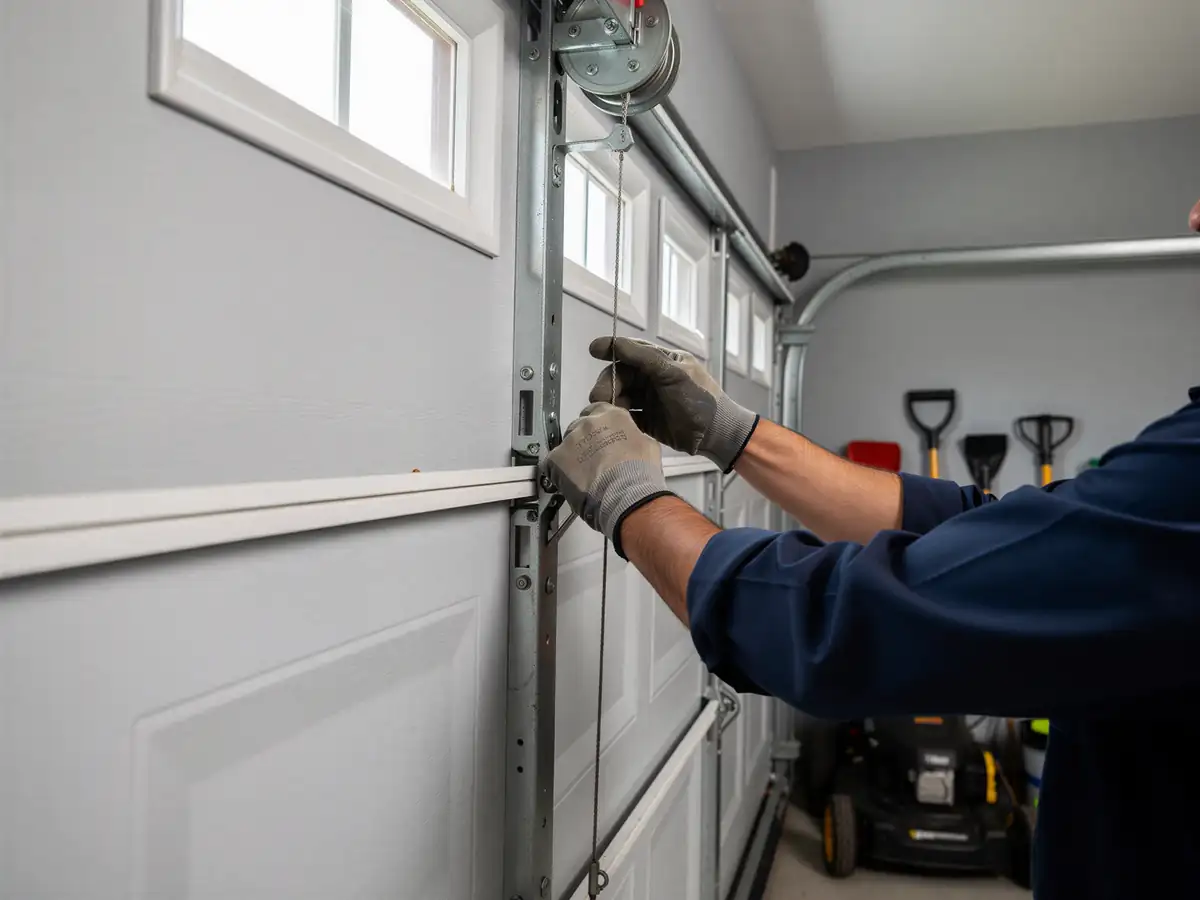
The most common mistake is treating a stuck door as an opener problem - people replace the logic board or the motor before anyone checks whether the spring snapped. Another is prying the door up with a pipe or a broom handle to get the car out; with a snapped torsion spring, that's a door with nothing holding its weight, and it can come down fast. We also see owners grab a replacement spring off a shelf without matching wire size, length, and wind direction to the original, which on the mixed stock around here - 1970s builds next to 1990s builds - can mean the wrong spring for the door it's going on. With the area's median household income at $67,366, most owners we talk to want the job done right once rather than paying twice for a mismatched part. And on some of the older extension-spring setups still hanging on from early builds, swapping to torsion isn't a weekend fix - it changes the whole header assembly, and that's a conversation worth having before anyone buys a part.