Can You Do This Yourself
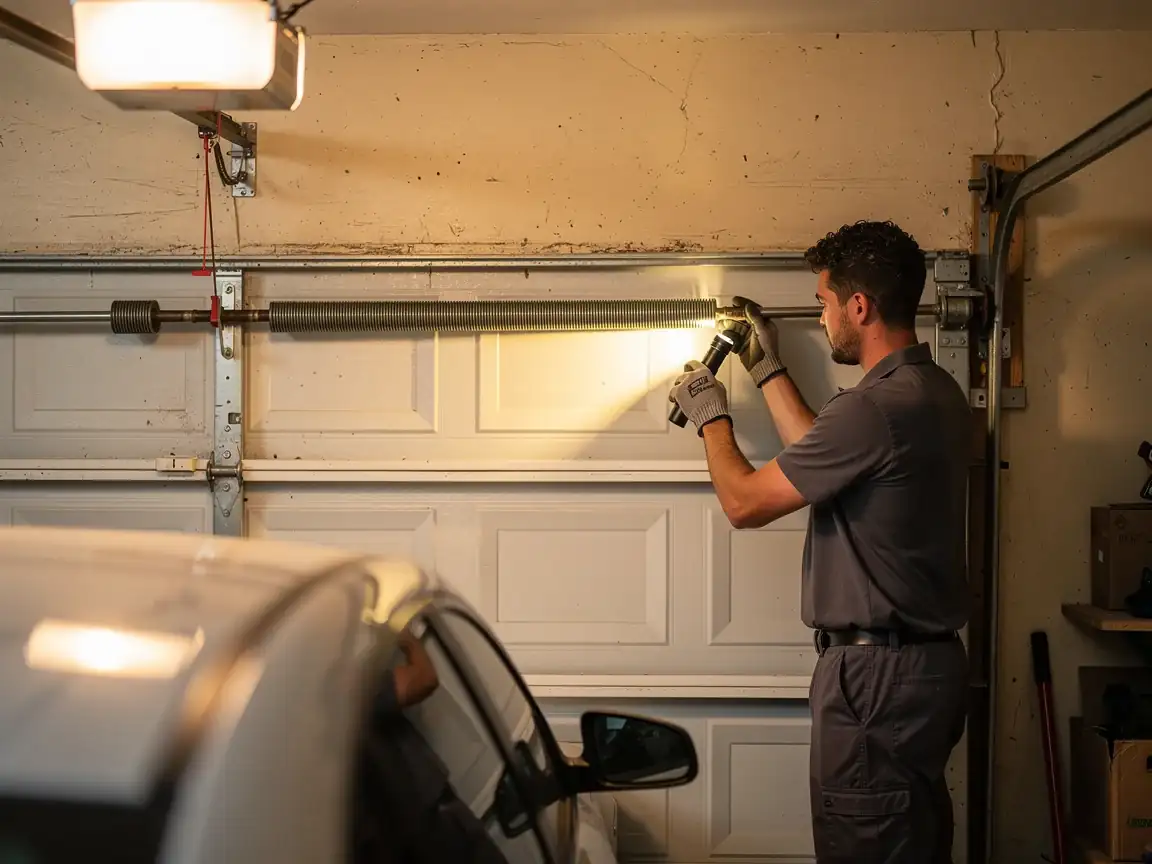
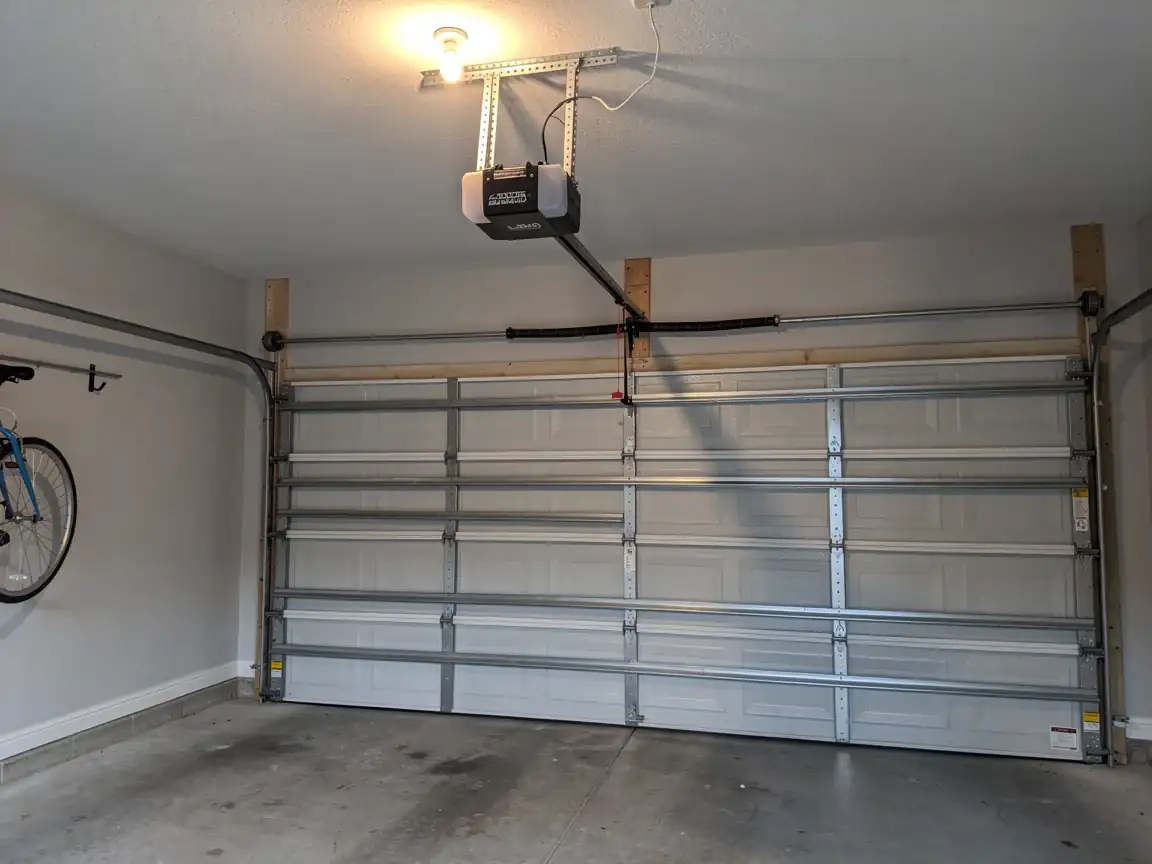
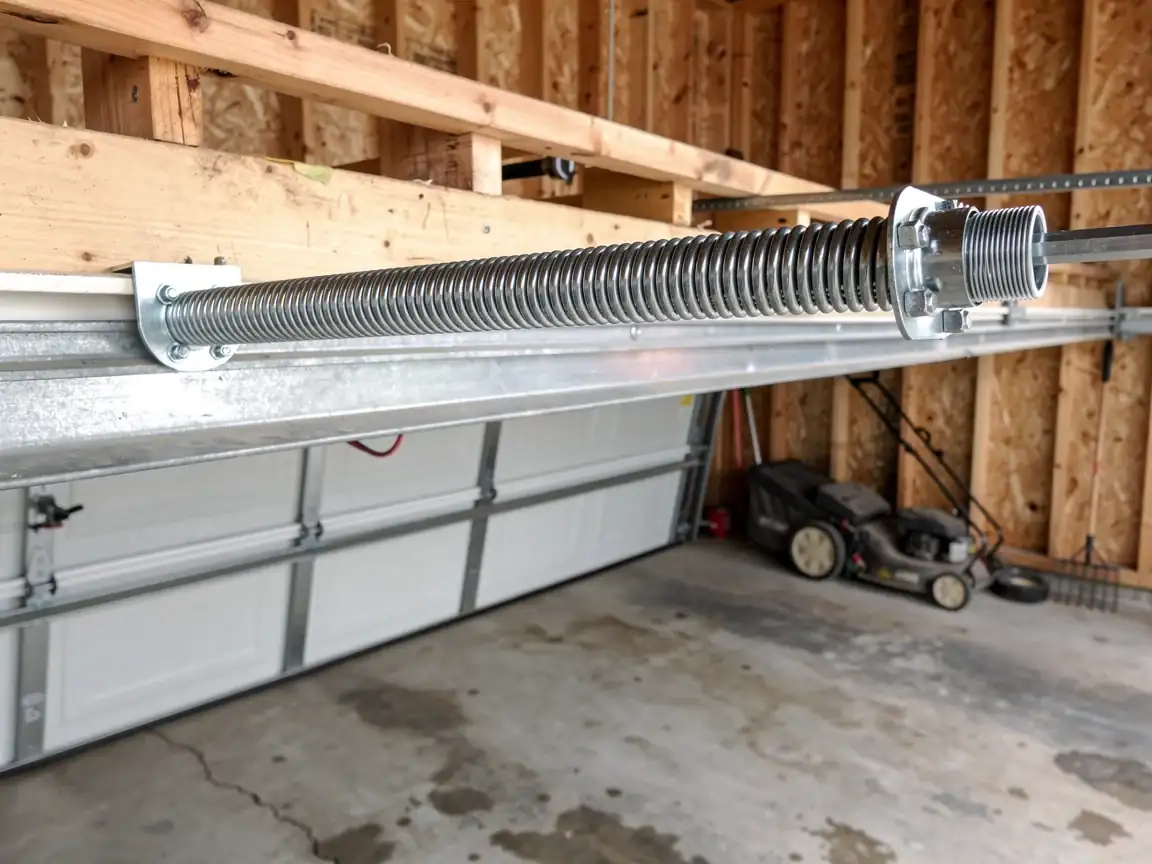
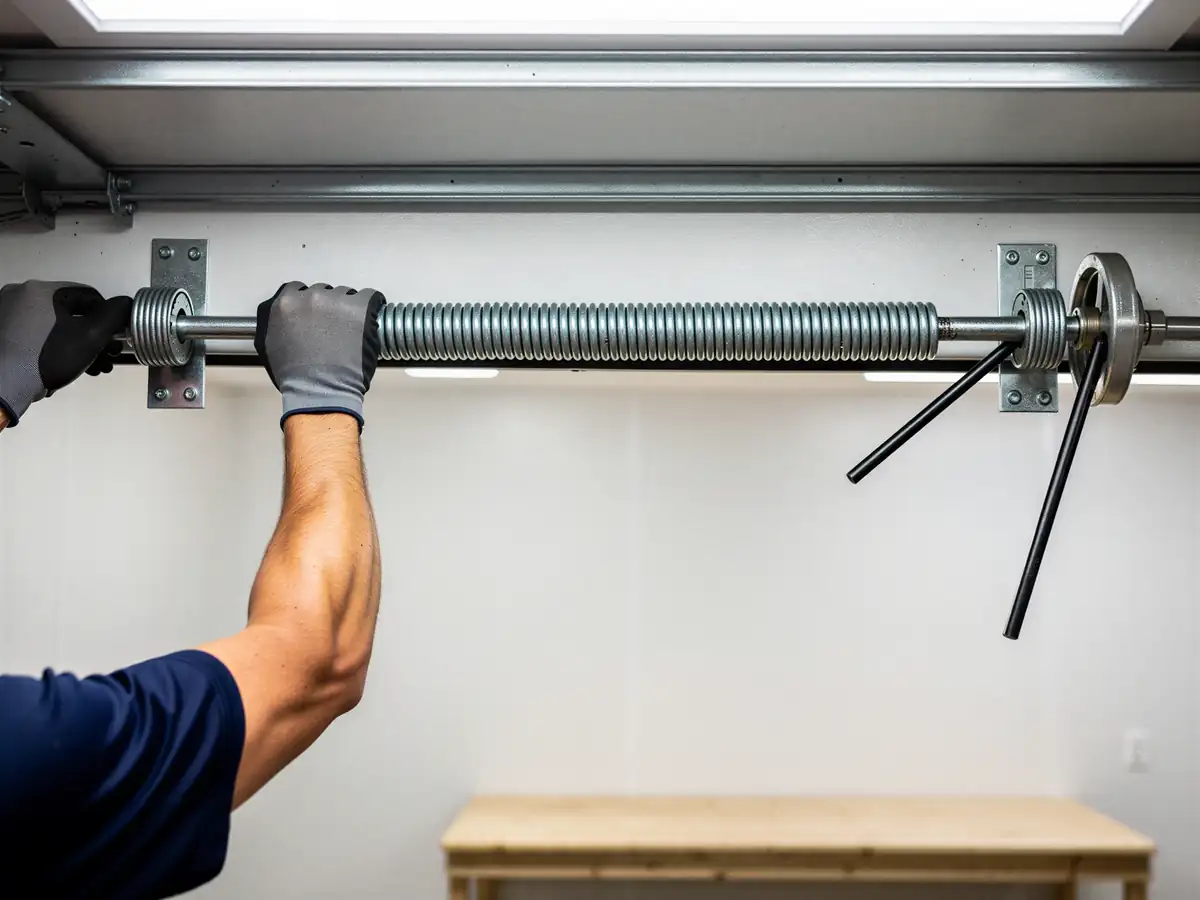
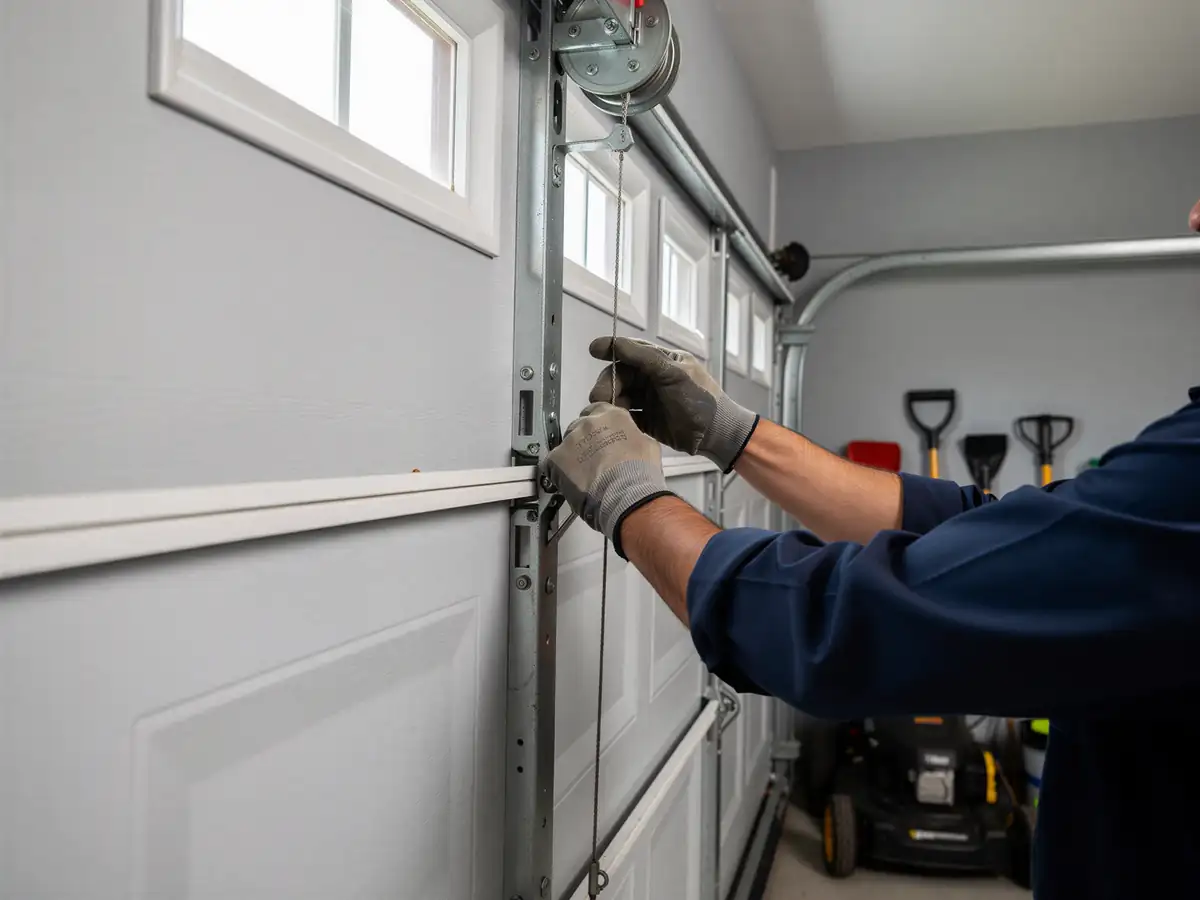
A new garage door is not a weekend DIY swap, and the reasons are the same seven miles out from Burlington as they are anywhere else. A single-car or double-car door with a torsion spring system holds enough stored energy to break a wrist or worse if the winding bar slips, and getting the track plumb on the first try matters more than it looks like it does from the ladder.
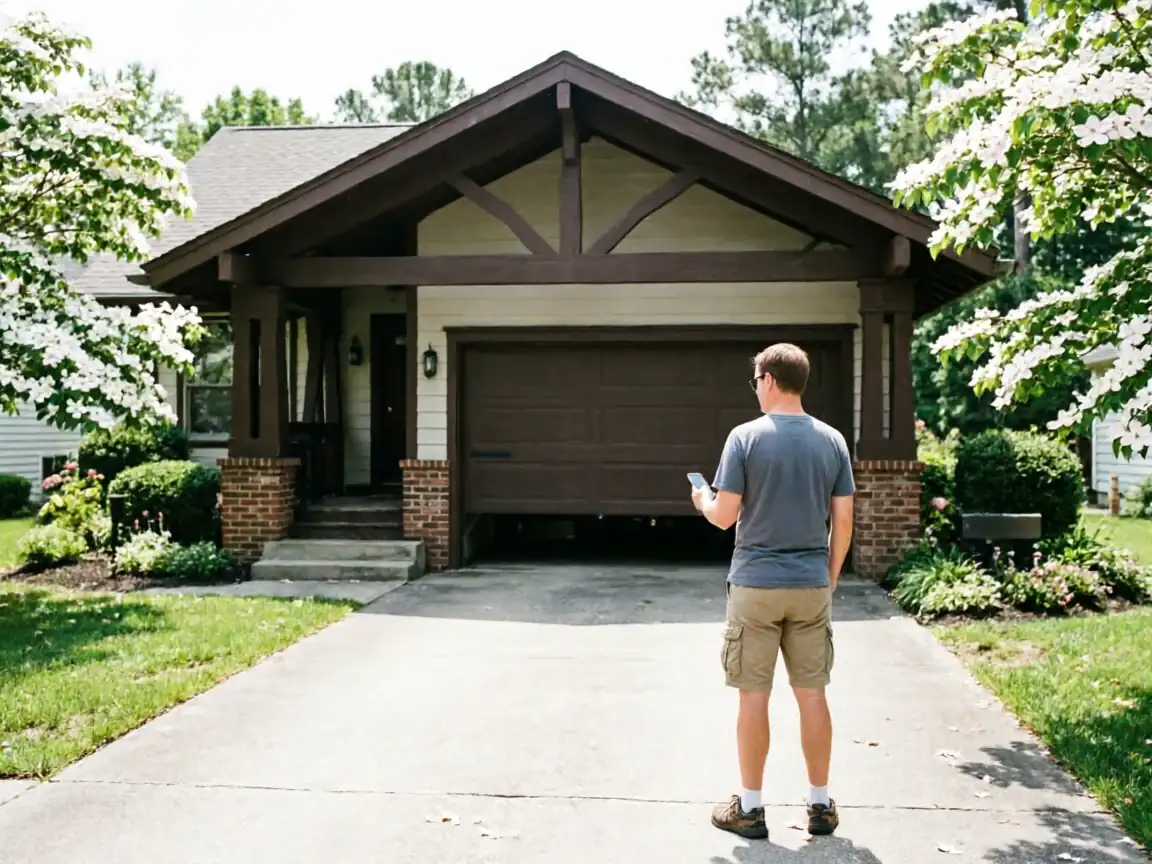
What changes house to house in Swepsonville is the opening itself. Houses here mostly went up around 2004, which means standard modern rough openings and standard hardware, not the odd sizing you find in older housing stock elsewhere in the service area. That's actually good news for a self-install attempt, in the sense that the parts you'd be buying at a box store are the right era of parts.
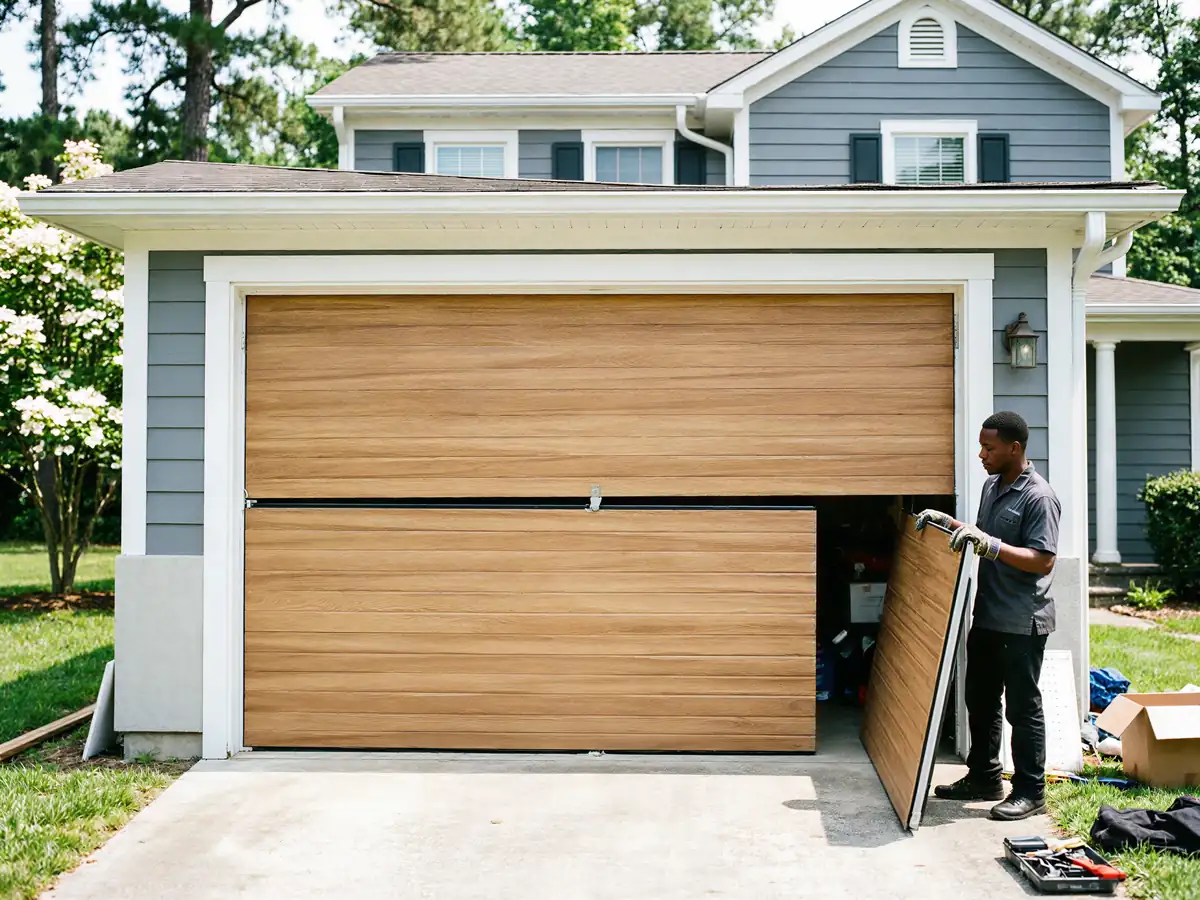
We'll still say it plain: measuring the opening, squaring the jambs, and setting spring tension correctly are where most first-time installs go sideways. If you want to swap a broken panel yourself on an existing door, that's a different job and a smaller risk. A full door replacement is where we'd tell you to make the call.
What Can Go Wrong
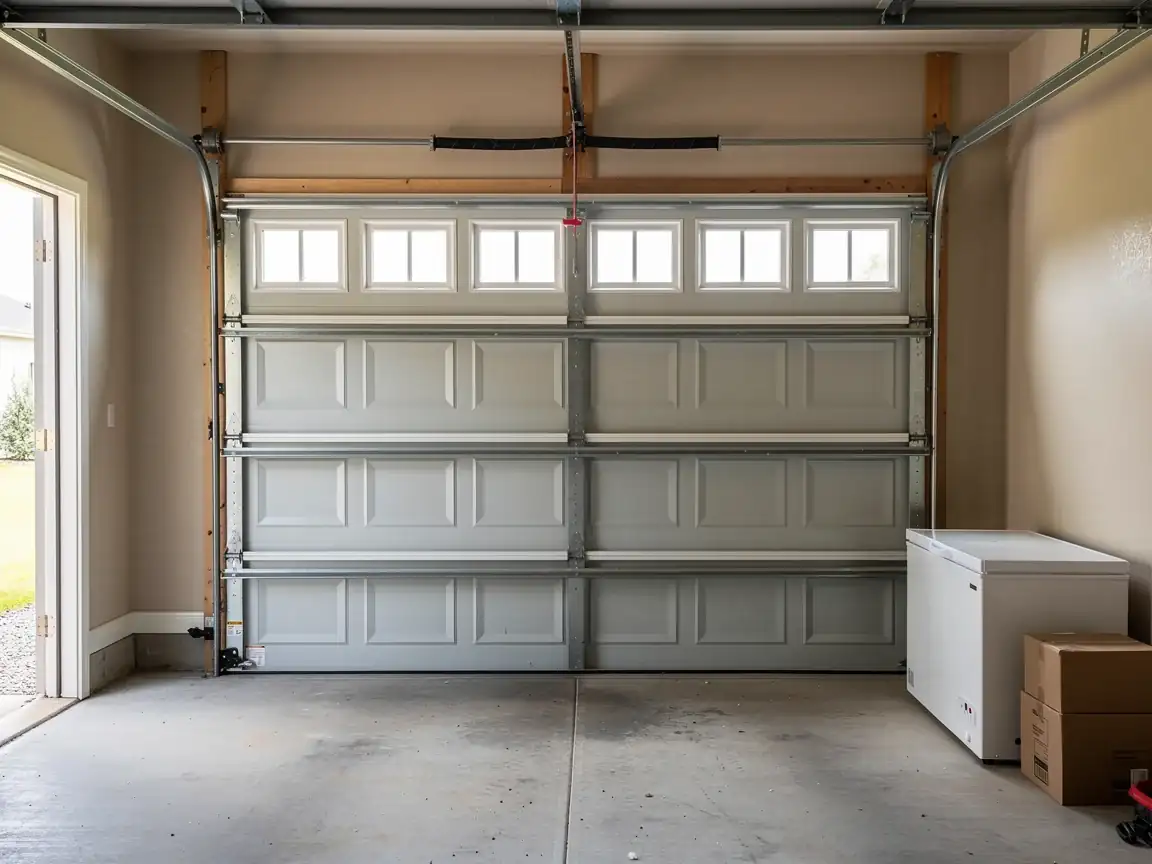
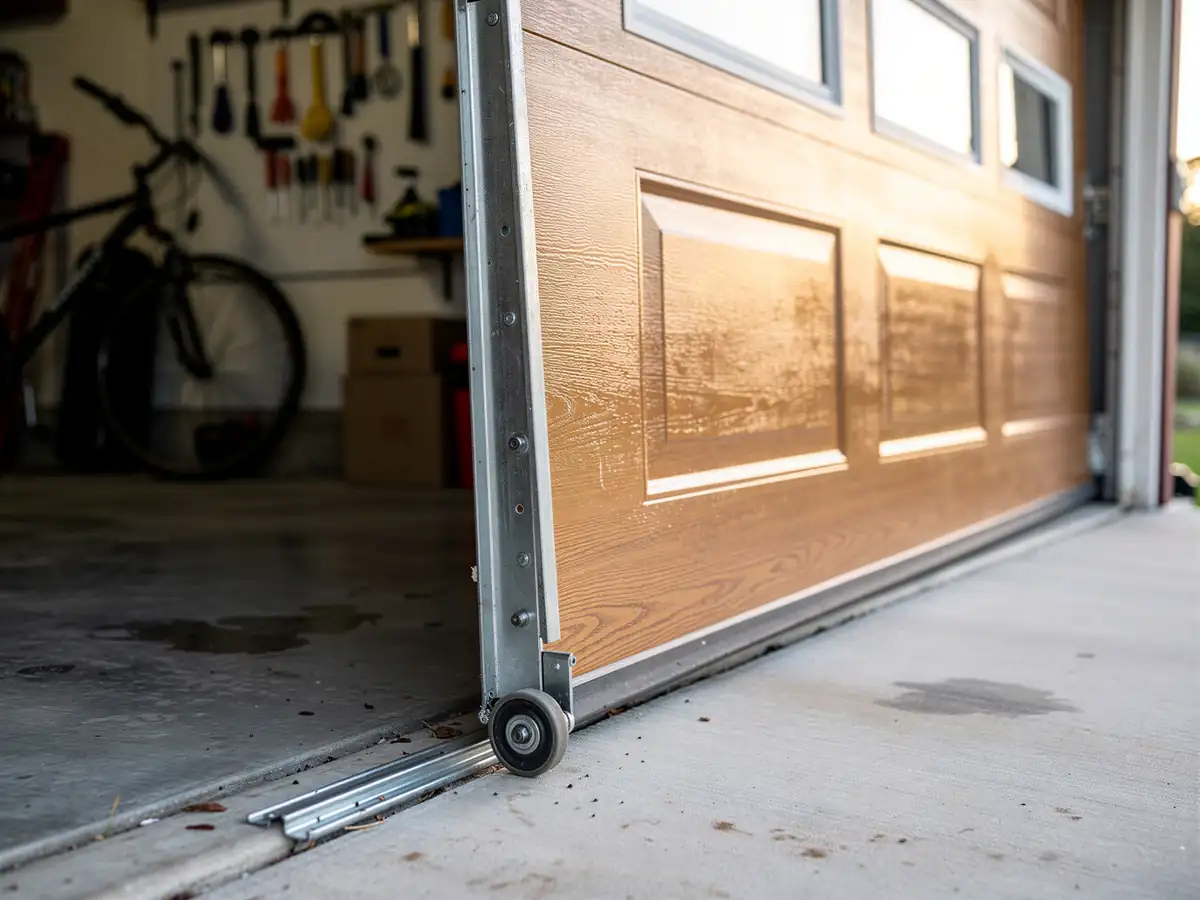
On a house built around 2004, which covers most of Swepsonville, the garage opening and the door hardware are usually standard sizes, so the installation itself tends to go cleaner than it does on older stock. Where it goes wrong is usually in the small stuff nobody budgets time for: a slab that's settled unevenly over twenty years, an opener bracket that was never meant to carry the new door's weight, or wiring for a keypad that doesn't match what the new unit expects.
We also see doors ordered with the wrong R-value for how the garage gets used. The service area sits in a cold-moderate climate band, and a door facing an unheated garage needs different insulation than one backing onto a finished room. Get that wrong and you've got a door that looks right and performs wrong for ten winters.
The honest limitation here: we can't quote you a install time or a price over the phone without seeing the opening. Framing issues, header height, and whether the old door's track bolts are reusable all change the job once we're standing in front of it.
Time on the Job
Because Swepsonville is about seven miles out from our Burlington base, the drive itself is a short one
But it's still a factor in how we schedule the day. A straightforward double-door swap on a 2004-era opening, standard header, no structural surprises, is typically a one-day job start to finish, including hauling off the old door.
What stretches the timeline isn't the drive, it's the house
If the opener needs replacing alongside the door, or if the jambs need shimming because the slab's settled, that adds hours. We'd rather tell you that up front than promise a number we can't hold to once we've opened the garage up.
We sequence the day so the old door comes down, the opening gets checked and squared
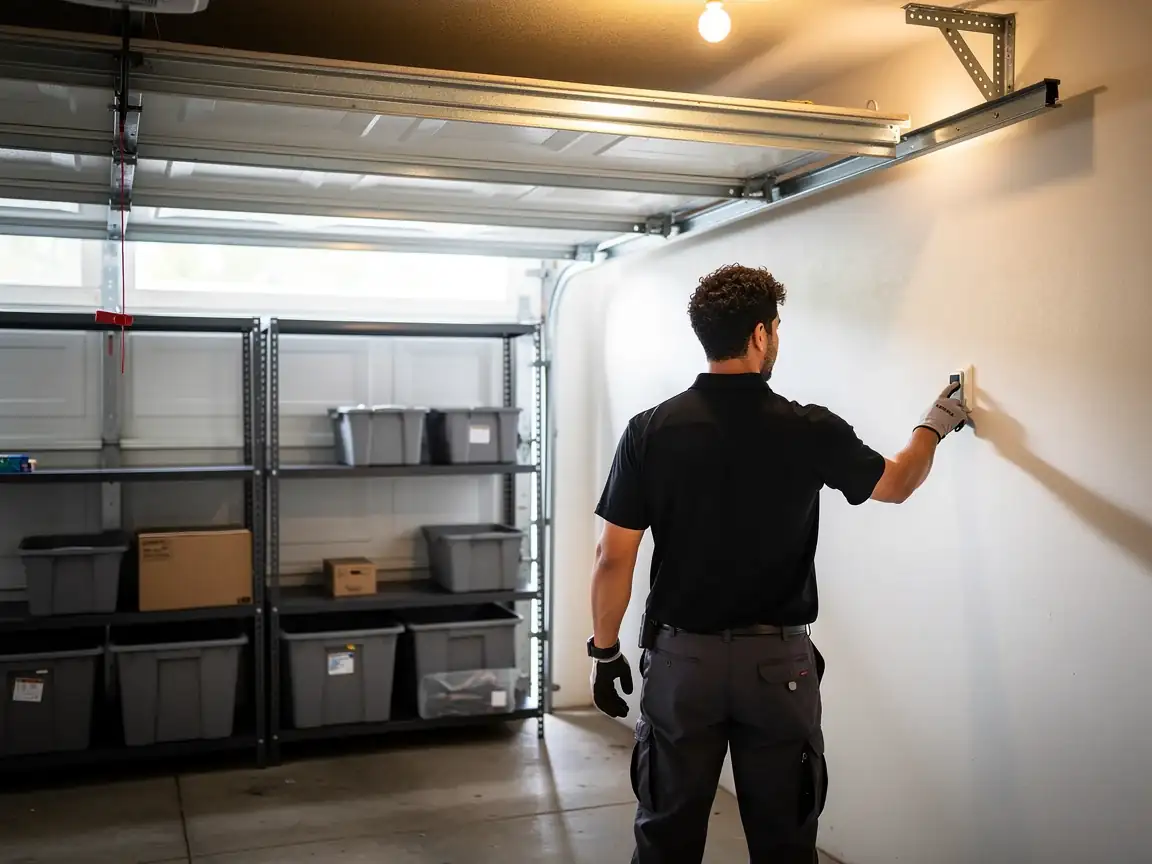
And the new door and track go up before we touch the opener wiring. That order matters more than people expect - rushing the squaring step is how you end up with a door that binds on one side six months later.
What It Costs
We don't have a Swepsonville-specific price list, and we're not going to invent one - pricing depends on door size, insulation level, opener compatibility, and what's actually behind your existing track once we pull it off the wall. What we can tell you is what tends to shift the number here specifically.
Swepsonville's median household income runs well above the broader Burlington service area's figure, and in practice that shows up in the door styles homeowners actually choose: more insulated steel and composite doors, fewer bare single-layer panels. That's not a rule, just a pattern we see on this side of the coverage map.
The other factor is the opener. A 2004-era house usually still has its original chain-drive opener, and if yours is original, replacing it alongside the door is often worth bundling into the same visit rather than paying for a second truck trip later. Ask us for a walk-through quote rather than a phone number - we'd be guessing otherwise, and guessing on a door job isn't something we do.
What the Repair Takes
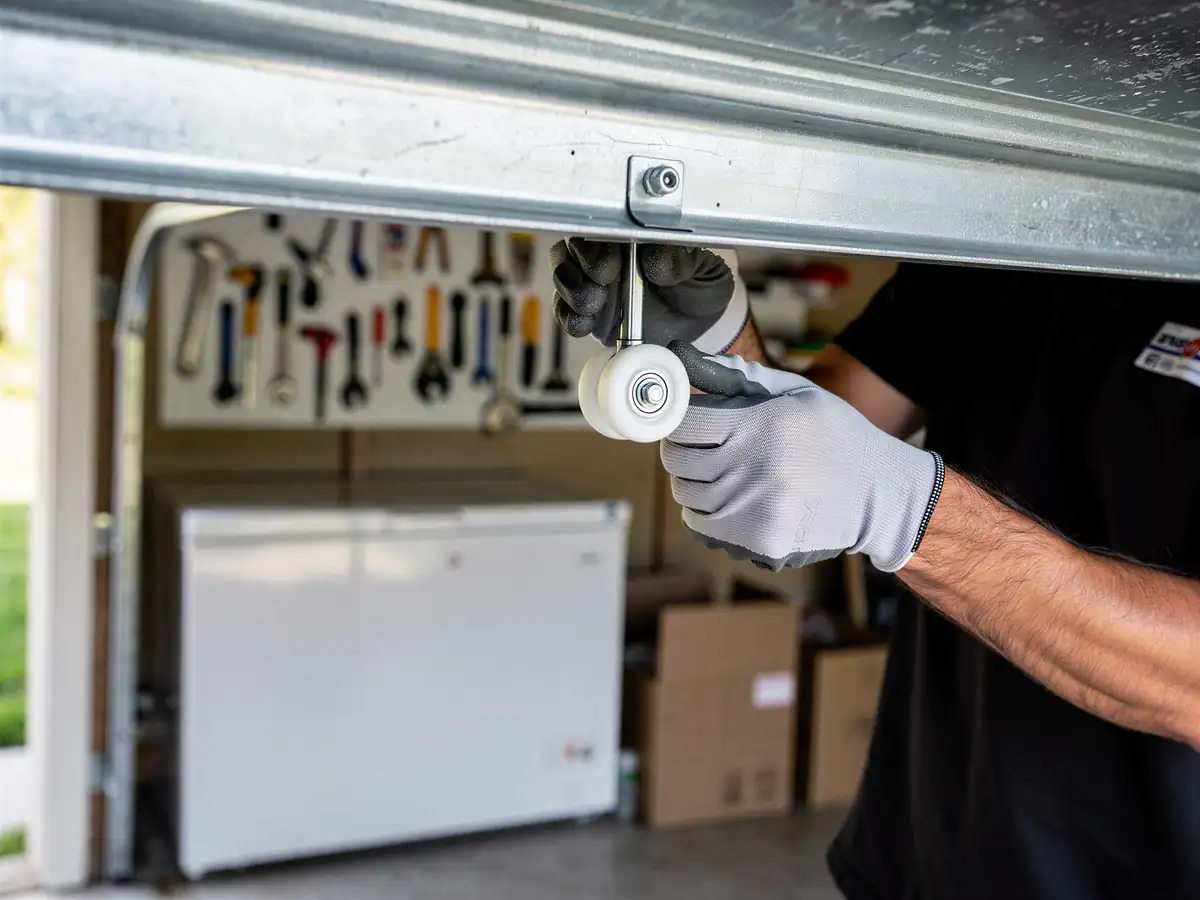
"Repair" and "replace" aren't the same call, and on newer stock like most of Swepsonville's housing, repair is more often the right answer than it would be on an older street. A 2004-era door with a cracked panel or a worn roller is usually still structurally sound - the track, the header, and the opener mounting are all still good, so you're just replacing the failed part.
Where we push toward full replacement instead of repair: if the door's insulation has failed (common once the foam core delaminates), if the track is bent beyond a simple realignment, or if the opener is original and already struggling. At that point patching one part just delays the real job.
For households here, with 896 total and a housing stock concentrated in that same 2004 build window, we're mostly seeing the same handful of failure points repeat - which keeps the diagnosis quick even if the fix itself takes a full visit. See our coverage area for Swepsonville or the full installation service page for Burlington for what else we cover.