How That Shows Up in the Door
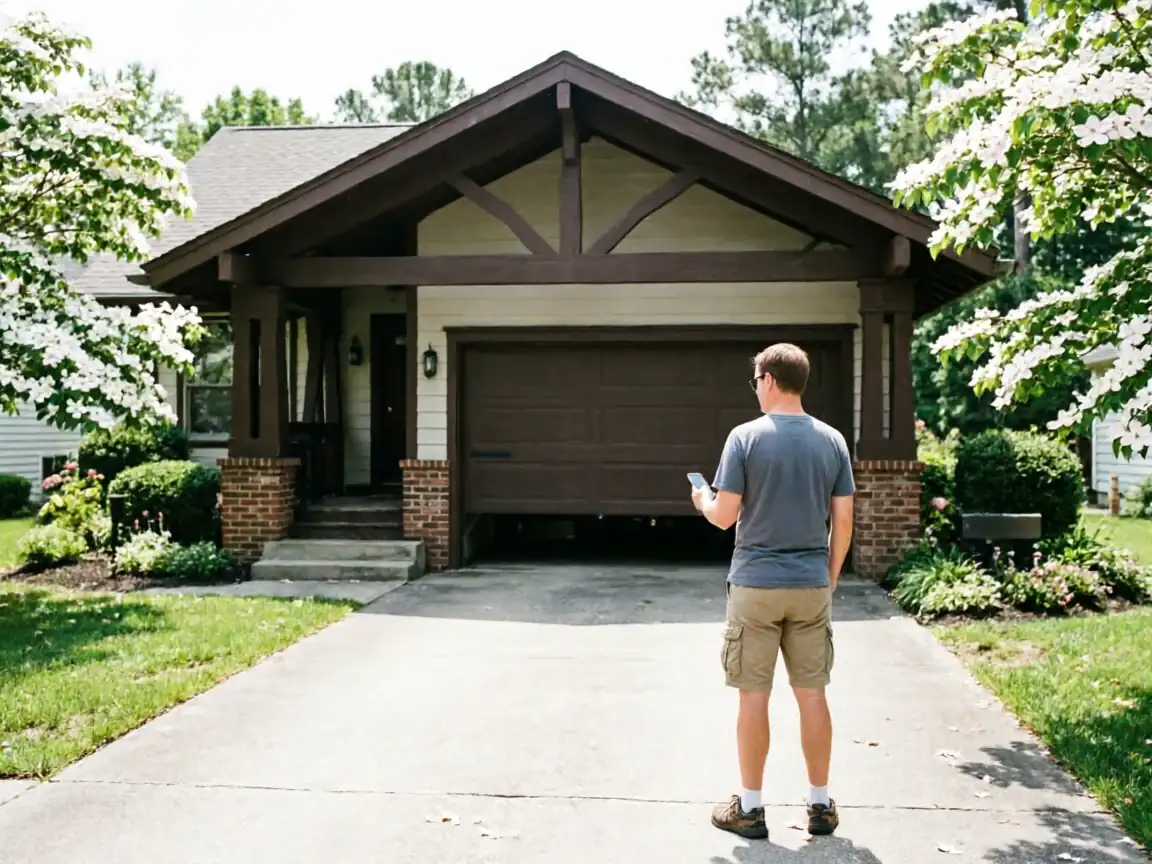
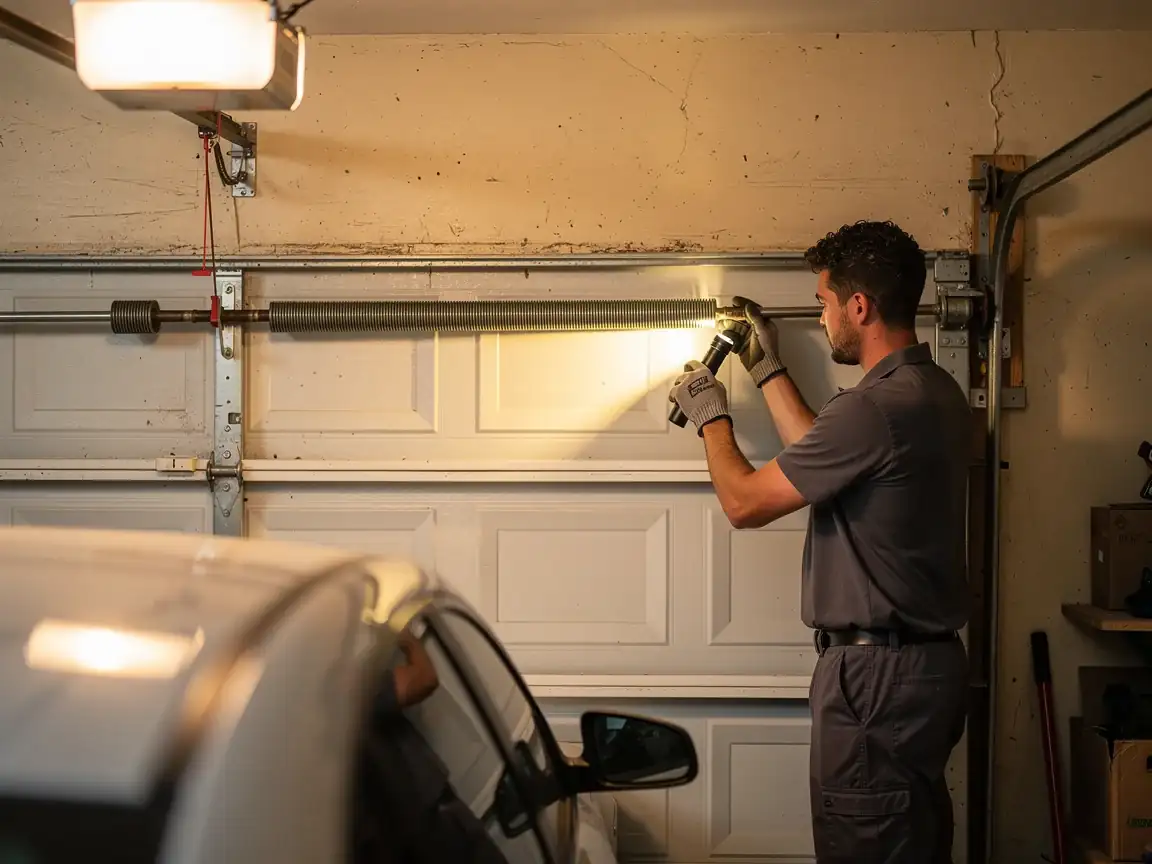
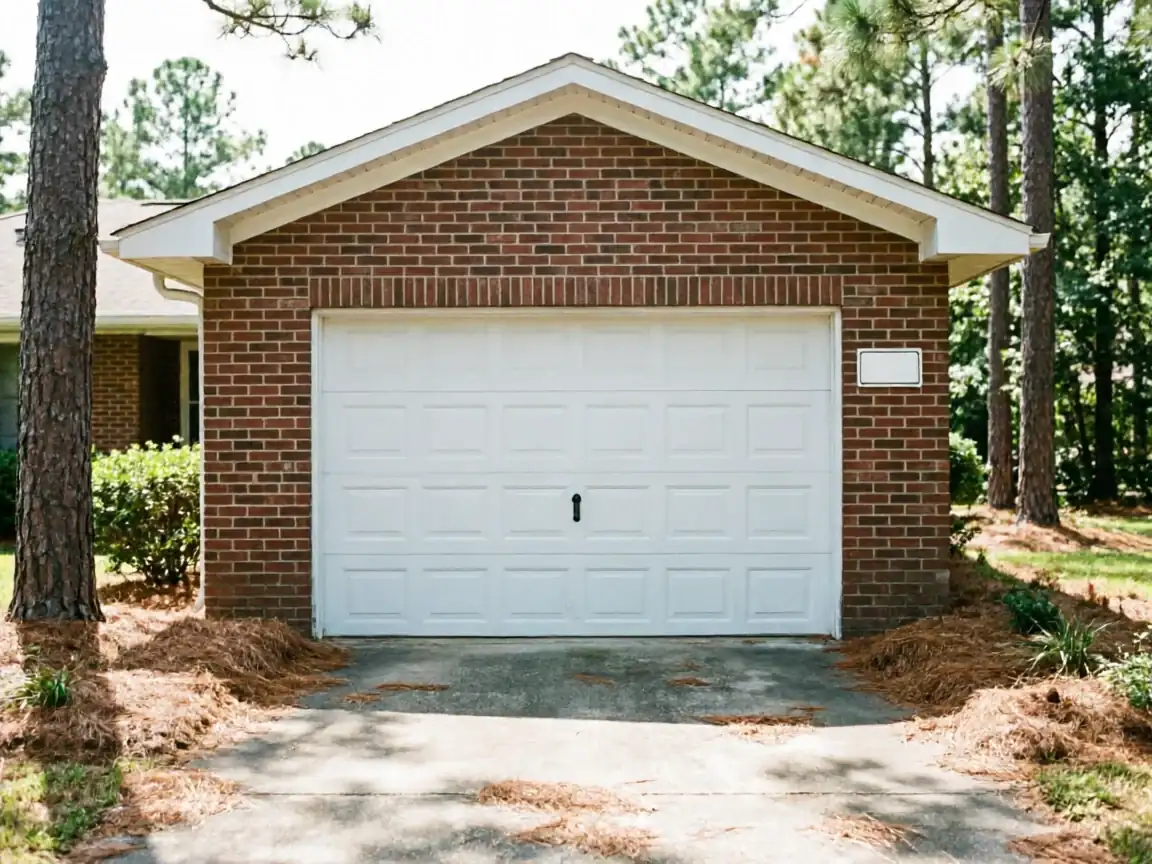
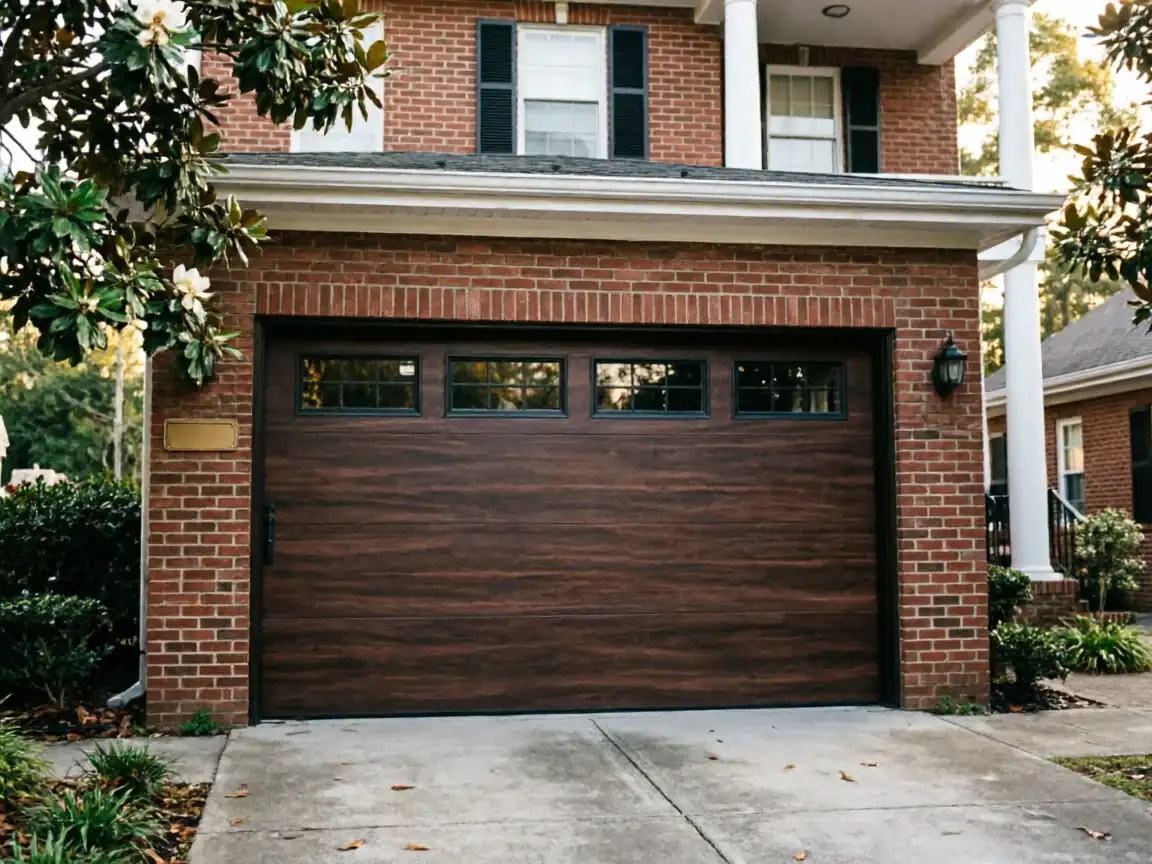
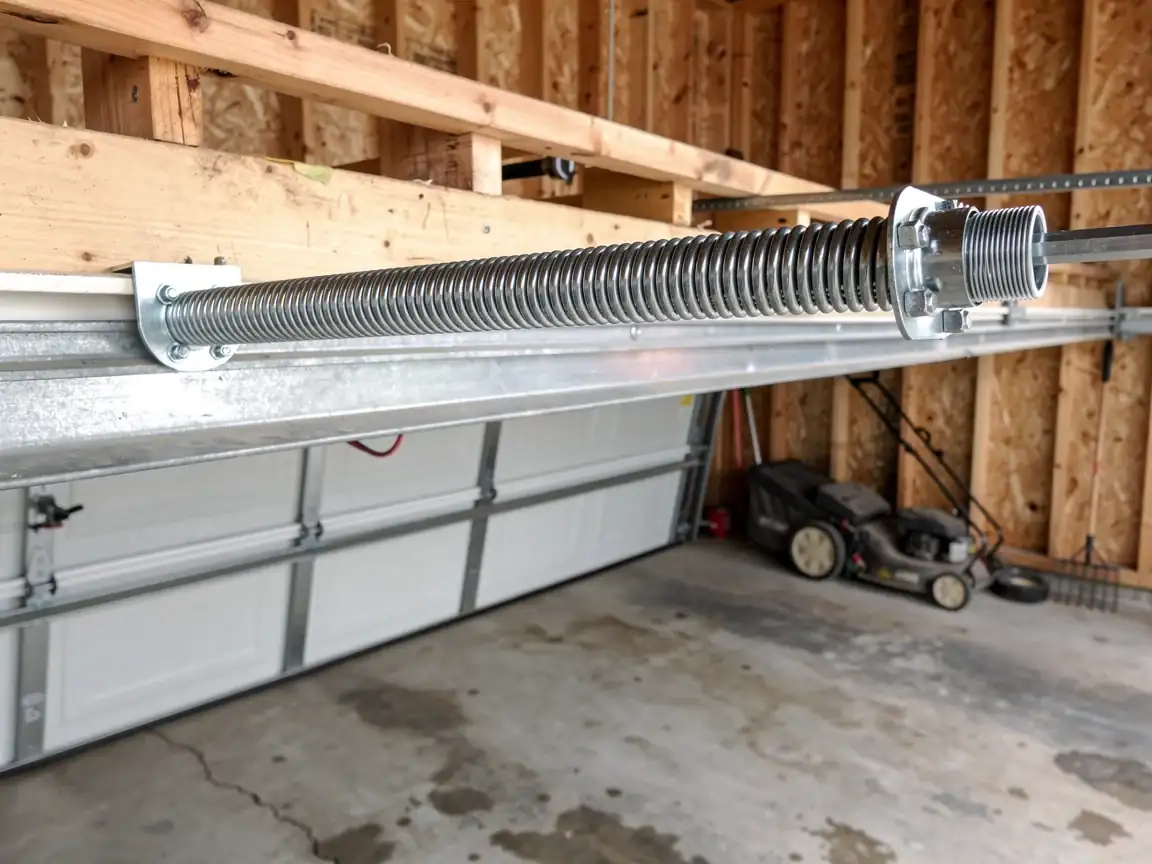
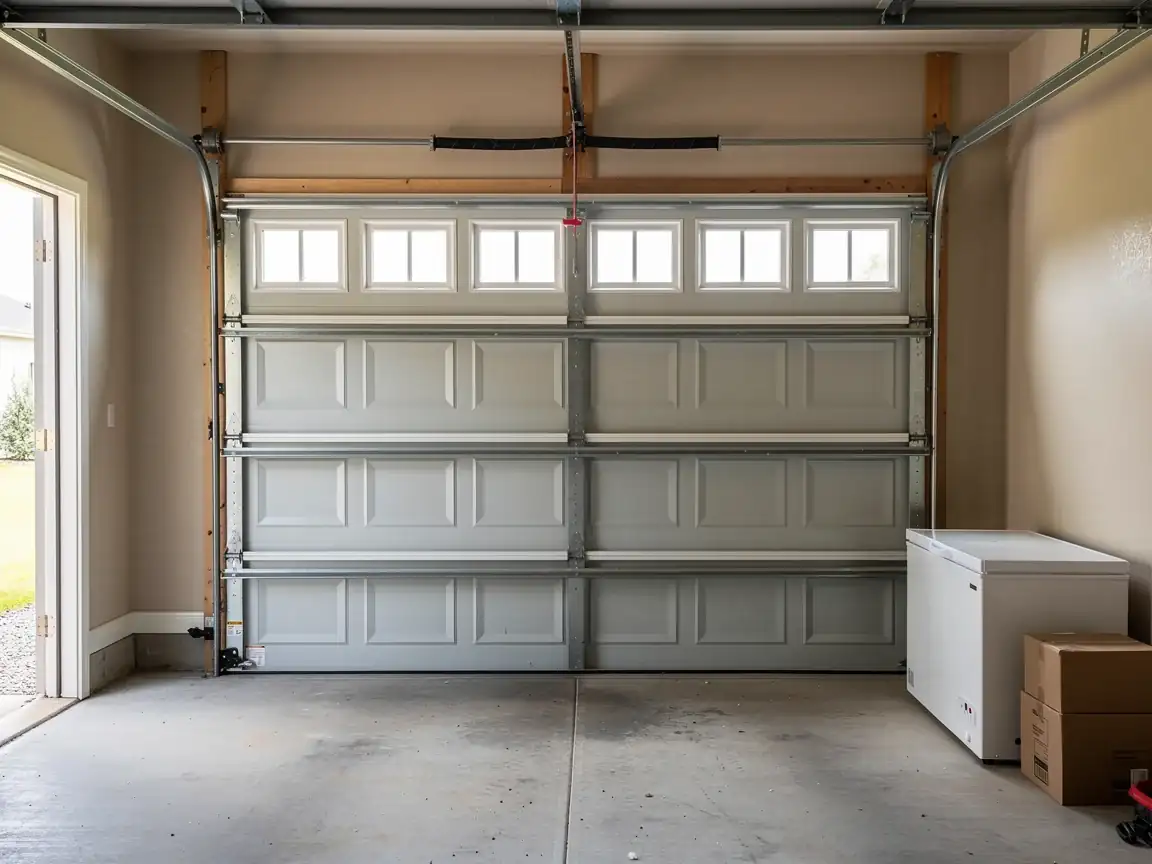
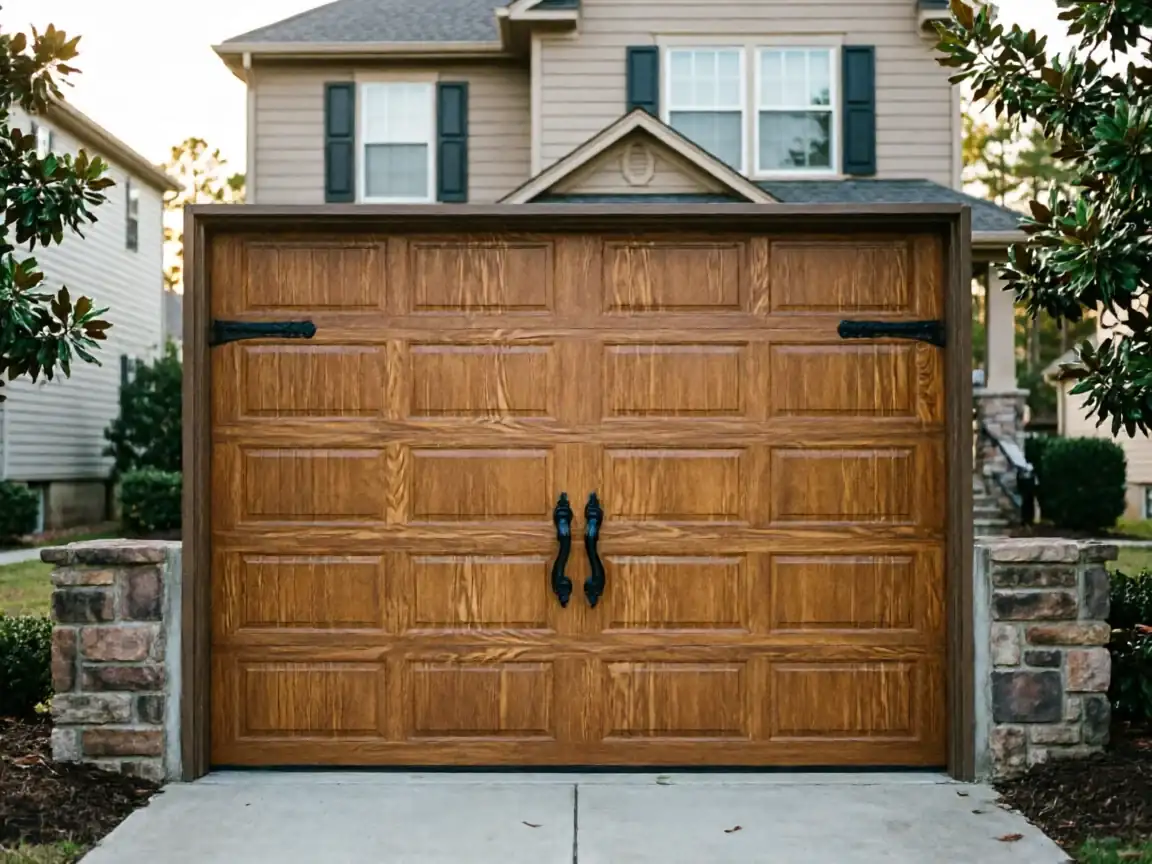
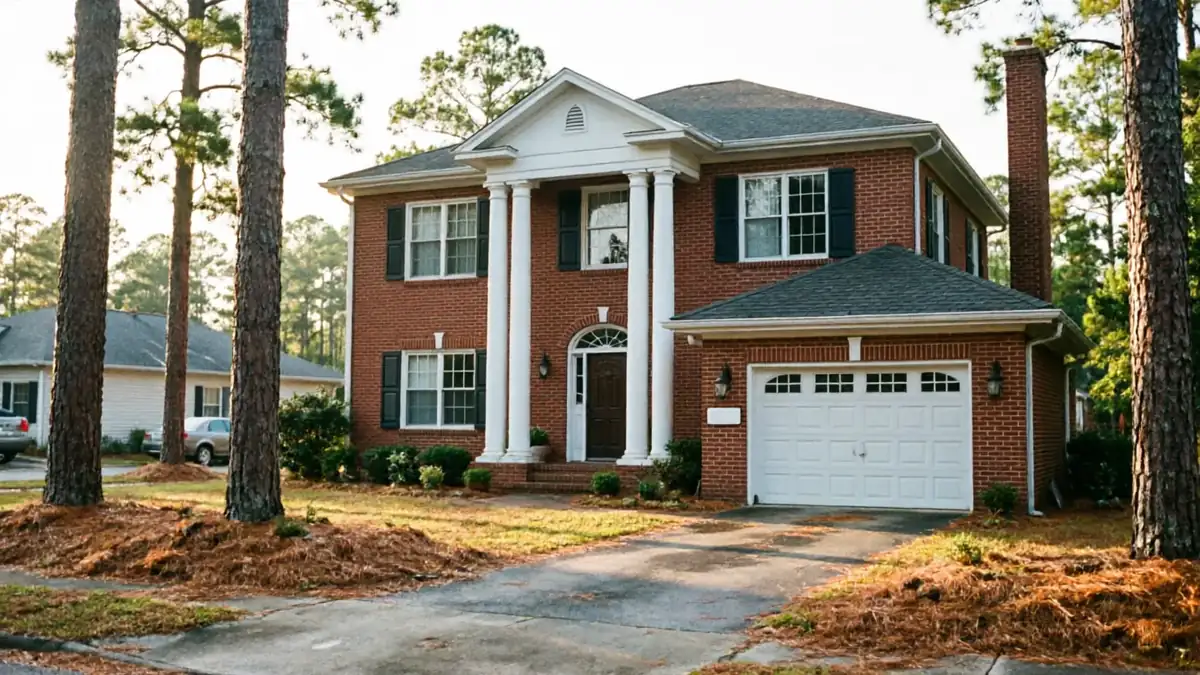
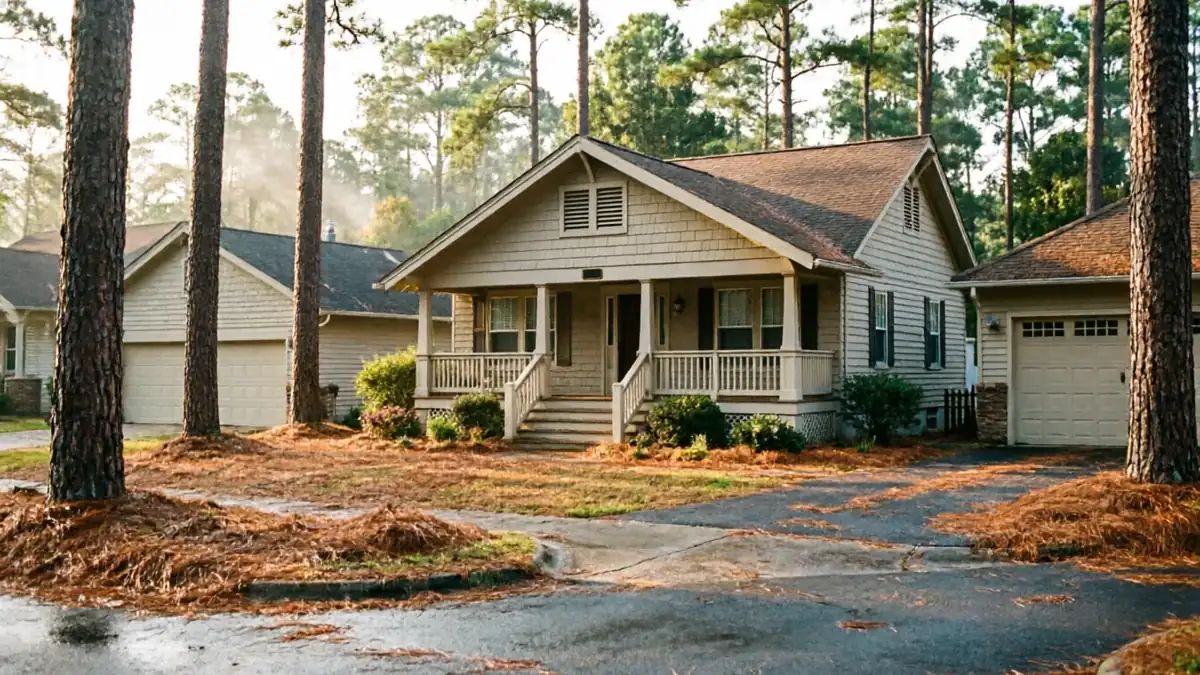
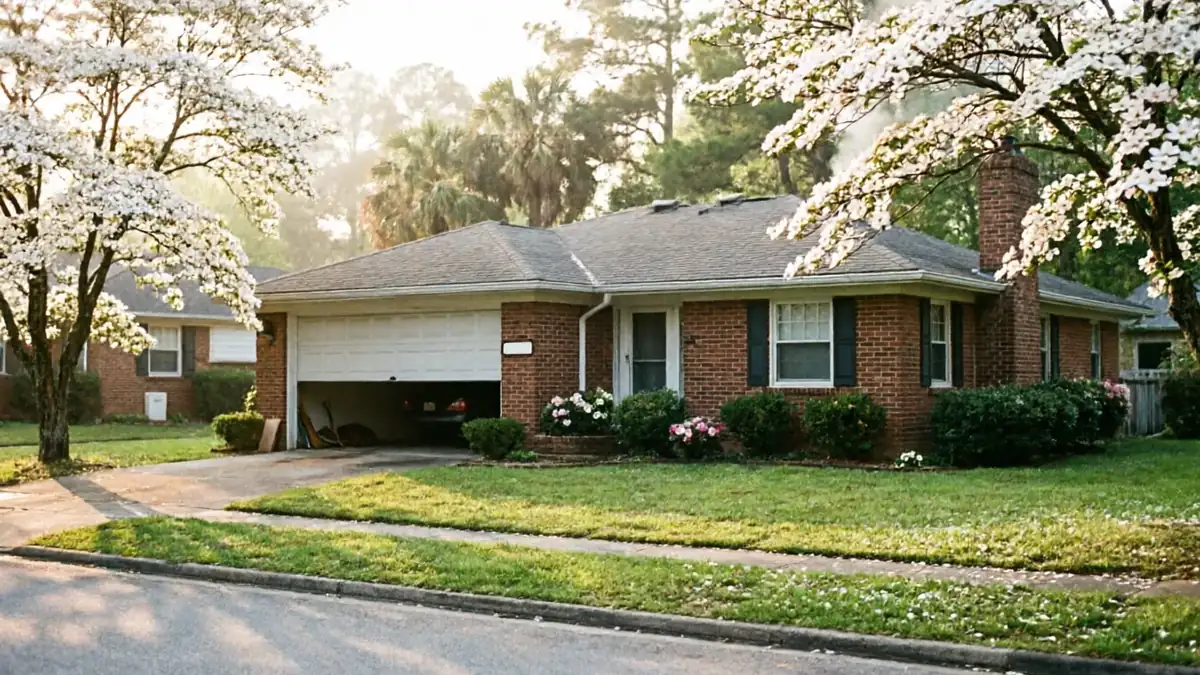
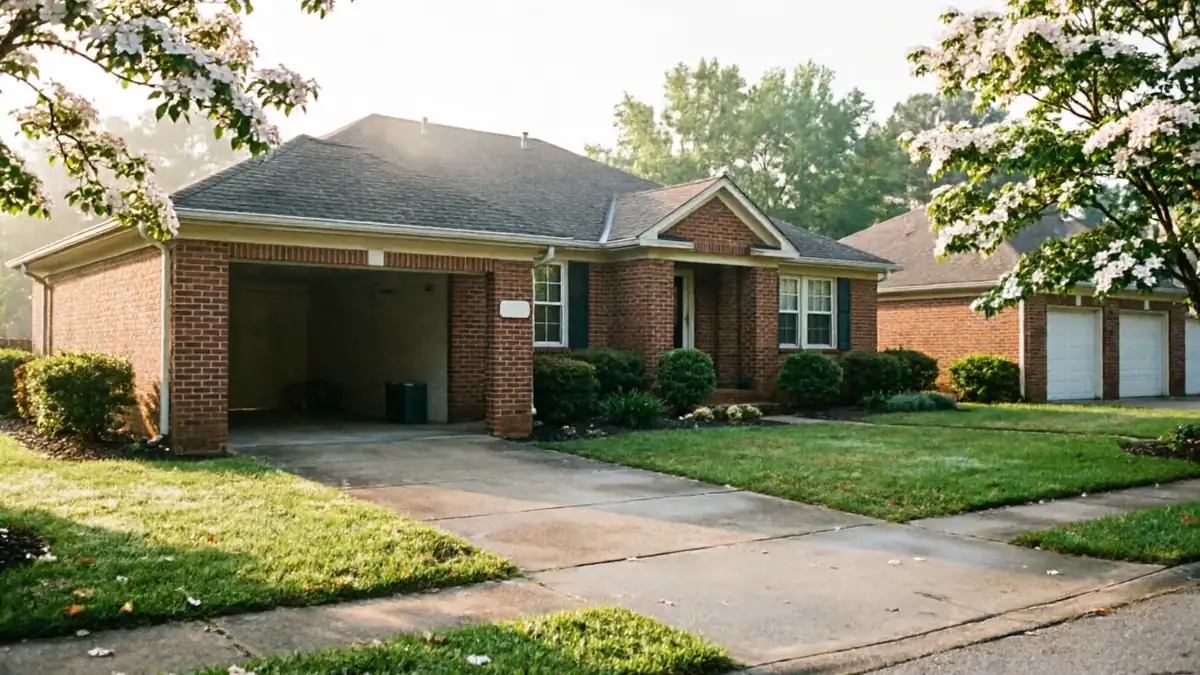
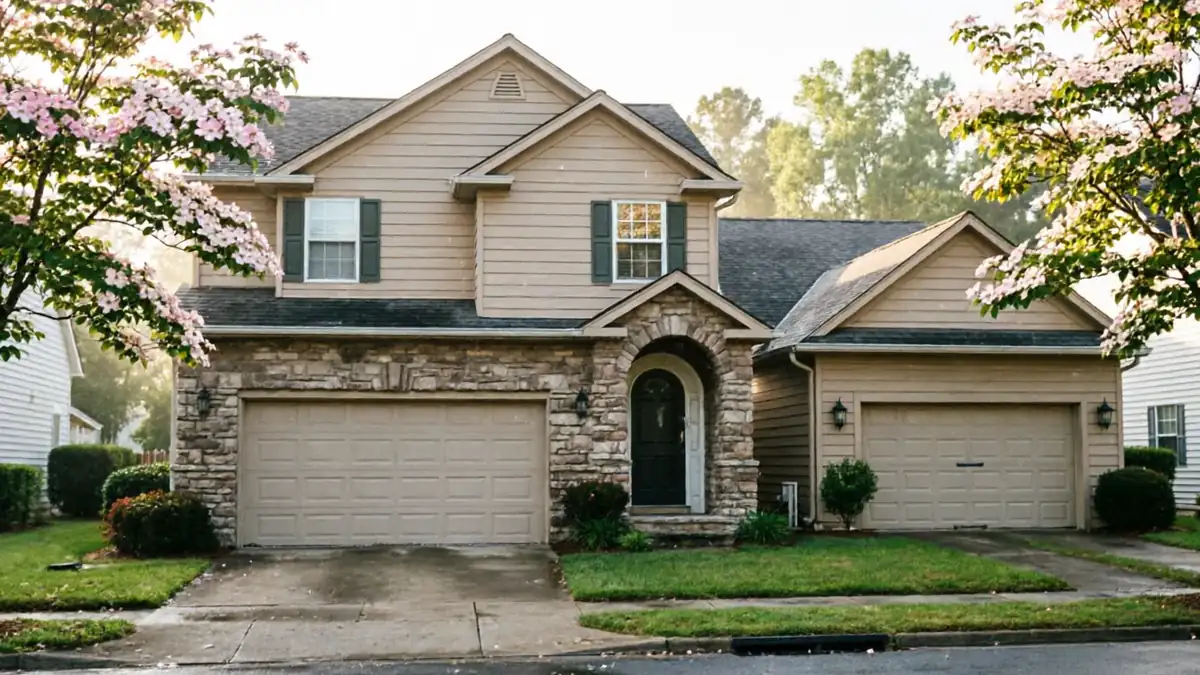
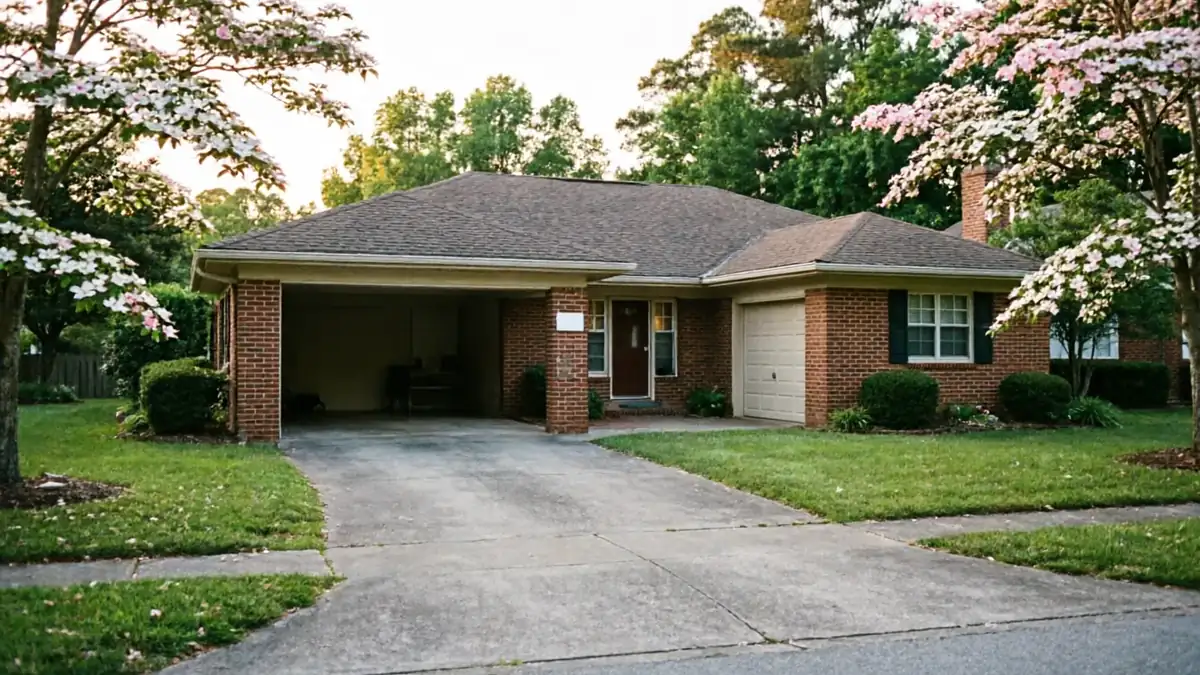
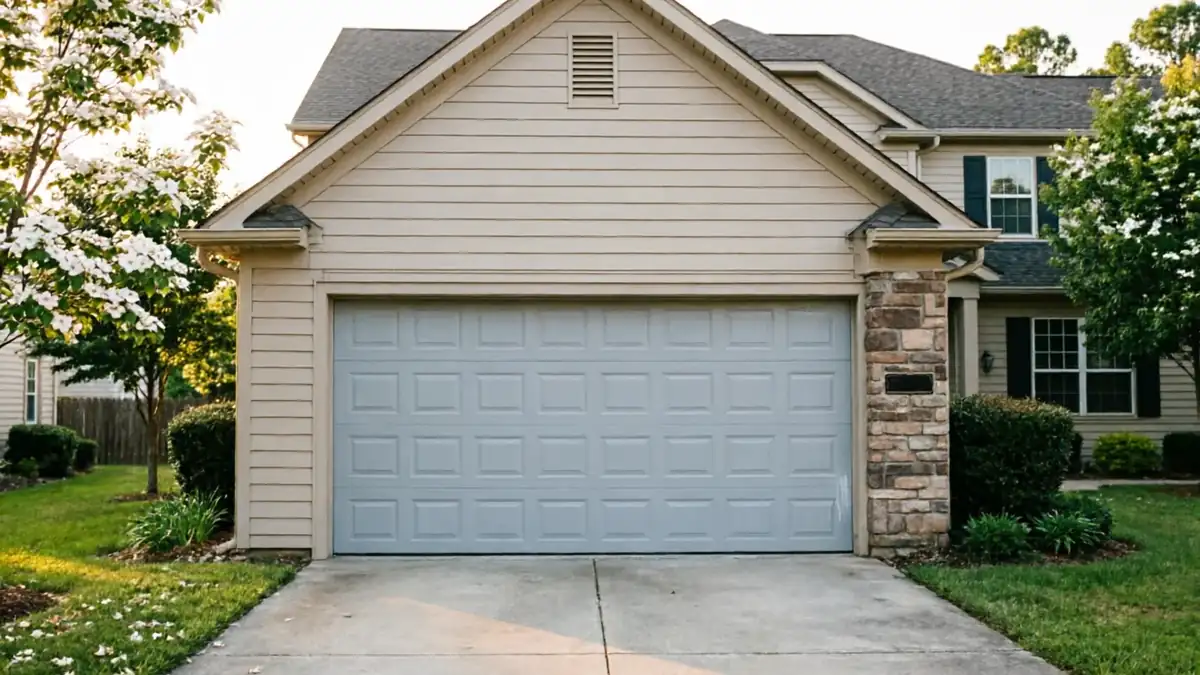
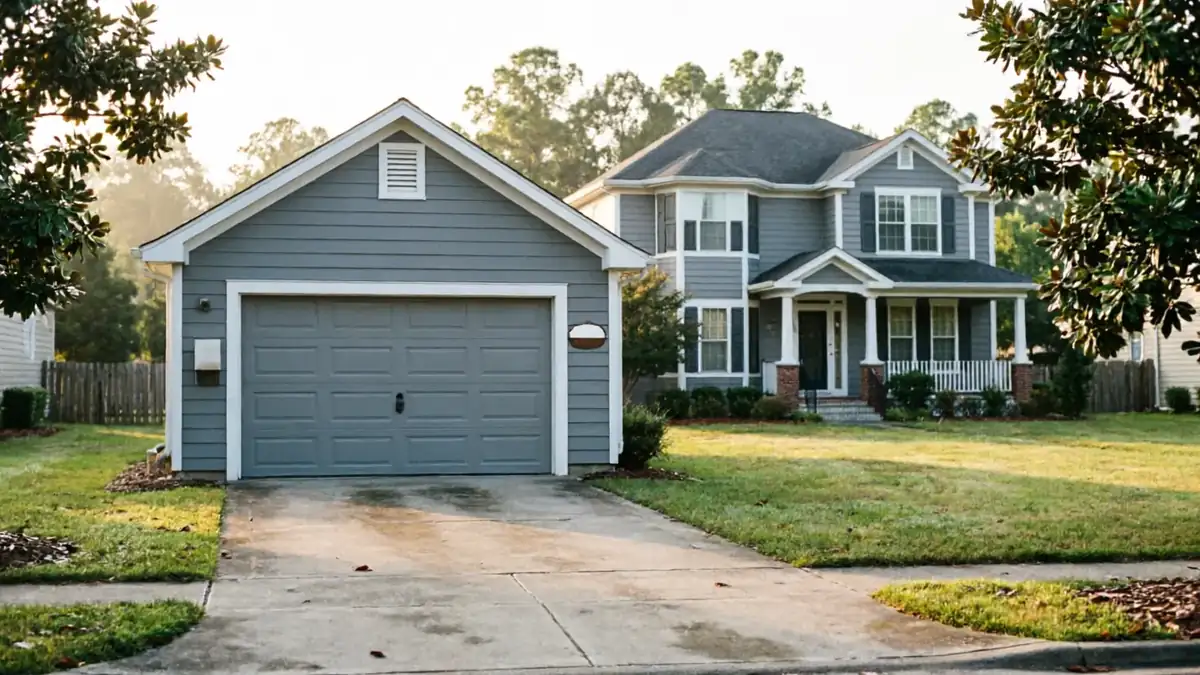
Gibsonville sits about 4 miles from our shop in Burlington, but the doors we find here are a different animal from what we pull out of the older Burlington neighborhoods. The median home in Gibsonville was built around 2002, which means most garages still have their original steel sectional doors on torsion springs rather than the older extension-spring setups we see on 1980s stock closer to town. That's good news in one sense - torsion hardware lasts longer and is safer to work on than the exposed extension springs from decades back. But it also means when a spring finally does go on a Gibsonville door, it's often the first failure that house has ever had, and the owner has no idea what a dead spring sounds like until it happens. Openers here tend to be newer chain or belt-drive units rather than the screw-drive relics still hanging on in older housing stock, so our calls skew toward sensor and logic-board issues rather than full opener swaps. The panels themselves are usually factory-insulated steel, which holds up fine in our cold-moderate winters, but the weatherstripping on a 20-year-old door is often the first thing to crack and let drafts in.
The Calls We Get From Here
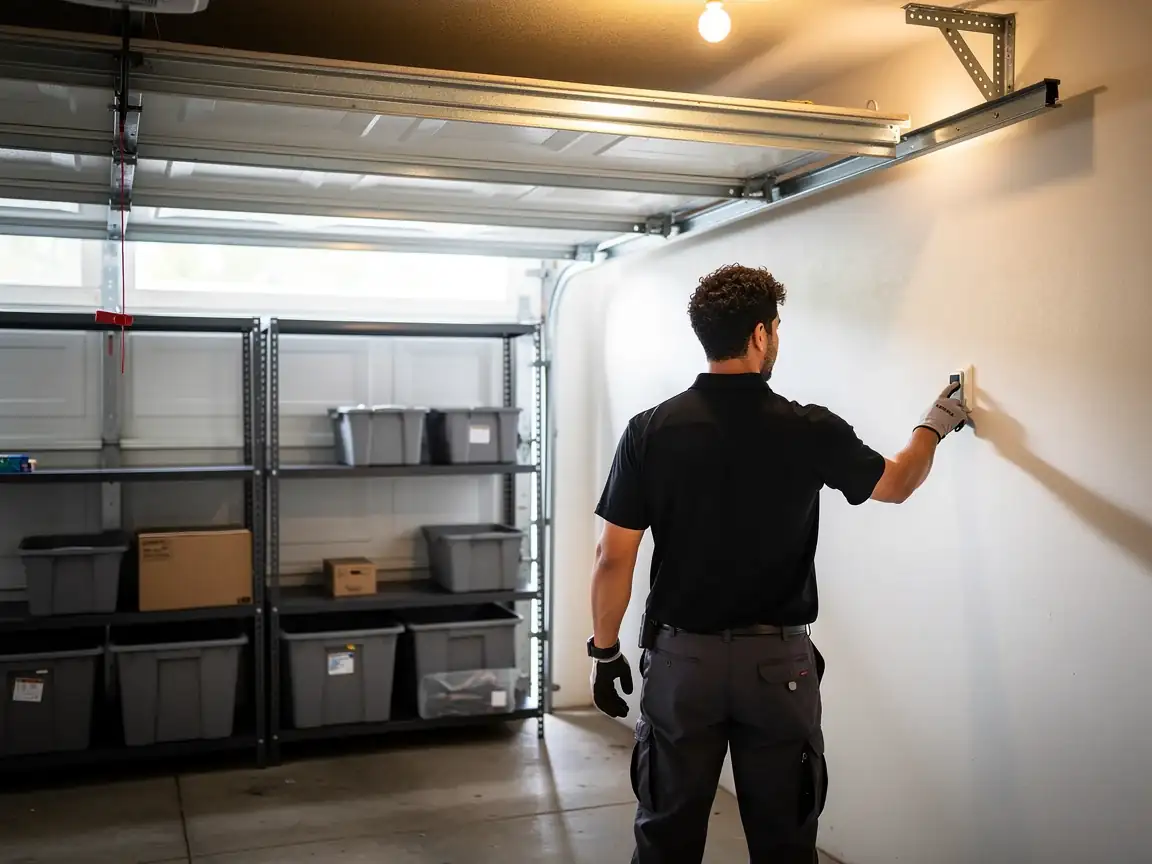
Most of what comes out of Gibsonville is first-failure stuff: a torsion spring finally snapping after two decades of cycles, a bottom roller that's worn its track groove and started binding, or a safety sensor that's gone out of alignment after a bump from a bike or a bumper. Because the housing stock here is newer than a lot of the surrounding area, we don't see the warped original panels or the obsolete hardware that shows up on older Burlington jobs. We do see a fair number of opener control board failures - boards from the early 2000s are starting to reach the end of their service life, and parts for some of those models are getting harder to source. Cable fraying on torsion systems is less common here than spring failure itself, since torsion cables see less wear than the old extension-style cables. We also get calls about noisy doors on houses that have had the same rollers since they were built - nylon rollers from that era weren't built to last forever, and a full roller swap is often the simplest fix available.
What We Will Not Take On
We don't keep a depot or crew stationed in Gibsonville - we run the job from Burlington, about 4 miles away, so same-day availability depends on the day's schedule rather than a local presence. We also won't try to force a repair on a door that's cheaper to replace outright; if a 2002-era steel panel has rusted through at the bottom or the track is bent beyond straightening, we'll tell you that instead of billing you for a patch job that won't hold. And we don't stock every obsolete opener control board on the truck - if your early-2000s opener's logic board has failed and the manufacturer has discontinued the part, we'll say so up front rather than promise a fix we can't deliver that day.