The Problem
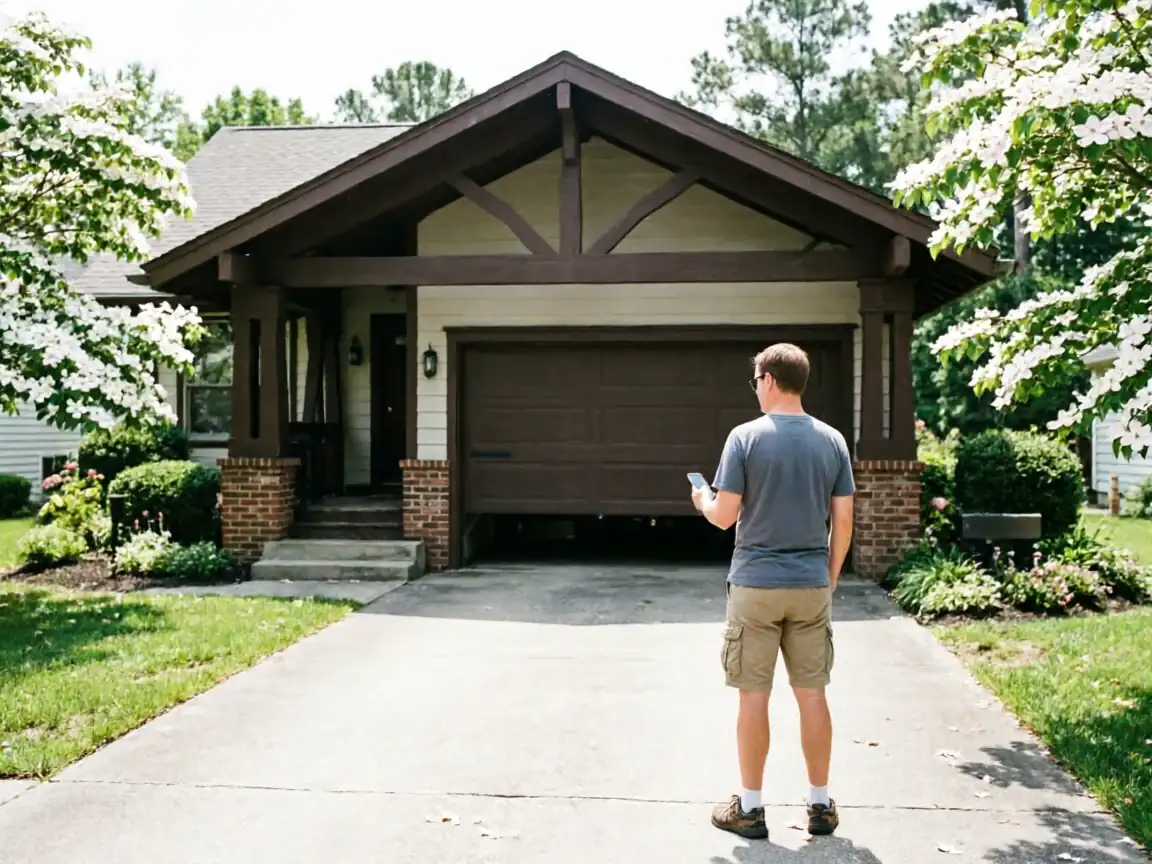
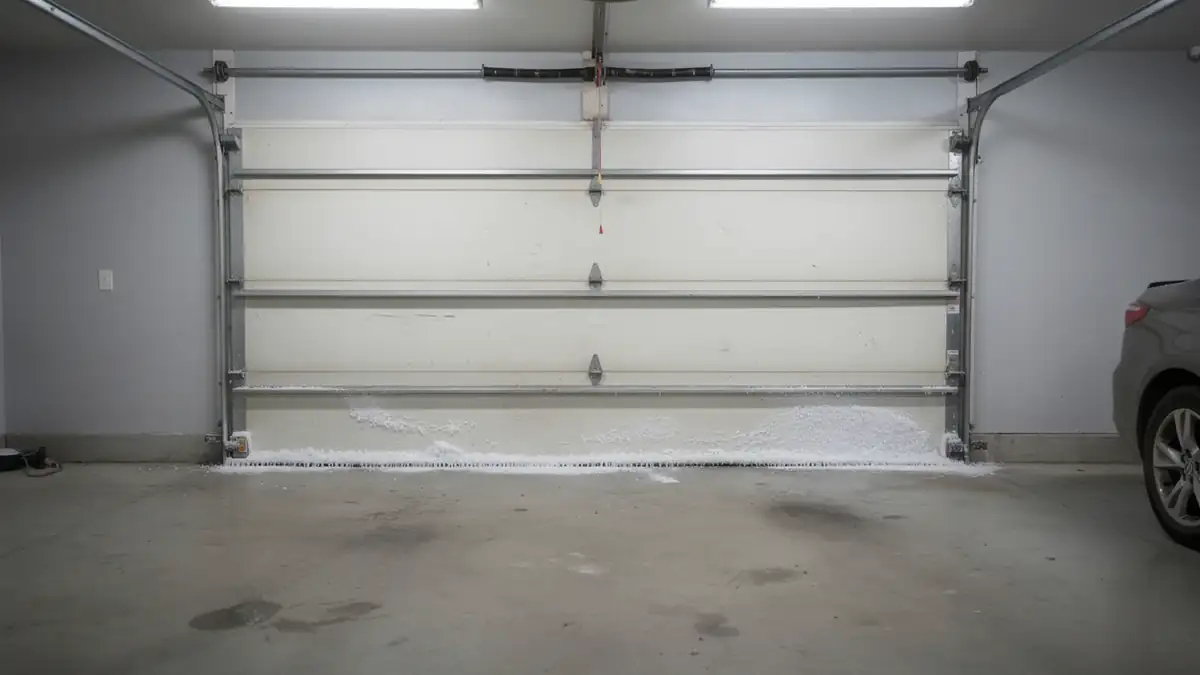
Most of the houses we get calls from in this area went up between 1970 and 2004, with the bulk of that stock dating to the 1980s and 90s. That's not a small detail. A garage door and opener installed when a house was built in 1985 is now pushing forty years old, and torsion springs, rollers, and the openers from that era were not built to run forever. We see the same pattern across the 18 neighborhoods we work in: a spring that's been cycling twice a day since the Reagan administration finally gives out, or an opener from the 90s starts grinding because the gear set has worn thin.
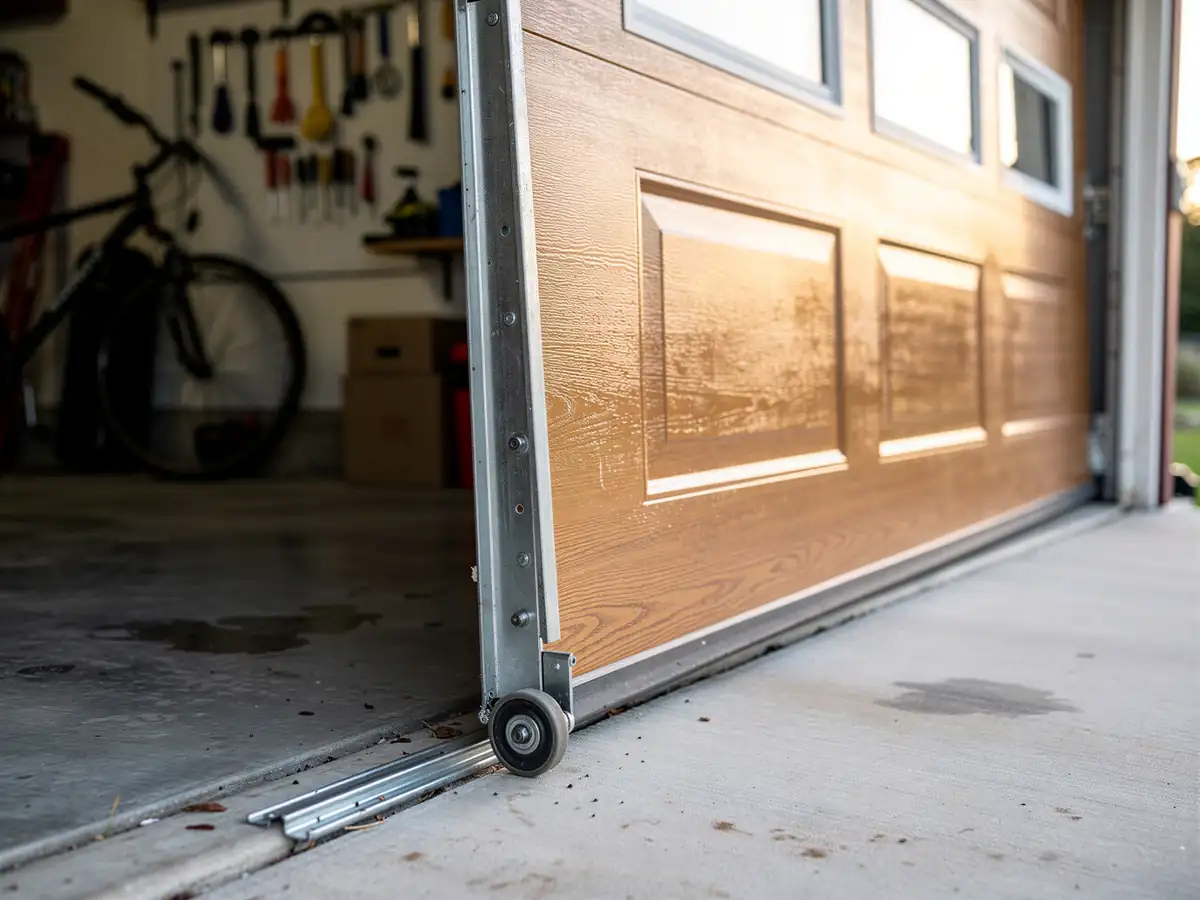
The age of the stock matters more than the brand of the door. A builder-grade steel door from 1985 and a builder-grade steel door from 1995 wear out the same way, just on slightly different timelines. When a house in this range calls us, the question usually isn't whether something will fail, it's which part goes first - the spring, the opener motor, or the track that's slowly pulled loose from forty years of settling and seasonal movement in the framing.
We're not guessing at this. It's what the call volume looks like when a town's housing stock clusters this tightly around one era.
Doing Nothing For Now
With 16,594 owner-occupied houses across the service area and a median household income of $67,366, a lot of owners here are reasonable about putting off a repair that still kind of works. A door that's noisy but opens, a spring that's weaker than it used to be but hasn't snapped yet - we get why you'd wait.
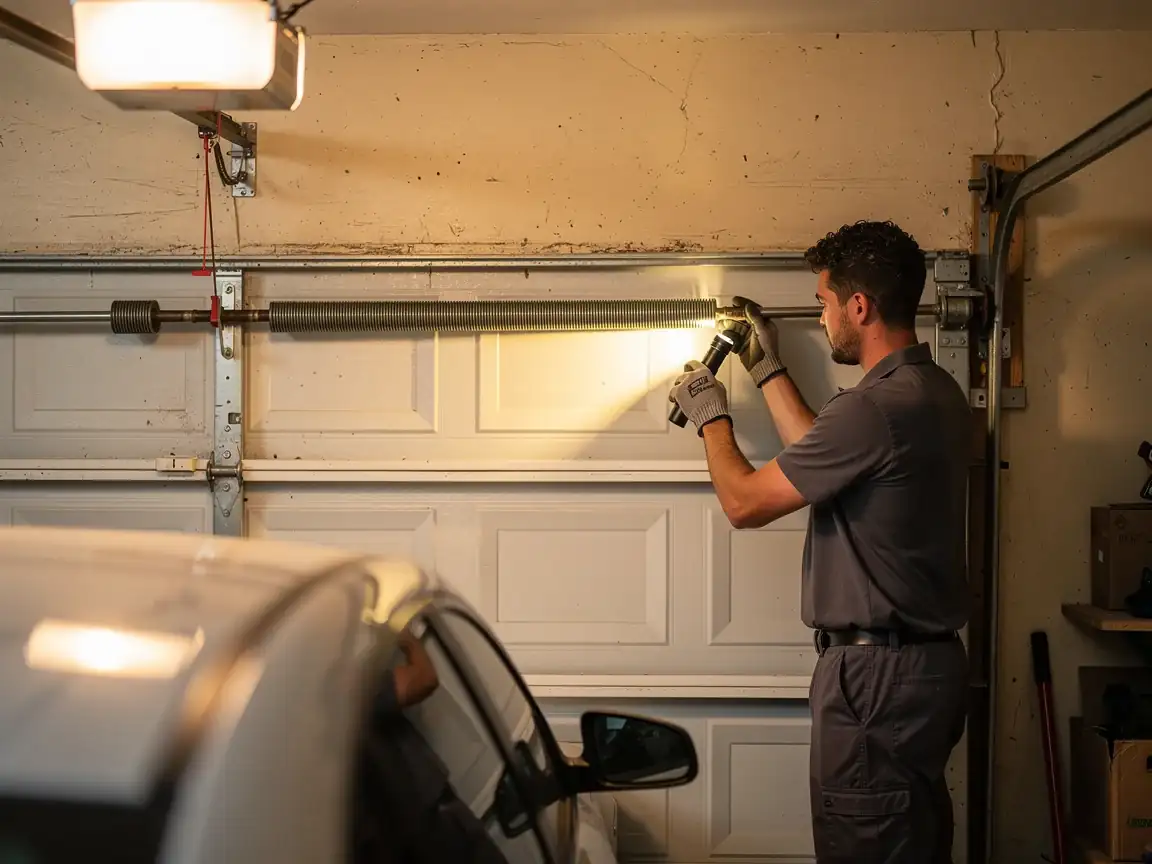
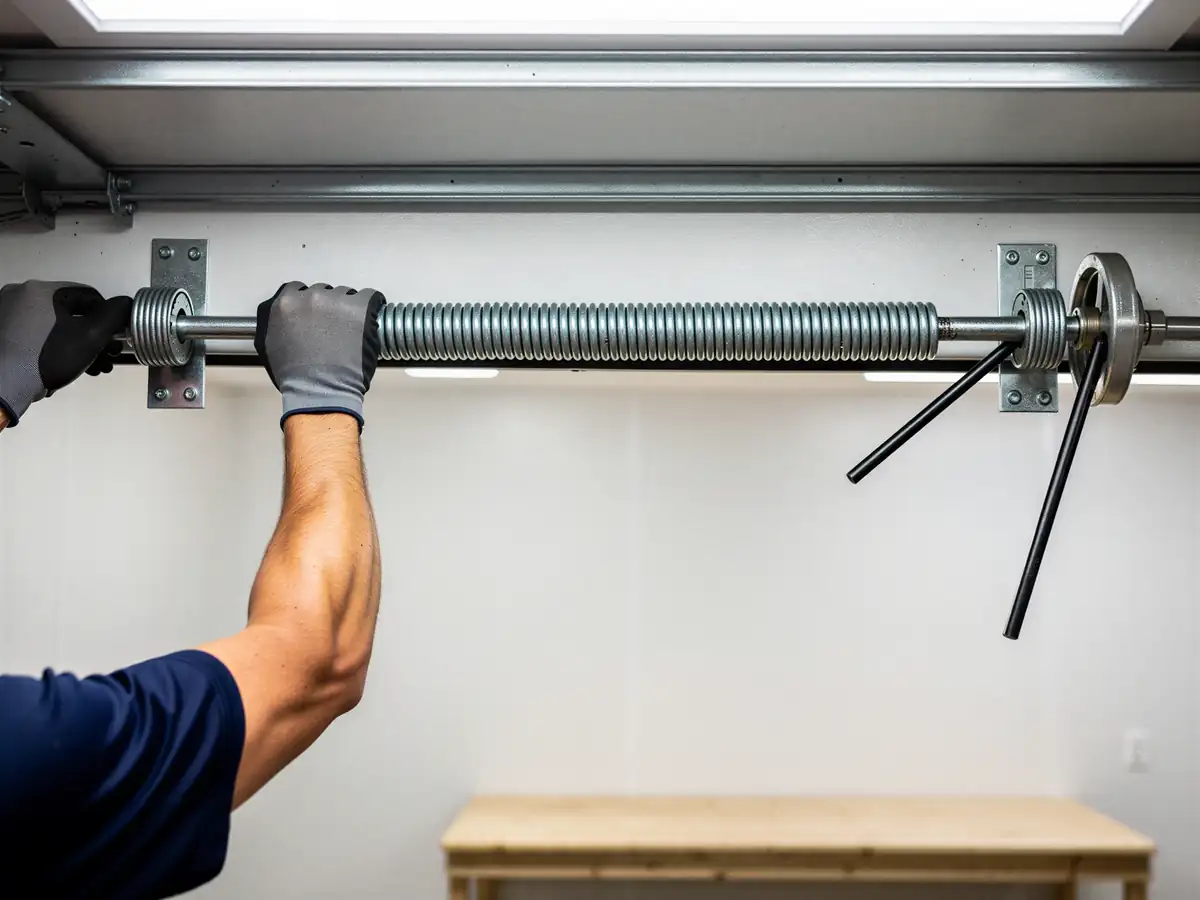
The honest limit here: we can't tell you over the phone whether your specific spring has another six months in it or six days. Nobody can, without eyes on the coil wear and the balance test. What we can tell you is that a 30-40 year old torsion spring doesn't fail gently. It goes at full tension, and a door that drops that fast can take a bumper, a frame, or a hand with it.
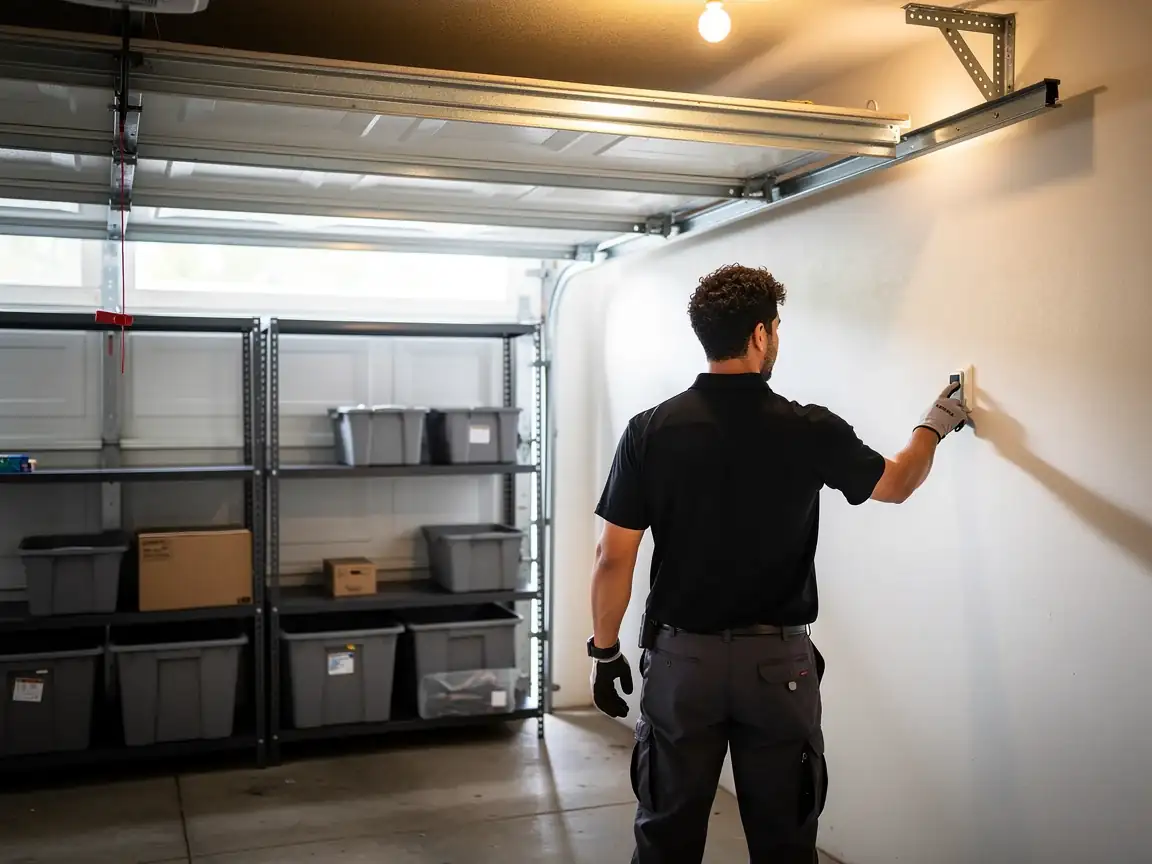
Waiting isn't always wrong. If your opener is from the 90s and still runs smooth, there's no reason to replace it just because of its age. But if you're hearing a spring that groans on the way up, or an opener that strains and stops, that's not a maintenance item anymore - that's a part at the end of its run, and it's worth having someone look before it decides the timing for you.
How Local Conditions Play In
This area sits in a cold-moderate climate band
Not brutal winters, but cold enough that garage hardware feels it. Steel springs and torsion bars stiffen in a cold garage, and a spring that's already fatigued from three decades of cycling doesn't flex the same way at 38 degrees as it does in July. We see more spring failures called in during the first real cold stretch of the season than at any other time of year, and it's not coincidence - it's old steel meeting its weak point.
Openers feel it too
Lubricant that's gone gummy with age thickens further in the cold, which means the motor works harder to move a door that's already dragging. On a 1980s or 90s build, that extra strain lands on gears and belts that were never top-tier to begin with.
None of this is dramatic weather - no hurricanes, no deep freeze
It's ordinary cold doing ordinary damage to hardware that's already near the end of its service life because of how old the stock is. The climate doesn't create the problem. It just picks the day the problem shows up.
Where People Go Wrong
The most common mistake we see on these older houses is treating a torsion spring like a DIY part because it's cheap online. It isn't. A spring sized for a door built in 1985 isn't always a drop-in match for a generic kit, and the tension involved can break a wrist or worse if you don't have the bars and winding cones set up right. We'd rather lose that sale than make that call to someone's family.
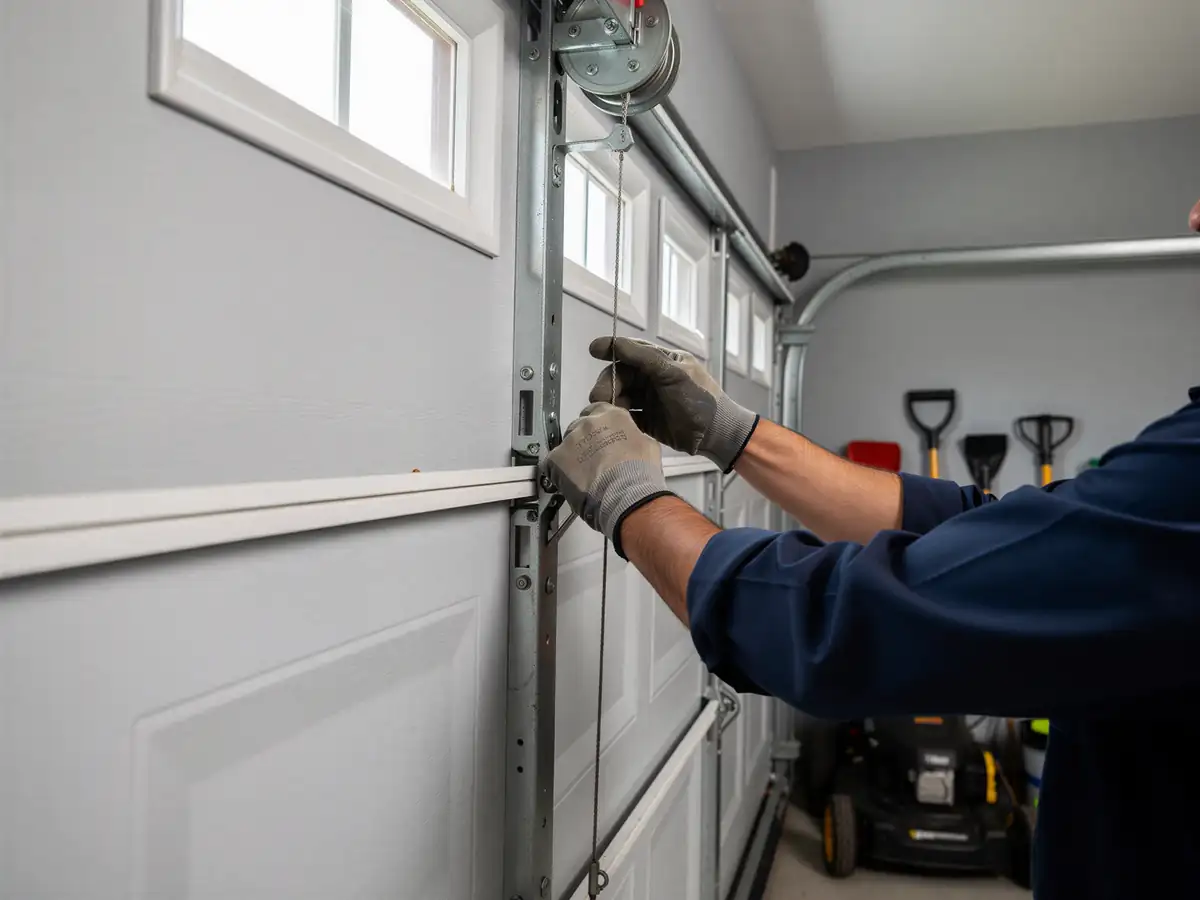
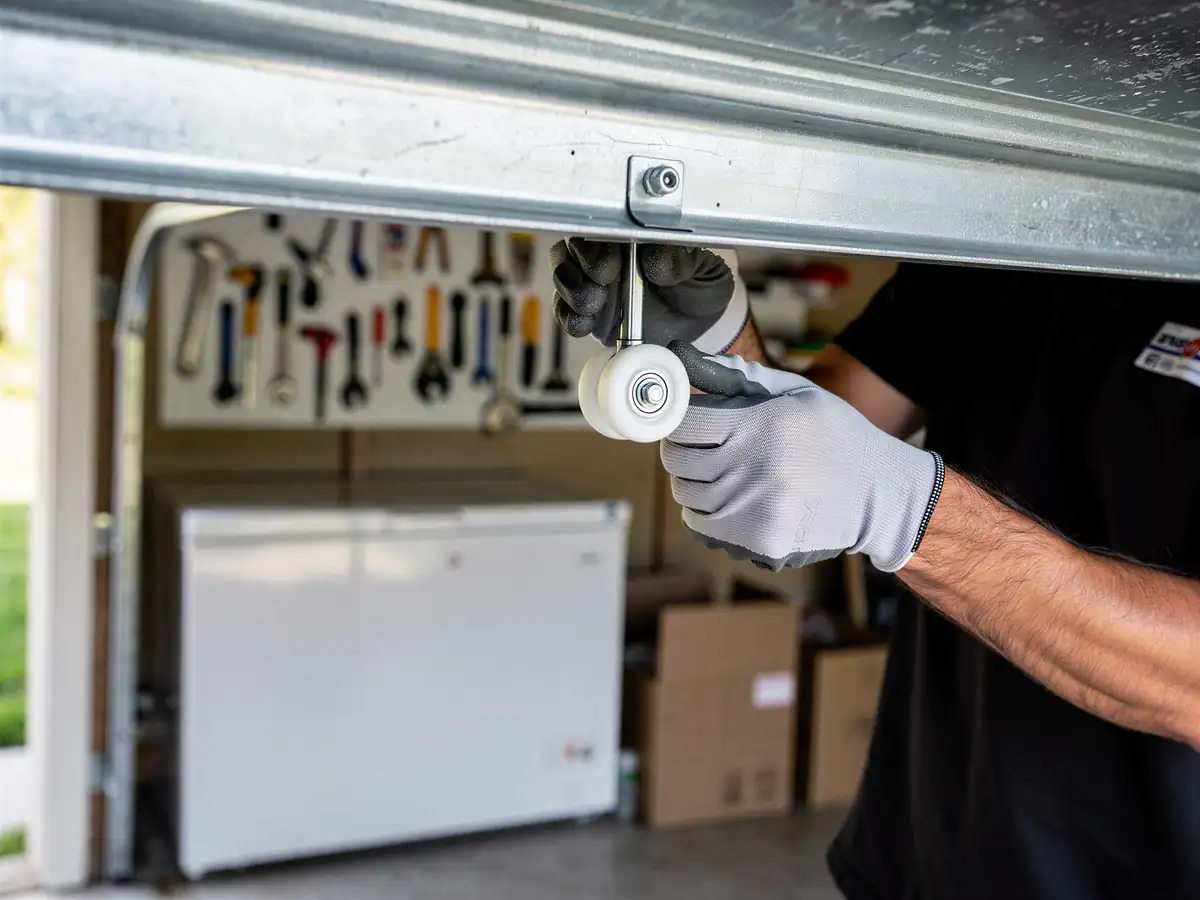
The second mistake is mismatching hardware. Owners replace a broken roller or cable with whatever's on the shelf at a big box store without checking it against the track and drum system that came with the house. On a 30-40 year old door, the tolerances have shifted from decades of use, and a part that's