Parts We Carry
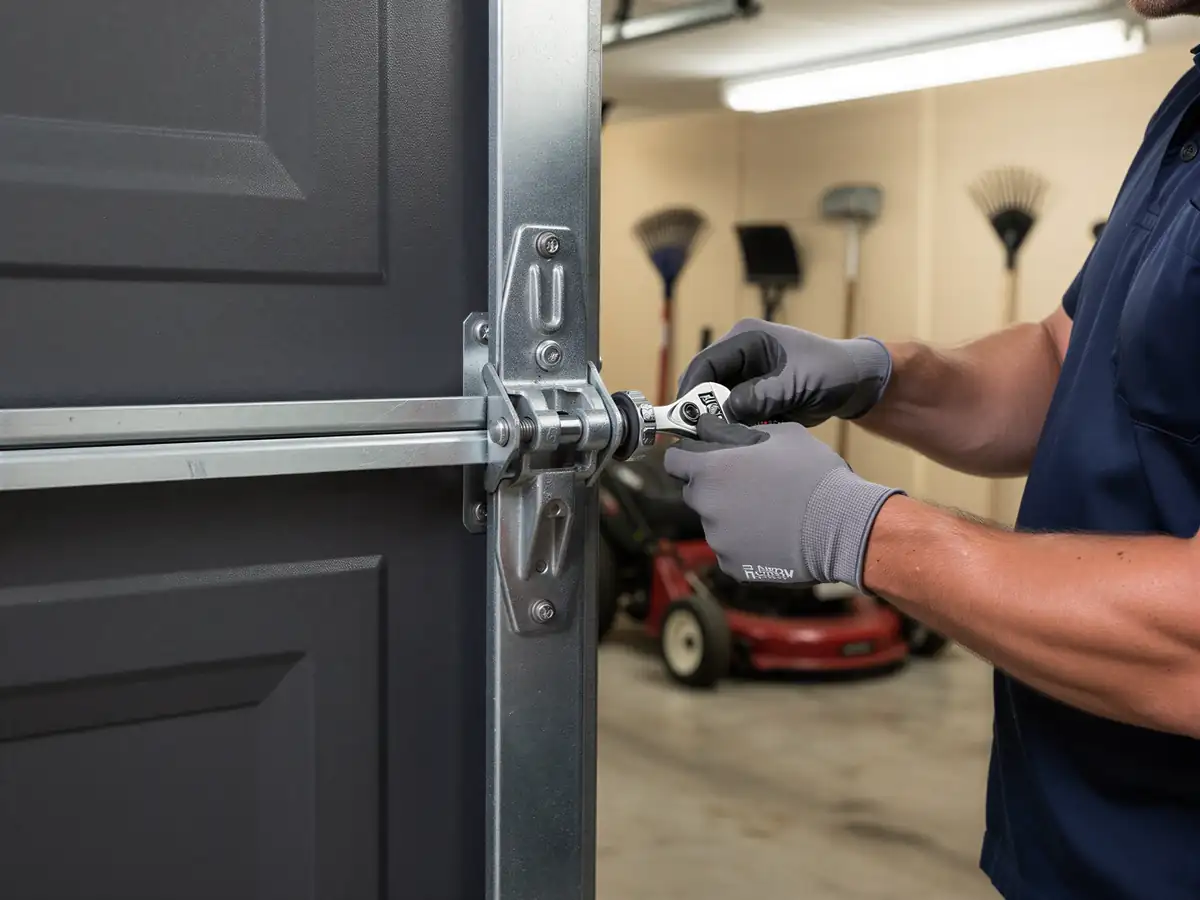
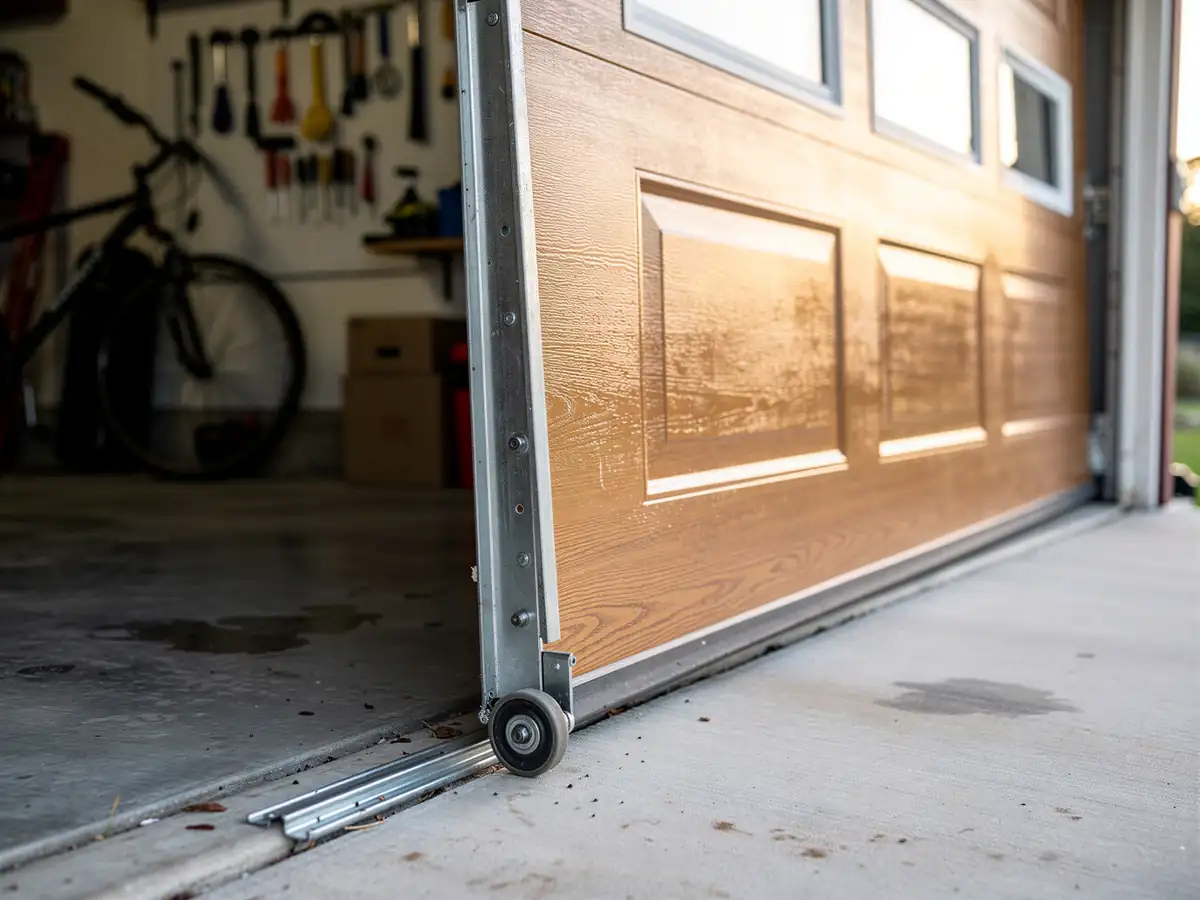
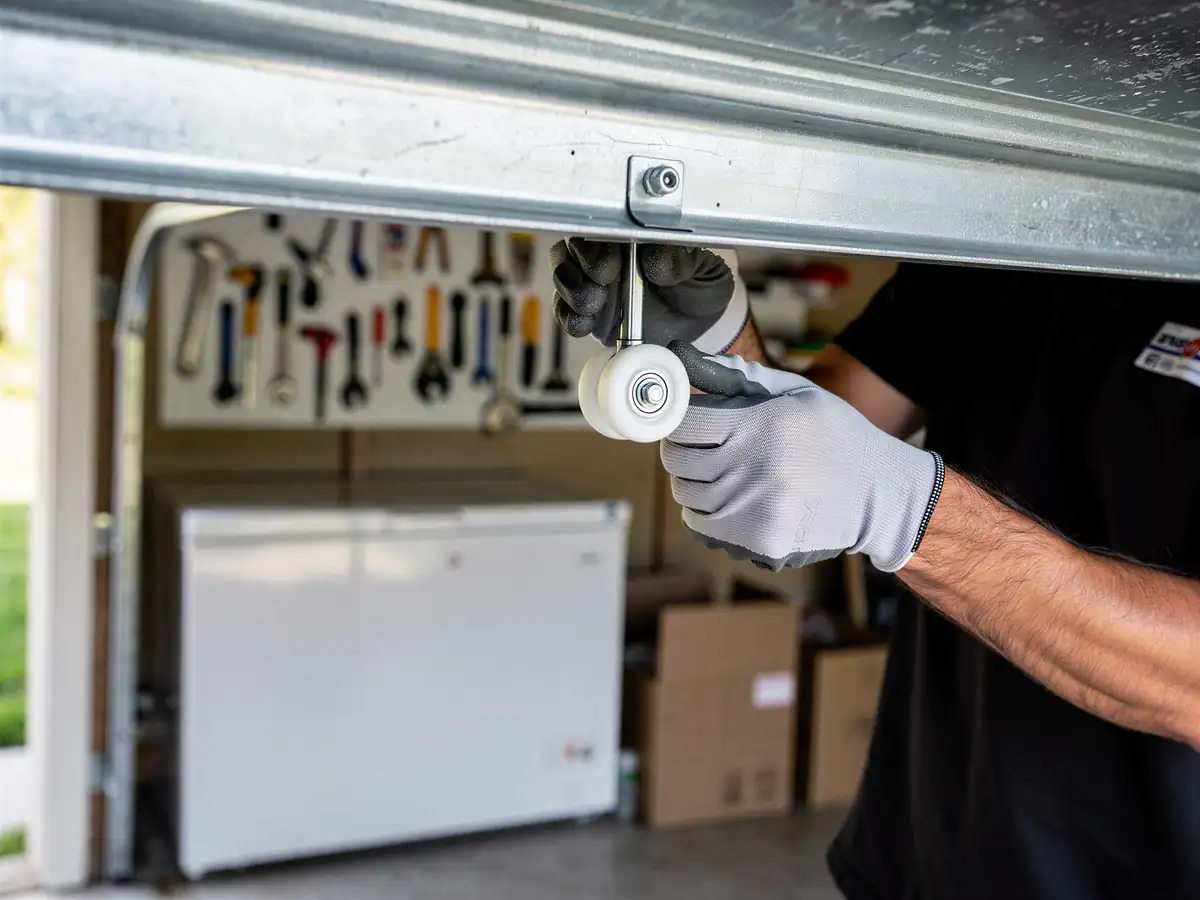
Most doors we see in Burlington take one of two roller styles: 2-inch stem rollers on the older 1970s and 80s builds, or 2-inch and 3-inch 7-ball or 10-ball nylon rollers on the newer 1990s-2000s tracks. We stock nylon rollers with sealed bearings as the standard swap-out, since they run quieter than the steel rollers that came on a lot of original builders' doors in this area. We also carry steel ball-bearing rollers for owners who want the extra load rating on a heavier insulated door, and short-stem rollers for the tighter track radius you find on some of the shorter-ceiling garages built in the 1980s. If your track has been bent or the roller has been skipping its channel, we check the track gauge before we quote rollers alone, because a worn track eats a new roller fast. One thing we don't stock on the truck: oversized commercial rollers for anything wider than a standard residential double door. Those get special-ordered.
What Causes It Around Here
Housing in and around Burlington runs mostly 1970 to 2004, with the bulk of it going up in the 1980s and 90s across the eighteen communities we work in - Elon, Glen Raven, Gibsonville, Graham, Whitsett, Haw River, Swepsonville, Green Level, Sedalia, Altamahaw, Woodlawn, McLeansville, Mebane, Saxapahaw, Liberty, Efland, Pleasant Garden, and Staley. That means a huge share of the rollers in service right now are original equipment, 20 to 40 years old, made of a nylon compound or plain steel that's long past its service life. The cold-moderate climate here doesn't bring the extreme heat swings that crack rollers outright, but the seasonal freeze-thaw cycle through winter stiffens old nylon and dries out the lubrication in steel bearing rollers, so the failure usually shows up as noise and jerky travel before a roller actually splits or pops out of the track. Doors on north-facing garages that stay cold and damp tend to rust steel rollers faster than ones that get sun. We don't see roller failure spike dramatically with any one season here - it's a steady wear pattern tied to age of the door, not a weather event.
What You Are Seeing
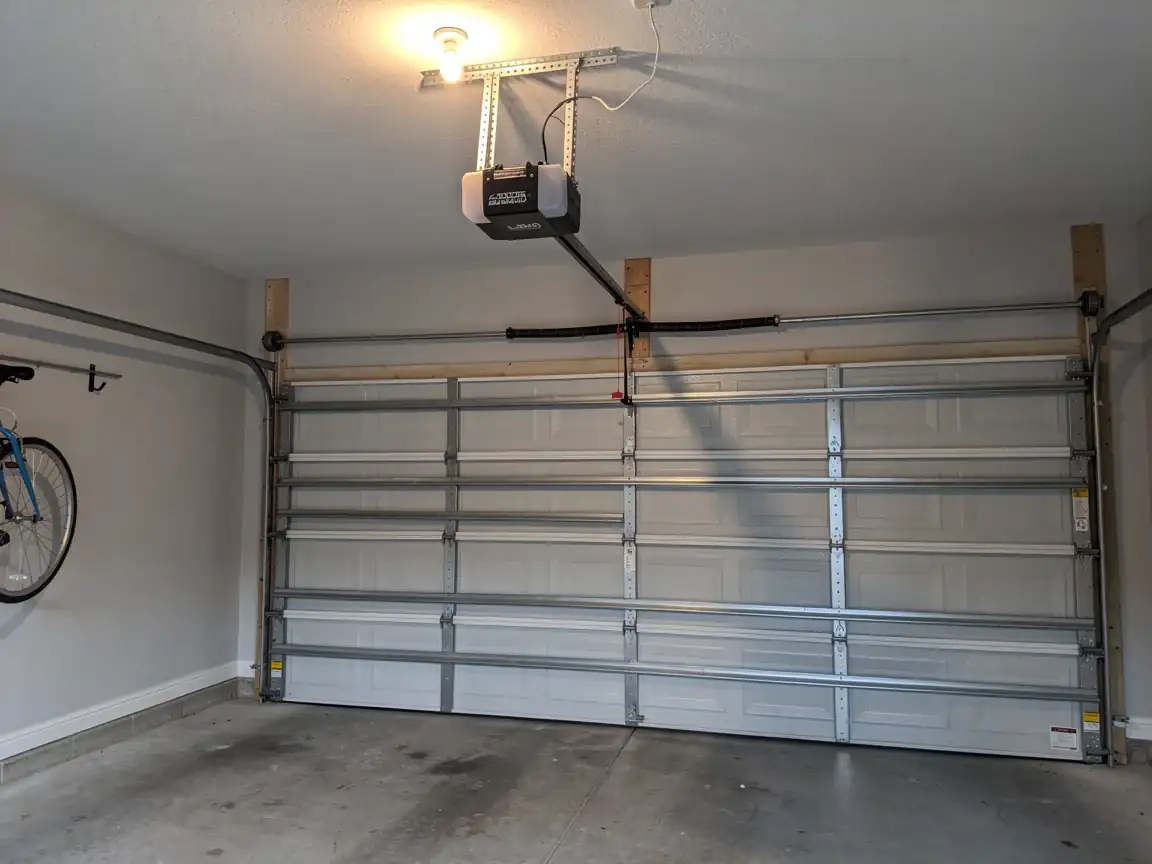
A grinding or rattling sound as the door travels, especially right at the point where it curves from vertical to horizontal track, is the classic early sign - that's the roller losing its round shape or the bearing seizing. If the door jerks or hesitates at certain spots every time, one or more rollers has likely flattened a side or come loose from its stem. A door that's jumped the track partway, or a roller you can see sitting crooked in its channel, means the roller has already failed structurally and the door shouldn't be run again until it's fixed - a stuck roller under load can bend the track further with every cycle. If you're hearing a metal-on-metal squeal that wasn't there a few months back, that's usually a steel roller that's lost its lubrication rather than a full roller failure, and sometimes a lube and inspection catches it before a swap is needed.