The Problem
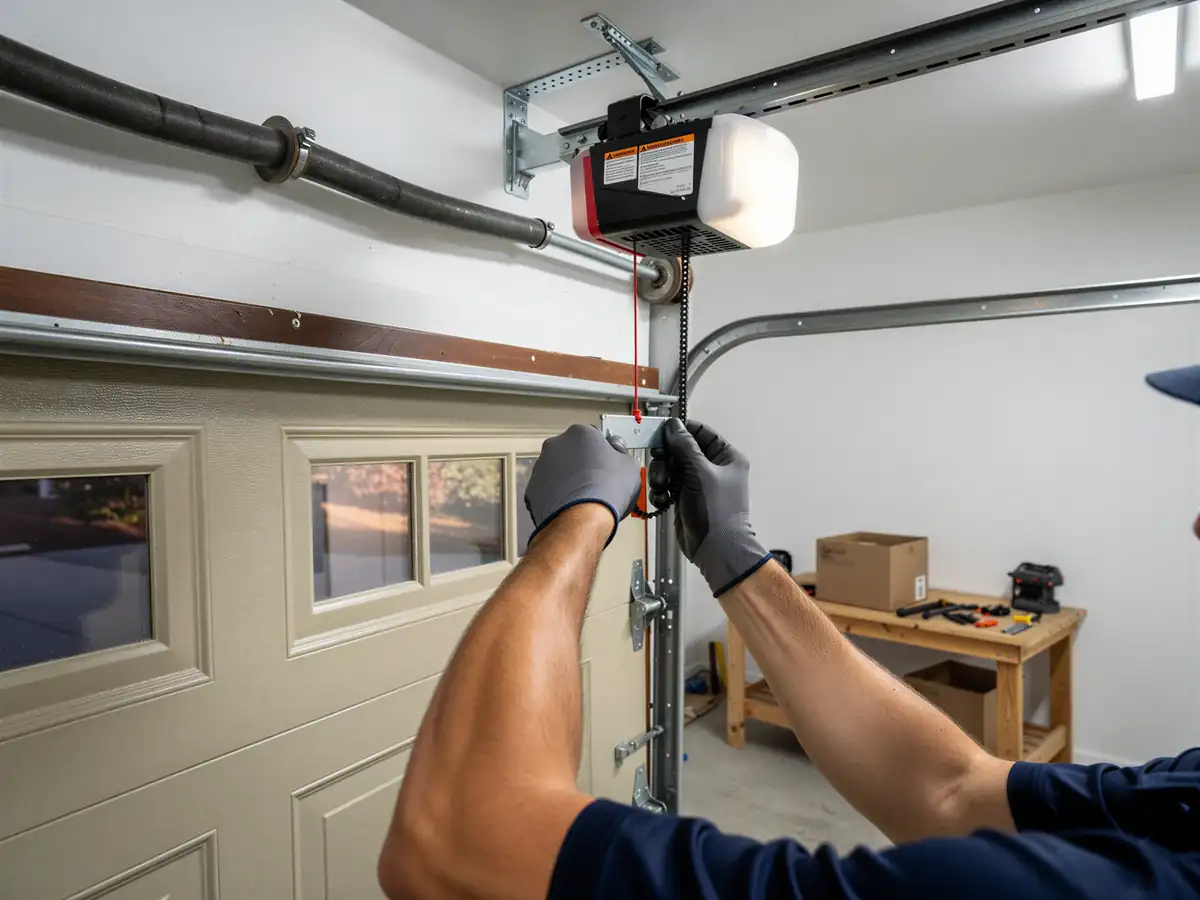
Most houses in the Burlington area went up between 1970 and 2004, with the median build year sitting around 1985, which is exactly when chain-drive openers without battery backup became the standard install. Those units run on house current and nothing else. No power, no opener. That was fine for decades because outages were short and rare enough that nobody thought about it.
The issue now is that a lot of those original openers are still in the garage, older than the homeowners who inherited them with the house. When the power drops - and in a cold-moderate climate it drops more in winter than people remember from summer - the door sits wherever it was when the juice cut. If that's down, your car's stuck inside. If that's up, cold air sits in the garage and whatever's attached to it, for as long as the outage lasts.
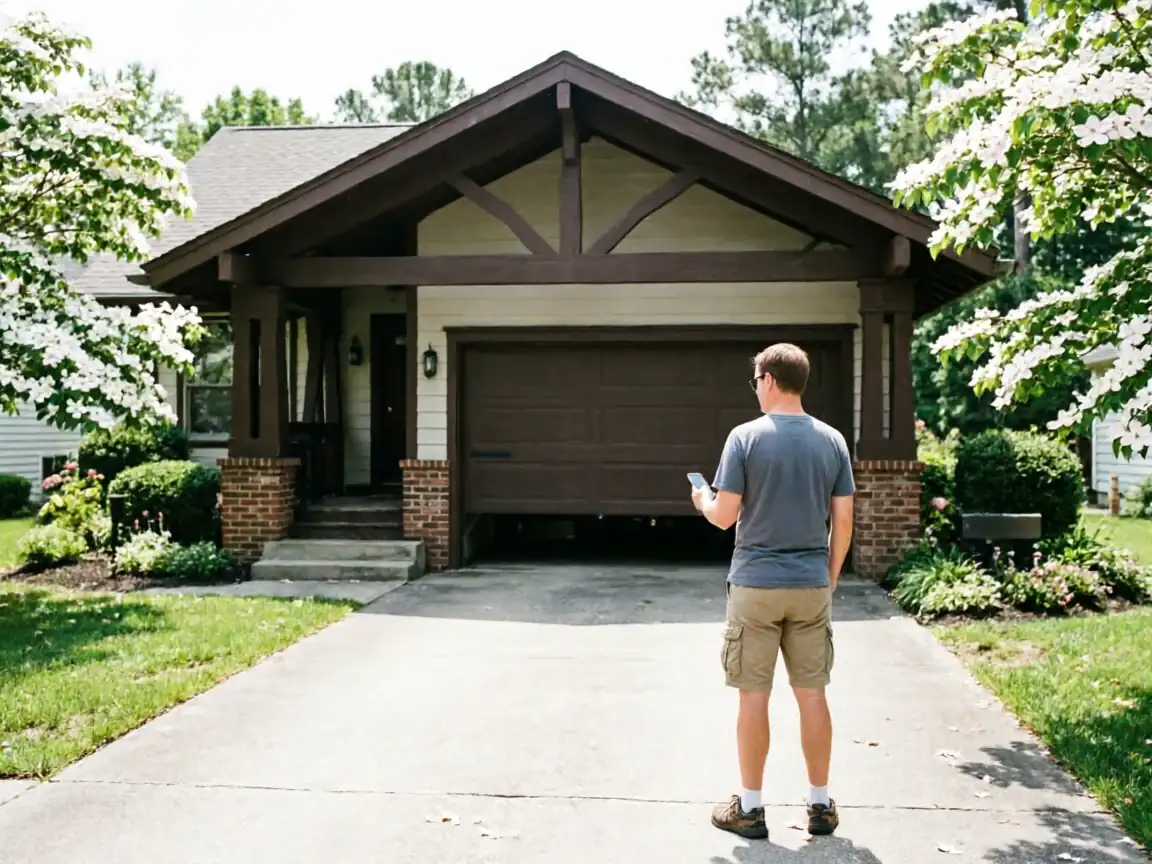
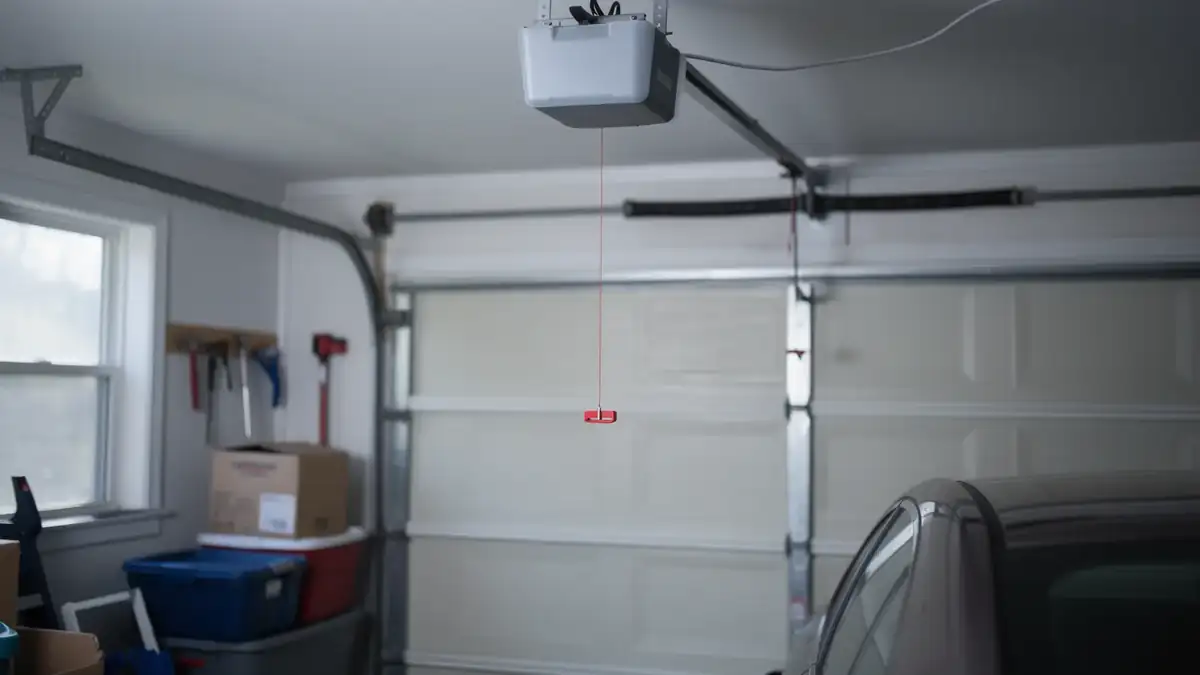
Most people find out their opener has no battery backup the same day they need one, usually standing in the driveway in the cold trying to remember where the manual release cord is.
Doing Nothing For Now
If your opener still runs fine on a good day, there's no reason to replace it just because it lacks a battery. A working opener with no backup is not broken - it's just missing one feature that only matters during an outage. Plenty of Burlington homeowners go years without ever needing it.
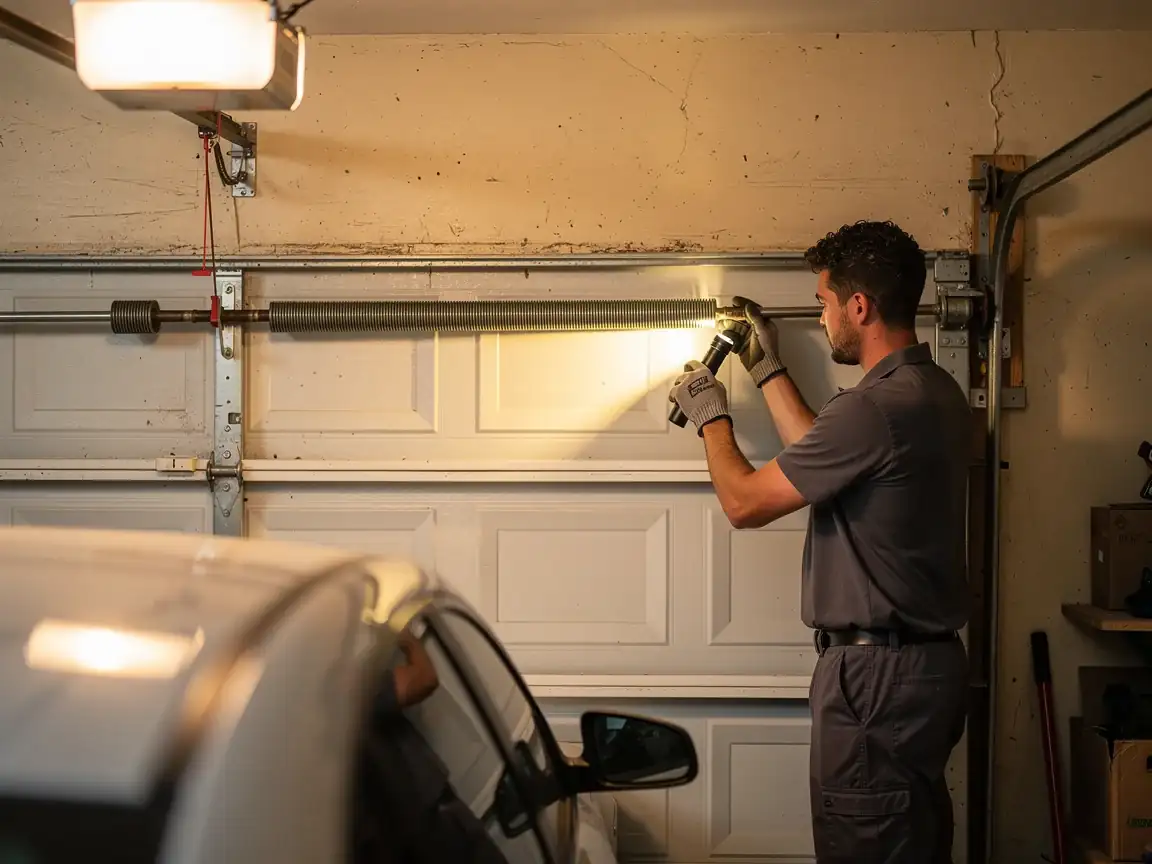
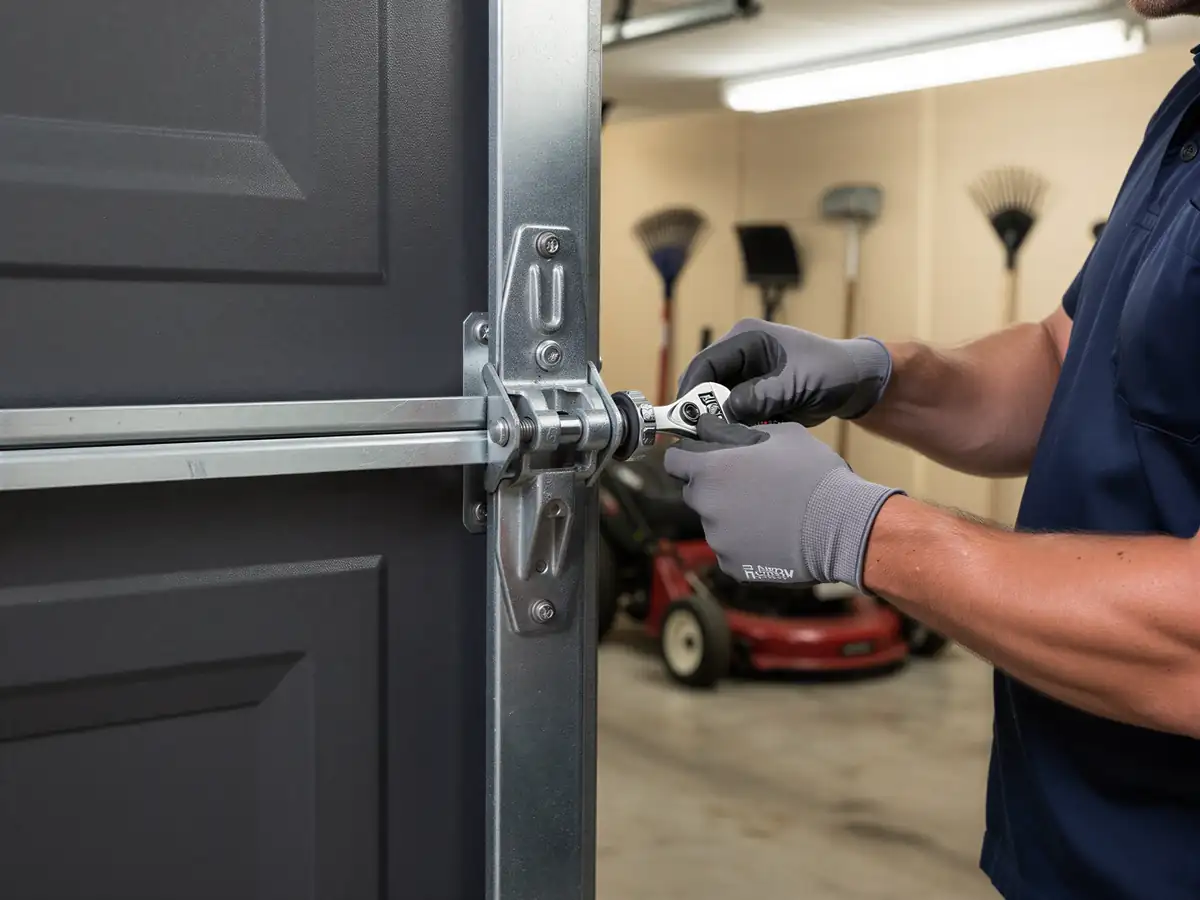
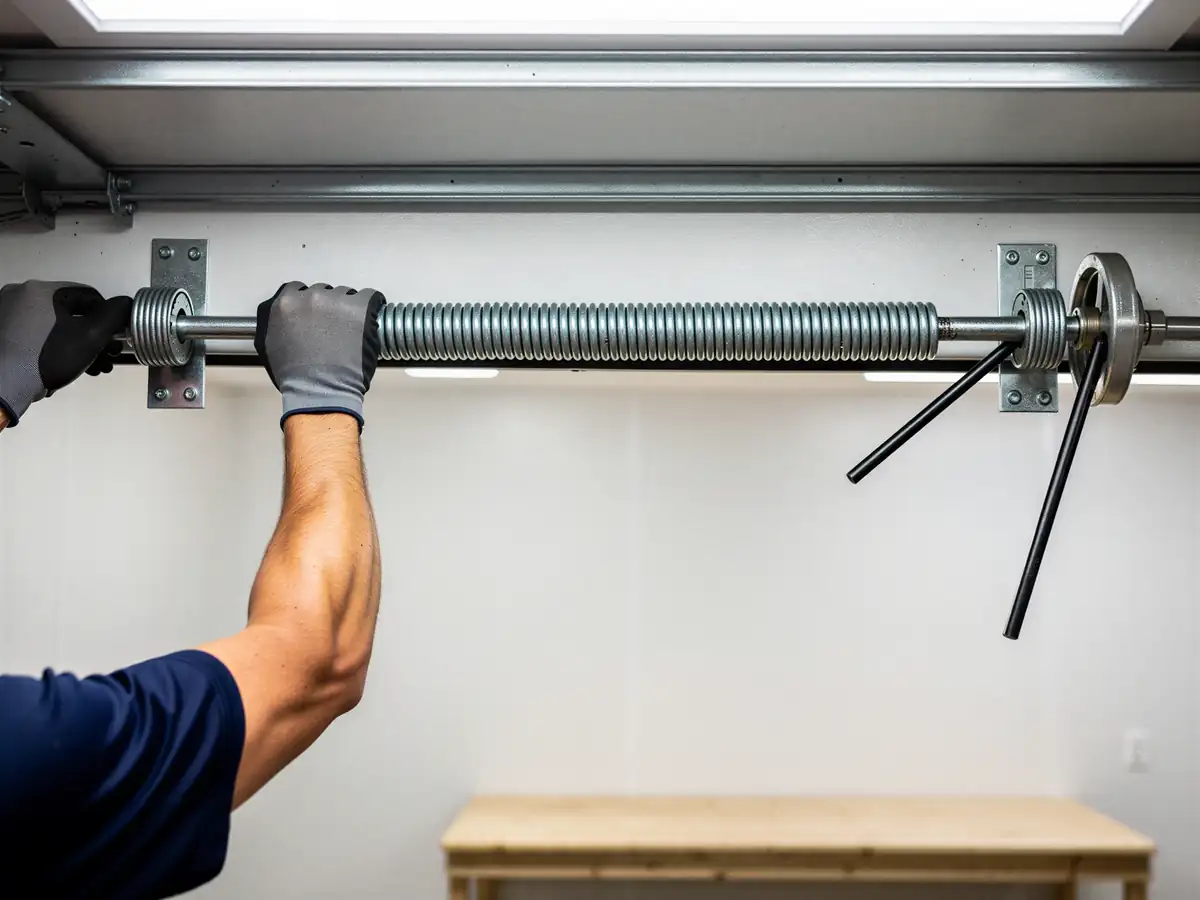
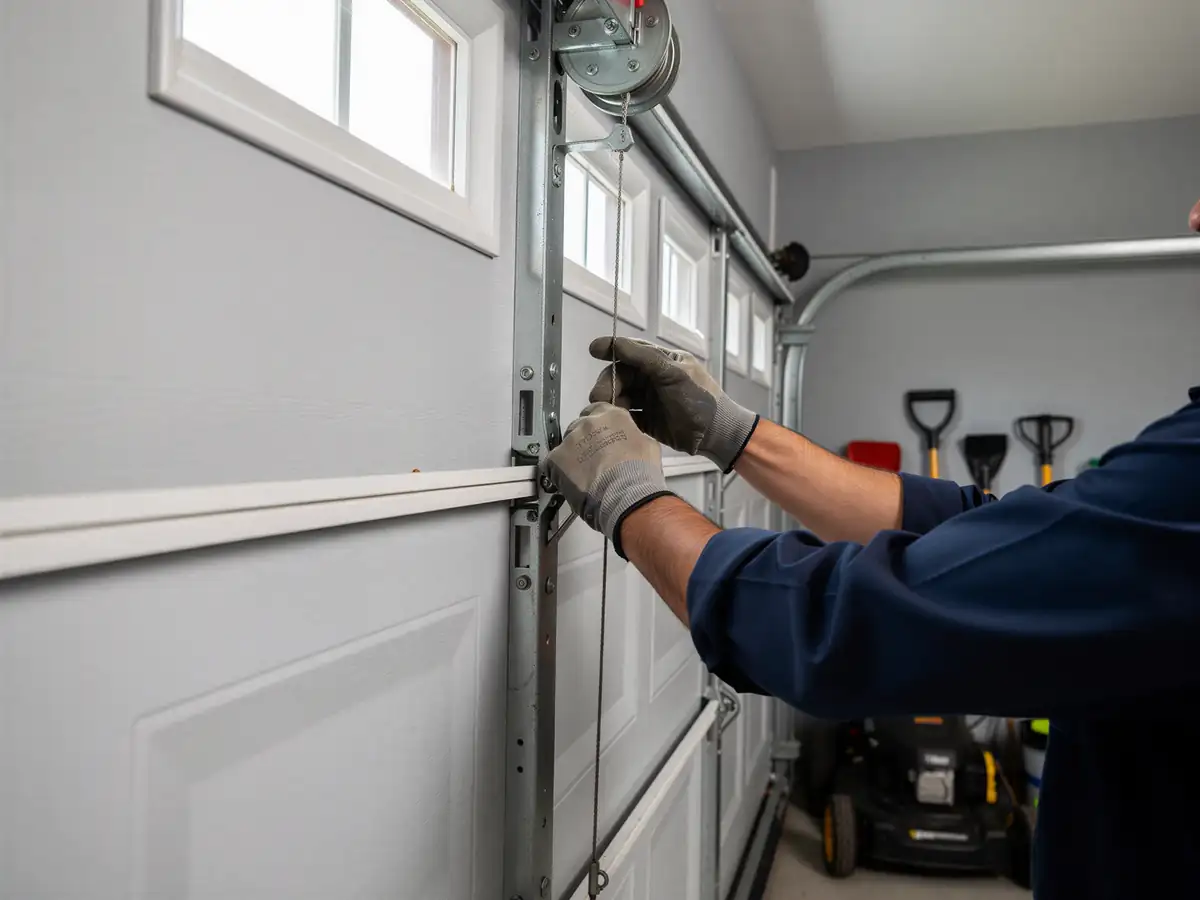
What's worth doing instead of a full swap is knowing where the manual release is and testing it once, when the power is on, not during a storm in the cold with a flashlight in your teeth. Pull the cord, let the carriage disengage, lift the door by hand, and feel how heavy it actually is. If it's a struggle to lift solo, that tells you something about the spring, not the opener, and it's a separate conversation.
The honest limitation here: a battery backup unit doesn't run the door forever. It gives you a handful of cycles - enough to get the car out and back in, not enough to treat the opener as normal during a multi-day outage. Don't plan around it like it's a generator.
How Local Conditions Play In
Burlington sits in a cold-moderate climate band
So a winter storm that knocks out power is far more likely to catch your door shut right when you need the car out. That combination - older openers from the 1970-2004 building wave paired with winter outages - is the actual local risk, not a generic "things break" warning.
Across the 18 named areas that make up the Burlington service area
The housing stock mostly dates to the 1980s and 90s, which means the opener problem isn't isolated to one neighborhood. Homes out toward Elon, Glen Raven, and Gibsonville - all within a few miles of Burlington - share this same 1980s-era opener situation, since they went up in the same building period.
With 16,594 owner-occupied houses out of 32,051 households in the service area
A lot of these original openers are now pushing forty years old, well past any reasonable service life, battery backup or not. Age alone is a bigger factor here than any single storm.
- 16,594 owner-occupied
- 32,051 households
Where People Go Wrong
The most common mistake is forcing the opener during an outage - hitting the wall button repeatedly, assuming it just needs a second try. That does nothing but wear the gears if there's residual power flicker, and trains you to ignore the problem instead of using the manual release.
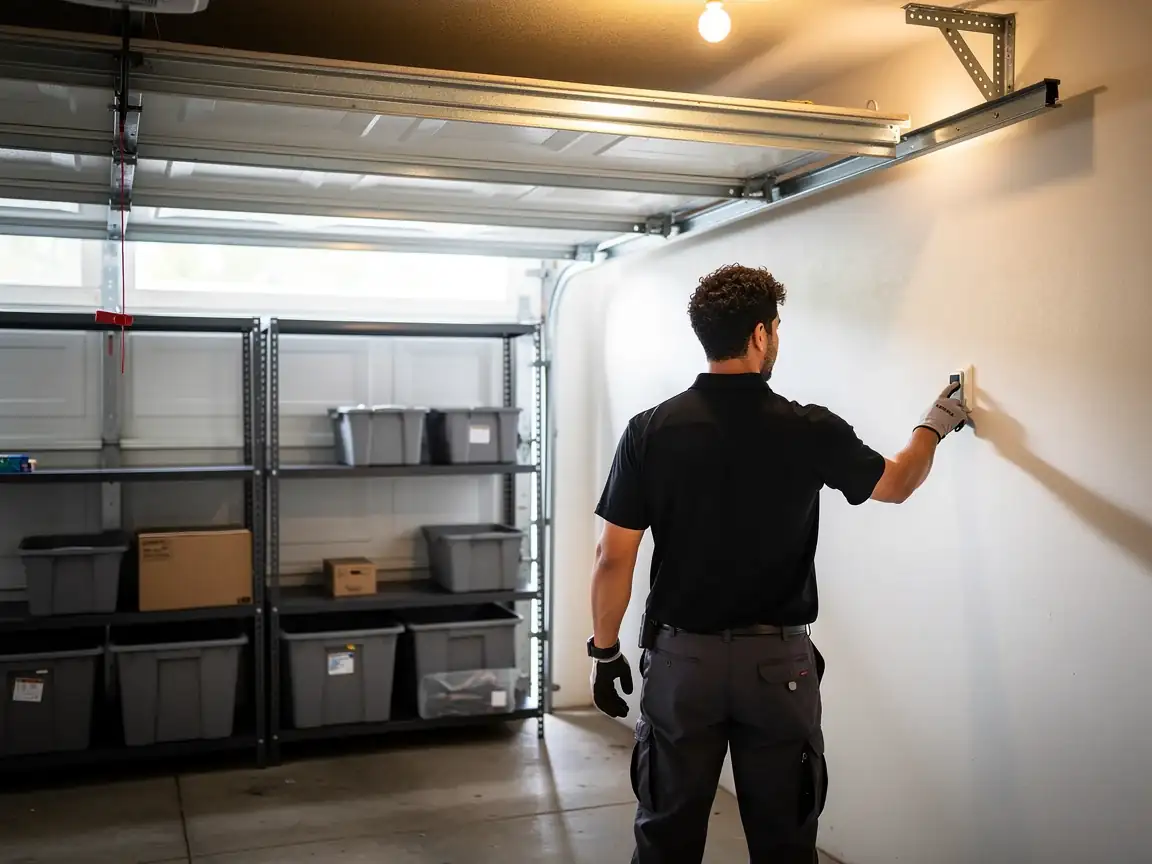
The second mistake is buying a battery backup unit without checking whether the opener it's going into is old enough that the motor itself is the weak point. Bolting a new battery onto a tired 1980s chain-drive opener buys you a few outage cycles, not a fix. At some point replacing the whole opener makes more sense than layering parts onto one.
The third is never testing the manual release until the day it's needed. It's a thirty-second check and most people skip it for years. Given the median household income of $67,366 across the service area, a battery backup add-on is a reasonable cost for most households here - but only on an opener worth keeping in the first place.