Can You Do This Yourself
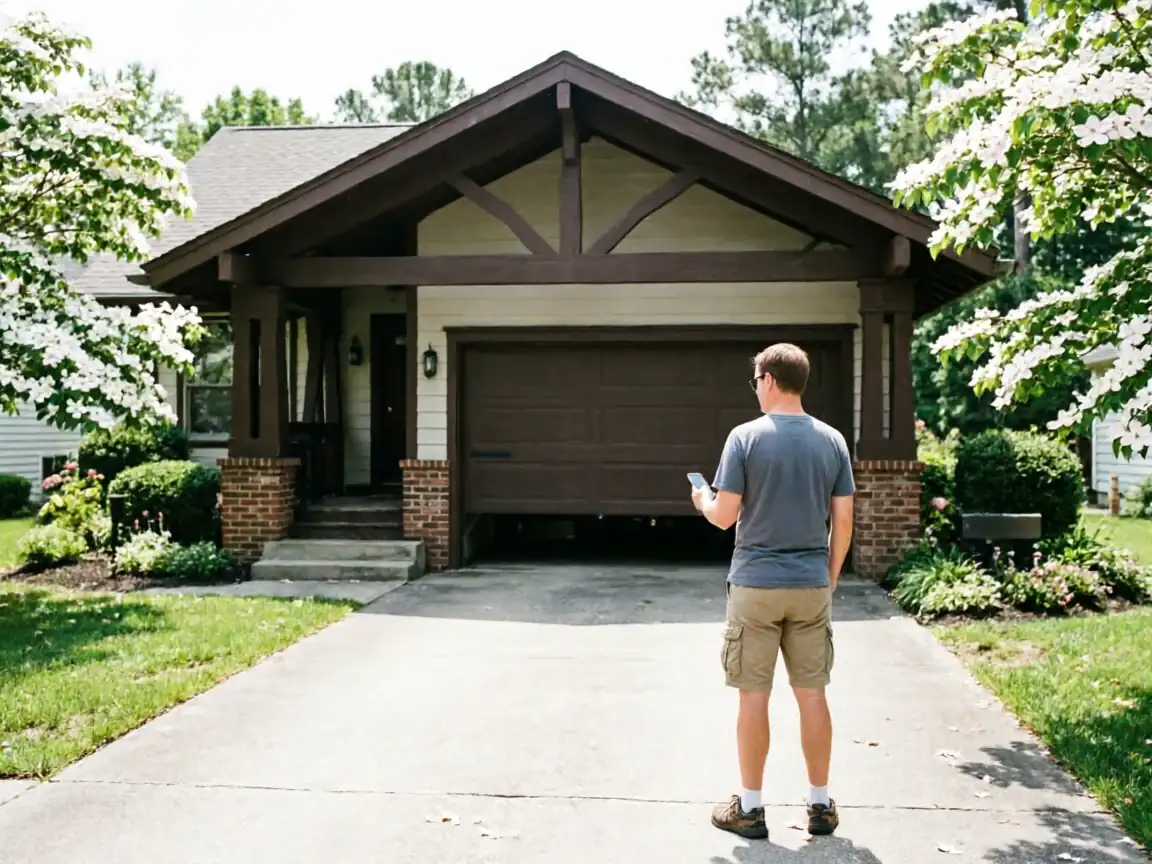
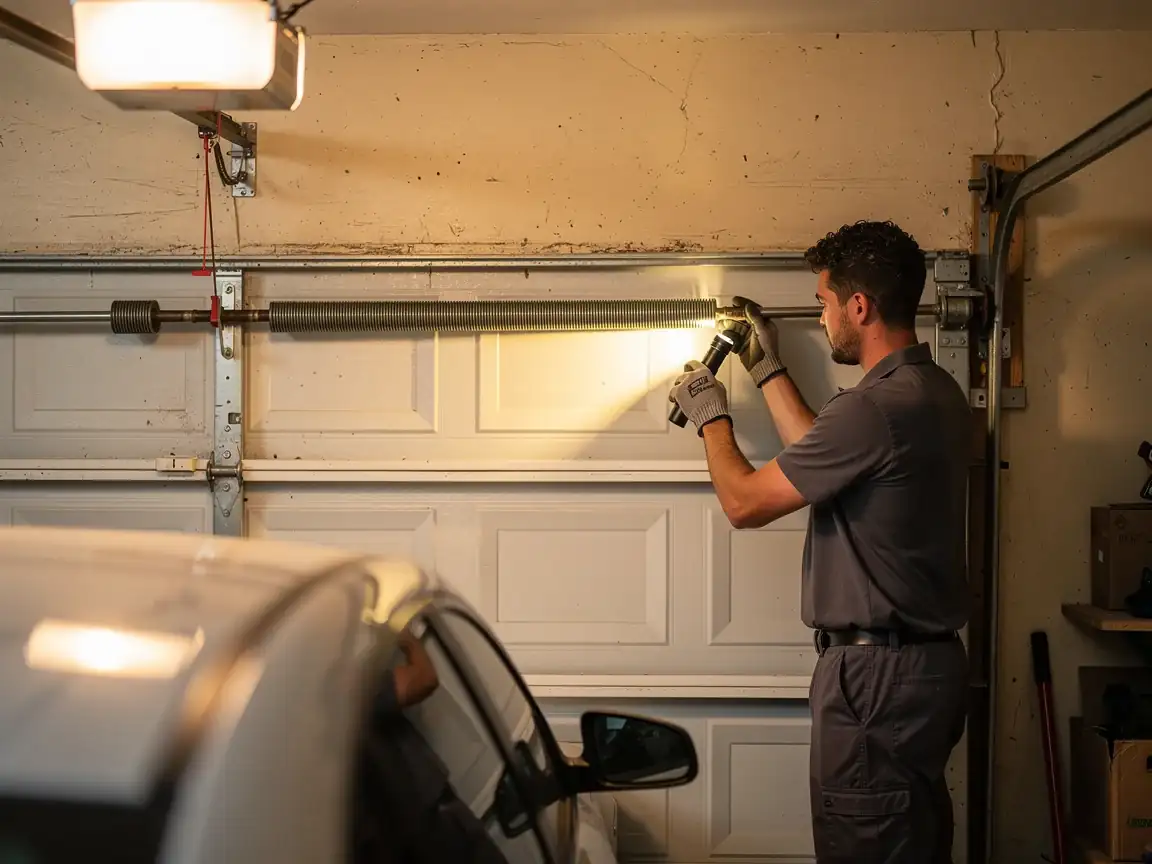
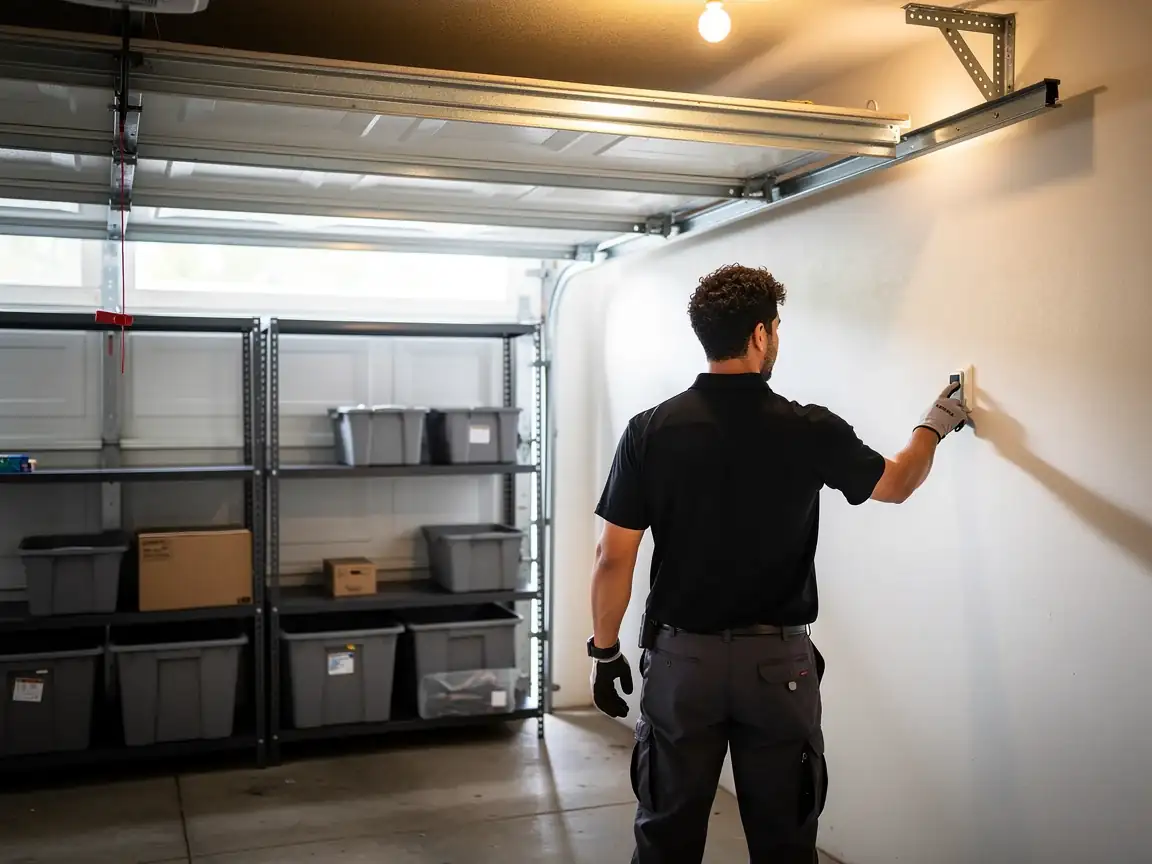
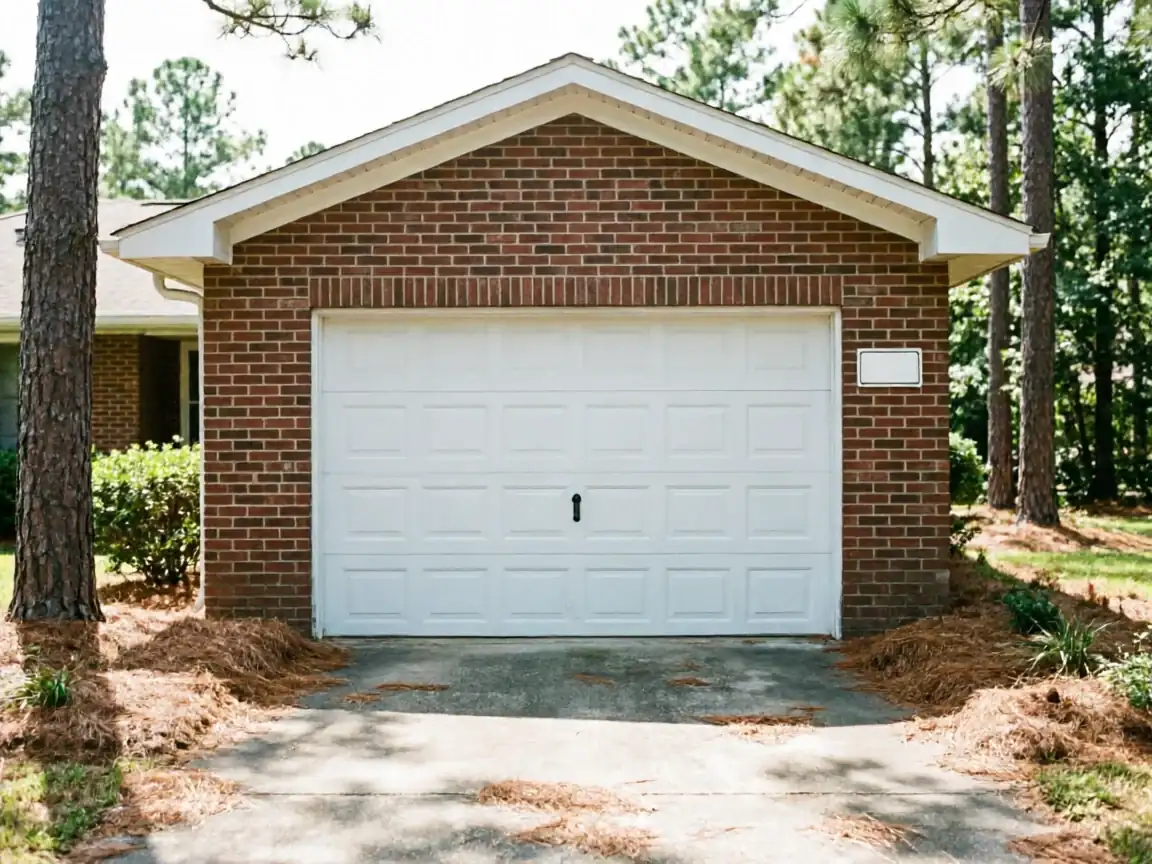
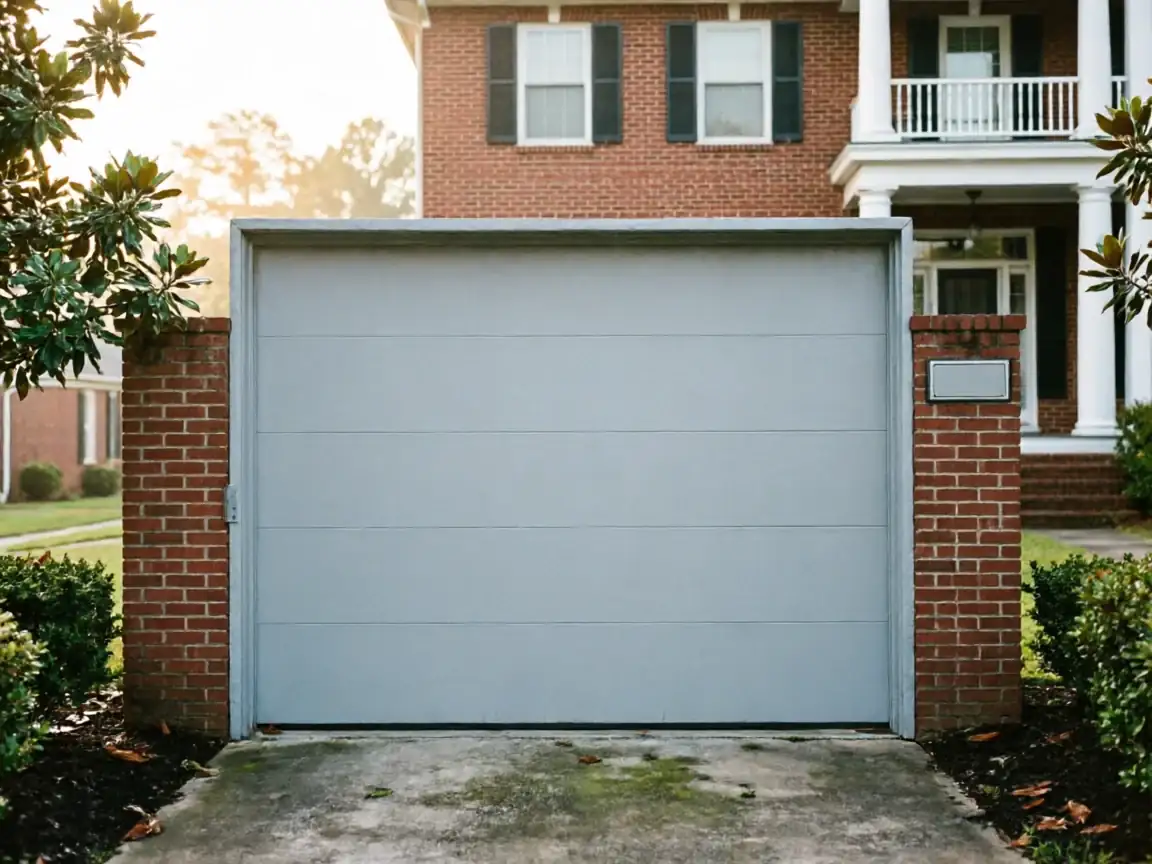
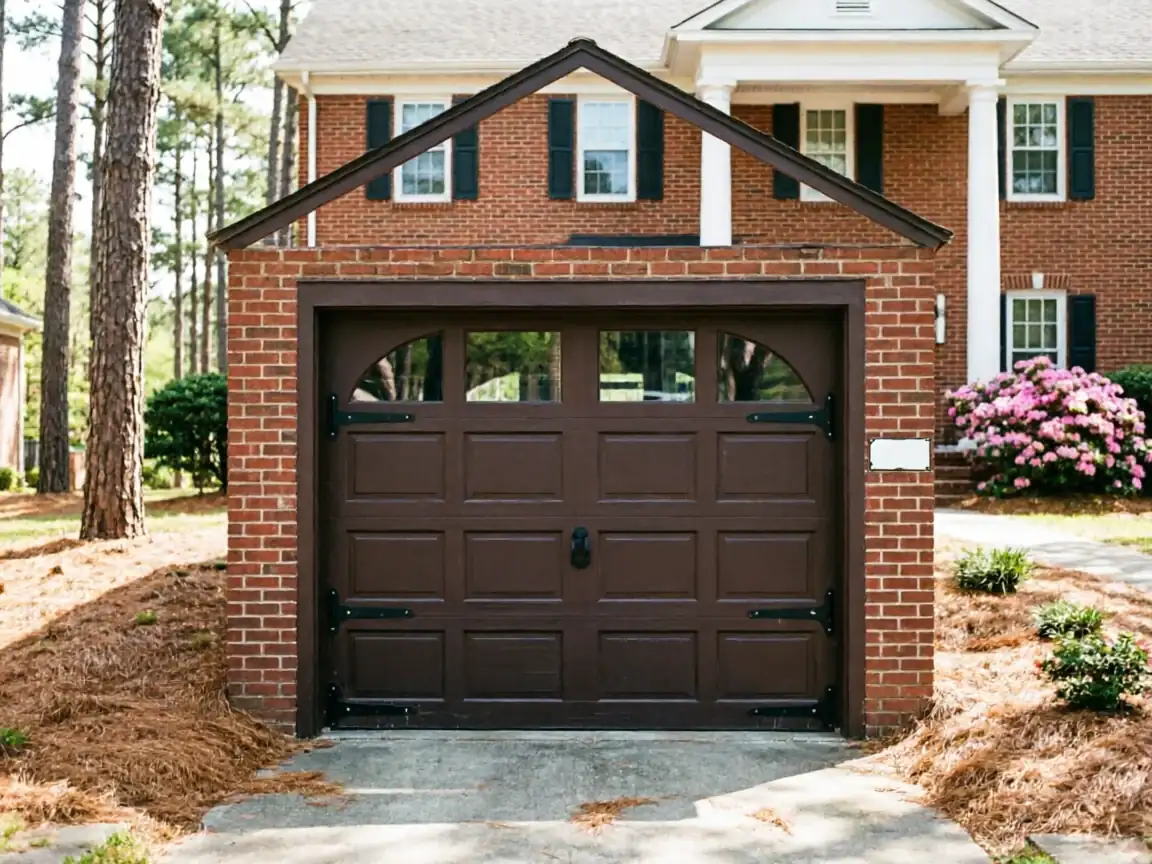
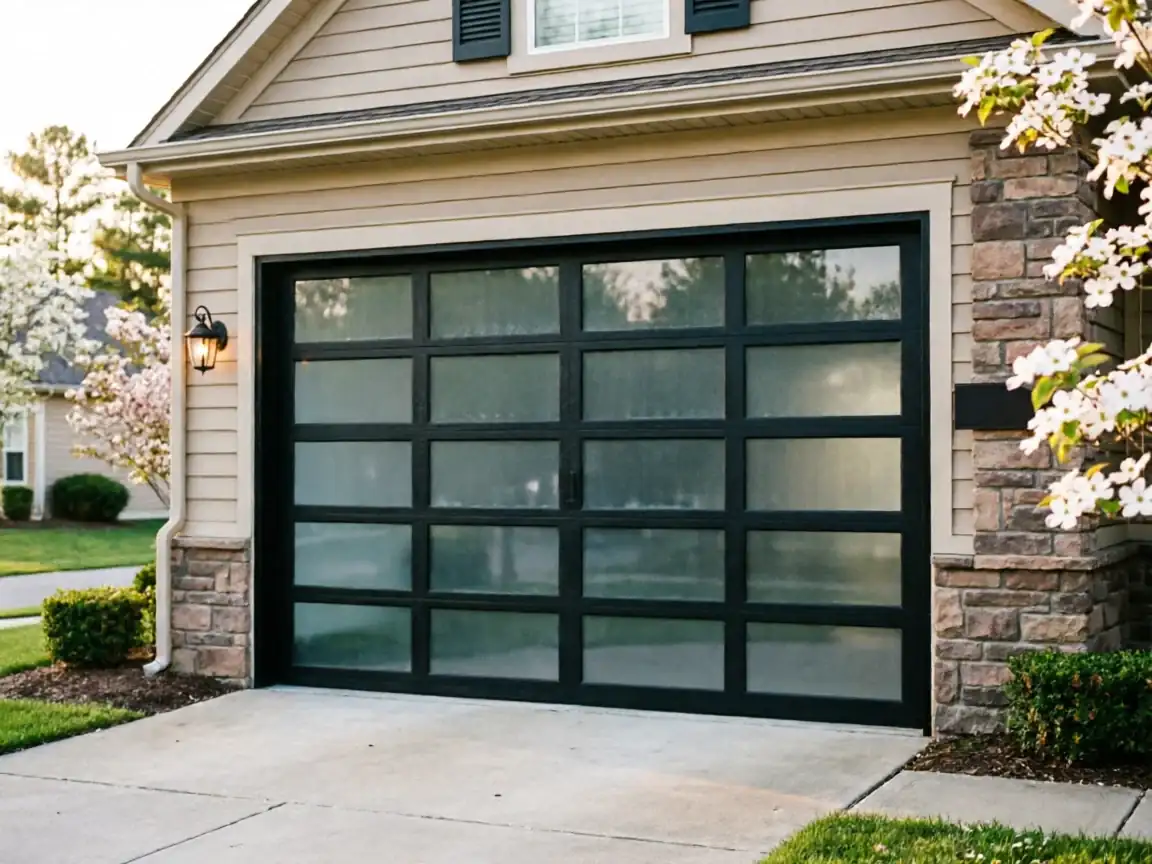
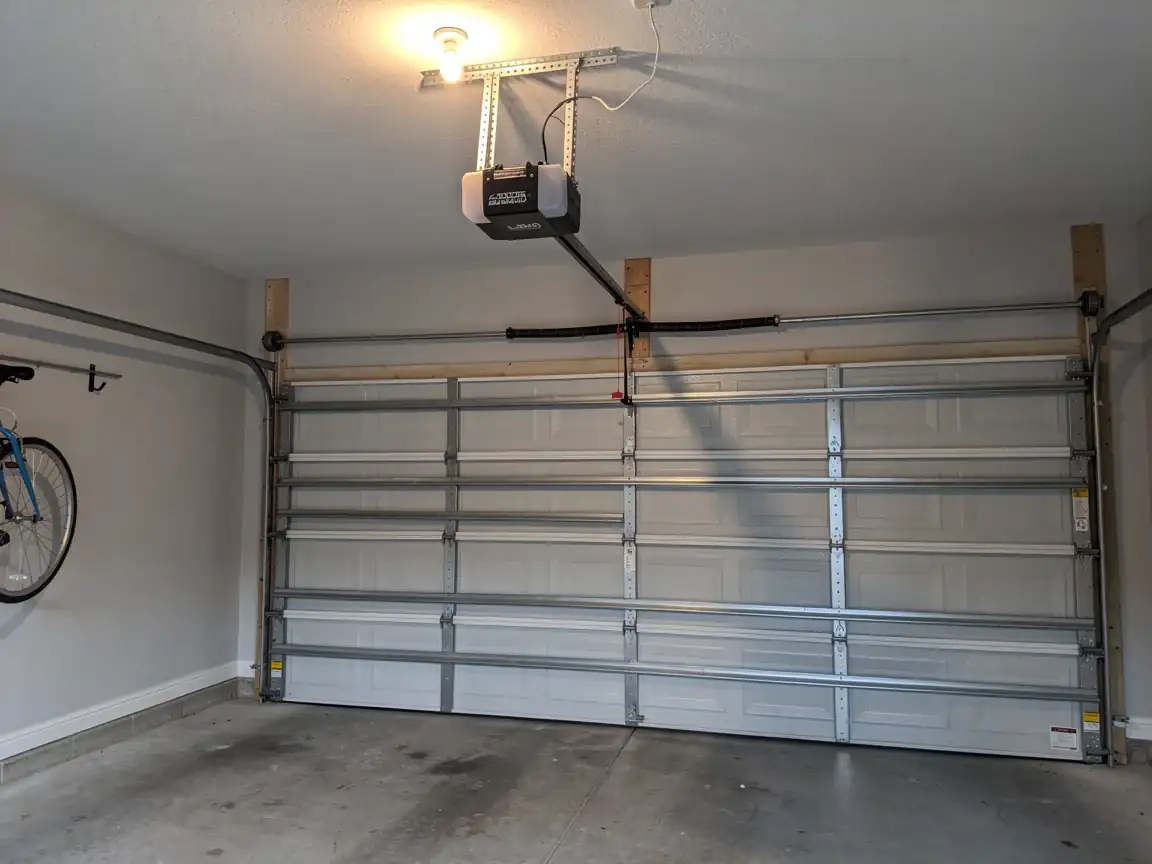
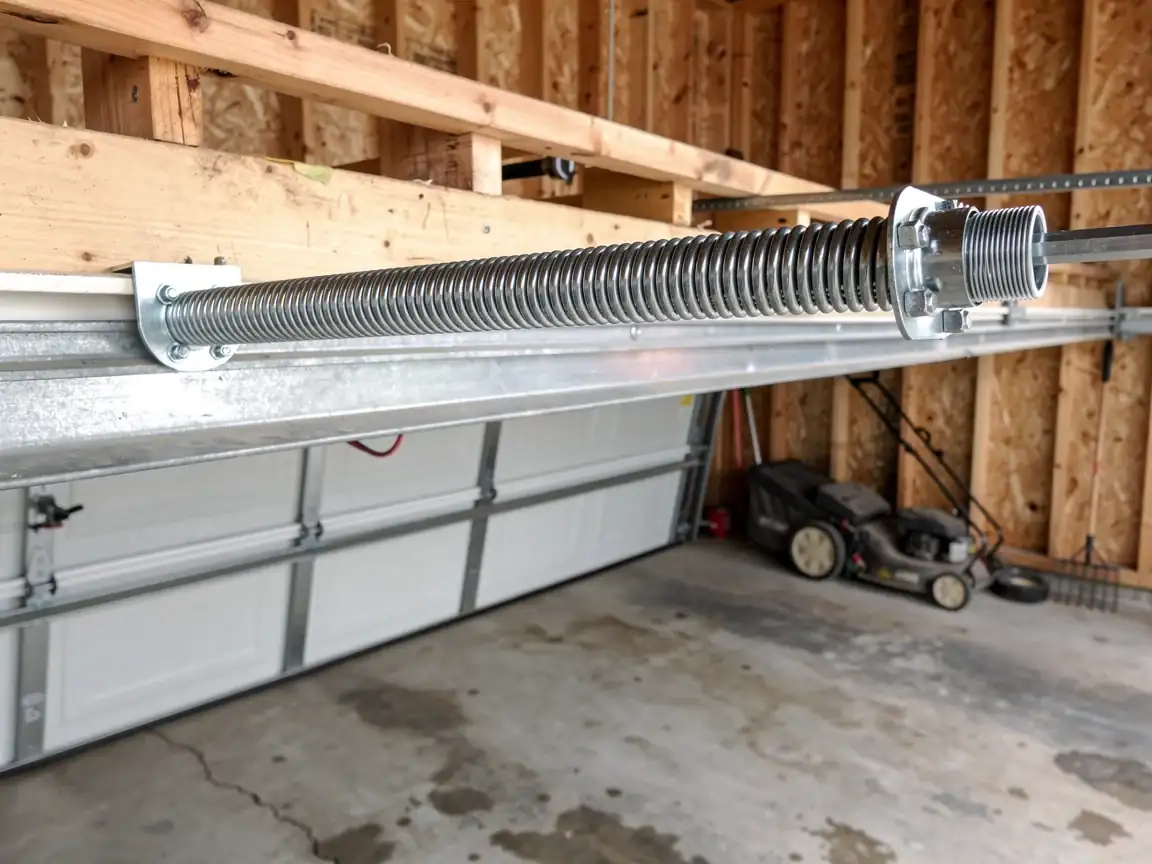
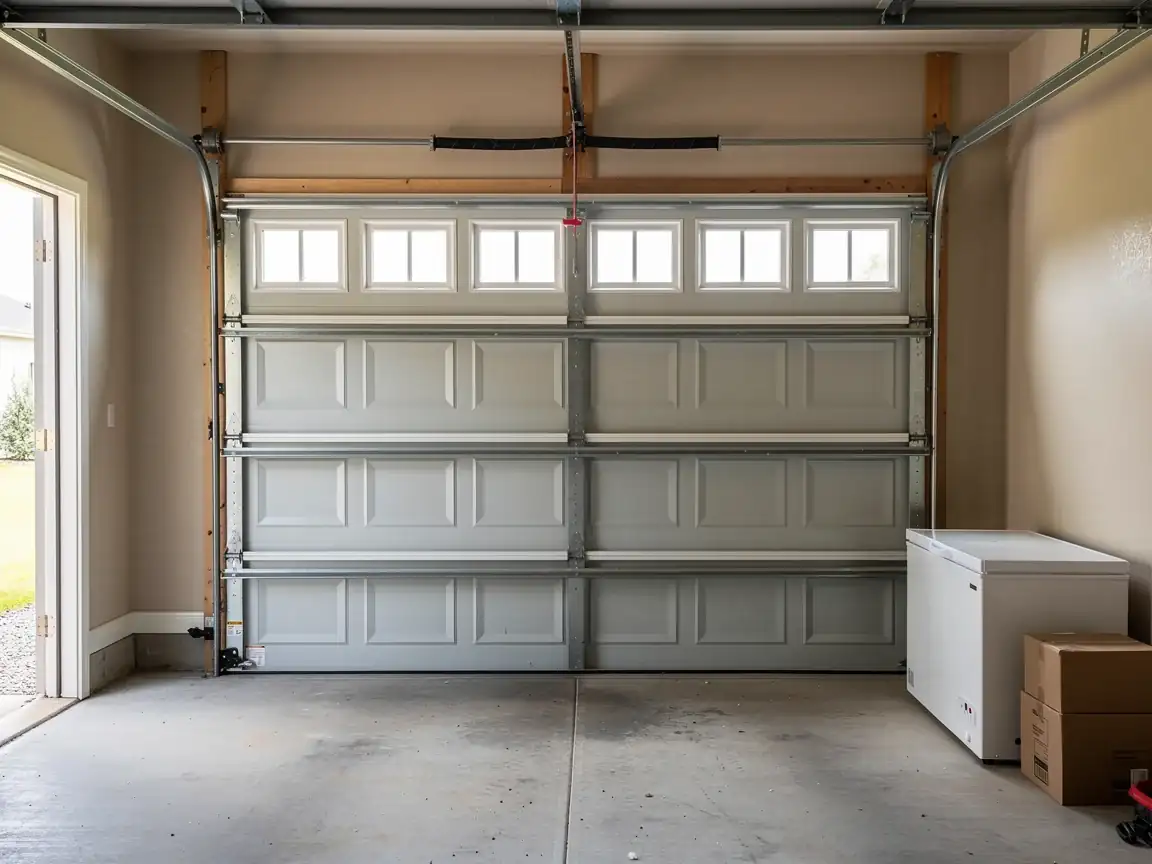
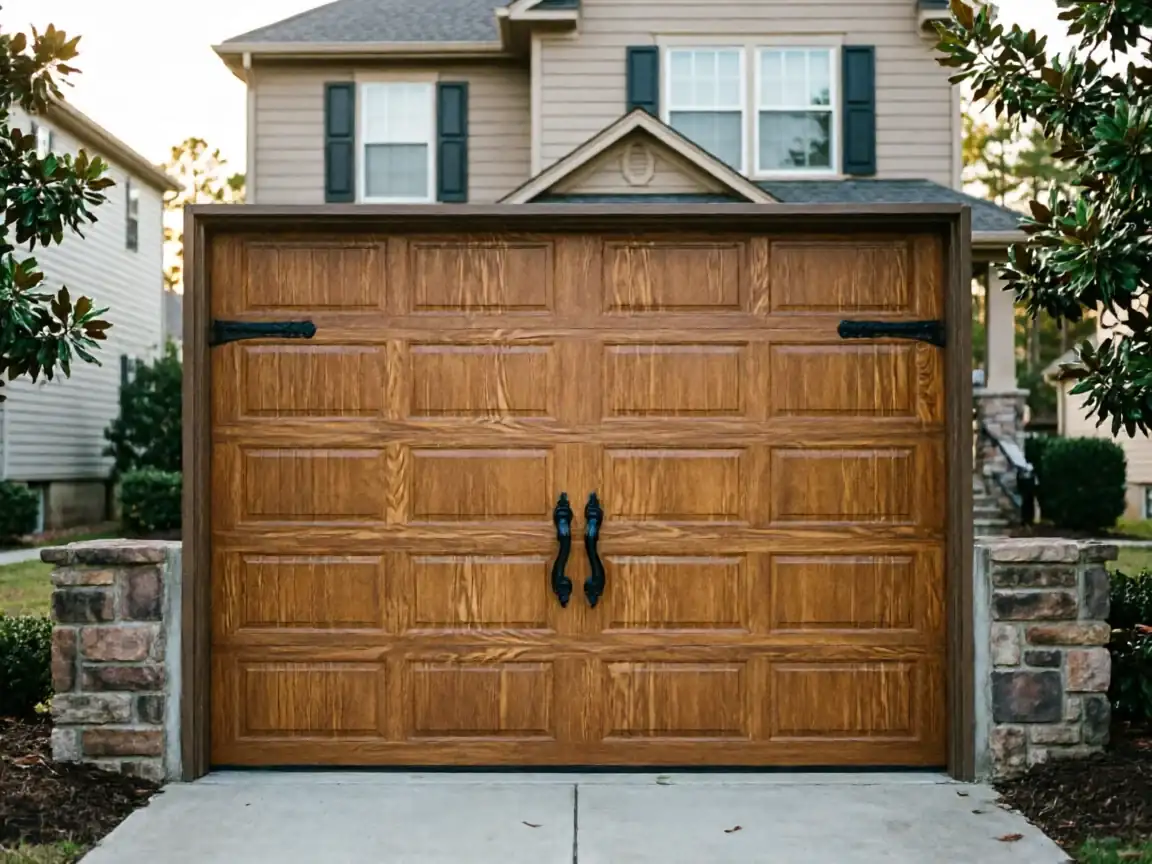
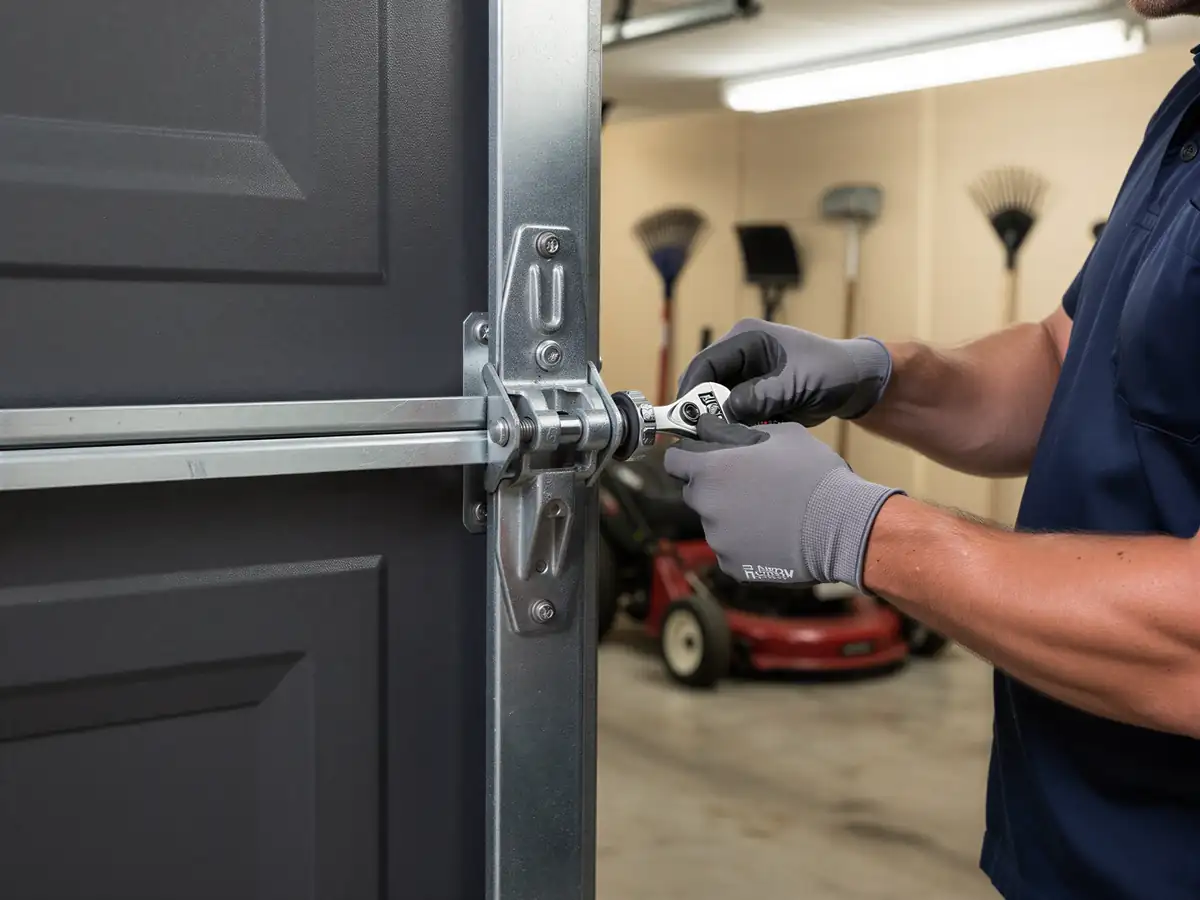
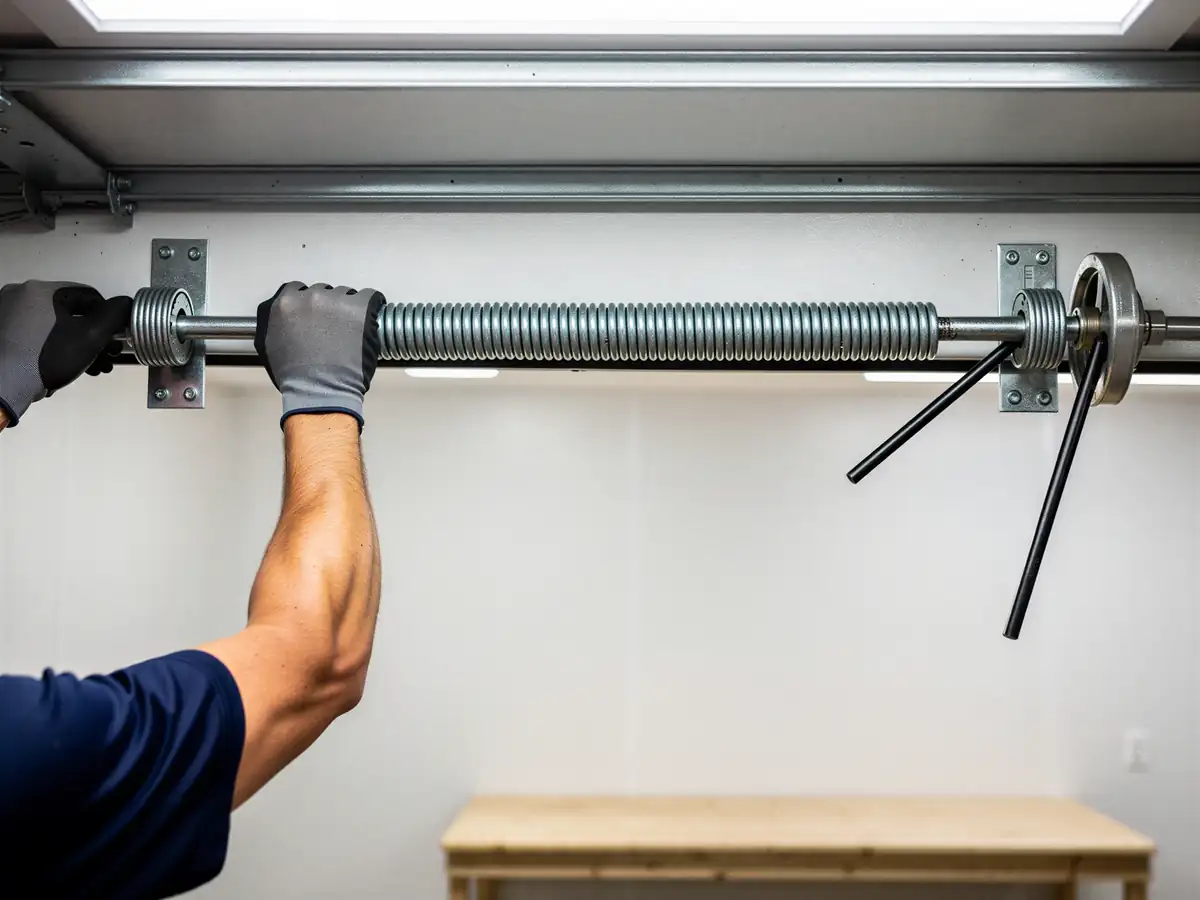
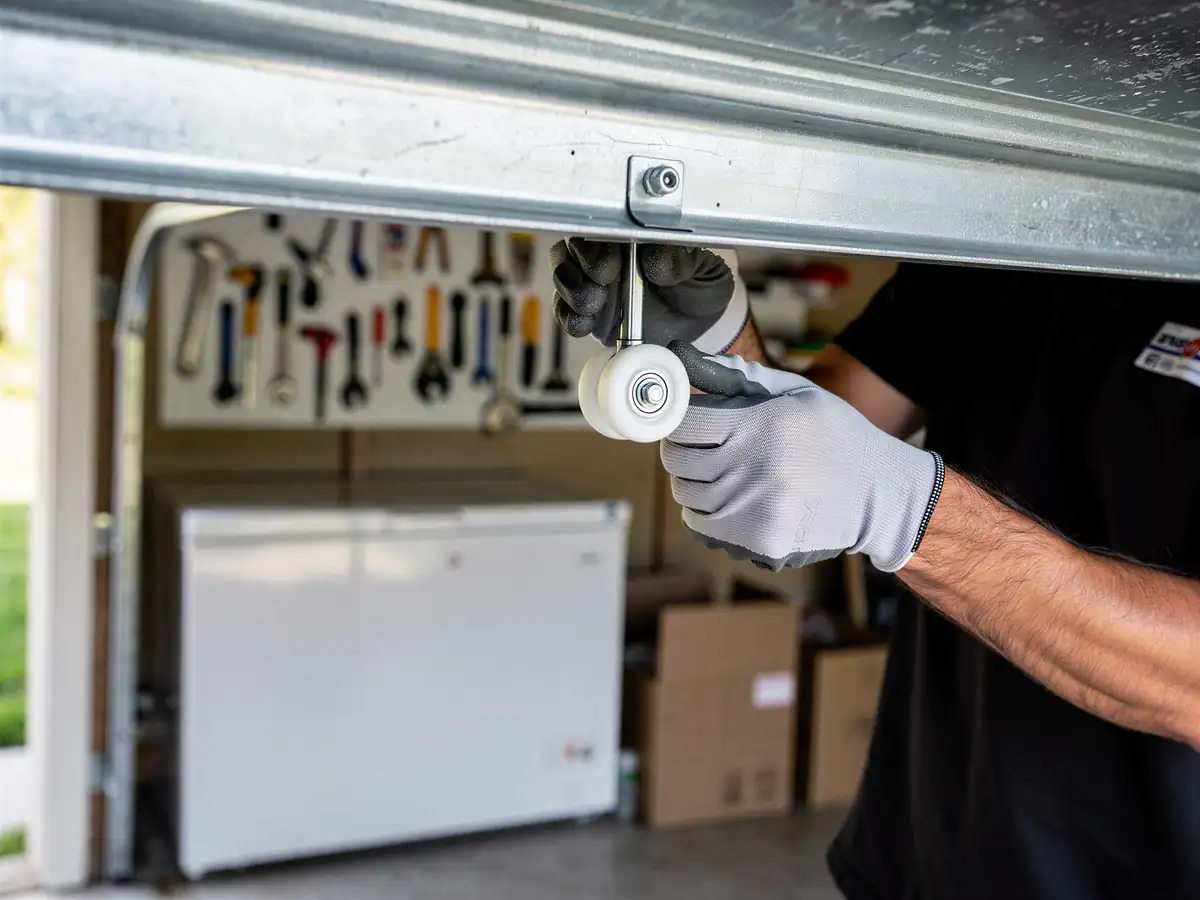
Swepsonville's houses mostly went up around 2004, which puts the hardware on a different footing than the older stock scattered through the rest of the service area. By that build year, builders were putting in steel sectional doors on standard torsion springs mounted above the opening, not the side-mounted or extension-spring setups you'd find on an older house. That's good news for a homeowner who wants to tackle something themselves: lubricating rollers, tightening loose hinge bolts, clearing track debris, and testing the photo-eye sensors are all reasonable DIY jobs on hardware this age. What you should not touch is the torsion spring itself. It's wound under real tension and it's the same part whether the door was put in during 2004 or 1985 - the injuries from a spring letting go are identical either way. If the opener won't respond, check the wall switch and the breaker before you assume the motor's dead; a lot of "broken opener" calls turn out to be a tripped circuit.ice.
What Can Go Wrong
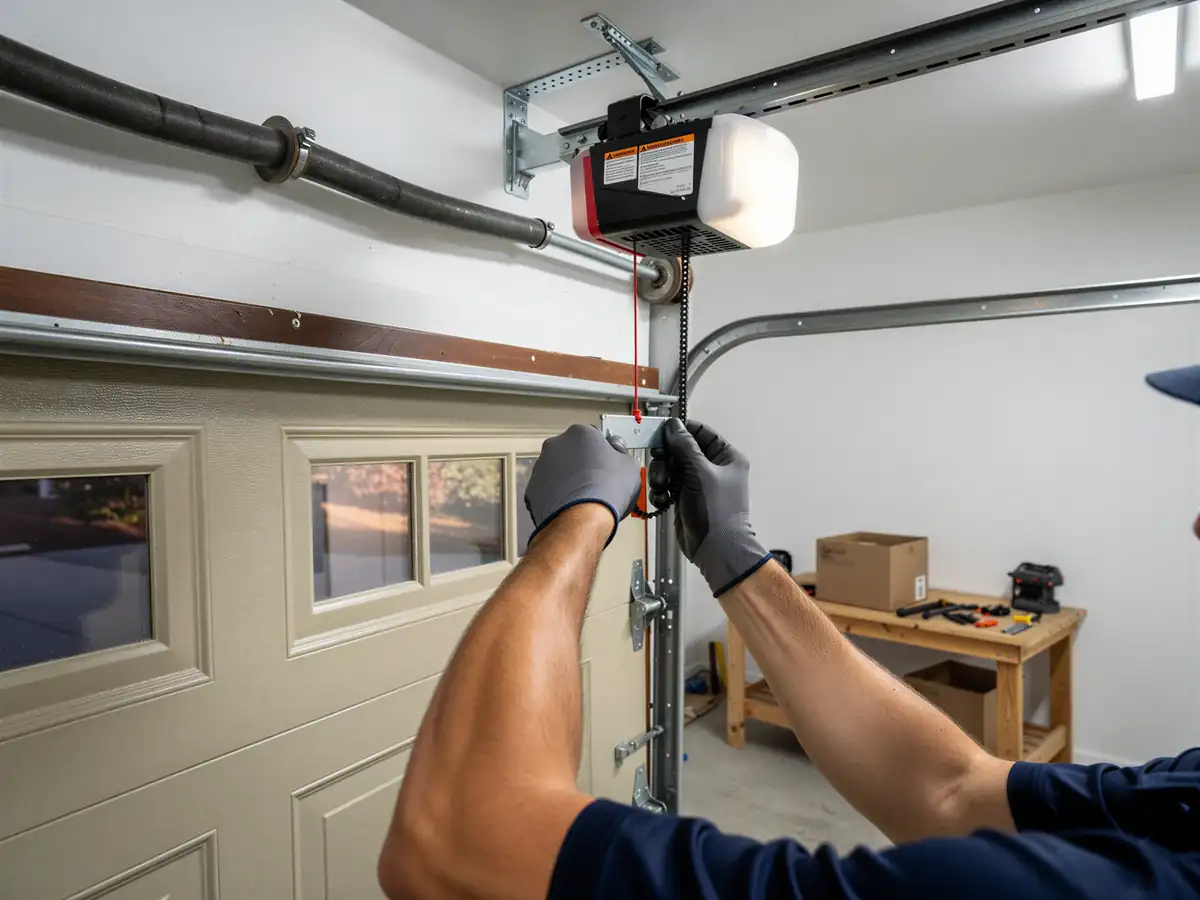
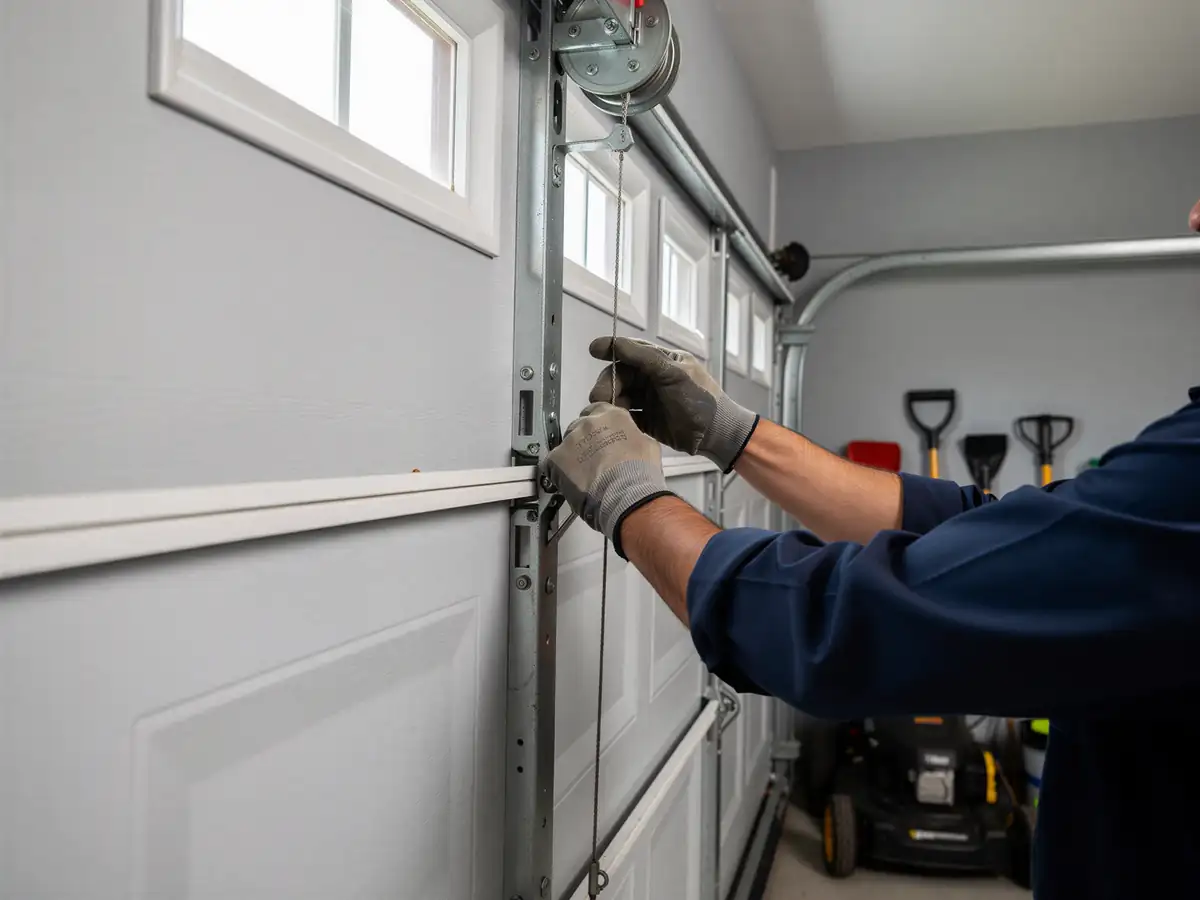
Doors from this era tend to fail at the opener before they fail at the door itself. Circuit boards and drive gears in openers from the early-to-mid 2000s are getting to the age where capacitors dry out and logic boards stop talking to remotes. Torsion springs on a 2004-era door are typically original if nobody's replaced them, and a spring usually lasts somewhere around 10,000 cycles - which for most households lands right about now. The cold-moderate winters here put extra strain on steel panels and nylon rollers; metal contracts, lubricant stiffens, and a door that opened fine in October can start binding by January. Cables fraying at the bottom bracket is another one we see on doors in this age range - not an emergency until it is, but worth a look if you hear a scrape on the way up. None of this is unique to one house; it's what you'd expect across a neighborhood built in the same five-year window.
What It Costs
We don't have a published price list broken out by town, and we're not going to make one up here. What's worth knowing locally is that Swepsonville's median household income sits well above the service area's overall figure of $67,366 - closer to $94,000 by the numbers for this area - which doesn't change what a spring or opener costs, but it does mean replacement is often the more practical call here instead of patching an aging part twice. On a house built around 2004, most of what's failing is a single component - spring, opener board, or a cable - not the whole door assembly, so a repair bill here usually stays a repair bill rather than growing into a full replacement job.
What the Repair Takes
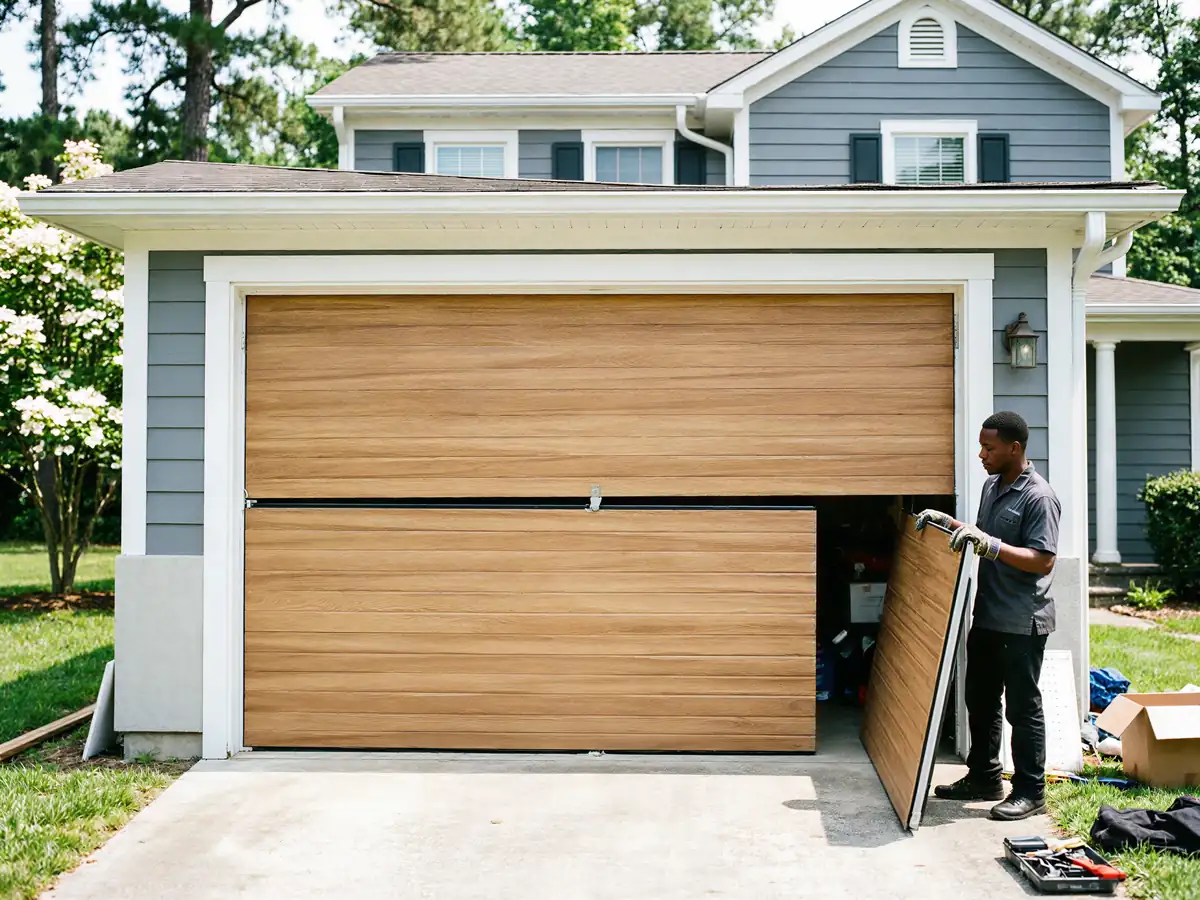
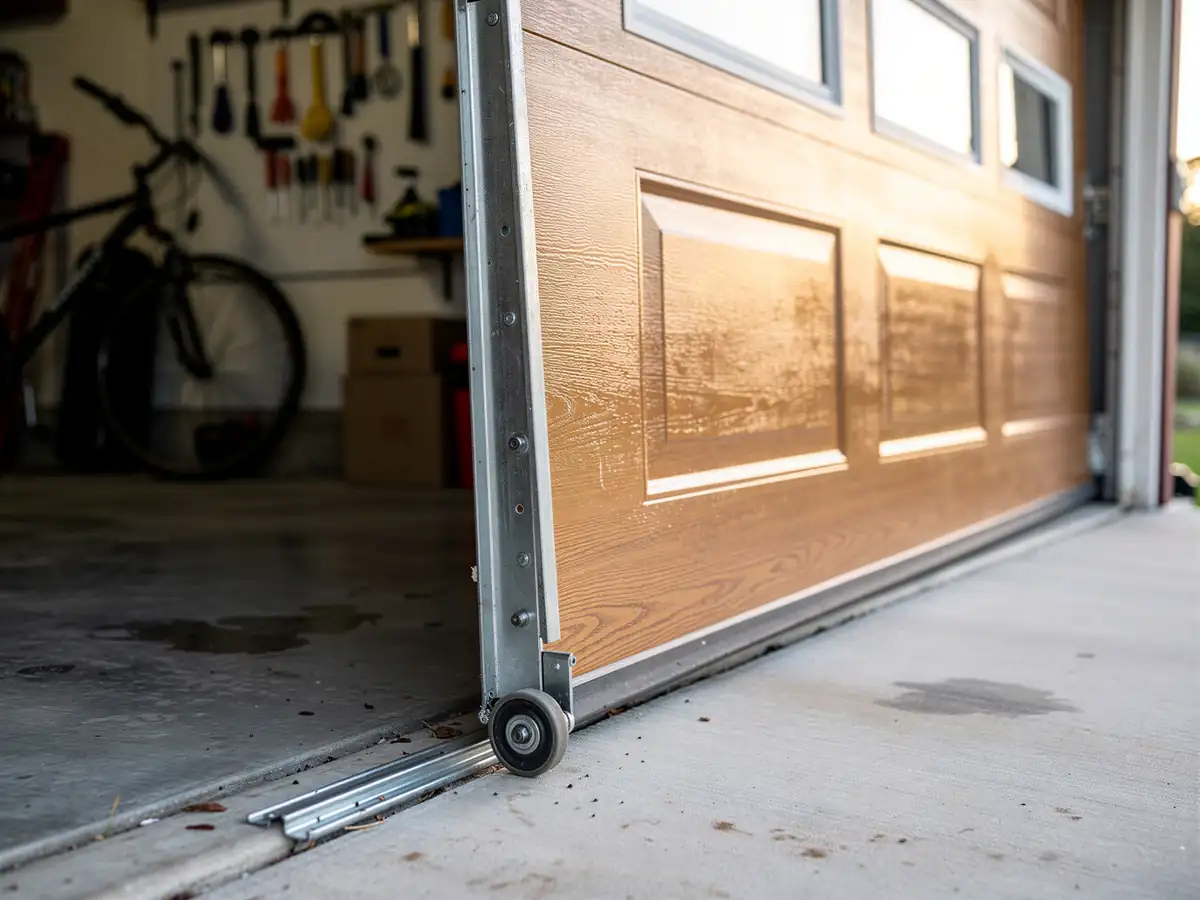
Most jobs on a 2004-era Swepsonville door break down into one of three things: a spring swap, an opener replacement, or track and roller work. Spring jobs mean matching the wire gauge and wind direction to the original - guess wrong and the door won't balance, even if it opens. Opener work on hardware this age usually means a straight swap rather than a repair; boards from that period aren't worth chasing parts for anymore, and a new unit comes with better safety sensors anyway. Track and roller jobs are the most variable - sometimes it's a five-minute realignment, sometimes a bent section needs replacing outright. One honest limit: if a cable has already frayed through and the drum's damaged, we're not going to just swap the cable and call it fixed - that's a job that needs the drum and possibly the shaft looked at too, or it fails again within months.