Parts We Carry
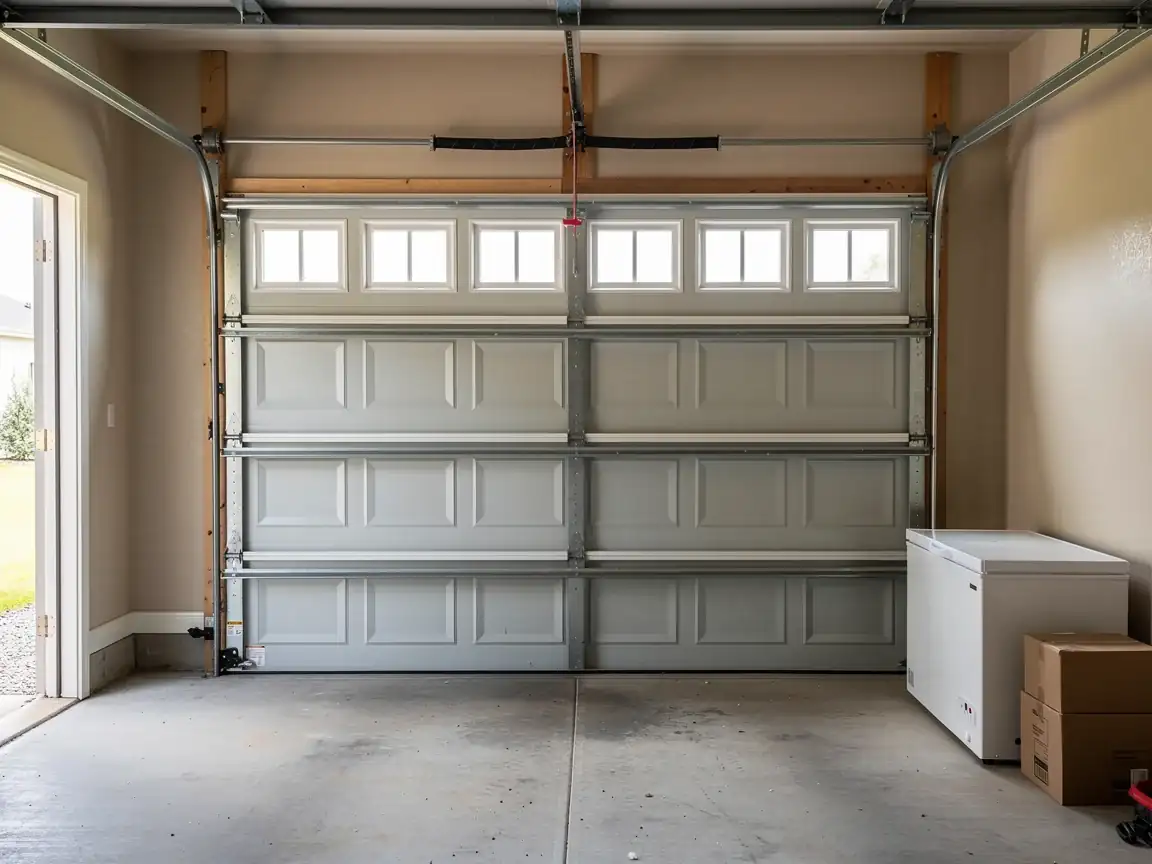
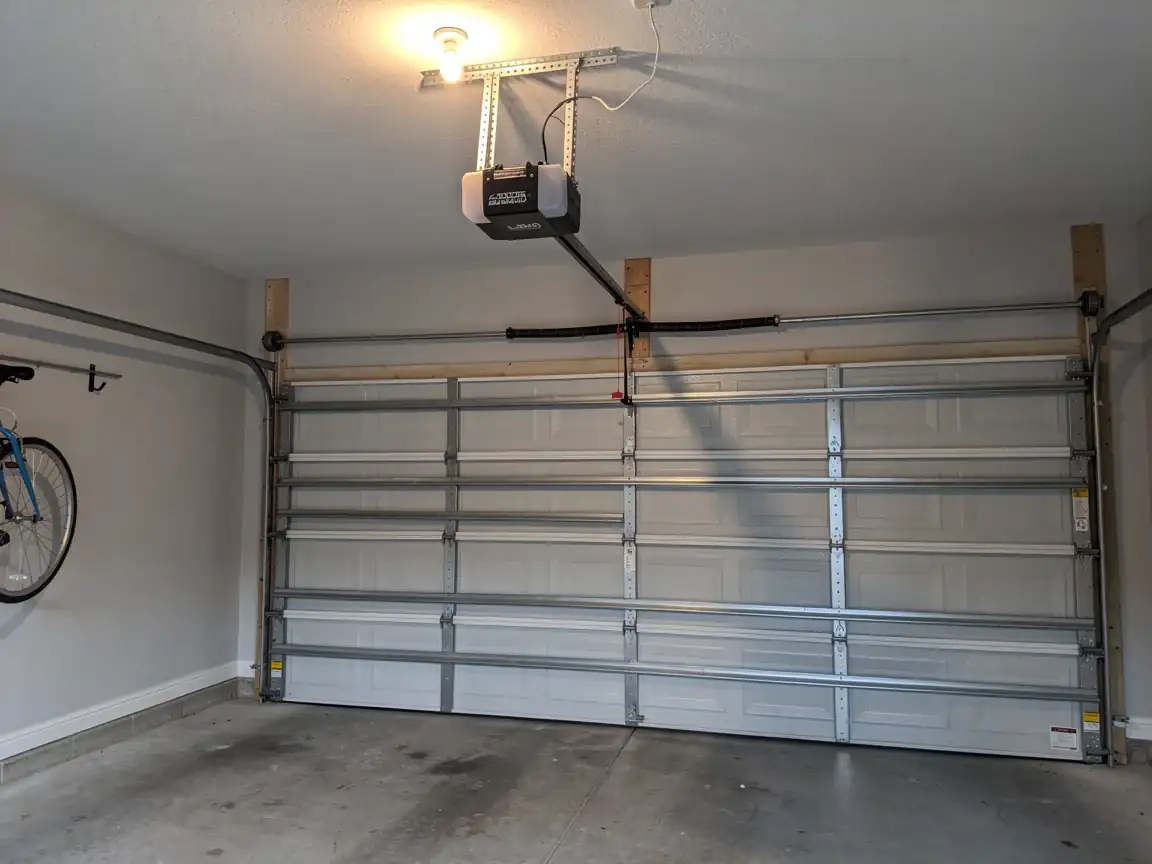
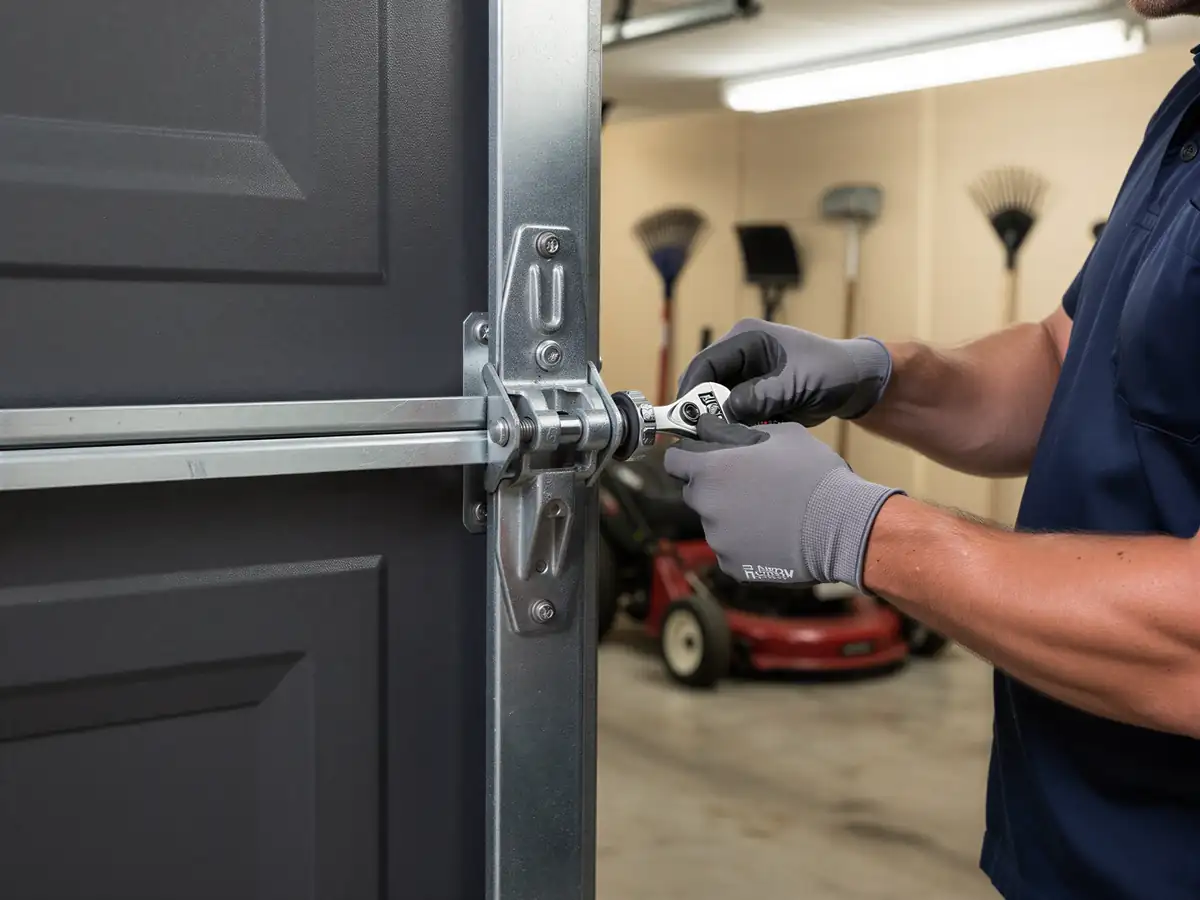
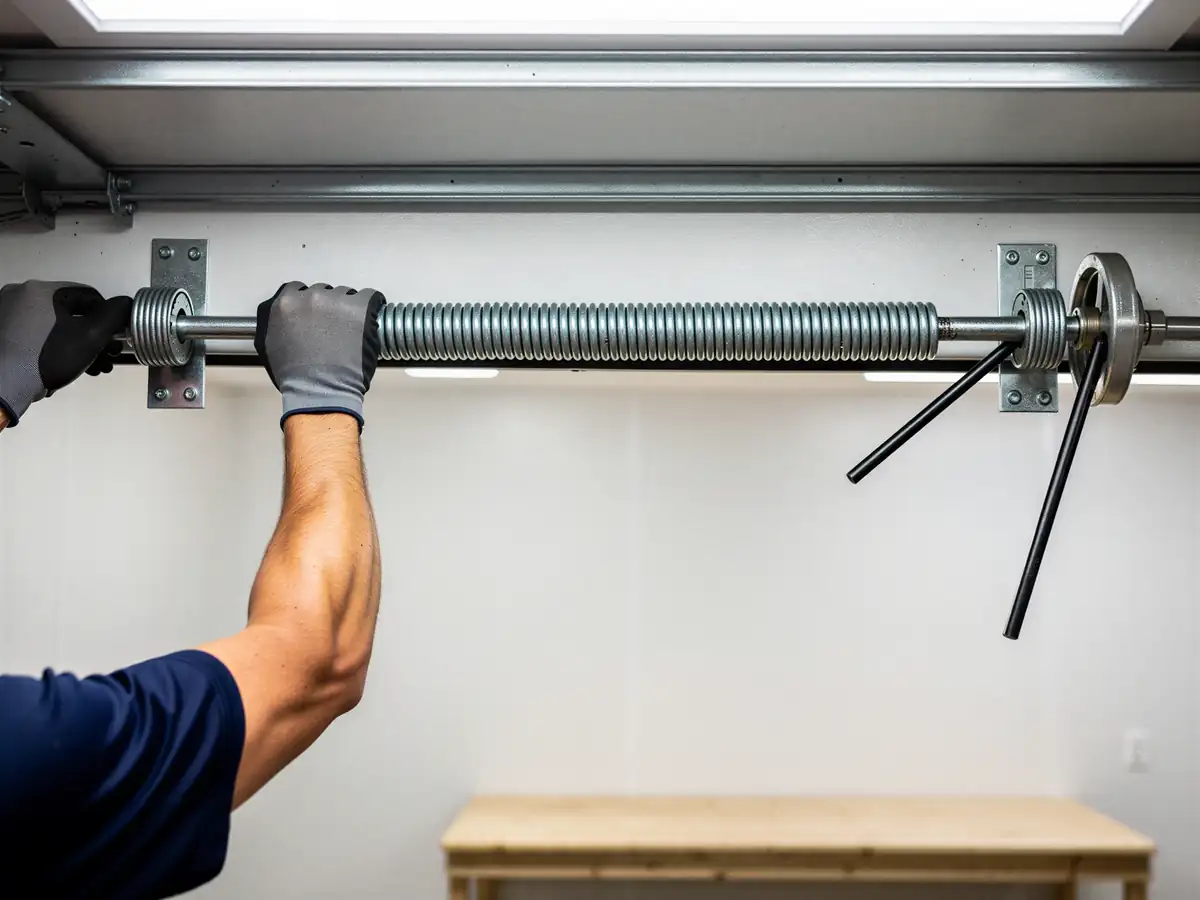
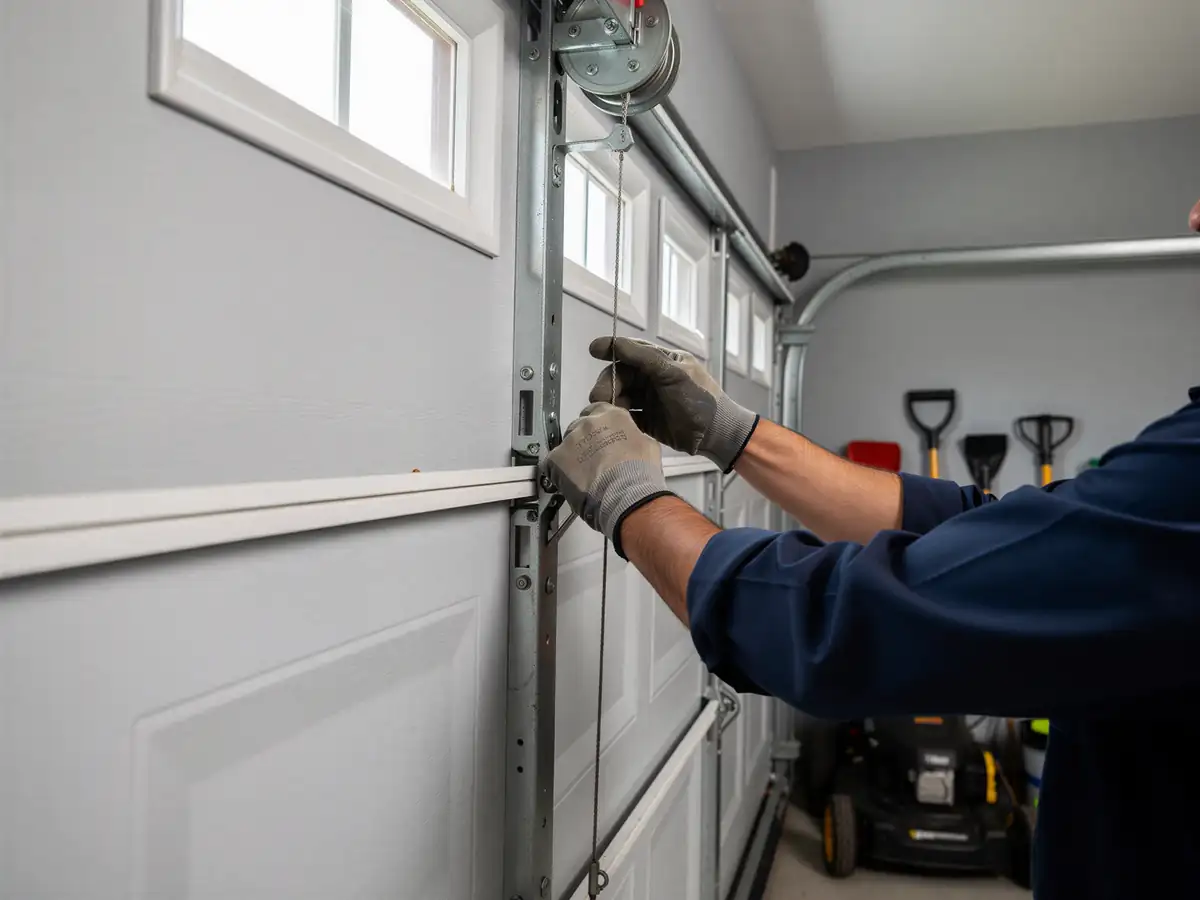
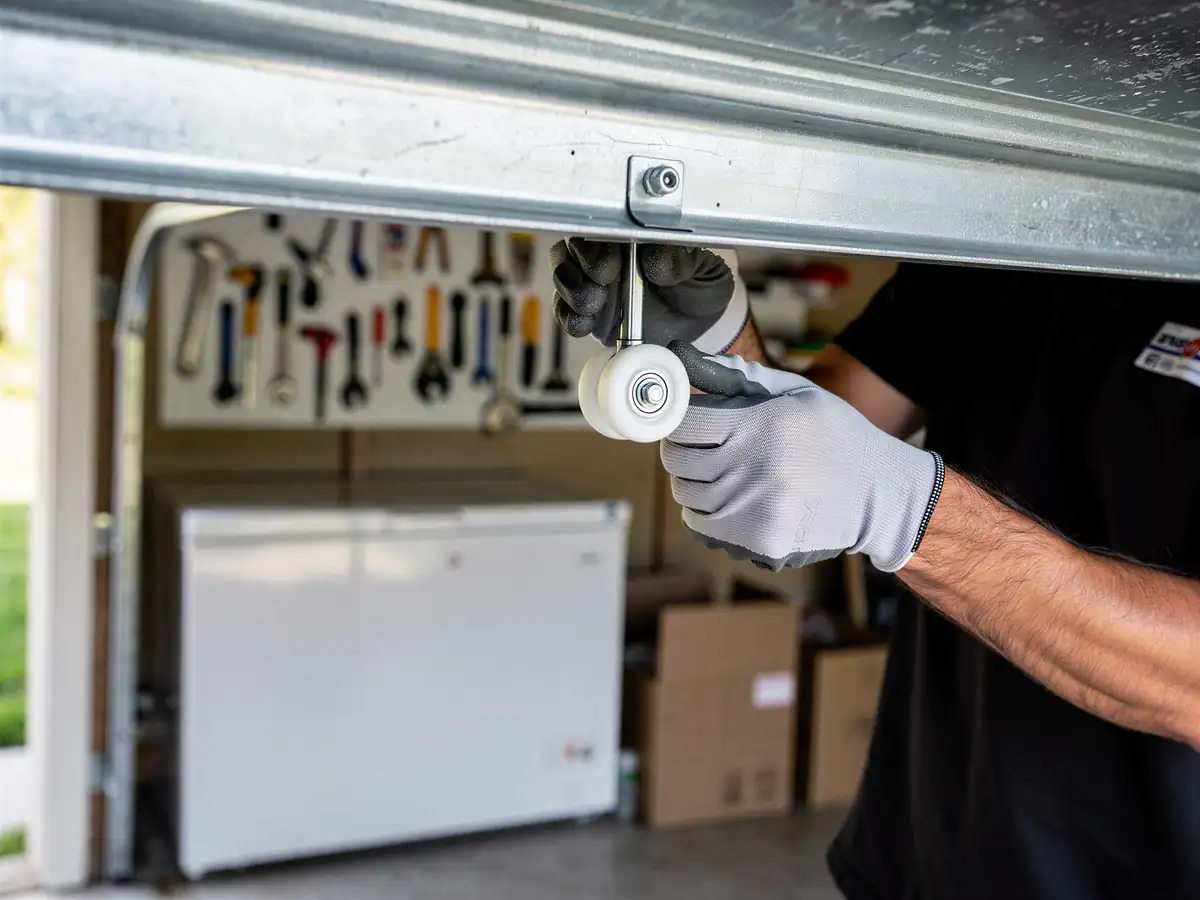
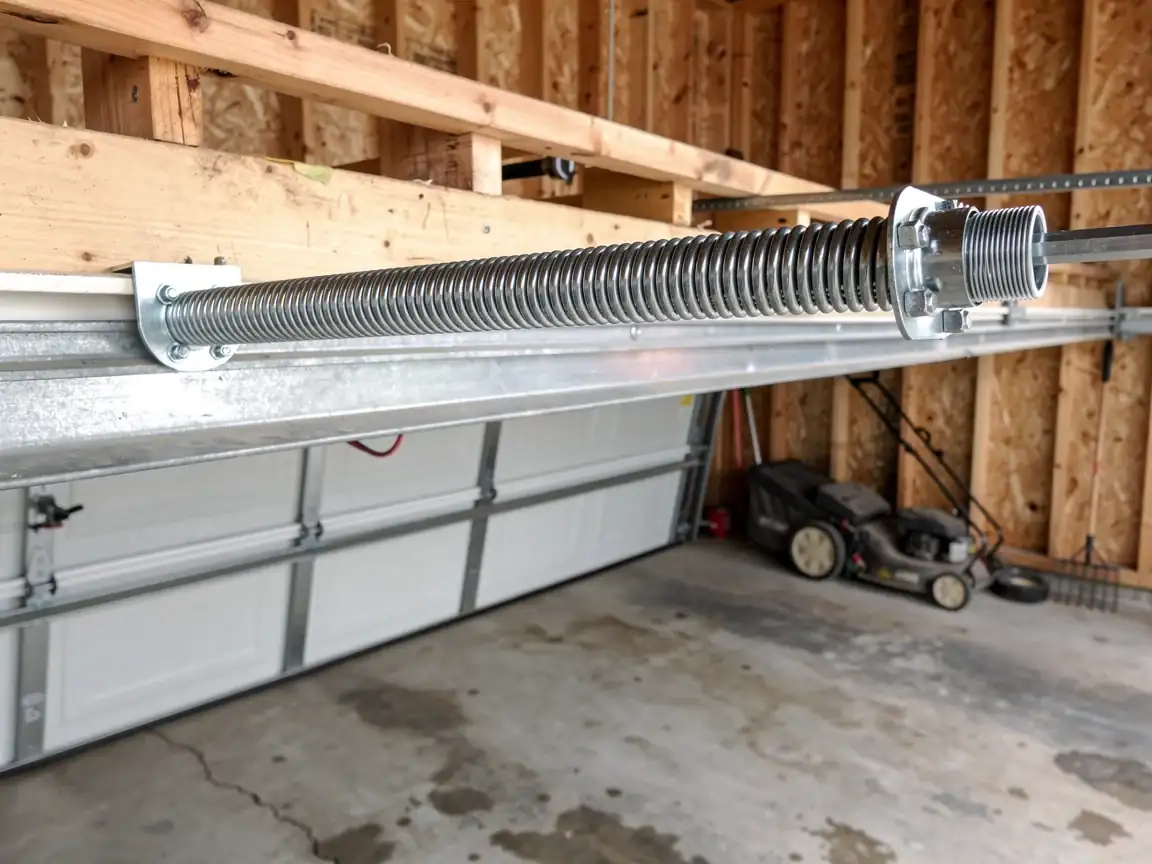
Because most of Burlington's housing went up between 1970 and 2004, with the heaviest concentration in the 1980s and 90s, the doors we see on service calls are overwhelmingly steel sectional doors on torsion or extension spring systems that were standard builder-grade equipment through that stretch. We stock torsion springs in the common shaft sizes those builders used, extension spring pairs for the older setups, galvanized rollers, standard-lift cables, and the hinges and end bearing plates that wear out on a 20 to 40-year-old door. We also carry replacement drums and center bearing brackets, since those fail quietly and take a spring with them if ignored. What we don't stock on the truck is custom-width panel sections for oversized or architect doors - those get special-ordered, and we'll tell you that up front instead of pretending otherwise. If your door is an odd size or a newer composite model, expect a lead time on panels, not a same-visit fix.
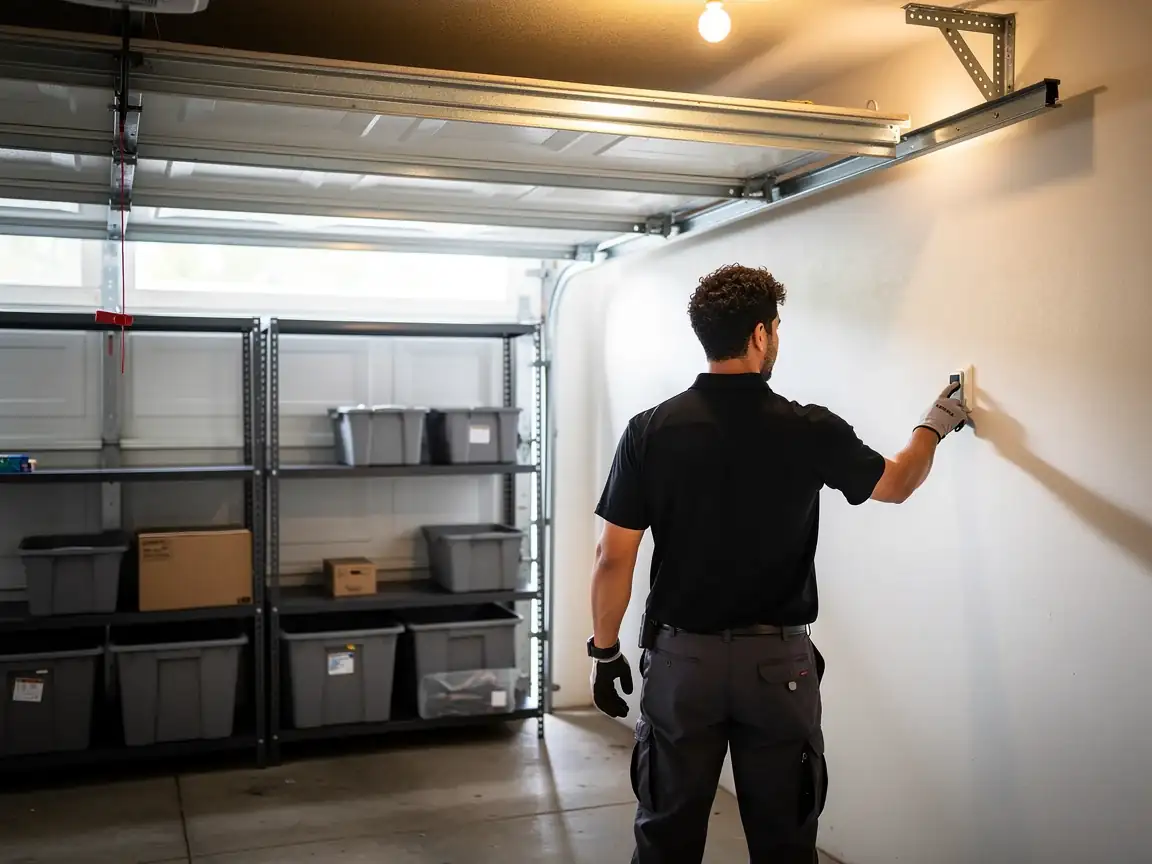
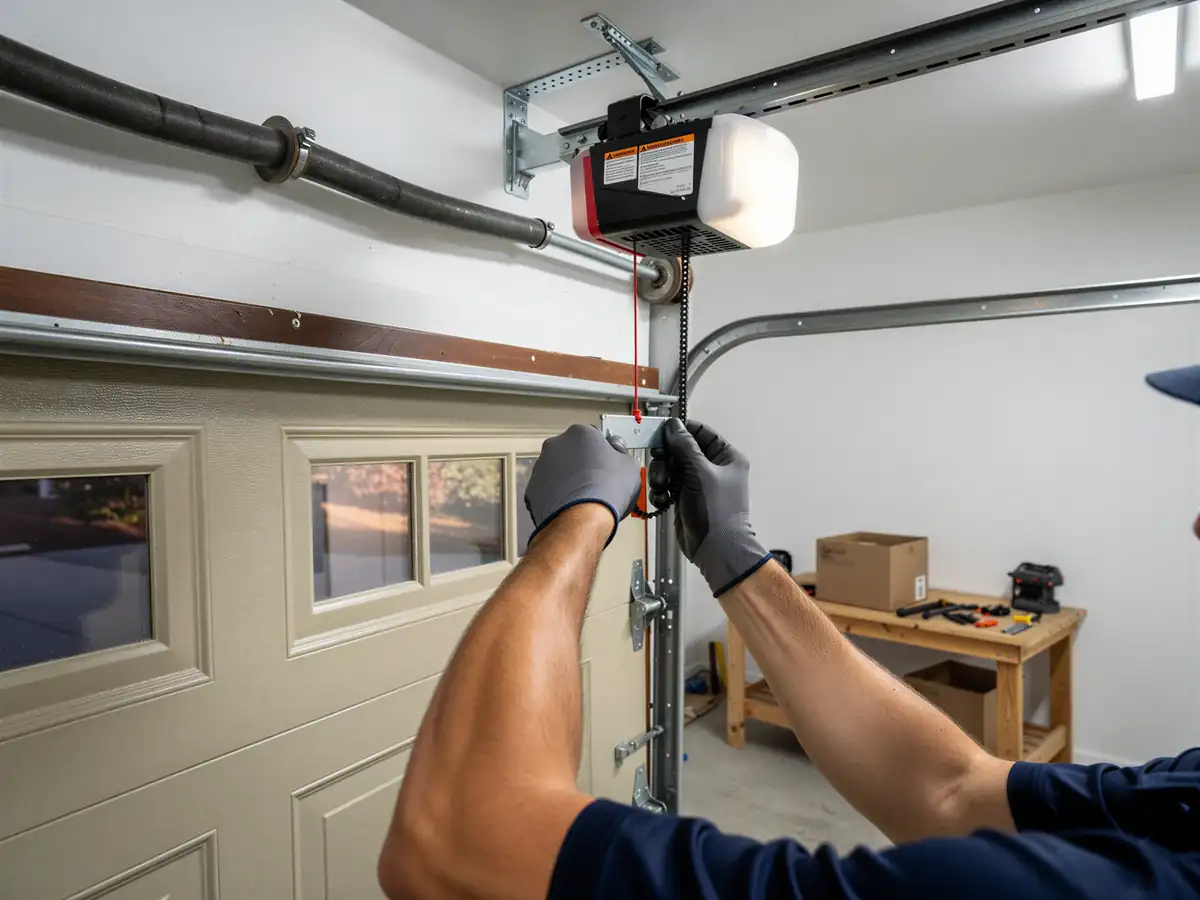
For openers, we carry chain and belt drive logic boards and sensors compatible with the chain and screw-drive units that were common in this build era, plus the wall controls and safety eye sensors that burn out first.
What Causes It Around Here
Burlington sits in a cold-moderate climate band, which means winter cold fronts followed by humid, swampy summers - the kind of temperature swing that works steel differently than a dry climate does. Torsion springs wound decades ago under one set of temperature assumptions tighten and loosen with every freeze-thaw cycle, and that fatigue shows up as a spring that finally lets go on a cold morning rather than gradually. Extension springs on older 1980s and 90s doors rust at the coil ends first, right where humidity sits longest, and that's usually where we find the failure.
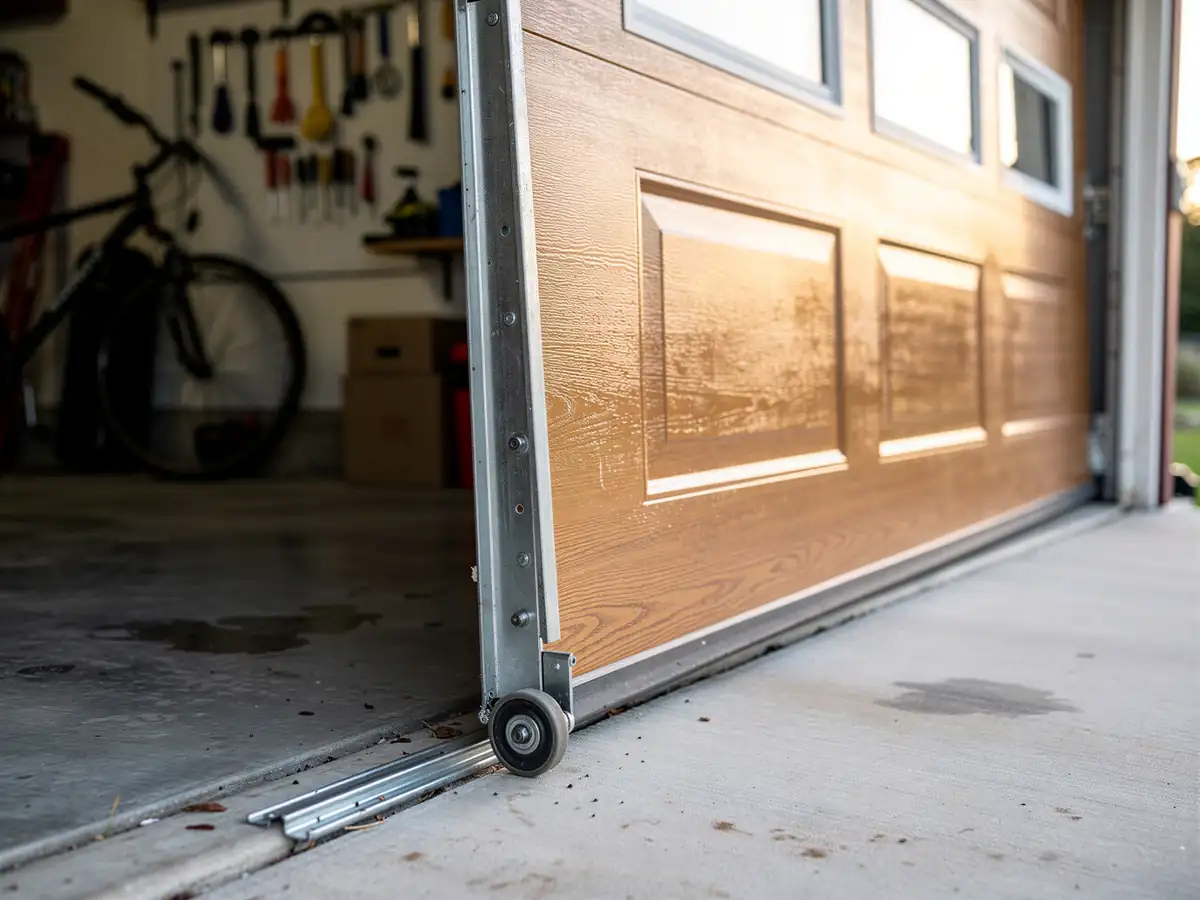
Across the service area's roughly 16,594 owner-occupied houses, a lot of doors have been cycling for two, three, even four decades without ever having the springs swapped. Nobody replaces a spring on a schedule - it gets replaced when it snaps, usually with the door half open and a car underneath. The other common call is track misalignment from a door that's been fighting a slightly tightened spring for years, which throws rollers out of the channel and chews up the track edges.
What the Repair Takes
A straight torsion spring swap on a standard double door is a same-visit job once we've got the right shaft size on the truck
Which is most of the time given how uniform this area's building stock is. What takes longer is anything involving a bent track or a drum that's been grinding against a misaligned cable - that's a diagnose-first, fix-second visit, because forcing a spring job onto a door with a bad track just breaks the next part.
With a median household income of $67,366 across the service area
Most calls we get are owners who want the actual failed part fixed, not a full door replacement they don't need. We price the repair, not the upsell. That said, honest limitation: if a door is original to a 1970s build and the track, hinges, and springs are all failing at once, patching one part at a time stops being worth it, and we'll say so rather than nickel-and-dime a door that's at the end of its service life.
- $67,366 median household income
What You Are Seeing
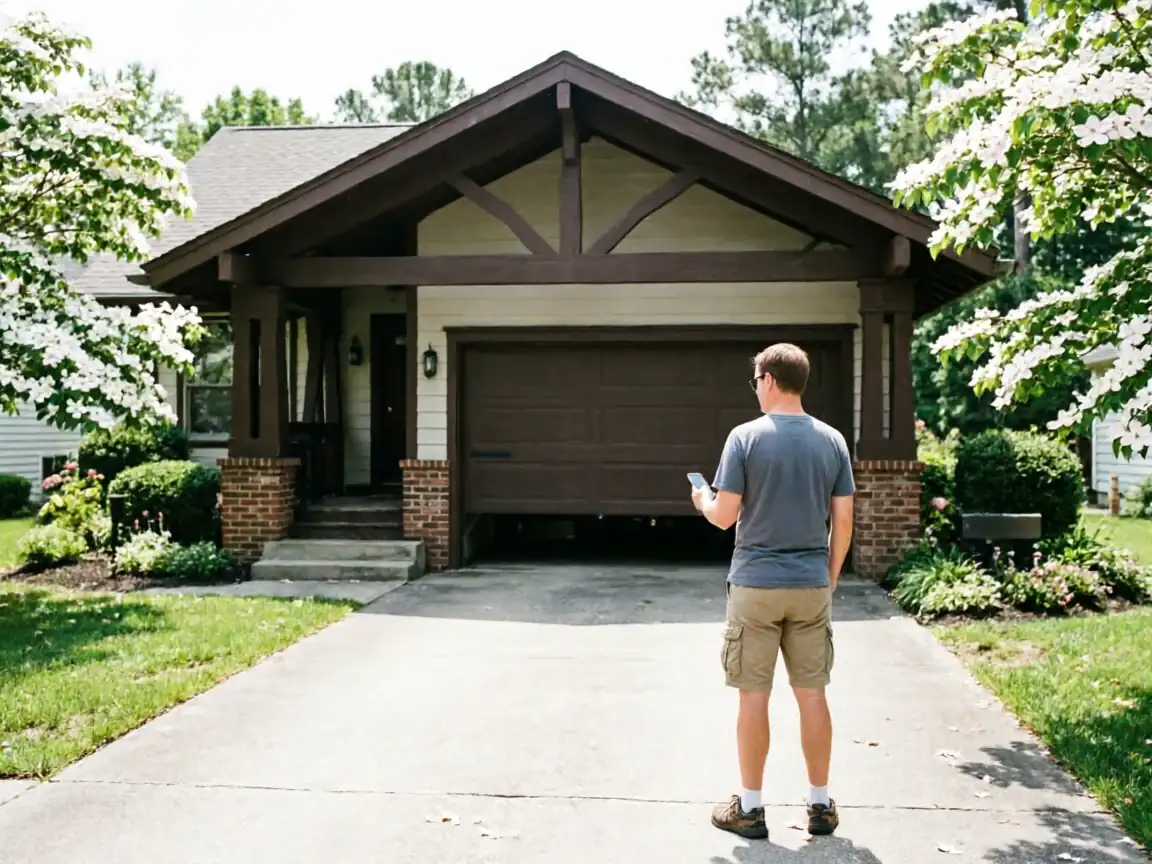
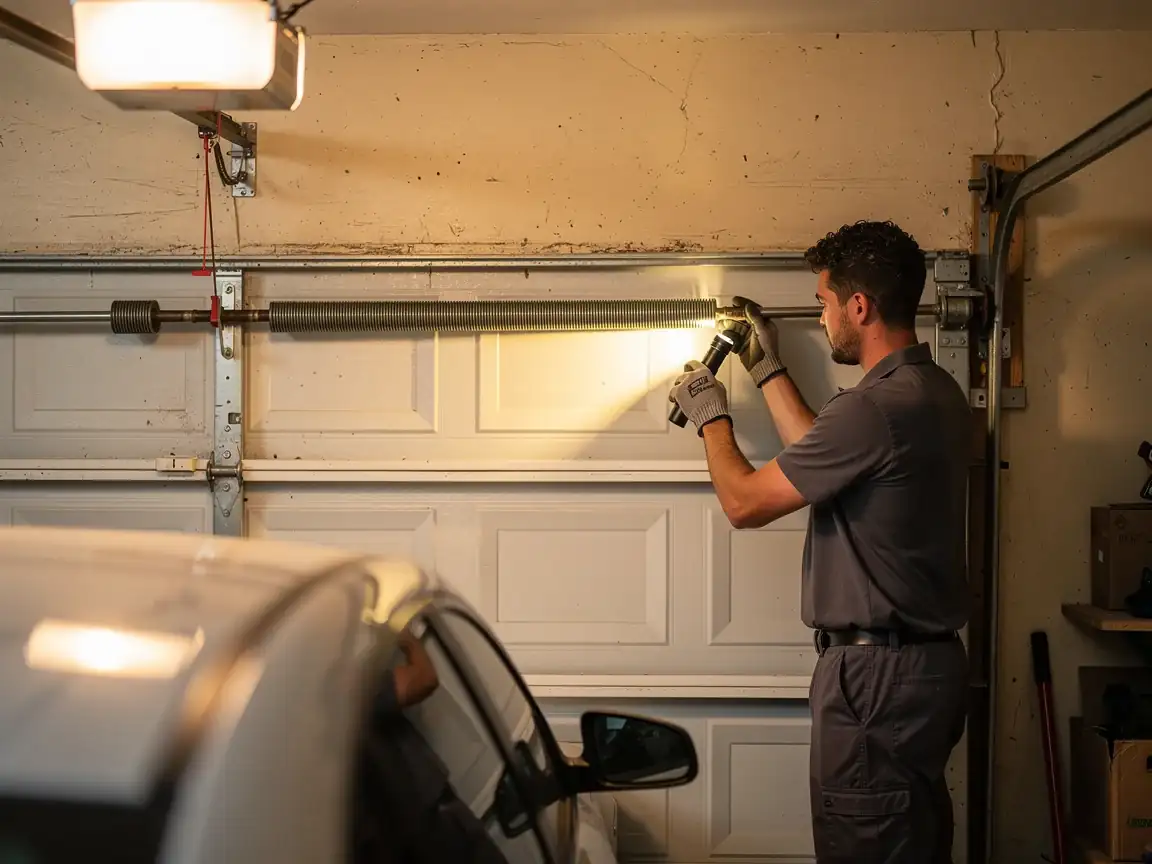
If the door won't budge and there's a gap or a kink visible in the coiled spring above the door, that's a snapped torsion spring, and the door is dangerous to force - don't pull the emergency release with the door up. If the door shudders, drifts to one side, or the rollers are visibly riding outside the track, that's usually a cable or track issue tied to years of uneven spring tension rather than a single event. A door that reverses right before closing, or won't close at all, is almost always the safety sensor pair - common on openers from this housing era - misaligned or coated in garage dust.
We work Burlington and the surrounding area, including Elon, Glen Raven, Gibsonville, Graham, Whitsett, Haw River, Swepsonville, Green Level, Sedalia, Altamahaw, Woodlawn, McLeansville, and Mebane. If you're not sure which of these it is, describe what the door is doing when you call and we'll tell you what to expect before the truck rolls.