Parts We Carry
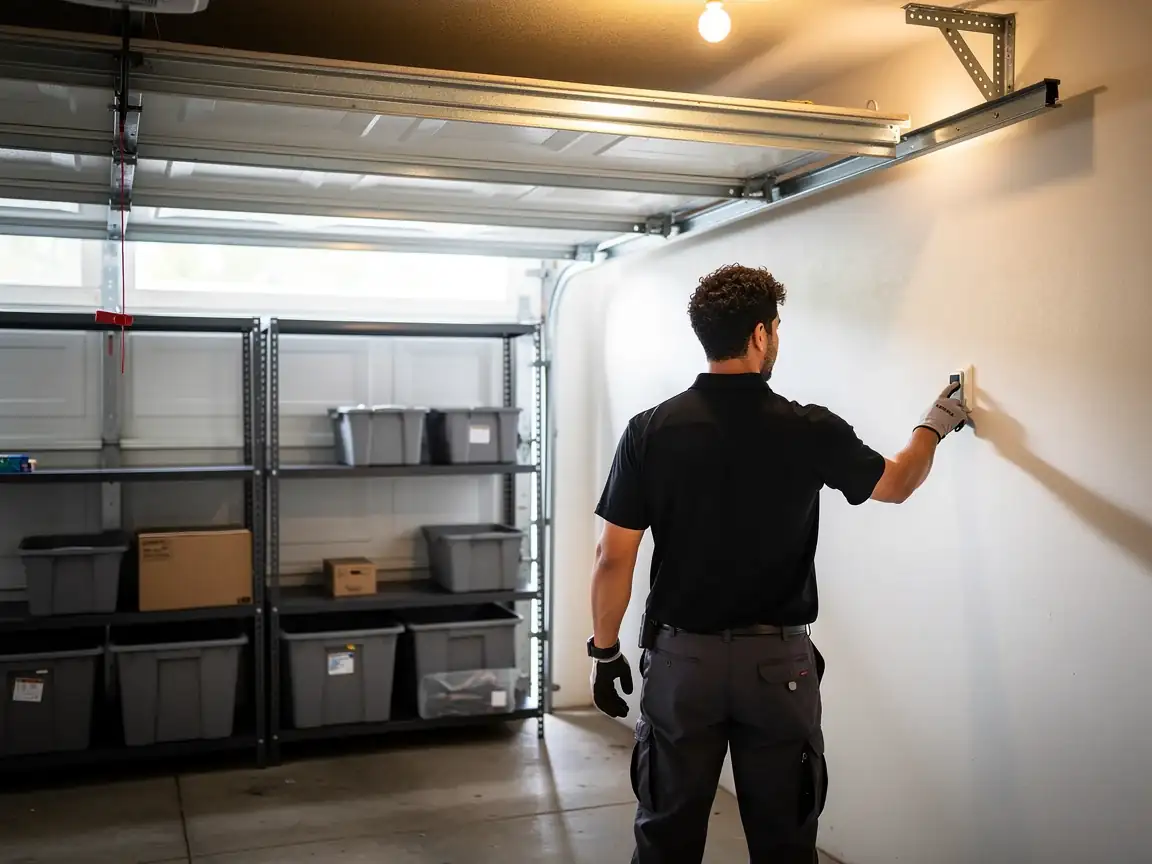
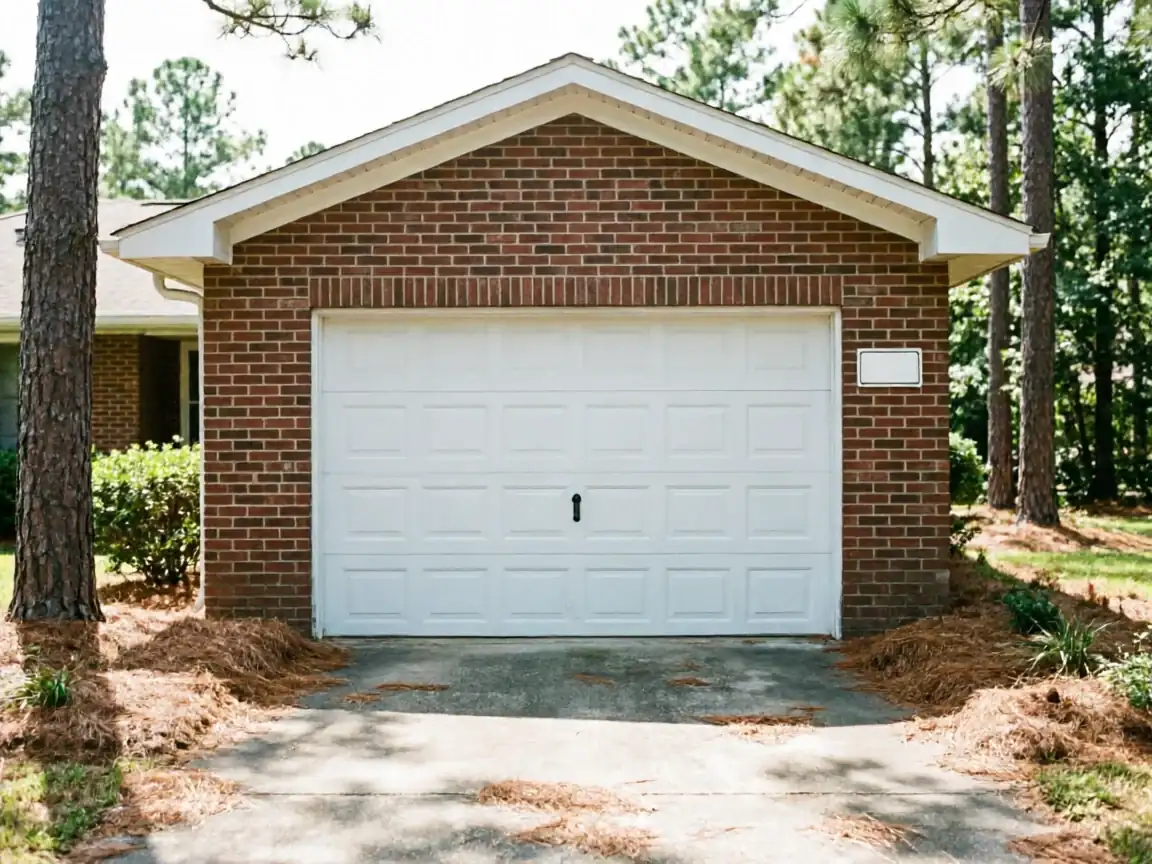
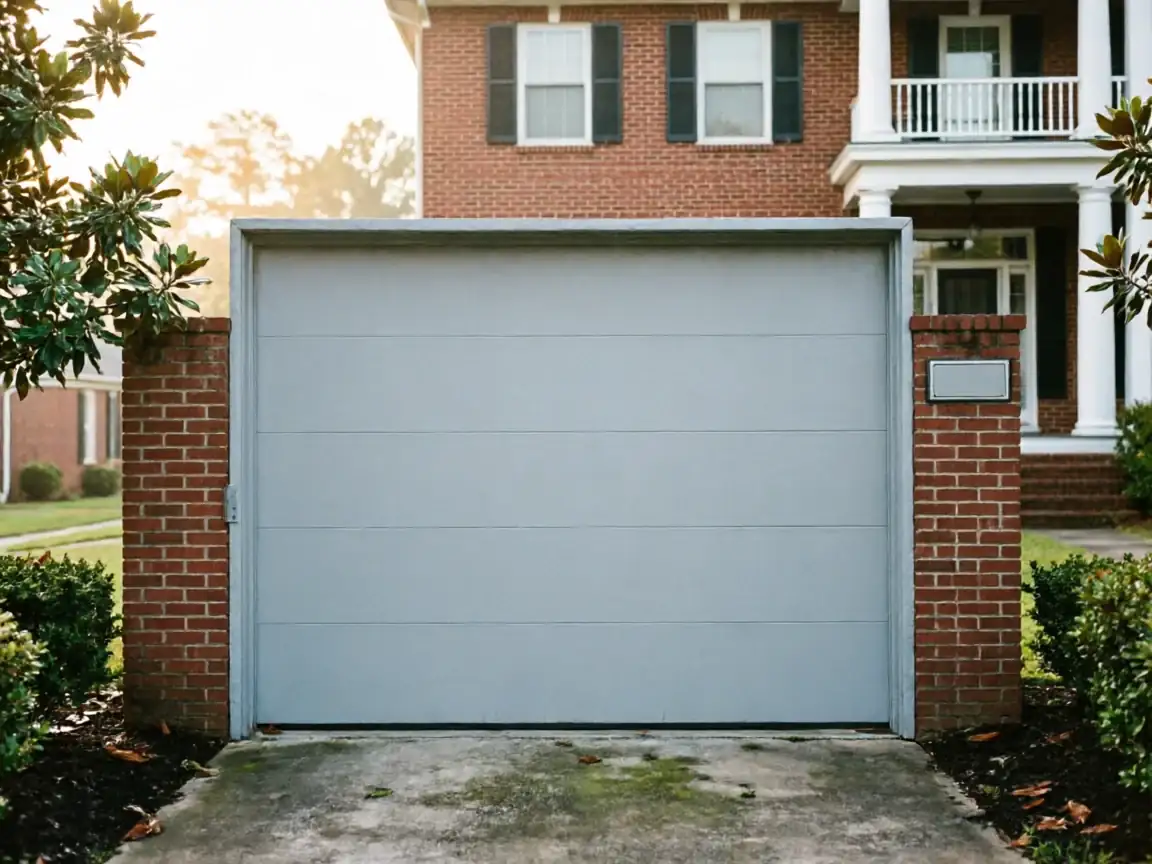
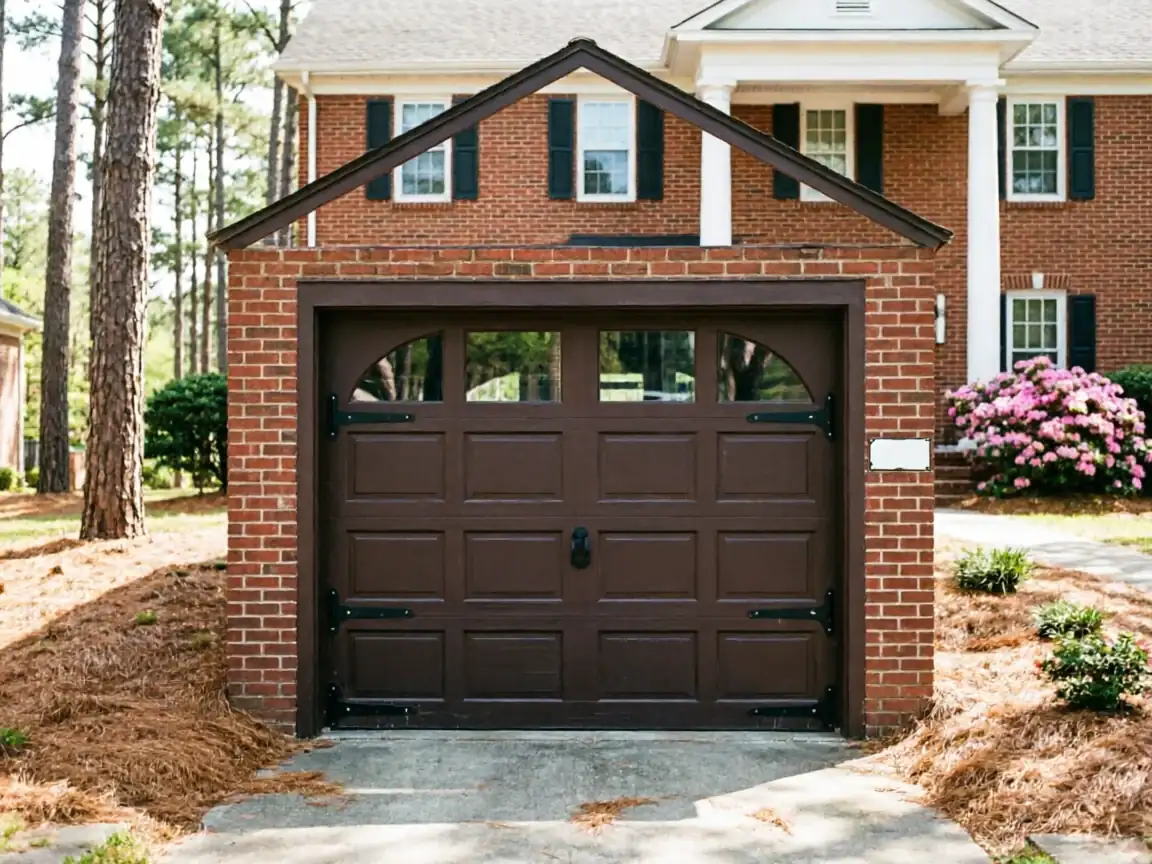
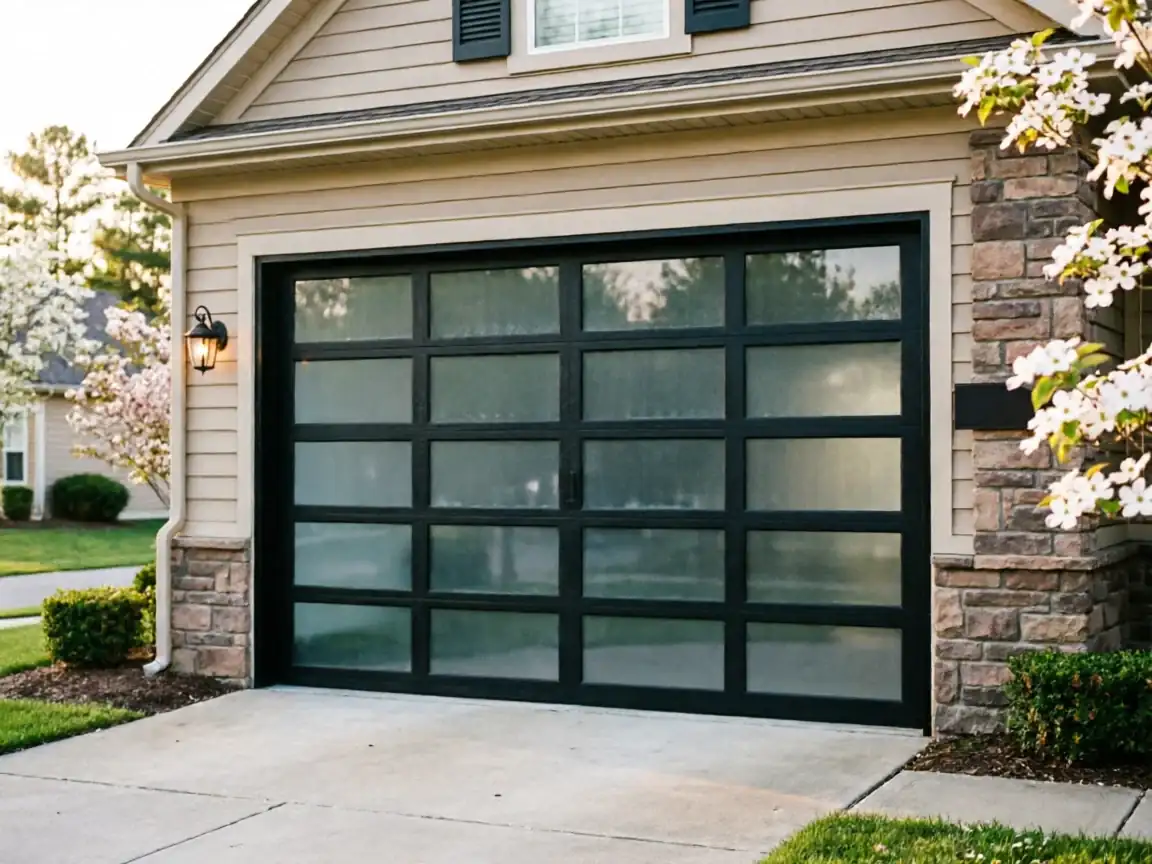
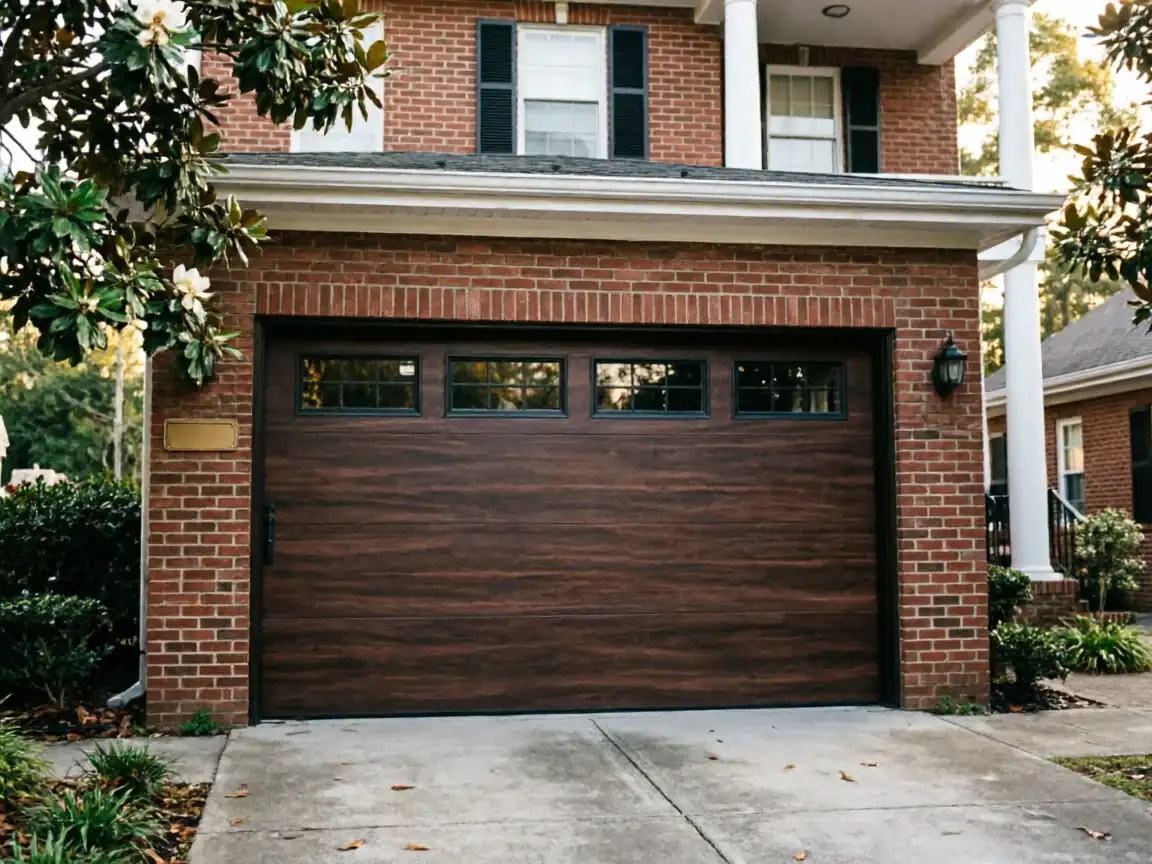
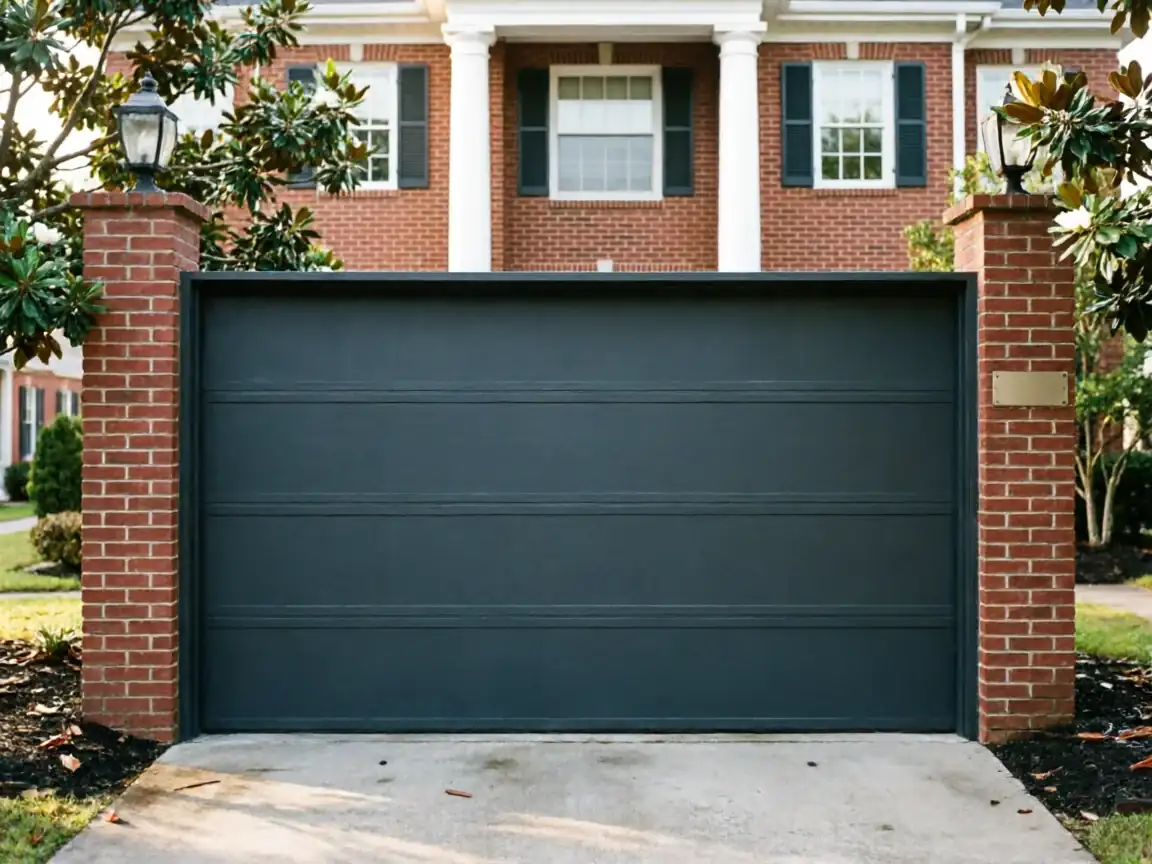
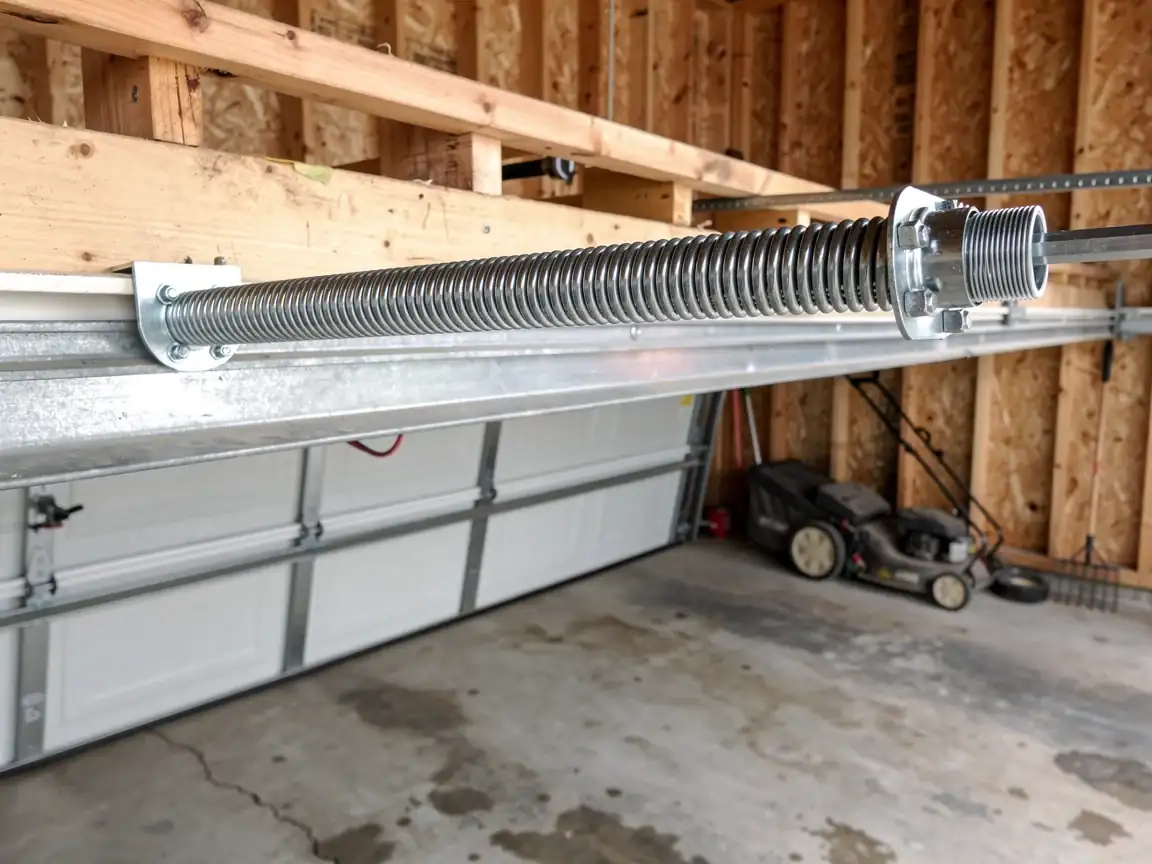
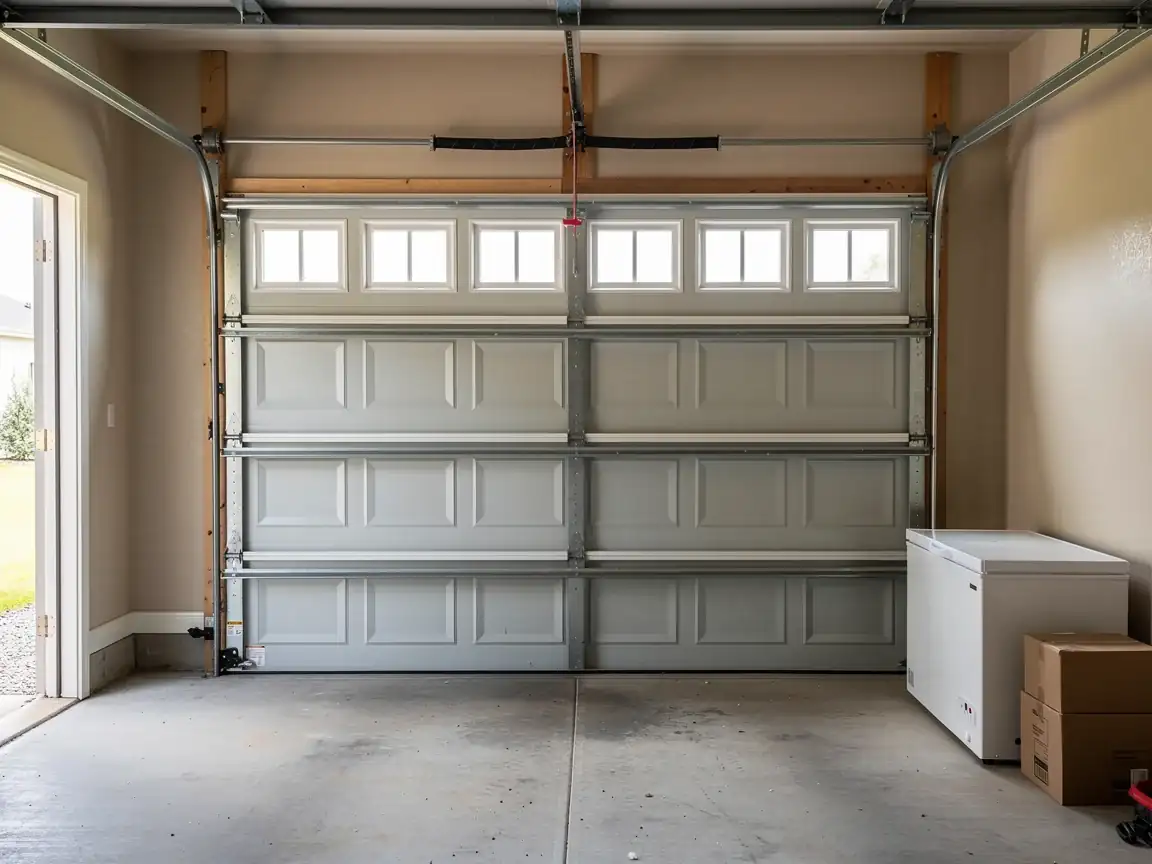
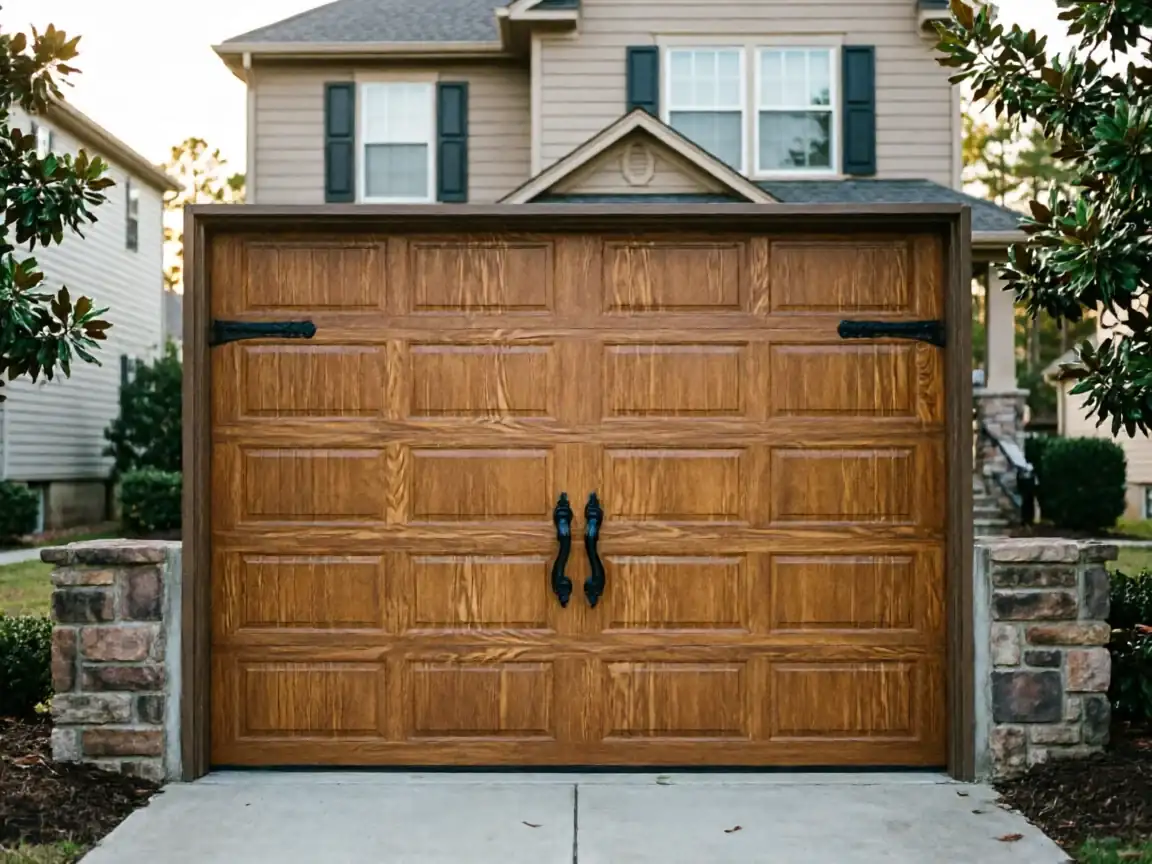
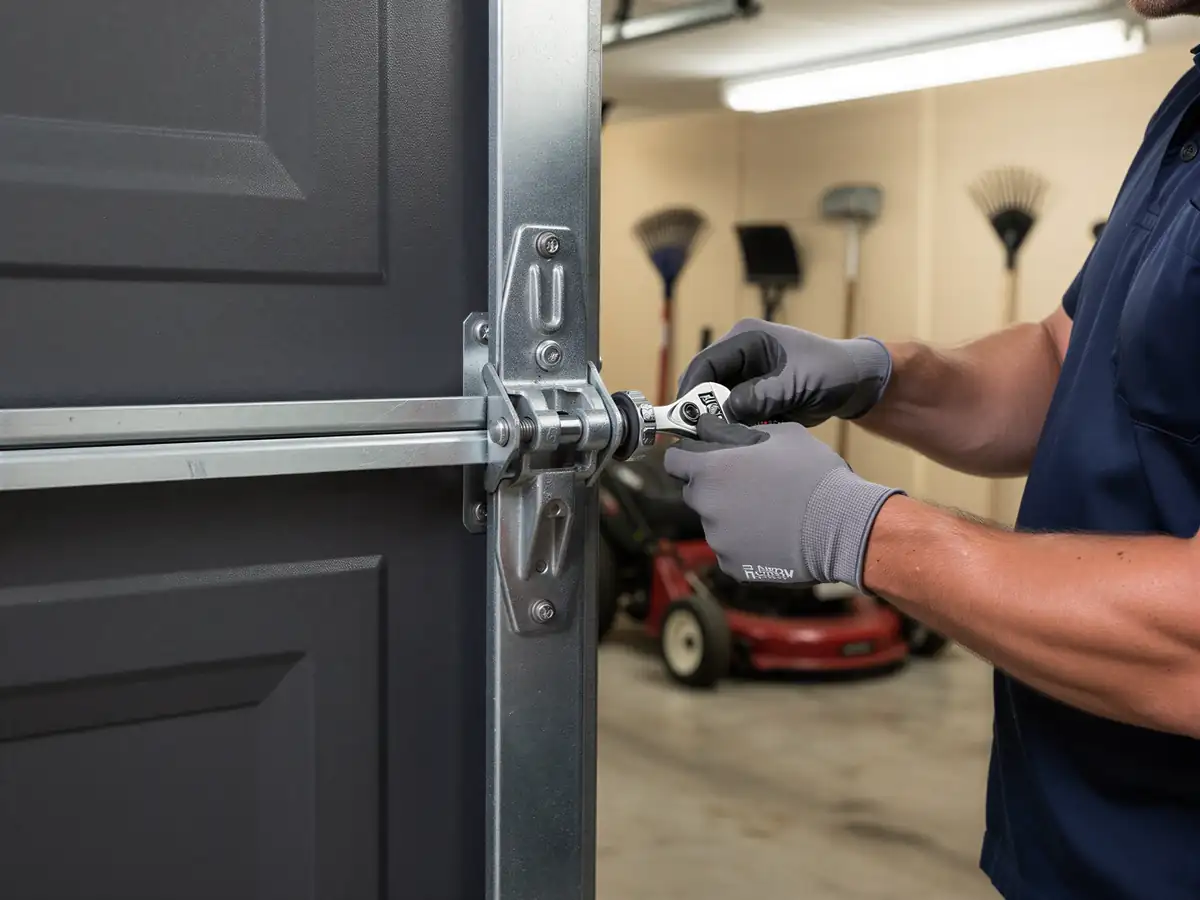
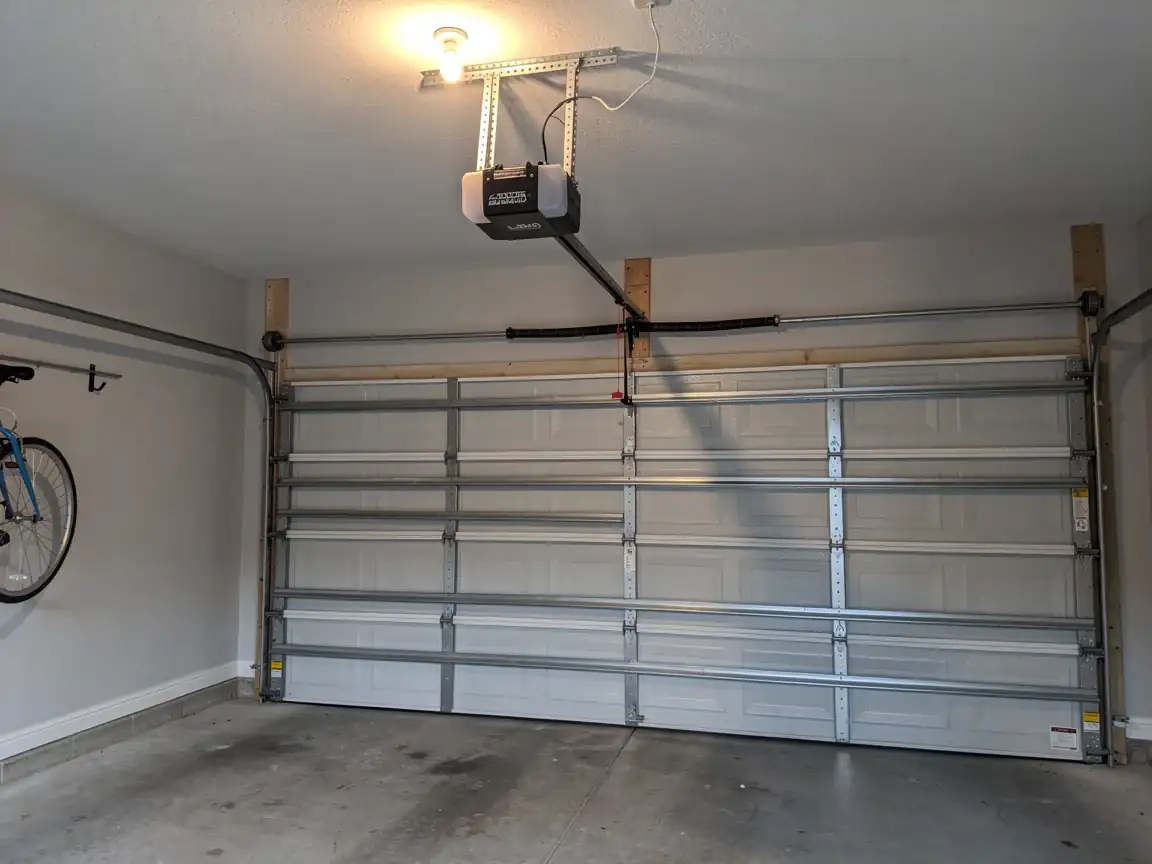
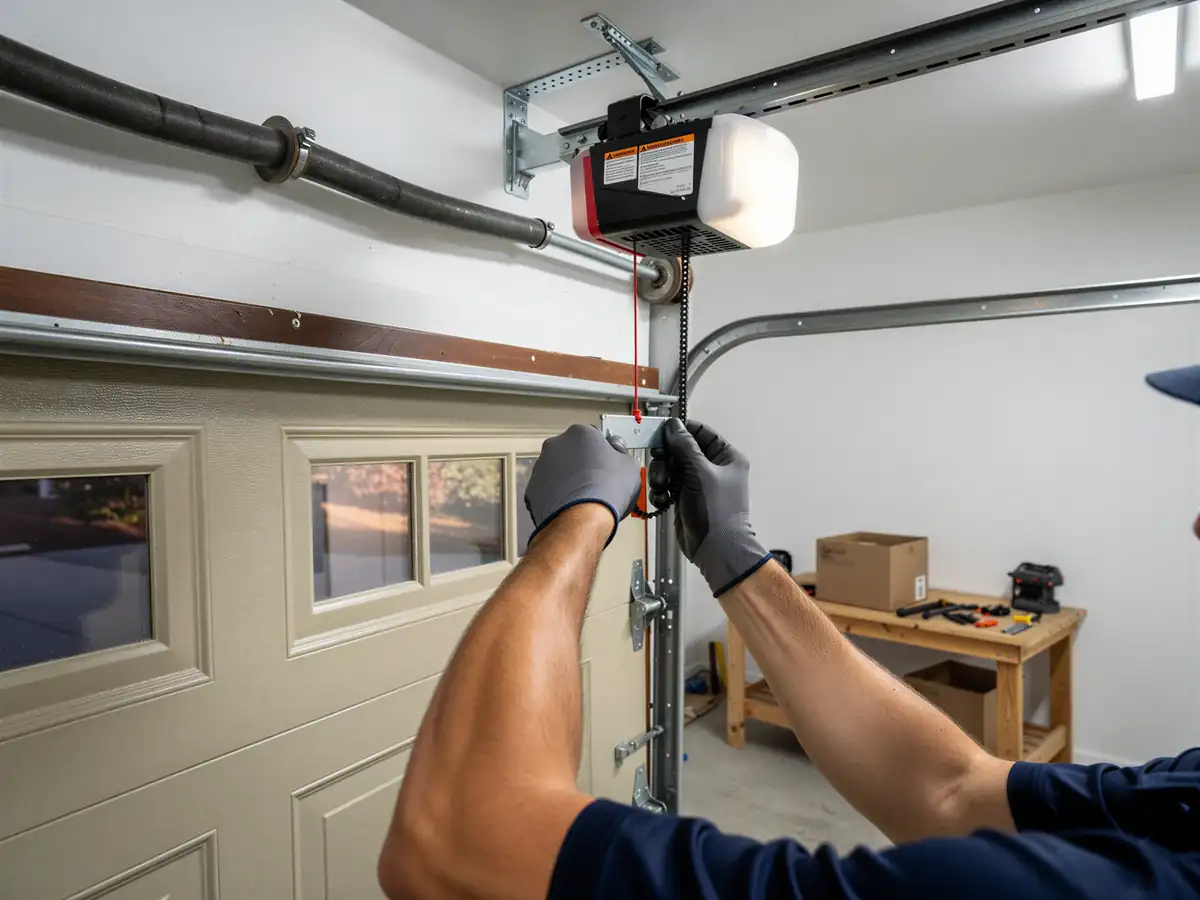
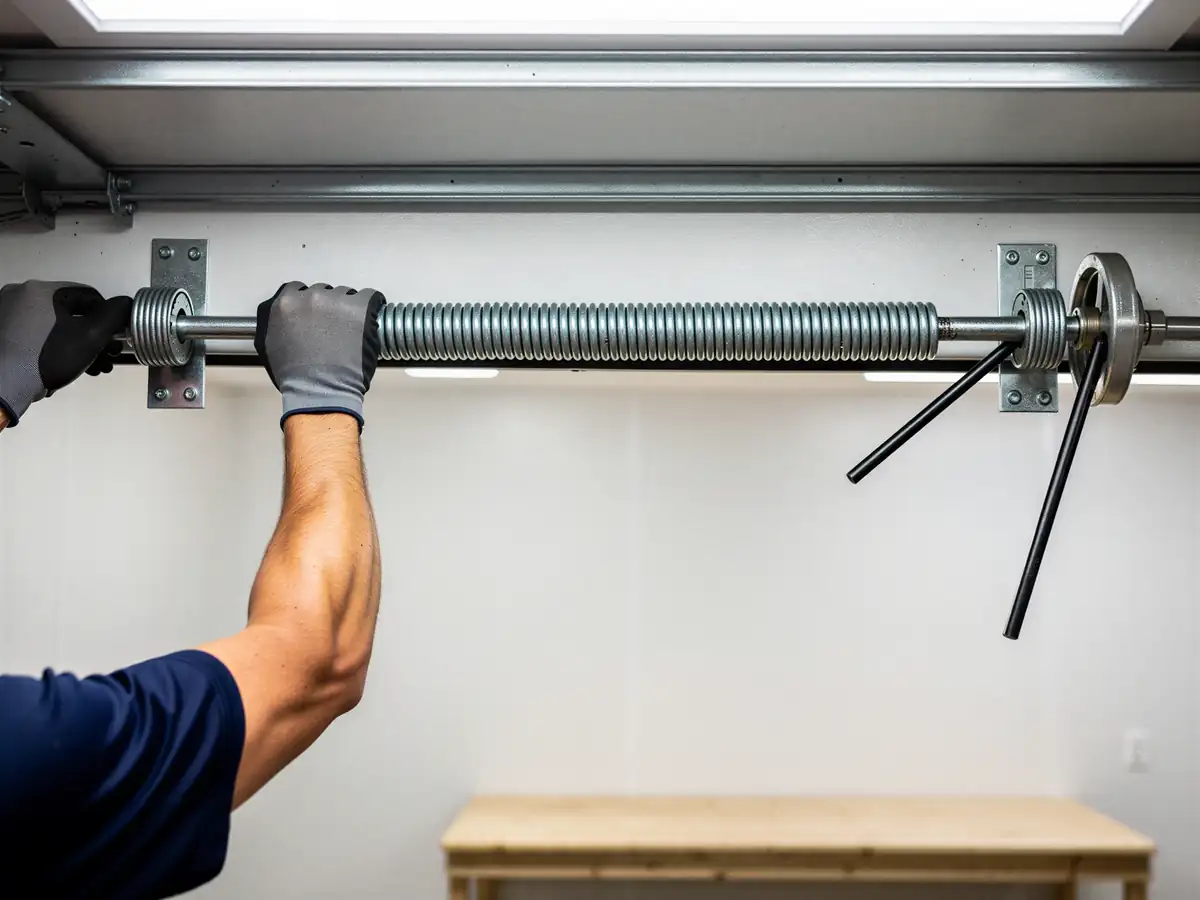
We install doors and hardware sized for what's actually on the ground here. Burlington's housing stock runs 1970 to 2004 with a median build year around 1985, so most openings are standard builder-grade sizes from that era rather than the wider bays you see in newer subdivisions out toward Mebane or Pleasant Garden. We stock steel sectional doors, torsion spring systems rated for the cold-moderate winters this part of the state gets, and openers built for insulated panels rather than the thin single-layer doors a lot of these houses still have from original construction. We don't carry every custom wood or glass-panel line - if you want a specialty door outside standard sizing, we can order it, but lead time runs longer than what's on the truck. For a straightforward steel replacement on a standard 1980s-built opening, we're working with parts we keep on hand, which keeps the job moving instead of waiting on a special order.
What Causes It Around Here
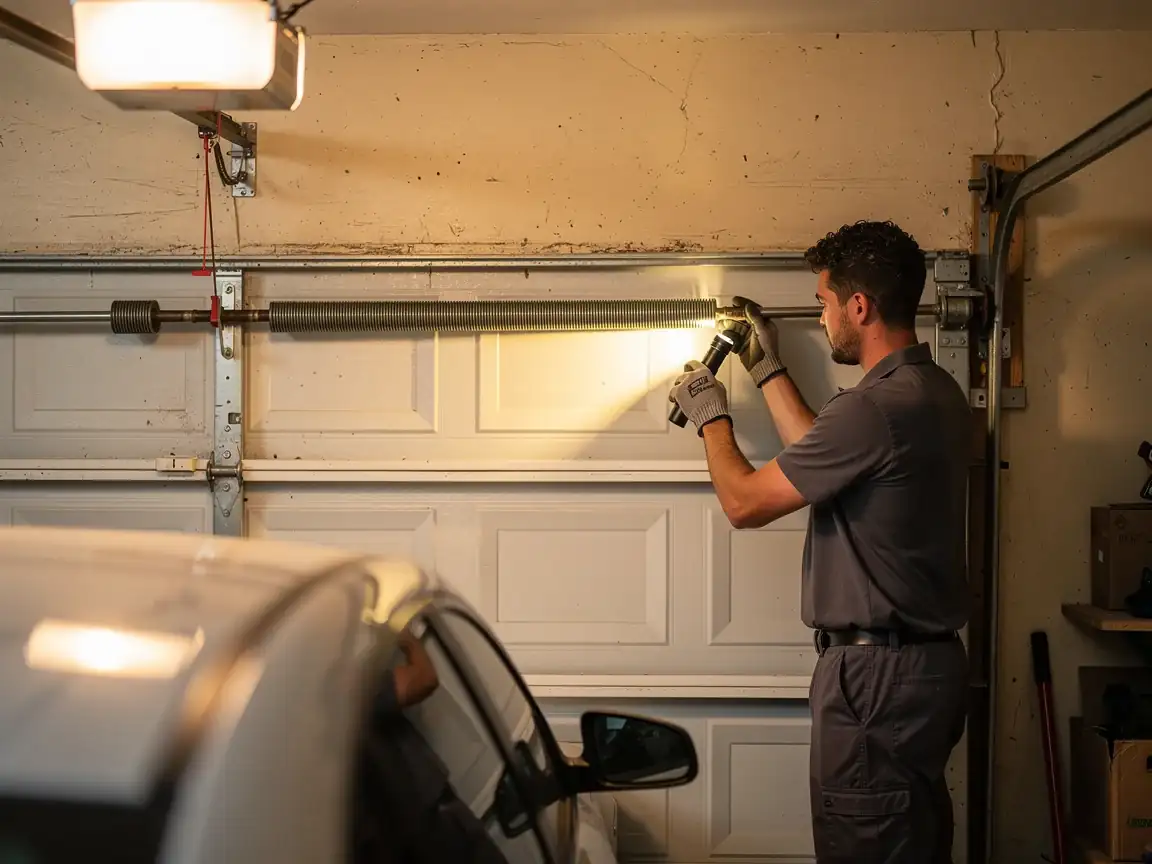
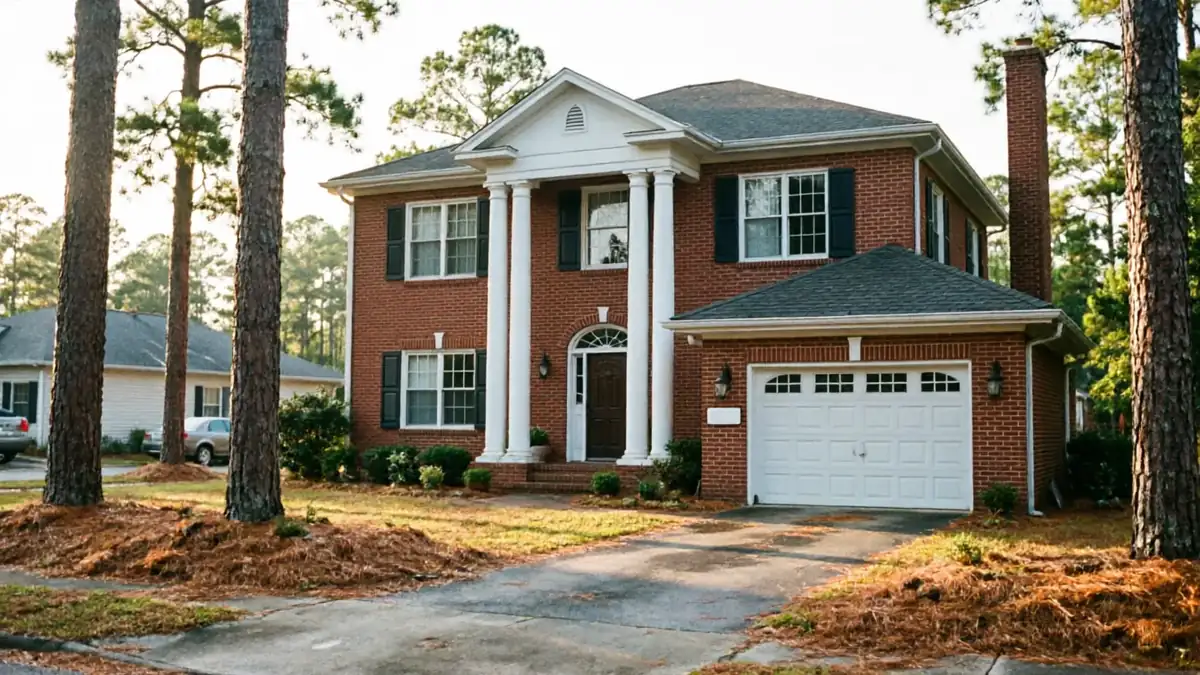
The reason install calls cluster the way they do in Burlington comes down to age and climate together. A house built in 1985 - right at the median for this area - is now 40 years old, and the original door on it was almost never insulated to the standard we'd put in today. Cold-moderate winters mean a single-layer steel door lets enough temperature swing into the garage to affect anything stored against the shared wall, and the track hardware on a door that old has usually outlived its spring life more than once already. Across the roughly 16,594 owner-occupied houses in this service area, a large share were built in that same 1980s-90s window, so this isn't a one-house problem - it's the housing stock. When a homeowner calls about installation rather than repair, it's usually because the door has failed enough times, or looks rough enough, that replacing the whole unit makes more sense than patching hardware that's older than the roof.
What You Are Seeing
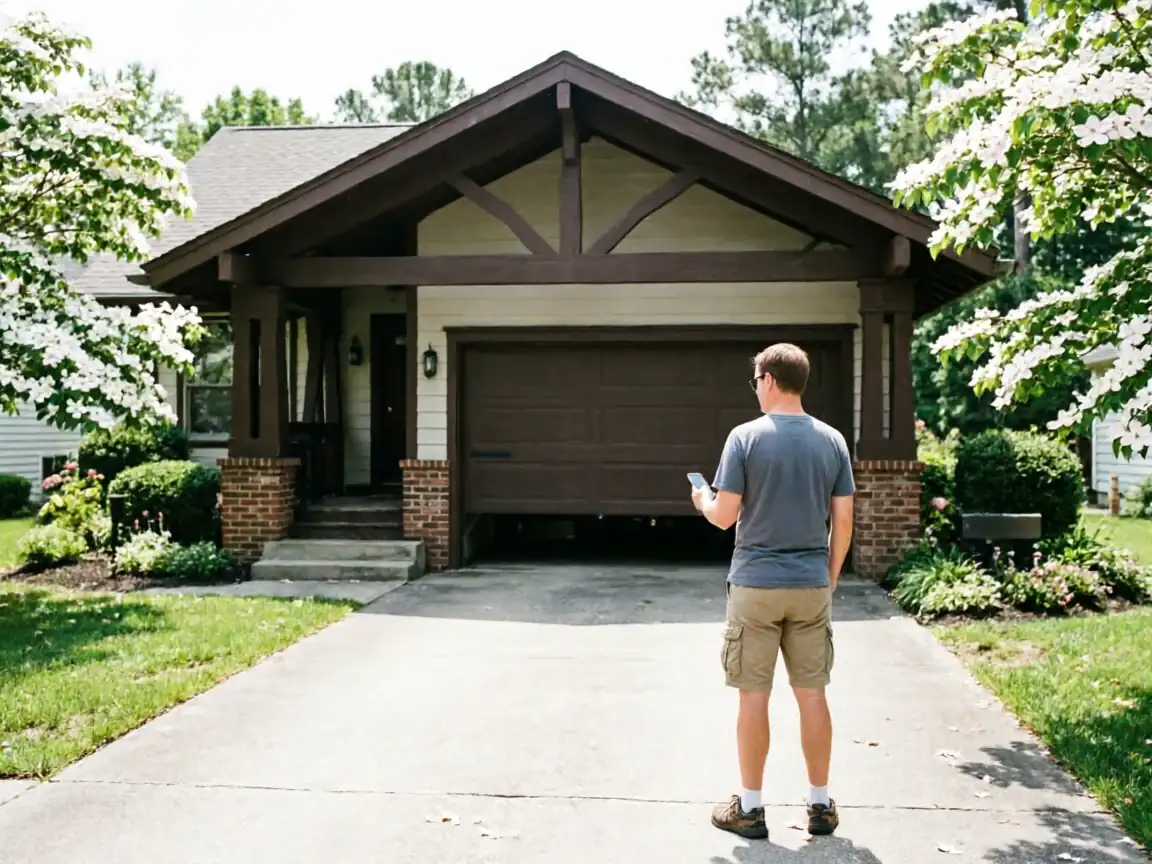
If you're looking at installation instead of a repair call, you've usually already seen the signs: a door that's heavier to lift by hand than it should be, panels that have taken enough cold-season expansion and contraction that seams are separating, or an opener straining against springs that were never matched to an insulated replacement panel. On the older end of Burlington's housing - closer to the 1970 side of that build range - you'll sometimes see non-insulated doors with no vapor barrier at all, which in a cold-moderate climate means visible condensation on the inside face during winter mornings. That's a sign the door's done its job for its decade and it's time for something built to current insulation standards, not a sign anything was installed wrong originally.