The Problem
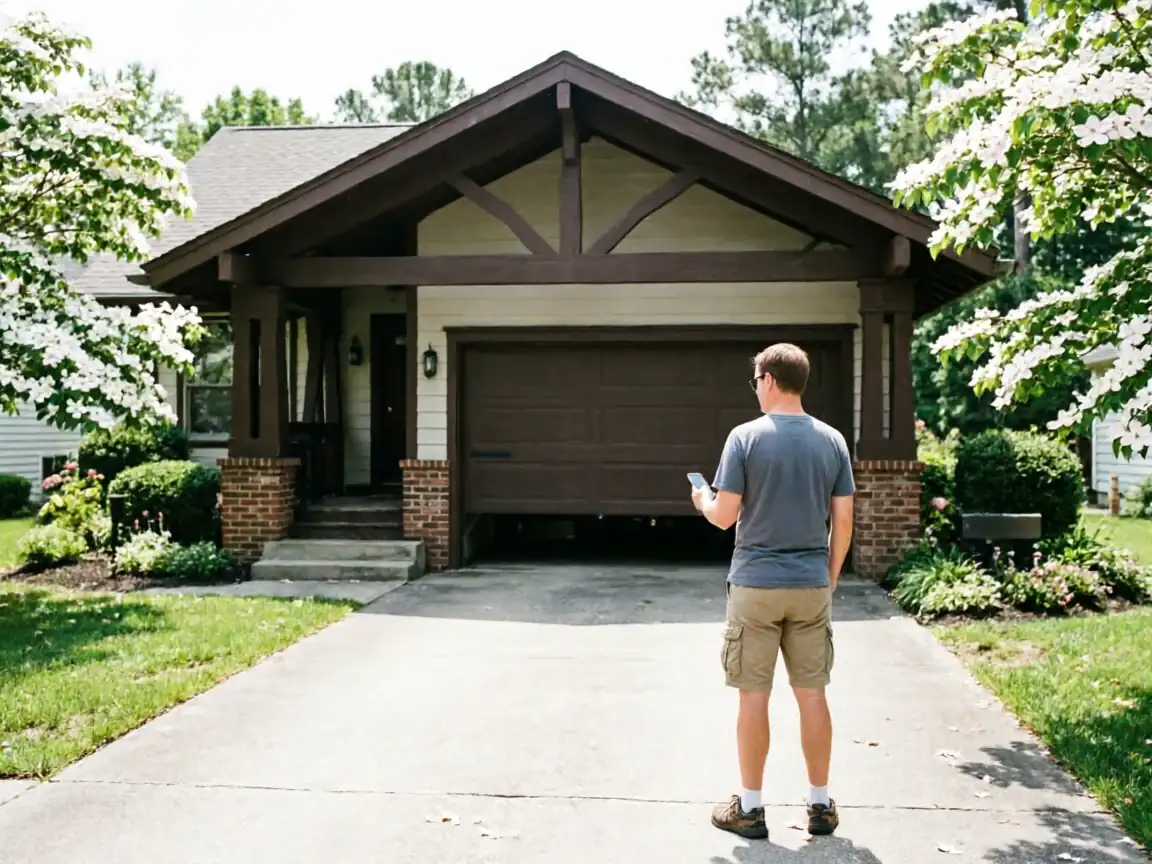
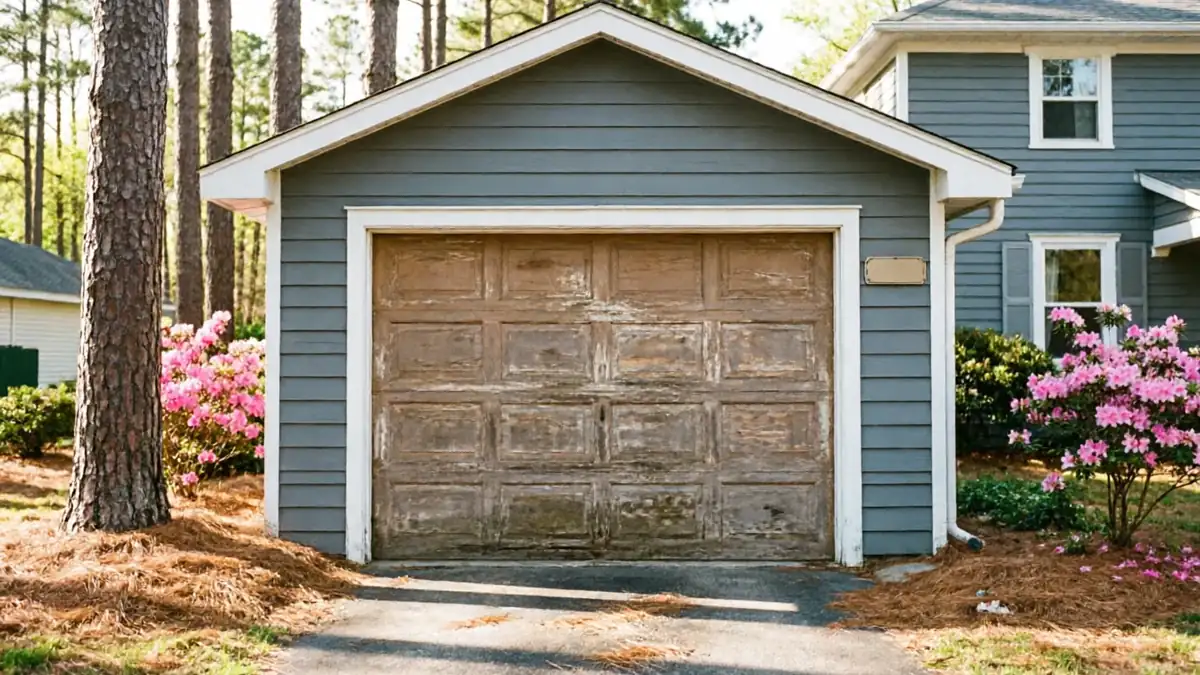
Most of the housing stock around Burlington went up between 1970 and 2004, with the median home dating to about 1985. That means a big share of the doors we get called on are thirty to fifty years old, and they were built to the standards of their decade - thinner steel skins, single-layer panels on some models, hardware sized for a lighter door than what's on the track now after a replacement panel or two. When a homeowner asks us whether a door is worth fixing, the honest answer starts with the build year, not the symptom. A door from 1985 with a cracked bottom panel and a noisy opener isn't the same repair call as a door from 2000 with a bent track. The age of the house tells us roughly what's behind the drywall, what gauge of steel we're dealing with, and whether parts for that door are still something a supplier stocks or something we have to special-order. That lag matters more here than people expect, because across the eighteen named areas we work in, the stock is heavily concentrated in that same 1980s-90s window - so the parts problem isn't rare, it's the norm.
Doing Nothing For Now
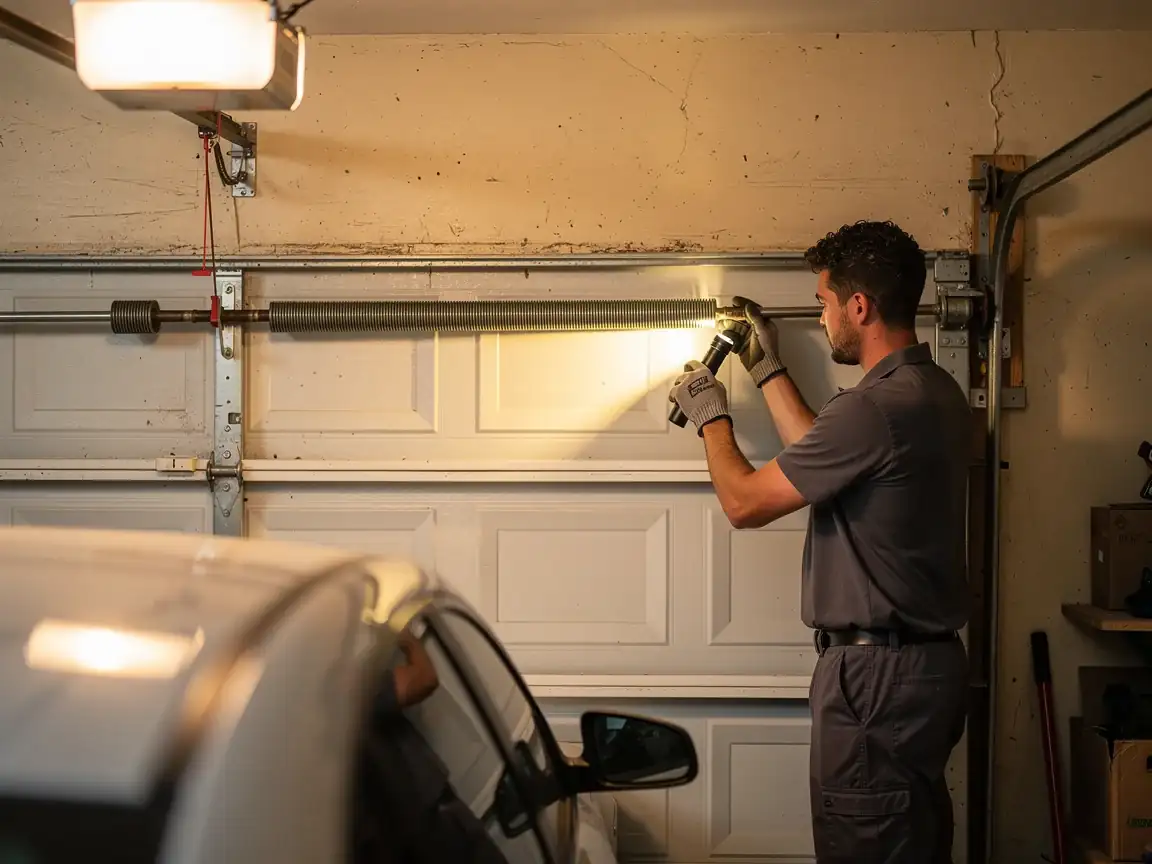
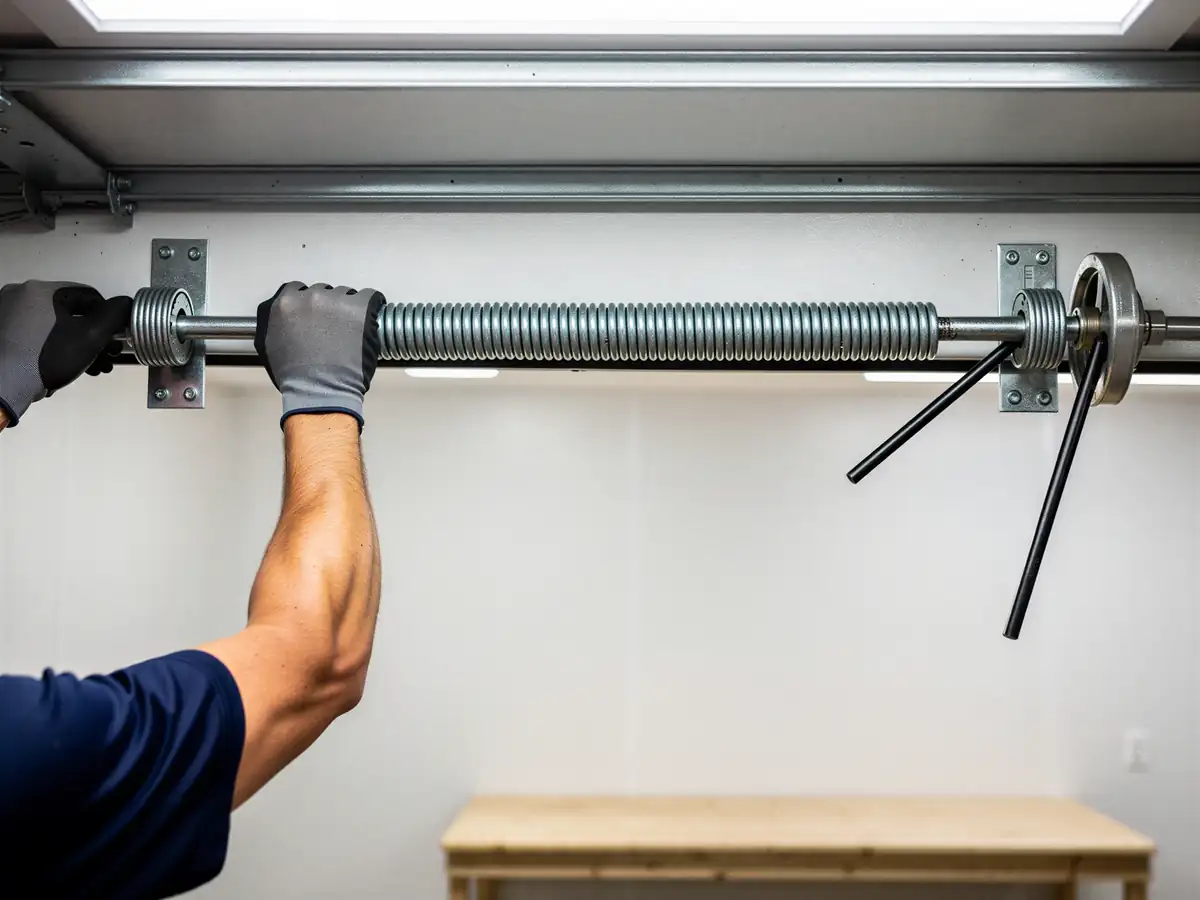
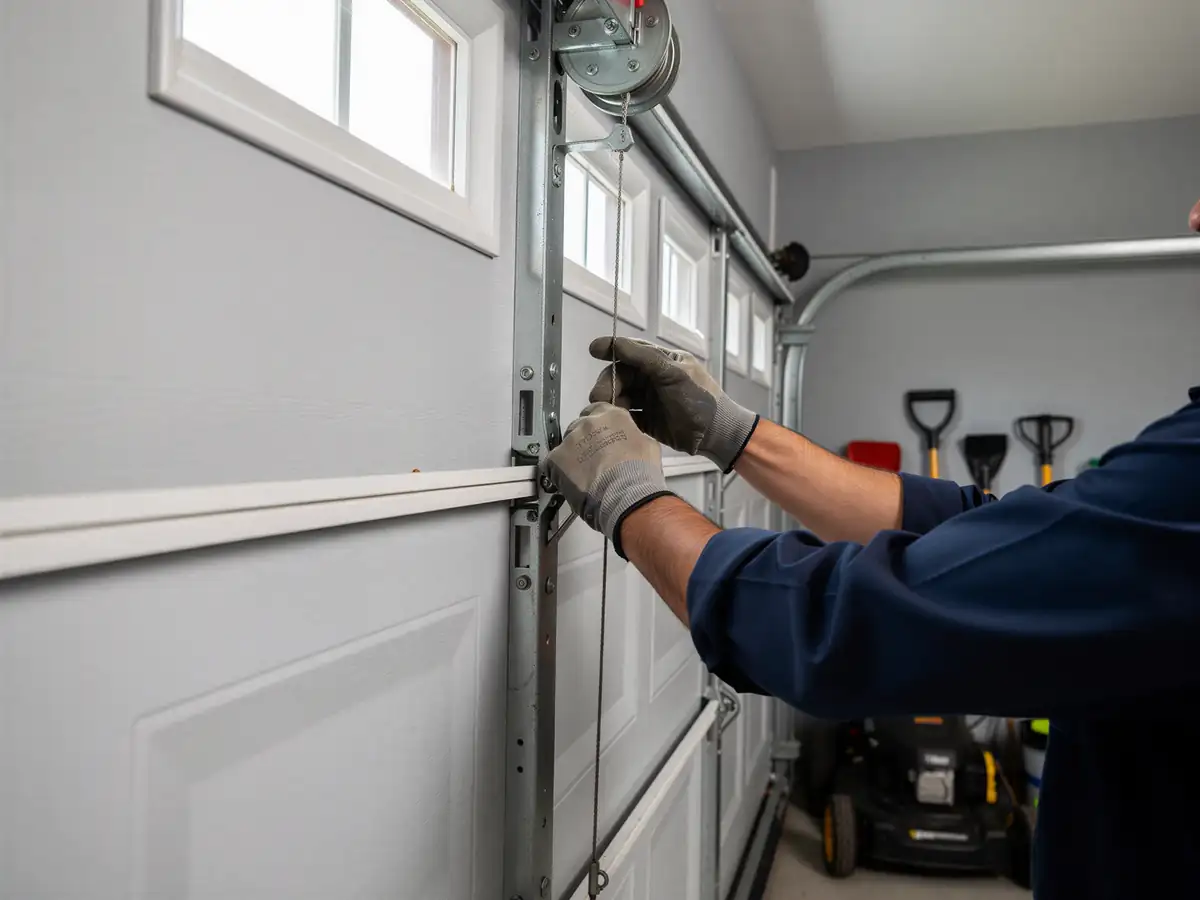
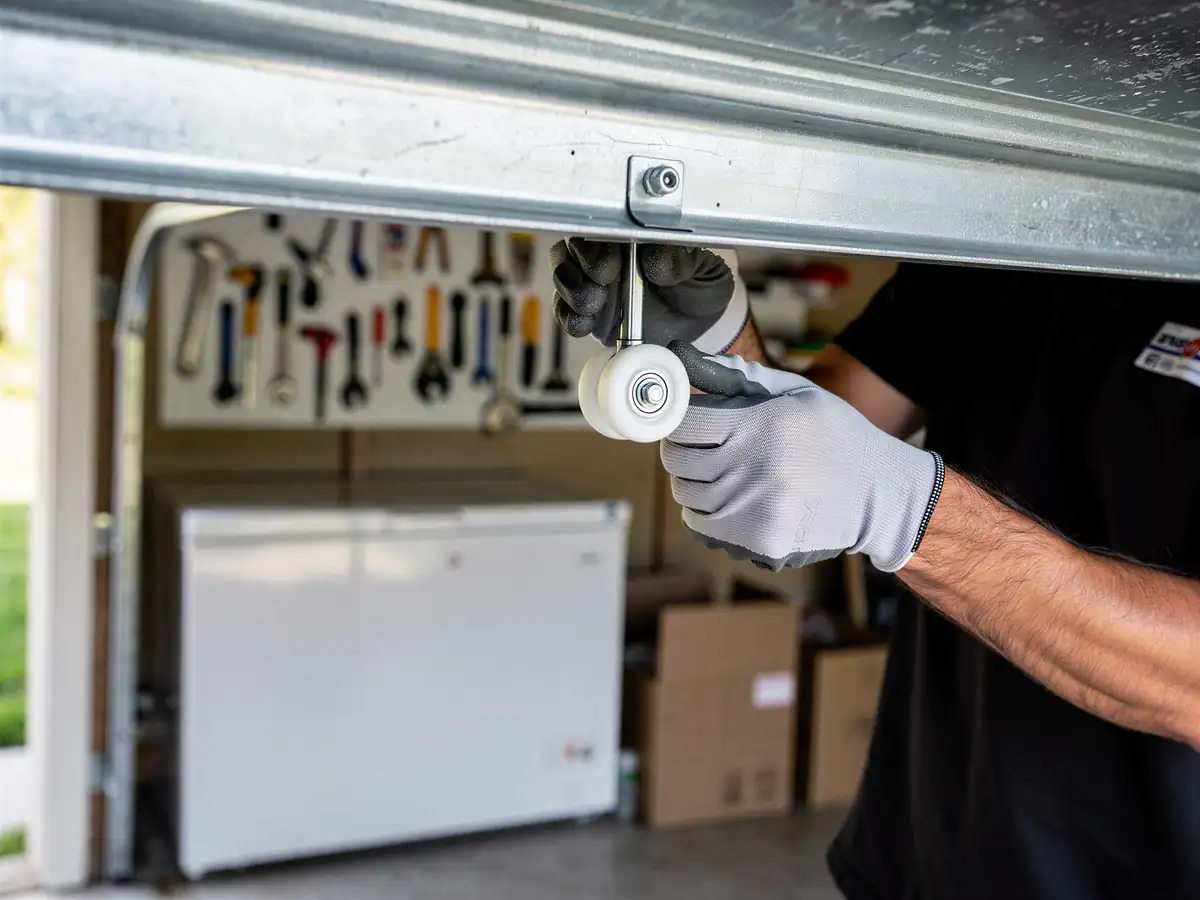
Sometimes the right call is to do nothing yet. A door that's slow to close, or has a roller that squeals but still tracks straight, can often run another season without turning into an emergency. We'll tell you that plainly when it's true - we don't push a repair just because we're standing in the driveway. What we won't do is tell you a torsion spring with visible gap at the coil, or a cable with frayed strands, is fine to leave alone. Those don't wait, and on an older door built before some of the safety-cable standards common on newer units, a snapped spring under tension is a different kind of problem than it is on a 2015 door. If your house falls in that 1970-2004 build window and the door hasn't been serviced since it was installed, that alone is worth a look, not because something is definitely wrong, but because the hardware has had three or four decades to wear without anyone checking it.
Where People Go Wrong
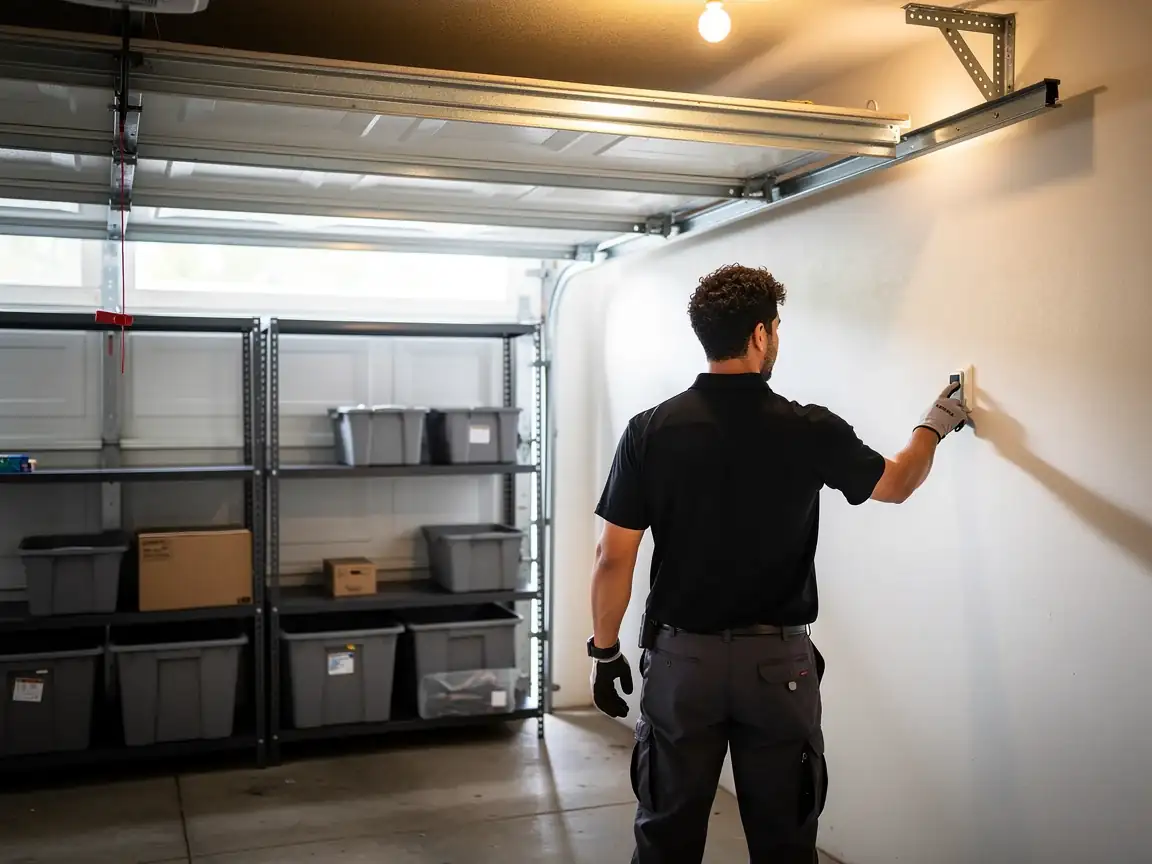
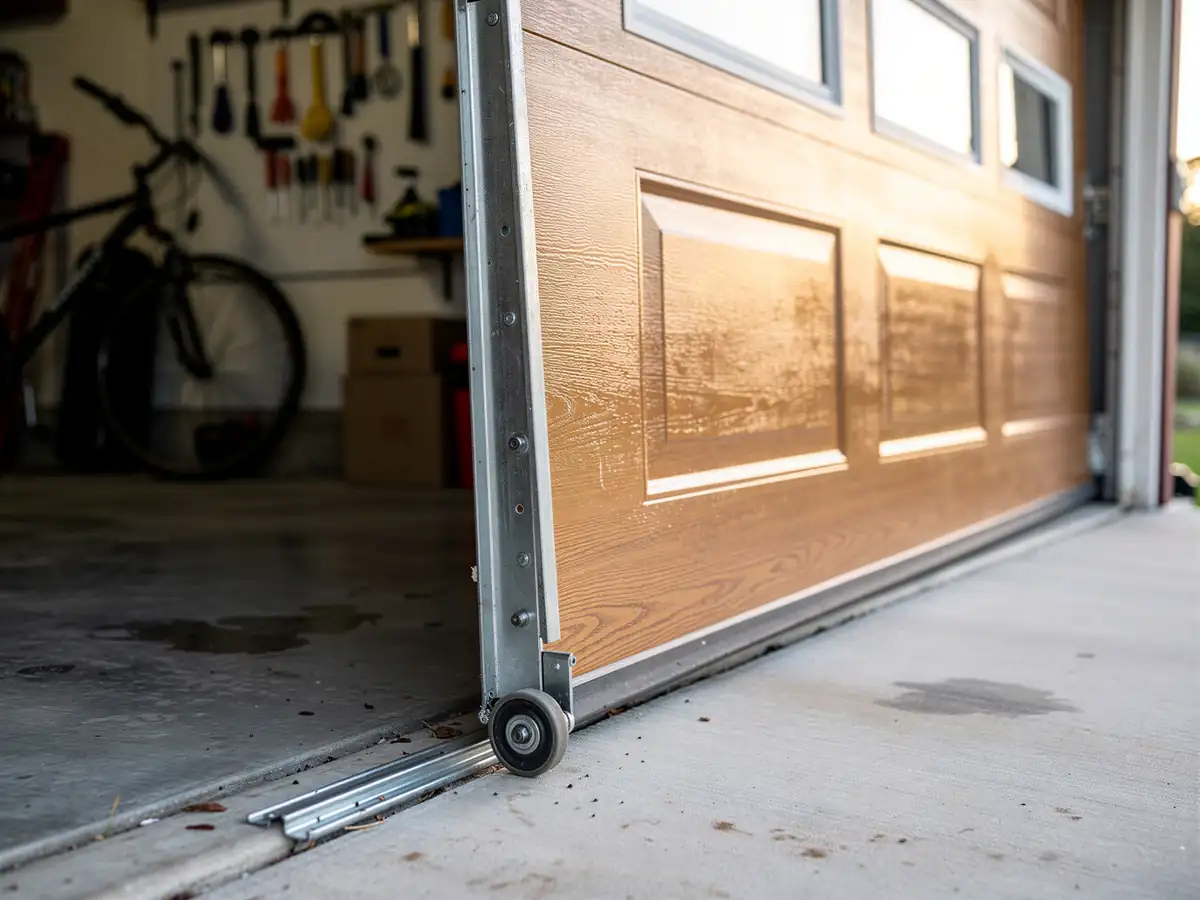
The mistake we see most is replacing one part on an old door and assuming that resets the clock. A new opener bolted onto a thirty-year-old door with worn rollers and a tired spring doesn't fix the door - it just means the opener is now straining against parts that were already failing, and openers die faster that way. The other mistake is the reverse: replacing the whole door because one spring broke, when the door itself - panels, track, frame - is sound. With housing this age being the norm rather than the exception around here, we see both calls constantly. The honest limitation is that we can't always tell you over the phone which one you've got. A door that looks fine from the driveway can have a hairline crack starting at a hinge screw, and a door that sounds rough can just need lubrication and a cable adjustment. That's a judgment call that takes someone standing in front of the door, not a guess based on the symptom you describe.