The Problem
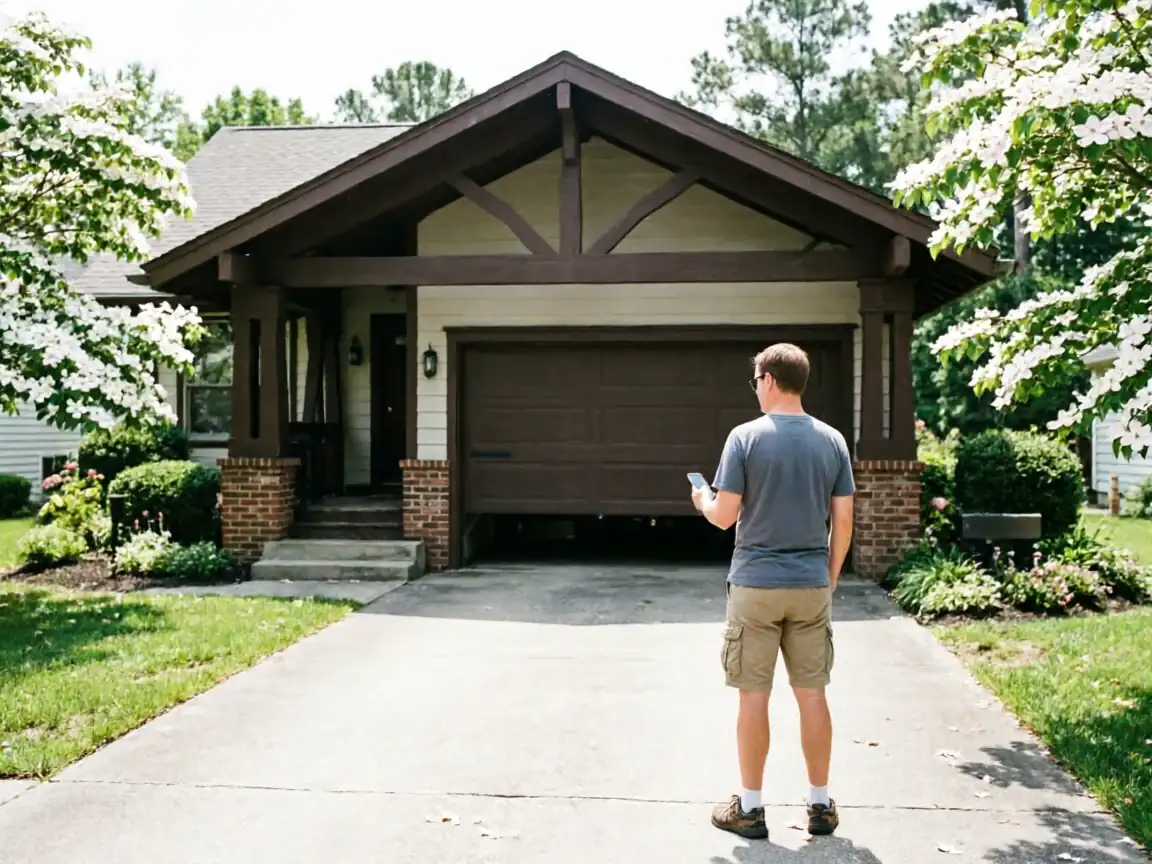
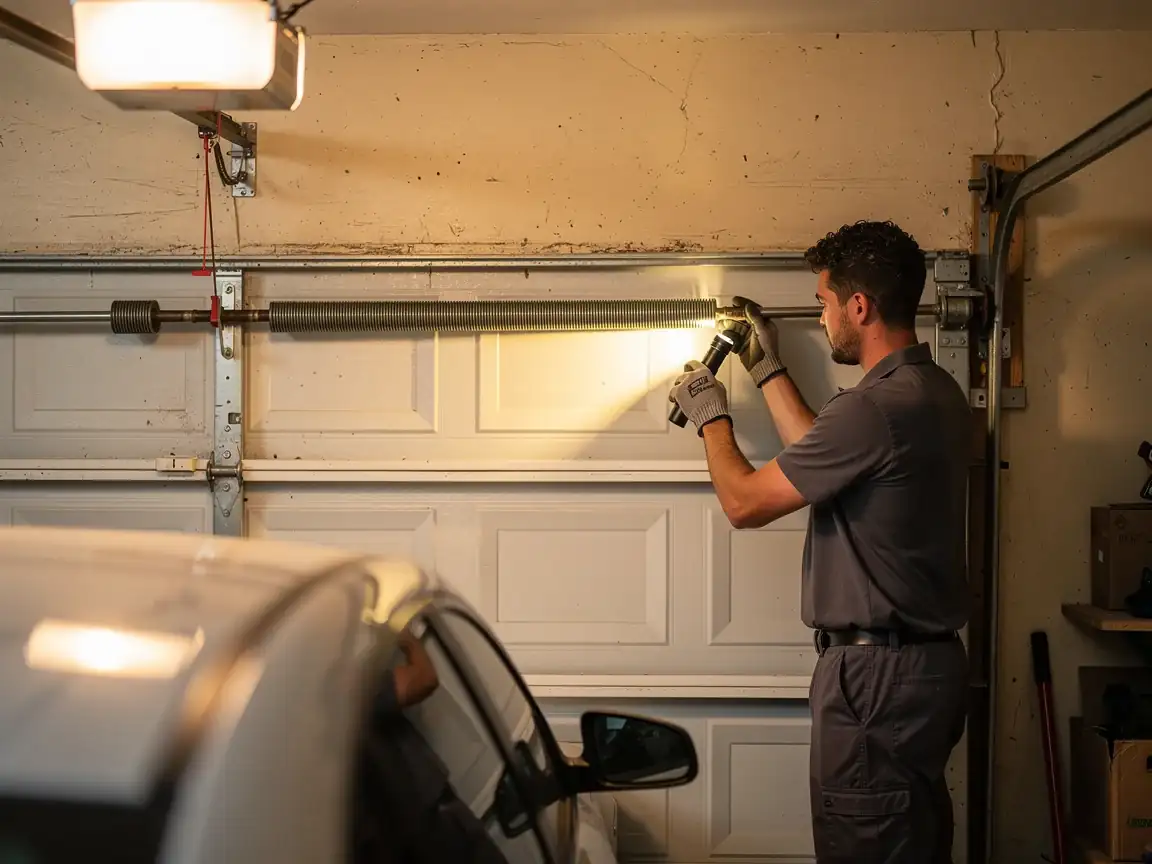
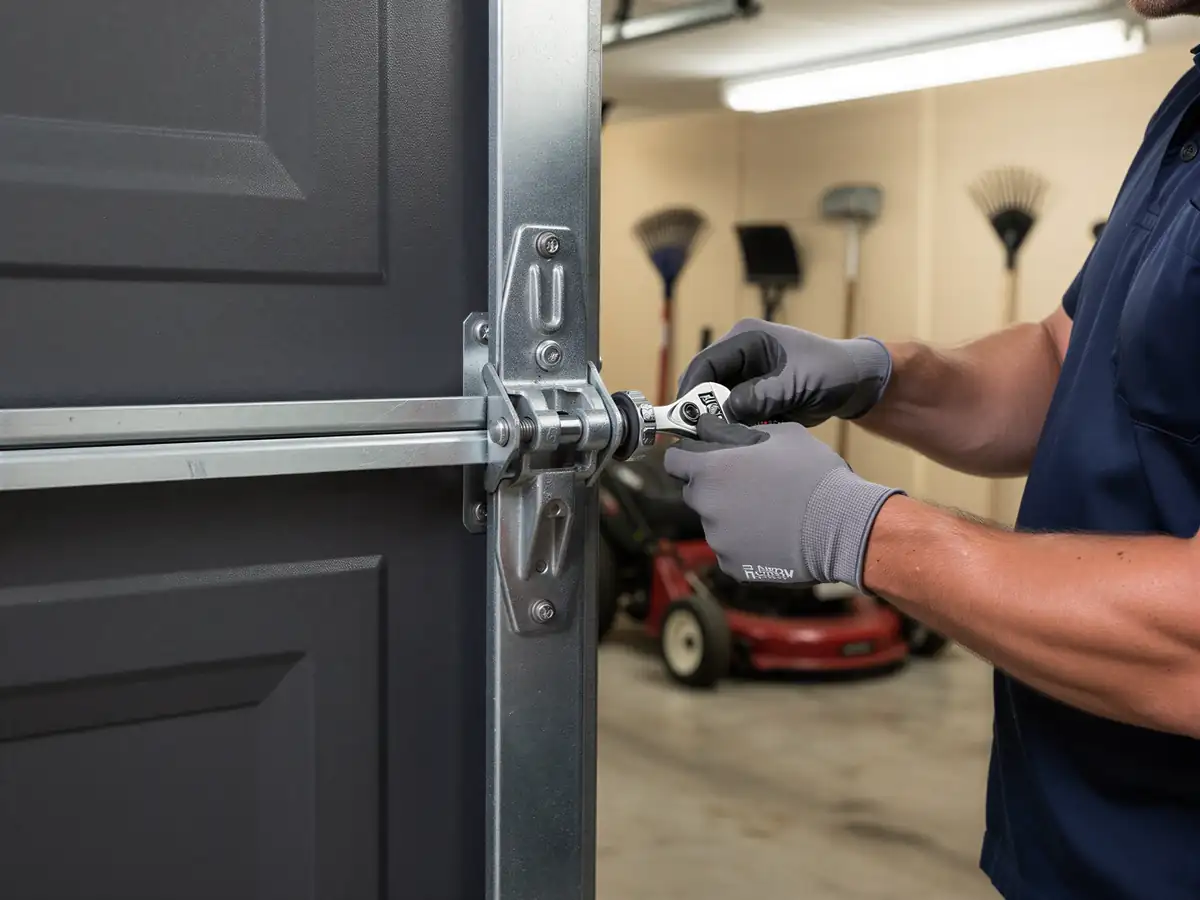
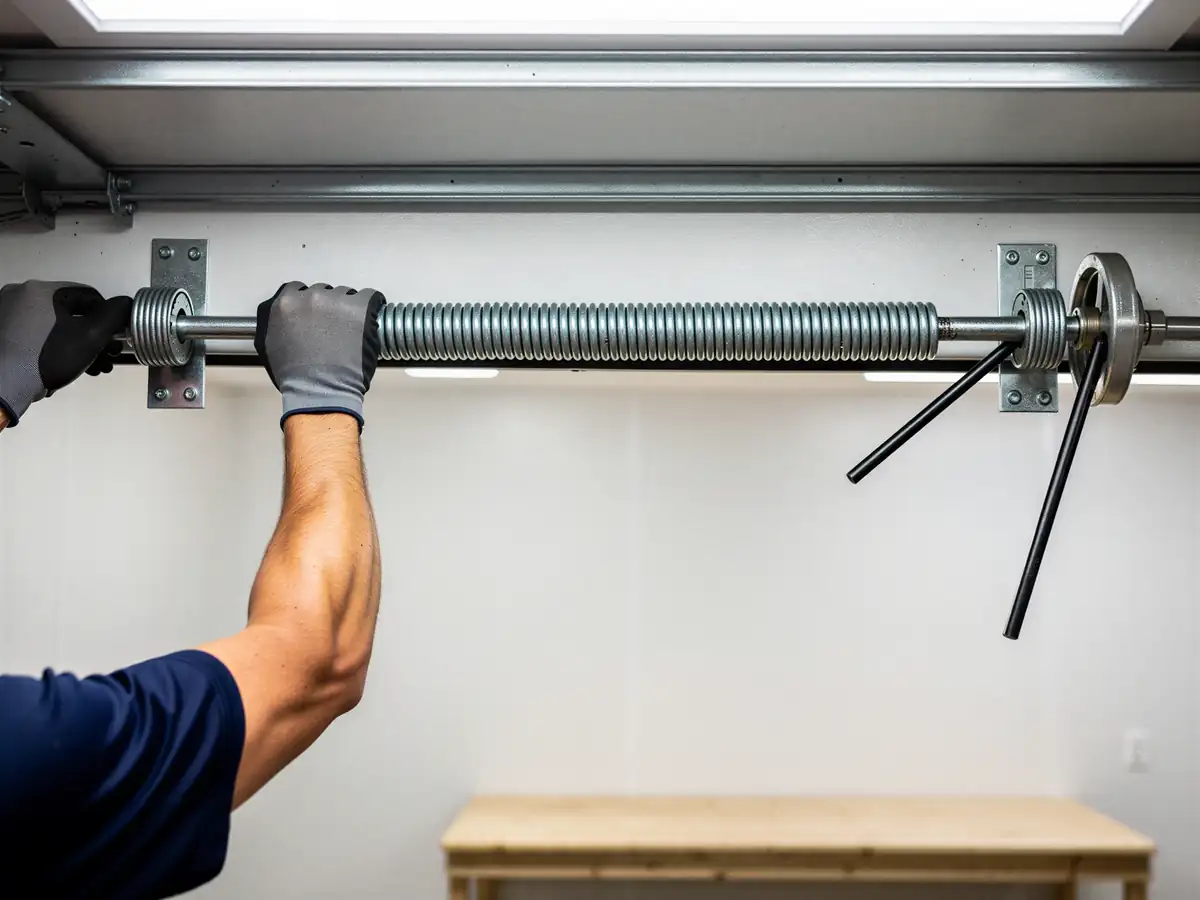
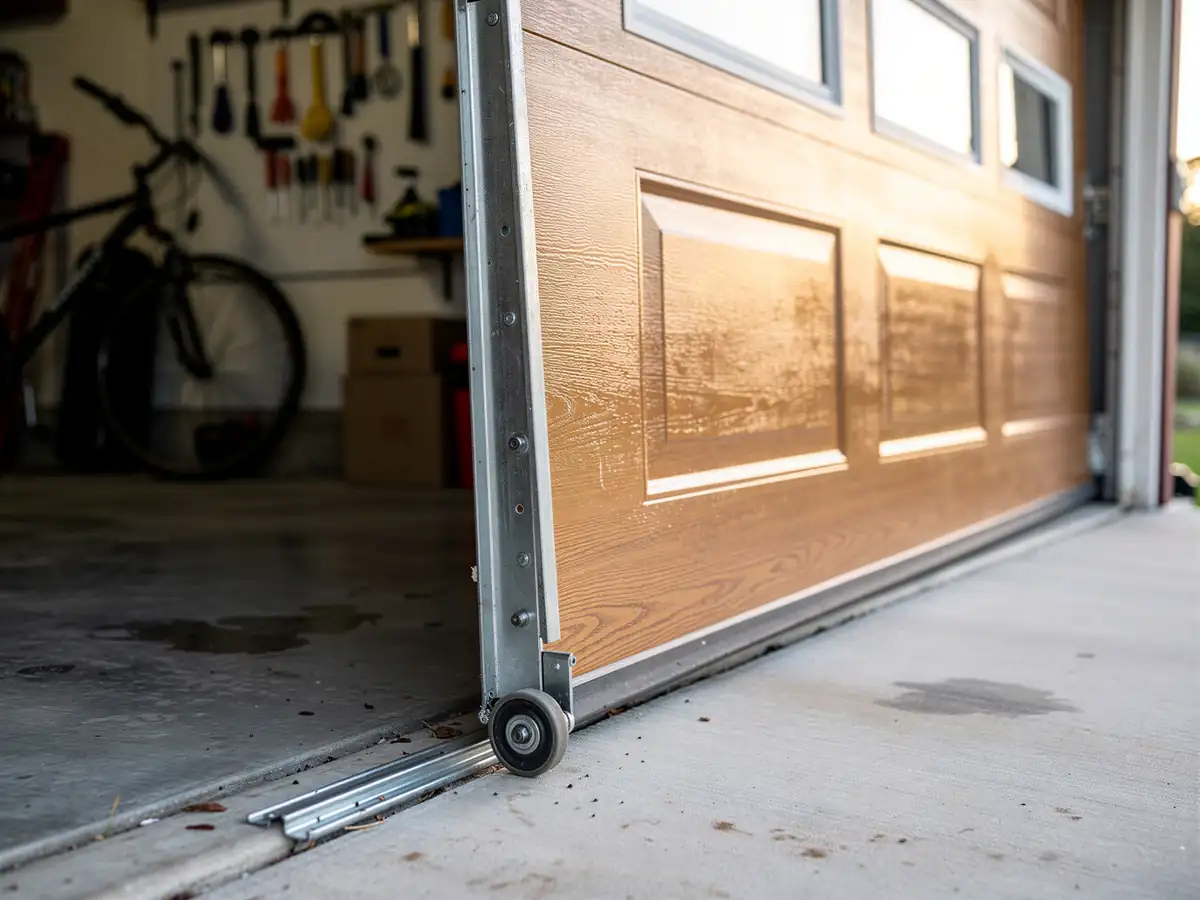
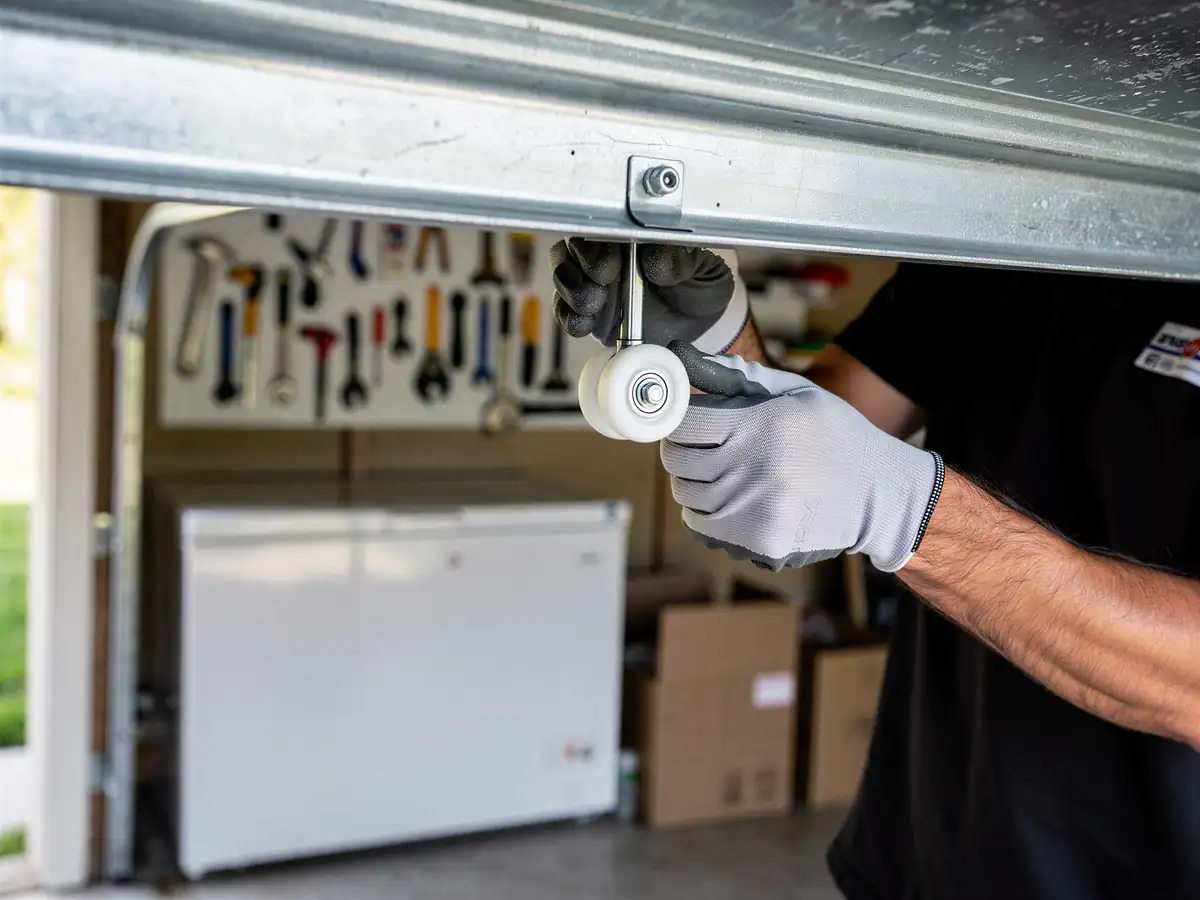
Most houses on our routes went up between 1970 and 2004, with the bulk clustered in the 1980s and 90s across the 18 areas we run - Elon, Glen Raven, Gibsonville, Graham, and the rest. That window matters because it's when extension and torsion spring systems were standardized the way they are now, but it's also old enough that a lot of original hardware is still hanging in these garages. A "service call" on a house like this isn't a vague tune-up. It's checking spring wind on a 30-40 year old torsion bar, looking at whether the track was ever reset after a bent panel, and pulling the opener logic board cover to see if the capacitor has swollen. Homeowners call because the door is noisy, slow, or won't close all the way, and nine times out of ten the actual cause is one specific part that's aged out, not the whole system. A real call names that part before touching a wrench.
Doing Nothing For Now
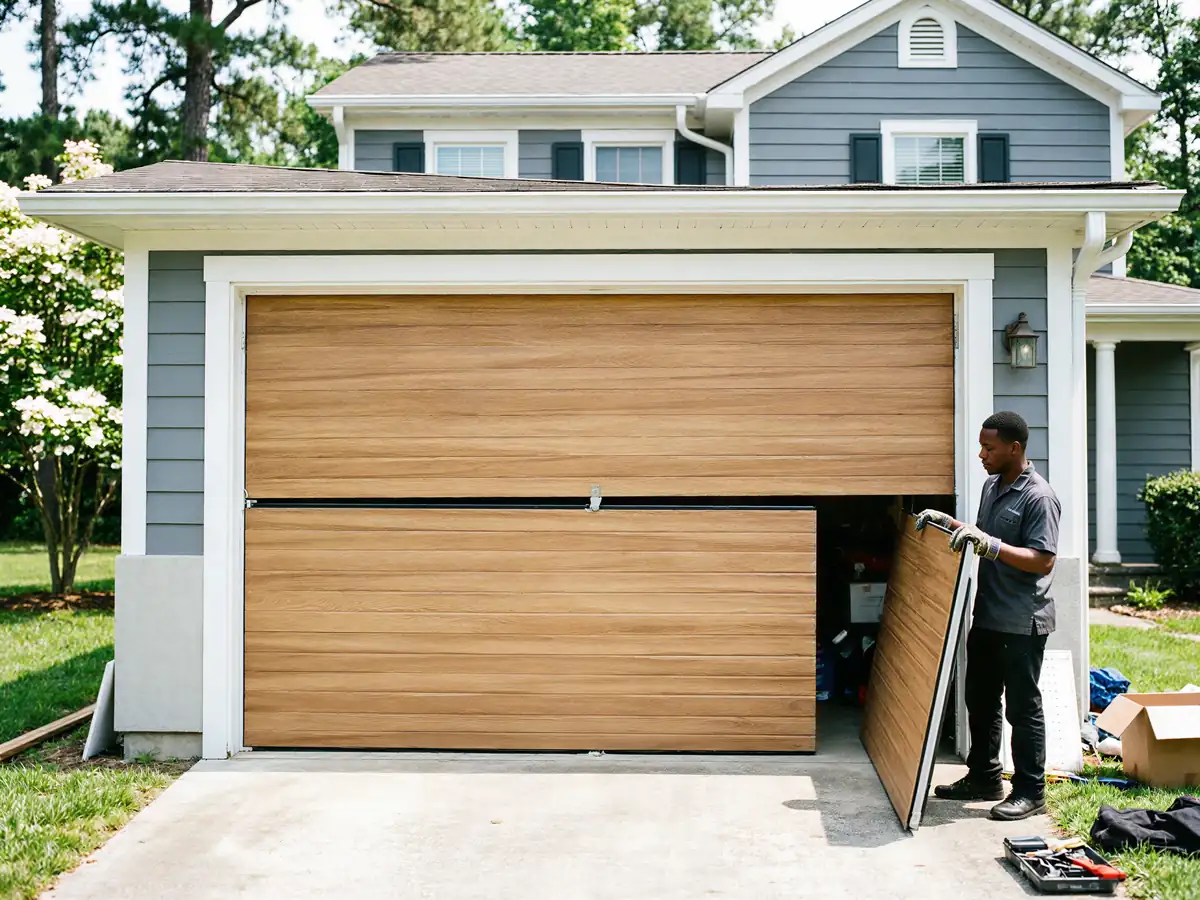
Not every noise is an emergency. If a door built in the 1980s-90s stock common here is sticking only on cold mornings and runs fine by afternoon, that's often a lubrication and track-alignment issue, not a spring failure - and it can wait a week without getting worse. Where it can't wait: a door that drops faster than it used to, a cable with visible fraying, or an opener that reverses on its own. Those point to a spring or cable under load losing tension, and that's not a problem that fixes itself with patience. We'd rather tell you to hold off and save the trip charge than invent urgency. The honest limit here: if a torsion spring has already snapped, we don't recommend DIY adjustment - the spring's holding the full weight of the door under tension, and that's not a safe place to improvise.
Where People Go Wrong
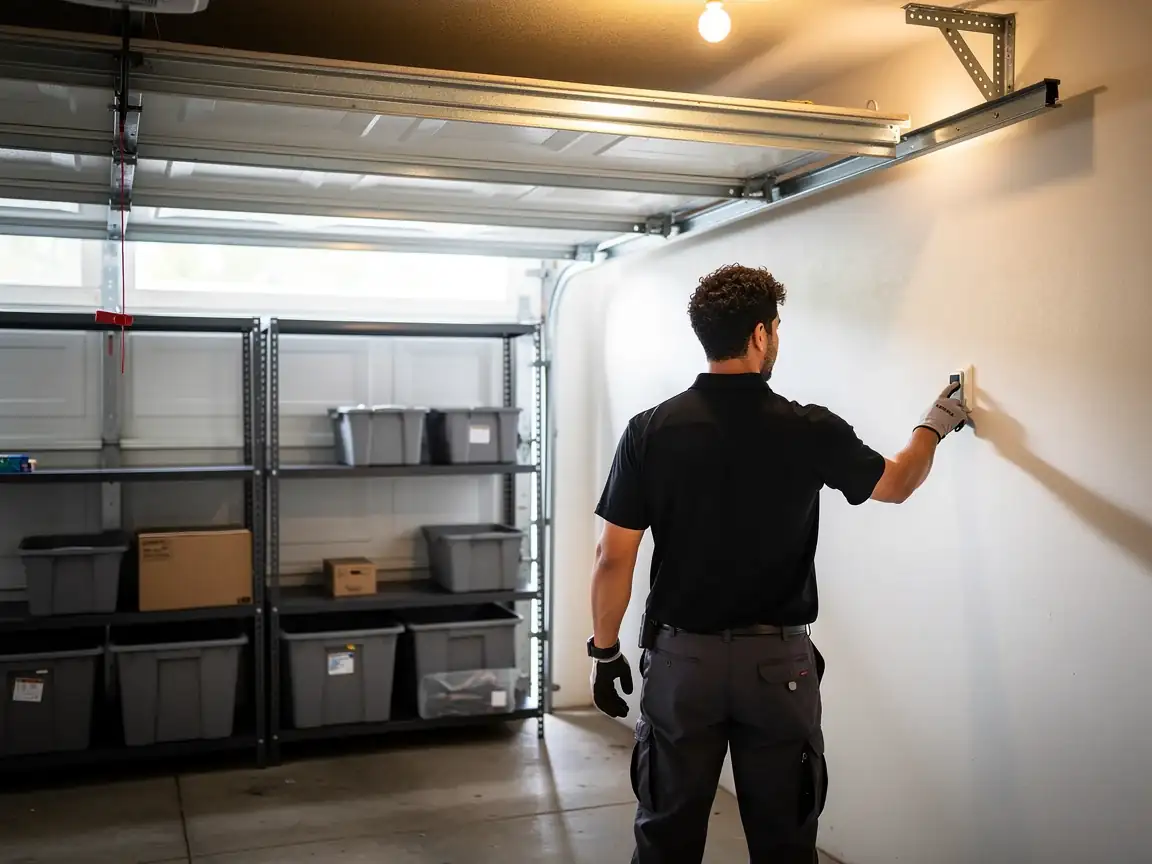
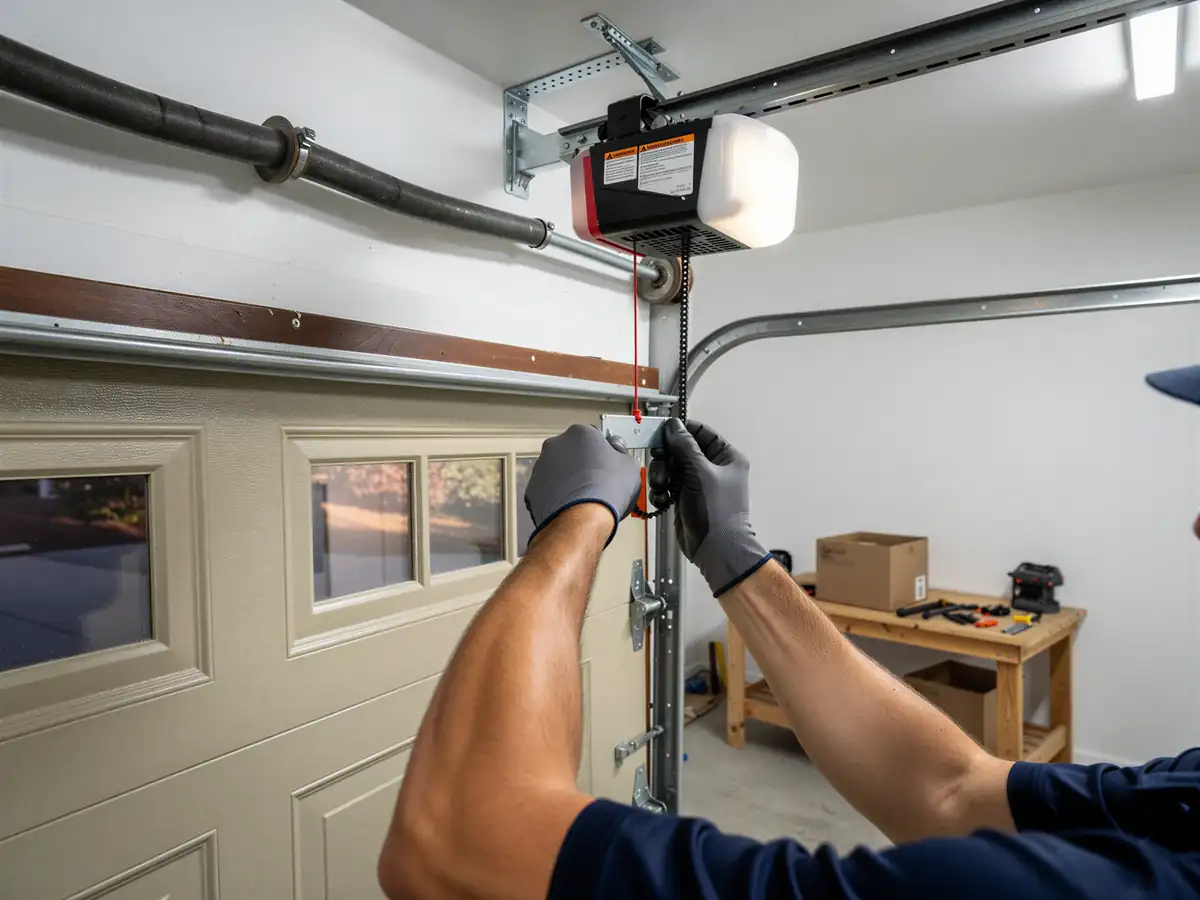
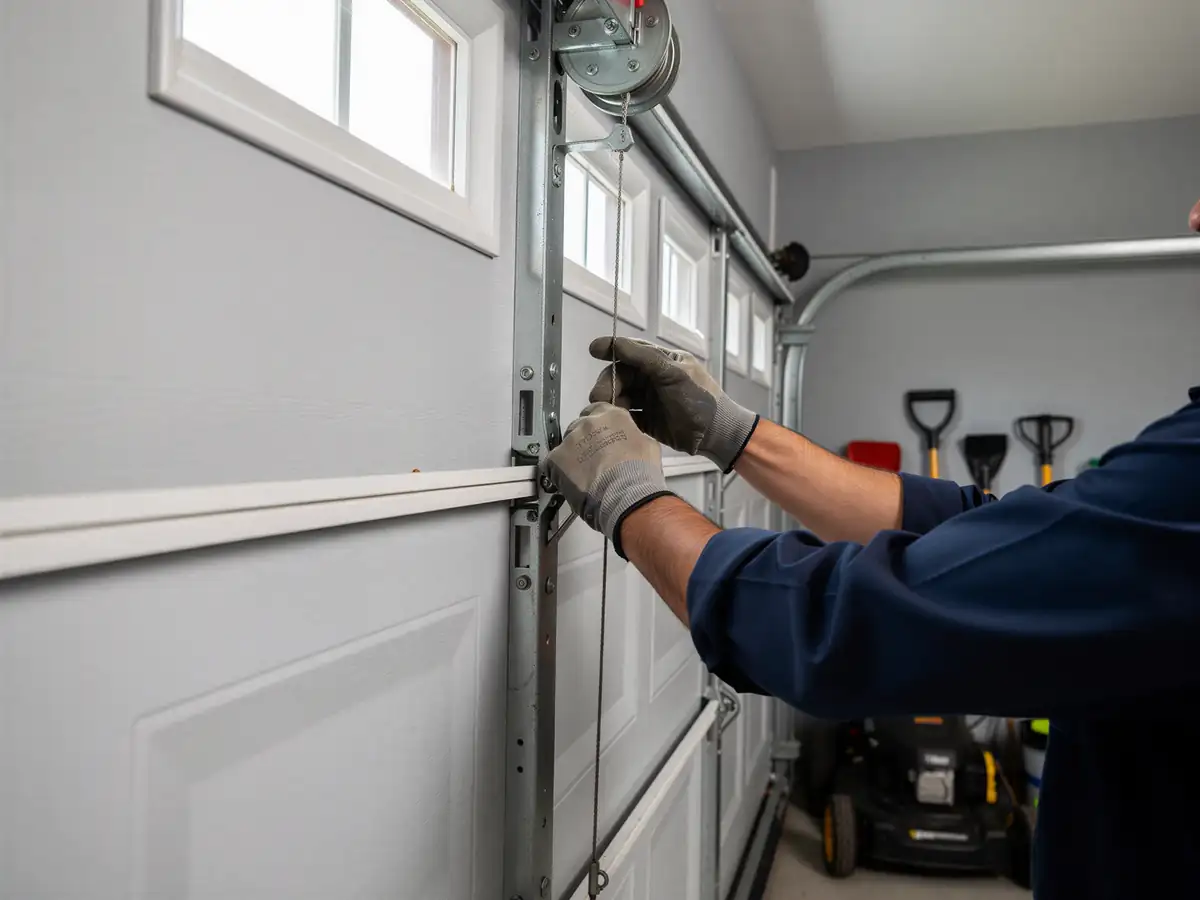
The most common mistake we see on calls across Burlington and out toward Gibsonville or Graham is treating the opener as the problem when the door itself is out of balance. An opener motor straining to lift a door that's lost spring tension will eventually burn out, and then the homeowner pays to replace a motor that was never the real issue. The second mistake is waiting on a cable or spring that's already fraying because the door still technically opens - intermittent operation under tension is exactly the failure mode that turns into a dropped door. With close to 16,600 owner-occupied houses spread across the service area and a median household income around $67,000, we see plenty of houses where a $150-200 adjustment gets deferred until it becomes a $600 spring-and-cable job. A quick balance check costs less than the wait.