Can You Do This Yourself
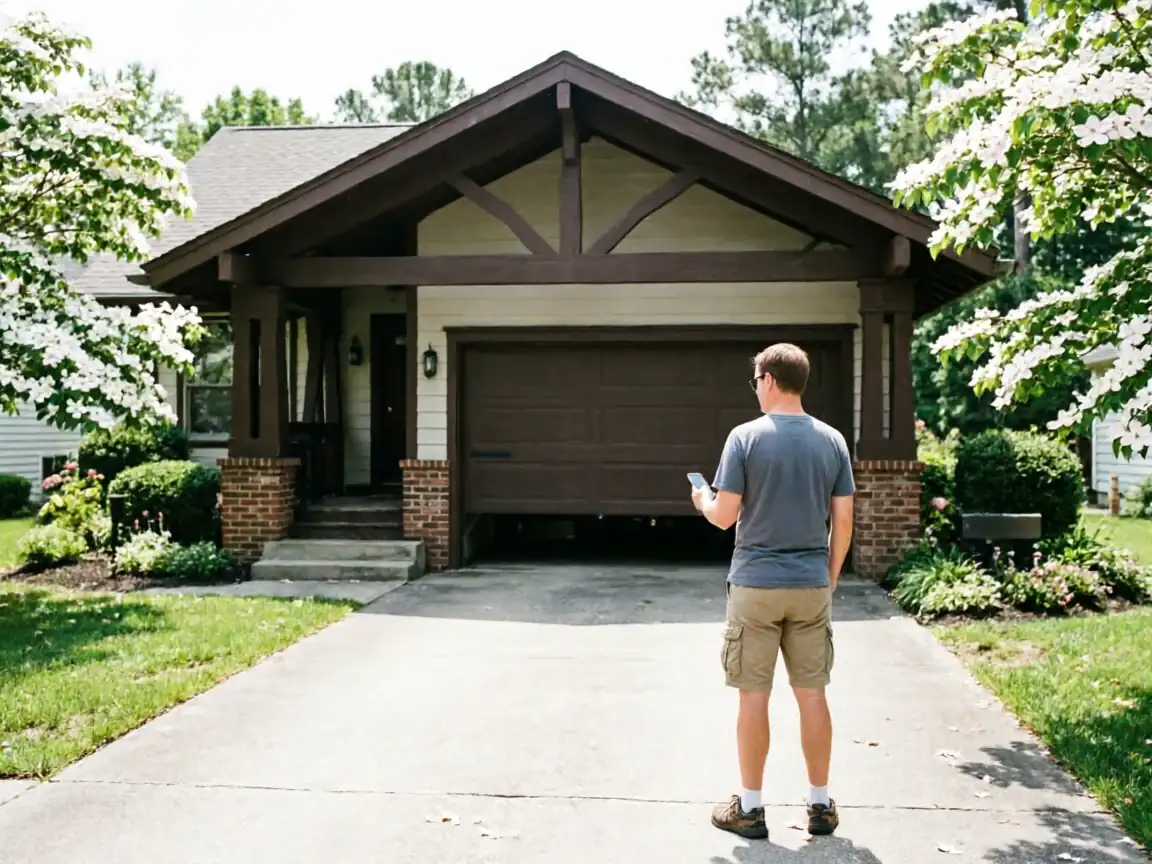
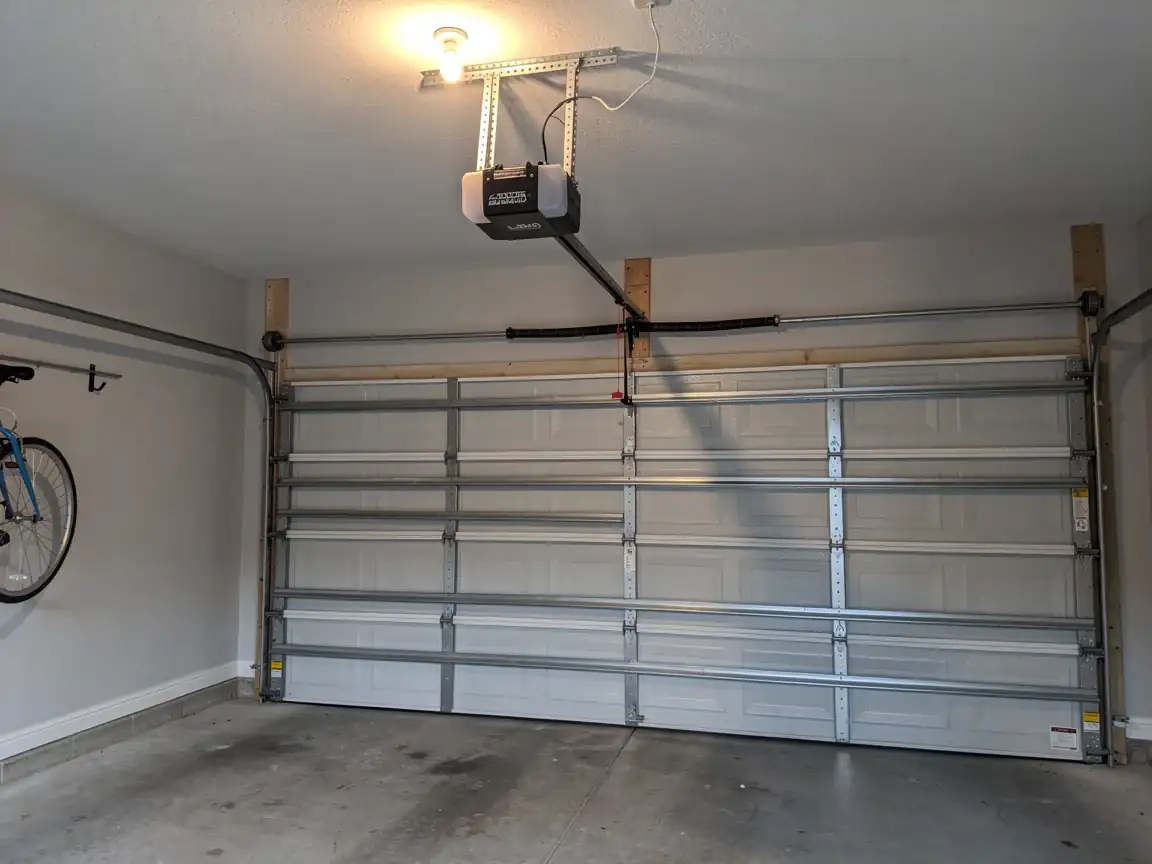
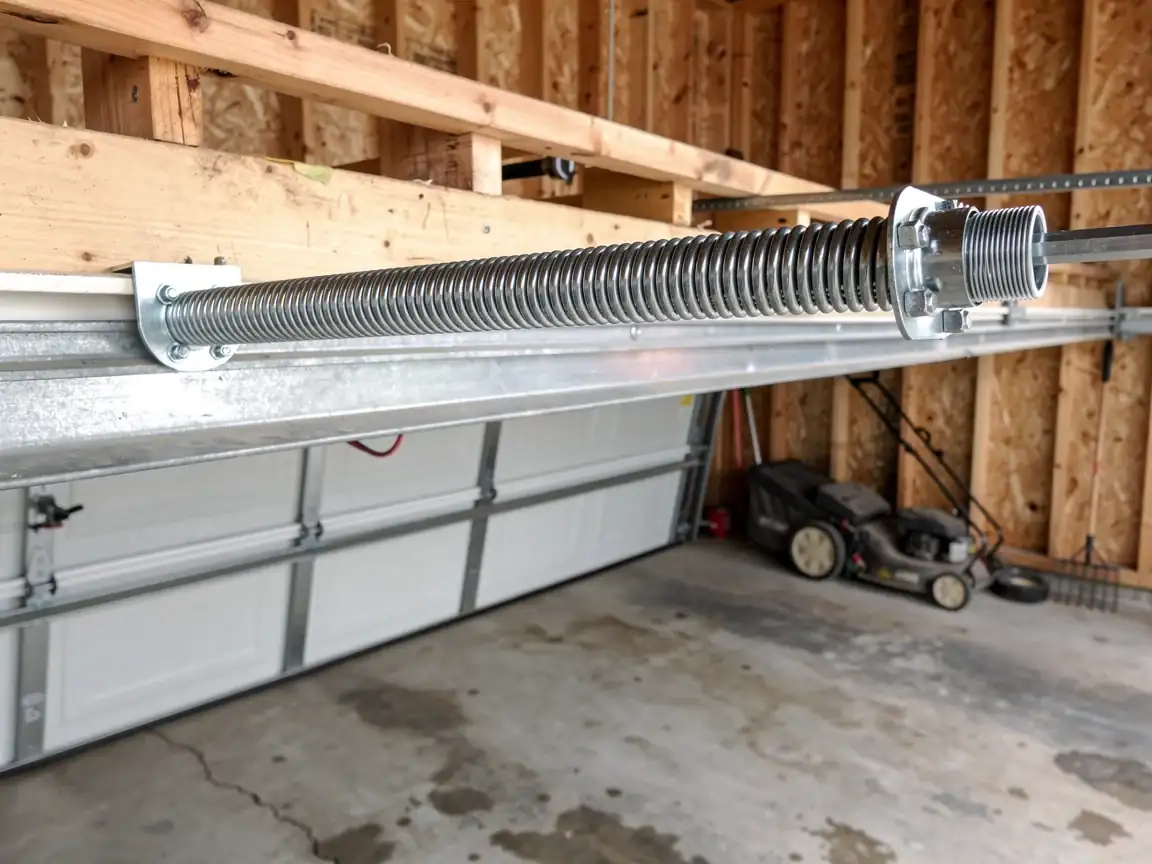
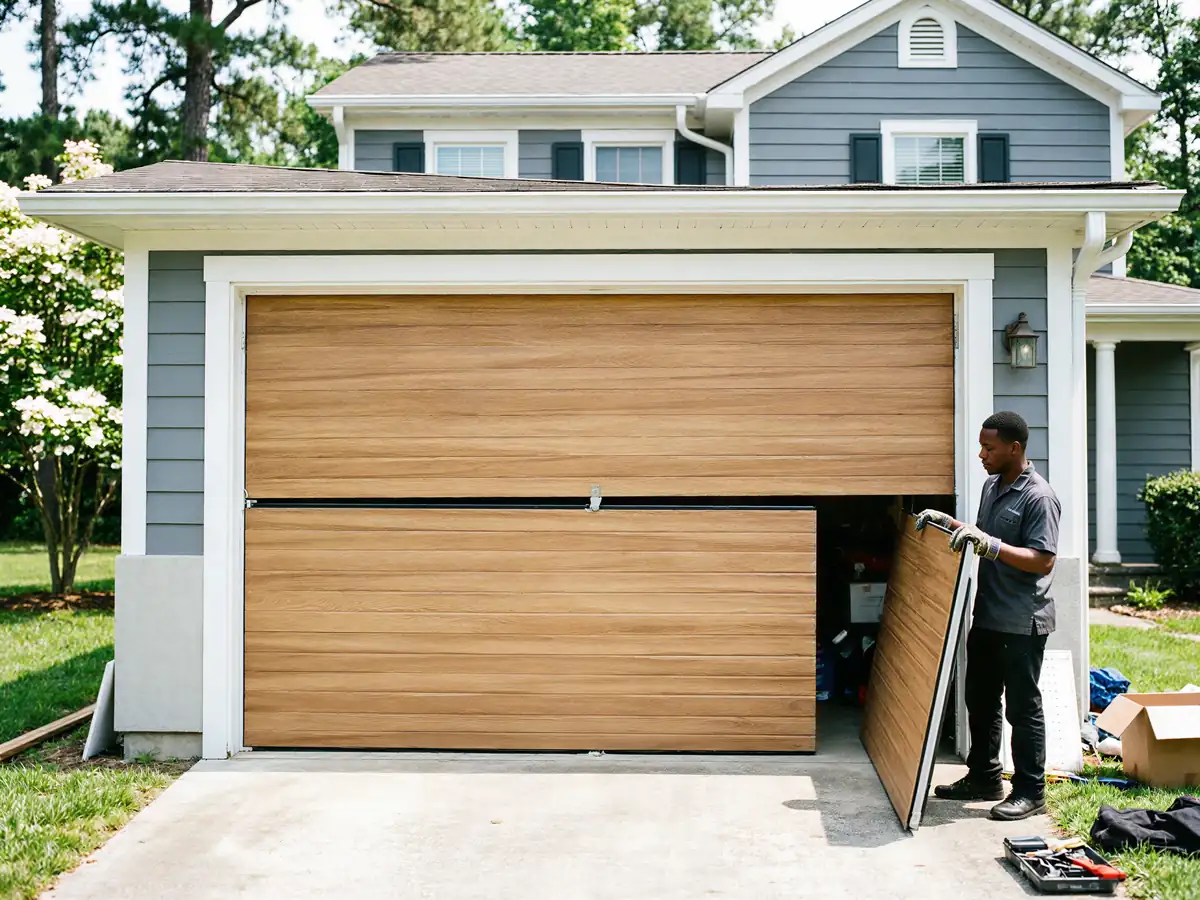
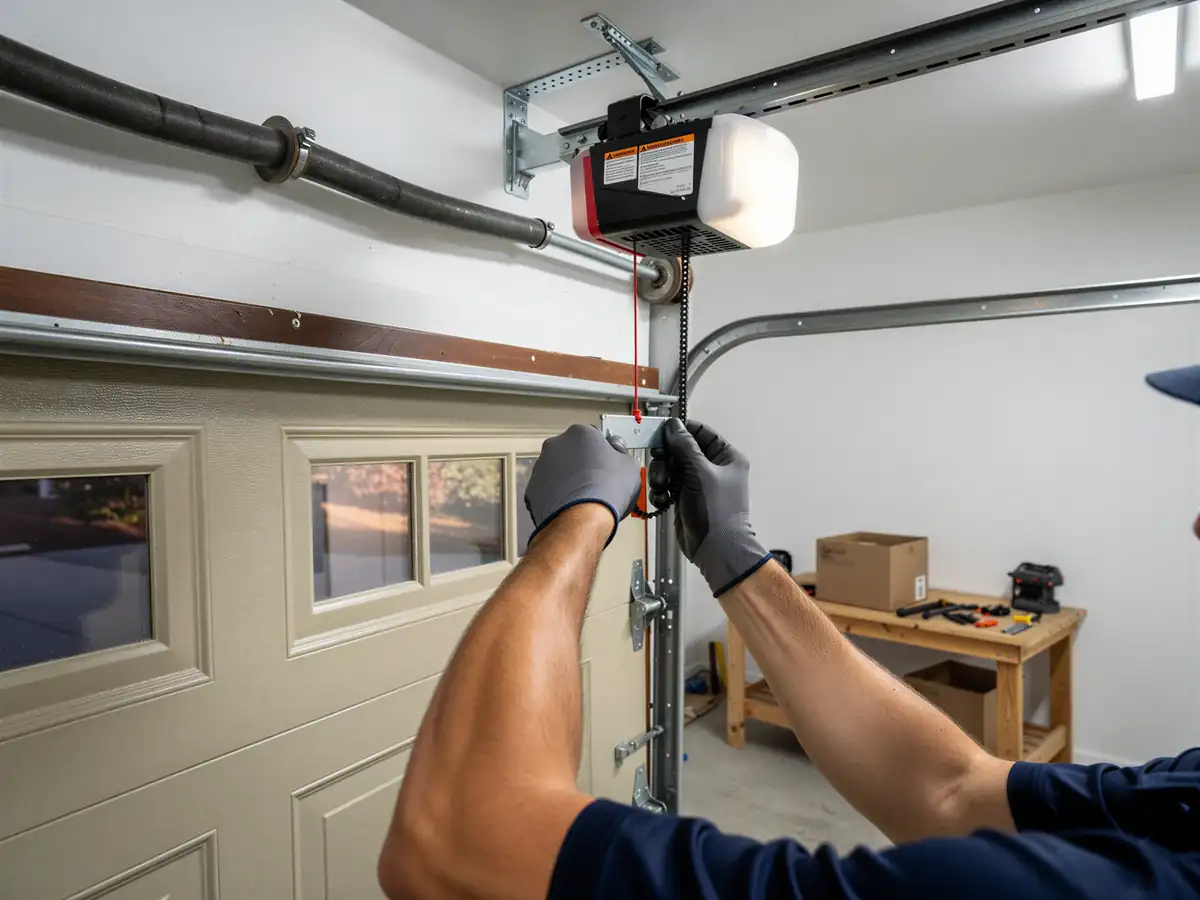
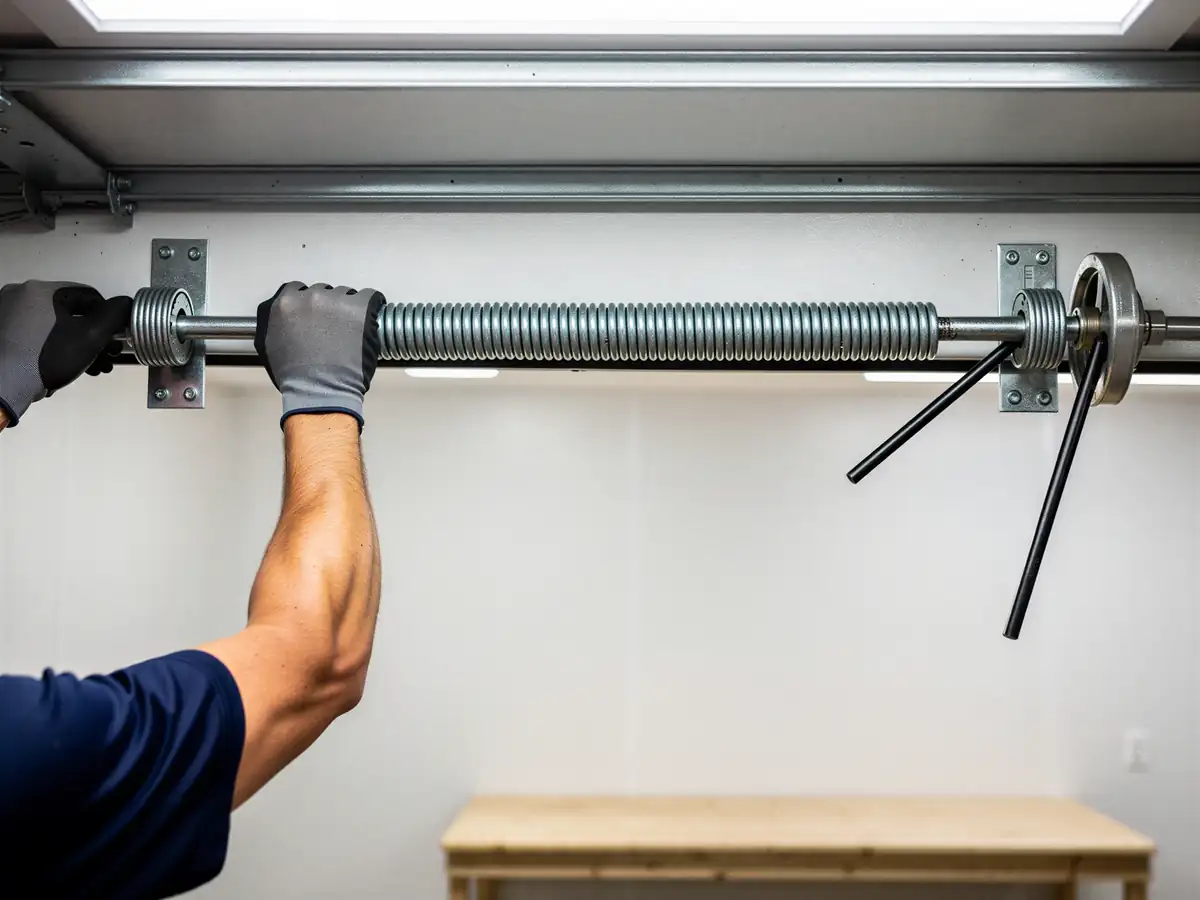
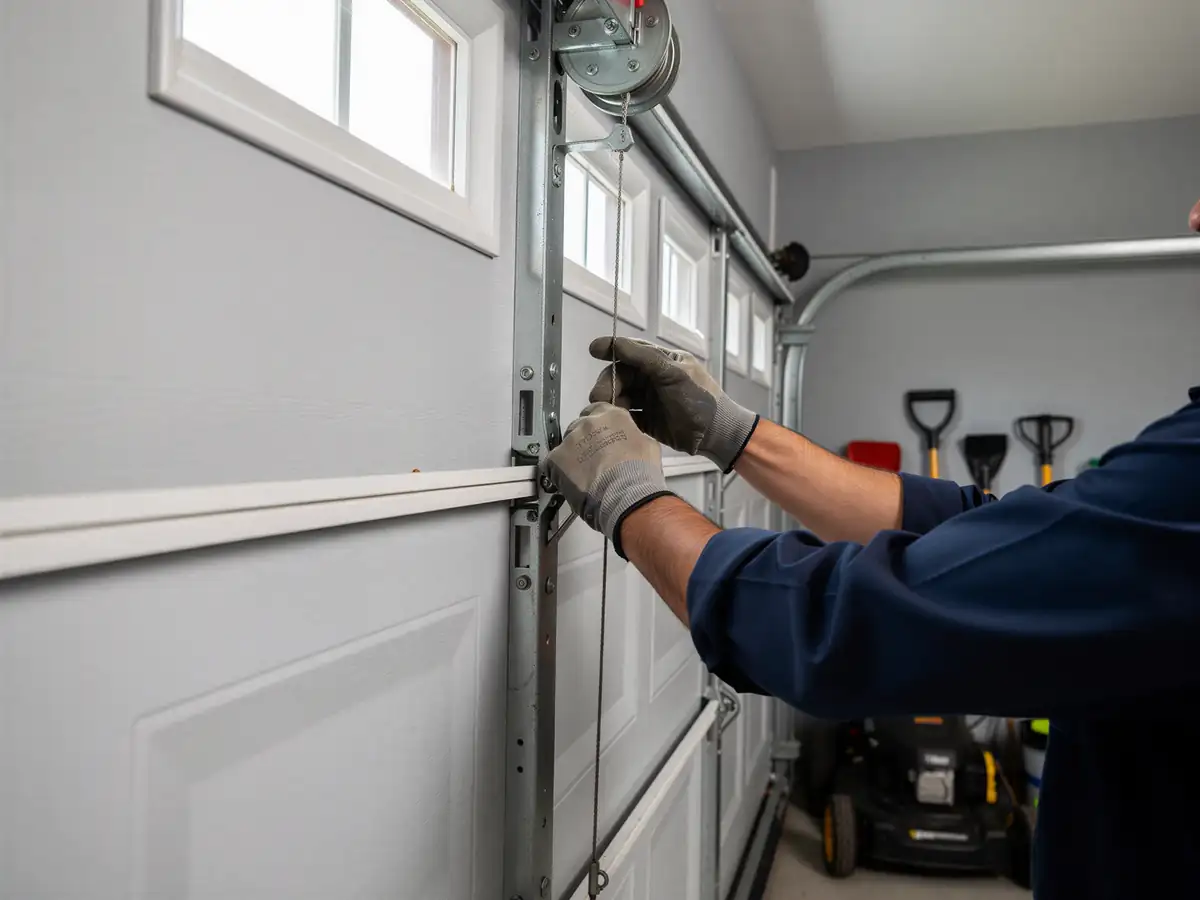
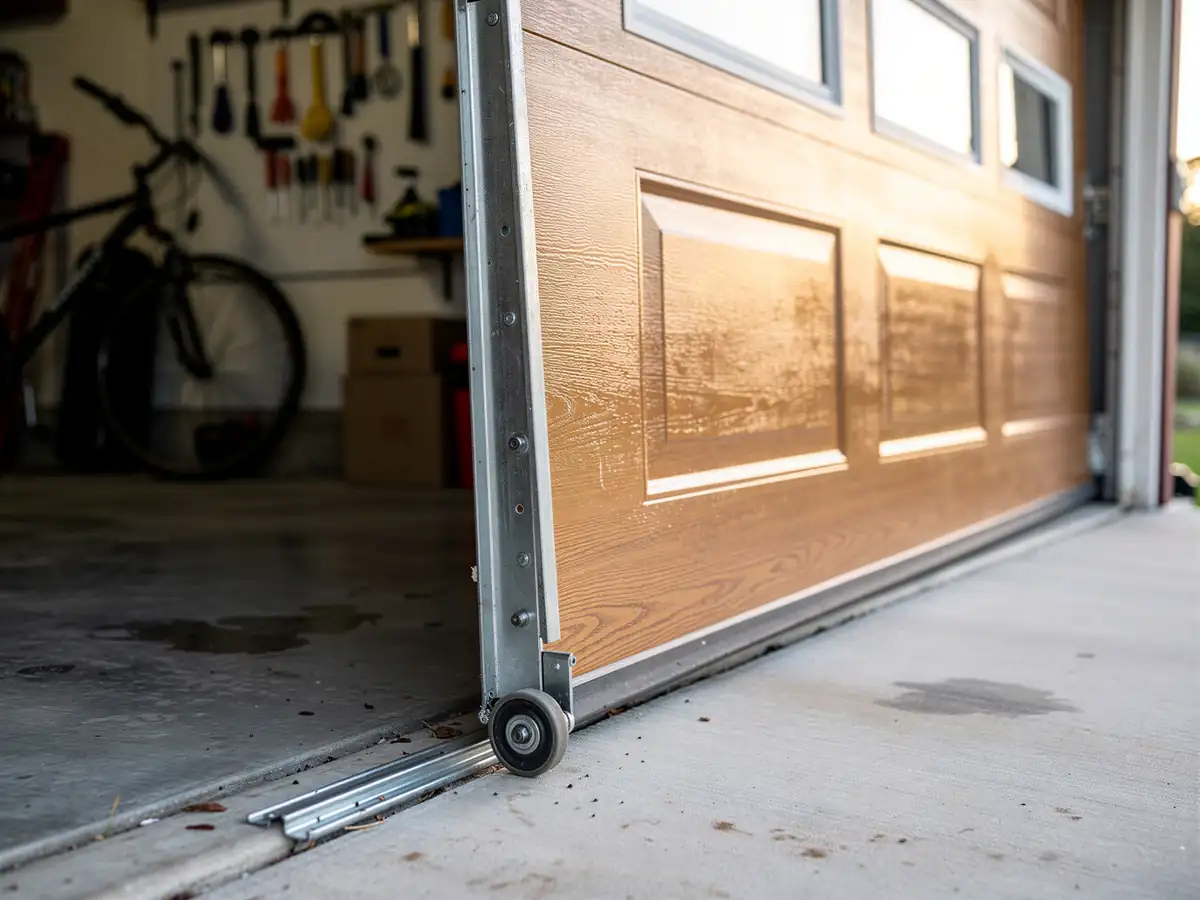
With a median household income of $94,028, more than a third above the $67,366 average across the rest of our coverage area, a lot of Swepsonville homeowners could pay for a new door outright without blinking. That doesn't mean you should skip the diagnosis. An off-track door almost never means the whole unit is bad - it usually means a roller jumped the track, a cable slipped off a drum, or a bottom bracket bent when something hit the door. Pulling the release and trying to force the door back onto the track yourself is the one move we'd talk you out of. Torsion springs on these newer doors are still under real tension, and a bent track under load can snap a cable or drop a panel on your foot. If the door is partway open and crooked, leave it. Call before you touch the opener again. What you can safely check: whether anything is lying on the floor track, whether a roller is visibly out of its channel near the bottom, and whether the door was hit by a car bumper or a stored ladder. That much tells us what we're driving to before we get there.
What Can Go Wrong
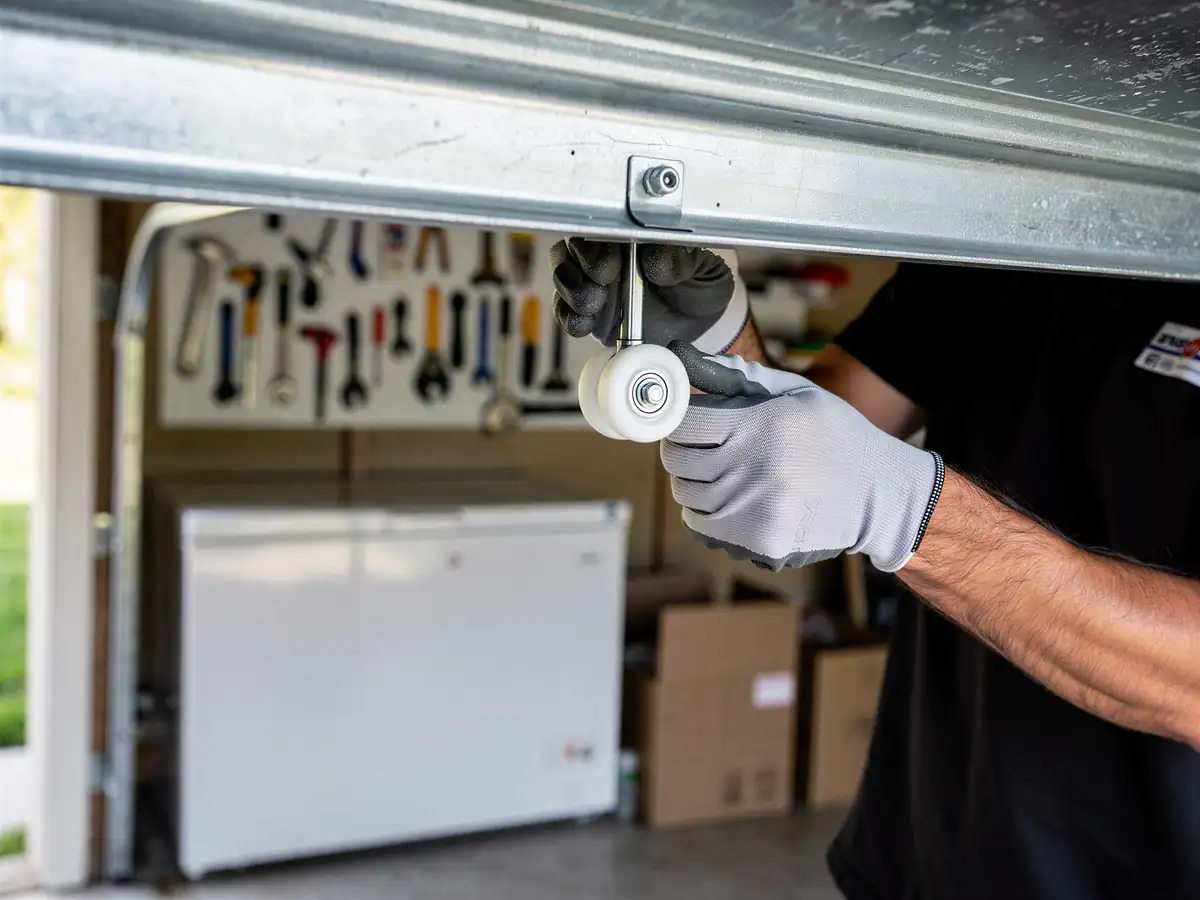
Most houses in Swepsonville went up around 2004, nearly two decades newer than the typical build year across the rest of the service area. That newer stock usually means factory-installed steel track and extension or torsion hardware sized correctly for the door - not the mismatched replacements you find on older homes. So when a door comes off track here, it's rarely a decades-old part finally giving out. It's more often one of three things: a roller that's worn through its stem after years of daily use, a track bracket that's worked loose from the framing, or an impact - a car, a bike, a basketball - that knocked the track out of alignment at one spot. Cold-climate swings still matter even on newer hardware; a track that's a quarter-inch out of plumb won't show until a cold snap tightens the metal and a roller finally jumps the gap. We also see doors knocked off track by an opener that's out of adjustment, forcing the door past its stop point until something gives at the top roller.
What It Costs
We don't quote a price without seeing the door - a roller swap and a bent track replacement are not the same bill, and guessing a number over the phone does nobody any favors. What we can tell you is how the decision usually breaks for houses built around 2004, which is most of what's in Swepsonville. At that age, the door panel, the opener motor, and the spring system are typically still well inside their working life, so an off-track repair almost always makes more sense than replacing the unit. Replacement gets worth discussing when the track damage is extensive enough to require new vertical rail on both sides, or when the door itself was already dented or rusting before the track let go. Given the income level here, we've had homeowners ask us to just replace the door outright rather than repair - that's a fair call to make, but it's rarely the cheaper one for hardware this age.
What the Repair Takes
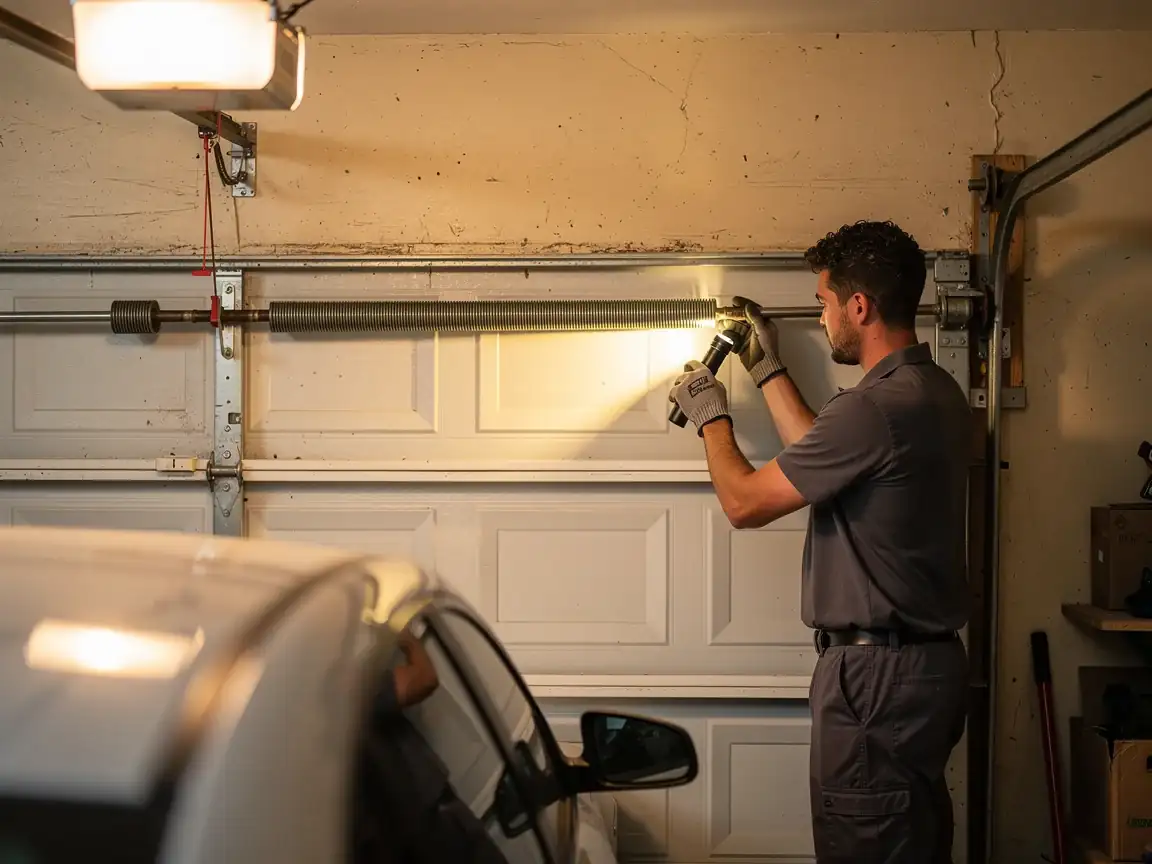
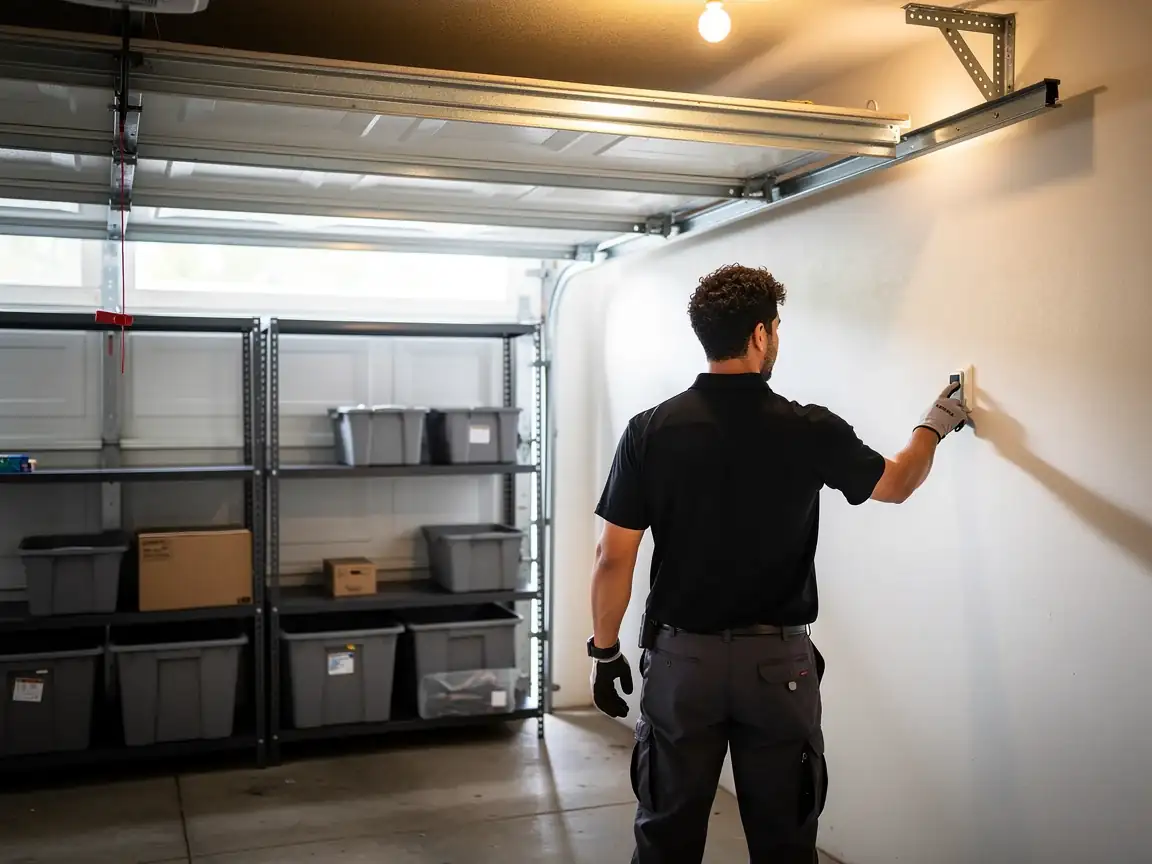
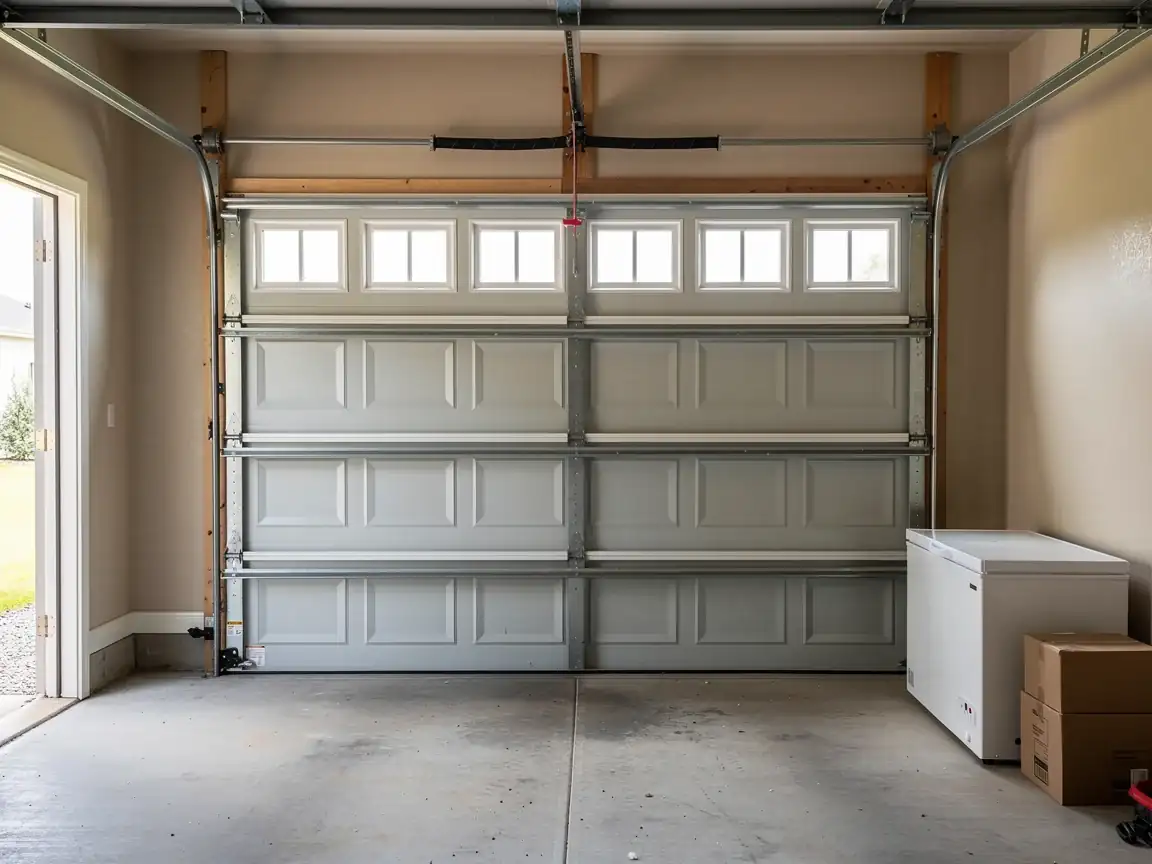
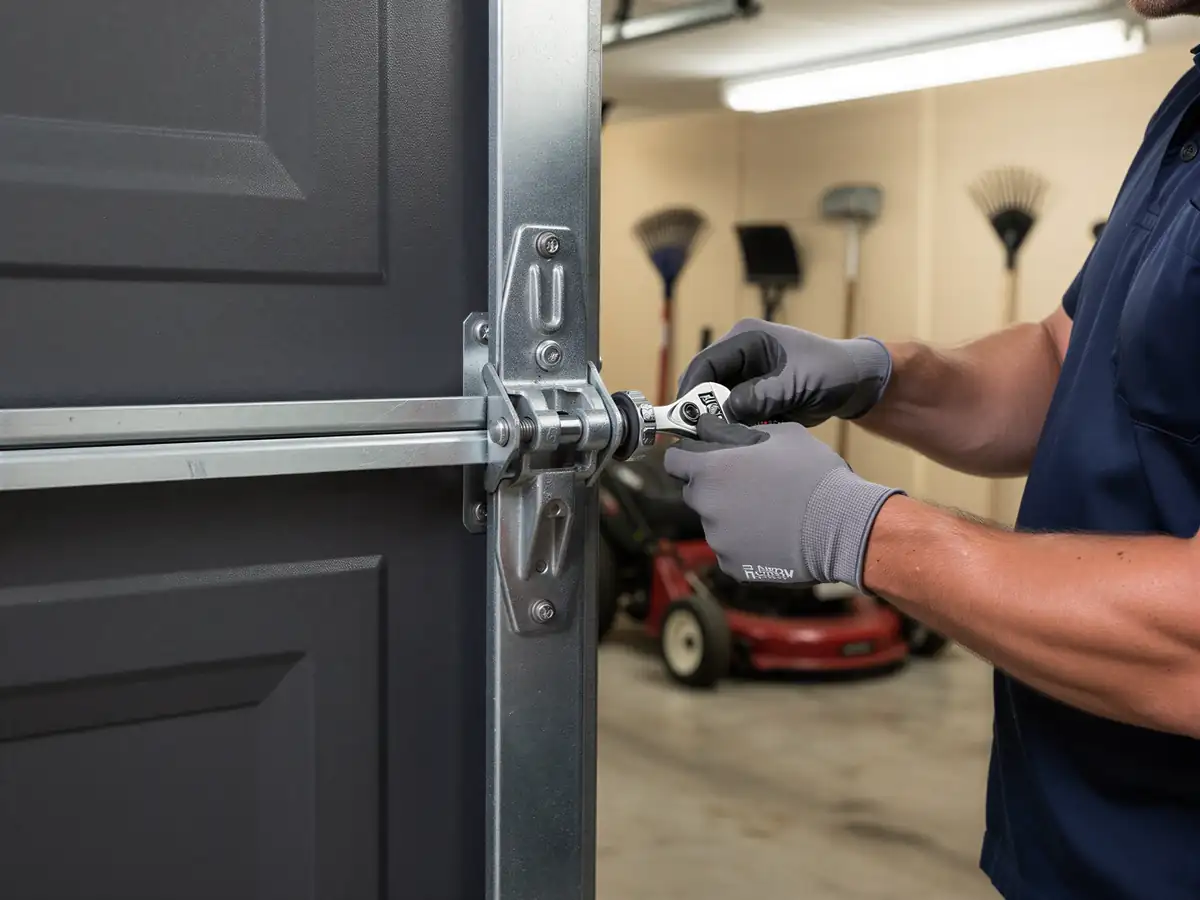
Getting the door back on track starts with releasing tension safely - disconnecting the opener and supporting the door by hand or clamp before anything else moves. From there it's inspection: roller condition, bracket tightness, track alignment checked with a level along both rails, and a look at the cables and drums at the top. If it's a roller or a loose bracket, that part gets replaced or re-torqued and the door gets run through a full cycle to confirm it tracks straight. If the rail itself is bent, that section comes off and gets swapped rather than hammered back into shape - a straightened rail rarely holds true for long, and we won't leave a patch job behind that fails again in six months. Last step either way is resetting the opener's travel limits and force settings, since those get thrown off any time a door's been dragging against a misaligned track.