Parts We Carry
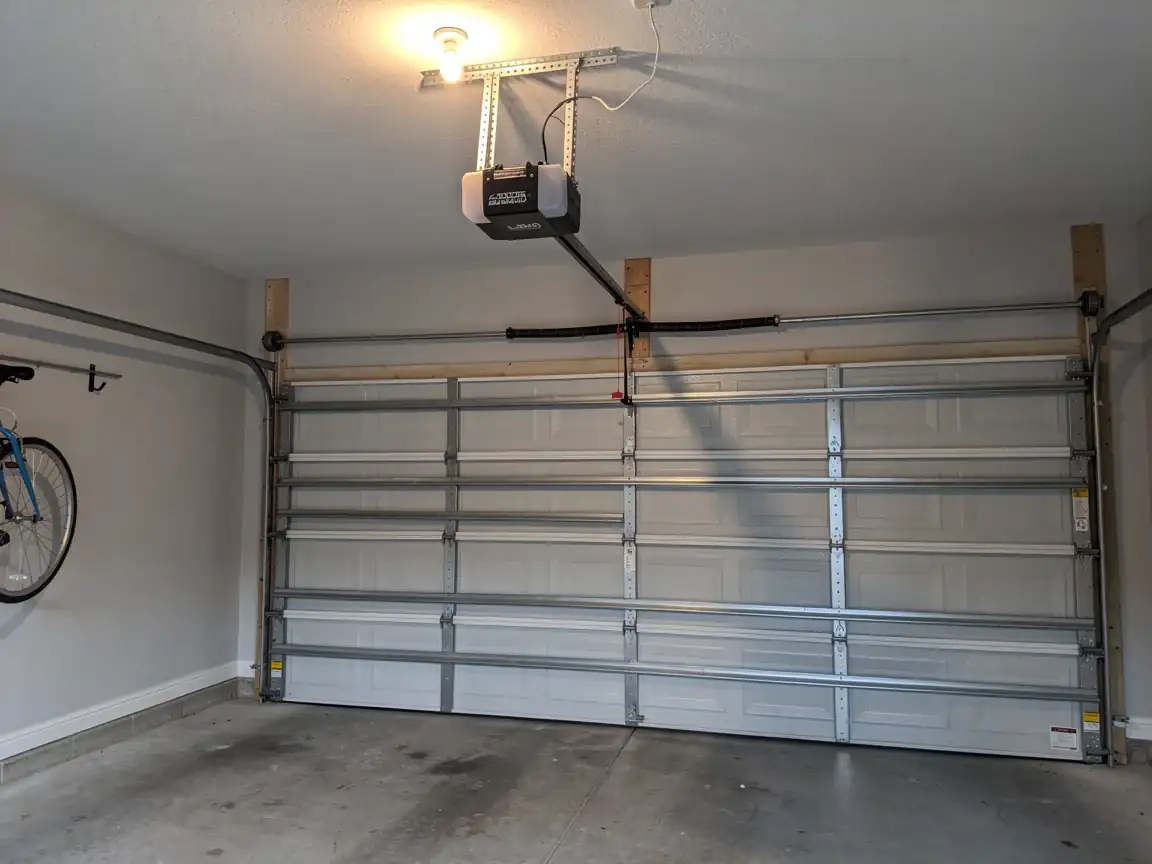
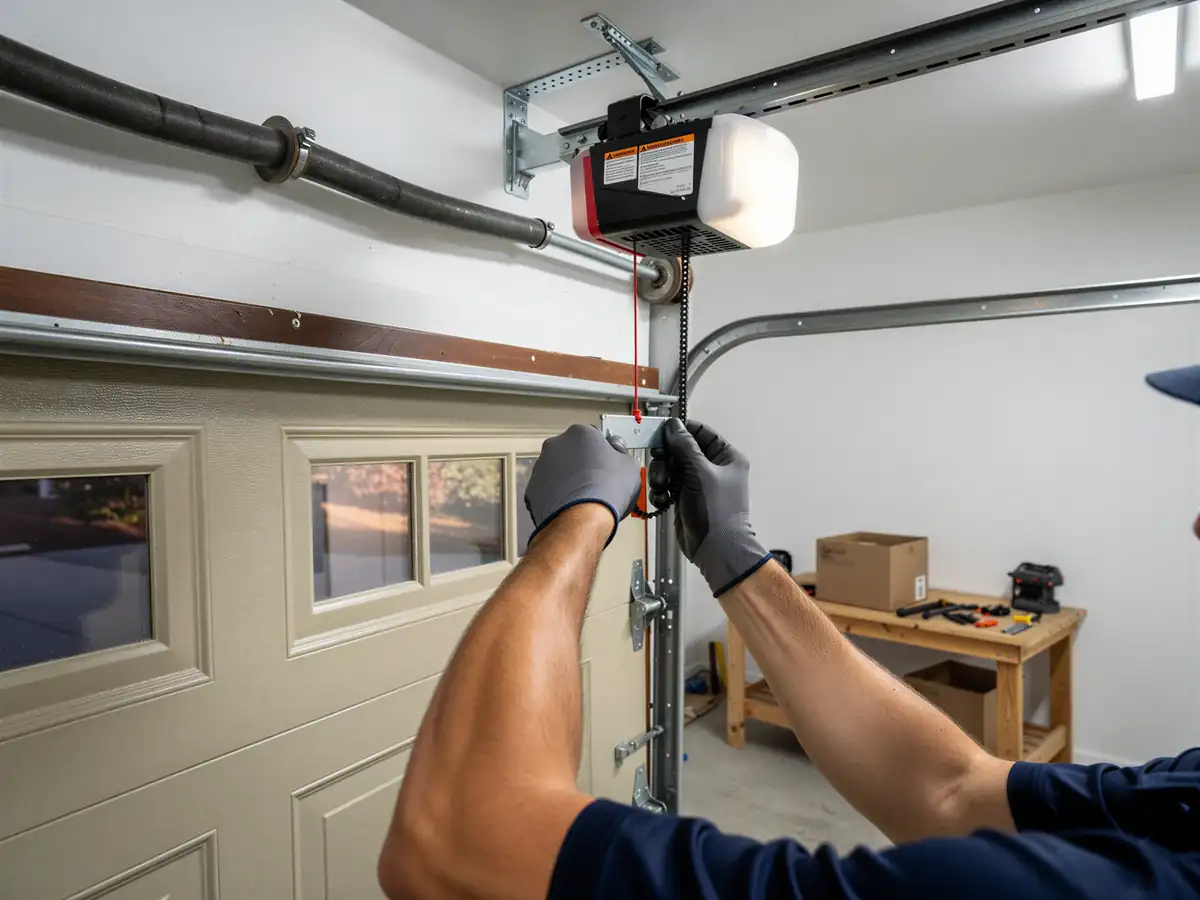
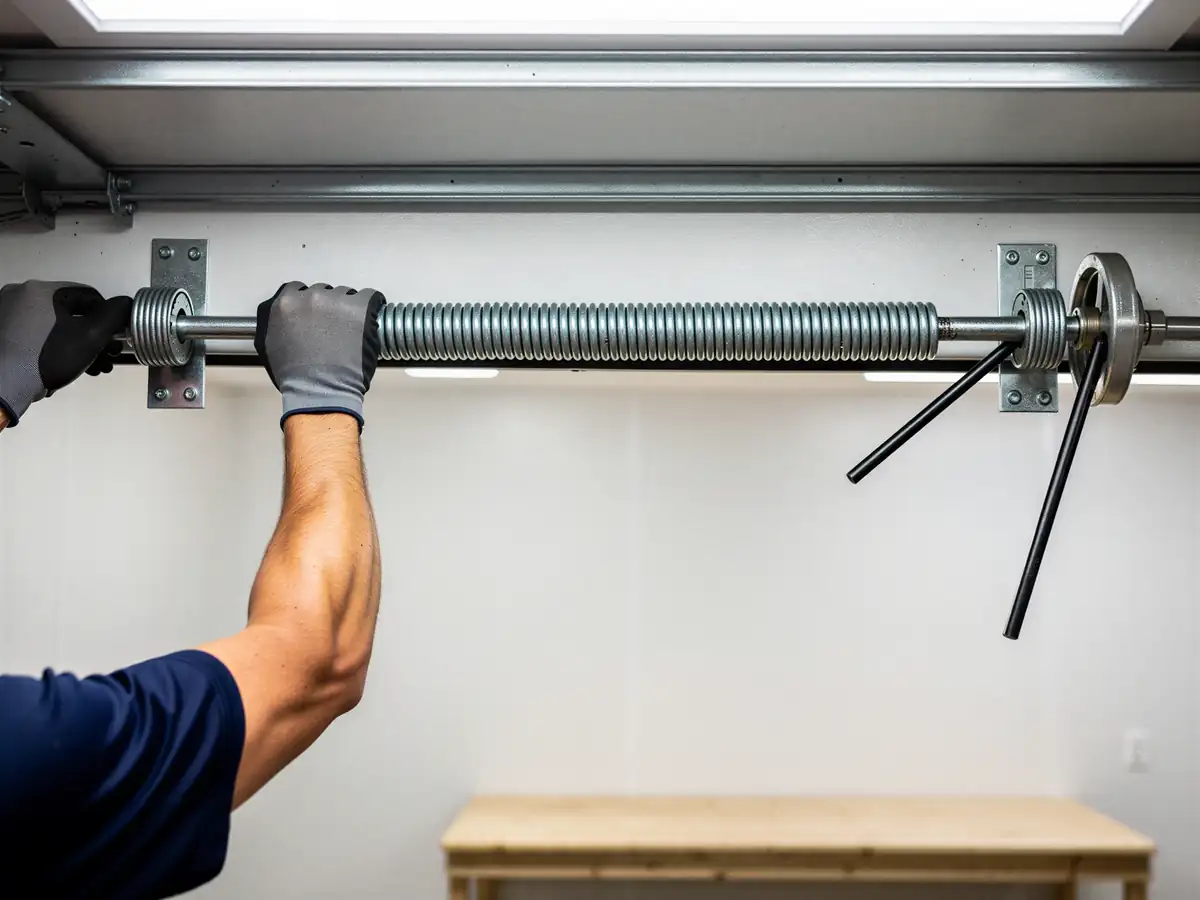
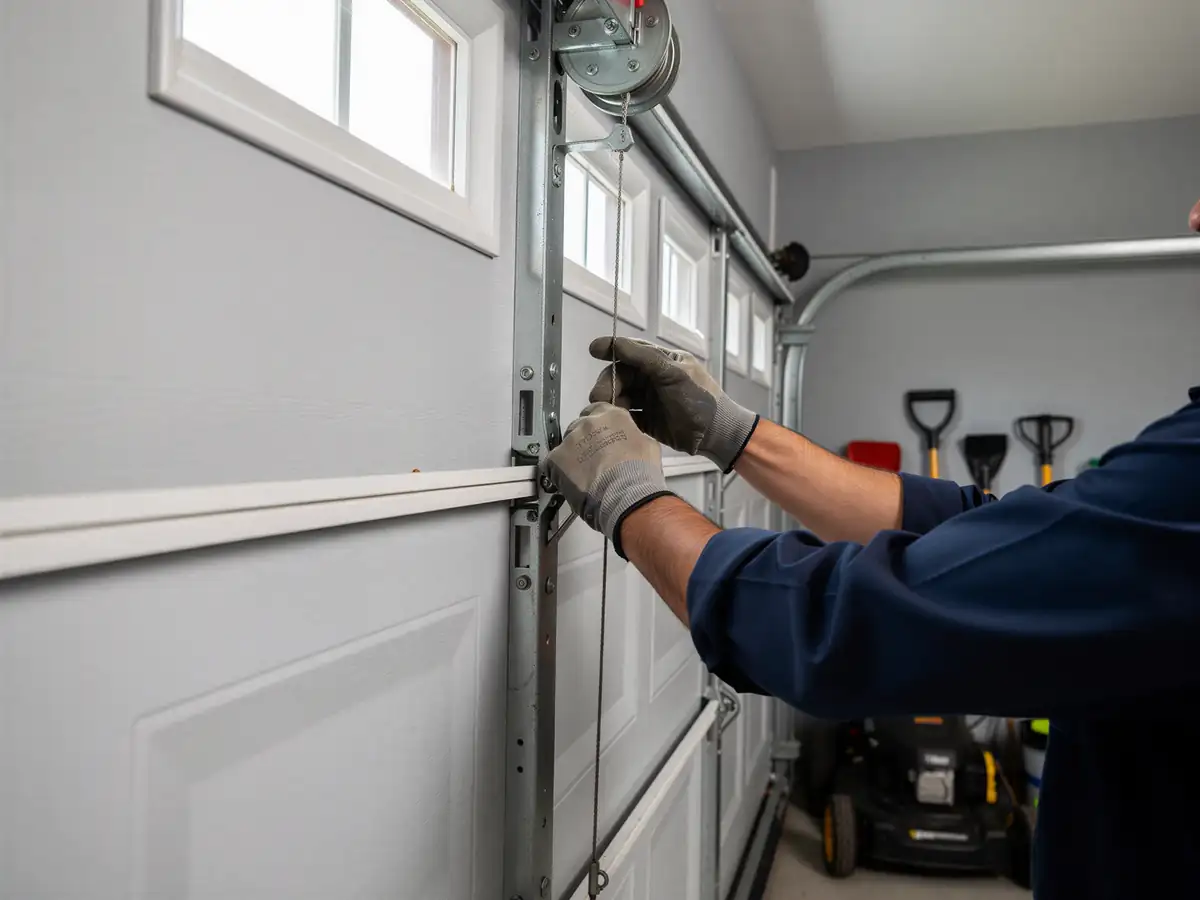
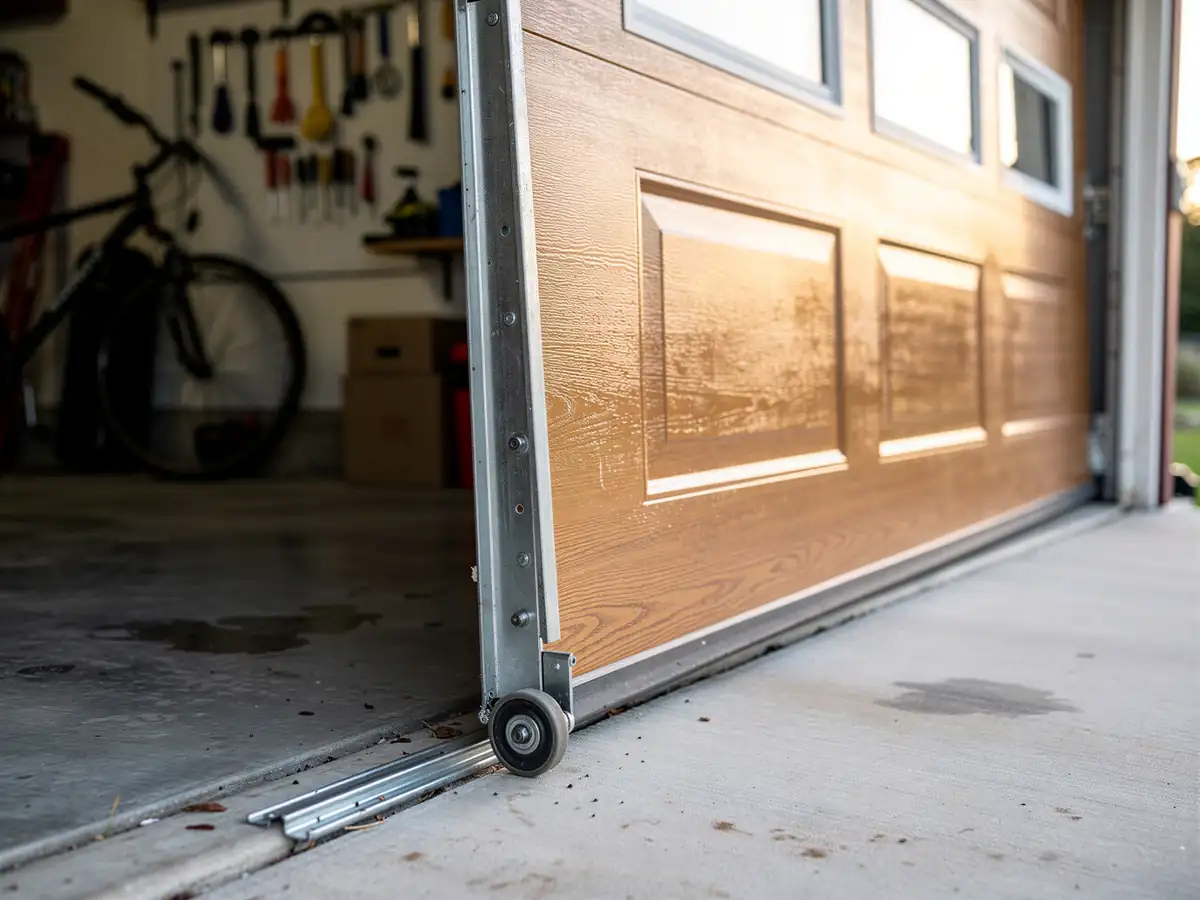
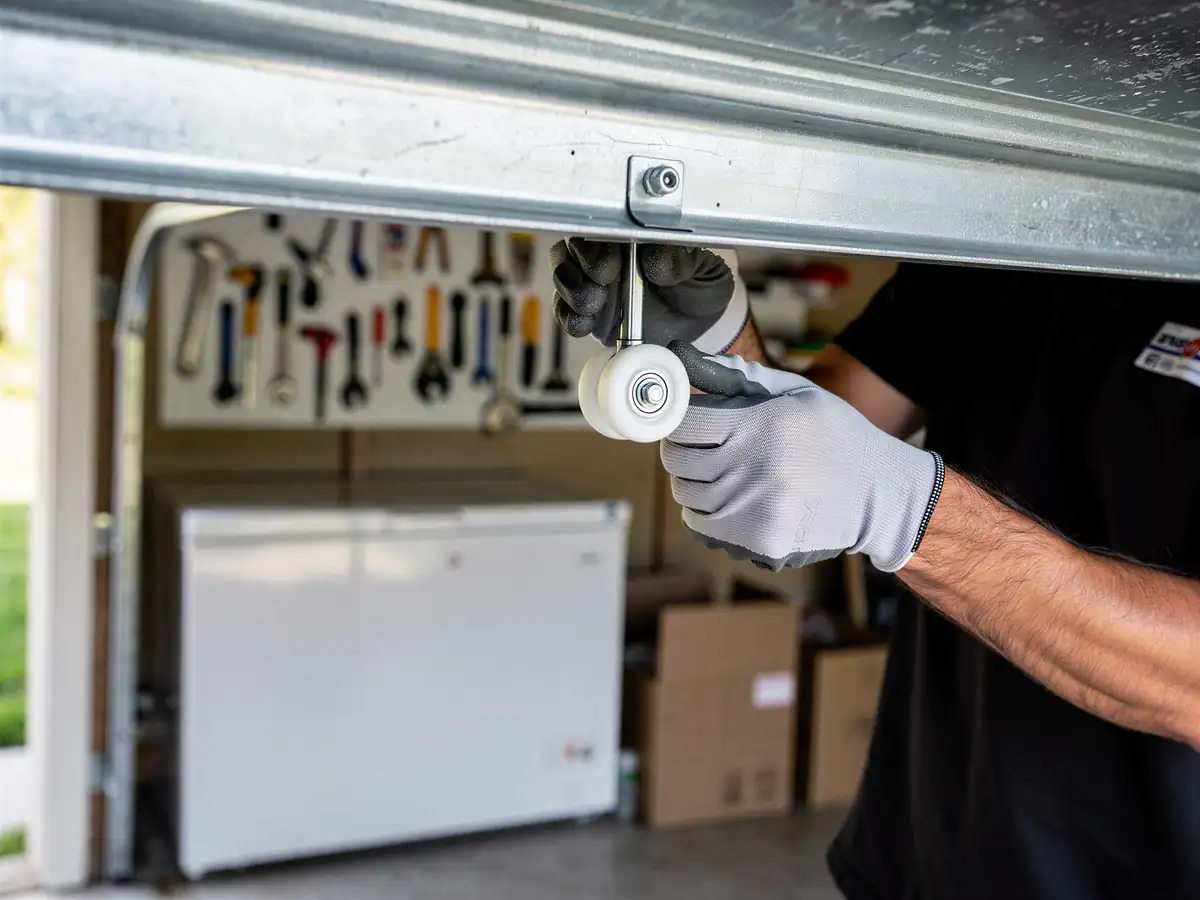
Most of our calls are for torsion springs, lift cables, rollers, and openers - the parts that actually fail, not the parts people assume fail. Burlington's housing mostly went up between 1970 and 2004, with the median build year sitting around 1985, so a lot of the doors we touch still have their original torsion hardware or a first-generation replacement opener from the 1990s. We stock standard torsion springs sized for the single and double doors common to that era, along with galvanized lift cables, nylon and steel rollers, and drums. We carry openers that fit the older 1/3 HP chain-drive units builders put in during that stretch, plus current belt and screw-drive units for anyone upgrading. What we don't keep on the truck is anything custom - oversized commercial doors or specialty glass-panel units need an order, and we'll tell you that up front instead of guessing at a fix.
For the 16,594 owner-occupied houses across this service area, that late-70s-through-mid-2000s build window means a fairly narrow range of door widths, track styles, and spring sizes, which is why we can usually have the right part in the truck rather than waiting on a supplier run.
What Causes It Around Here
Burlington sits in a cold-moderate climate band, which matters more to a garage door than people expect. Steel contracts in cold air, and a torsion spring that's already near the end of its rated cycle count loses flexibility exactly when the morning temperature drops - that's why so many of our winter calls are a spring that let go on a cold start rather than mid-afternoon.
Age is the other half of it. With most homes across Burlington's 18 named areas built between 1970 and 2004, and the bulk of that stock dating to the 1980s and '90s, a huge share of doors in this area are running on original or first-replacement hardware. A torsion spring rated for 10,000 cycles doesn't care how well the door looks - if it went in with the house in 1985, it's due. Openers from that same construction wave are hitting the point where circuit boards and logic boards are harder to source, which pushes more of those calls toward opener replacement instead of a quick fix.
We don't see much damage from storm impact here - it's wear, cold mornings, and age catching up with hardware that was never meant to last forever.
What the Repair Takes
A broken torsion spring on a standard double door is usually a same-visit job
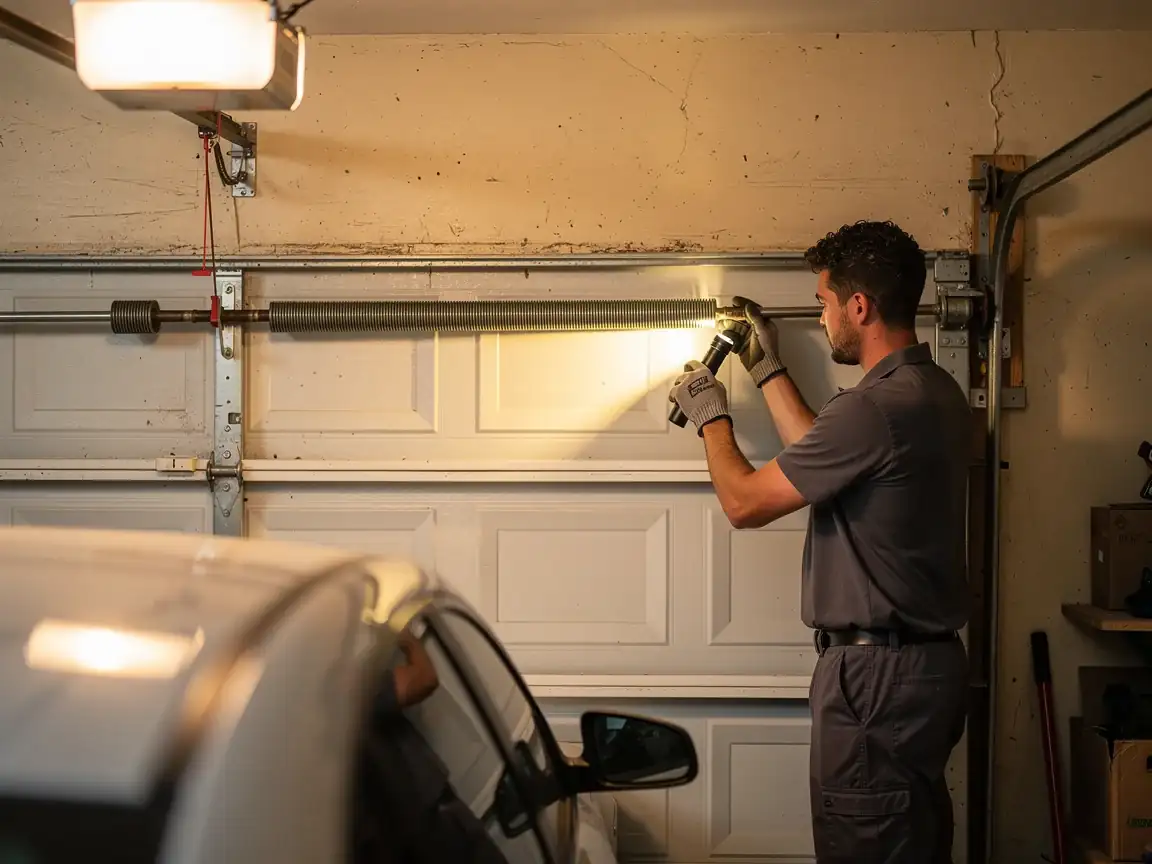
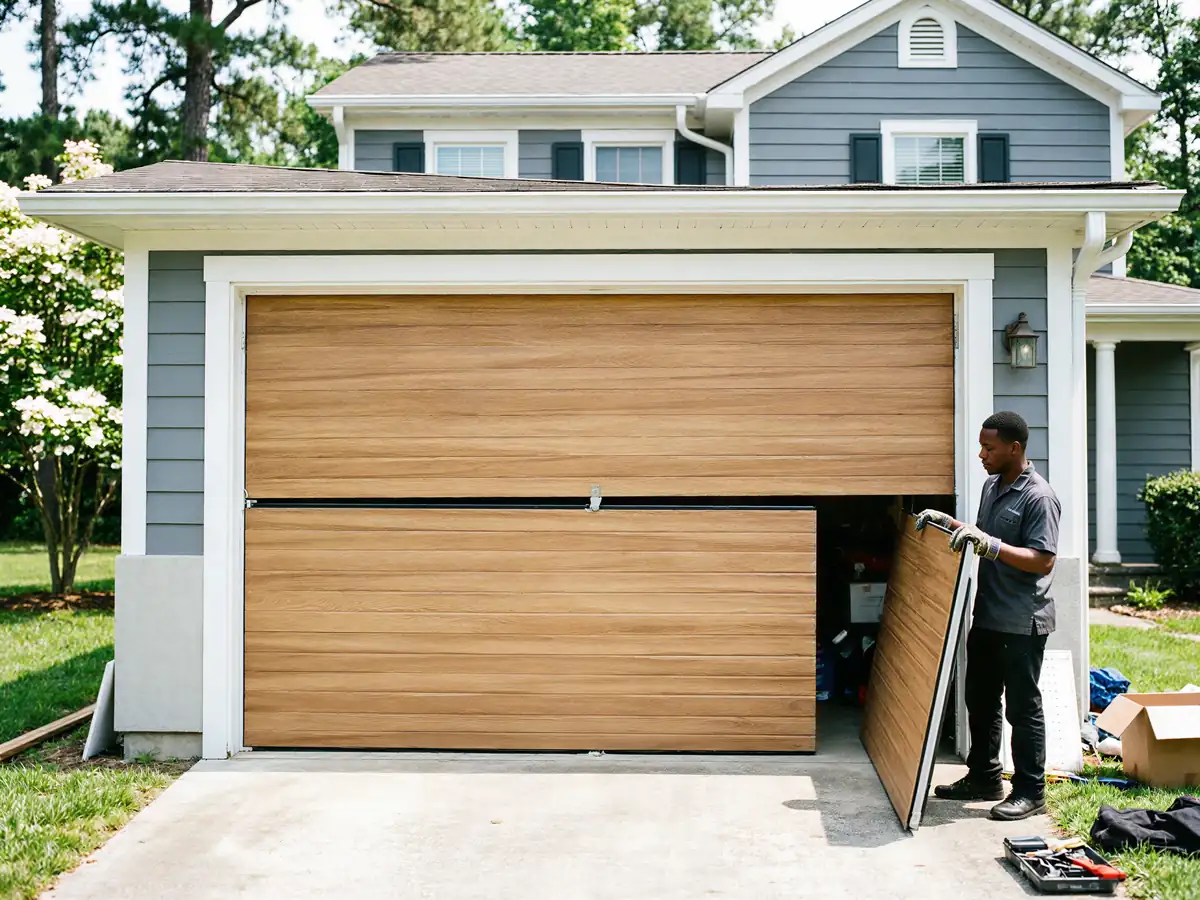
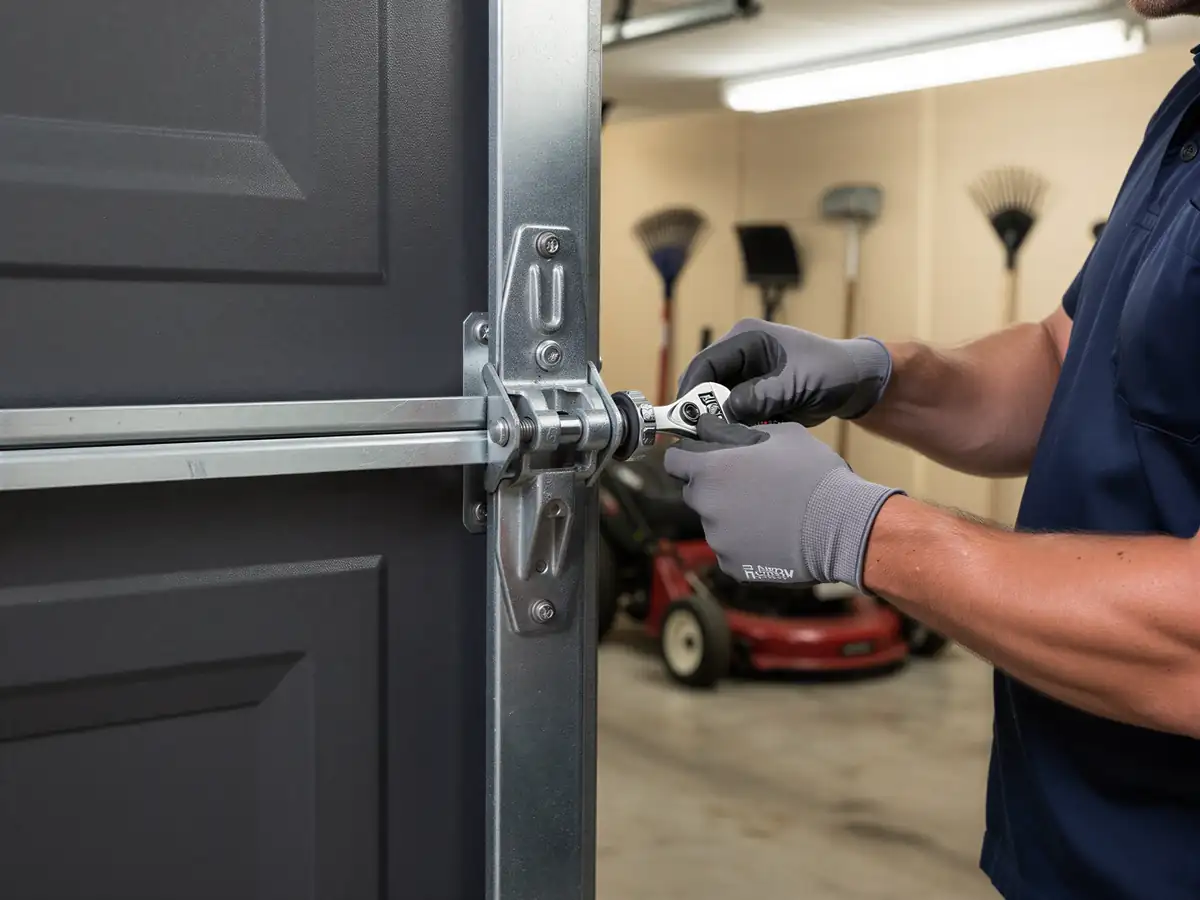
We measure the drum, wire size, and wind, source the matching spring off the truck, and reset the door's balance before we leave. Cable jobs run the same way - cut cable off the drum, new cable measured and installed, door tested under load.
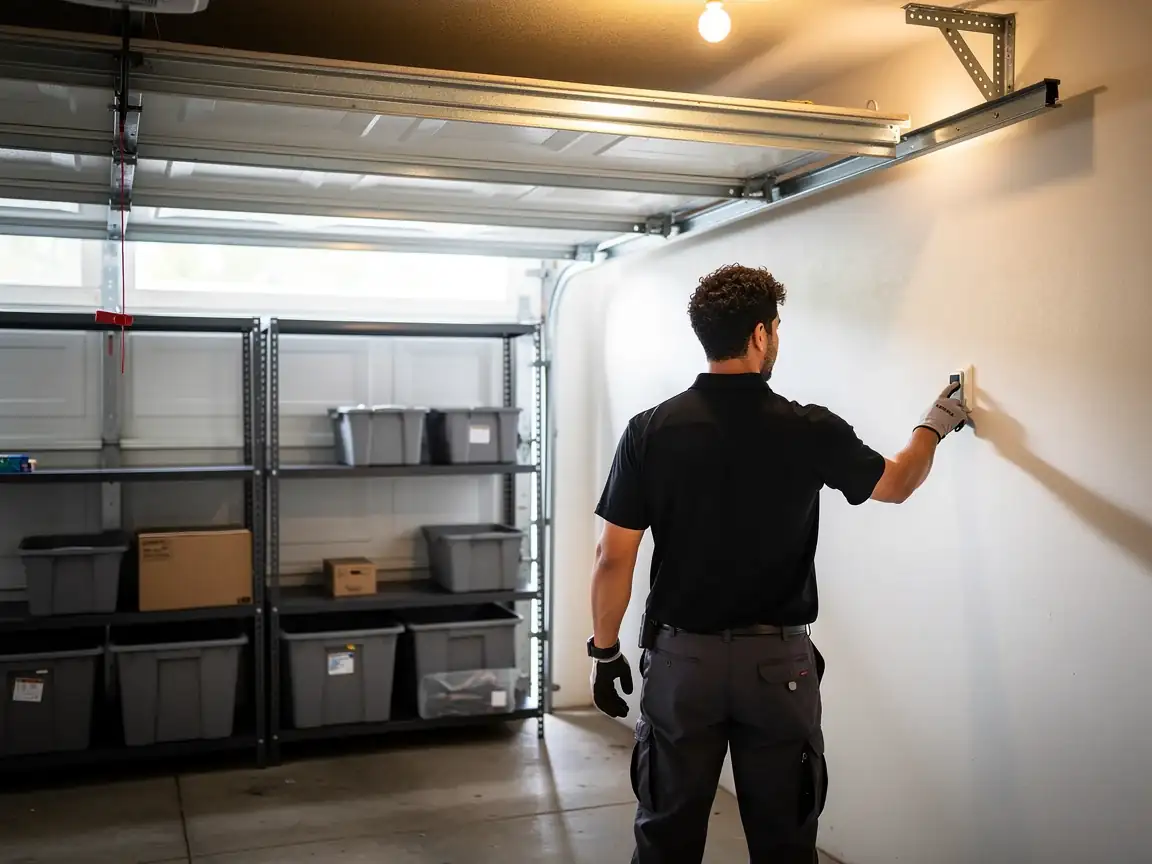
Opener work takes longer to diagnose than to fix in most cases
If the unit is from the 1980s-90s construction wave common across this area, we check whether it's a board failure, a stripped gear, or a dying capacitor before we talk replacement. Here's the honest limitation: if your opener is old enough that the manufacturer has discontinued the control board, we're not going to chase a part that doesn't exist anymore - we'll tell you straight that replacement is the better call rather than quote you a repair we can't actually deliver.
For anything outside standard residential doors
Commercial, custom, oversized - expect a return trip once the part's ordered, since that's not truck stock.
What You Are Seeing
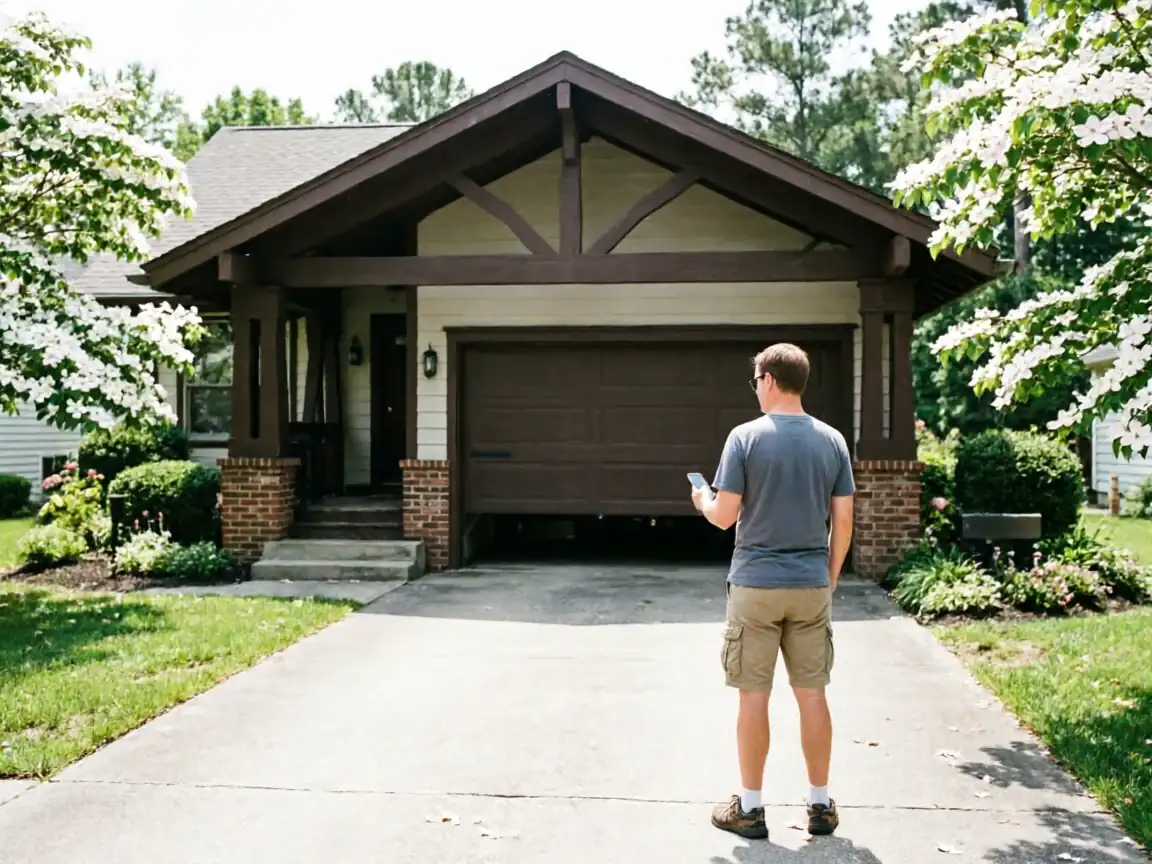
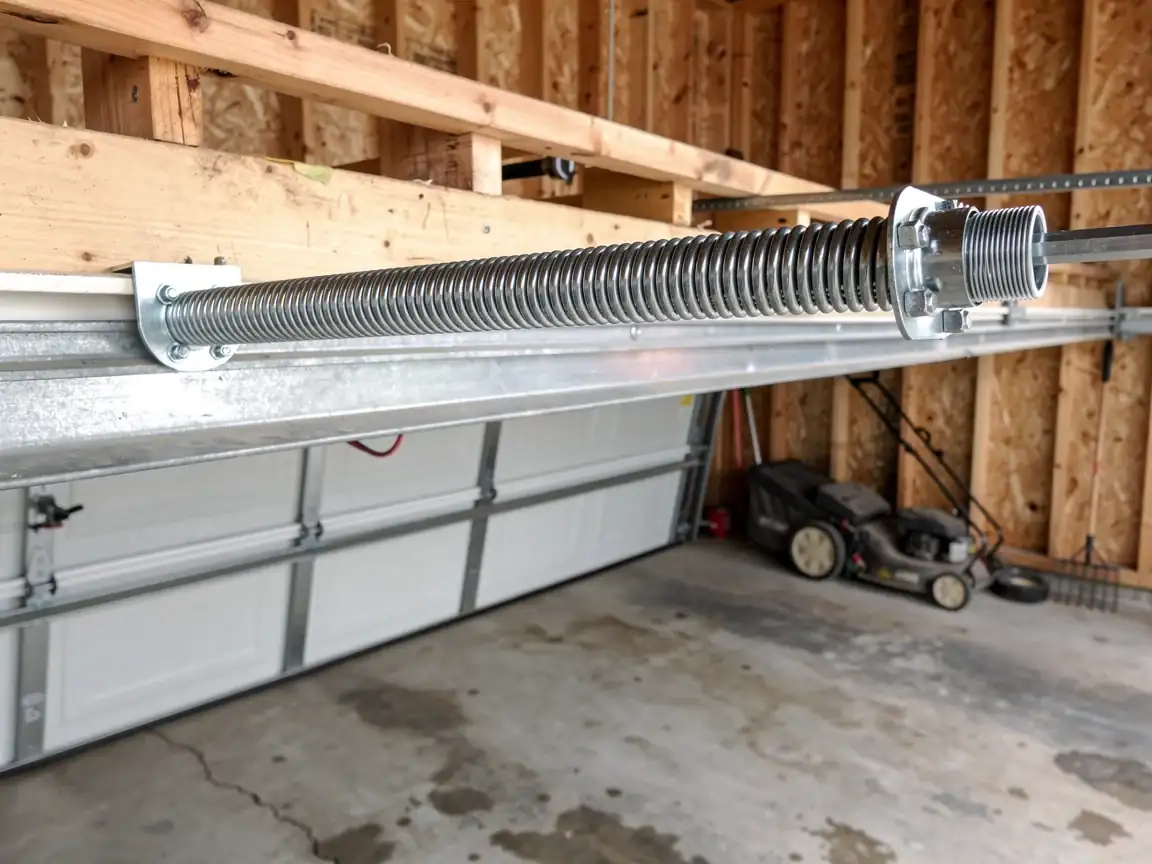
A door that won't budge and a spring with a visible gap in the coil is the classic torsion spring failure - usually happens first thing in the morning when the metal's coldest and least forgiving. If the door comes down fine but won't go up, or only goes up partway and reverses, that's often a broken cable or a spring that's lost tension, not the opener.
Grinding, clicking, or a motor that runs but the door doesn't move is almost always a gear or belt issue inside an aging opener - common on units that came with houses built in the 1980s and '90s across this area. A door that's gone crooked, hanging lower on one side, points to a snapped cable or a broken roller bracket rather than the spring.
If you're hearing a loud bang from the garage and the door won't move afterward, that's a spring letting go - don't try to open it manually until it's been looked at, since a wound spring under tension is the most dangerous part of the whole mechanism.