Can You Do This Yourself
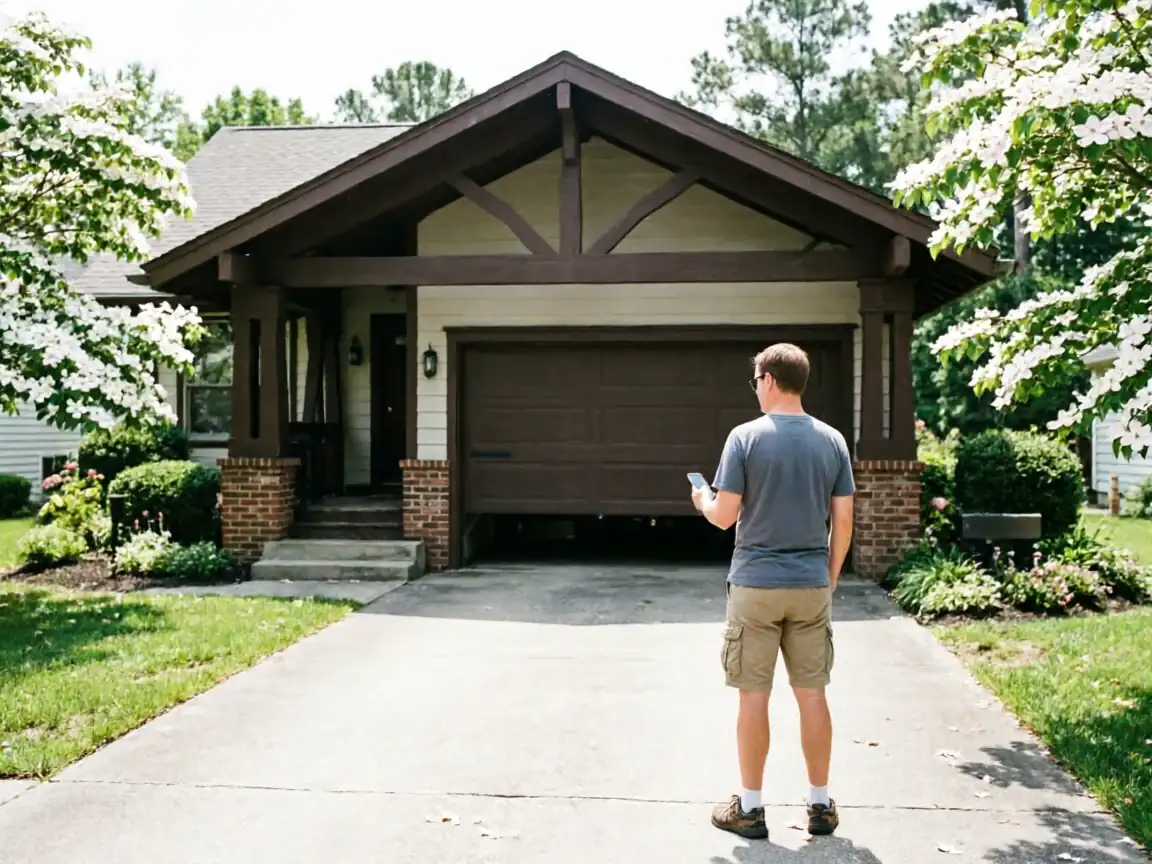
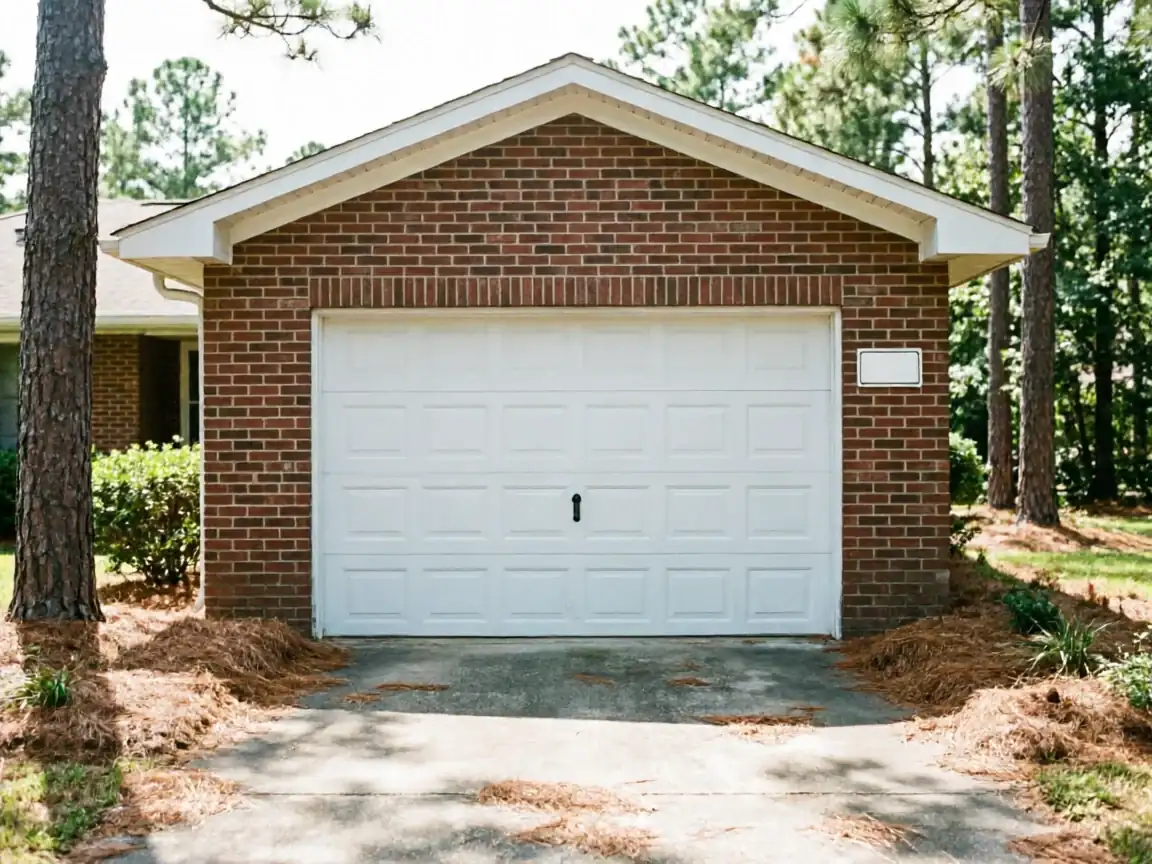
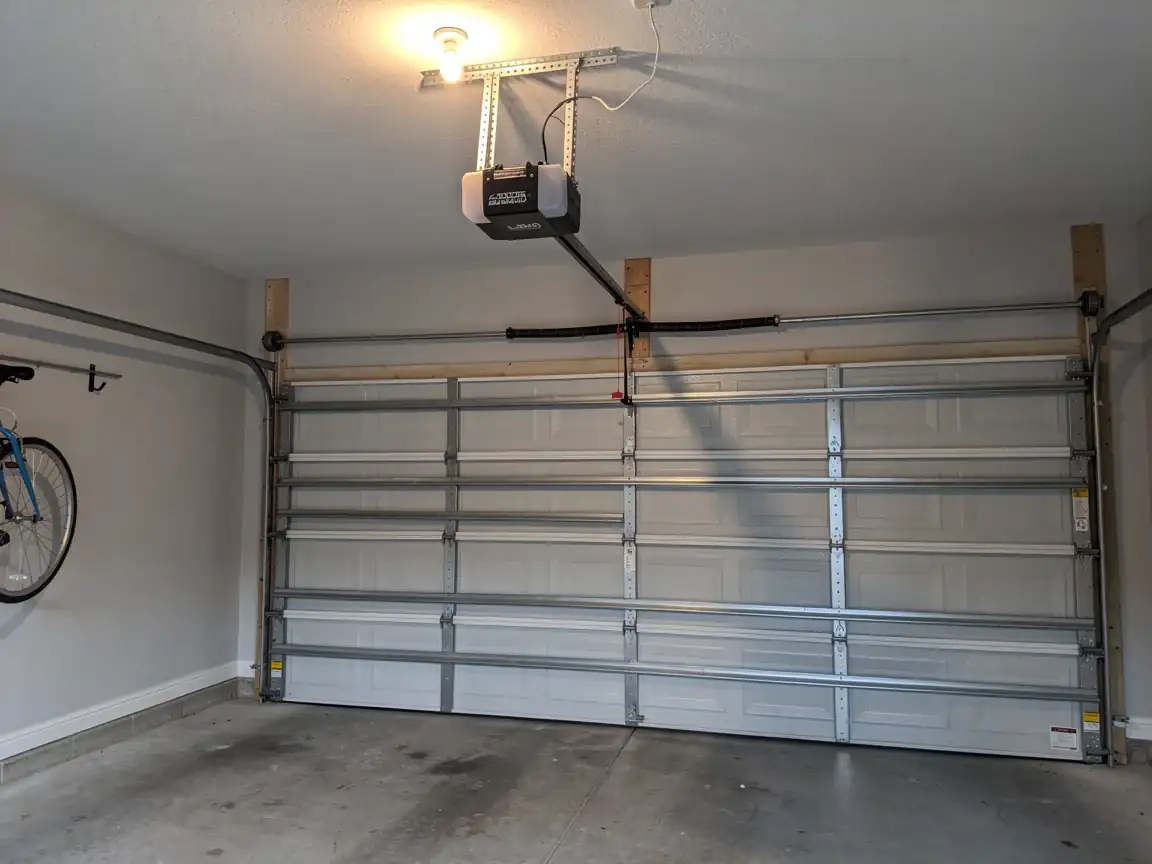
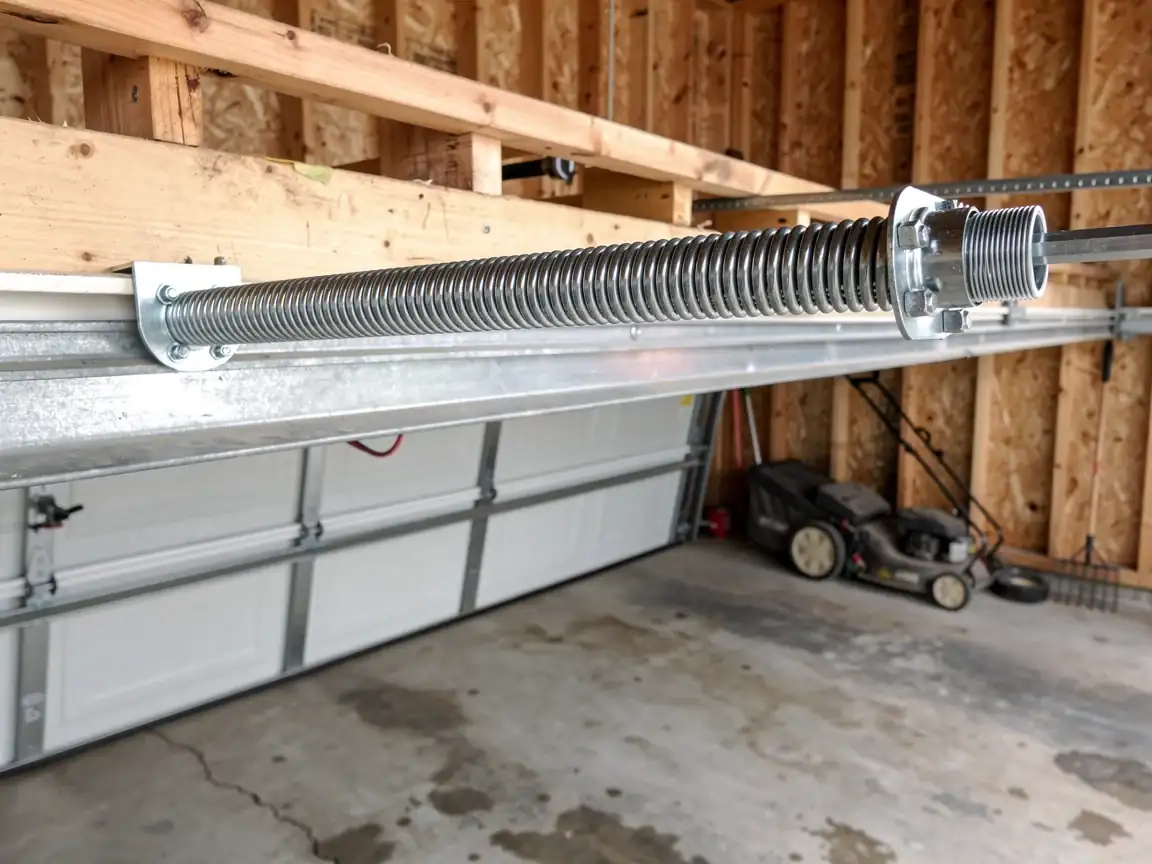
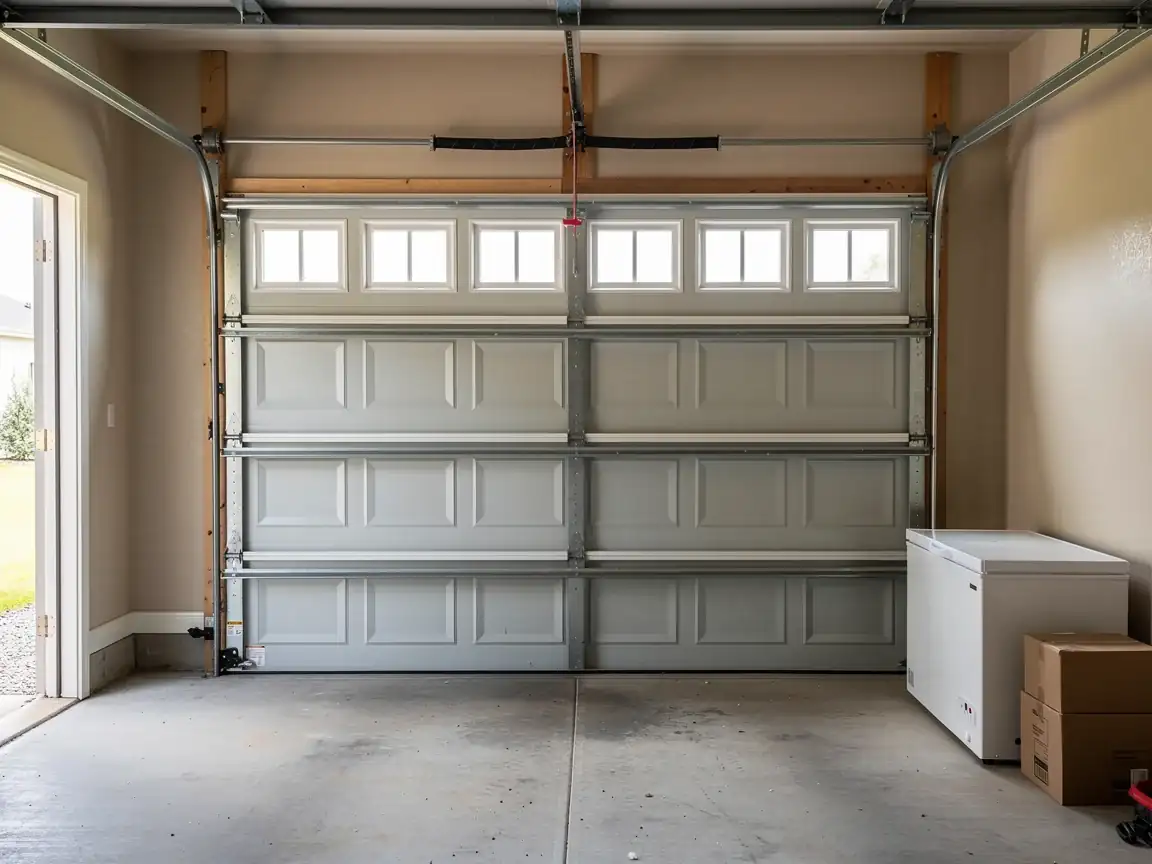
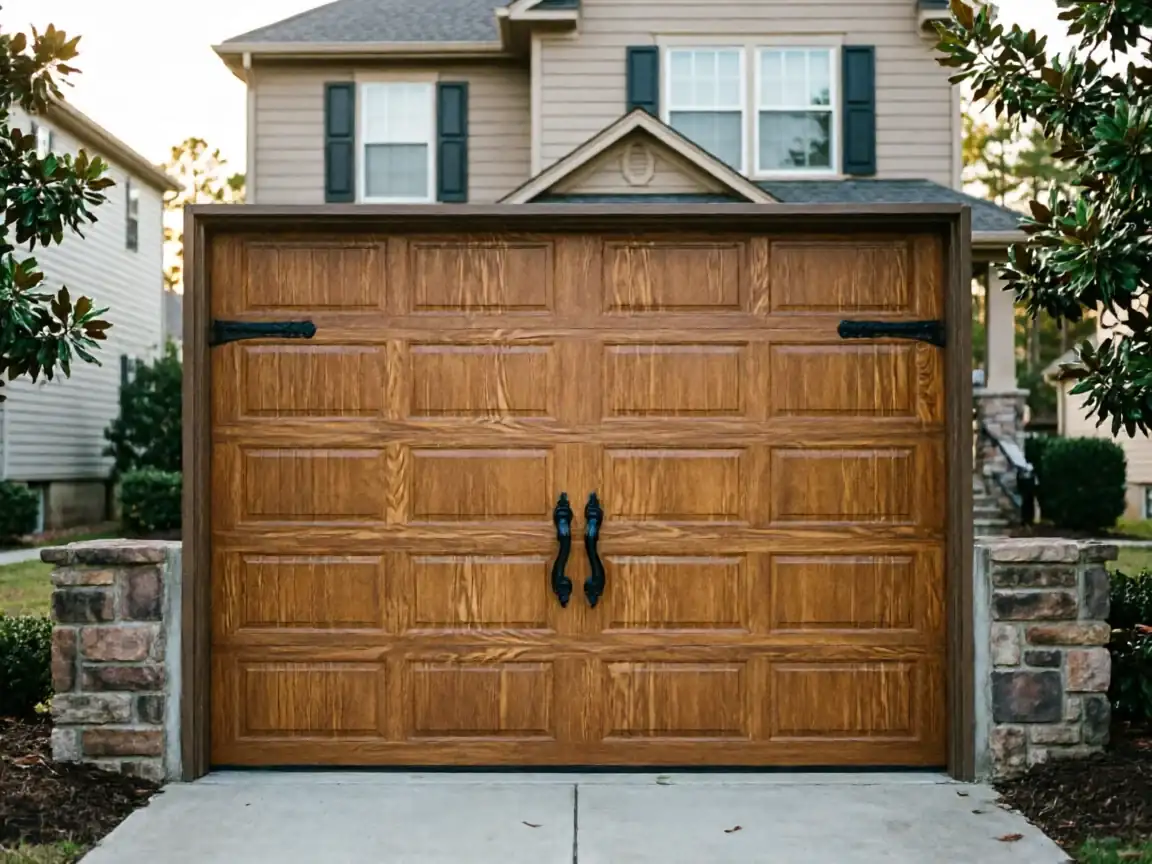
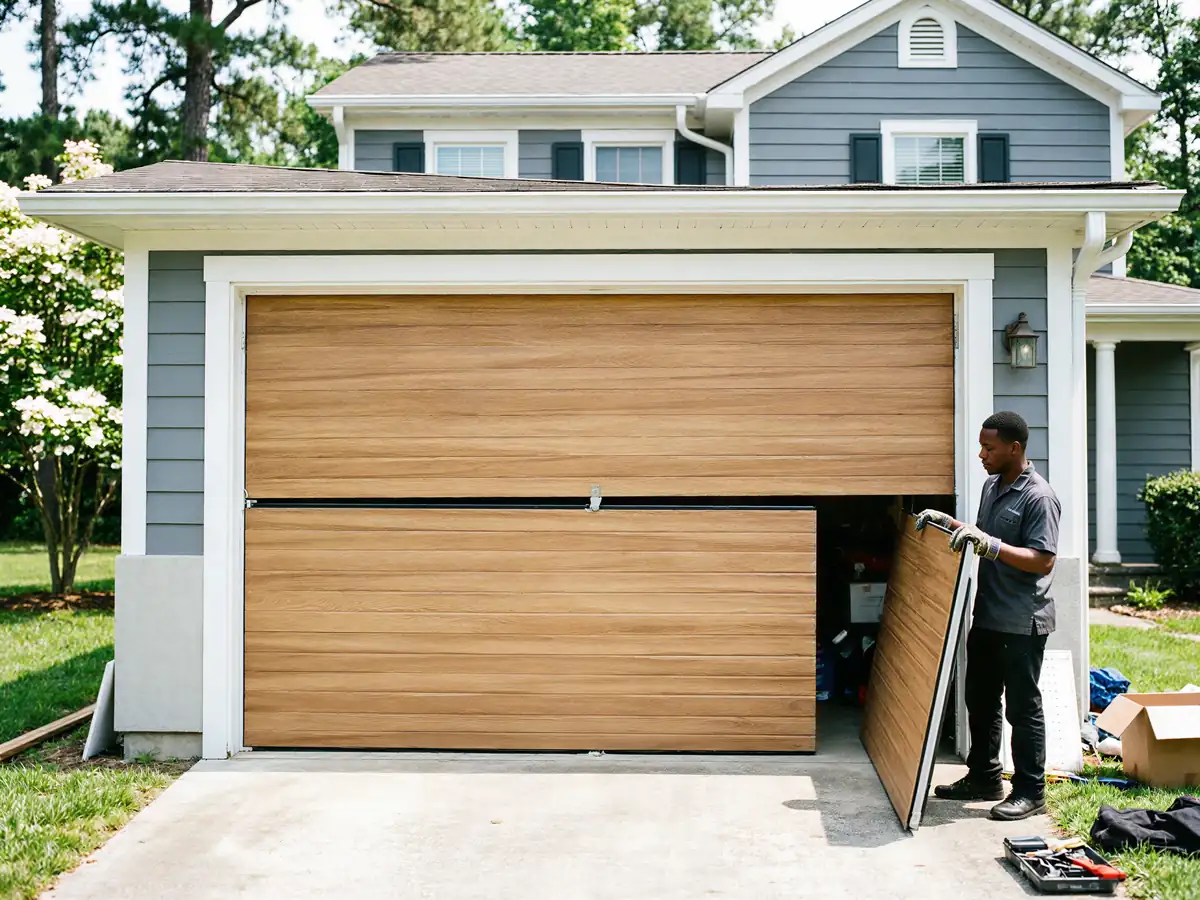
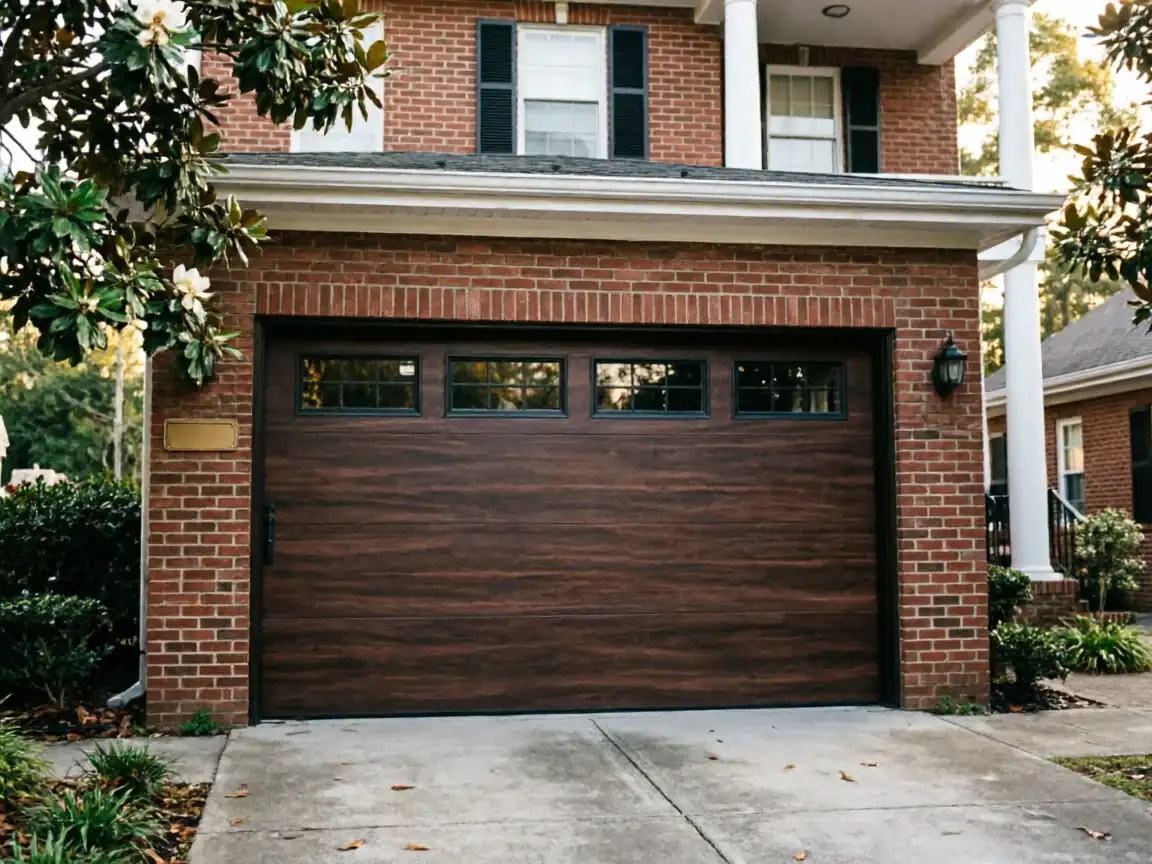
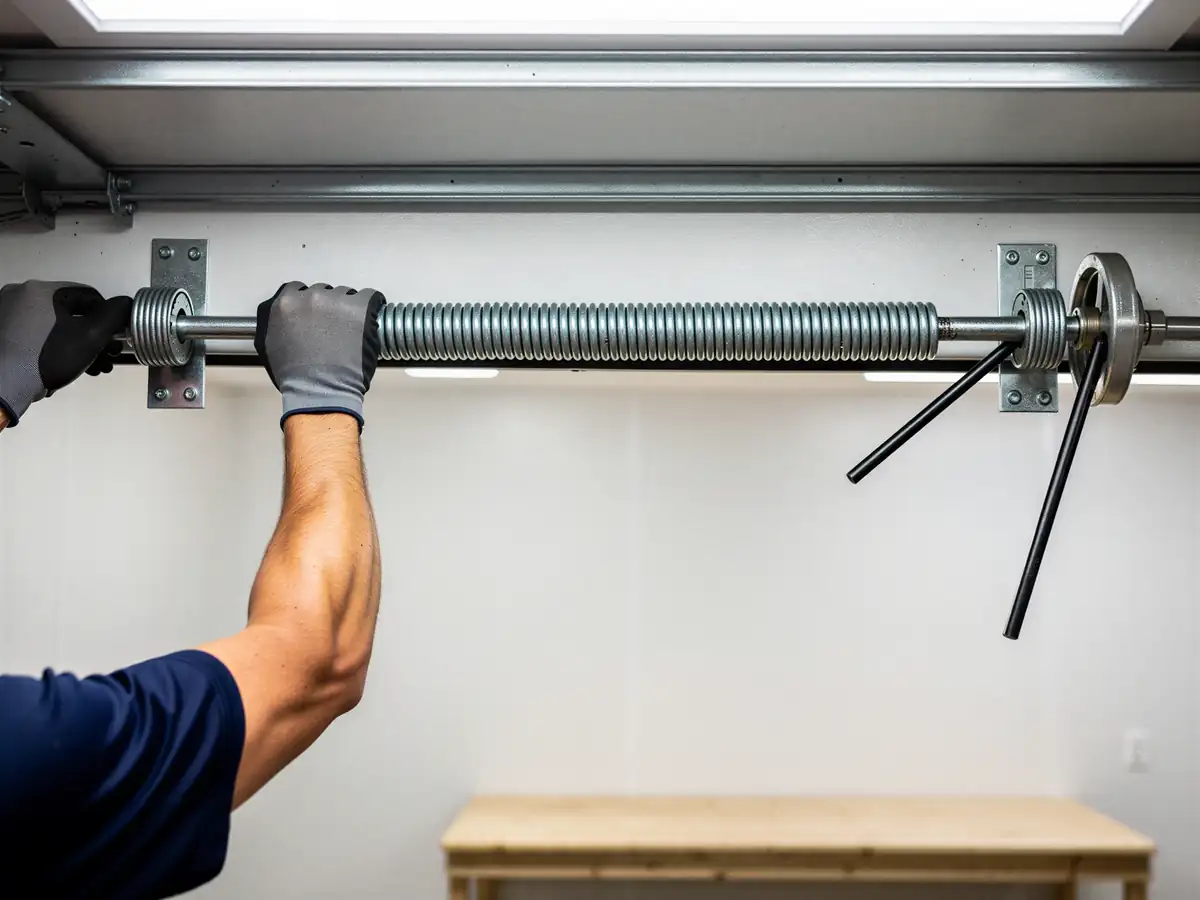
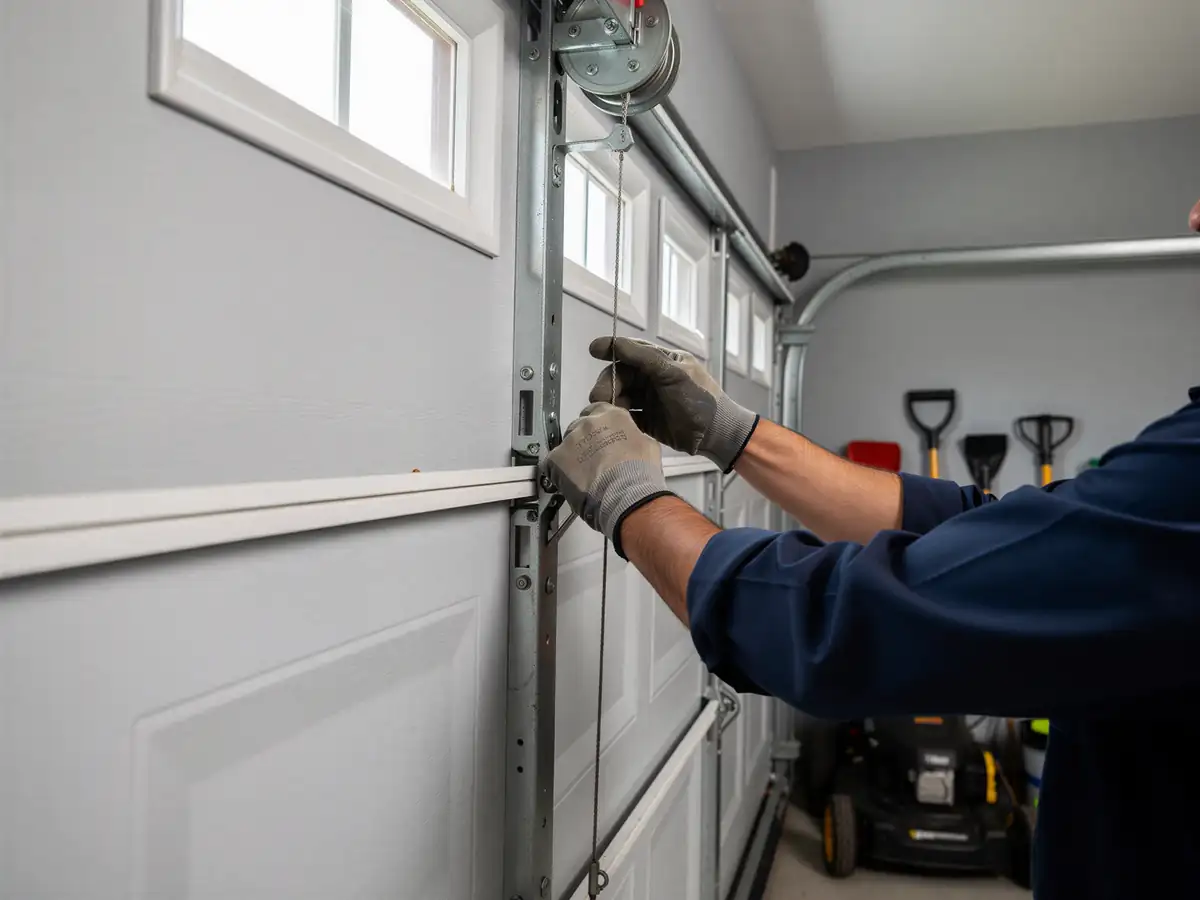
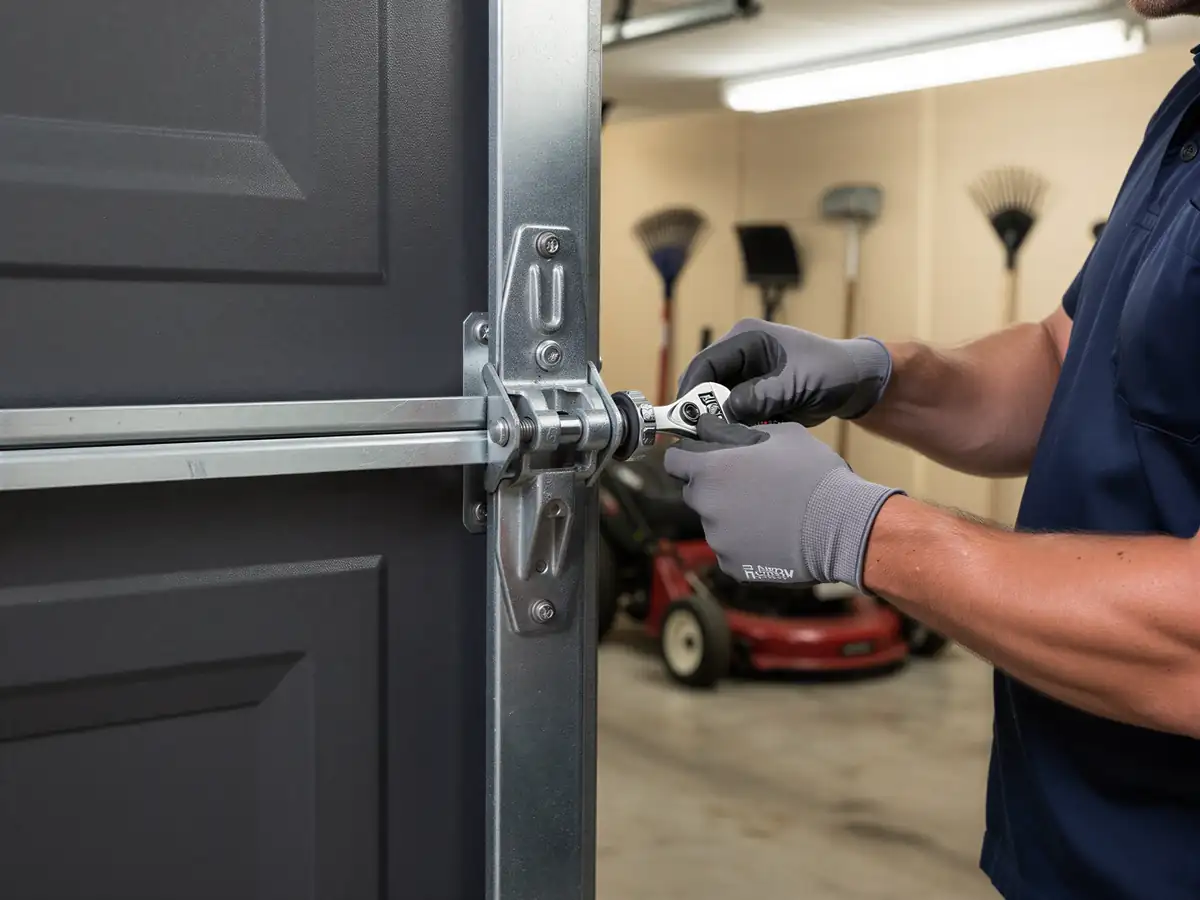
Swepsonville's median year built sits around 2004, which means most doors here are factory steel sectional units on standard torsion hardware, not the older wood or fiberglass panels you'll find closer to the center of Burlington. That matters for what you can safely tackle. A loose track bolt or a sensor knocked out of alignment is something most owners can handle with a screwdriver and ten minutes. A torsion spring is not. Even on a newer door, the spring is wound under enough tension to break a hand or a face if it lets go while you're working on it. Cables under tension are the same story. If the opener is clicking but the door won't move, or the door reverses before it touches the floor, that's a job for someone who does this daily, not a Saturday project. We won't talk you out of the simple stuff. We will tell you plainly when a job needs a second set of hands and the right bar.
What Can Go Wrong
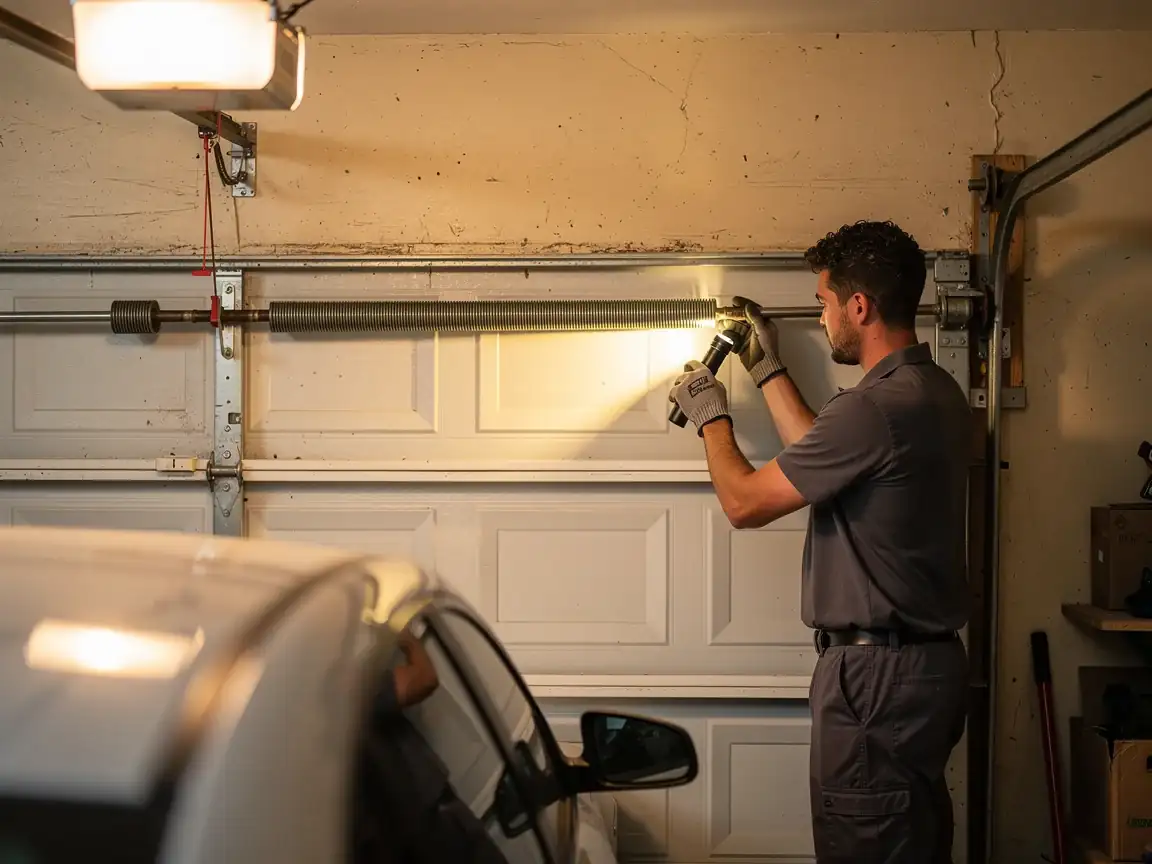
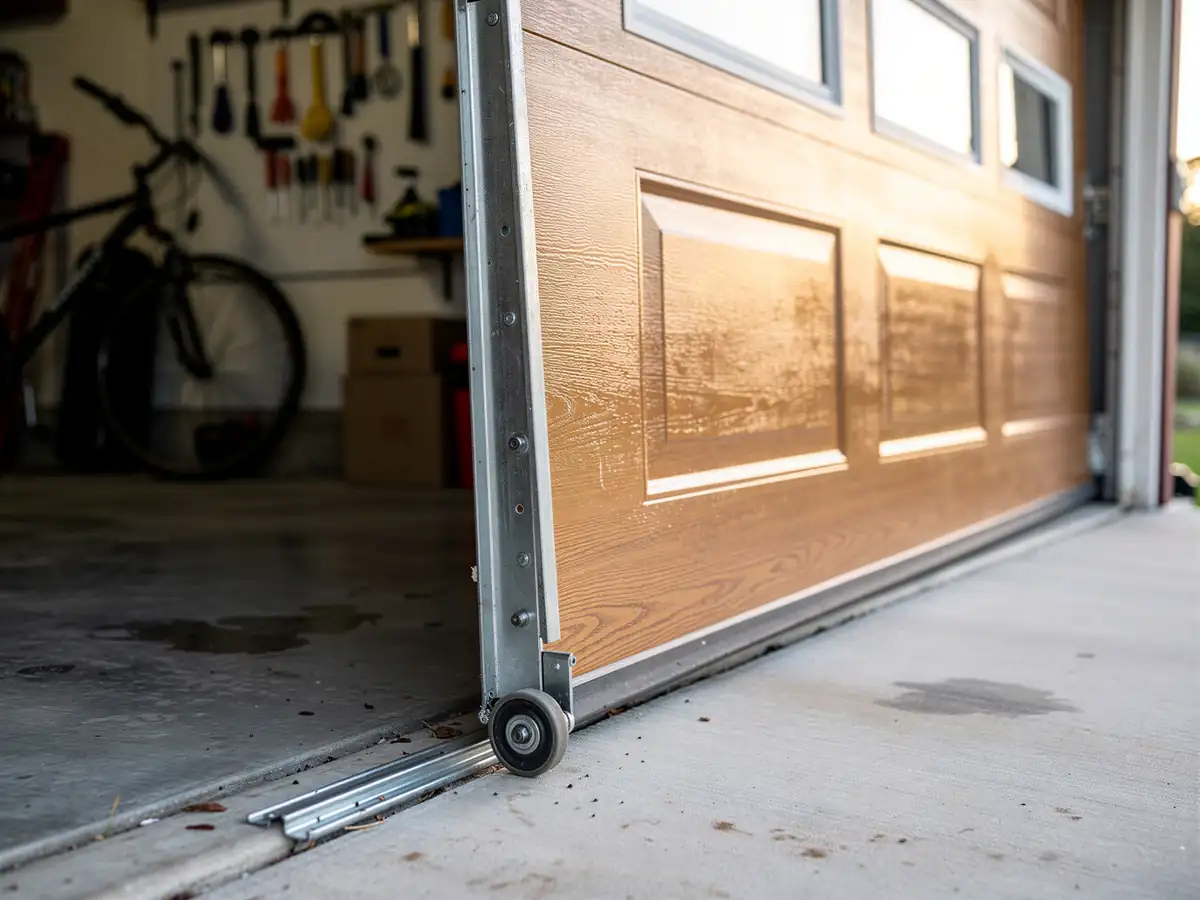
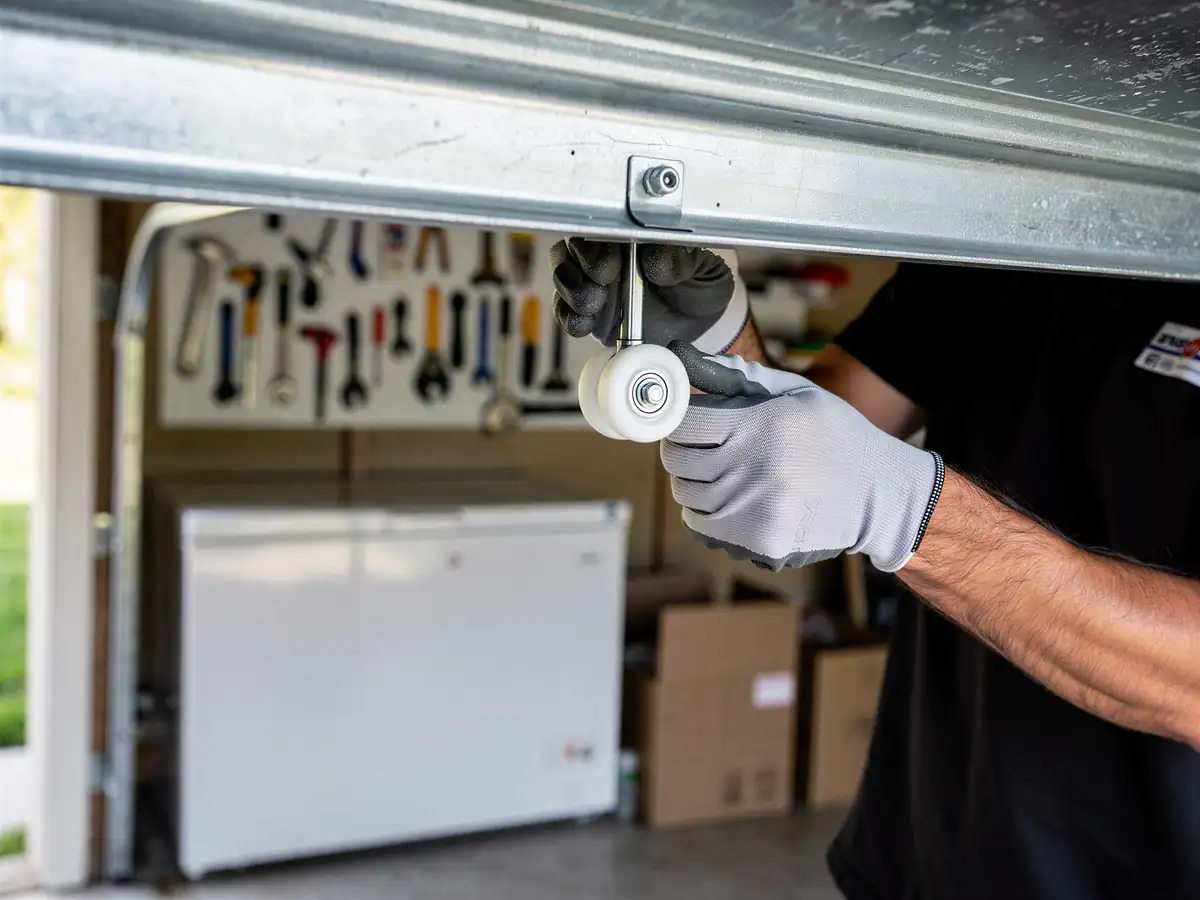
Doors built in the 2004 era are old enough now that the original torsion spring is nearing or past its rated cycle count, even though the door itself still looks newer than what you'd find in older parts of the service area. That's usually the first failure: a spring that snaps on a cold morning because the metal's fatigued, not because anything was done wrong. Rollers on doors this age are often still the stock nylon ones, which wear and start binding in the track rather than rolling smooth. Openers from the same build window are frequently reaching the end of their circuit board life, so a dead opener alongside an aging spring isn't a coincidence, it's the same clock running on two parts. Weatherstripping along the bottom panel also degrades faster here given the area's cold-moderate winters, letting in drafts that aren't a safety issue but are an energy one.
What It Costs
We don't have a published price list specific to this job to quote you here, and giving a number without seeing the door and spring size would be a guess, not a quote. What we can tell you is that Swepsonville's household income, around $94,028, runs well above the wider service area median of $67,366, and we've found that doesn't change what a spring or opener costs to fix - parts and labor are the same whether the house is older or newer. The age of the door matters more for cost than the town does: a 2004-era steel sectional with standard hardware is usually a more straightforward, less expensive repair than something built with obsolete parts decades earlier.
What the Repair Takes
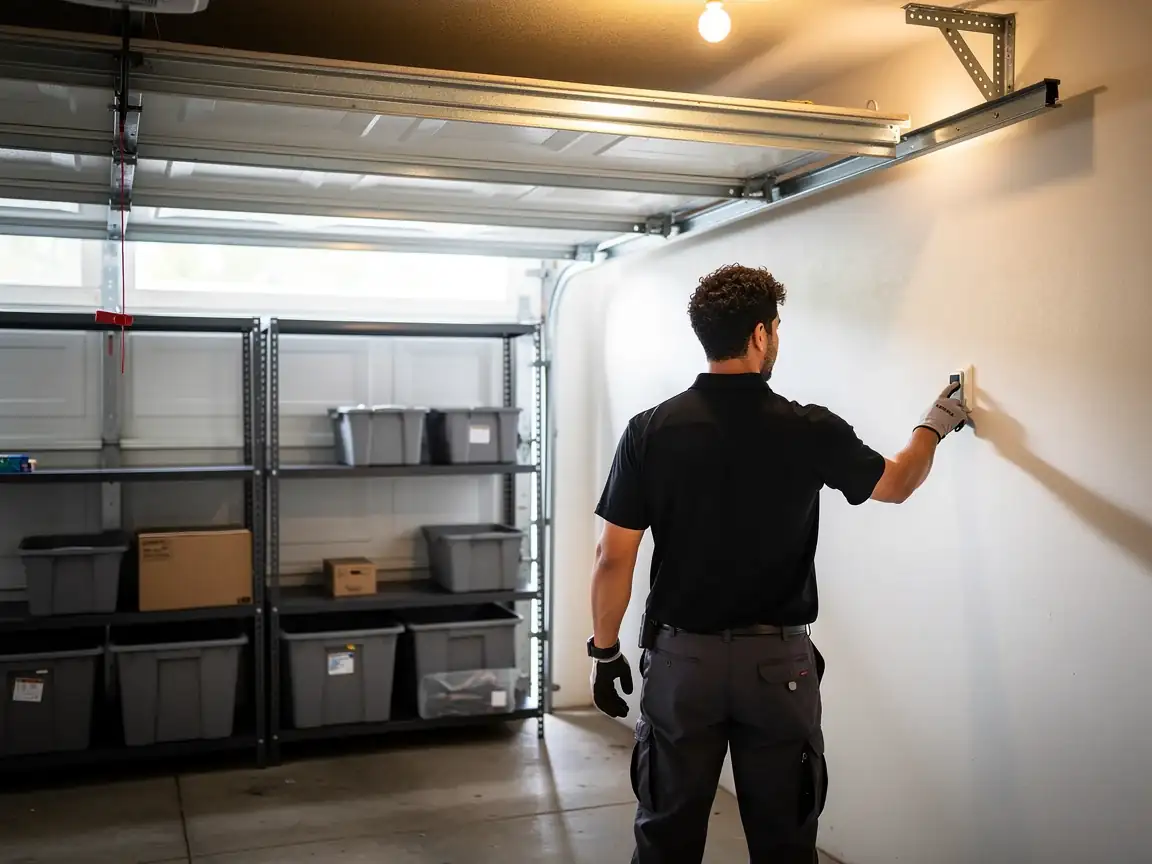
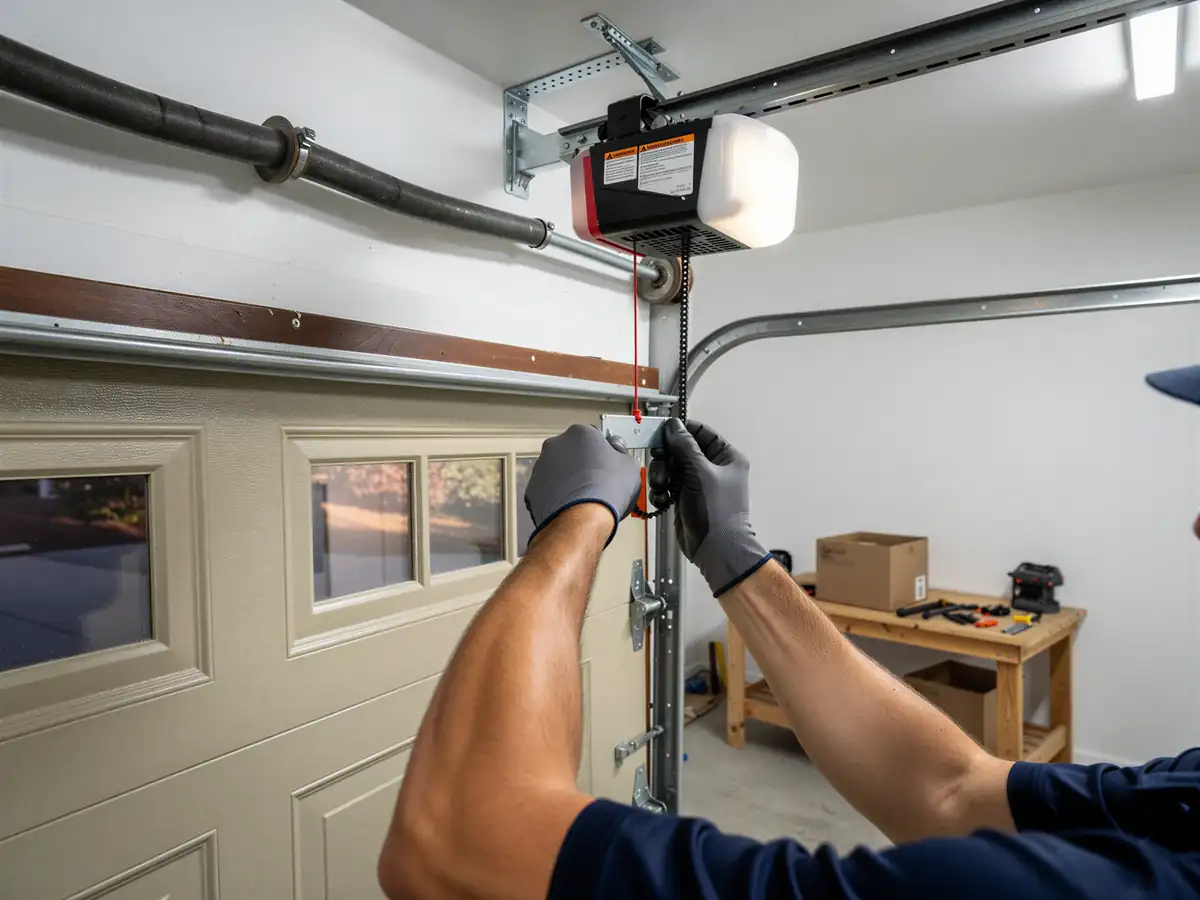
For a door of this era, the repair usually means matching the spring wire size and winding length to what's already on the shaft, since doors built around 2004 were fitted with fairly standardized torsion springs that are easy to source correctly if you know what you're measuring. Opener repairs on units from this build window often come down to a logic board or a drive gear rather than a full unit swap. One honest limit: if a part is proprietary to a discontinued opener model from that era, we may need to order it rather than carry it on the truck, which can push a same-day fix to a next-day one. We'd rather tell you that up front than make you wait at home for a part that isn't coming.