Parts We Carry
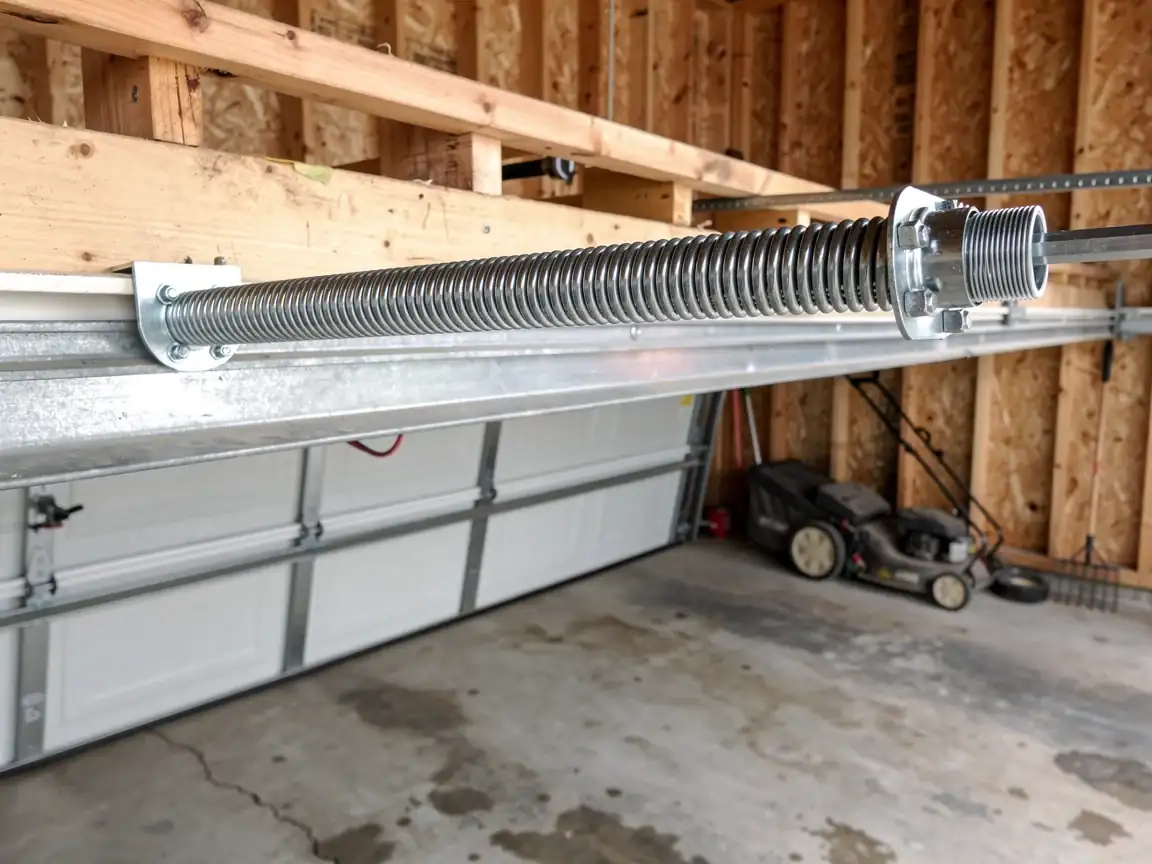
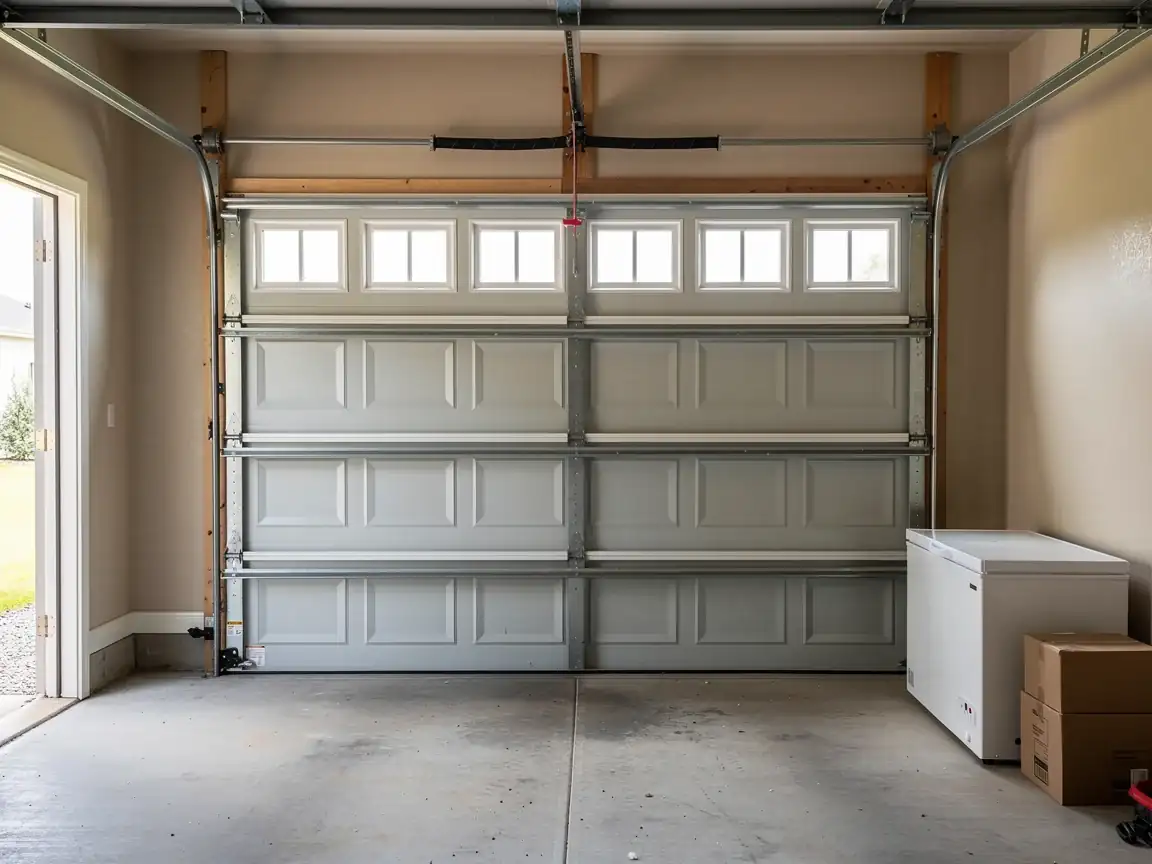
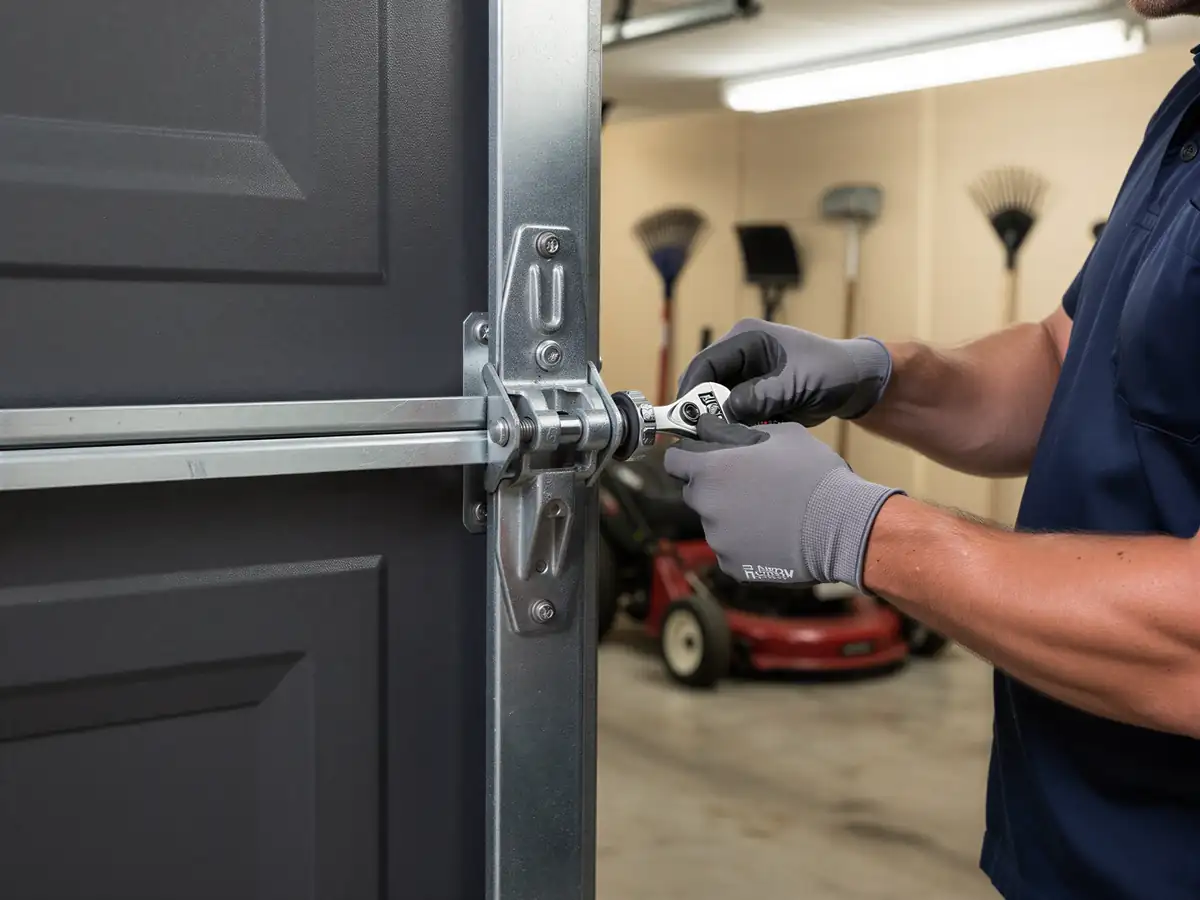
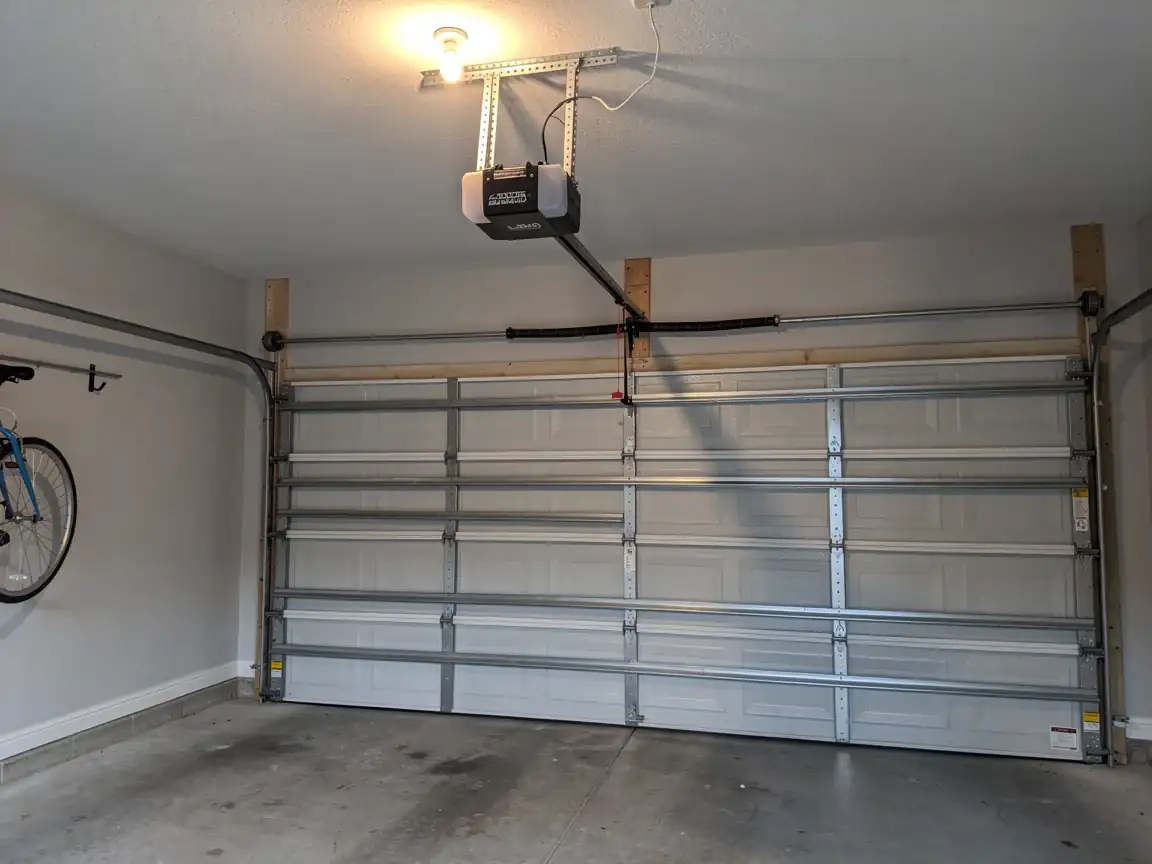
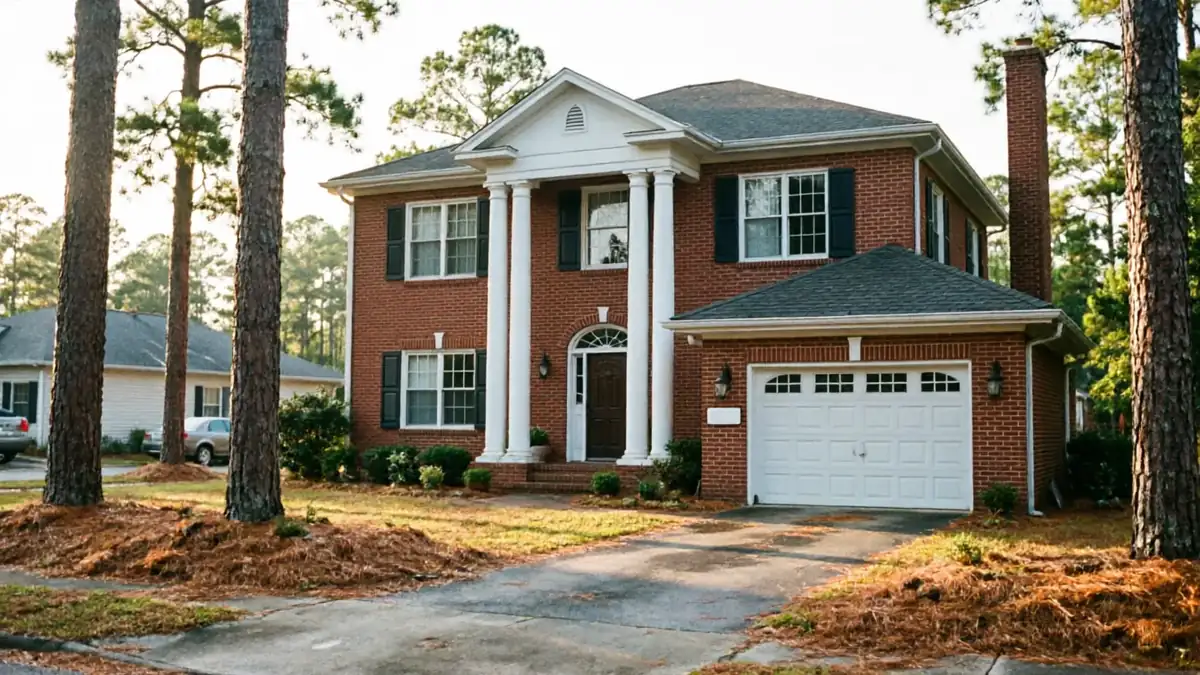
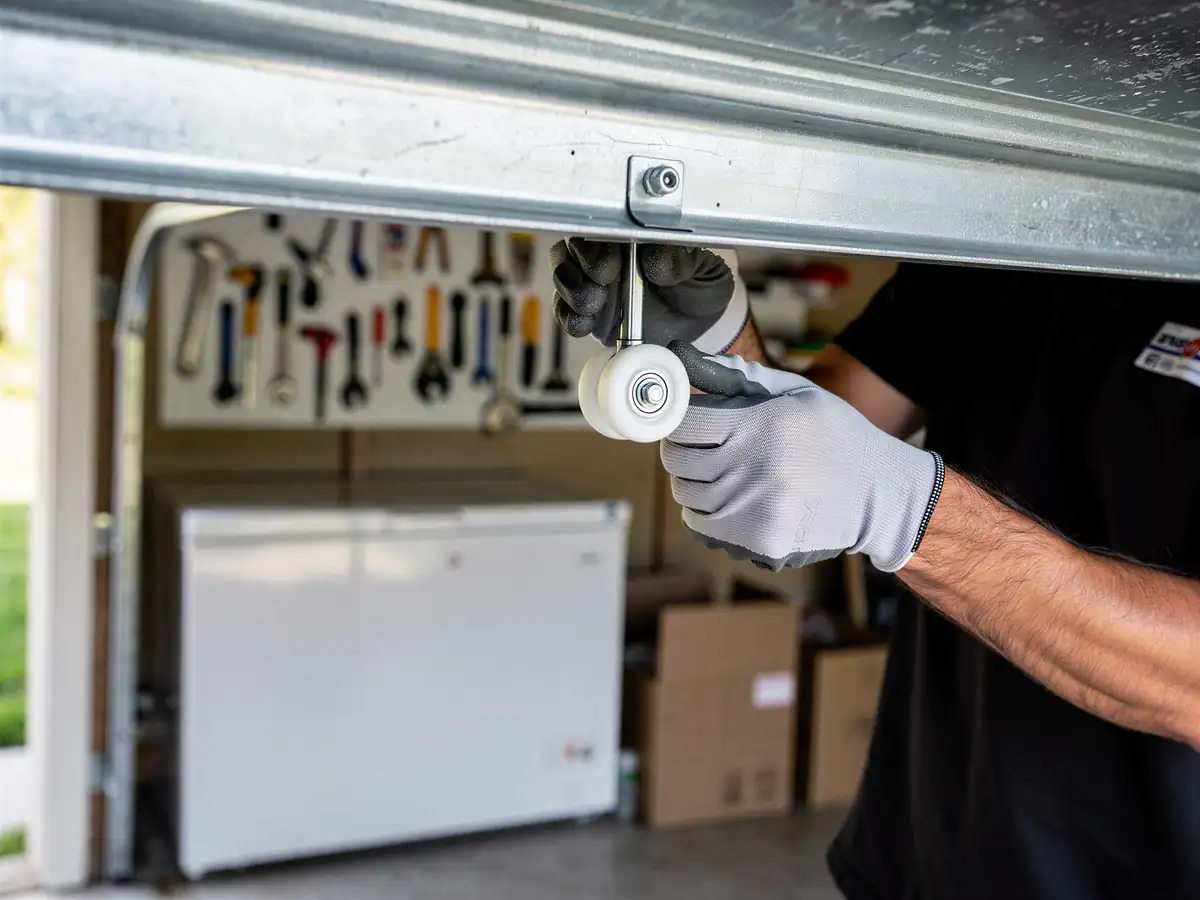
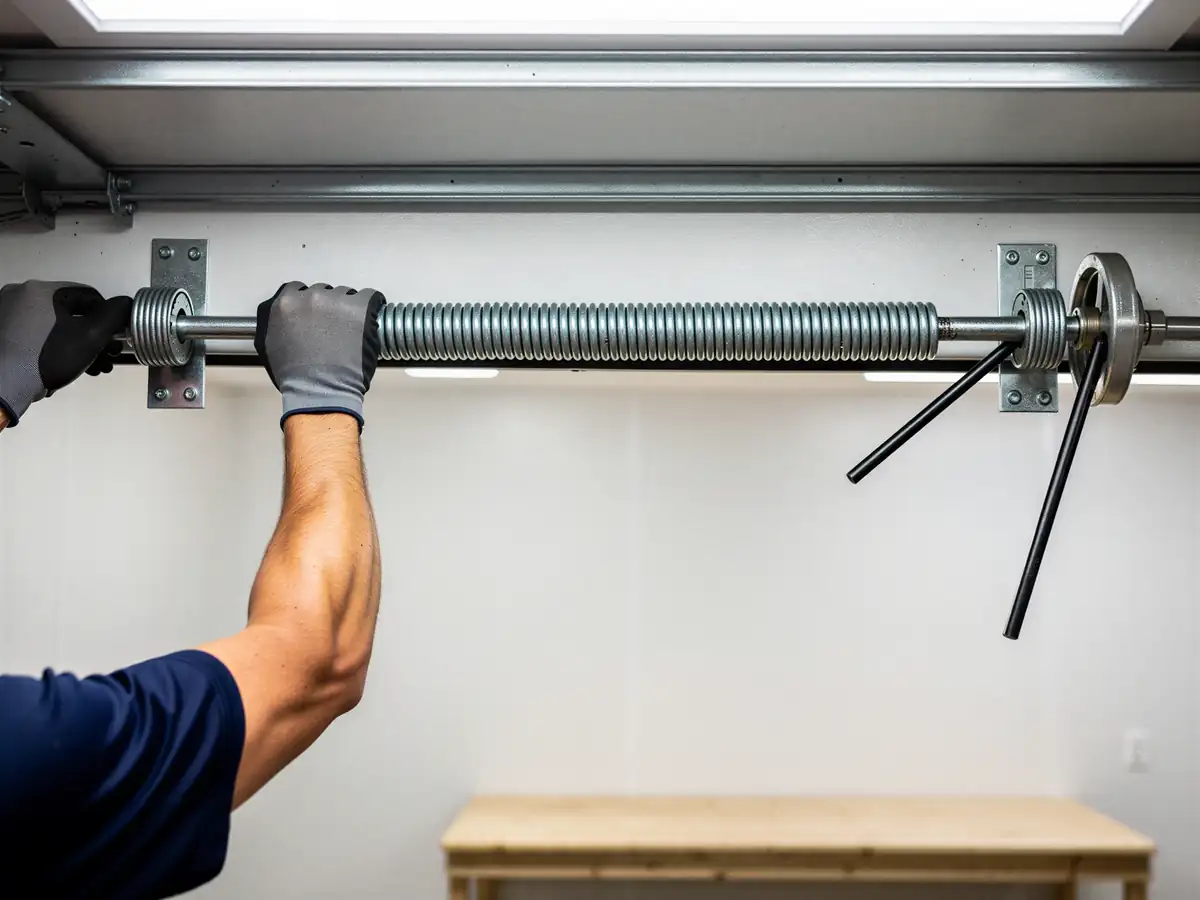
Most houses through this service area went up between 1970 and 2004, with the bulk of that stock dating to the 1980s and 90s across the 18 communities we work in, from Elon and Glen Raven out to Gibsonville, Graham, and Whitsett. That narrow build window matters for spring repair because it means the torsion and extension hardware on these doors is consistent enough that we stock for it rather than guess at it. We carry torsion springs in the wire sizes and wind lengths that show up on standard two-car and single-car openings from that era, plus the extension spring sets still found on older detached garages that never got upgraded. We stock standard drums, cables, and center bearing plates to match. What we don't carry on the truck is obsolete hardware from doors built well outside that window or oddball sizes from specialty installs - those sometimes mean a short wait on a special order, and we'll tell you that up front instead of making you wait and wonder.
We size springs to the door's actual weight and cycle count, not just by what was there before, since a spring swapped in during a prior repair isn't always matched correctly to the door.
What Causes It Around Here
Springs fail from cycle count and from cold. Burlington sits in a moderate cold climate band, and steel loses some flex in winter - a spring that's been winding down toward the end of its life will often finally let go on the first hard cold snap of the season, not in July. That's not a coincidence we see occasionally; it's the pattern across the service area every winter.
The other driver is age tied to that 1970-2004 build window. A torsion spring is rated for a set number of open-close cycles, generally somewhere around seven to ten years of normal use depending on how many cars share the garage and how often the door runs. Houses built in the 1980s and 90s that still have original hardware are well past that mark, and a lot of them do. If your house falls in that era and nobody's mentioned replacing the spring, it's worth having it looked at before it breaks on its own schedule instead of yours.
We don't see much spring failure tied to humidity or coastal salt air here - that's a different climate problem entirely, and it's not what's driving the calls we get in this area.
What the Repair Takes
A straightforward torsion spring replacement on a standard residential door is a same-visit job once we've confirmed the size and wind
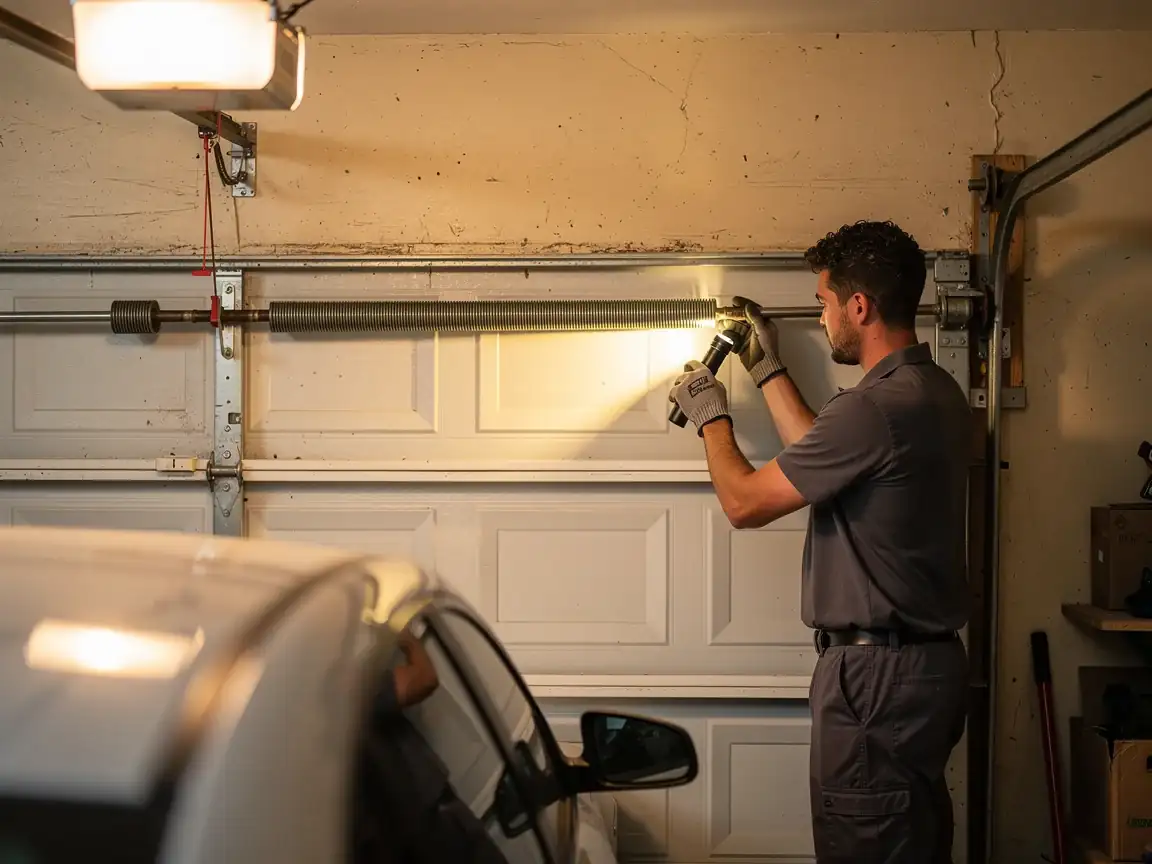
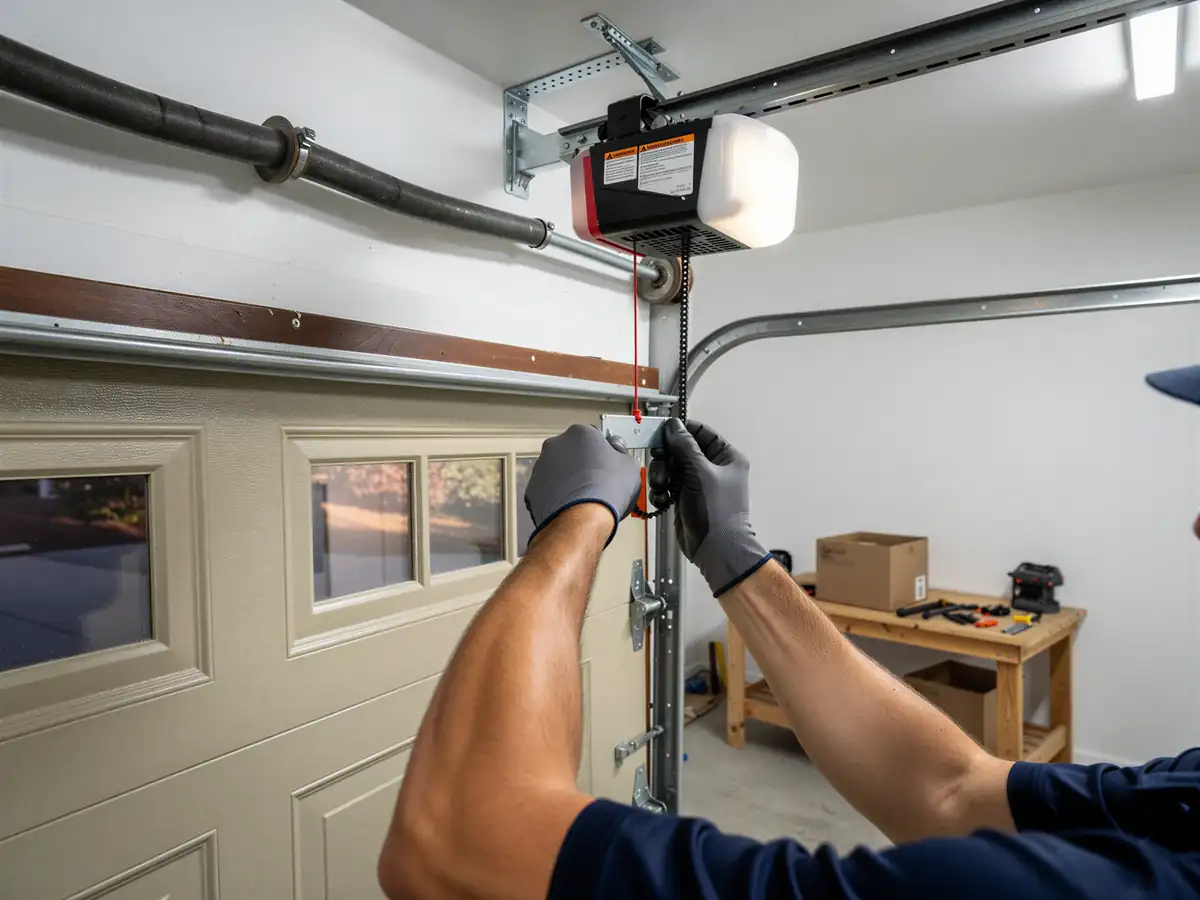
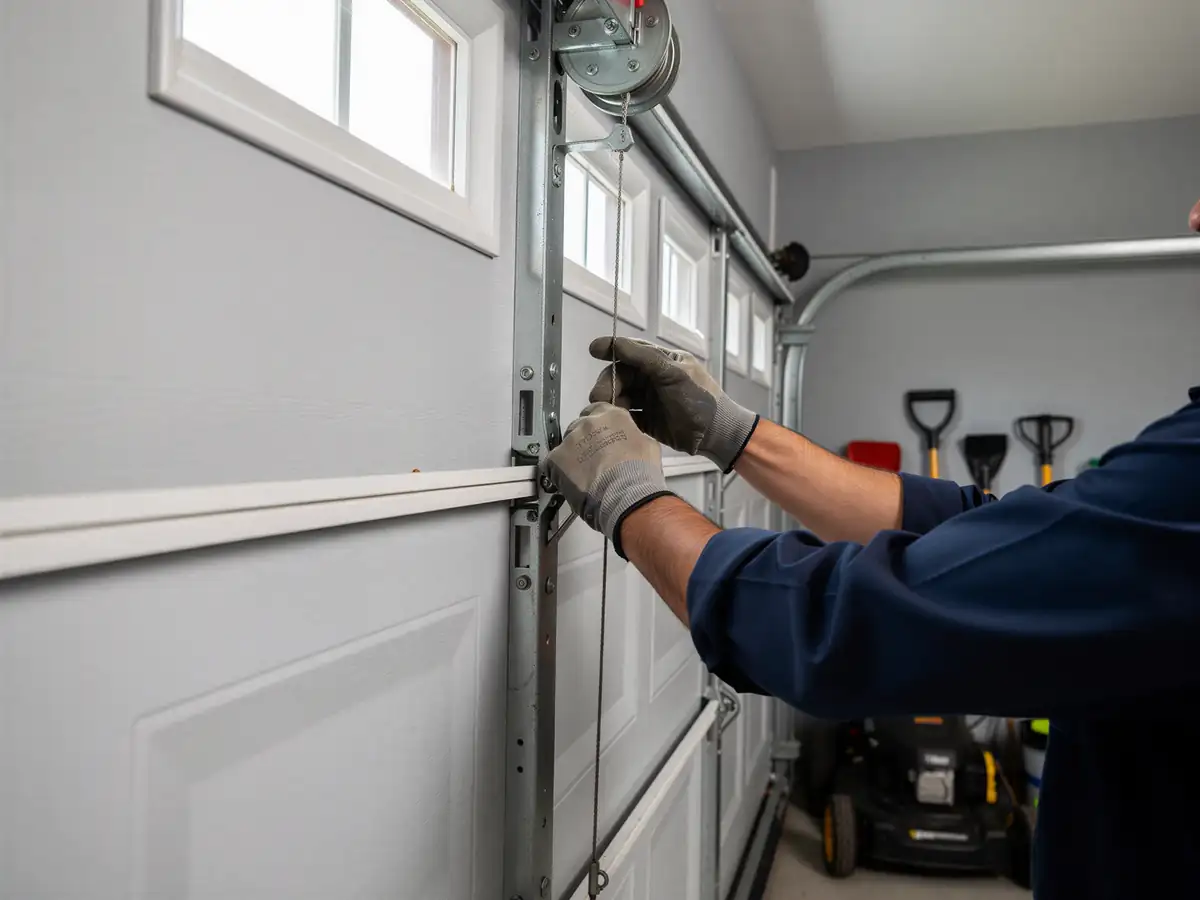
We unload the spring safely, pull the old one, mount the matched replacement, and check the cable drums and bearing plates while the door is open, since those parts wear on the same timeline as the spring and it's wasteful to call us back out in six months for a worn cable we could've swapped today.
Extension spring jobs on older garages take a bit more care
We check the safety cables are present and routed correctly, since a lot of these setups were never fitted with them originally.
What we won't do is quote a spring repair over the phone without seeing the door
Spring size depends on door weight, which depends on material and insulation, and guessing wrong means a door that's hard to lift by hand or one that slams down. We measure on site every time.
What You Are Seeing
A broken torsion spring usually announces itself with a loud bang from the garage, often while nobody's touching the door - that's the spring letting go under tension, not the opener failing. After that, the door will feel heavy if you try to lift it by hand, and an automatic opener may strain, reverse partway, or refuse to lift the door off the floor at all.
A spring that's wearing out but hasn't broken yet shows up differently: the door looks slightly crooked when it's halfway open, one side seems to lag the other, or you hear a grinding or scraping sound from the top of the door that wasn't there before. A visible gap in the coils of the spring, or a spring that looks stretched compared to its resting shape, is also worth a call before it fails outright.
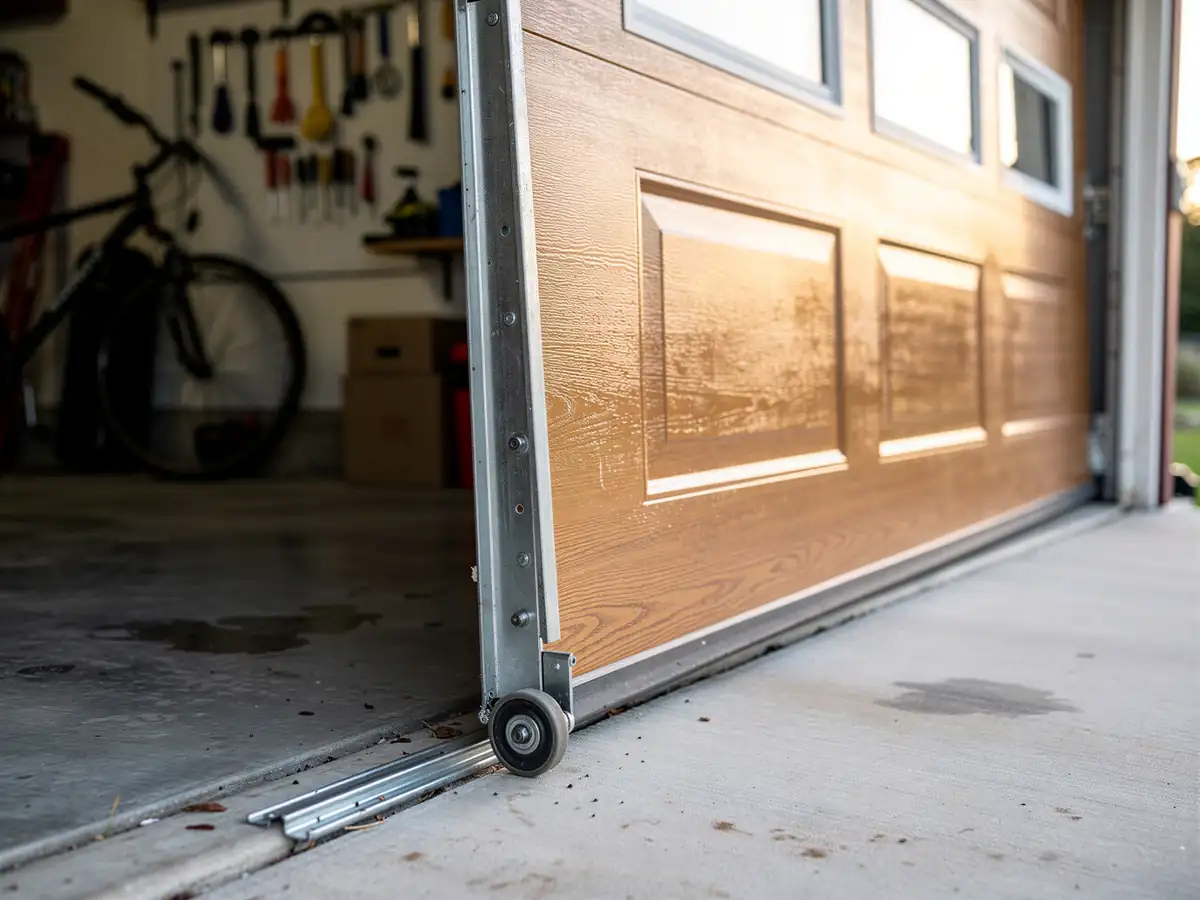
If you're only hearing a rattle and the door still opens and closes evenly, that's more likely a loose roller or bracket than a spring problem - worth mentioning since not every garage door noise means a spring job.