What the Repair Takes
Graham's median household income sits at $54,783, lower than the wider service area's $67,366, and that gap matters more for rollers than almost any other repair we do. A full roller set replacement is one of the cheapest fixes on a garage door, which makes it the right call here far more often than a spring job or a new opener. When a homeowner calls us about a door that's grinding, binding, or dropping off the track slightly on one side, rollers are usually the actual cause and usually the actual fix - not a sign the whole door needs to go.
Most houses in Graham were built around 1984, which puts the original doors on steel rollers with stamped-steel stems, not the sealed nylon rollers that came standard later. Those older stems wear at the roller shaft faster, and the noise shows up as a rhythmic clunk timed to the door's travel rather than a steady grind. We replace the full set - ten or twelve rollers depending on panel count - rather than swapping only the noisy ones, because the rest are on the same wear clock.
This is a repair, not an upgrade sale. If your door tracks straight and the springs are sound, new rollers get you another long stretch of quiet operation without touching anything else.
Can You Do This Yourself
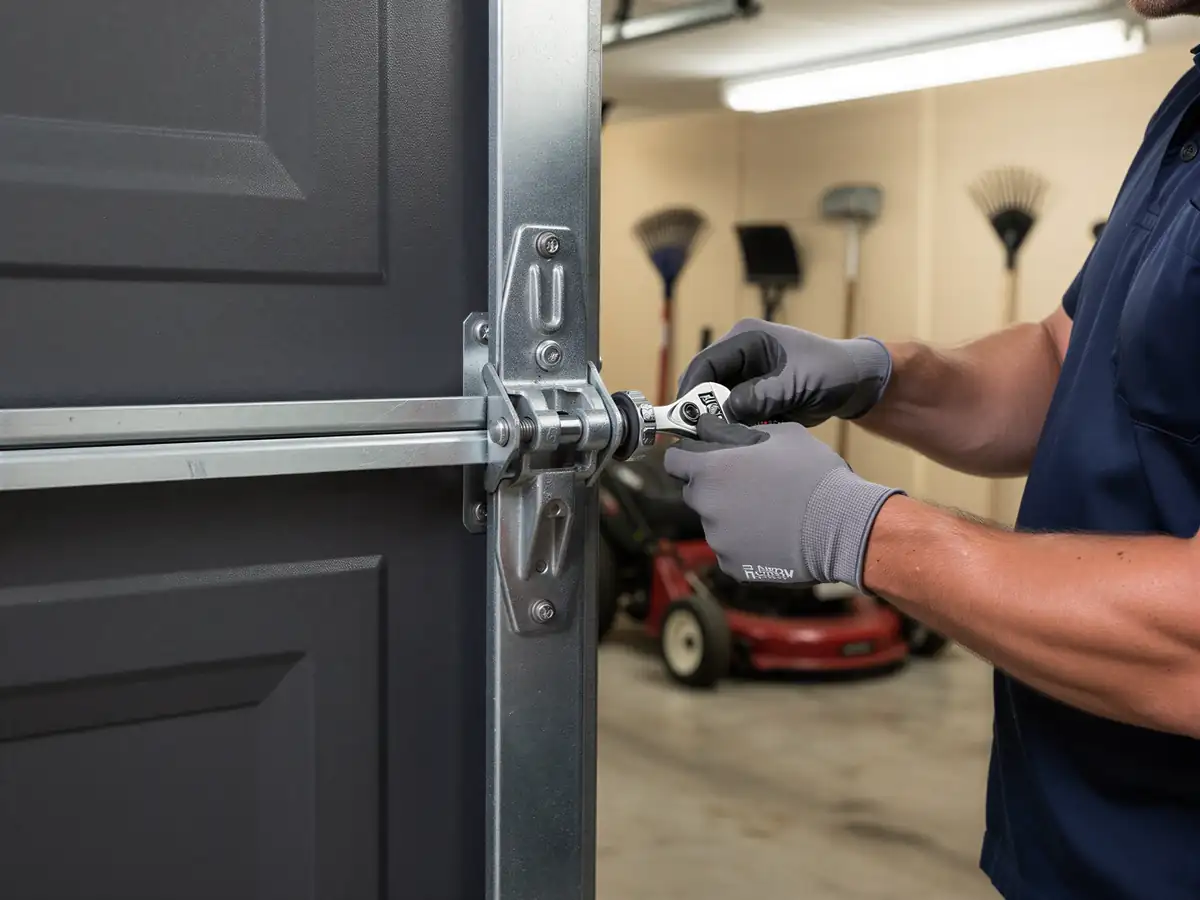
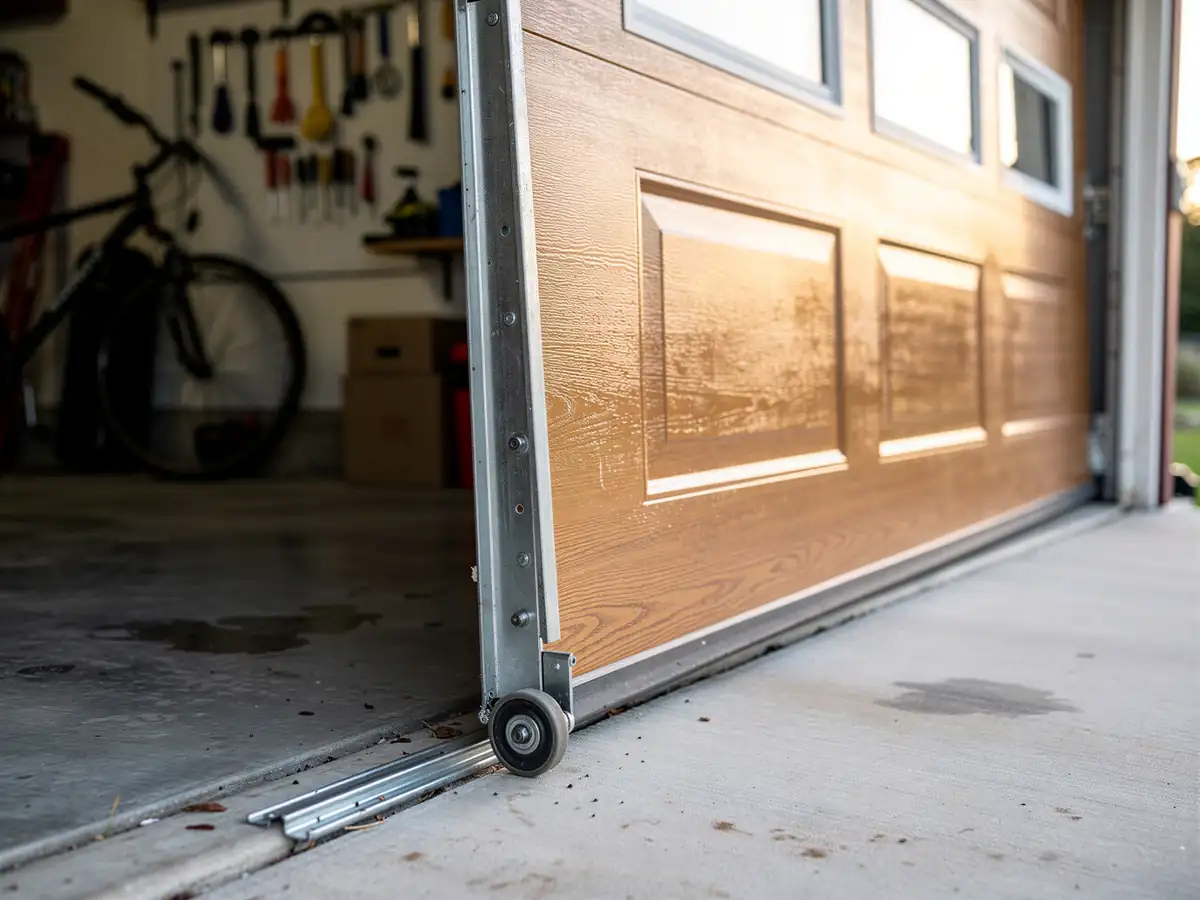
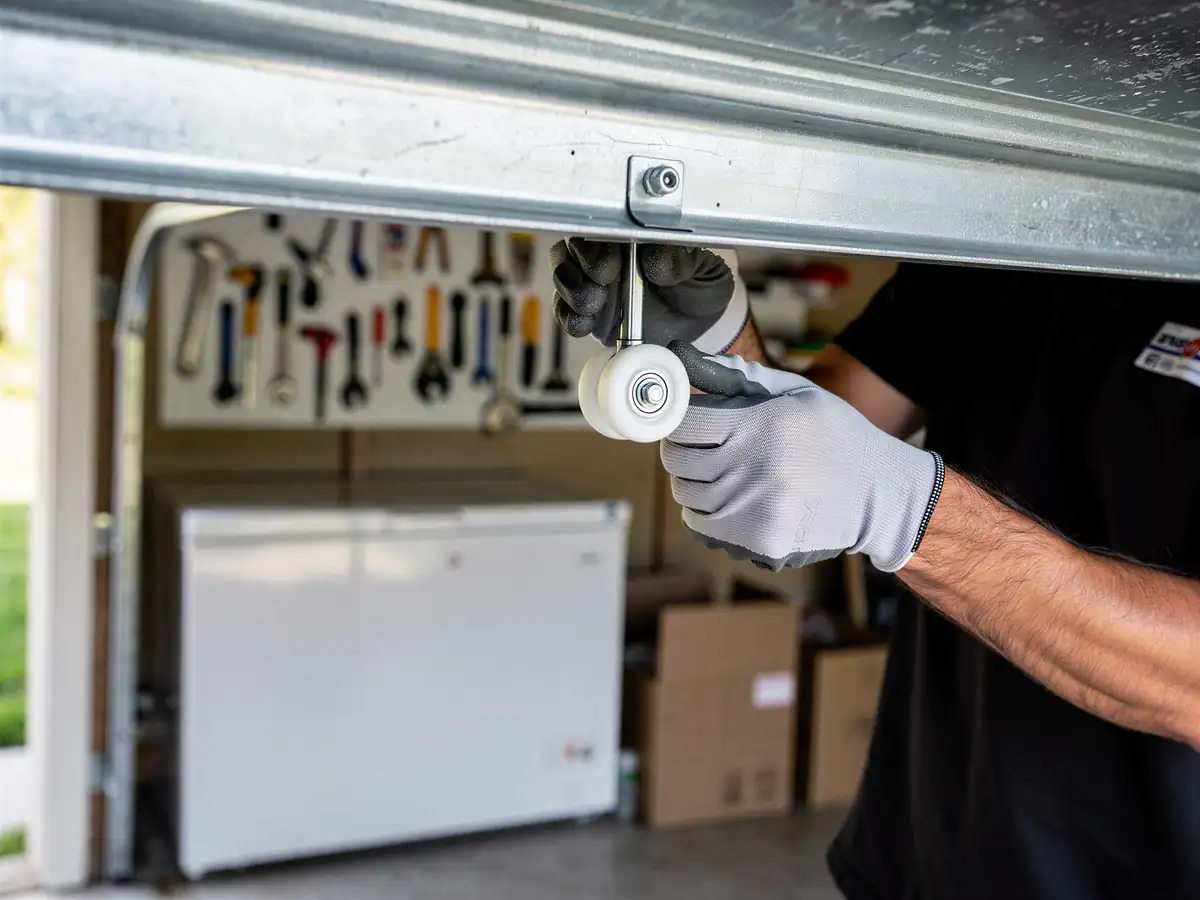
Rollers are the one garage door part a reasonably handy homeowner can swap without calling anyone, provided the door is down and the opener is unplugged first. Bottom rollers come out without tension on the cables. Top rollers near the spring-loaded sections are a different story - the roller sits close to the cable drum and a slip there can snap a cable or drop a track section while you're holding it.
We're straightforward about this one: if you've got basic tools and patience, bottom and mid-track rollers on a single-car door are a Saturday project. Where we draw the line is the top roller on a door with a worn torsion spring, because you can't always see the spring's condition from the floor, and we'd rather you call than find out the hard way. If you're unsure which stems are steel and which are nylon on your particular door, that's worth a quick look before you buy parts, since the wrong roller size binds in an older 1984-era track.
Parts We Carry
We stock nylon rollers in the stem lengths that fit Graham's older stock
The 4-inch and 7-inch stems common on doors from the 1980s and 90s, plus the shorter stems used on newer replacement doors. Steel rollers are available for anyone who wants to match original hardware exactly, though we generally steer people toward nylon because it runs quieter and doesn't need the periodic grease that steel rollers do.
We carry sealed-bearing rollers as the standard option on every truck
Since the service area's cold-moderate winters mean exposed bearings pick up moisture and grit that speeds up wear. We don't stock every stem length or every off-brand track profile - some older doors in this area use a nonstandard track width, and in those cases we order the match rather than force a part that's close enough. That one delay is the honest limitation: most jobs finish same-visit, but a mismatched track profile means a short wait on the right part.
Time on the Job
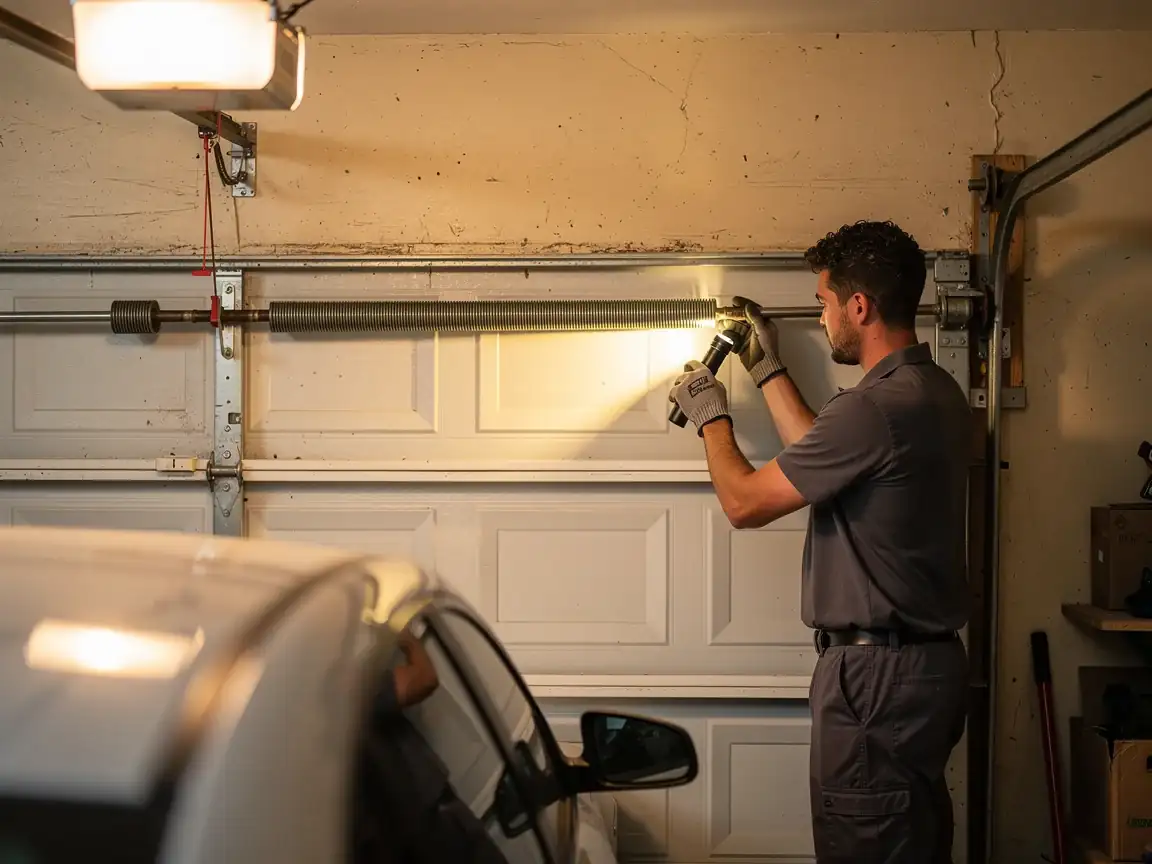
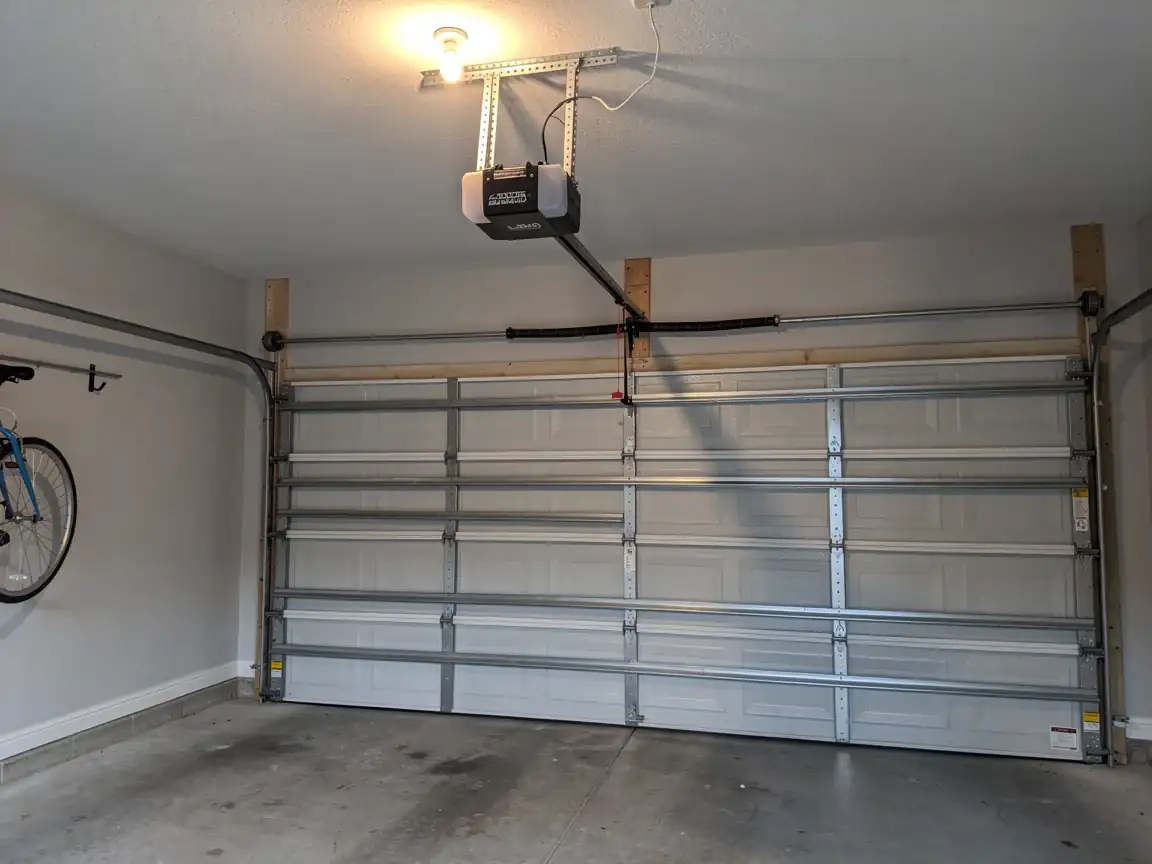
A full roller replacement on a standard double door runs under an hour once we're on site, including pulling the old rollers, checking the track alignment they were riding in, and testing the door through a full cycle. Single-car doors go faster. Where the time adds up is track straightening - on a 1984-built house, bent track from years of rollers dragging in a slightly misaligned channel is common, and we fix the track at the same stop rather than installing new rollers into a bad path.
We travel the 5 miles out from Burlington to reach Graham, and that's built into how we schedule the day rather than something that changes the on-site work itself. The job length isn't about the drive. It's about how many rollers are seized versus just worn, and whether the track needs straightening along with them.
Getting It Booked In
Roller noise rarely strands a car in the garage the way a broken spring does, so most Graham homeowners book this as a standard appointment rather than an emergency call. That's the right instinct - a noisy door on worn rollers can usually run another week or two without getting worse fast, though we'd rather look at it before a roller actually comes apart in the track.
Tell us the noise pattern and whether it happens on the way up, down, or both, and we'll bring the stem length and roller type that matches a door of your home's era. See our Graham coverage page for what else we handle out this way, or check the roller replacement page for Burlington if you're comparing against the base service area.
What Can Go Wrong
The most common mistake we see is a homeowner replacing only the rollers that are visibly cracked and leaving the rest
Which just means a second round of noise six months later since they're all the same age. The second is buying steel rollers to match what's already there without realizing the stem diameter has to match the hinge hole exactly - a loose fit lets the roller walk out of the hinge over time.
On Graham's older housing stock specifically, bent track is the thing that gets missed
If the track that housed the worn rollers has flattened or widened slightly from years of a roller riding rough, new rollers alone won't fix the noise or the binding - the track needs straightening or, in bad cases, replacing that section. We check track condition on every roller call for this reason, since skipping it means a callback.