What the Repair Takes
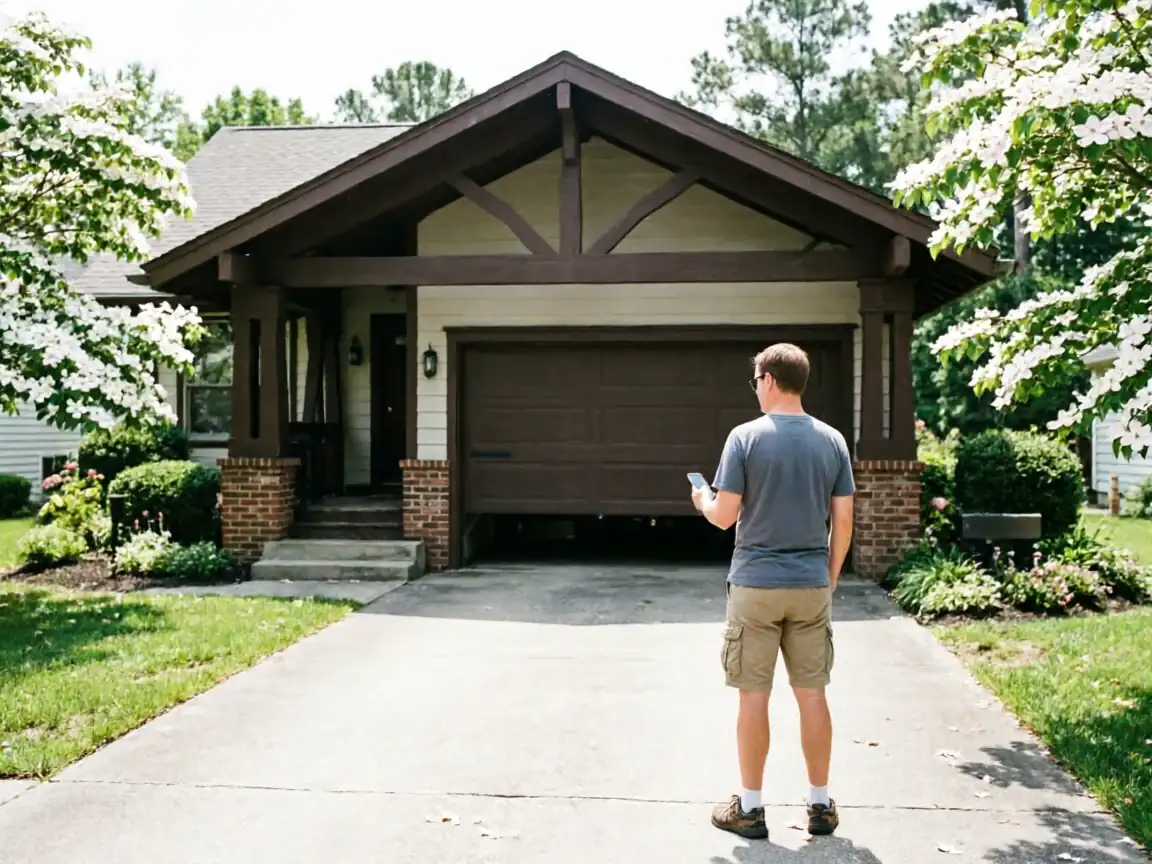
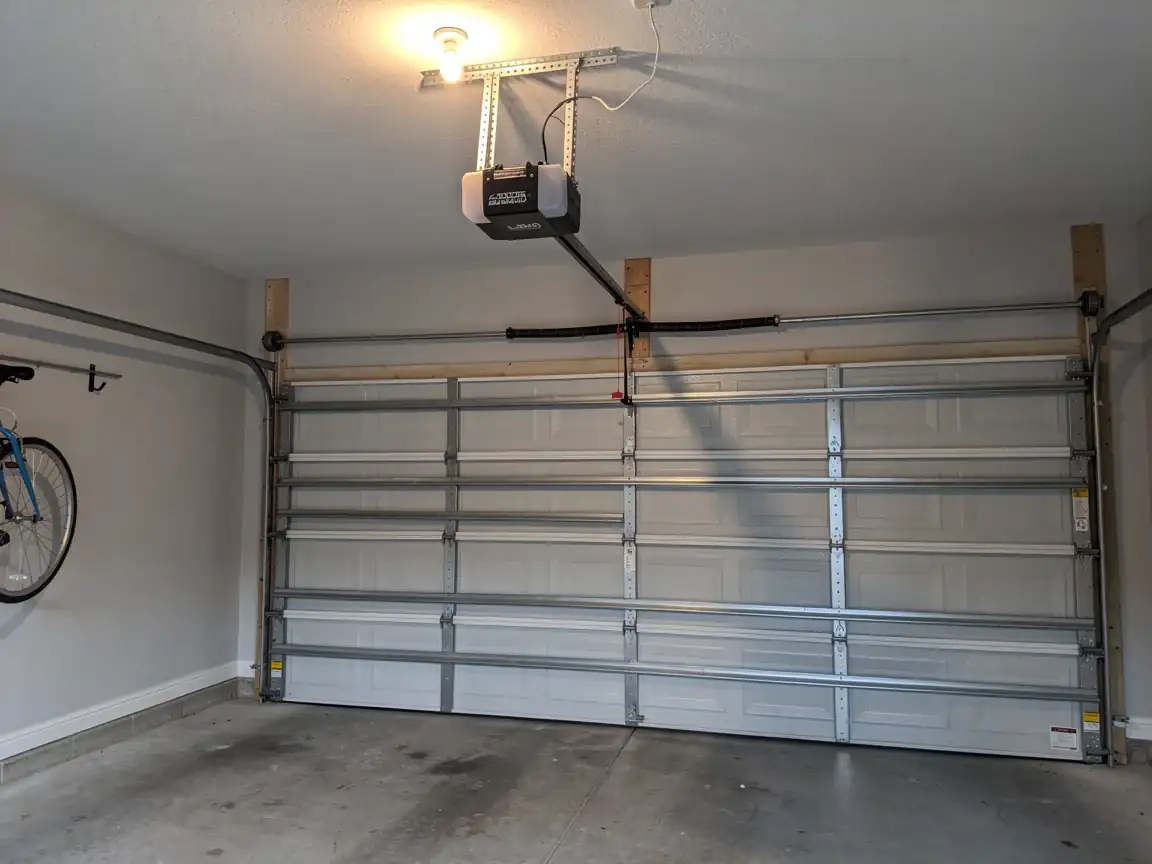
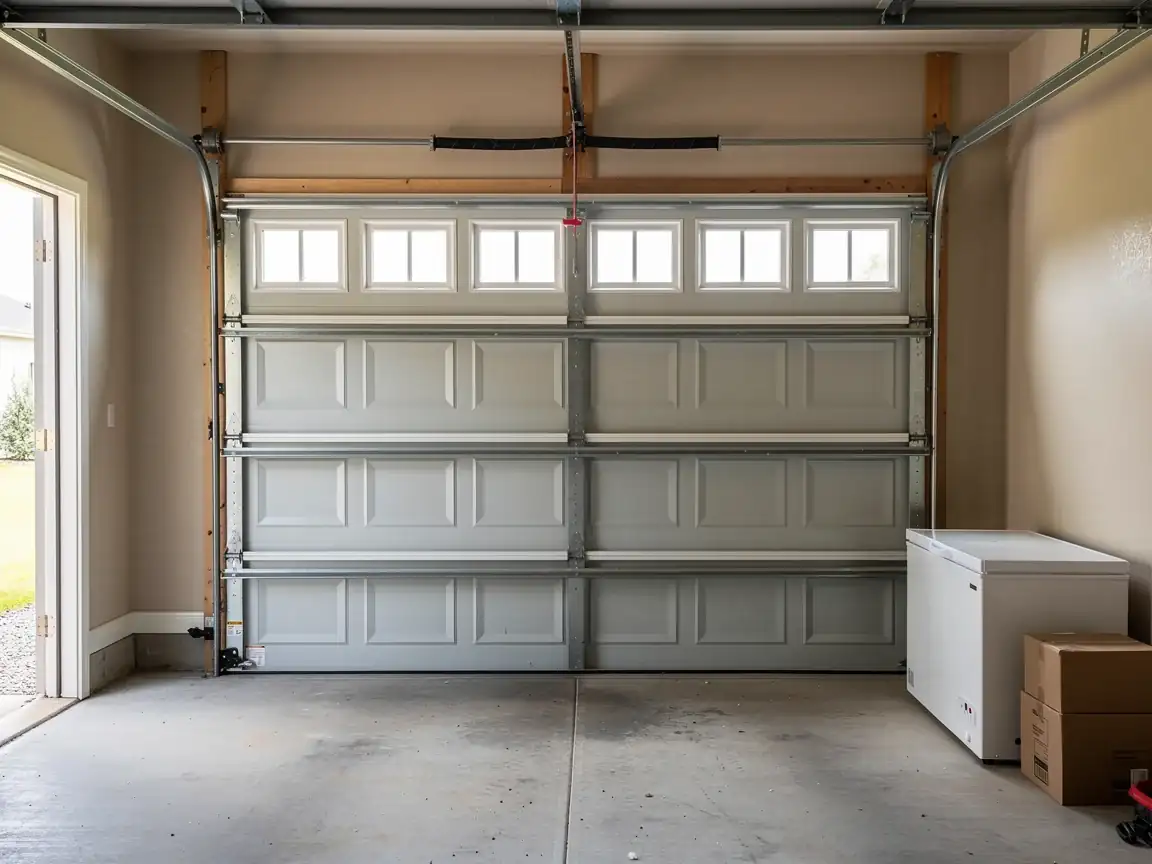
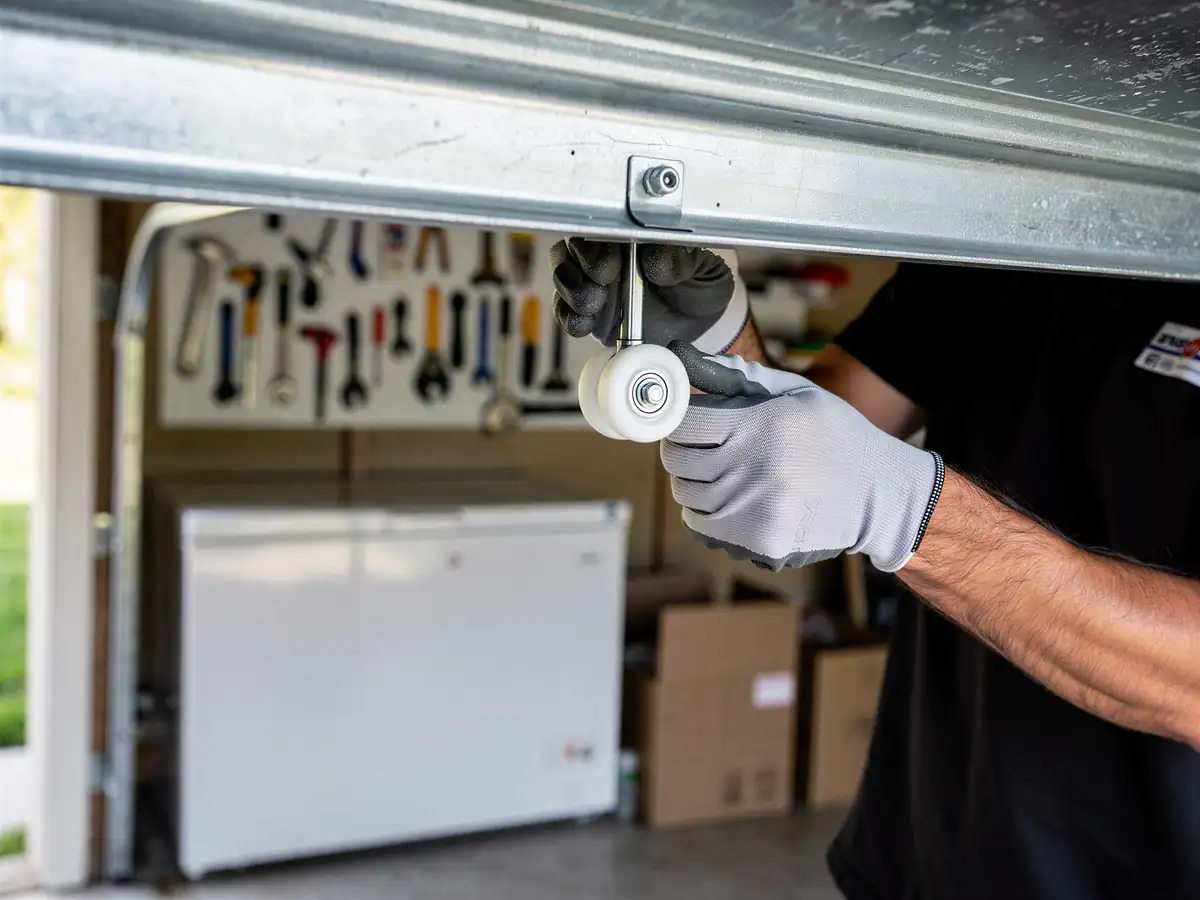
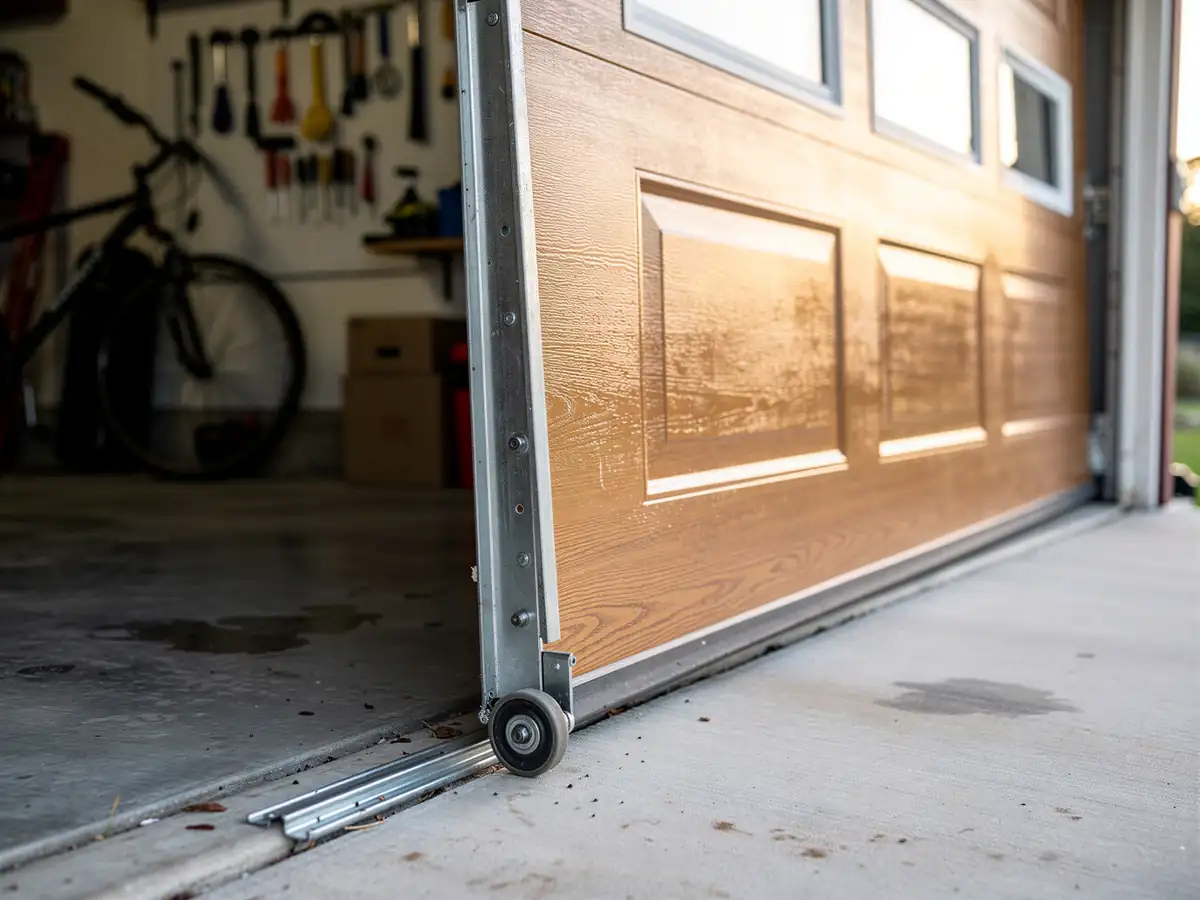
The drive from our Burlington shop to Graham is five miles, which is short enough that we don't treat it as a special trip, but it does change what goes on the truck before we leave. Graham's housing stock centers on 1984, a good decade earlier than a lot of newer construction nearby, and that era of door came with lighter rollers and narrower track than what you'd find on a house built after 2000. When a door jumps the track here, it's usually because a roller wheel has worn down to the stub or a hanger bracket has pulled loose from a stud that's taken forty years of door slams. We bring loose rollers, replacement track sections in the common widths, and the lag screws and brackets that fit 1980s framing, because showing up with the wrong hardware means a second trip. That's the real cost of distance - not the drive itself, but guessing wrong on what a 1984-built door needs and having to come back for it.
Can You Do This Yourself
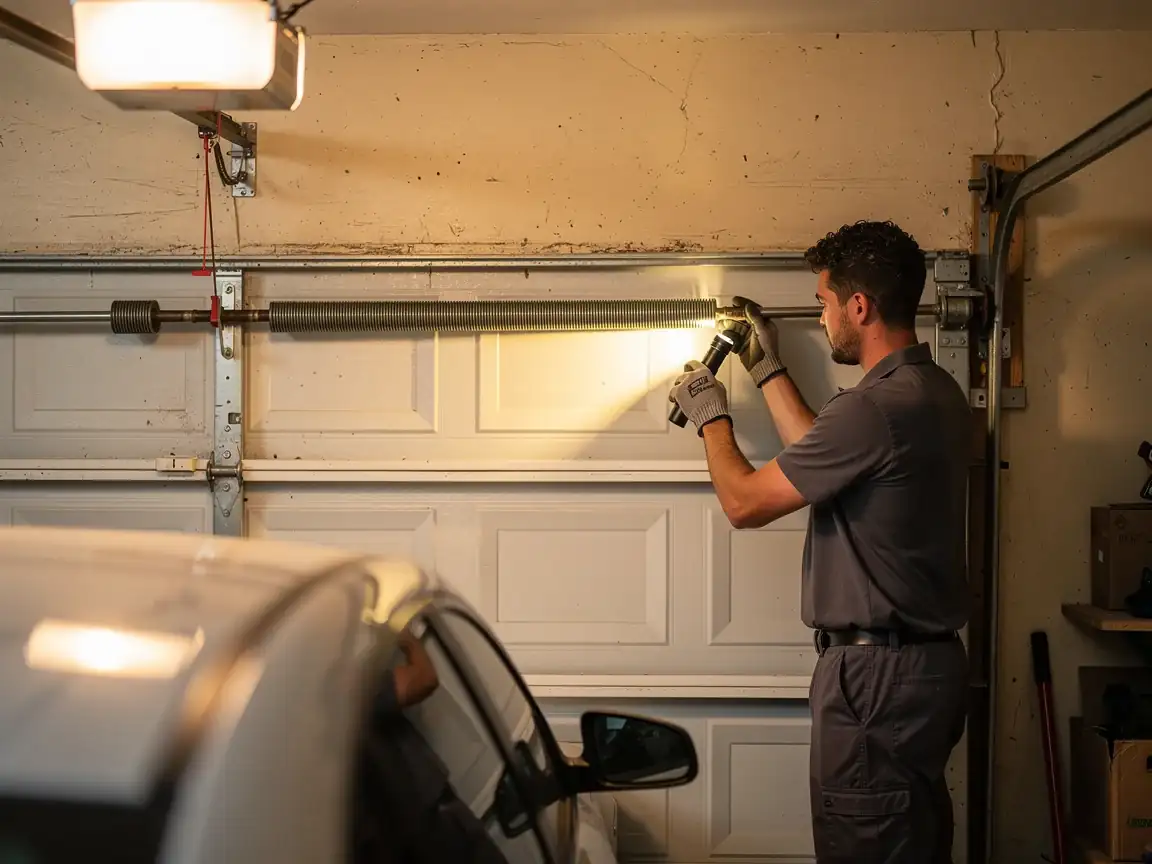
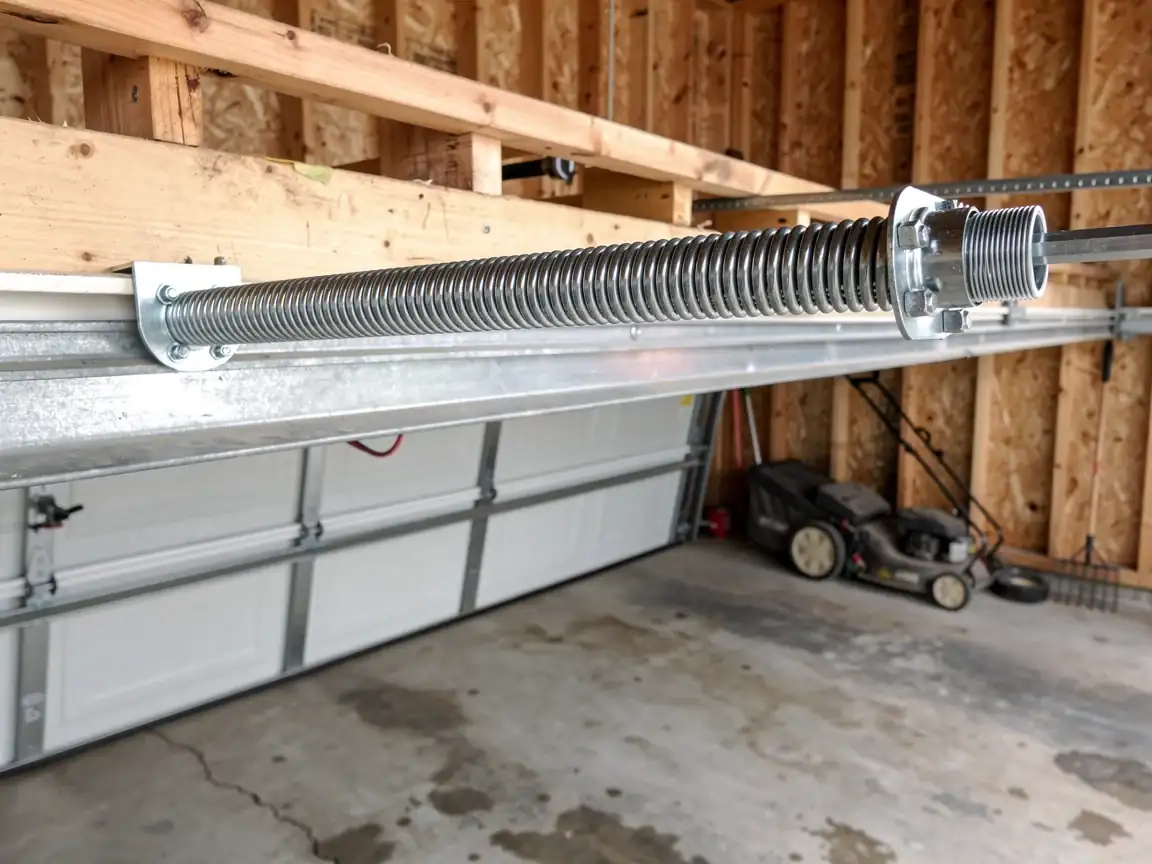
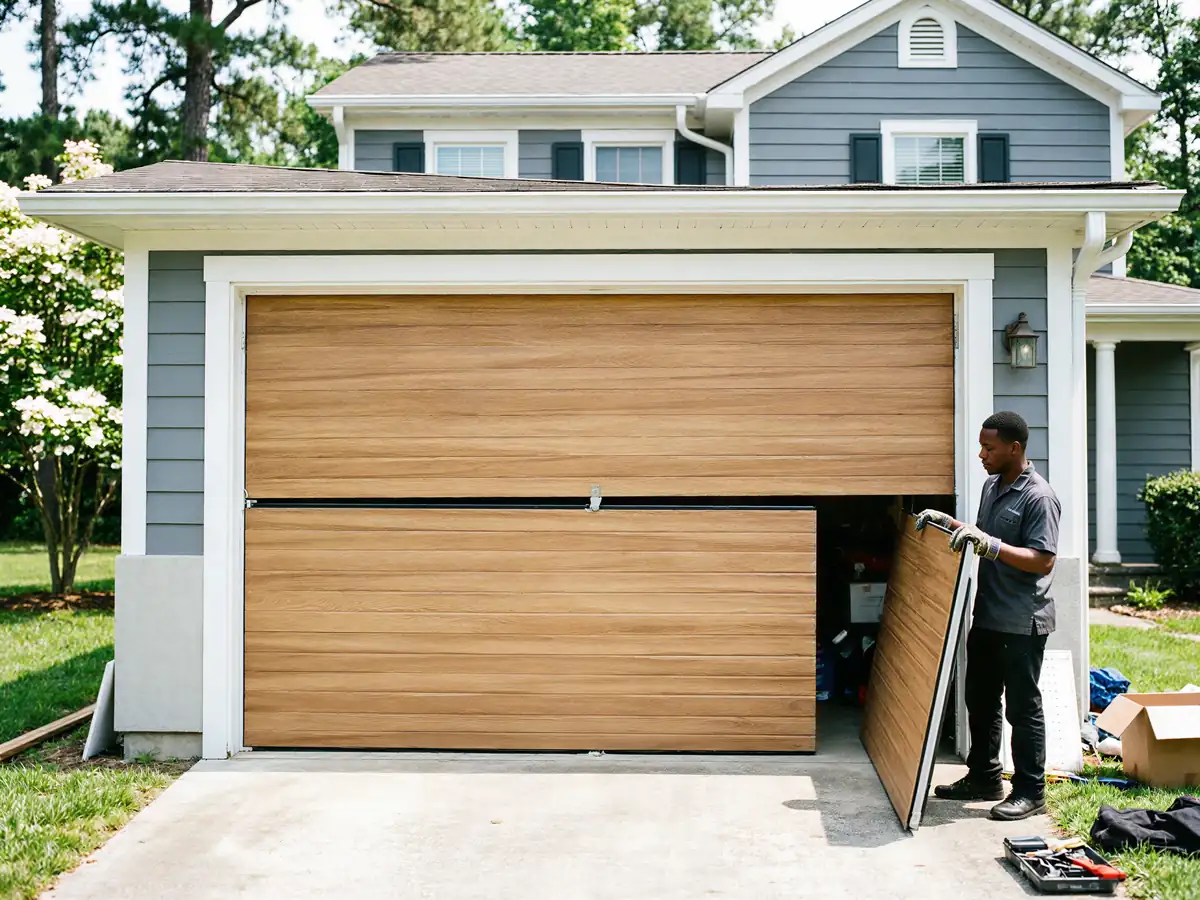
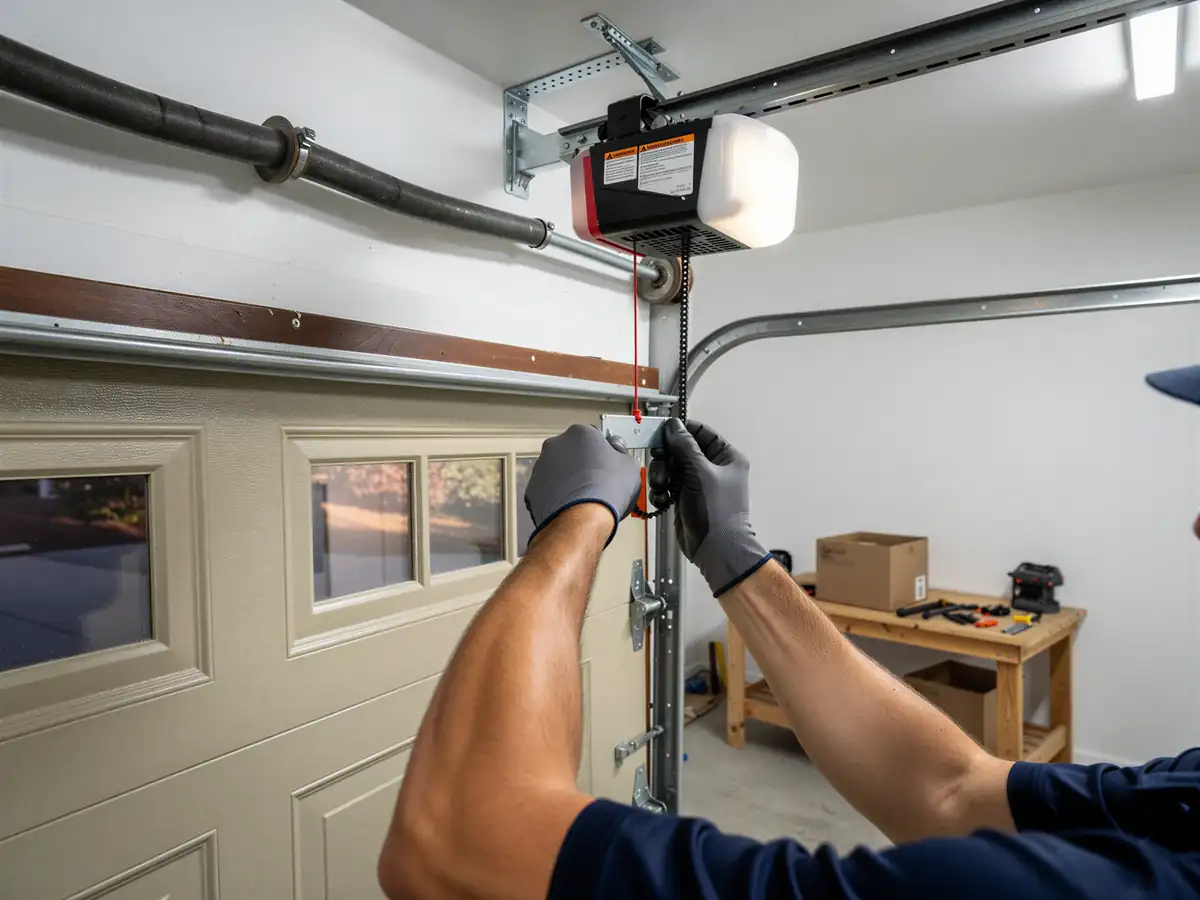
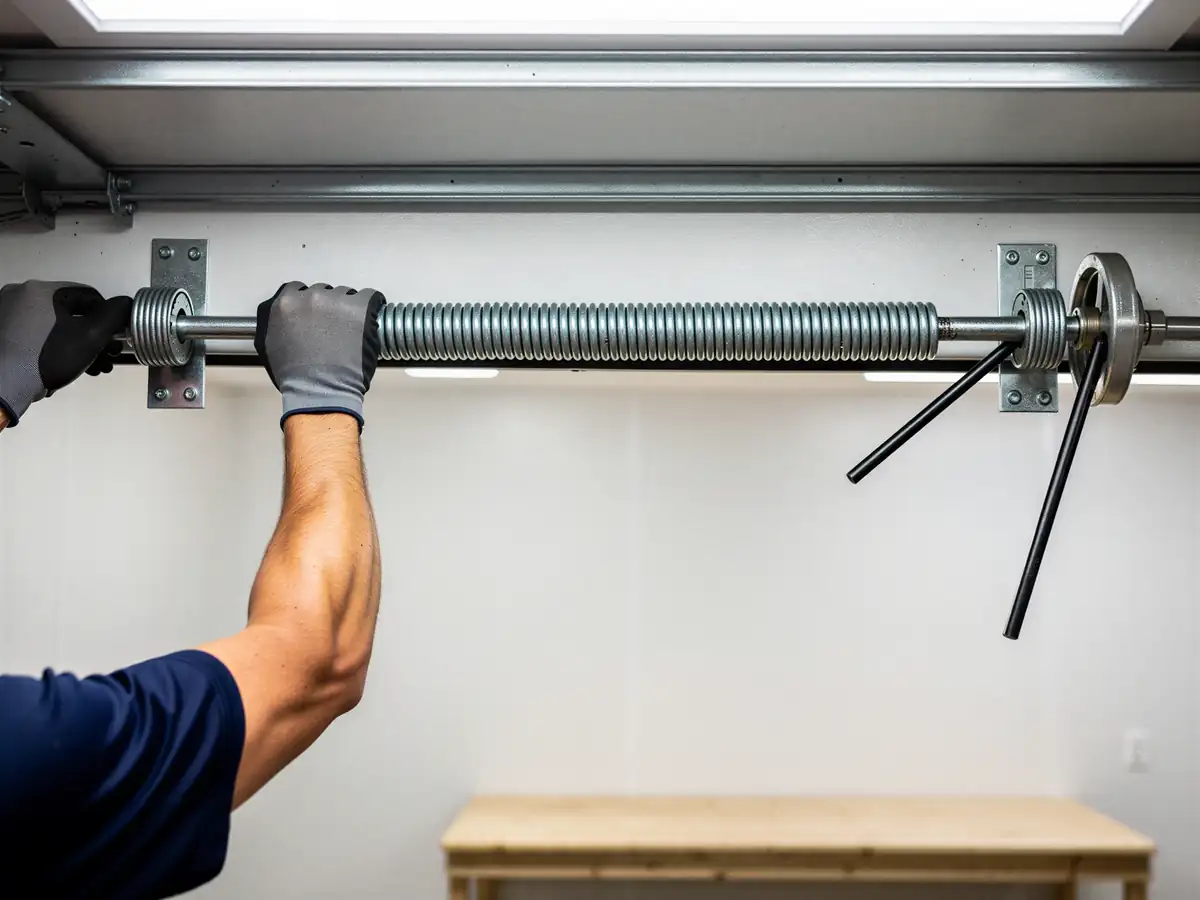
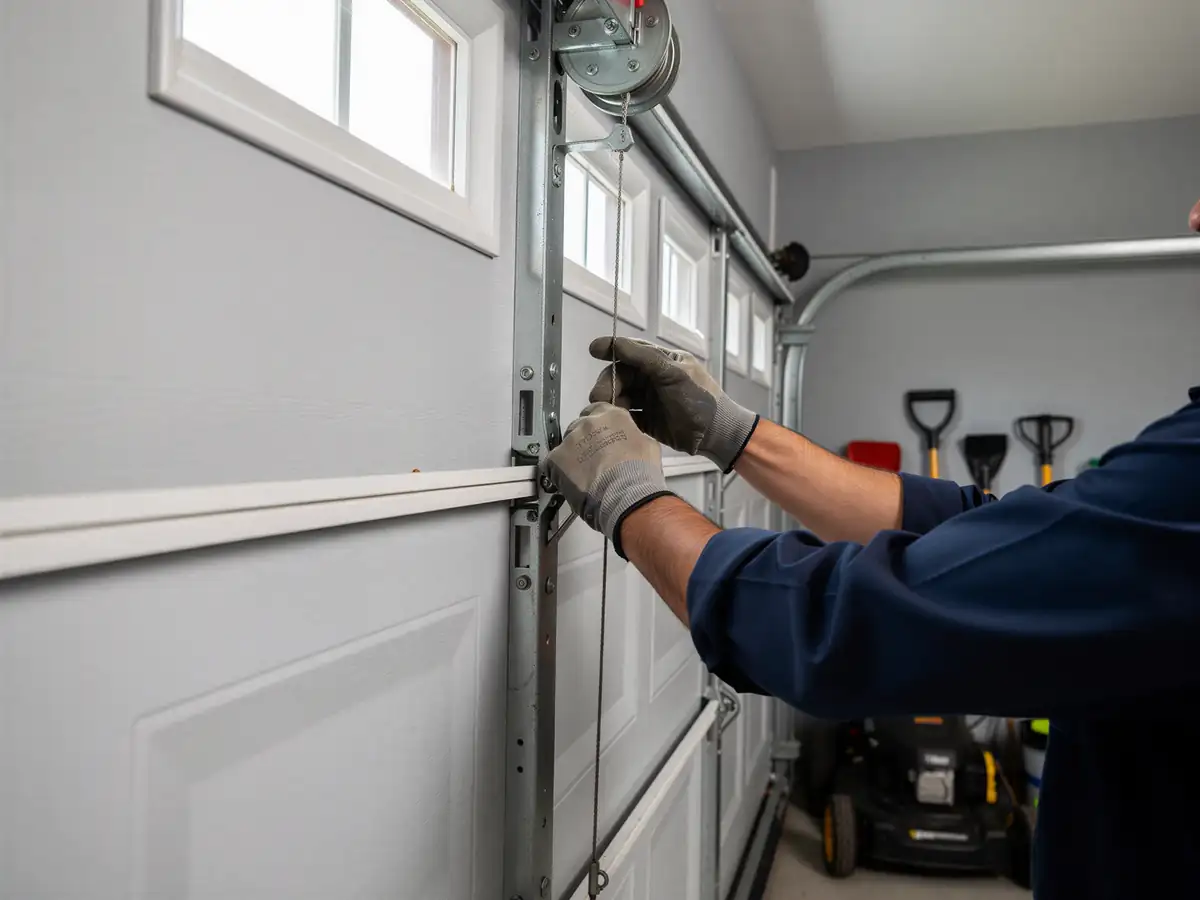
If the door is only slightly off track - a roller popped loose but the panel is still roughly square in the opening - some homeowners can walk it back onto the track themselves by releasing tension and guiding the roller in by hand. We won't talk anyone out of trying that part. Where it gets dangerous fast is anything involving the spring. On a 1984-era door that's still running the original extension spring setup, that spring has forty years of fatigue on it, and an off-track panel can be a sign the spring already let go or is about to. Pulling on a door with a bad spring, or trying to force a bent track back into shape with the door still loaded, is how people lose fingers or get hit by a panel that drops. If the door won't move freely by hand once you've released the opener, stop and call. That's not us being cautious for the sake of it - it's the point where a DIY fix and a trip to urgent care start looking similar.
Time on the Job
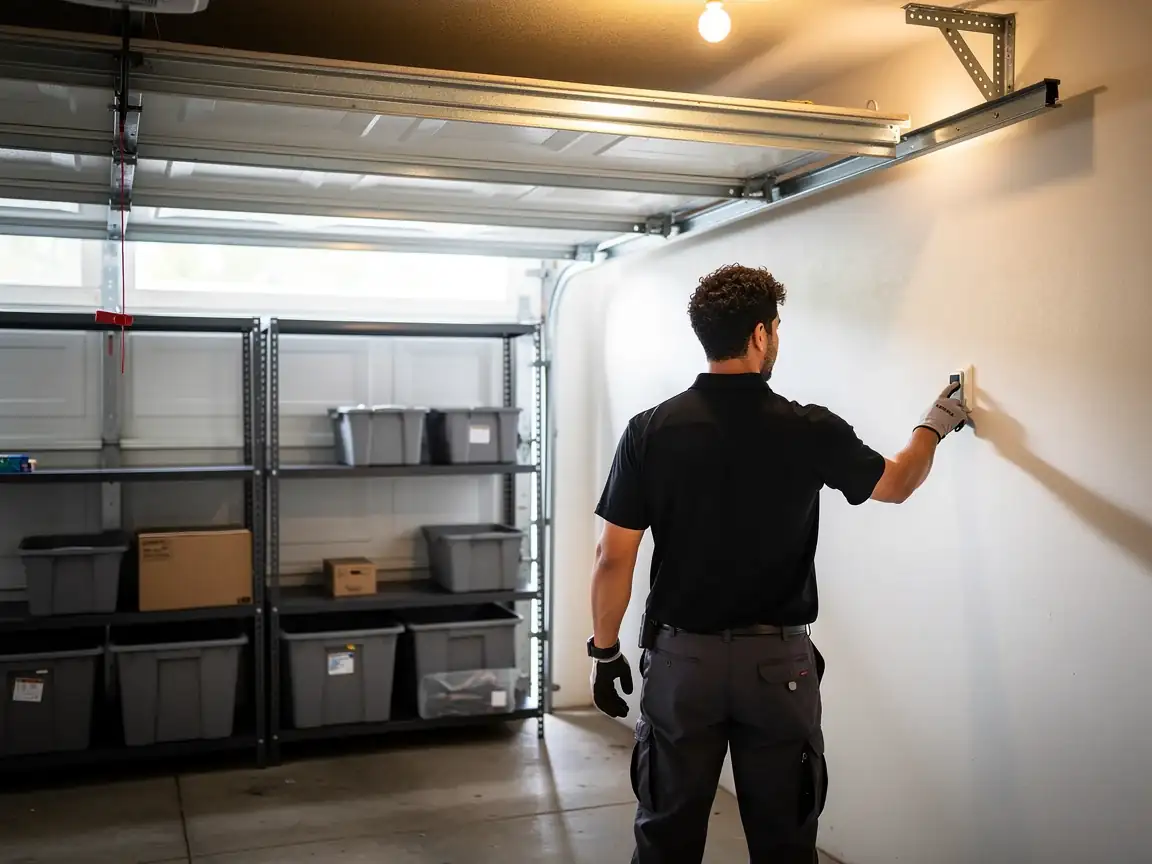
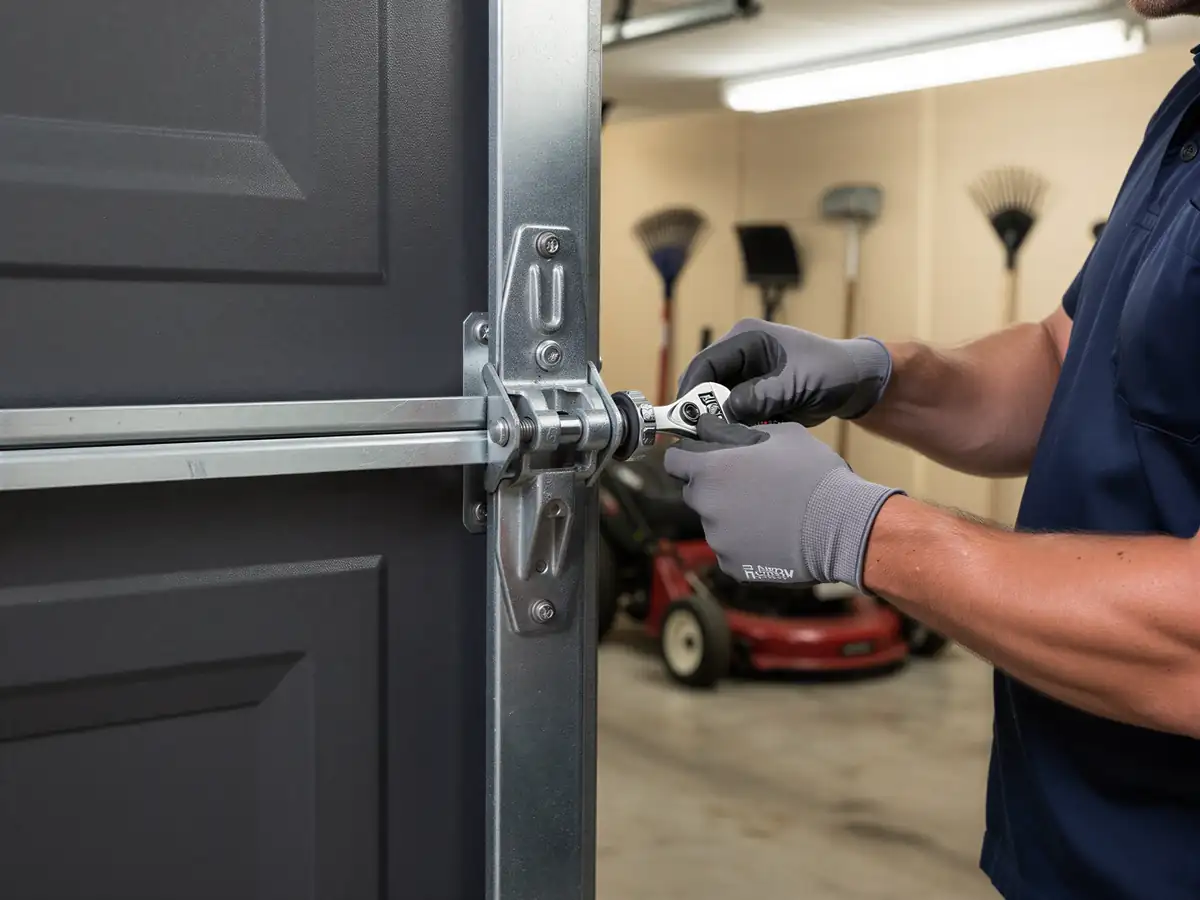
A straightforward off-track repair - rehanging the door, swapping worn rollers, re-squaring a bent section of track - usually runs under two hours once we're on site. Add time if a bracket has to be relocated because the original screw holes stripped out of forty-year-old framing, which happens more on the 1984-era stock common in Graham than on newer builds. The five-mile run from Burlington doesn't add meaningfully to the day, but it does mean we plan the parts load before we leave rather than mid-job, since there's no supply house around the corner to run to if we're short a bracket size. If the spring turns out to be the real problem and not just the track, that's a separate repair and we'll say so before starting, not after.
Getting It Booked In
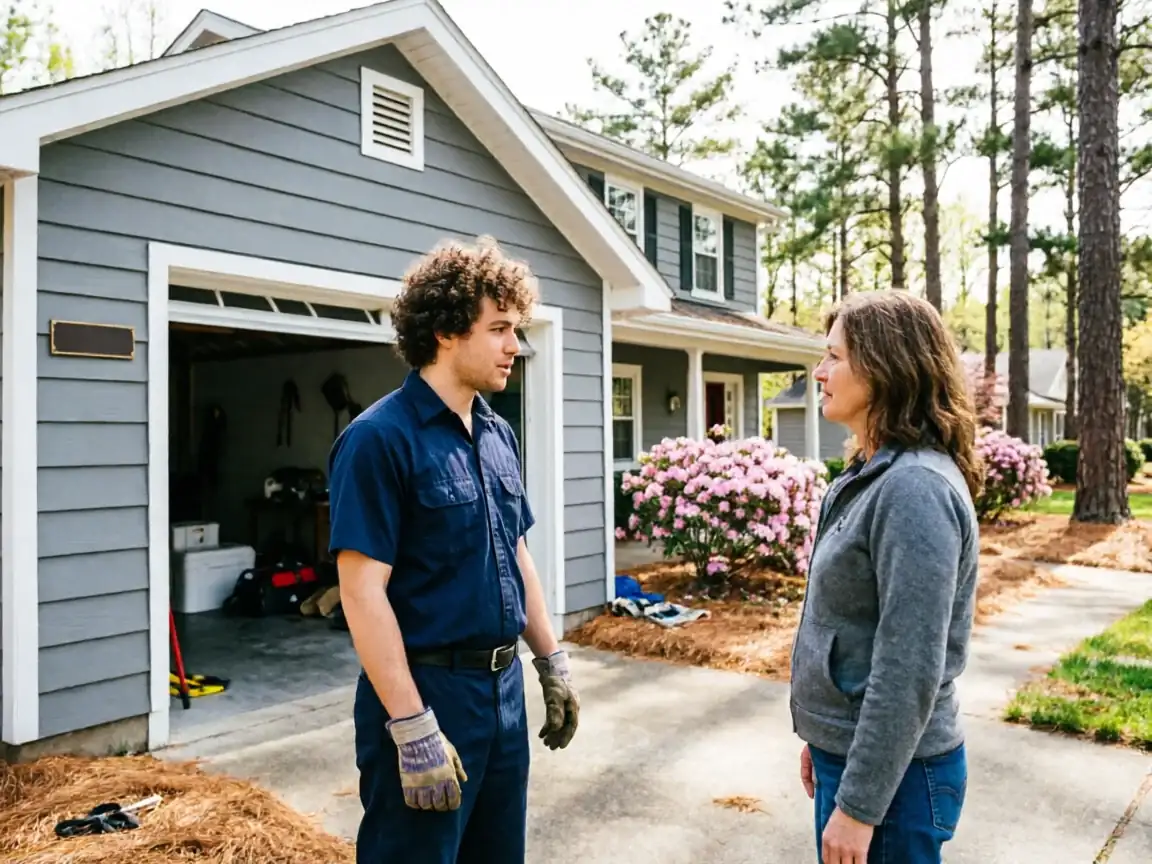
Tell us the door is off track and what you've noticed - a gap at one corner, a grinding sound, the door stopping partway - and we'll ask about the age of the house if you know it, since that tells us a lot about what hardware we're dealing with before we even arrive. Graham homes built in the 1980s tend toward a specific set of track and roller problems, so a few details on the phone usually let us load the right parts the first time. We cover Graham as part of our regular area out of Burlington, and you can see the rest of what we handle nearby on our coverage page.