What the Repair Takes
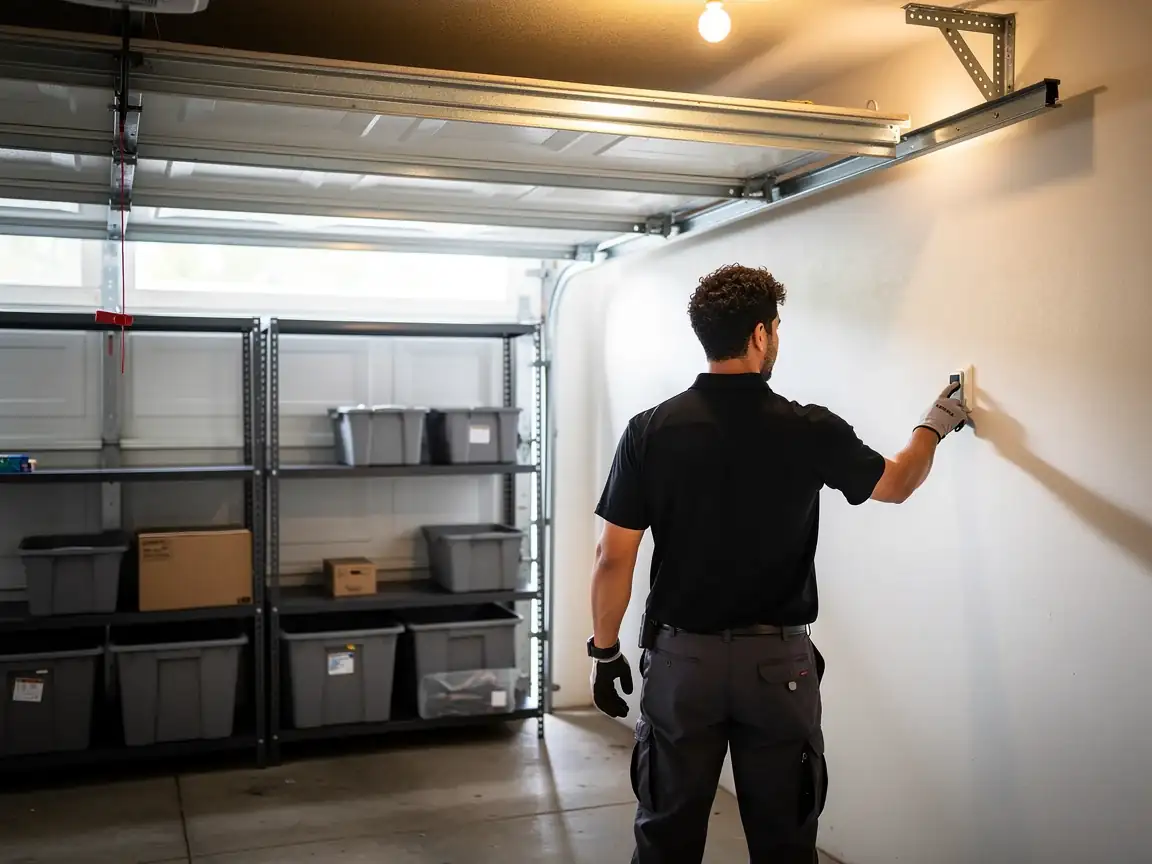
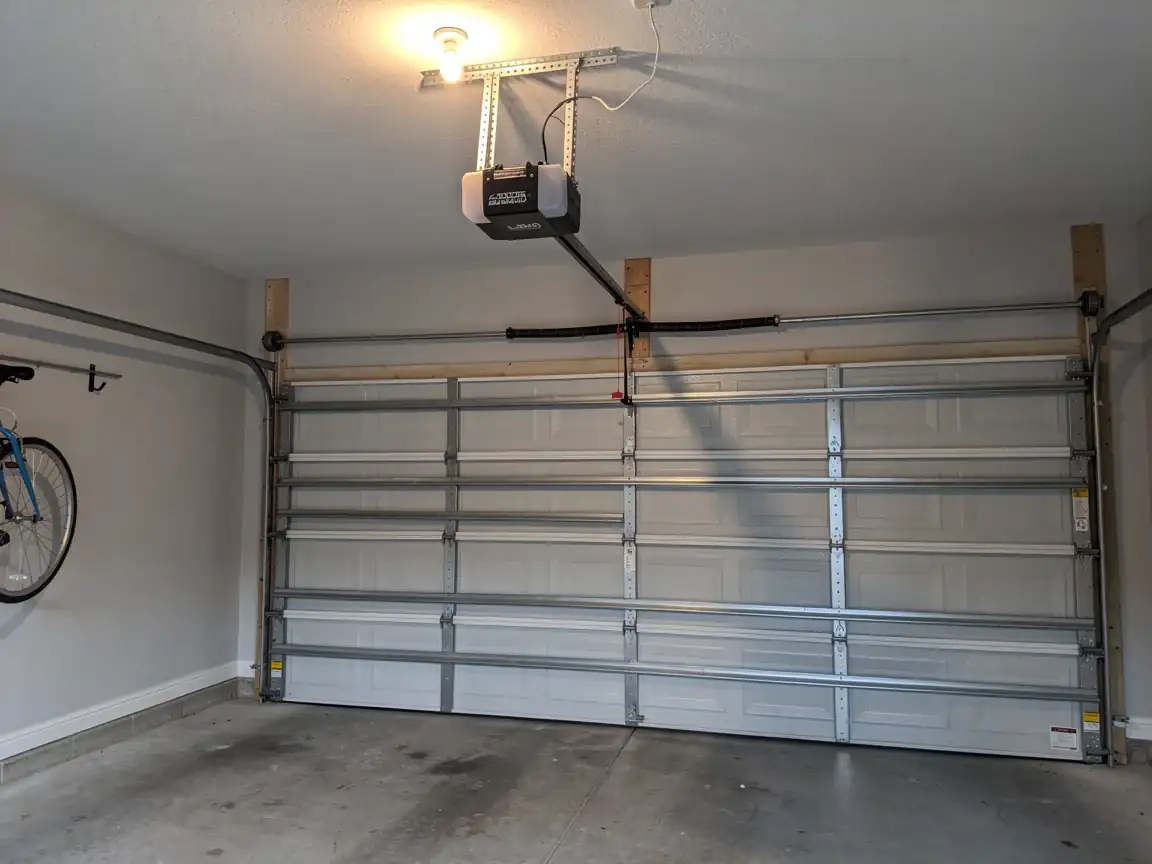
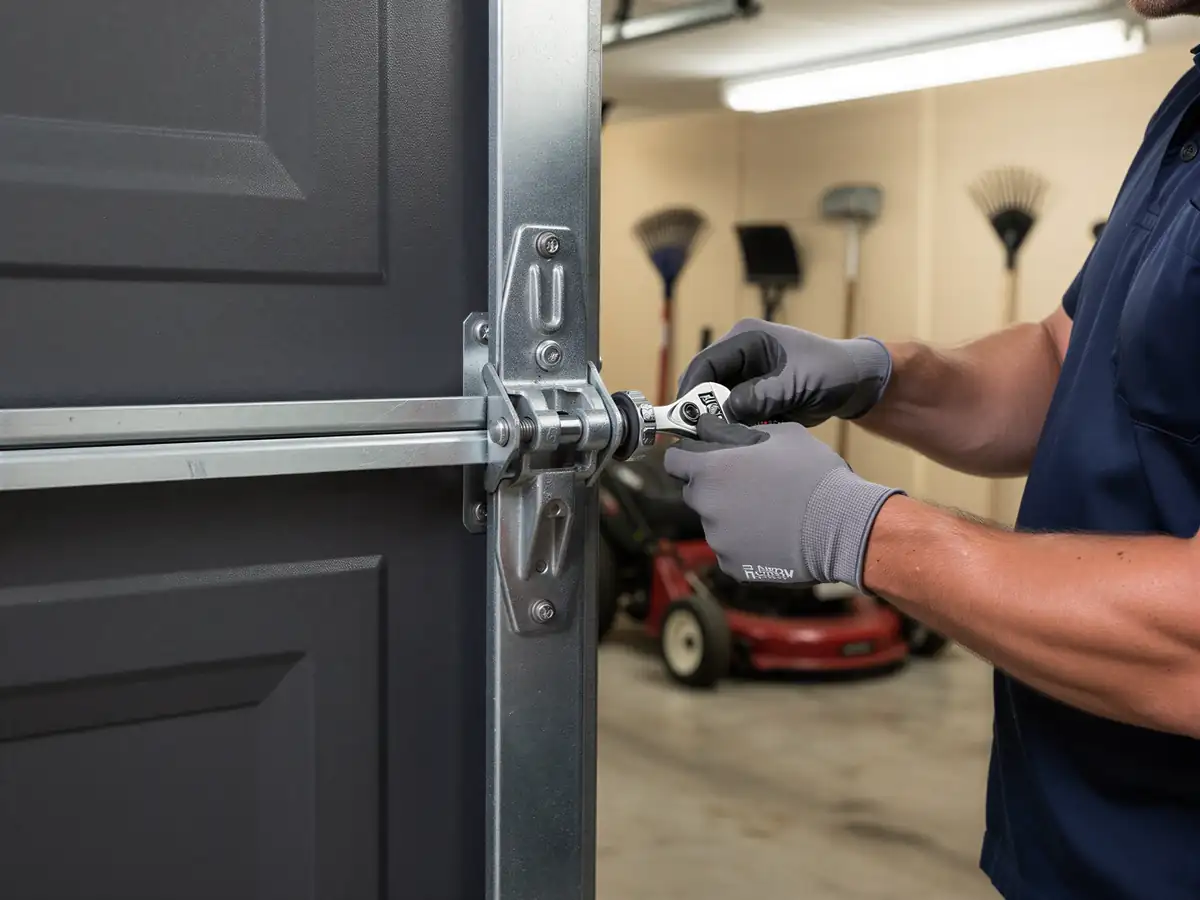
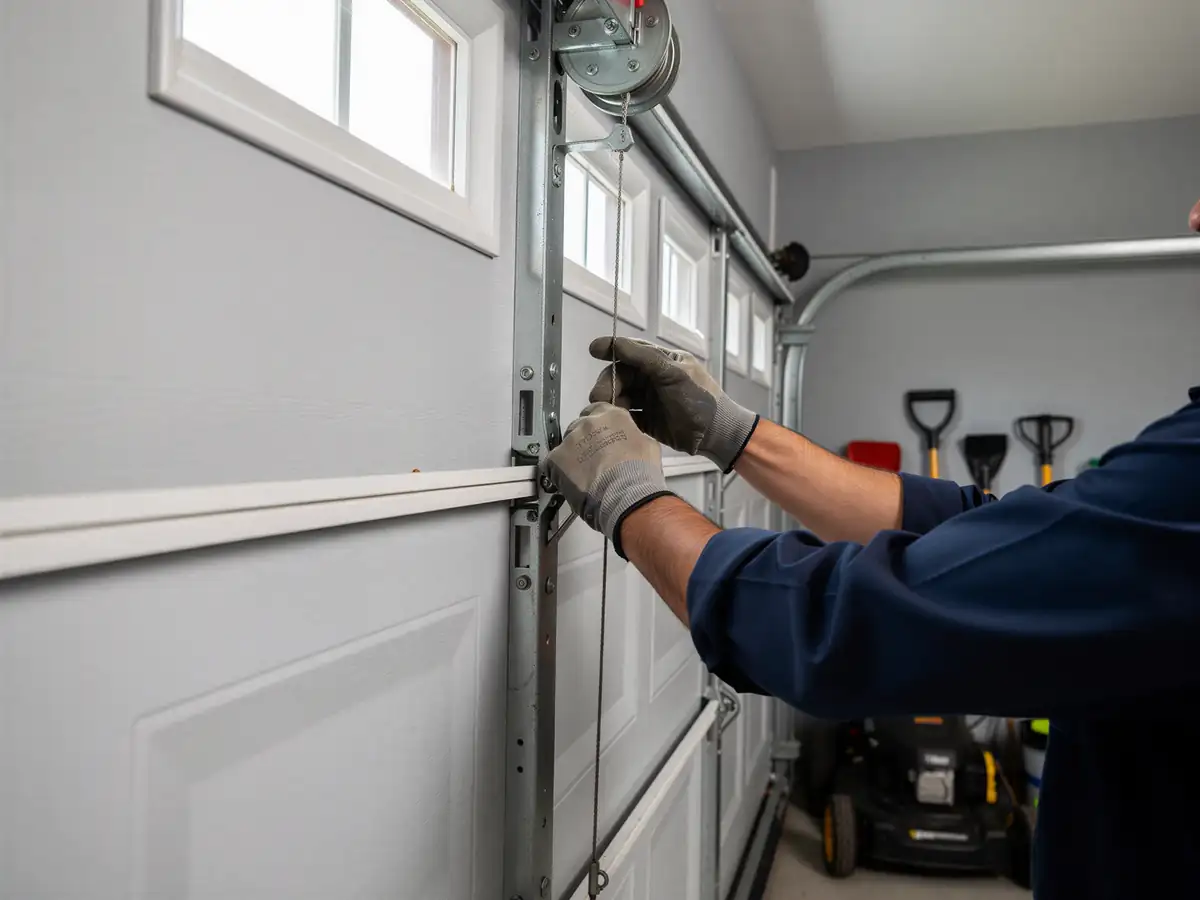
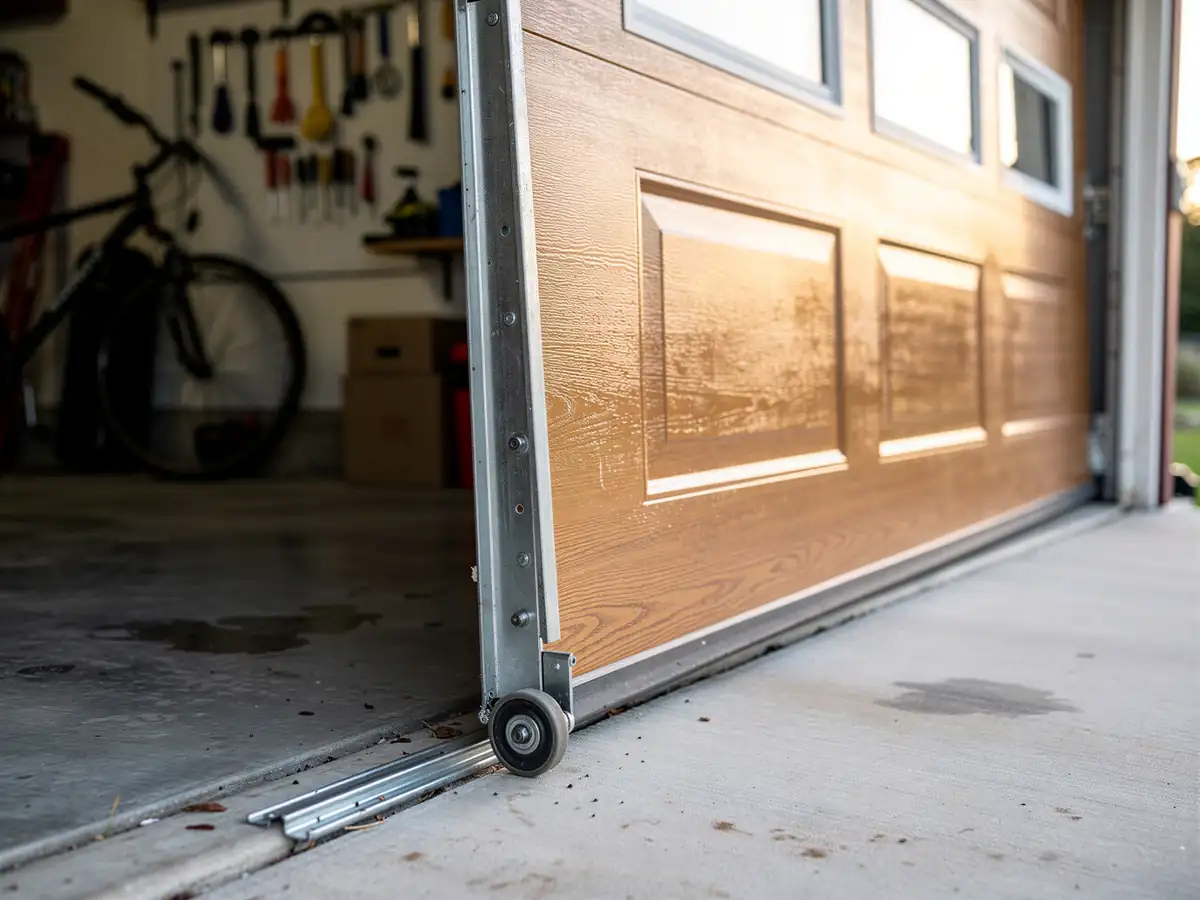
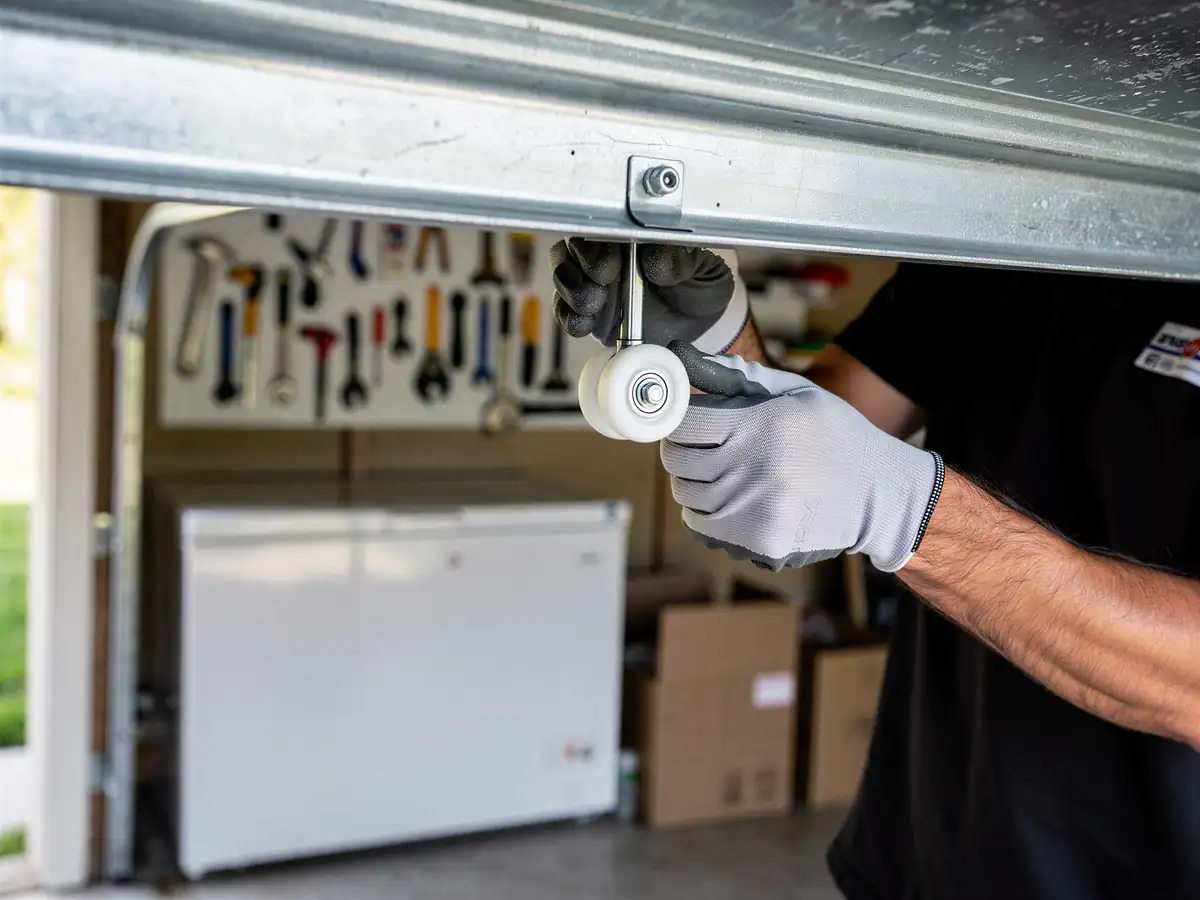
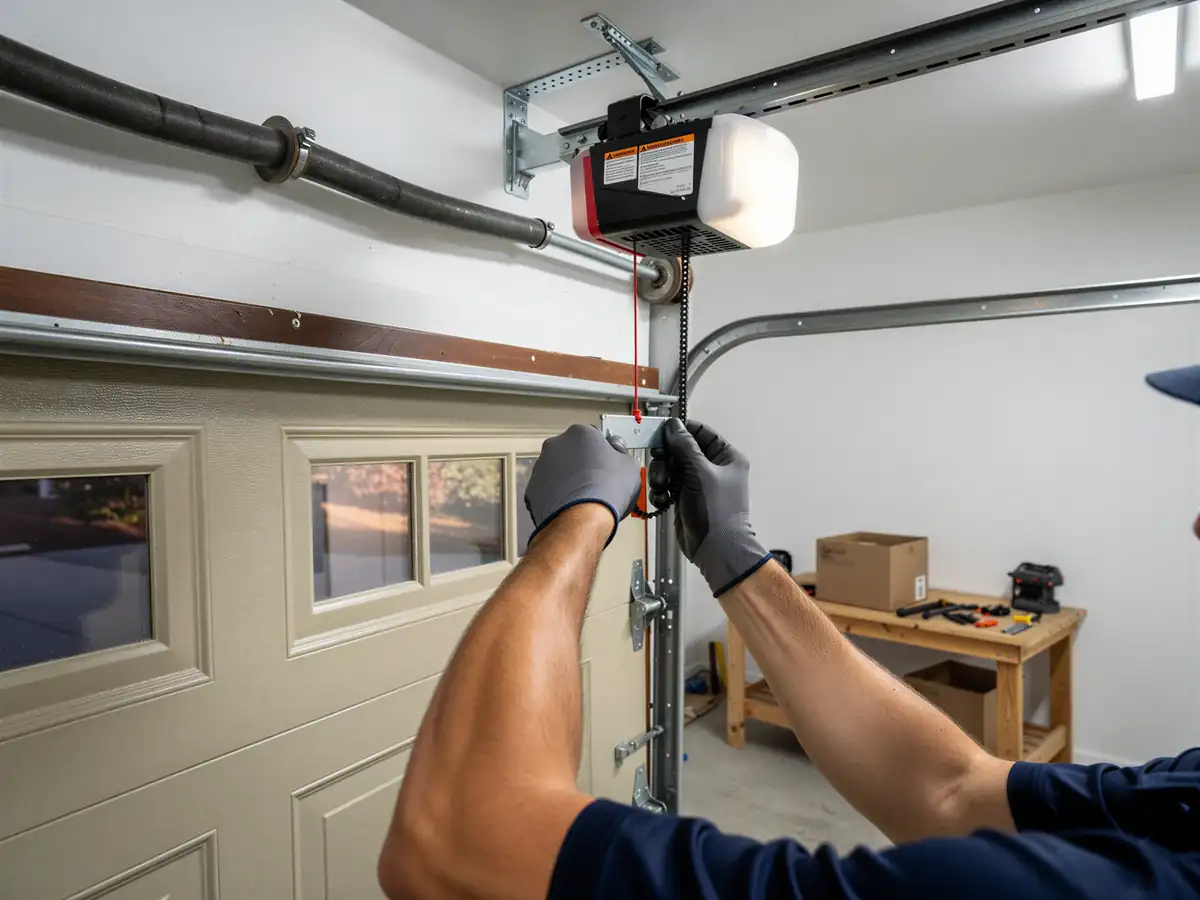
Graham is a town of roughly 7,751 households, which is enough volume that we see the same handful of opener problems over and over rather than a grab bag of one-offs. Most houses here went up around 1984, inside the wider 1970-2004 build window that covers this service area. That matters for opener work because the header bracket, the door weight, and the track spacing from that era were built around a specific generation of openers - chain-drive units rated for steel sectional doors, usually on a 1/3 or 1/2 horsepower motor. Swapping in a modern opener without checking the bracket and the door's actual weight is how you end up with a unit that strains on every cycle or a rail that flexes. The install itself is mechanical work: mounting the rail, setting the header bracket to the right height for your ceiling and door travel, wiring the wall control, and programming the remotes and safety sensors. On an 1980s build the lumber in the header is usually sound, but we still check it before we hang anything off it - old growth framing holds a lag bolt fine, but we're not assuming.
Can You Do This Yourself
A lot of homeowners can hang a rail and bolt a motor to a bracket. Where it goes wrong is the force setting and the safety reversal test - get those wrong on a heavier steel door and you've got an opener that either won't close under its own weight or one that keeps slamming down on something in its path. If your current opener is original to a house built in the mid-1980s, the wiring gauge and the wall control are probably not compatible with a new unit's low-voltage board, so you're not just swapping a motor, you're rewiring the control side too. We're not going to tell you it can't be done in a weekend. We will tell you that the safety reversal and force settings are the two things worth having someone check even if you do the rest yourself.
Time on the Job
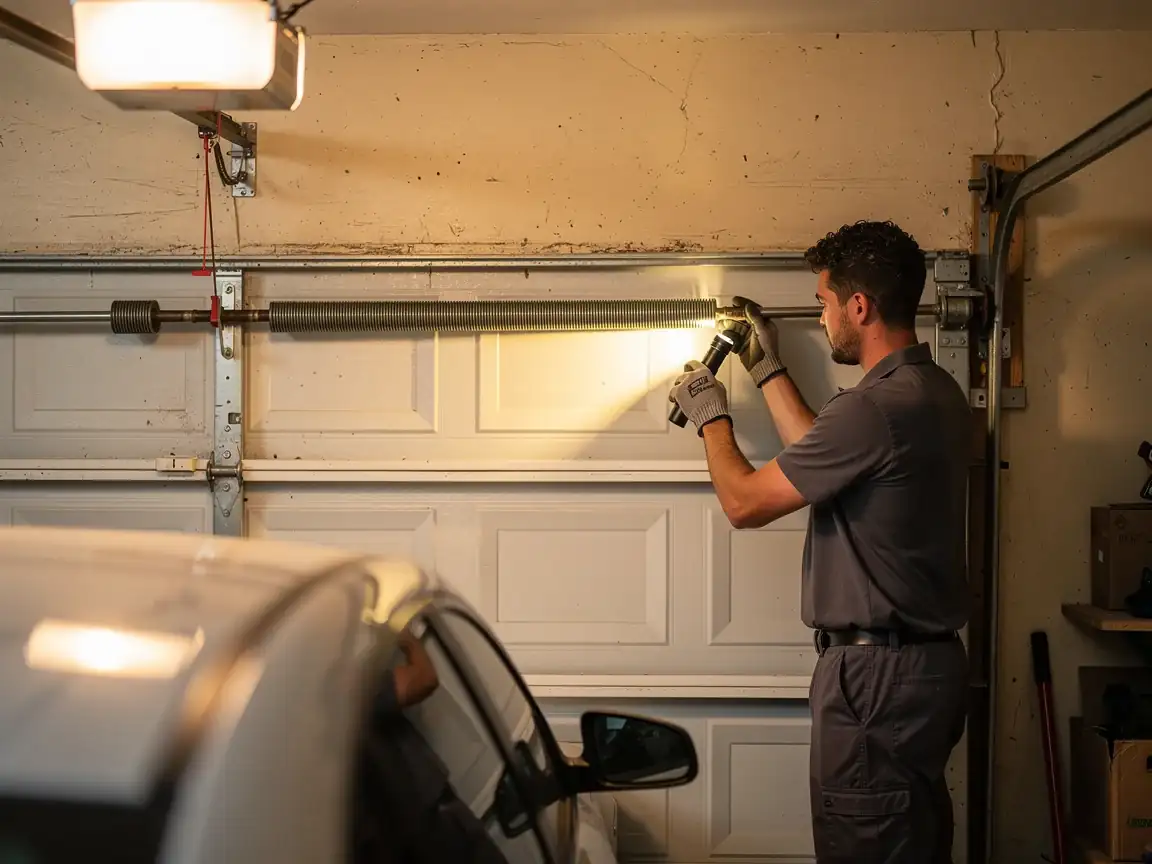
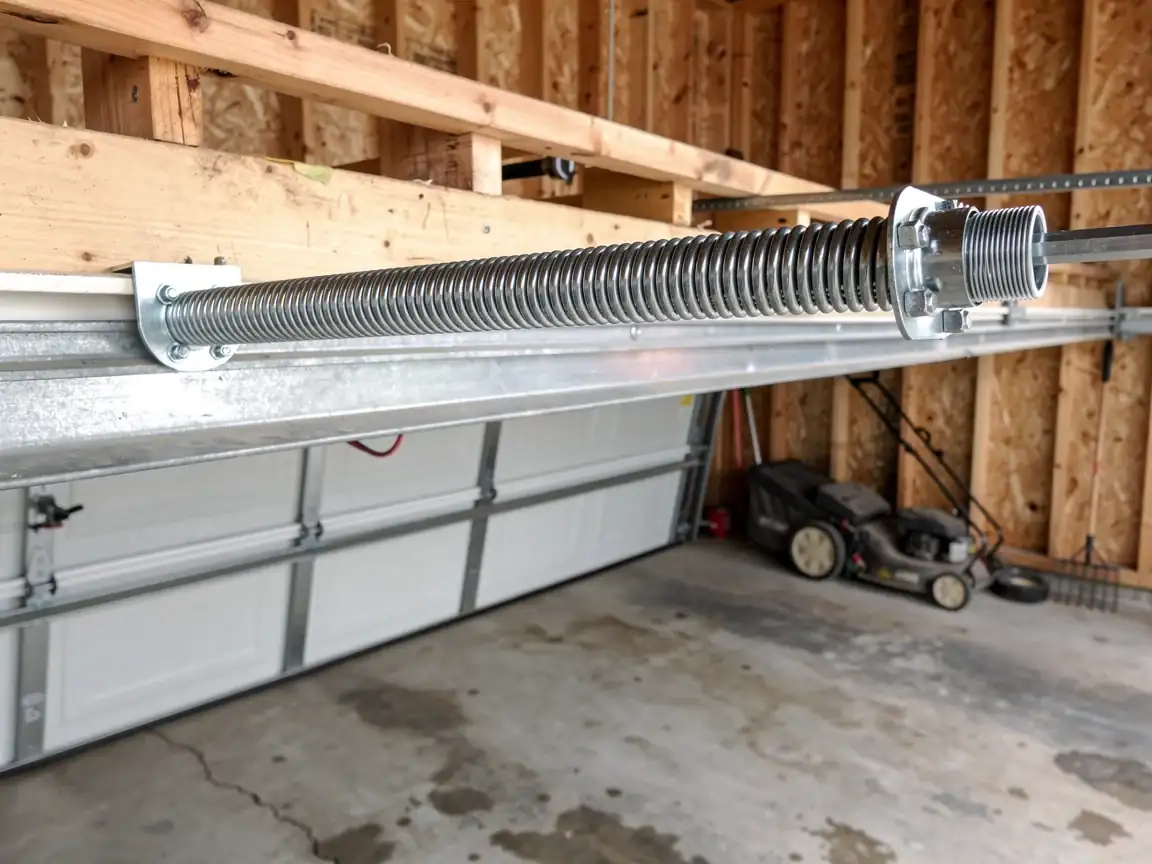
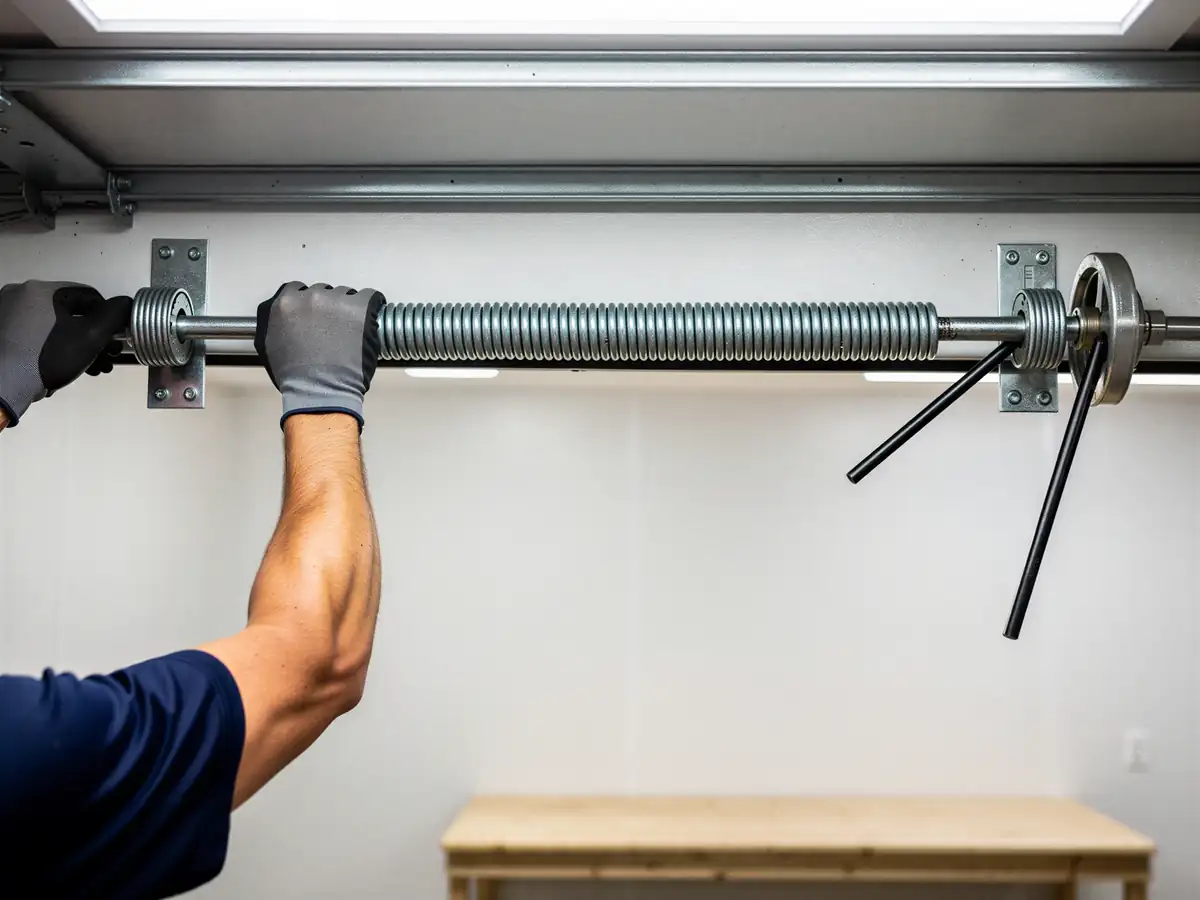
A straight opener swap on a door that already has sound brackets and a working wall control runs a few hours - mount the rail, set the motor, wire the control, program the remotes, test the reversal. Add time if the header bracket from the 1980s needs reinforcing for a heavier belt-drive unit, or if the door itself hasn't been serviced in years and the springs are dragging on the opener rather than helping it. We check the door's balance before we hang a new opener on it, because an opener fighting an unbalanced door will burn out early no matter how good the motor is. That inspection adds maybe fifteen minutes and saves you a second service call.
Getting It Booked In
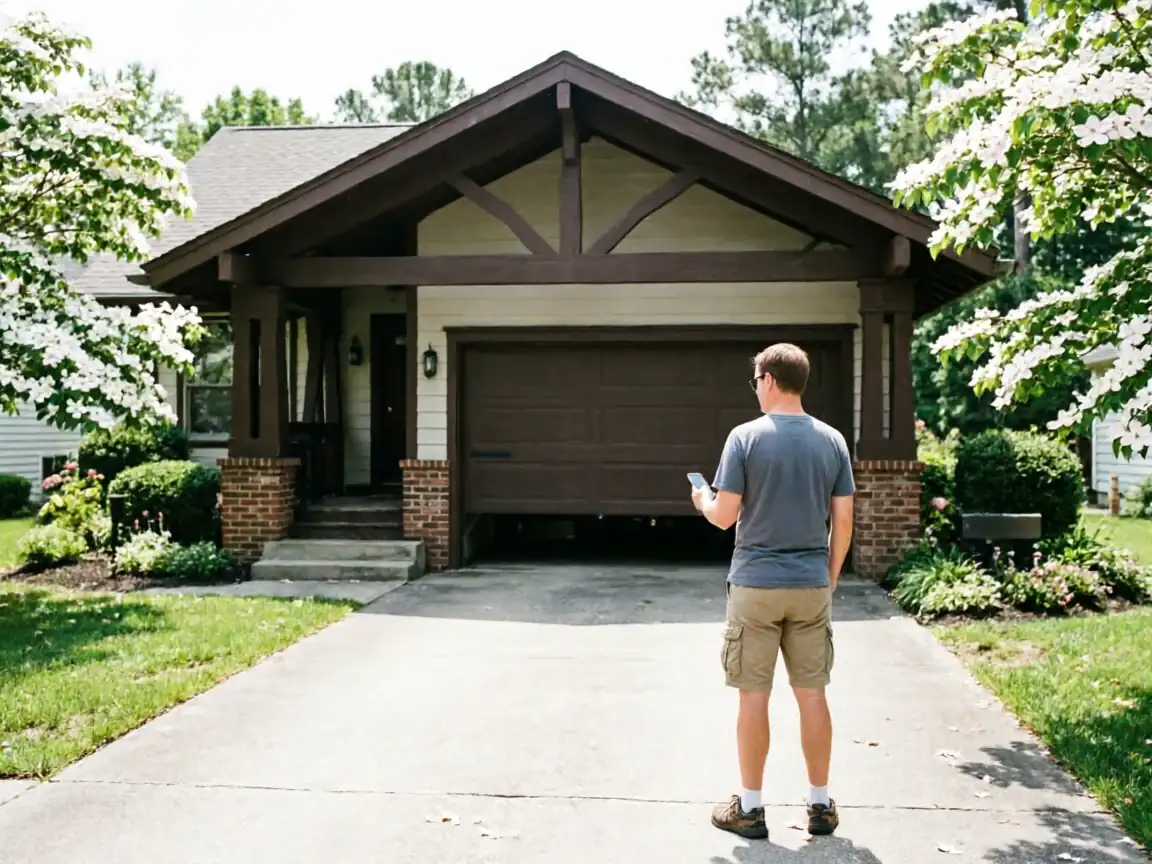
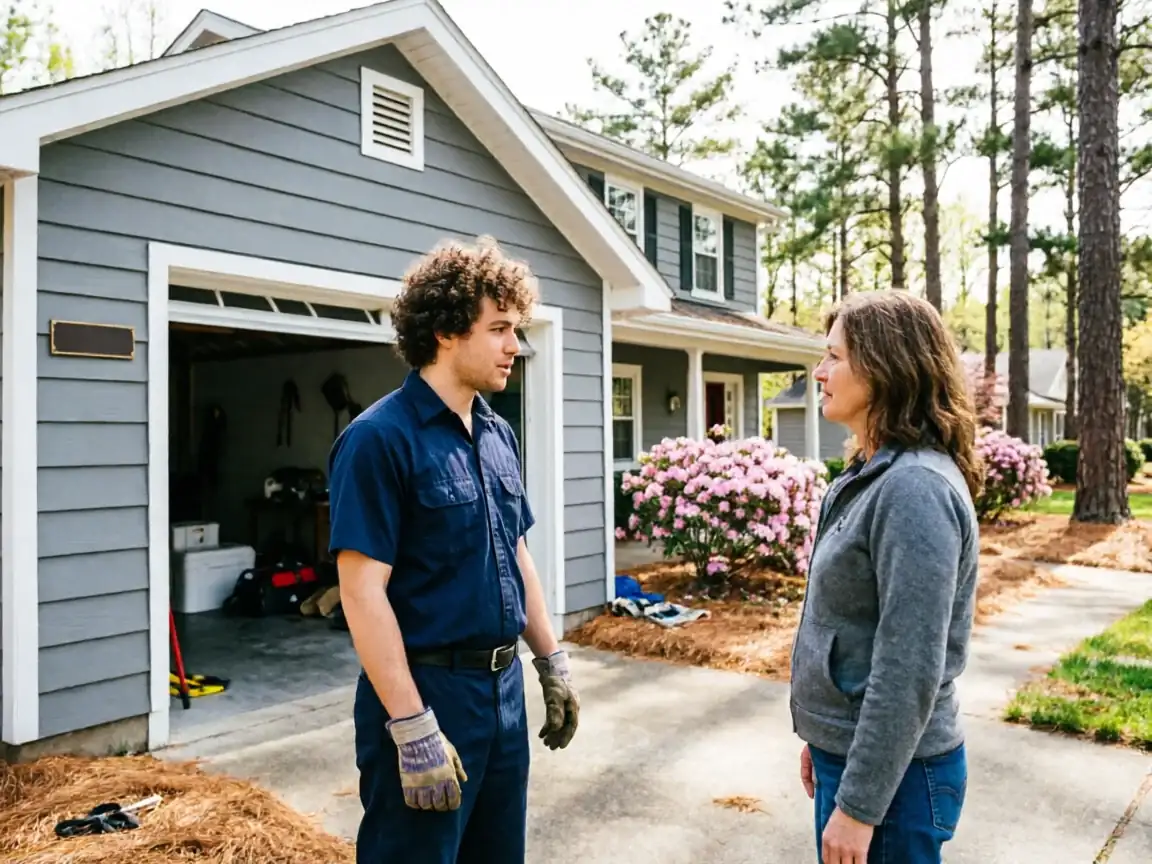
We run jobs in Graham out of Burlington, about 5 miles up the road, so there's no local branch to route a truck from - just a short drive on the schedule like any other job in this corner of the service area. Tell us the age of the house and whether the opener is original or already replaced once; for a town built up mostly in the 1980s, that one detail tells us most of what we need before we even look at the door. See our coverage page for Graham for how we handle service calls in this area, and our main opener installation page covers what we install across the rest of the territory.