What the Repair Takes
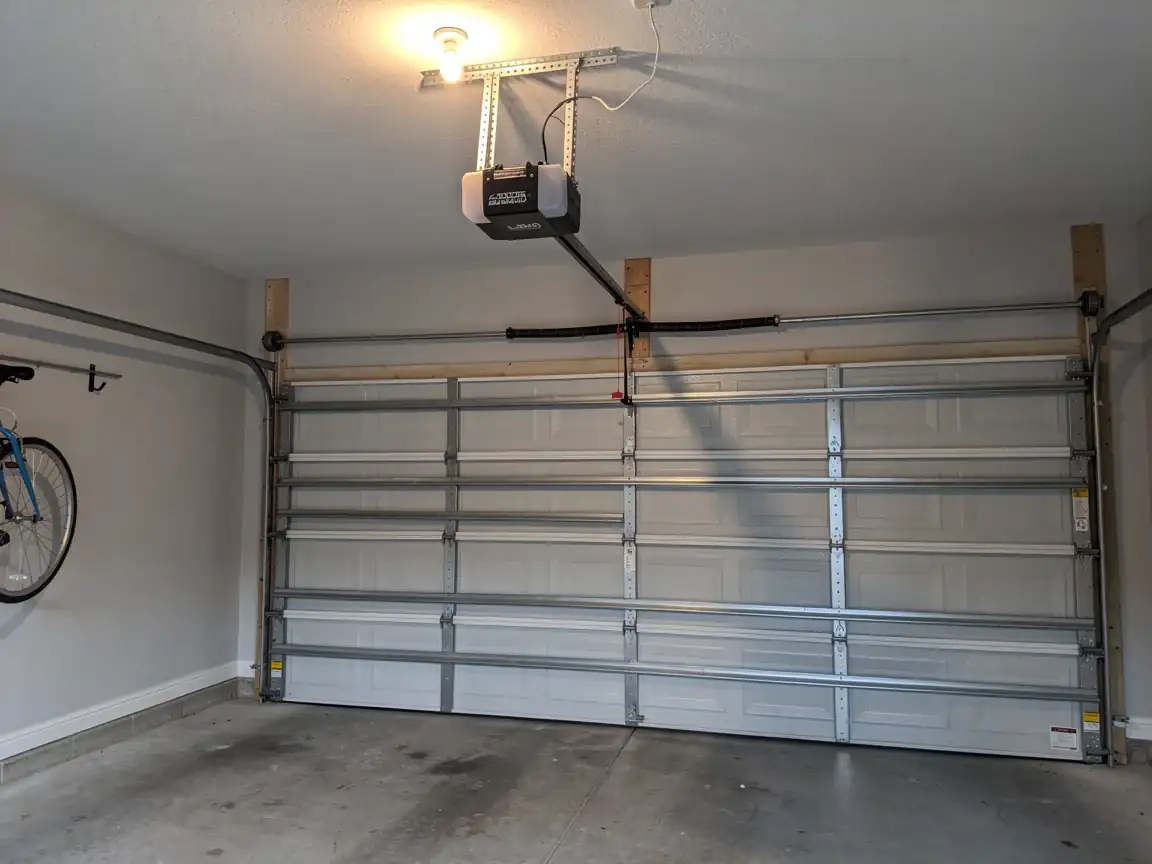
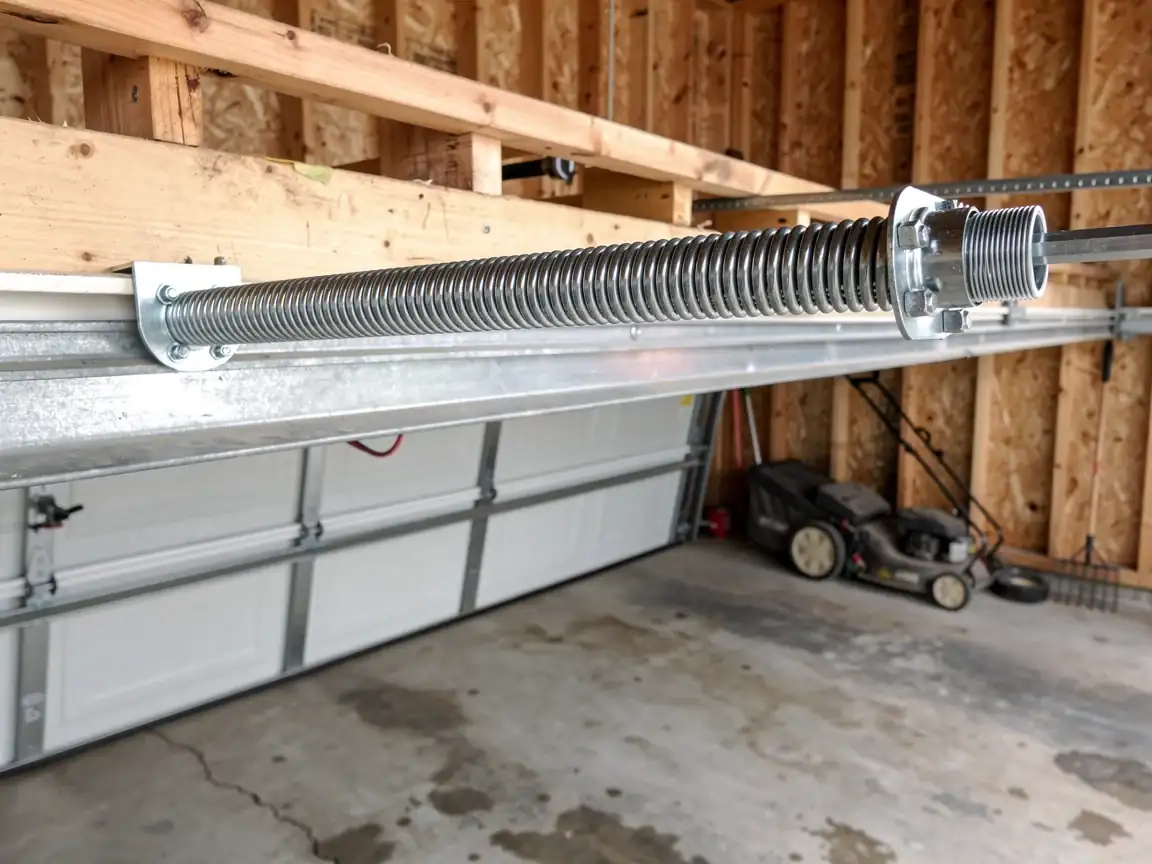
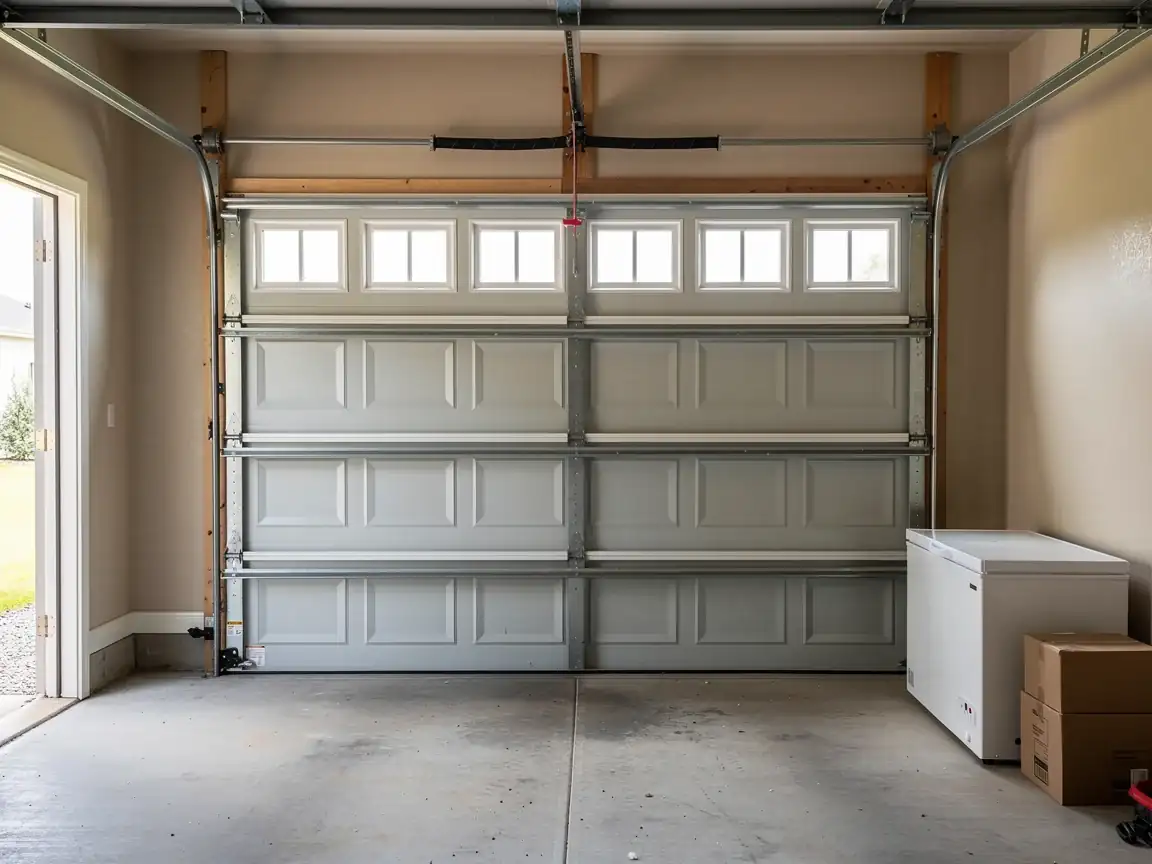
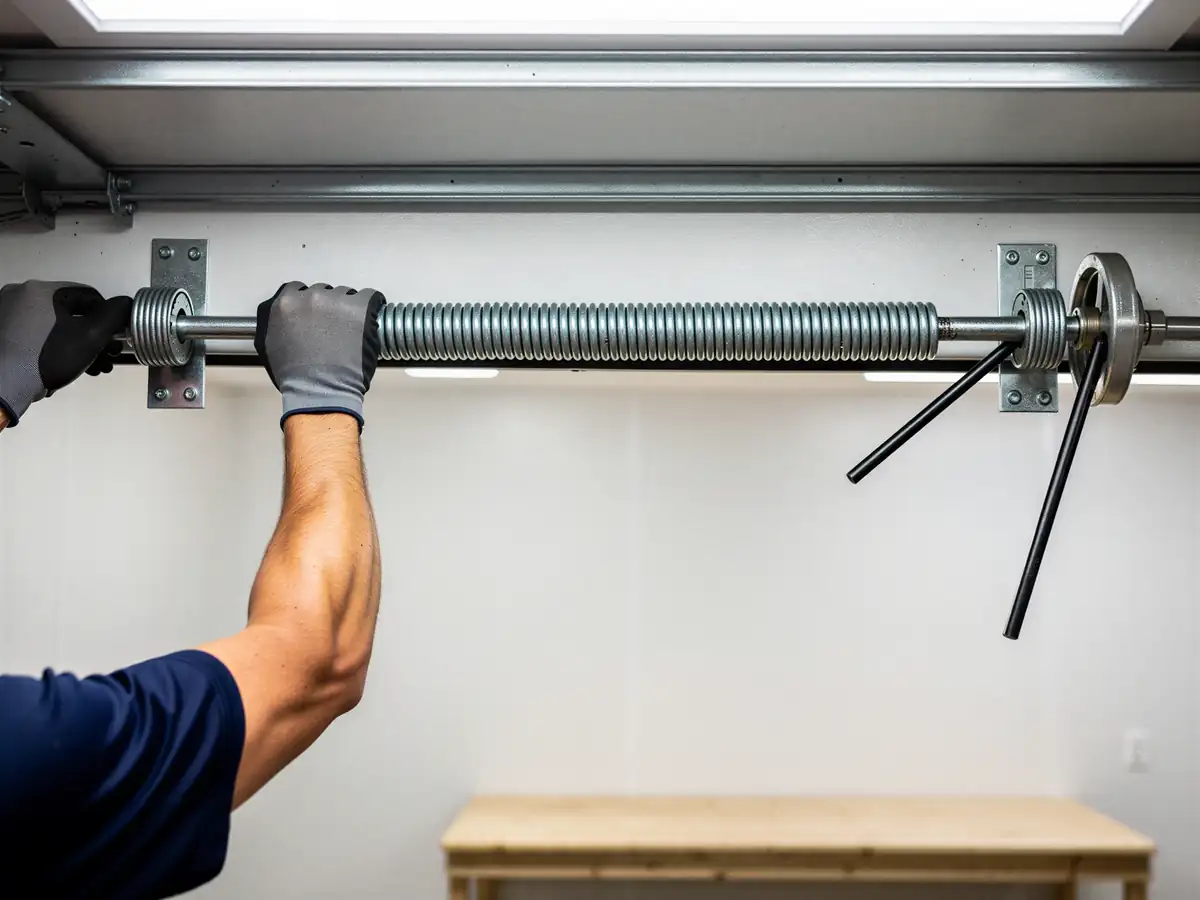
Most of the calls we take in Graham start with the same handful of parts, and it's not a coincidence. The typical house here went up around 1984, which puts it square in the middle of the 1970-2004 building wave that defines this whole corner of the county. Houses from that stretch were built with steel sectional doors on extension springs mounted over the horizontal track, not the torsion bar you'd see on anything built in the last fifteen years.
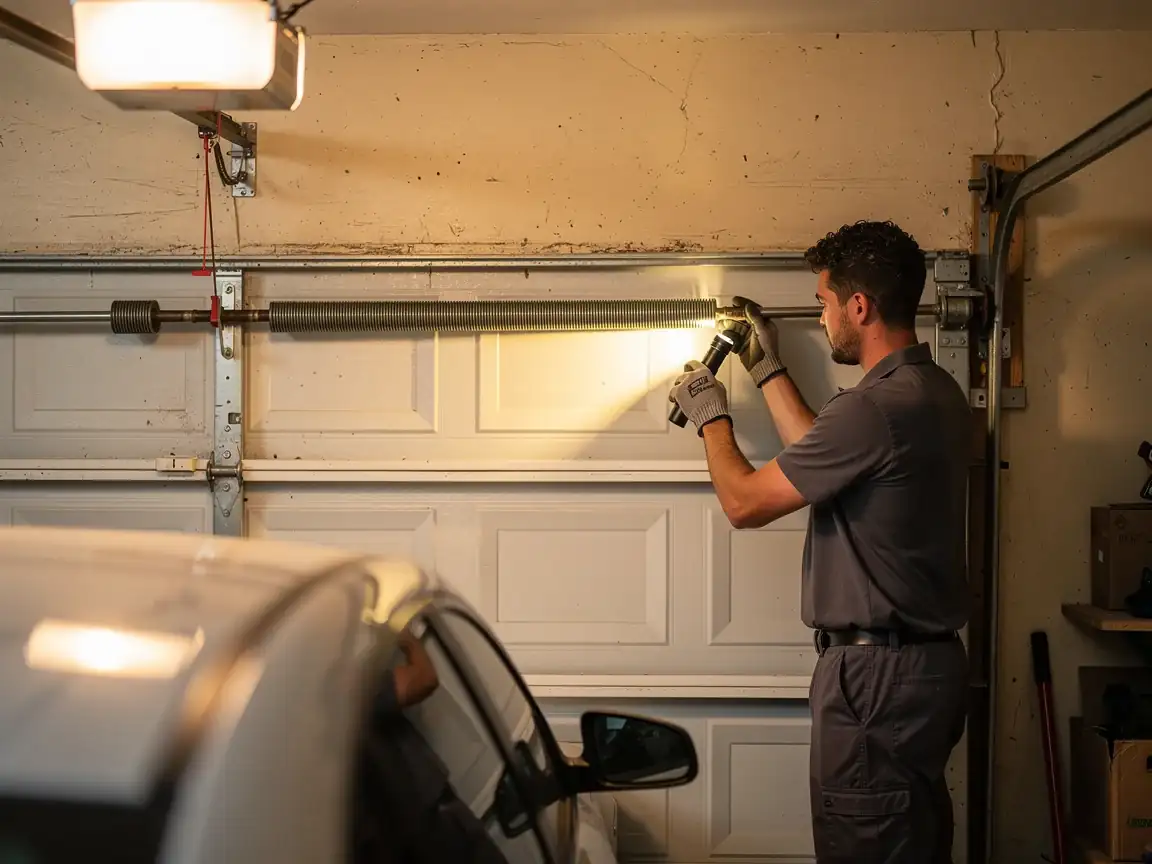
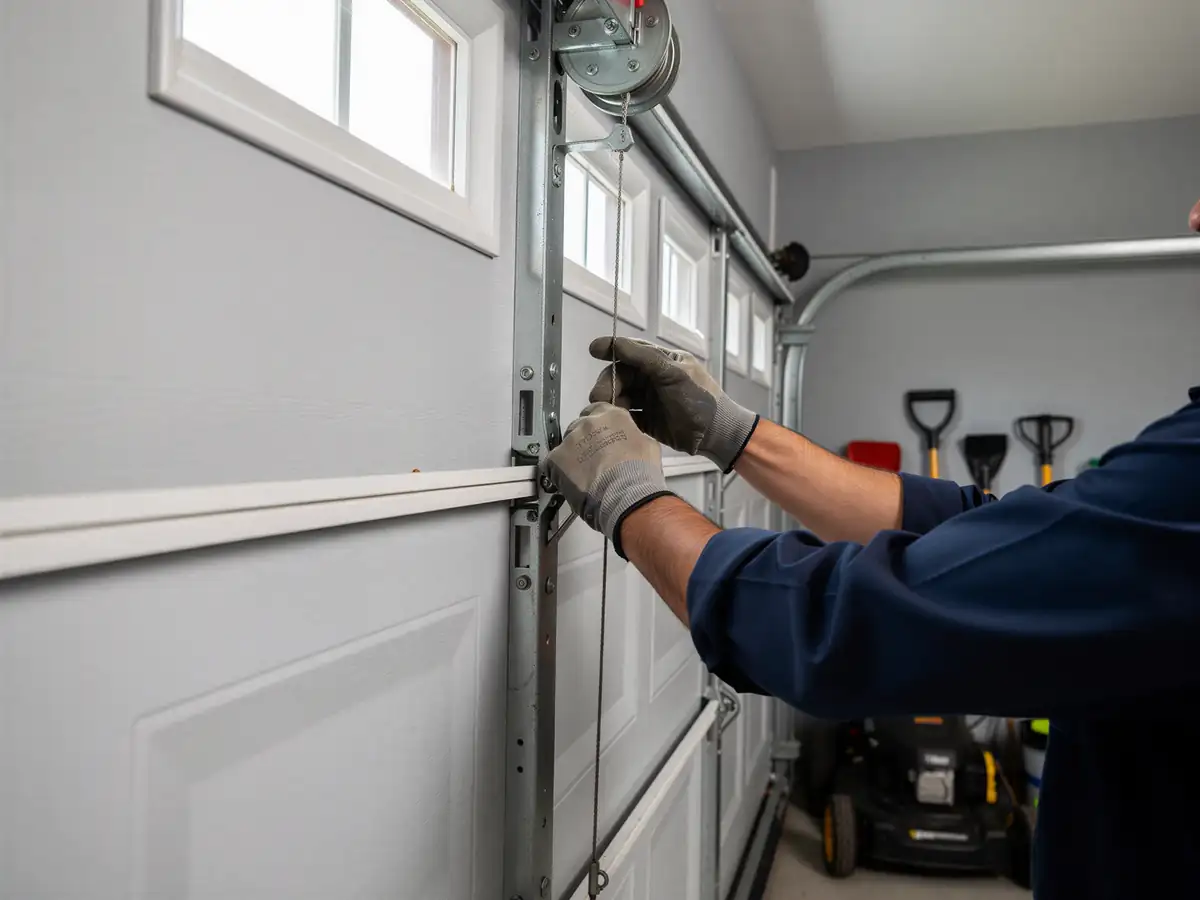
That matters because extension spring systems wear differently. The springs stretch and fatigue over decades rather than snapping clean, and the safety cables that are supposed to catch a broken spring are often missing or the wrong gauge on houses that have never had the door serviced. We also see a lot of original lift cables that have never been swapped, pulley brackets rusted into the track, and the first-generation chain-drive openers that came standard in that era starting to strip their drive gear. The fix almost always comes down to replacing a worn mechanical part rather than anything electronic, which is one reason the repair itself tends to be straightforward once we're looking at it in person.
Can You Do This Yourself
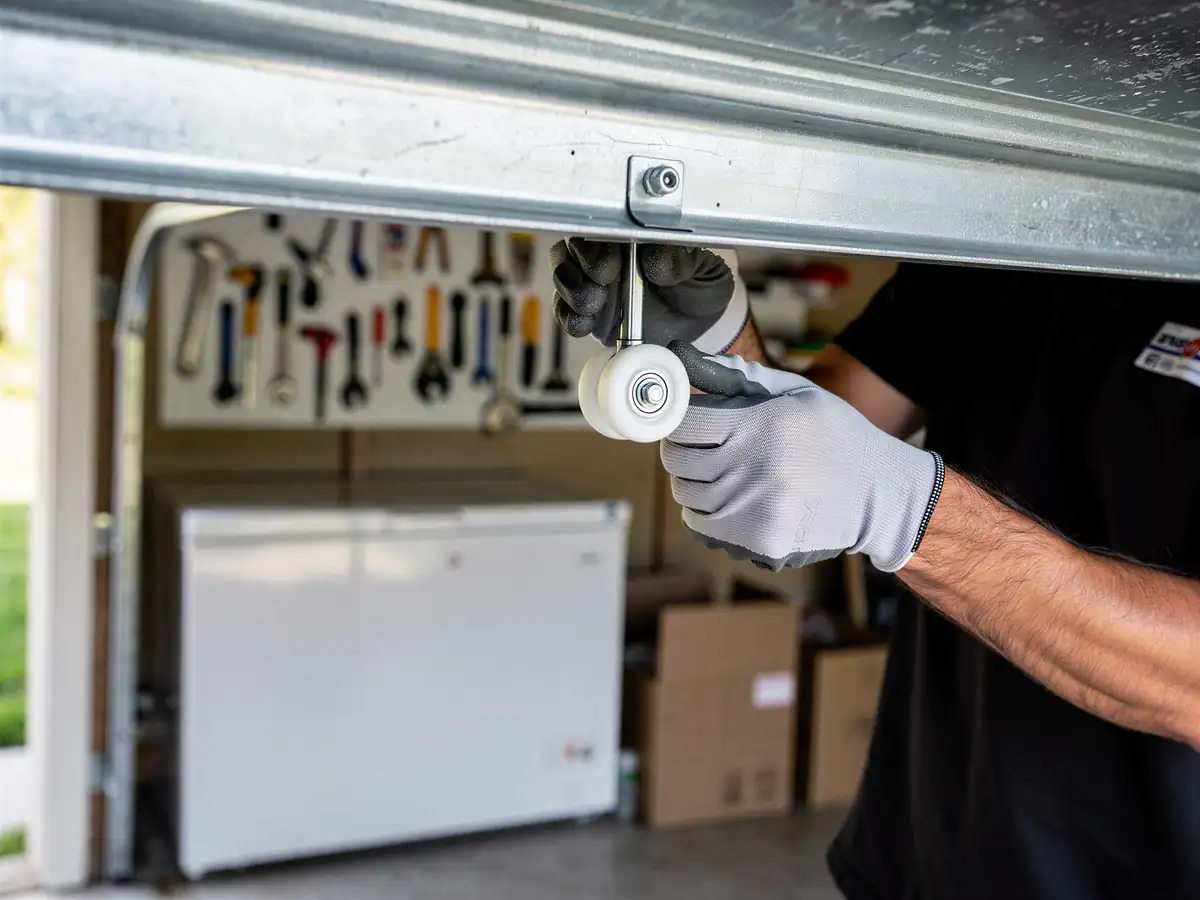
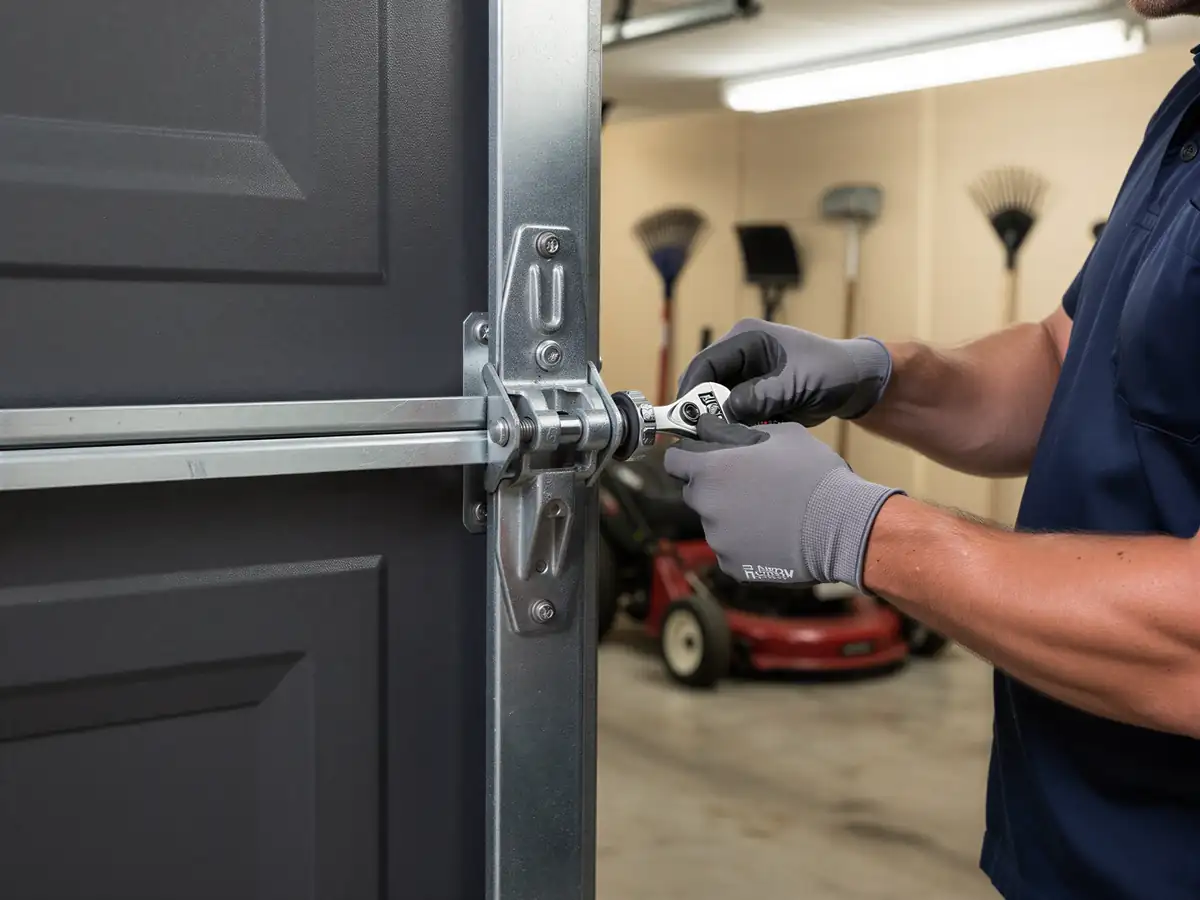
Rollers, weatherstripping, and tightening loose hardware are fair game if you're comfortable on a ladder. An extension spring under tension is not. On a door that's original to a mid-1980s build, the spring has had decades to lose temper, and the stretch it's under when the door is closed is enough to put someone in the hospital if it lets go while you're working near it.
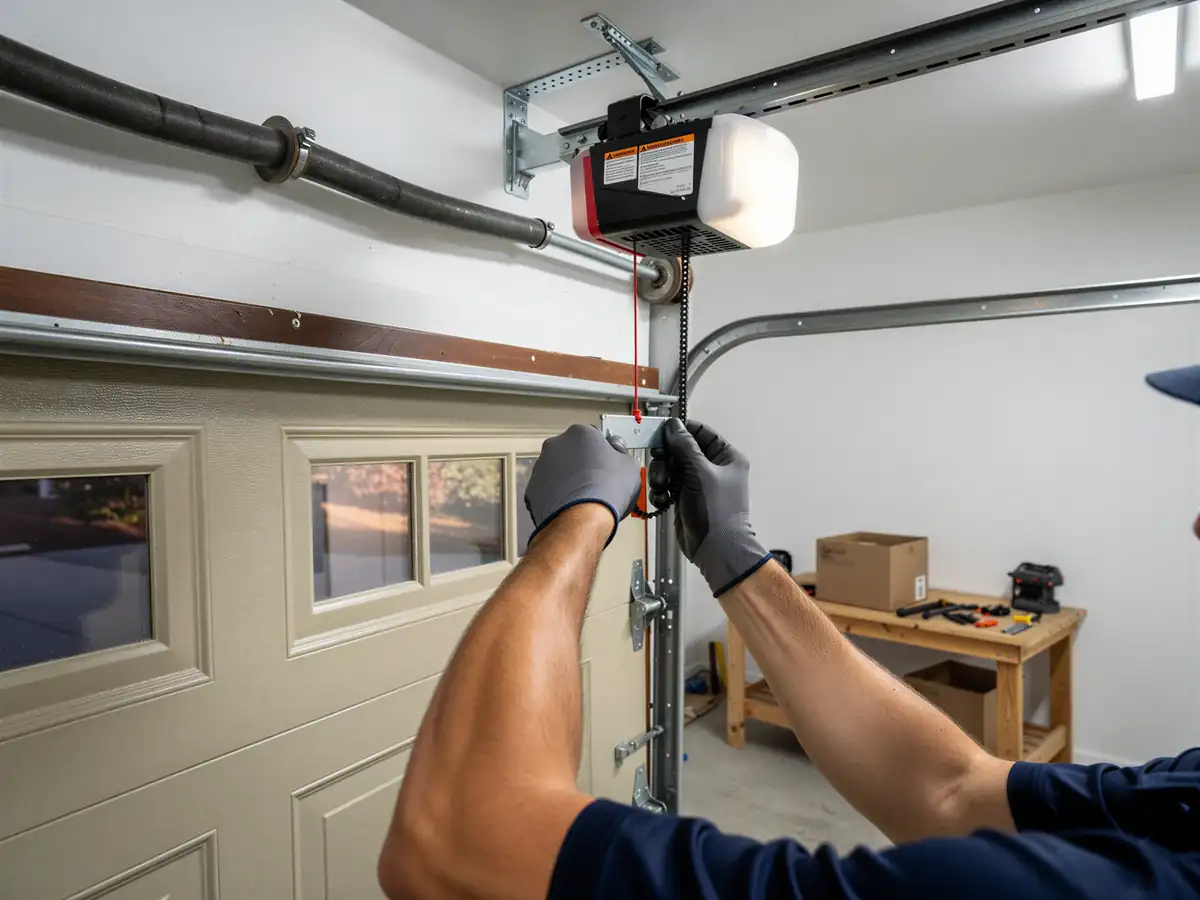
The other thing we'd tell you straight: if the opener is the original chain-drive unit from when the house was built, don't spend money chasing a noise problem with lubricant and hope. At that age the gear is usually the actual issue, and a $15 can of spray won't touch it. Know when you're looking at a ten-minute adjustment versus a part that needs replacing, and call before you've made it worse.
Parts We Carry
Because so much of Graham's housing sits in that 1970-2004 range
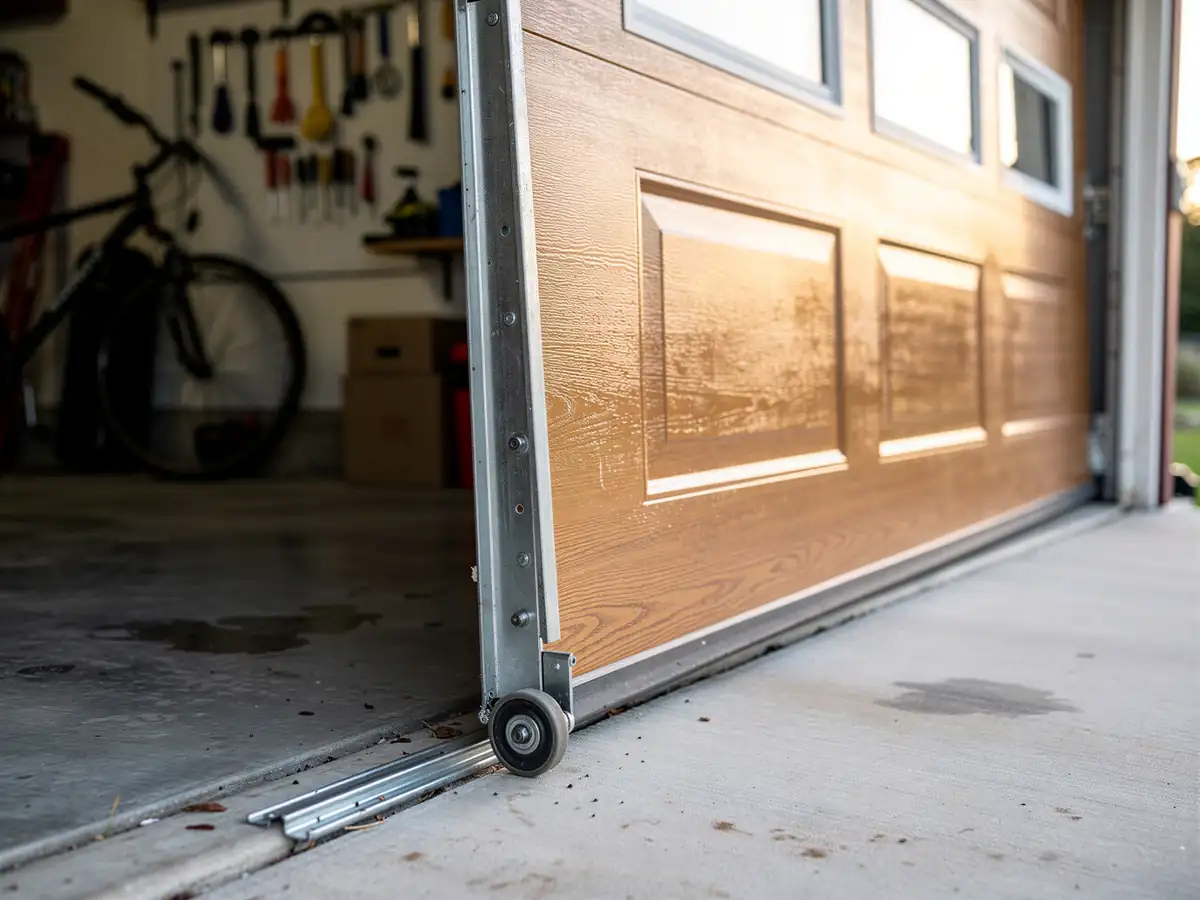
We keep the parts that era actually needs on the truck rather than guessing: extension springs in the common residential weights, galvanized lift cable, steel rollers sized for older track, and safety cables for doors that were never fitted with one. We also stock replacement drive gears and sprockets for the chain-drive openers that are still running in a lot of these houses.
What we don't carry is anything exotic
If a door needs a part specific to a brand that stopped making that model decades ago, we'll tell you that up front instead of quoting a repair we can't actually finish on the day. Sometimes replacement is the honest answer, not another patch.
Time on the Job
We run this out of Burlington, about 5 miles up the road, so there's no separate branch or crew stationed in Graham itself - every job here is a drive from the same shop that covers the rest of the service area. Once the truck's in the driveway, most spring and cable jobs on these older doors run under two hours, since the parts are common and we're not improvising. Opener gear swaps run similar. A full door replacement, if the panels are too far gone to patch, takes longer and usually means a second trip once the new door's in.
Getting It Booked In
Tell us the age of the house if you know it and what the door is doing - won't open, opens and reverses, makes a grinding noise on the way up. That alone tells us a lot before we ever see it, since a 1980s-era door behaves in predictable ways when it fails. We'll bring the parts that match what a house from that period is likely running.
See our coverage page for Graham for what we cover in this area, or check the main Burlington repair page if you're outside Graham proper.
What Can Go Wrong
The service area sits in a cold-moderate climate band
Which means freeze-thaw cycles through the winter months rather than deep sustained cold. On an older door that's been exposed to decades of that cycling, you get rust creeping into the track mounting bolts and the spring coils themselves, which speeds up the fatigue that was already coming from age. A rusted spring doesn't fail gracefully - it tends to go all at once, which is exactly why we don't recommend DIY spring work on a house this age.
The other failure we see is water finding its way under original weatherstripping that was never replaced
Which rots the bottom panel from the inside out on steel doors from this build period. By the time it shows on the surface, the panel's usually past patching.