What the Repair Takes
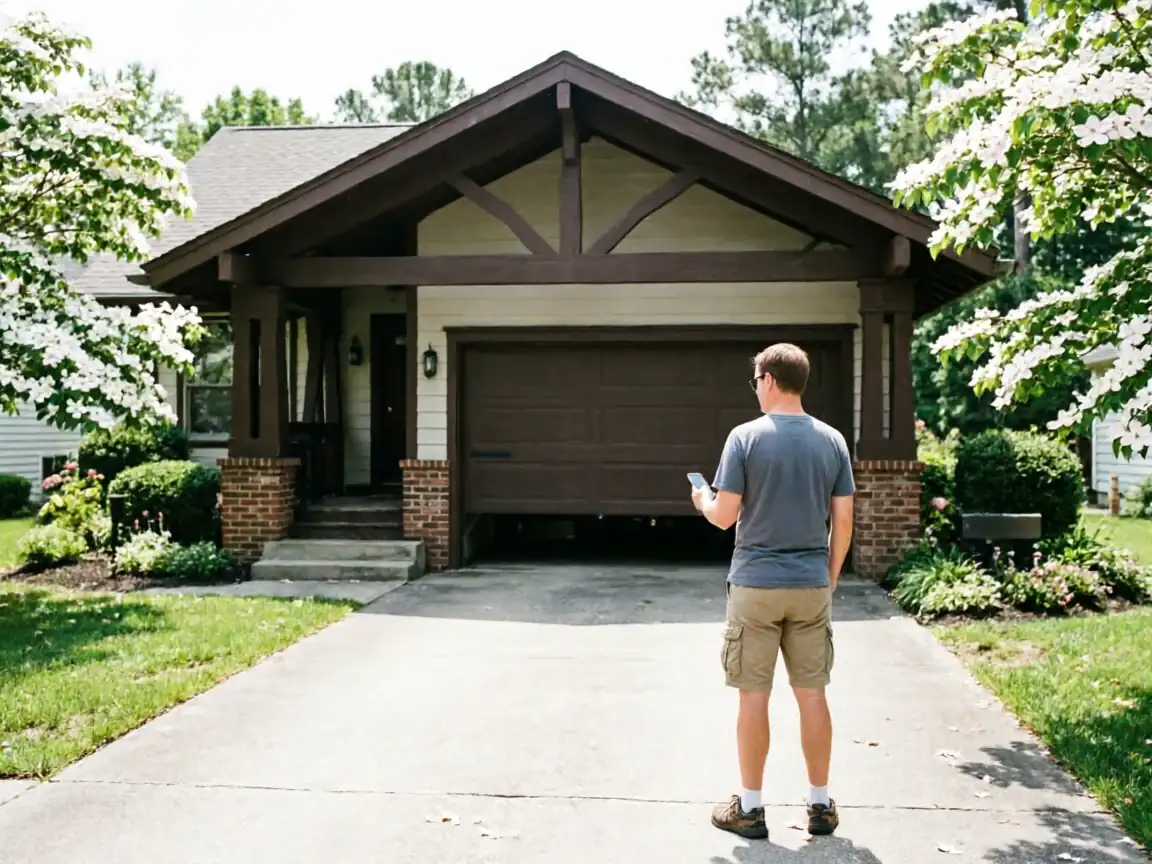
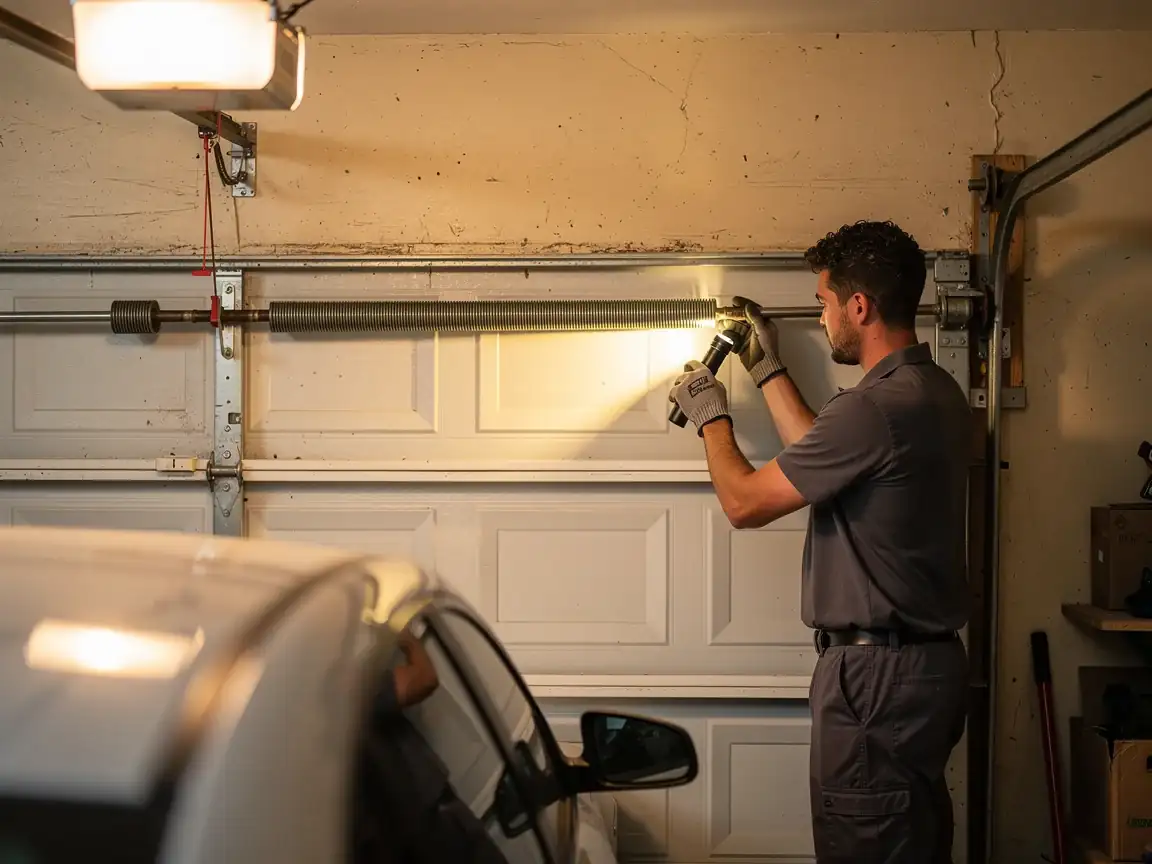
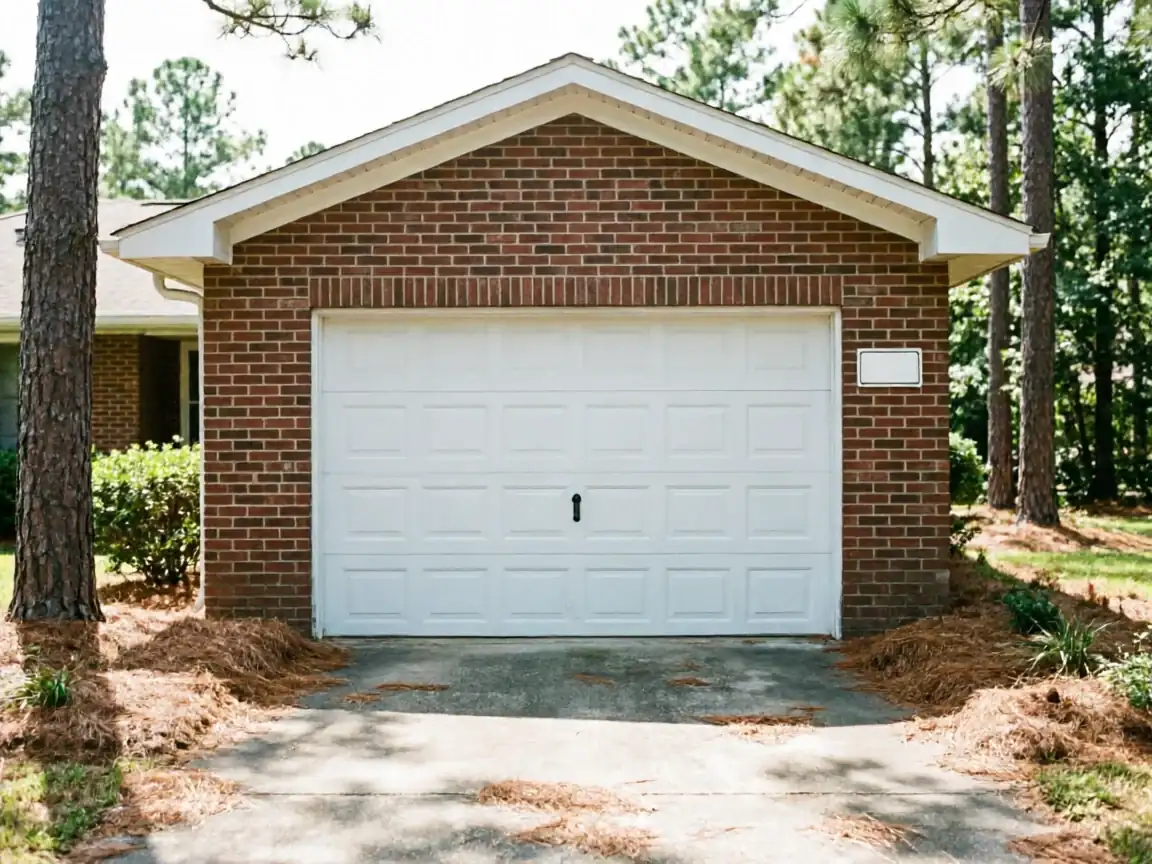
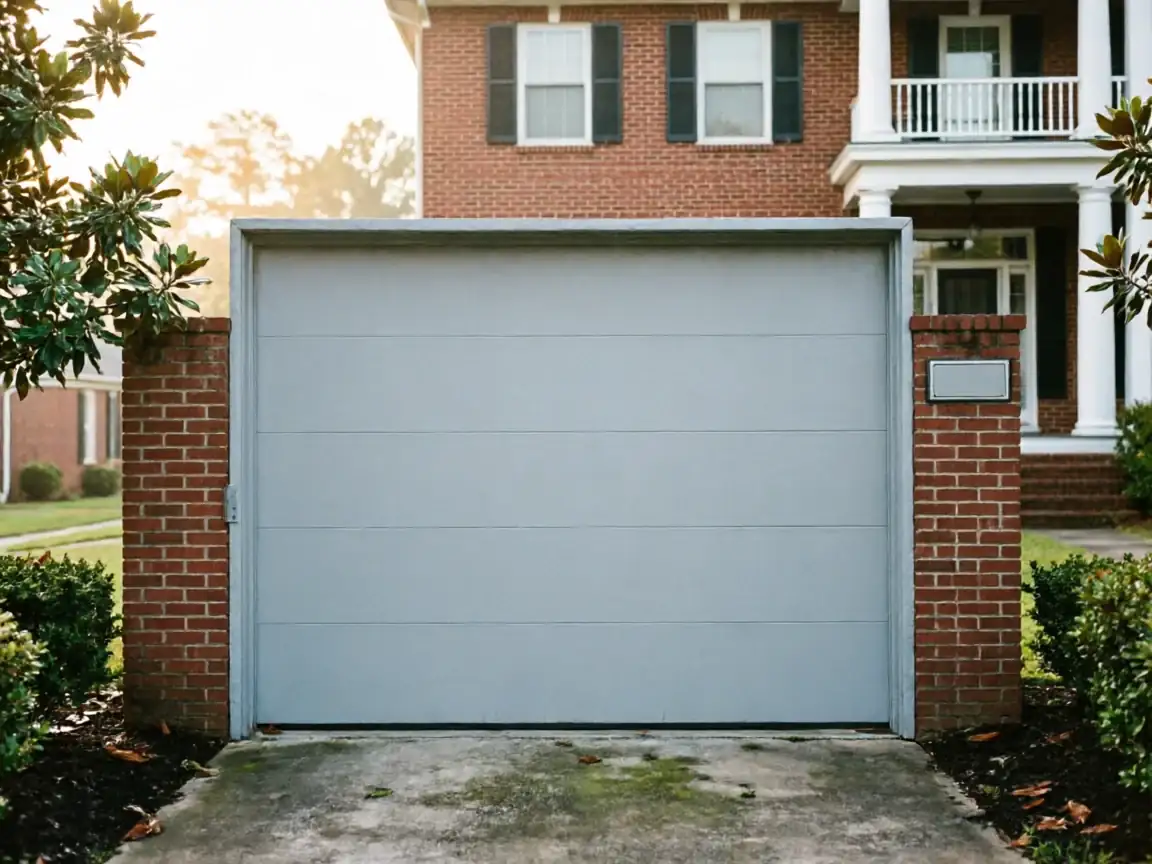
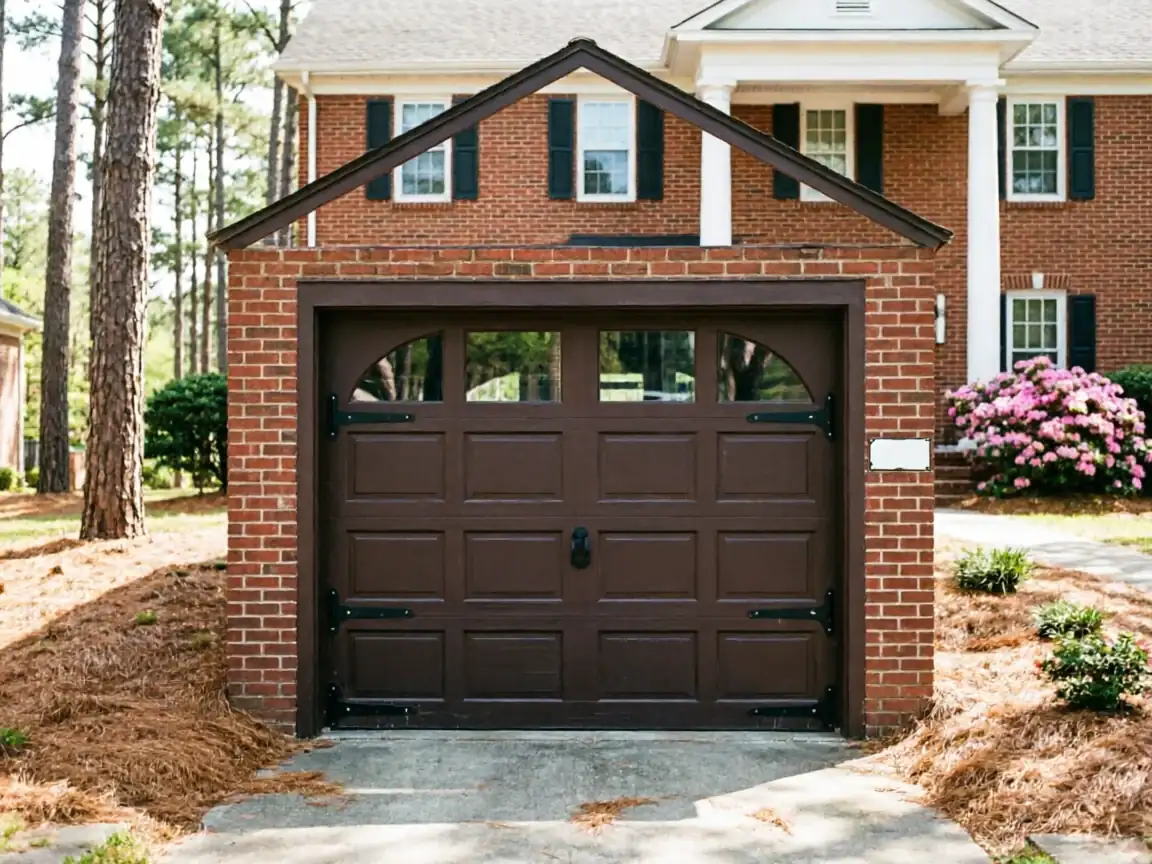
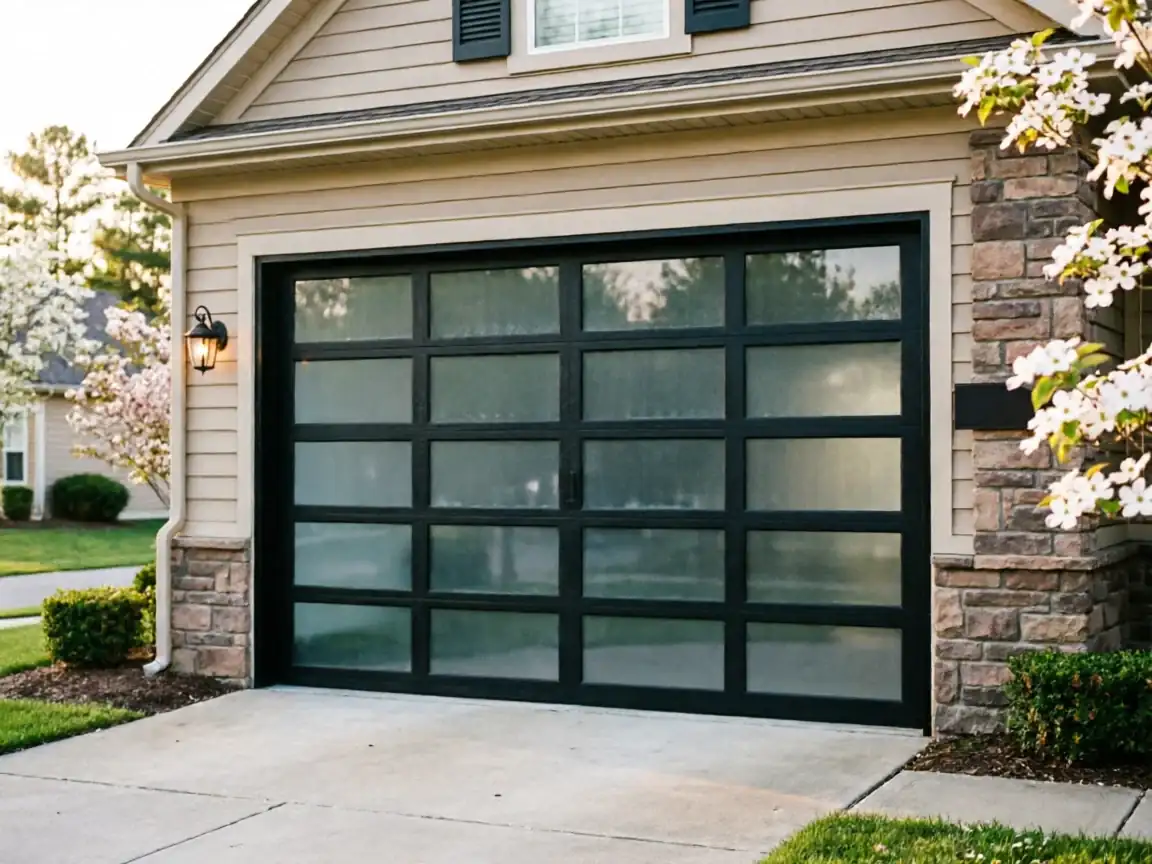
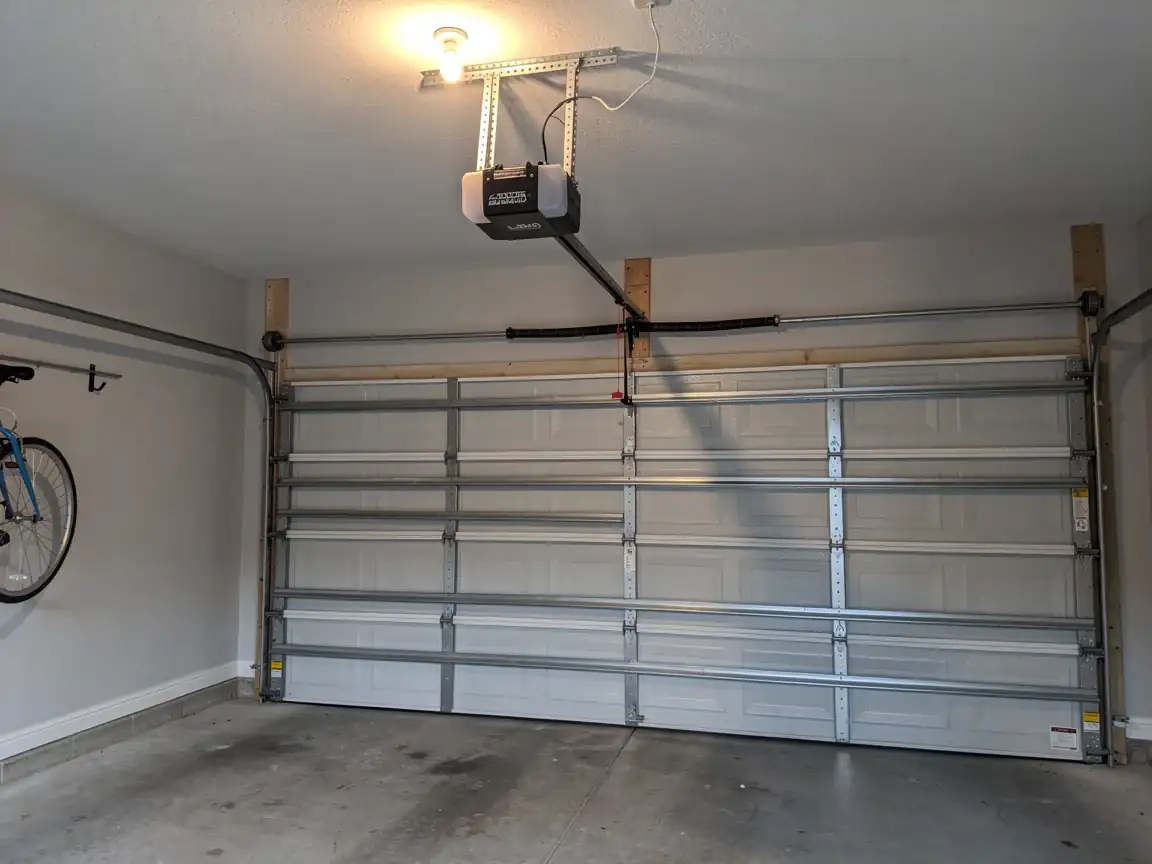
Most houses in Graham went up around 1984, which puts a lot of what's hanging in these garages at close to forty years old. That matters more than people think. A door from that build year likely still has its original torsion spring, the factory track brackets, and in a fair number of cases the opener too - because nobody replaces an opener that still opens the door, even when it's slow, loud, or one bad capacitor away from quitting. When we get called to Graham, the job usually isn't a simple part swap. It's figuring out what from 1984 is still in there, whether the track is bent from decades of use, and whether the panel itself has enough life left to be worth matching. We come from Burlington, five miles up the road, so we're not guessing at what houses here look like - we're seeing the same build era over and over. That's useful, because it means we show up already expecting worn-out springs rated for hardware that isn't made the same way anymore, and we plan the truck stock around that instead of finding out at the door.
Can You Do This Yourself
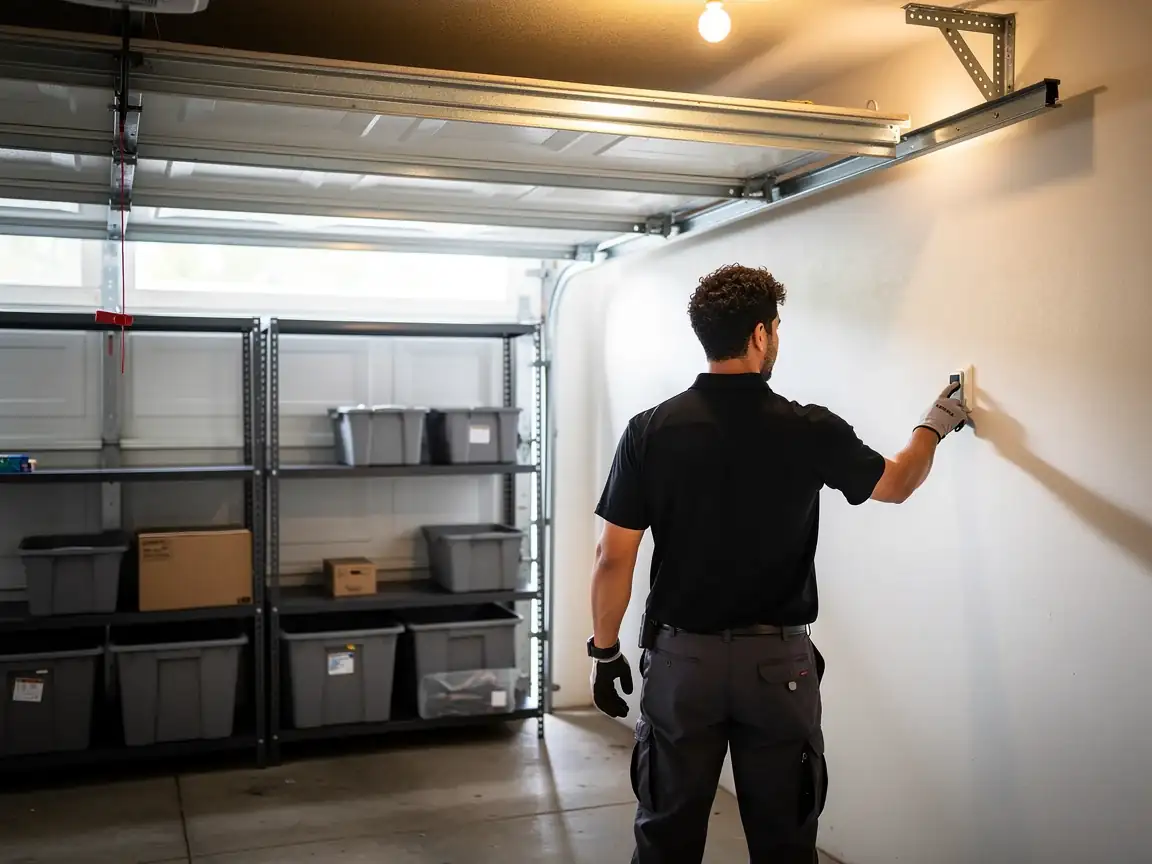
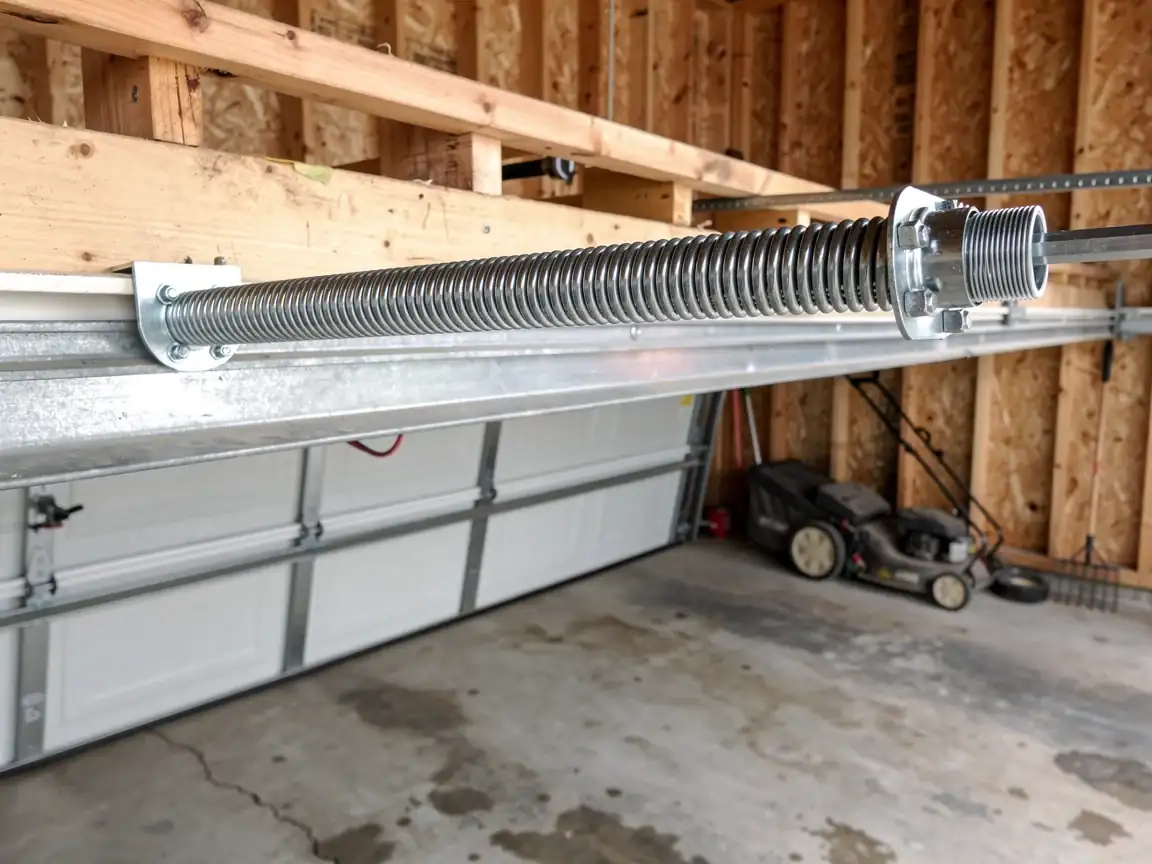
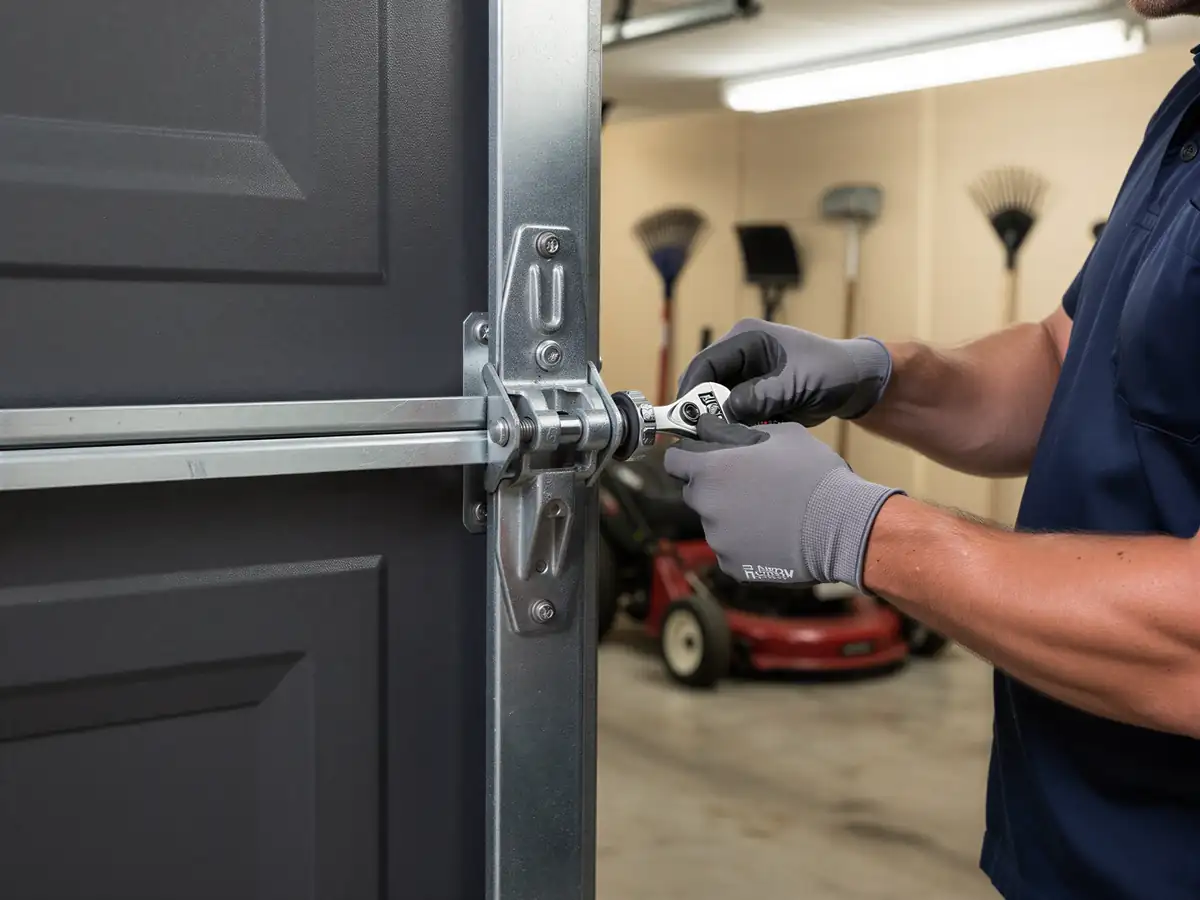
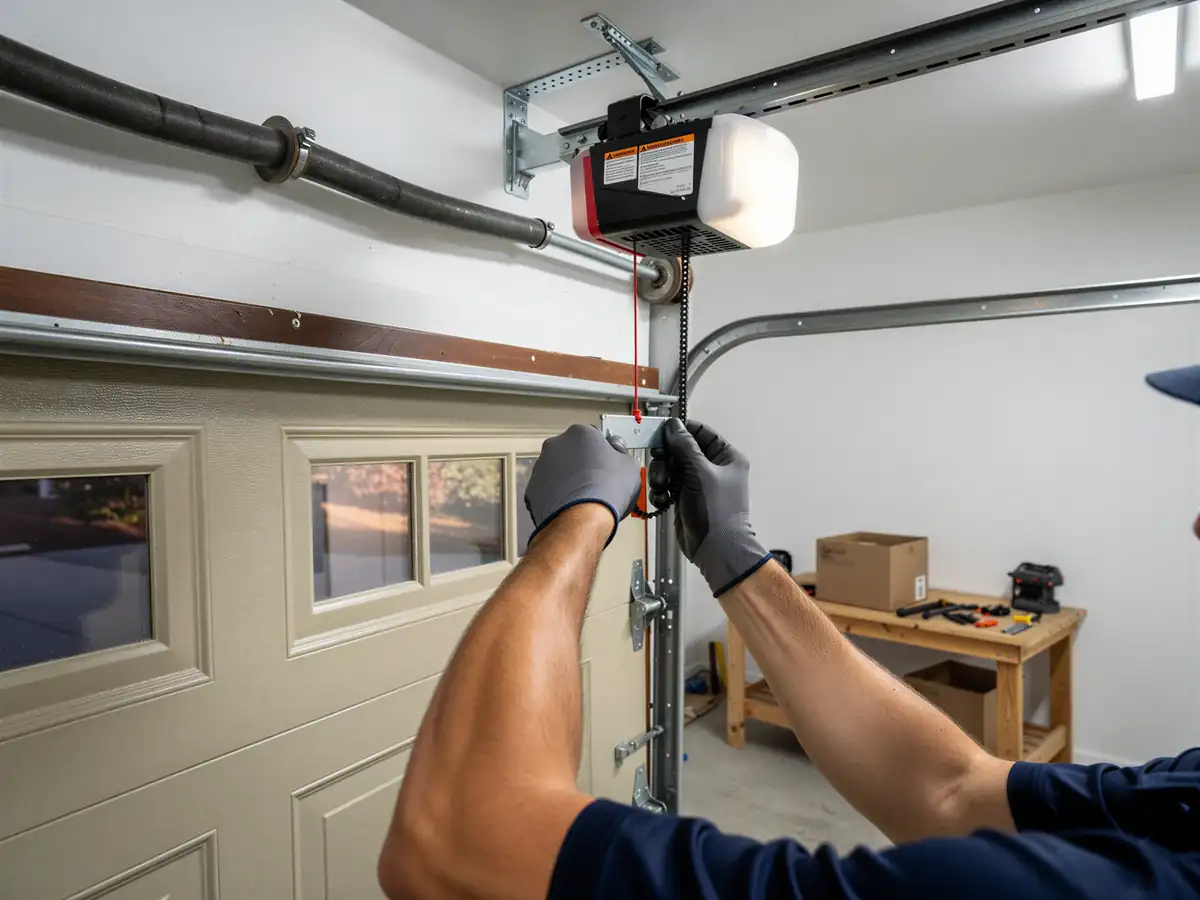
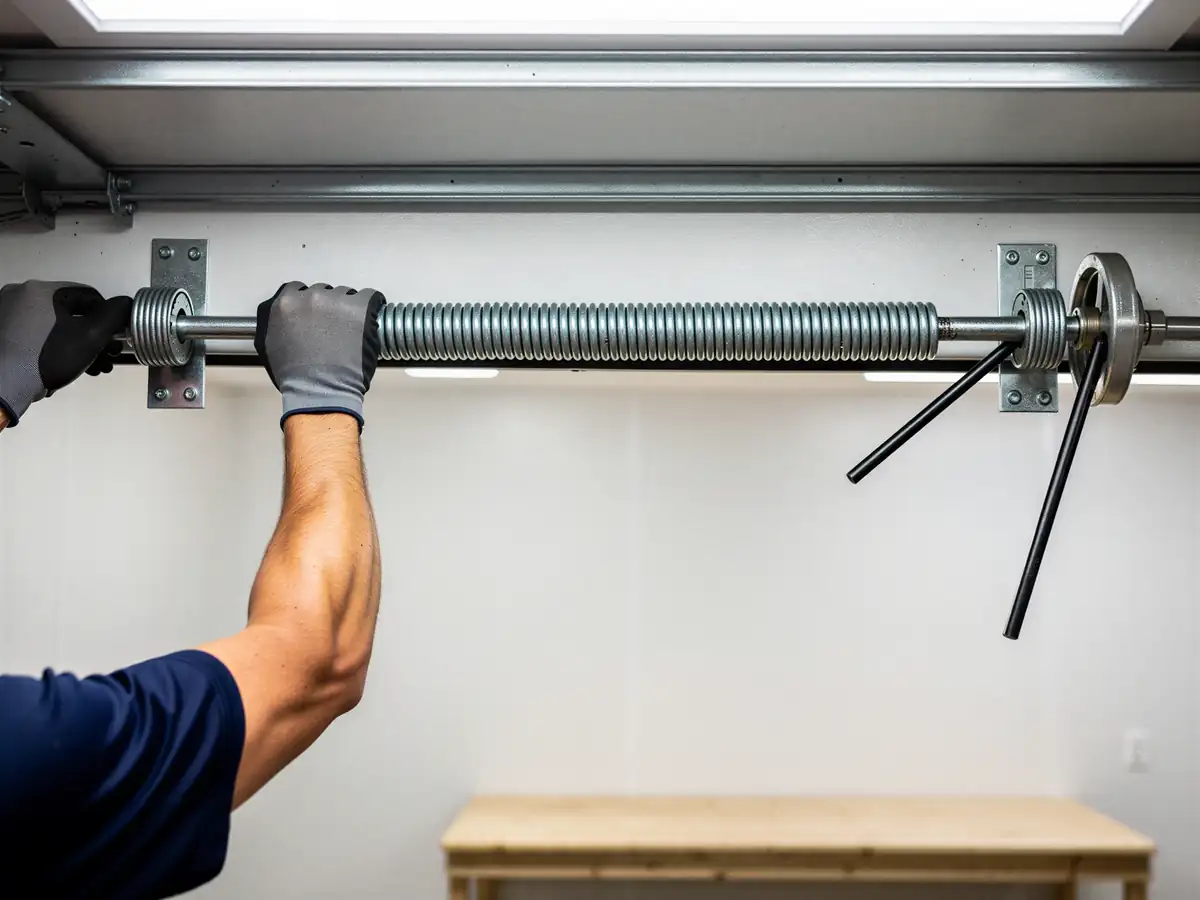
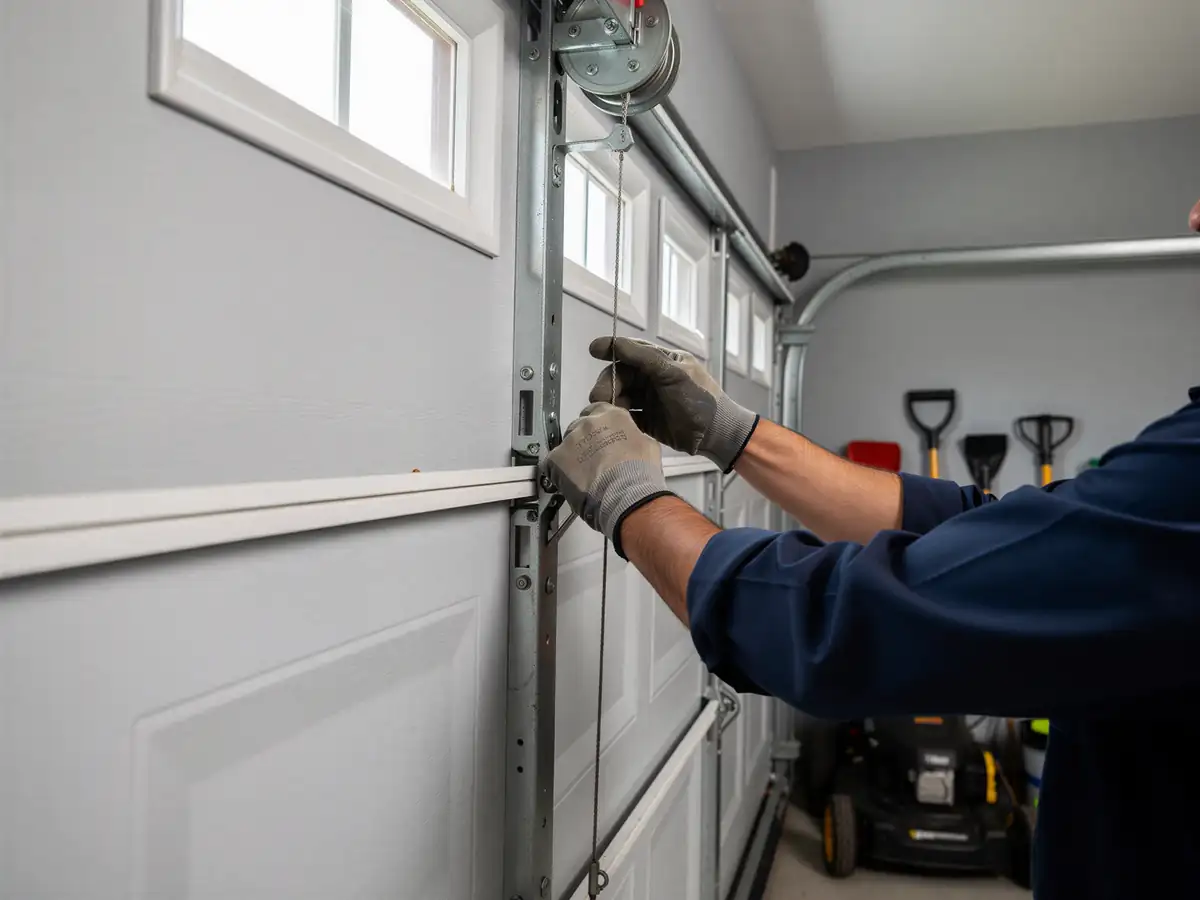
Some of it, sure. Lubricating rollers and hinges, tightening loose bolts on the track, clearing the sensor eyes if the door won't close - that's reasonable weekend work and won't hurt anything. Where we tell people to stop is the spring. A torsion spring on a door this old is under a load that can break a wrist or worse if it lets go while you're working on it, and the winding cones that were standard when these houses were built aren't forgiving if you don't have the right bars. Cable work is the same story - a frayed cable under tension is not a DIY fix. If the opener is original to a 1984 build, swapping it yourself is fine mechanically, but matching the travel limits and force settings to an old, slightly racked track takes some trial and error most people don't want to spend a Saturday on. Know the difference between maintenance and a load-bearing repair, and you'll keep yourself out of the ER.
Time on the Job
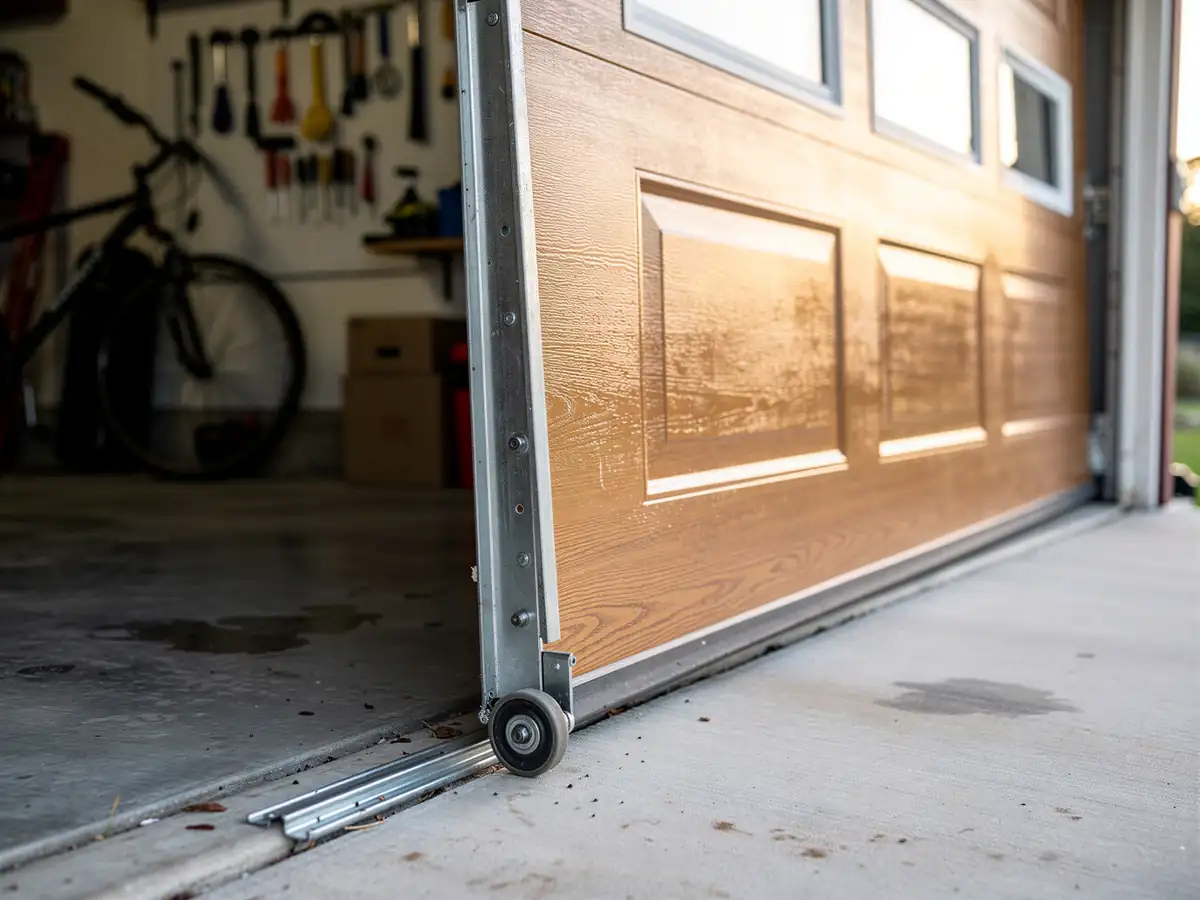
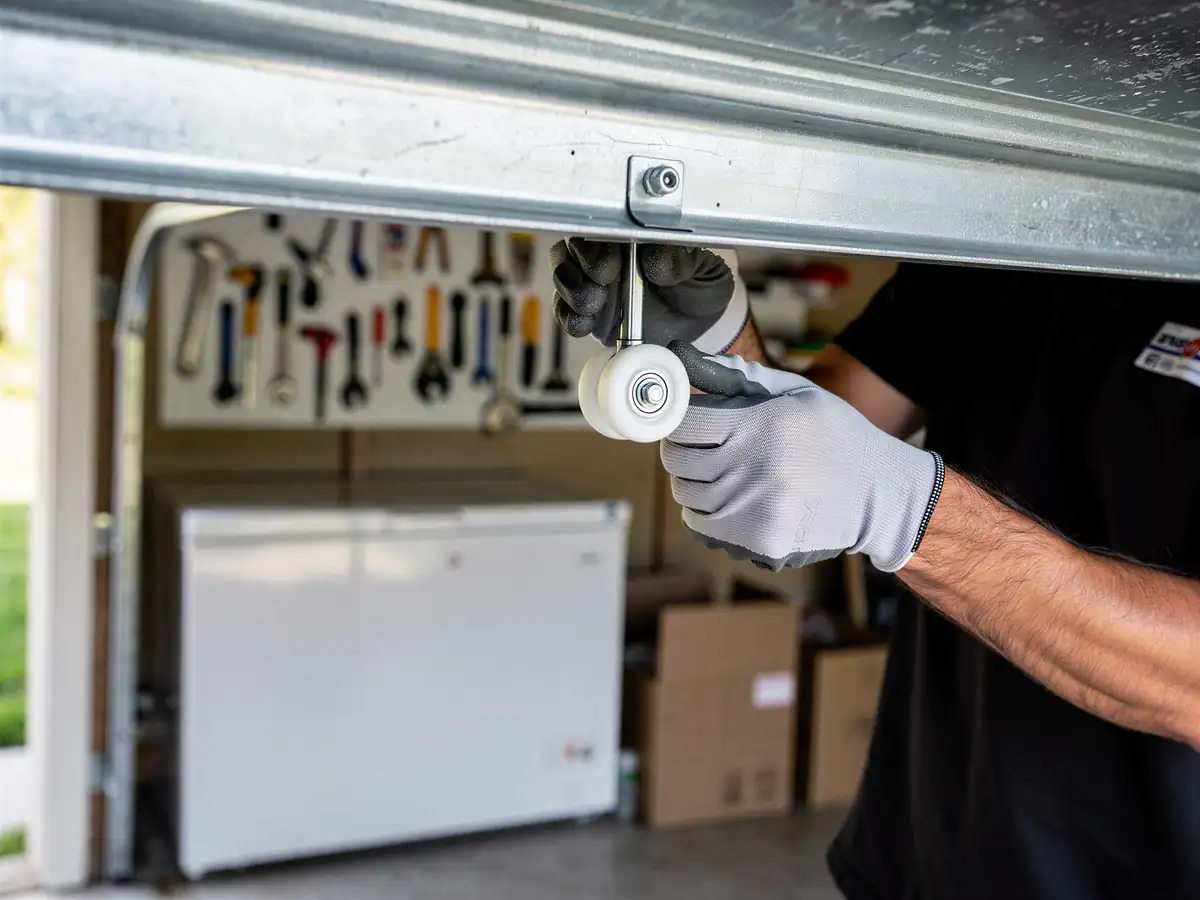
A spring replacement or cable swap on a standard door runs about what you'd expect for that kind of repair anywhere - it's not the Graham part of the job that takes time, it's figuring out what else forty-year-old hardware has quietly let go. Bent track, a sagging header, rollers worn oval instead of round - on a house built in the mid-80s, these often show up together, not one at a time. So the actual repair might be quick, but the diagnosis on an original setup takes longer than on a door that's had parts replaced along the way. We'd rather spend the extra few minutes checking the whole system than come back out in a month for the part we didn't look at.
Getting It Booked In
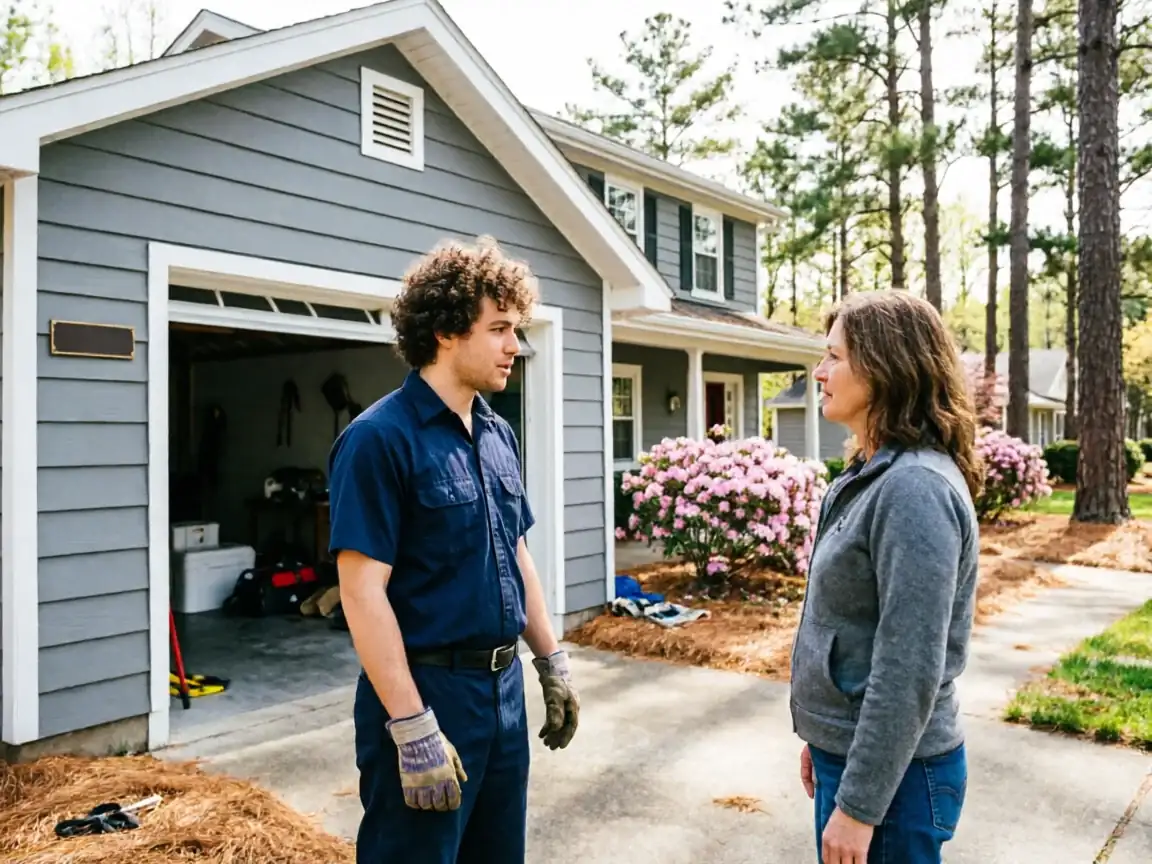
We run out of Burlington, about five miles from Graham, so the call comes to us and we head out from there - there's no local branch to route through. When you call, tell us the door's rough age if you know it; for a lot of Graham that's going to land somewhere in the 1970s-to-2004 range, and that one detail changes what we bring on the truck. If you know whether it's ever had the opener or springs replaced, that helps too. We'll ask a few questions about the symptom - grinding, won't open, opens partway, loud bang - before we come out, because on original hardware that symptom usually points to a specific part rather than a general problem.