Parts We Carry
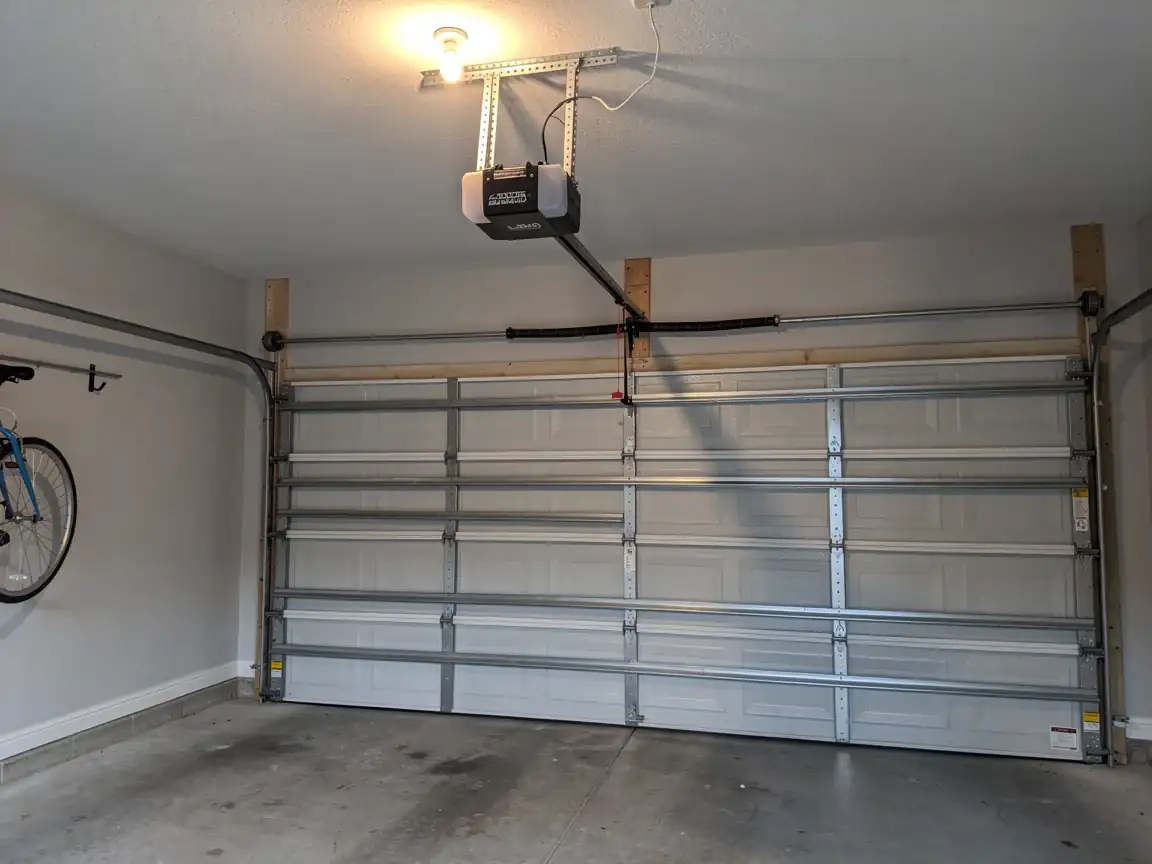
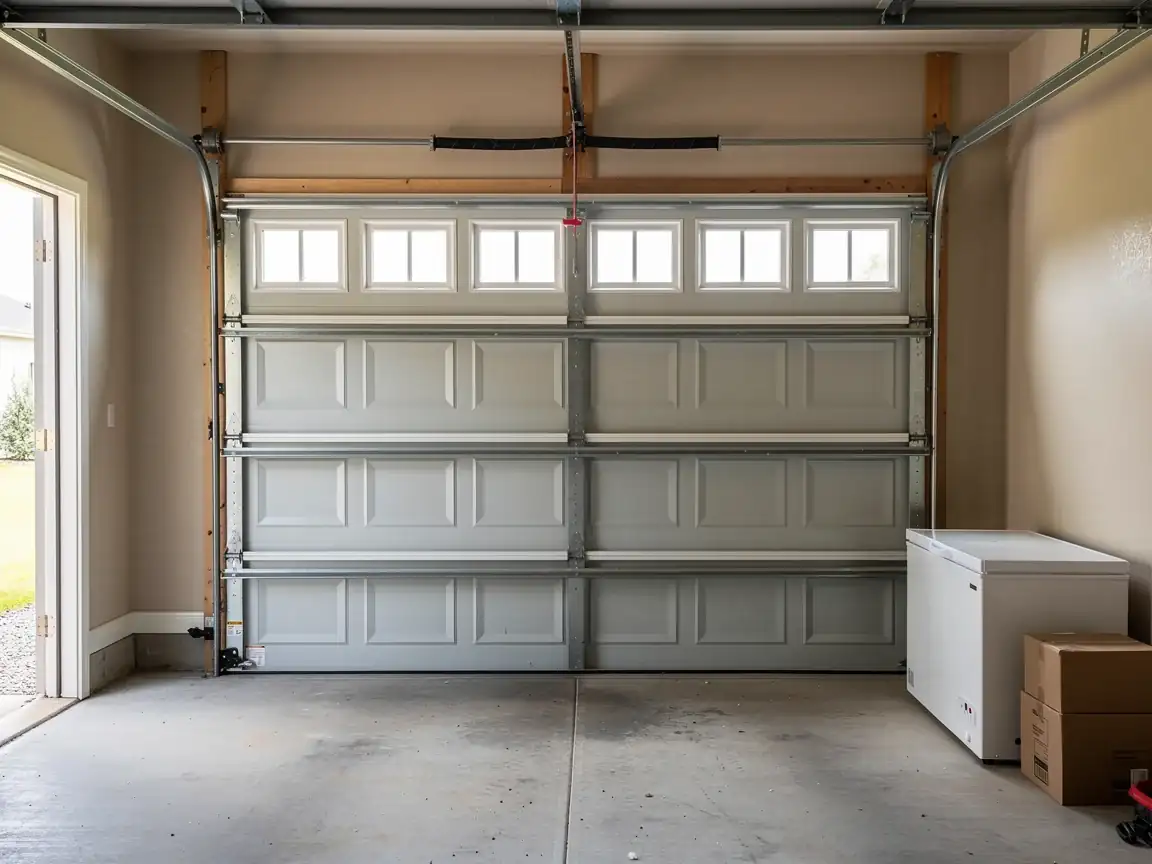
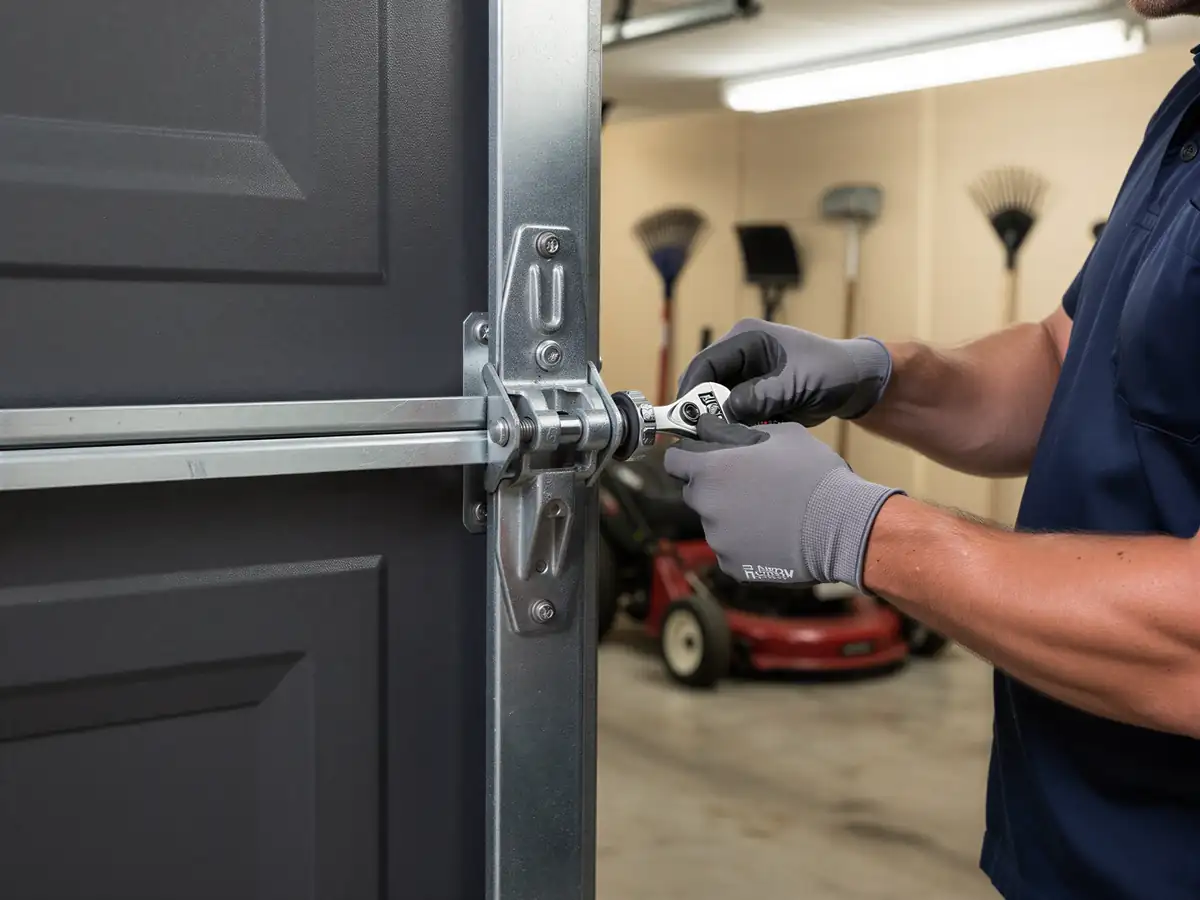
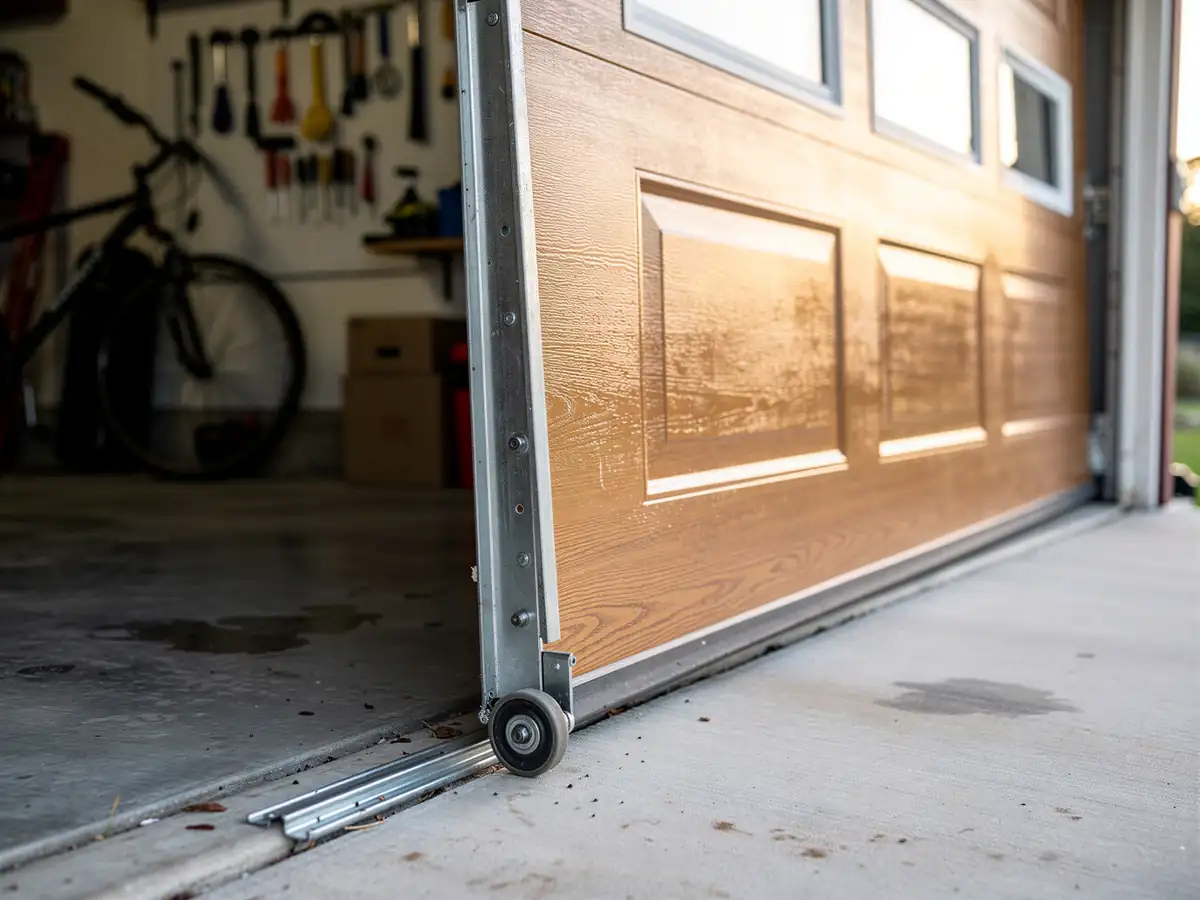
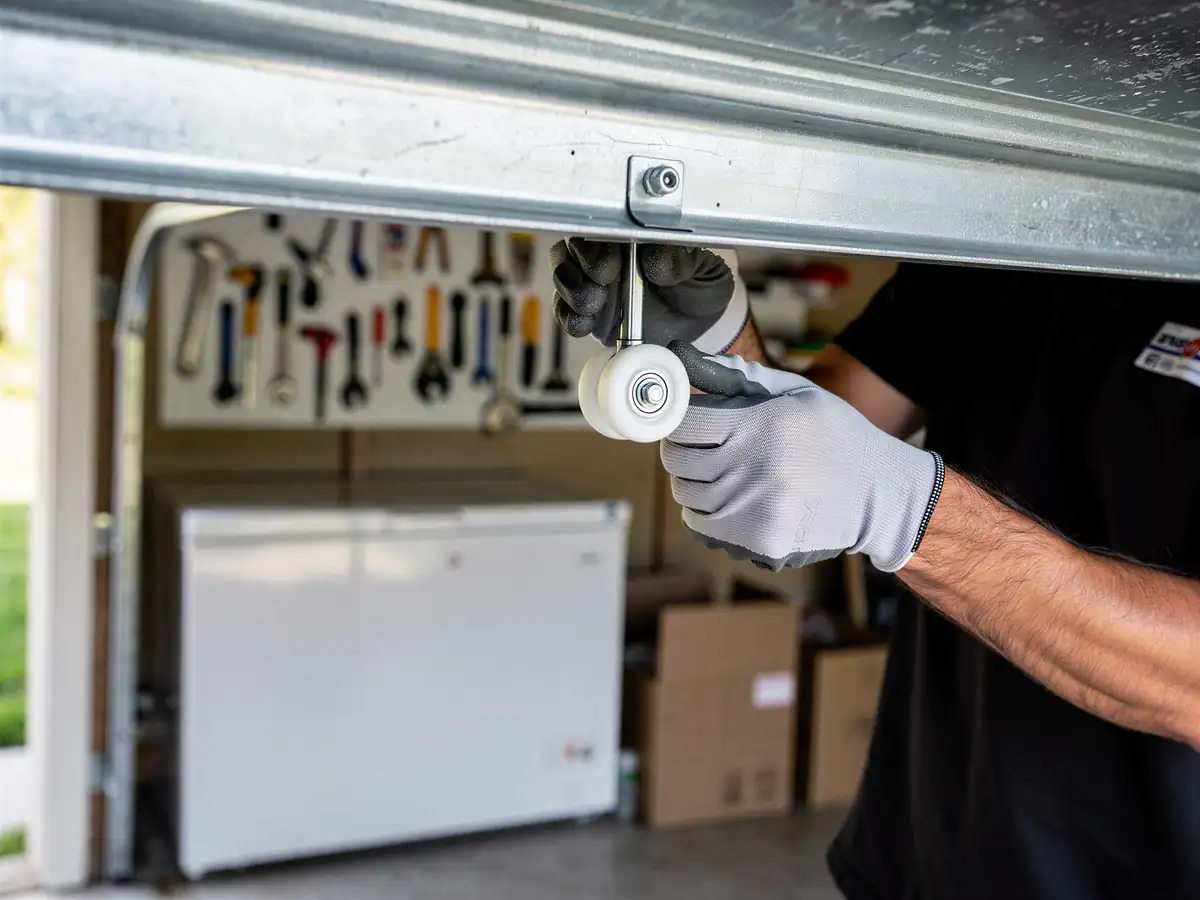
Glen Raven's housing mostly went up in 1987, which puts it a couple years past the wider service area's 1985 median build year. Doors from that stretch almost always shipped with 10-ball steel rollers riding in galvanized tracks, and by now a lot of those rollers are worn oval instead of round - that's the grinding you hear on the way up. We carry both replacement steel rollers and sealed nylon rollers on the truck. Steel costs less and handles heat fine, but in a moderate cold climate like this one, cheaper nylon can go brittle and chip at the edges after enough winters. We'll tell you which one matches what's already on your track rather than pushing the upsell. One limit: we don't stock every stem length for older import doors, so if your track has a nonstandard roller stem, that part may need to be ordered before we come back to finish the job.
What You Are Seeing
A door built in 1987 has had close to four decades of openings and closings, and the rollers are usually the first thing to show it. Watch for a door that jerks instead of gliding smoothly, especially near the top of the track where the curve puts the most load on the roller wheel. You might hear a rhythmic clunk as each worn roller passes the same spot, or see metal shavings collecting on the floor under the track. None of that means the opener is failing - it means the roller wheel itself has flattened a side, and the bearing inside it is dry or gone. On a lot of Glen Raven doors from this era, you'll also find the bottom rollers worse than the top ones, because that's where road grit and moisture collect over the years. If the track itself is bent or pulled away from the frame, that's a separate repair, and swapping rollers alone won't fix it.
Time on the Job
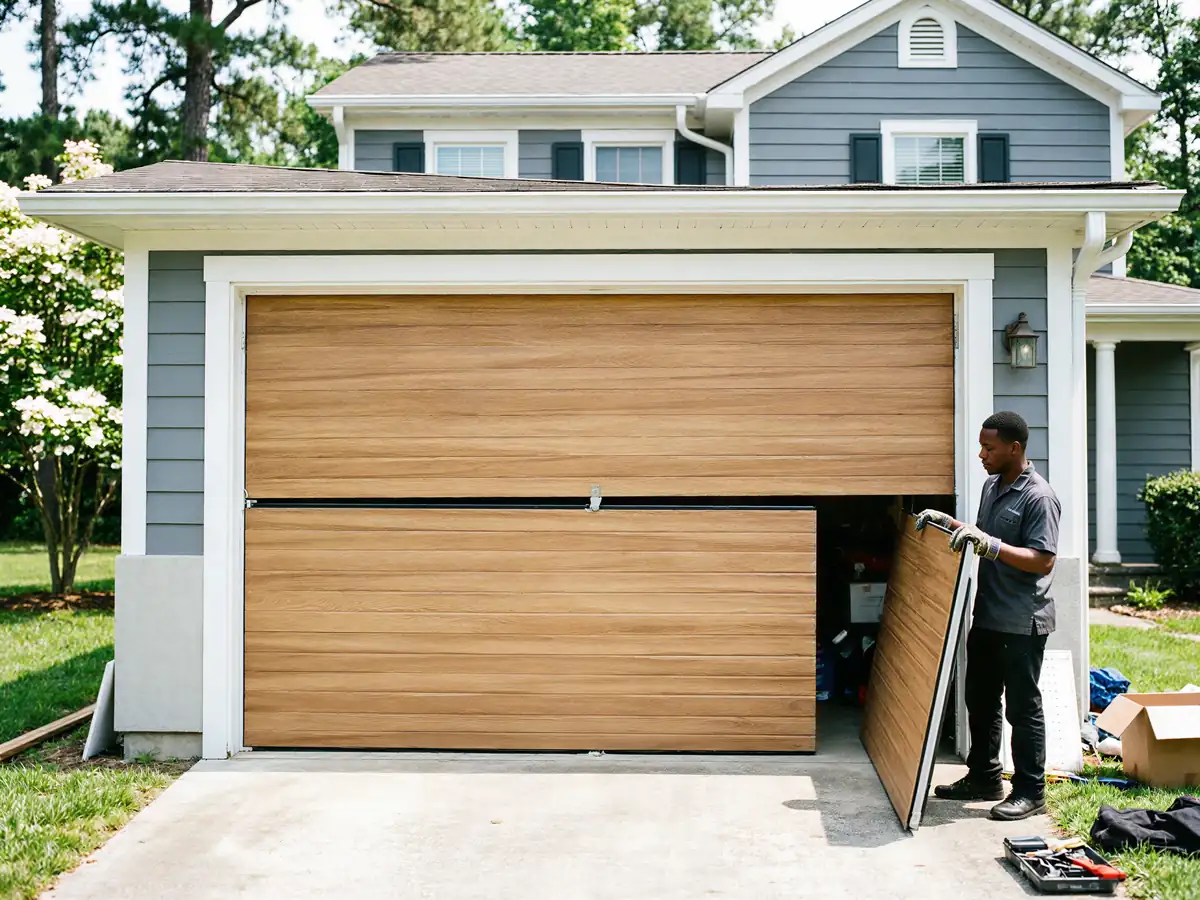
A straight roller swap on a standard double door, all ten rollers, usually runs under an hour once we're set up and the door is off its stop. Single doors go faster. Where it stretches out is when the track has worn a groove to match the bad rollers - in that case we're also truing or replacing a section of track, and that adds time because the door has to come off the track entirely to do it right. Houses built in the 1987 range around Glen Raven tend to still have their original track, so we check for wear grooves and bent sections before quoting a flat roller-only job. We'd rather tell you upfront that it's a two-part repair than have you call back in a month because the new rollers are already binding on a bad track.
Can You Do This Yourself
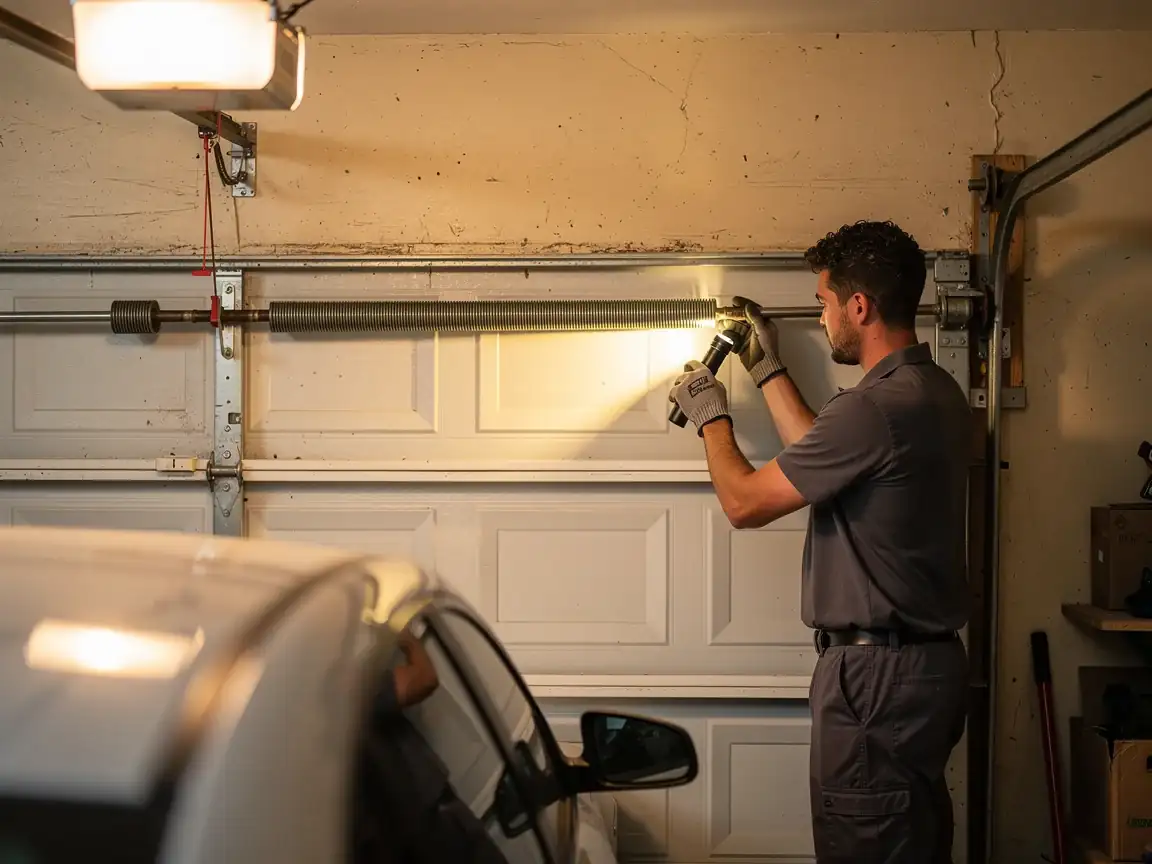
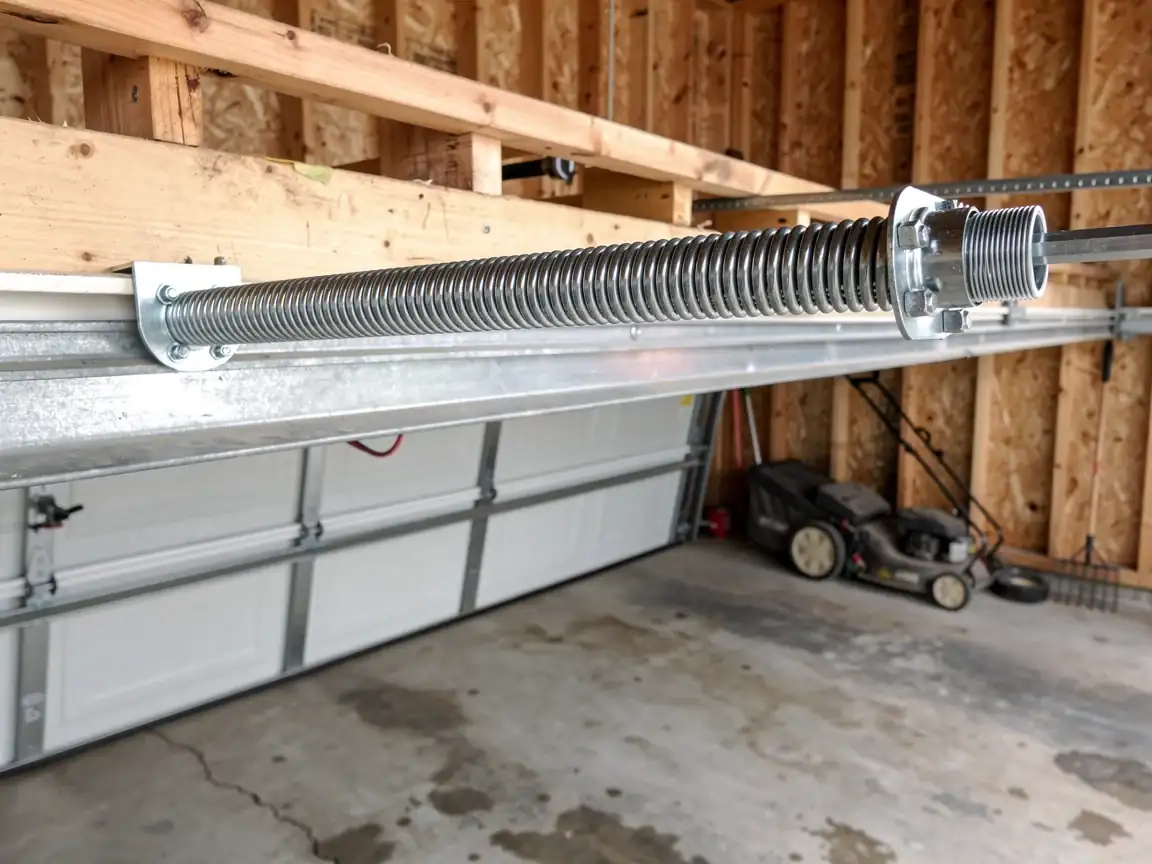
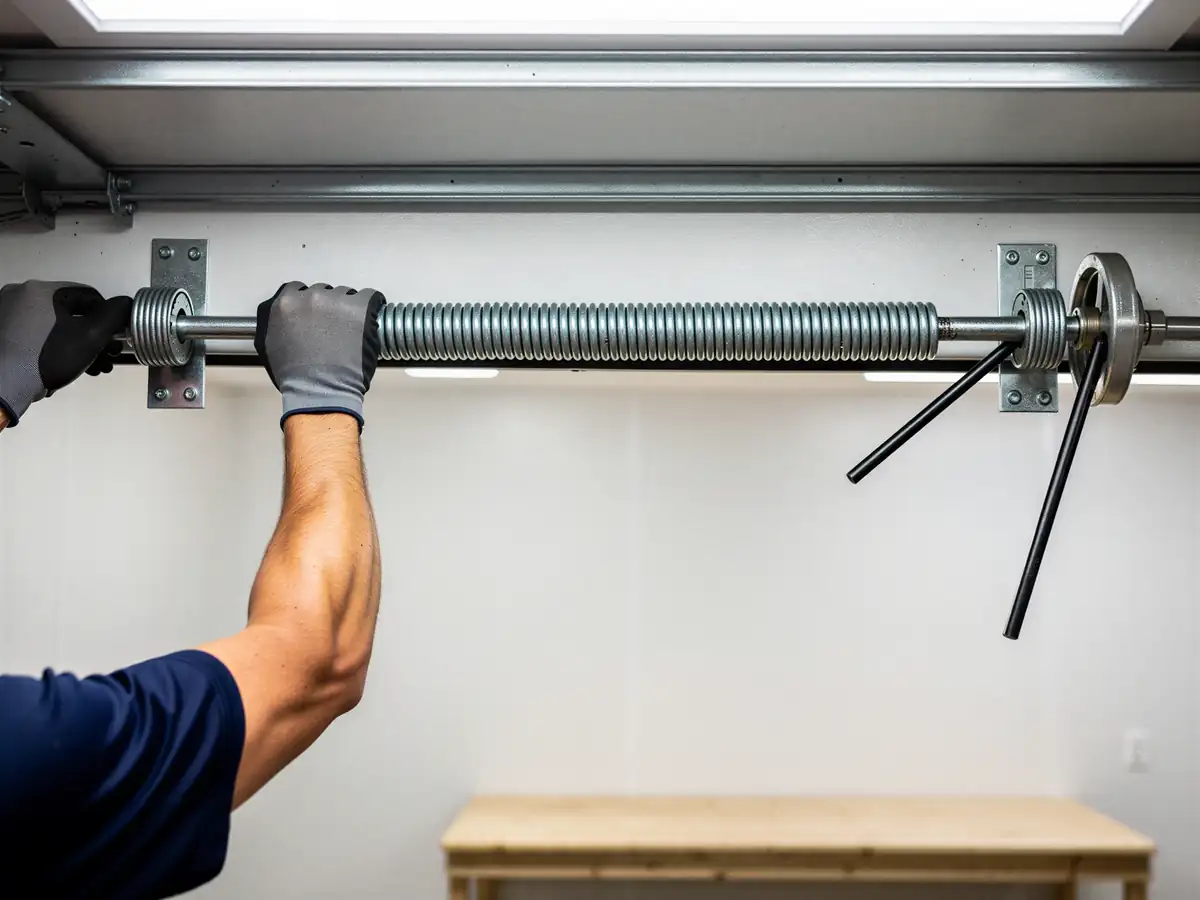
Rollers are one of the more doable DIY jobs on a garage door, provided you're only replacing the ones that aren't load-bearing on an open spring. Top rollers on a door with the spring still under tension are not a safe solo job - if the spring lets go while the door is up, that's a serious injury, not a scraped knuckle. If your rollers are nylon and sealed, swapping them is mostly a matter of pulling the roller bracket, not touching the spring at all, and plenty of Glen Raven homeowners could manage that with the door down and unplugged. Where we'd tell you to call instead: if the track is bent, if the door is off-balance, or if you're not sure which roller is causing the noise. Guessing wrong there just means doing the job twice.