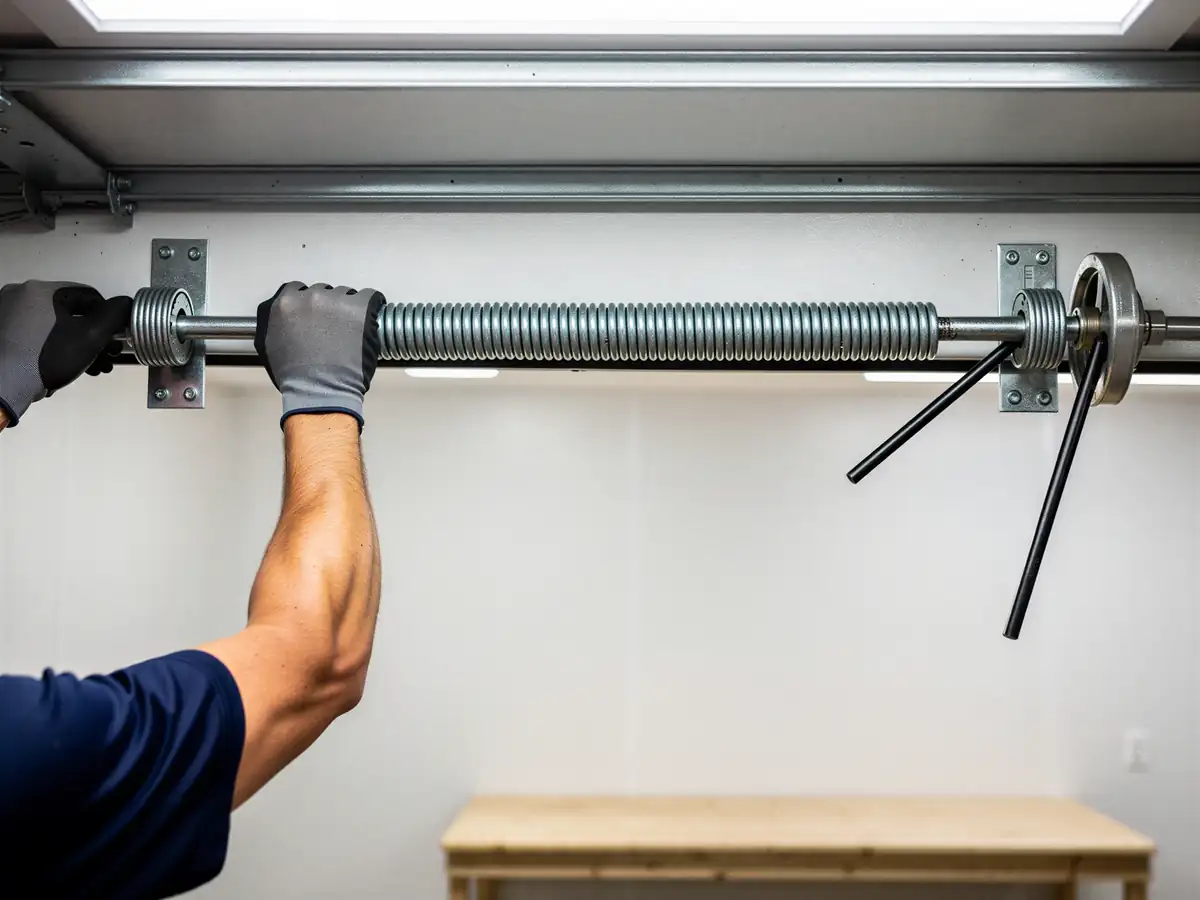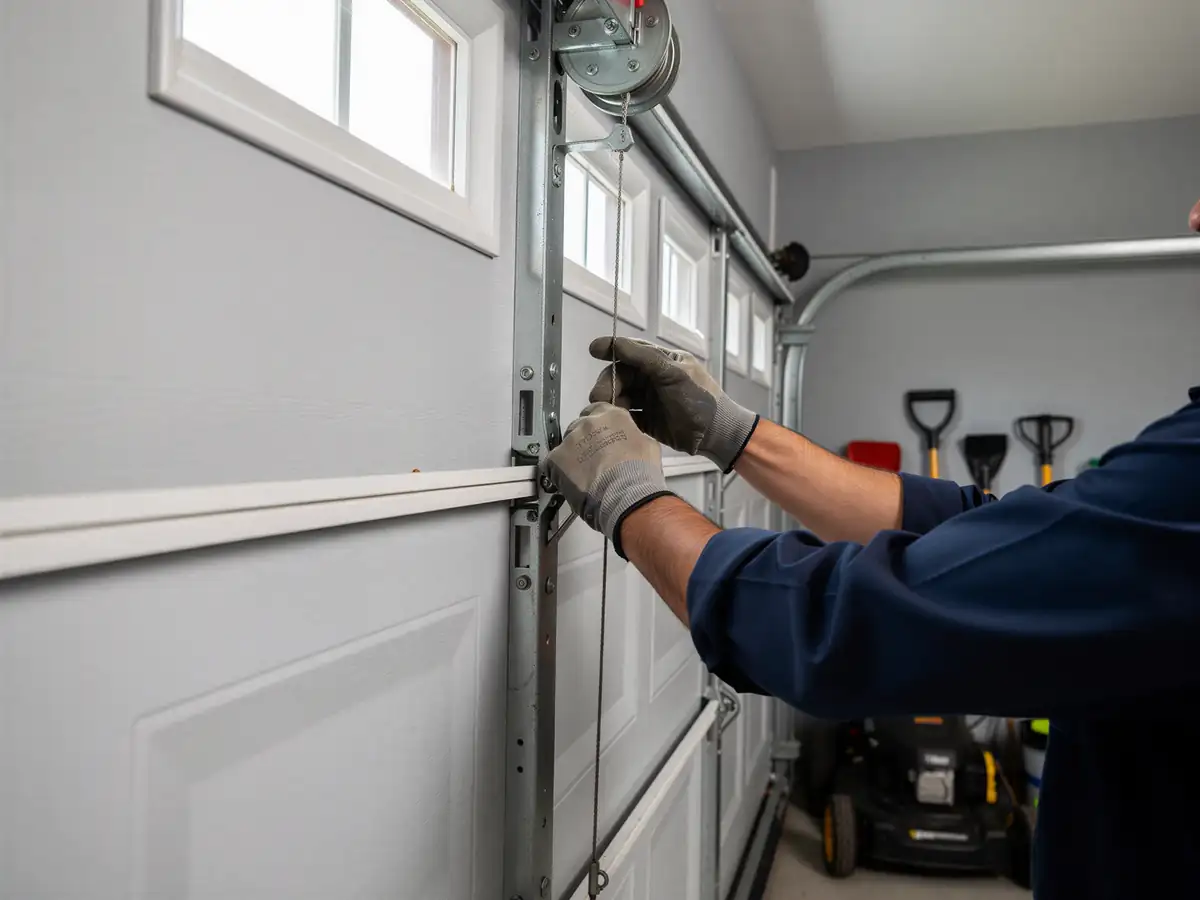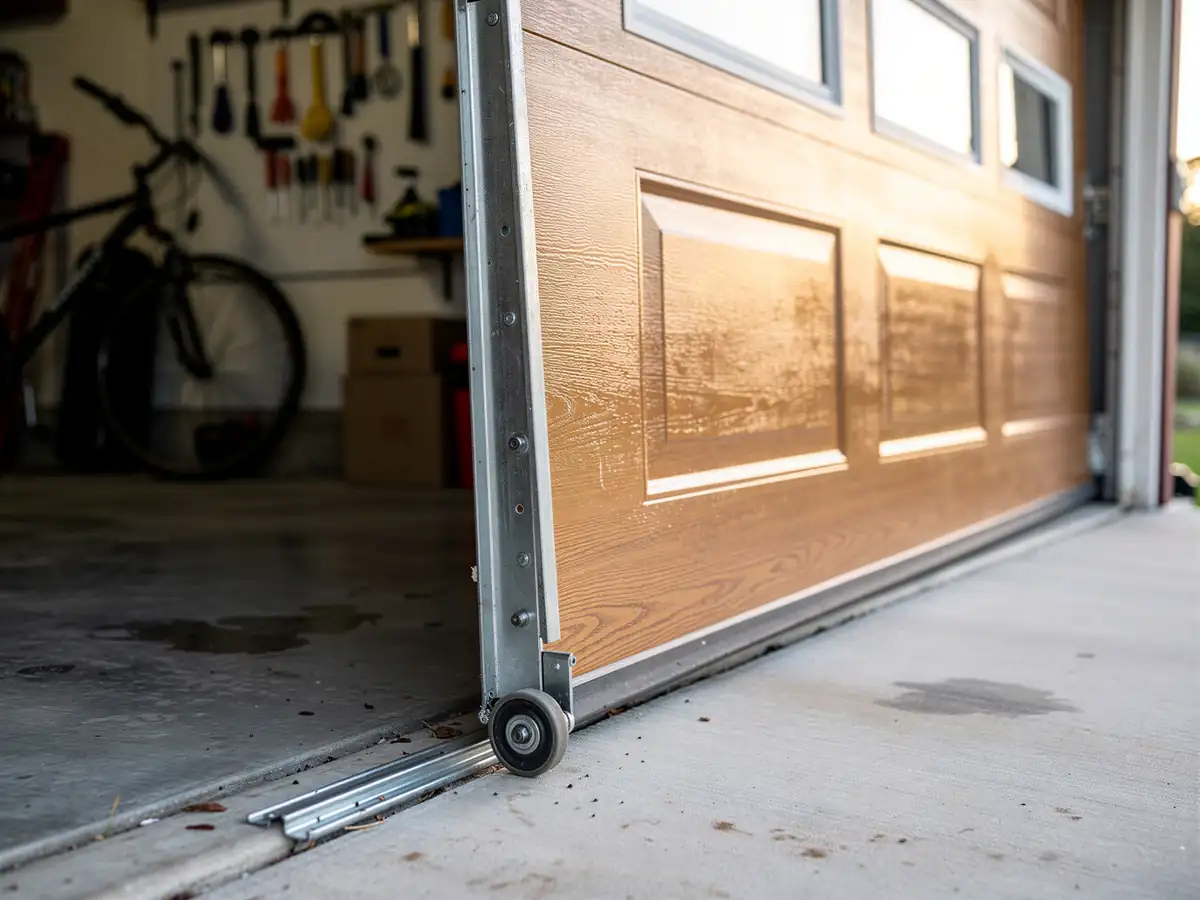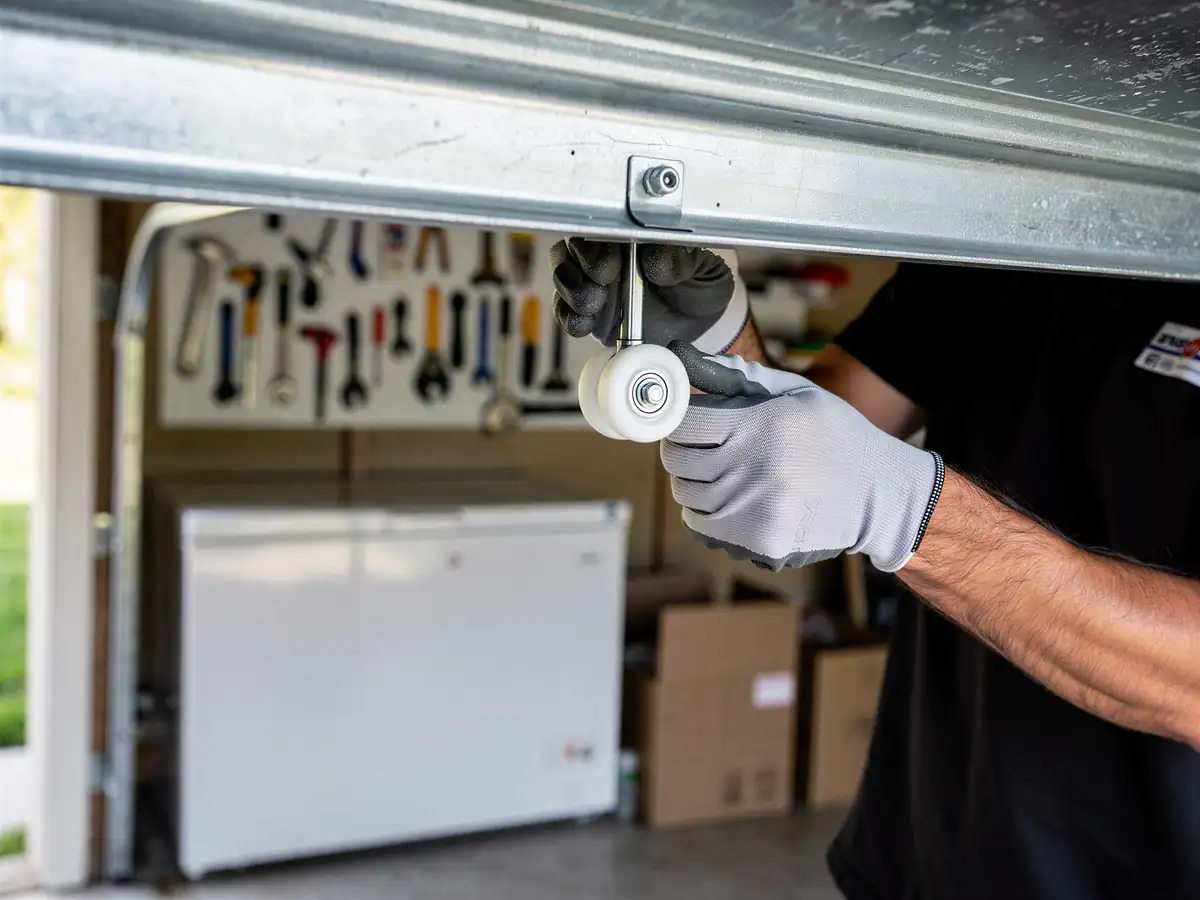
Parts We Carry
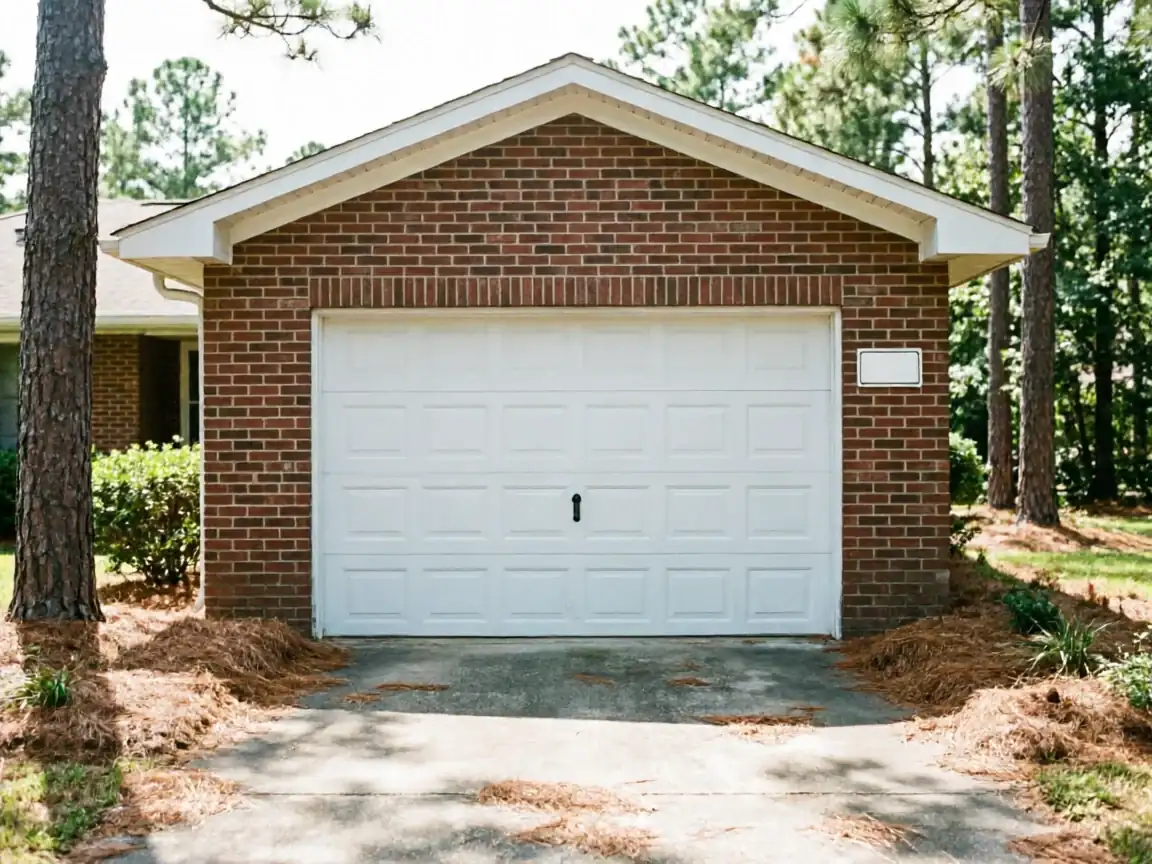
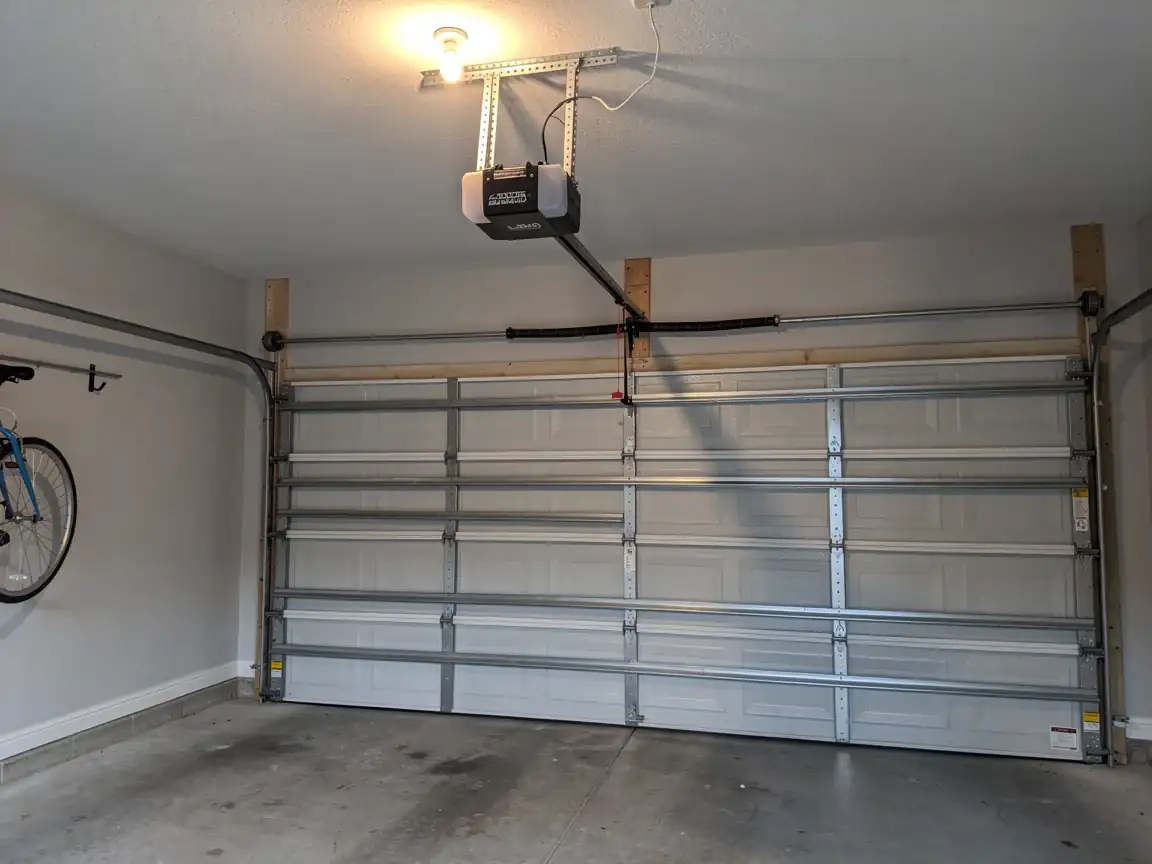
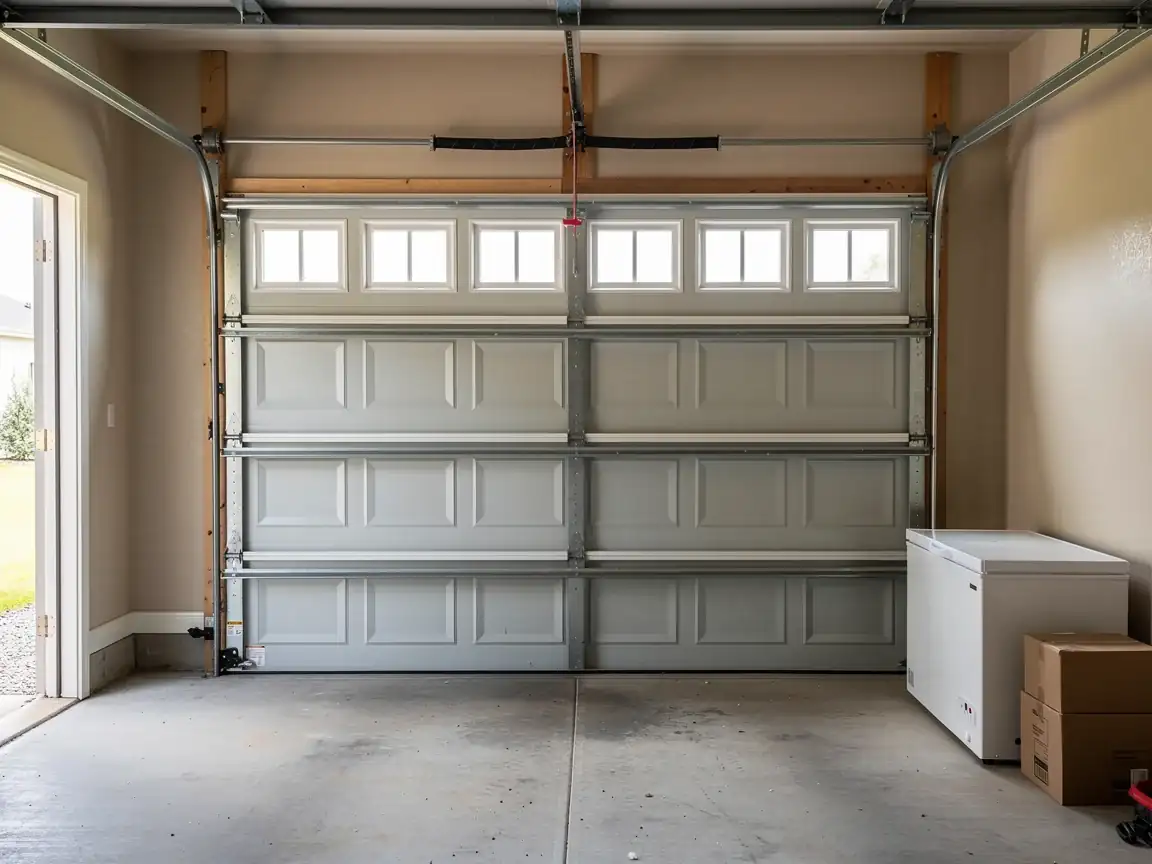
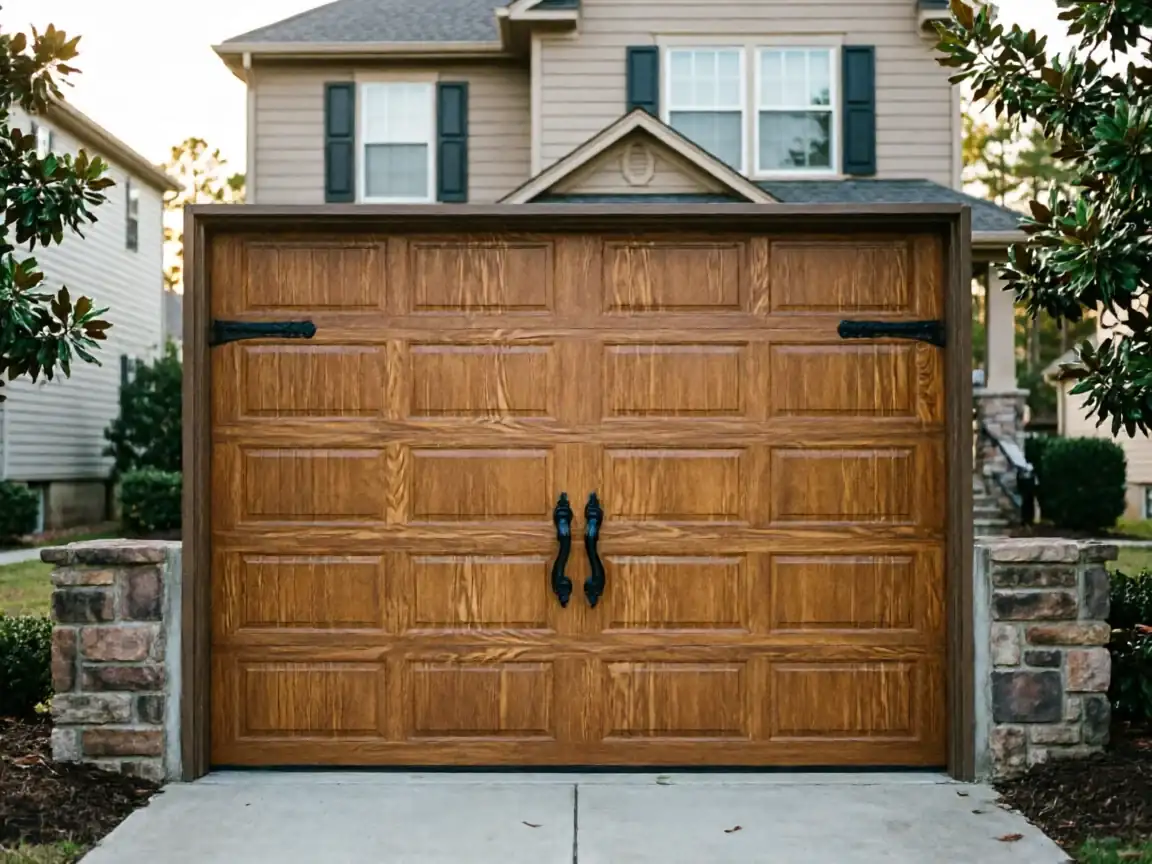
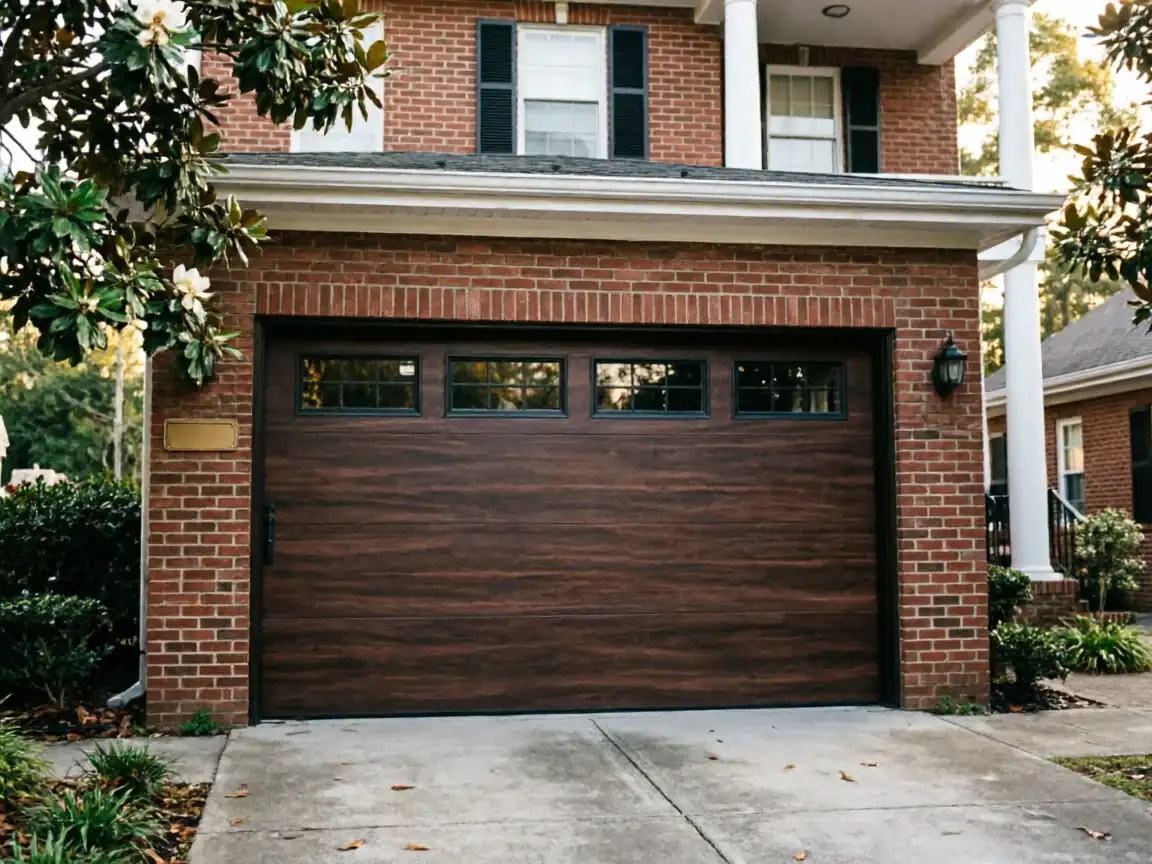
Glen Raven's houses mostly went up around 1987, a touch newer than the median across our wider service area, which sits closer to 1985. That gap matters more than it sounds. Doors from the mid-to-late 80s in this pocket usually came with steel sectional panels on standard-lift track, not the older one-piece doors you still find on some of the earlier stock nearby. That means most openers we pull out here are chain or belt drive units rated for a standard 7-foot door, and the replacement is usually a straightforward match - we're not hunting for an odd-size rail or an obsolete mounting bracket.
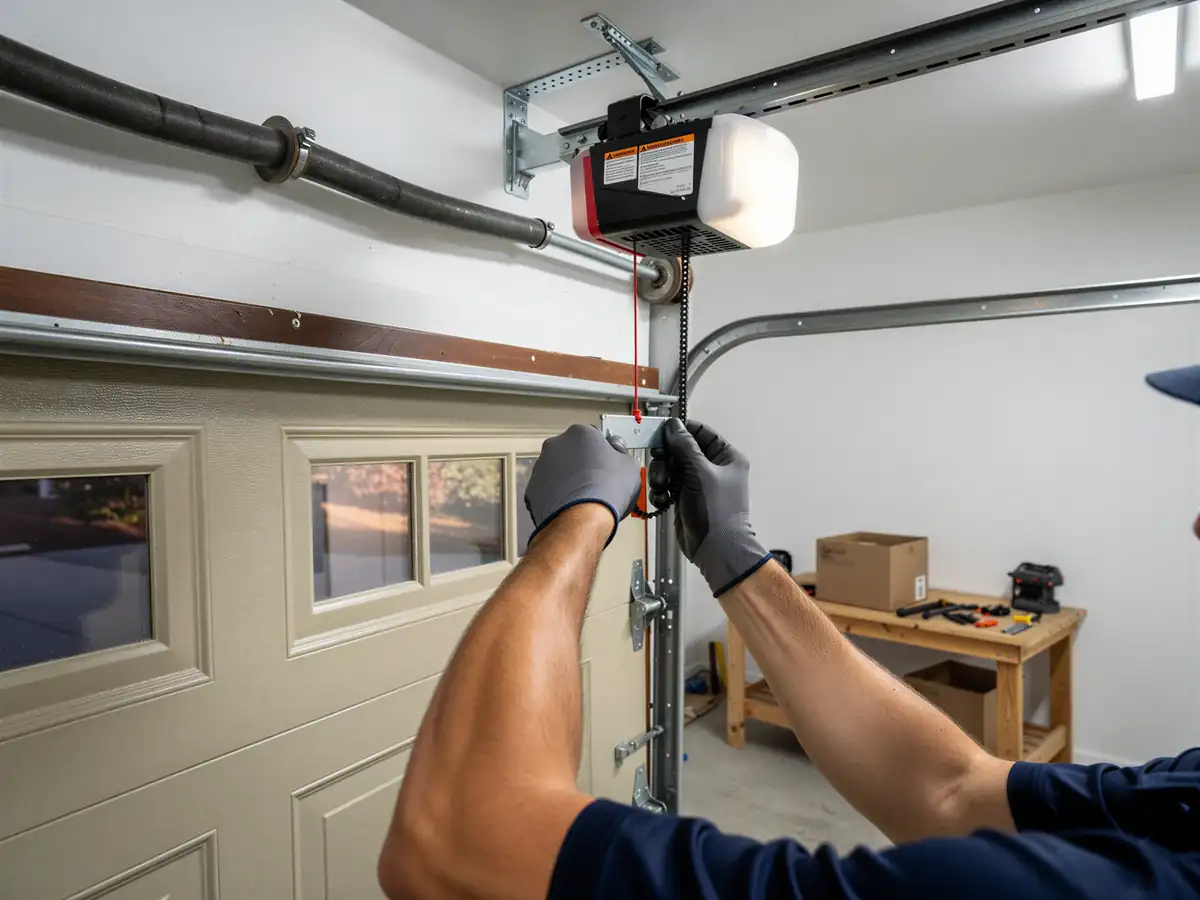
We carry belt-drive and chain-drive units, plus the wall consoles, keypads, and safety sensor pairs that go with them. For a cold-climate area like this one, we lean toward units with sealed logic boards and keep spare sensor eyes on the truck, since those are the first part to fail when a winter temperature swing fogs up the lens. What we don't stock is anything exotic - jackshaft openers for low-headroom garages are a special order, so if your garage has an unusual ceiling line, tell us before we drive out.
What You Are Seeing
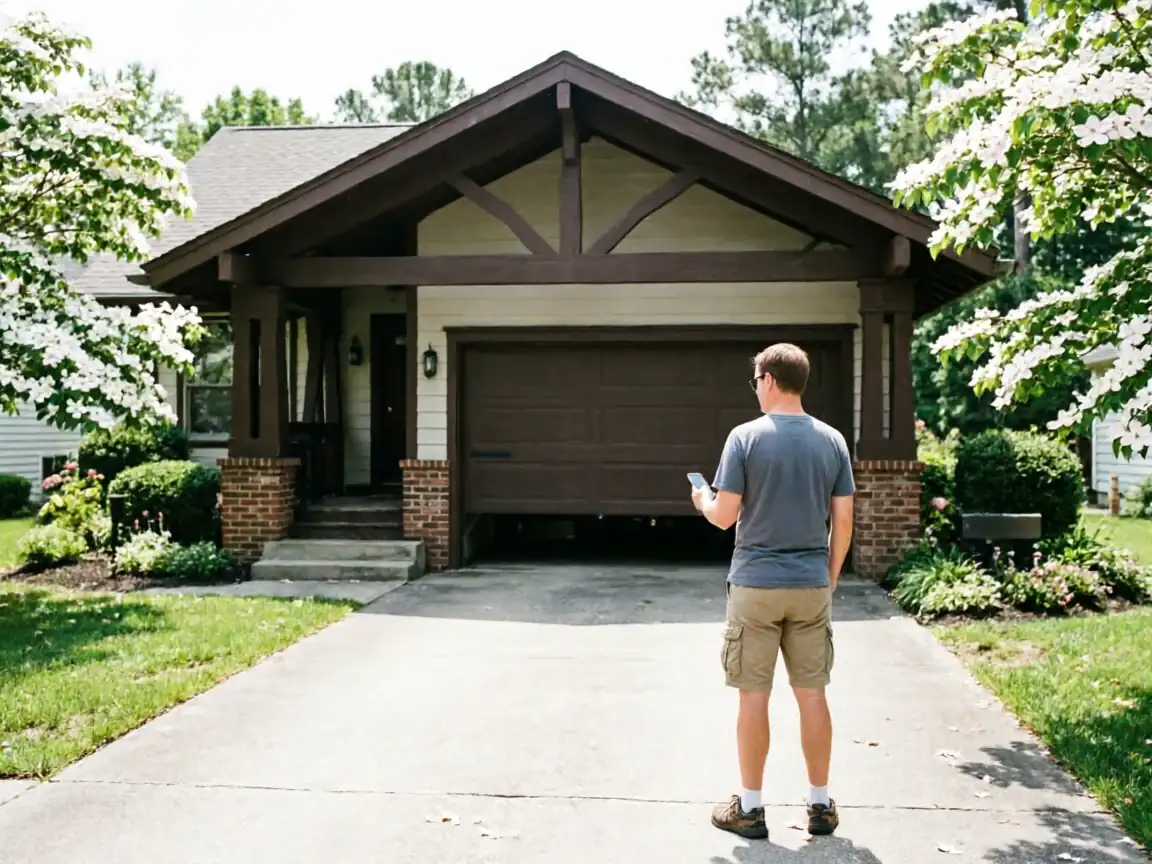
If your opener is grinding, reversing on its own, or the remote works some days and not others, the cause in a Glen Raven garage this age is usually one of three things: a worn drive gear inside the unit, a sensor knocked out of alignment, or logic board failure from age. Houses here are old enough now - pushing 35 to 40 years - that original openers installed with the house are at or past their expected service life.
Cold mornings make this worse. In our climate band, a marginal capacitor or a tired drive gear often fails right at the point the temperature drops, because cold grease stiffens and makes the motor work harder to do the same lift. If your door has been fine all summer and starts acting up the first cold week, that's the pattern, not a coincidence.
Getting It Booked In
We run this job out of Burlington
And Glen Raven is close - about 3 miles out, so travel isn't the long part of the day. Call ahead with your door's rough age or the brand on the motor housing if you can read it; that tells us which opener and mounting kit to load before we leave the shop instead of guessing on site.
- 3 miles
We ask a couple of questions up front
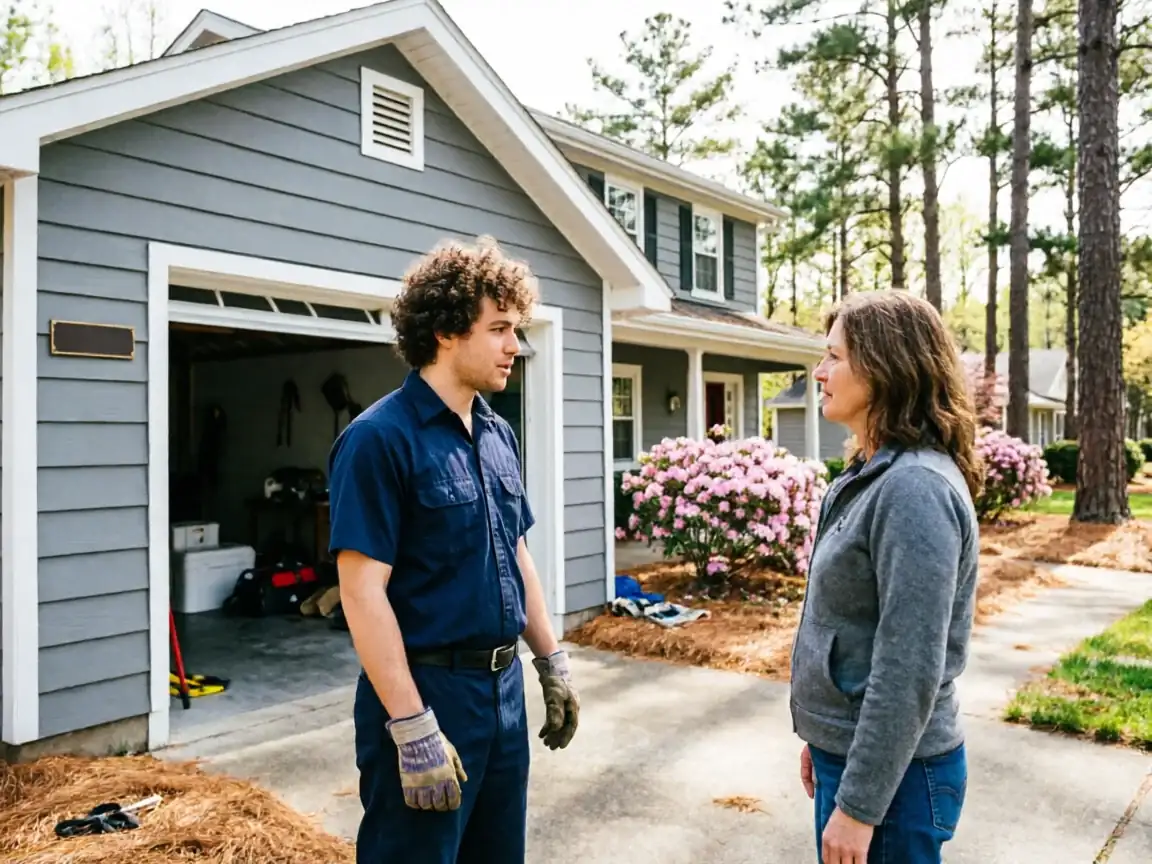
Is this a straight swap on existing track, or is the door itself also due for work. Those are two different visits in terms of parts, and sorting that out on the phone saves a second trip.
Time on the Job
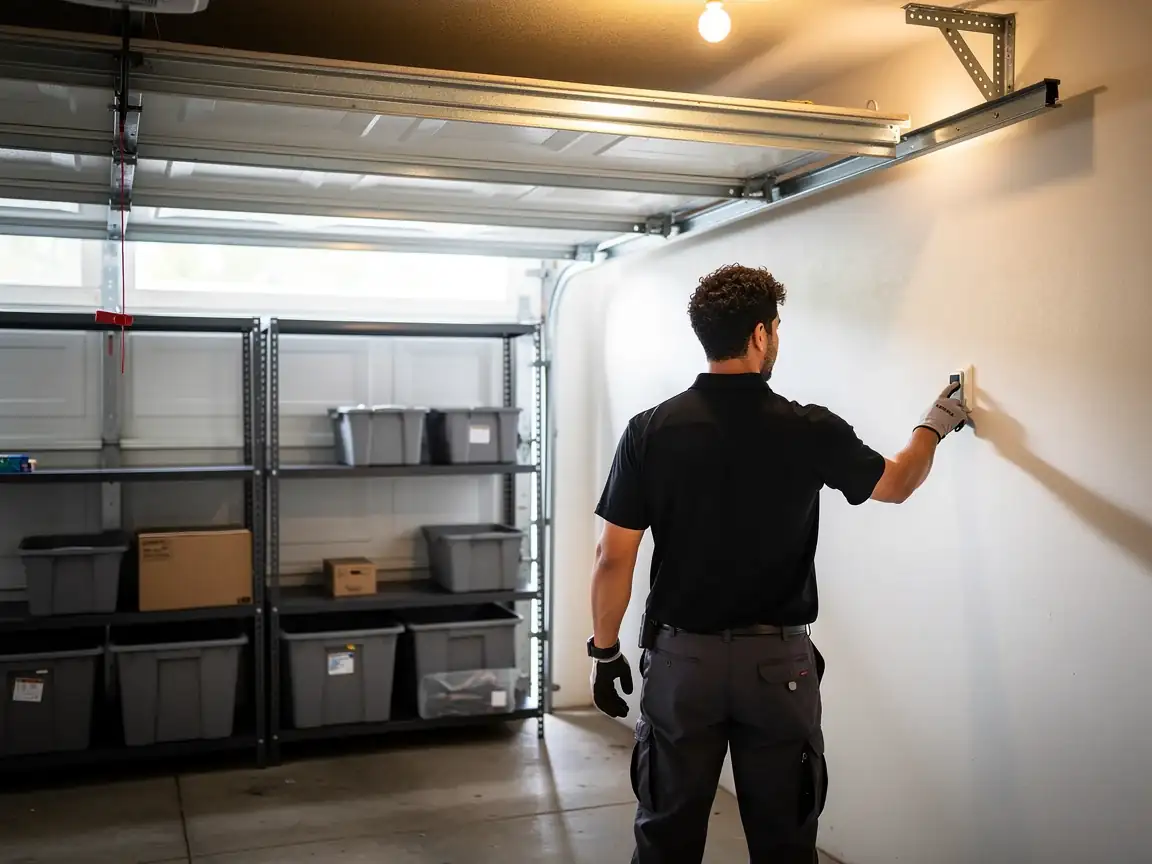
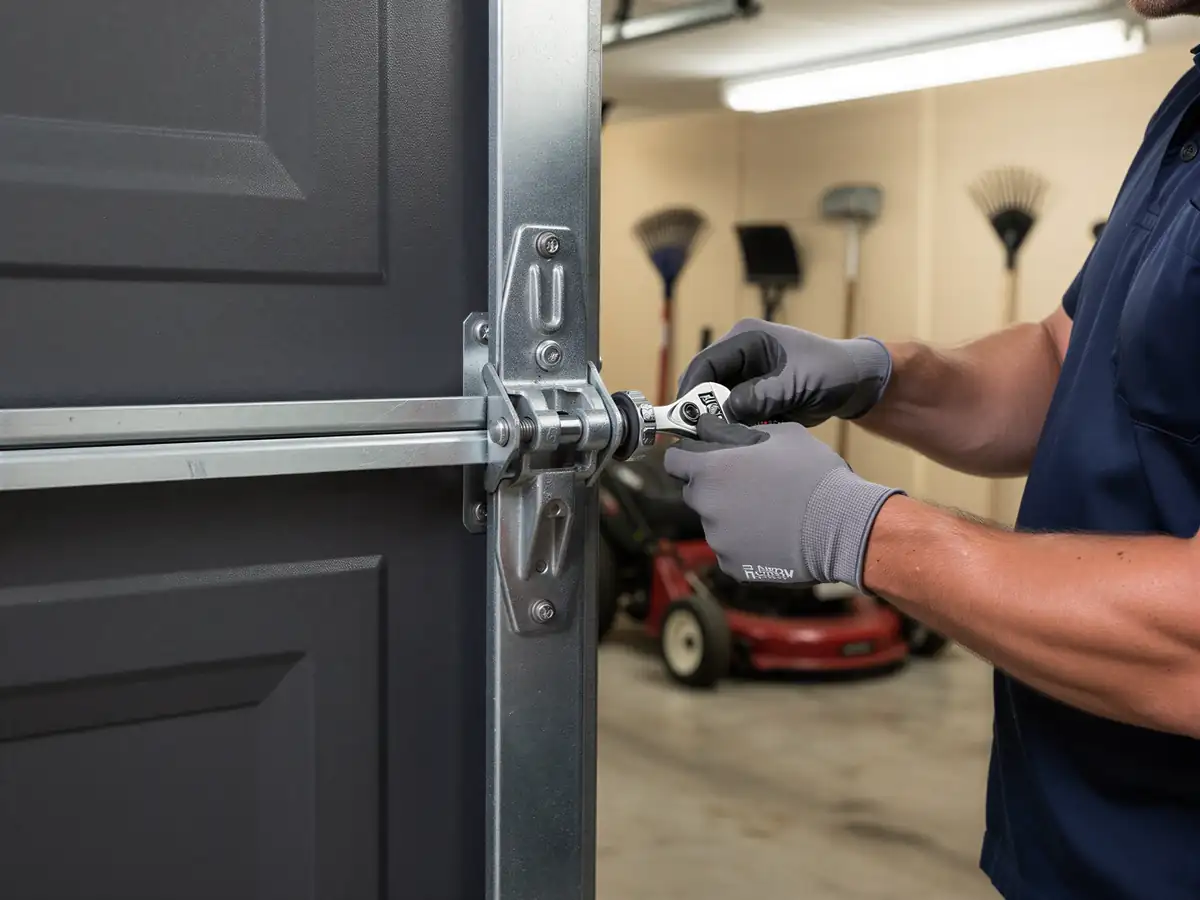
A straight opener swap - old unit out, new belt or chain drive in, on existing track and header bracket - usually runs in the neighborhood of two to three hours once we're on site, including setting the travel limits and pairing remotes. If the header bracket is rusted or the door needs new rollers at the same time, add time for that separately; we won't hang a new opener on hardware that's about to fail underneath it.
We test the auto-reverse safety feature before we leave, every time. That's not optional, and it's not extra - it's part of the job being done, not done fast.
Can You Do This Yourself
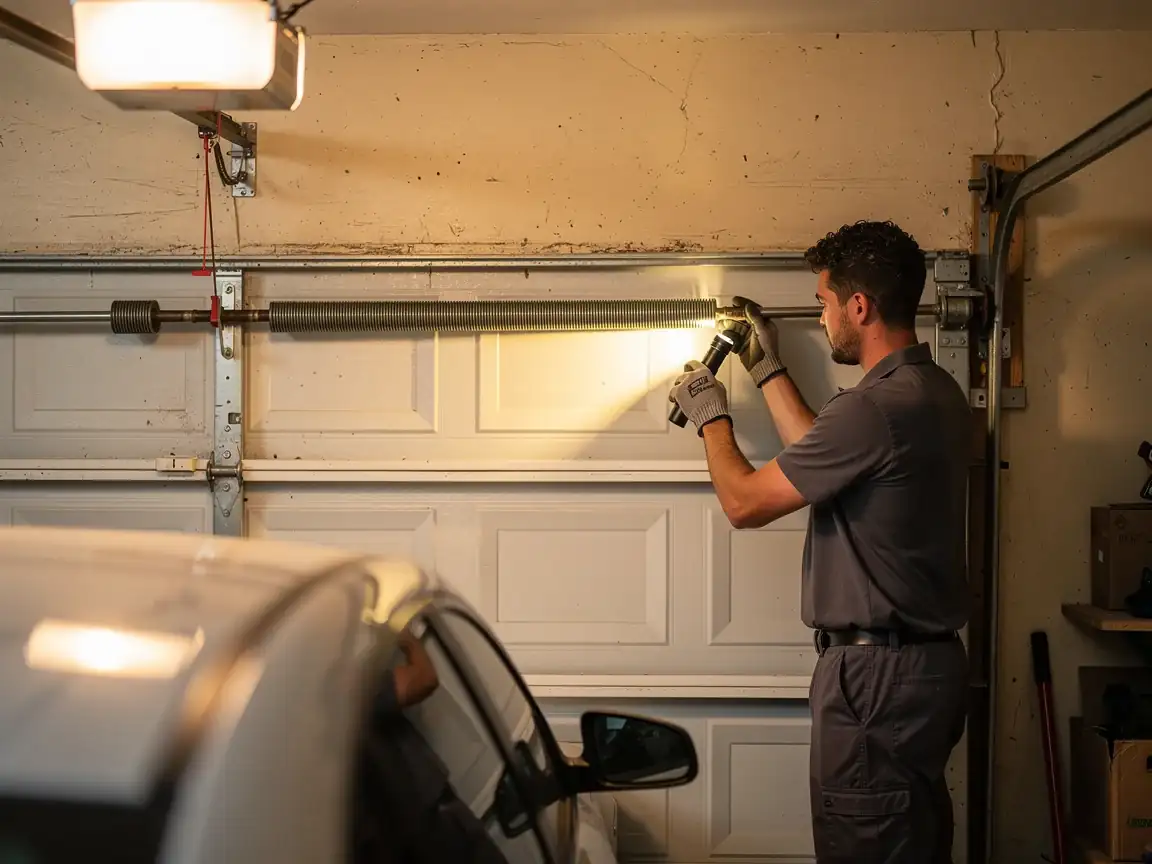
Mounting a bracket and running a rail isn't beyond a patient homeowner with the right tools. Where people get hurt, or get it wrong in a way that costs more later, is the electrical tie-in and the safety sensor alignment. An opener that lifts the door but doesn't reverse on contact is a liability sitting in your garage, not a finished project.
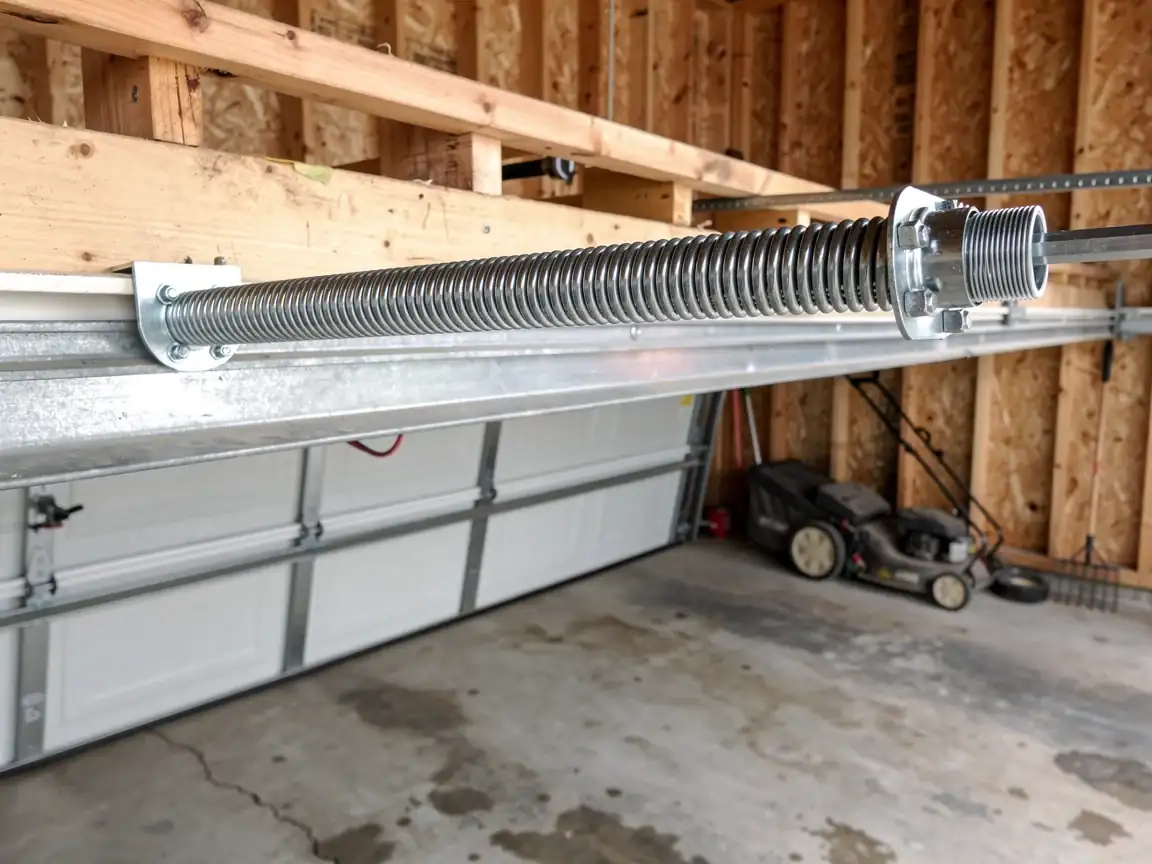
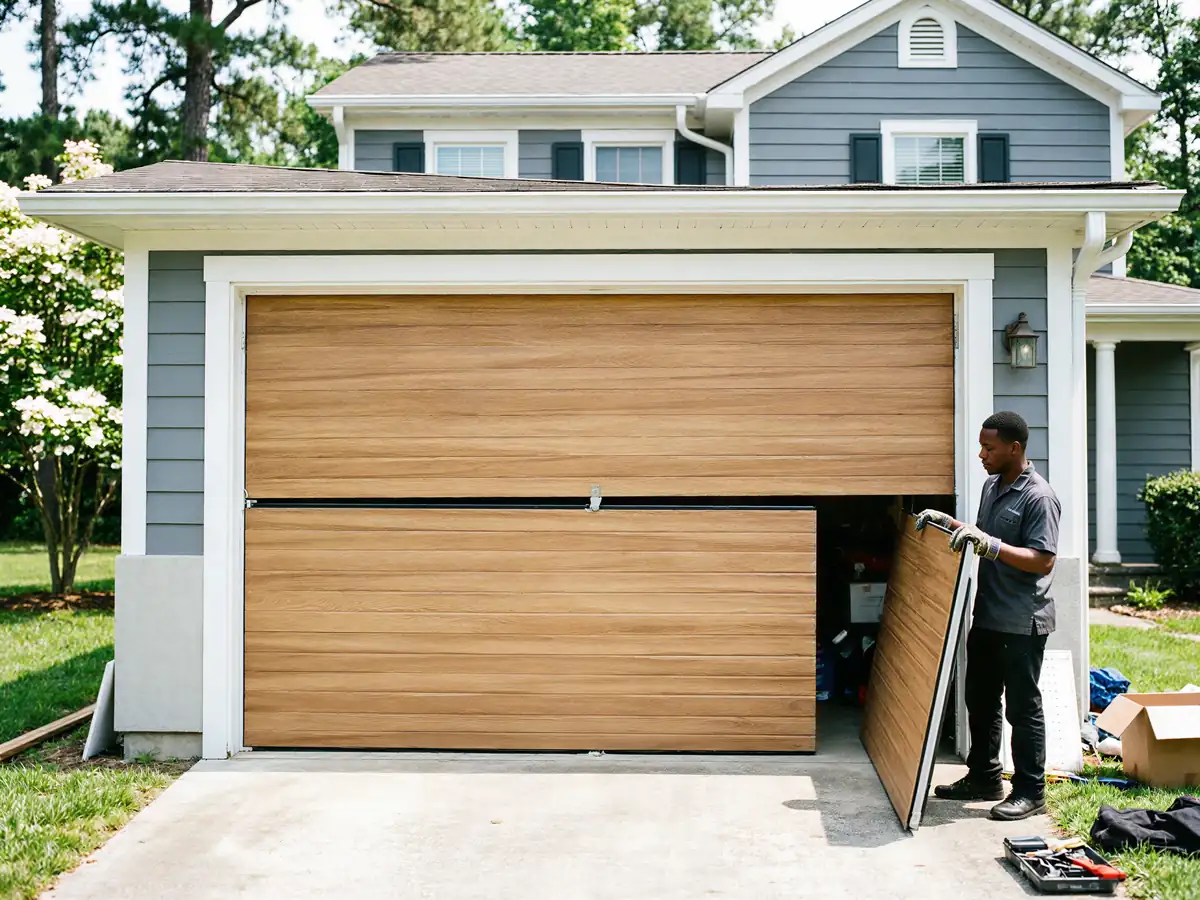
Our honest limit: we don't install openers on doors with broken springs or failing cables. Fix the door first, or let us do both in one visit - putting a new motor on a door that's about to come down on its own track is a job we'll turn away.