Parts We Carry
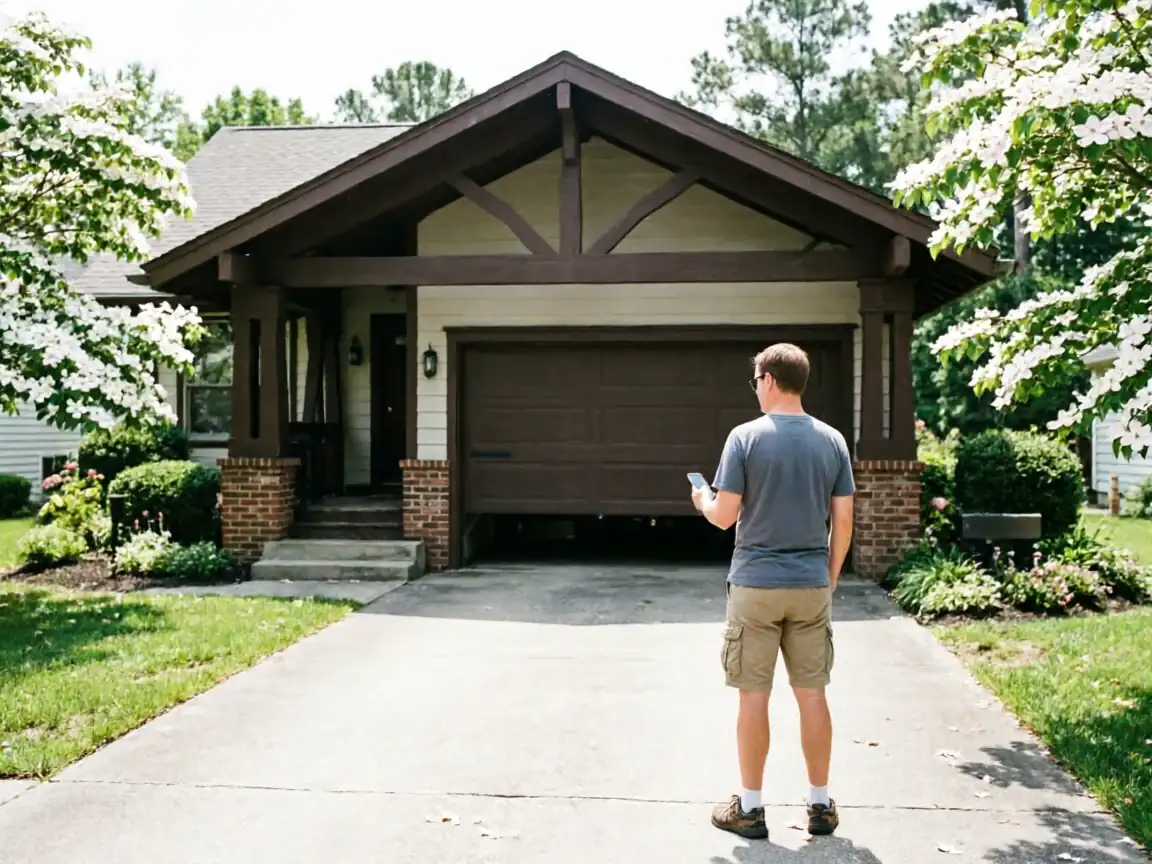
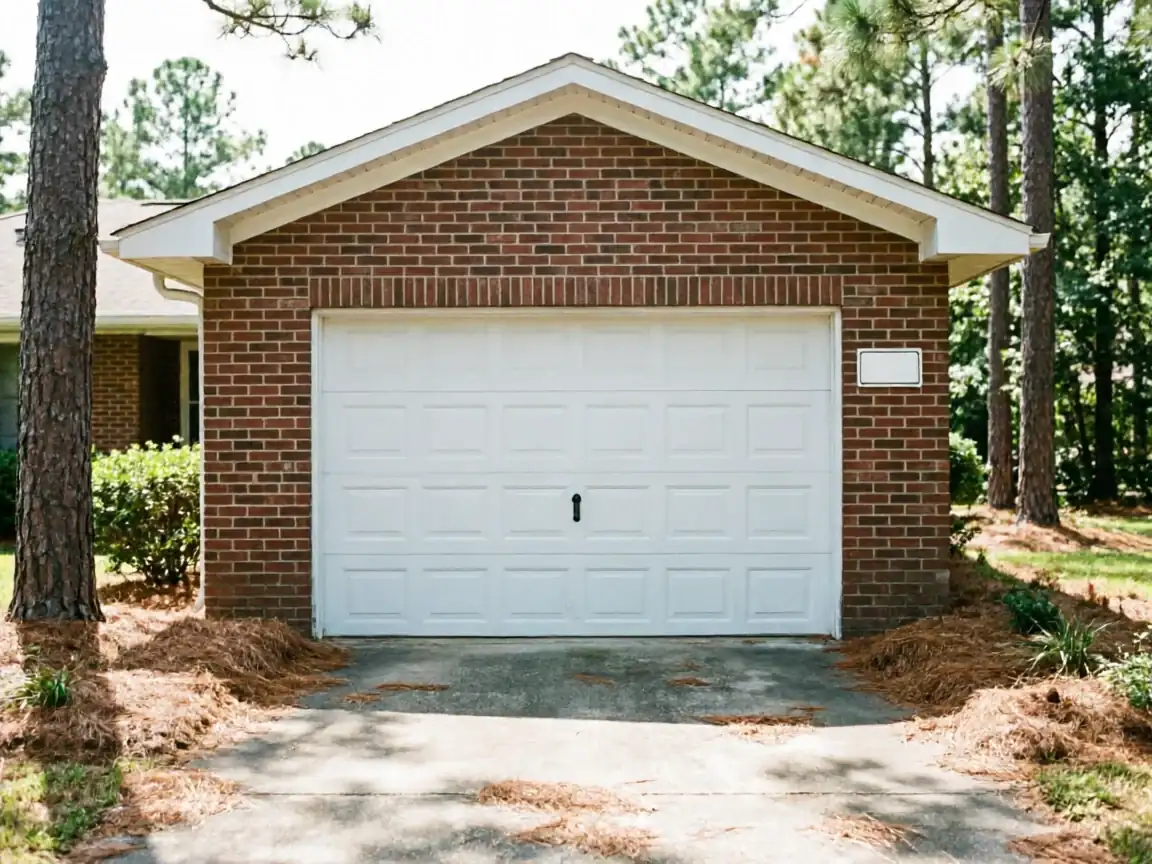
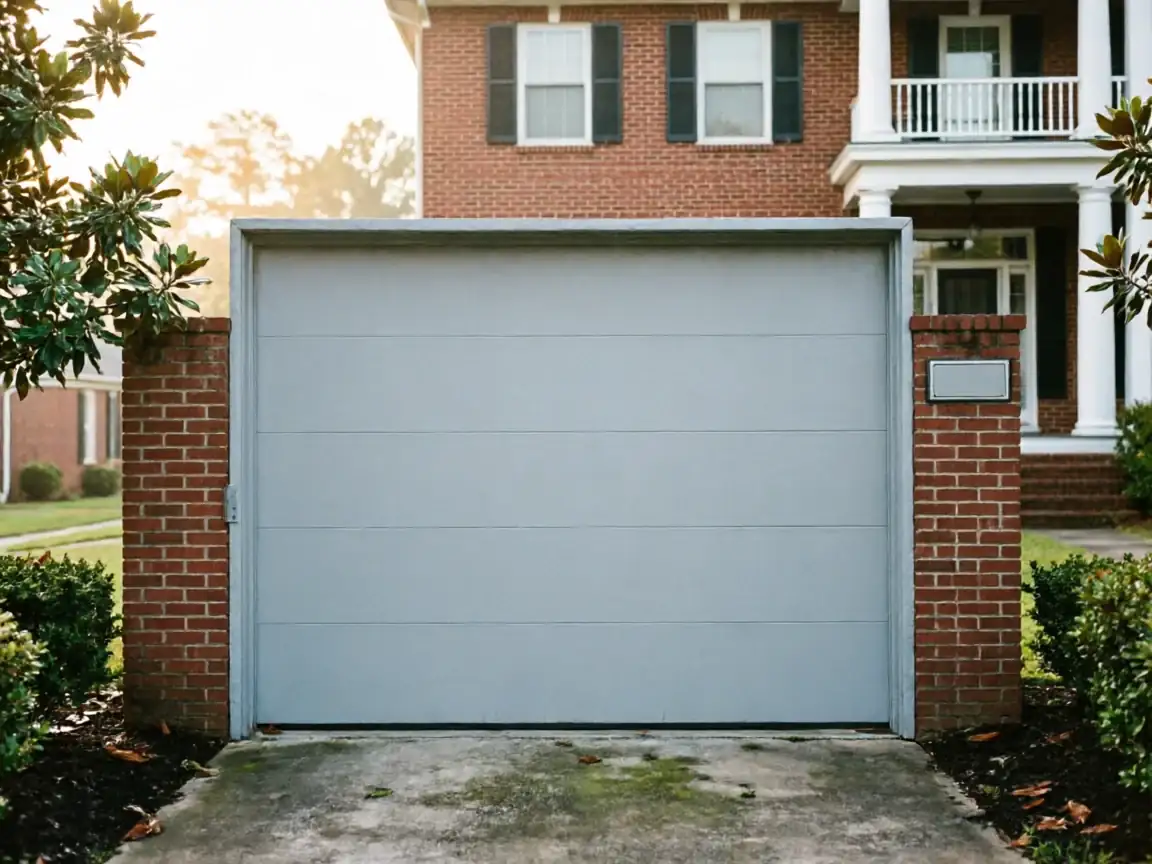
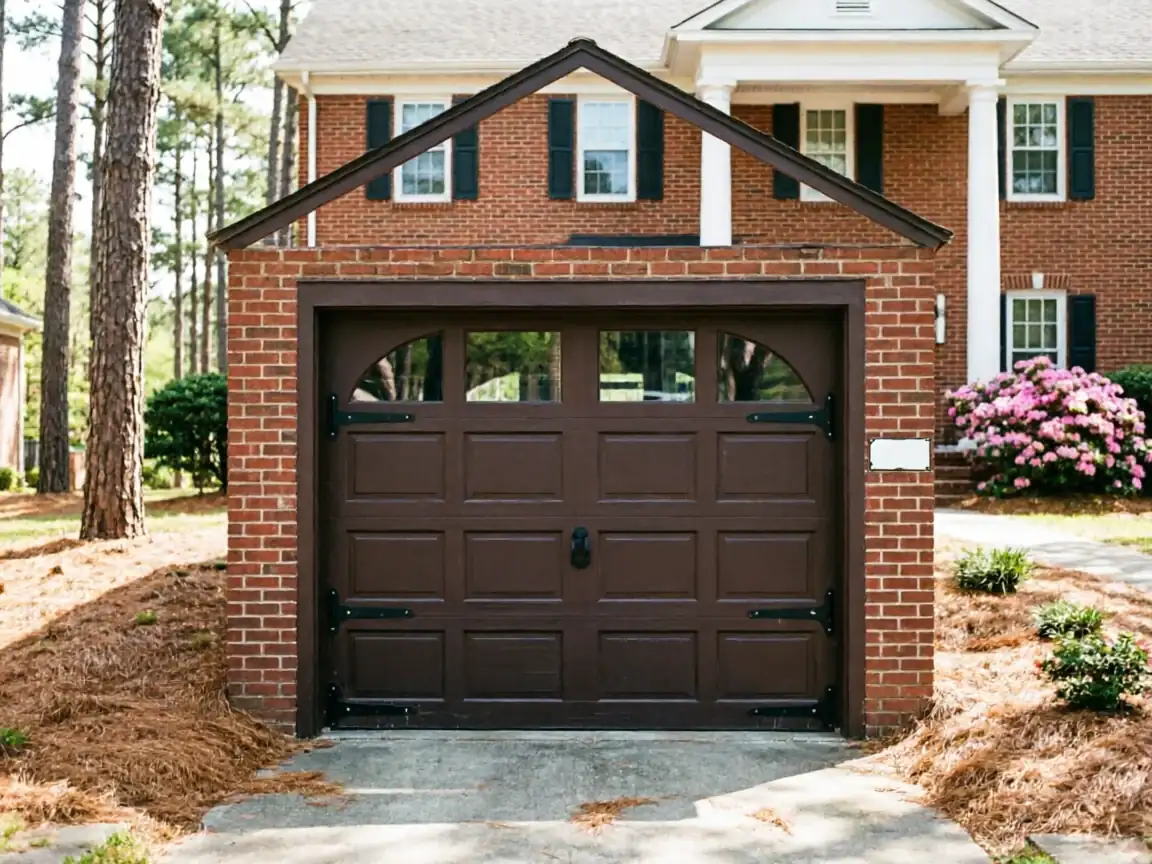
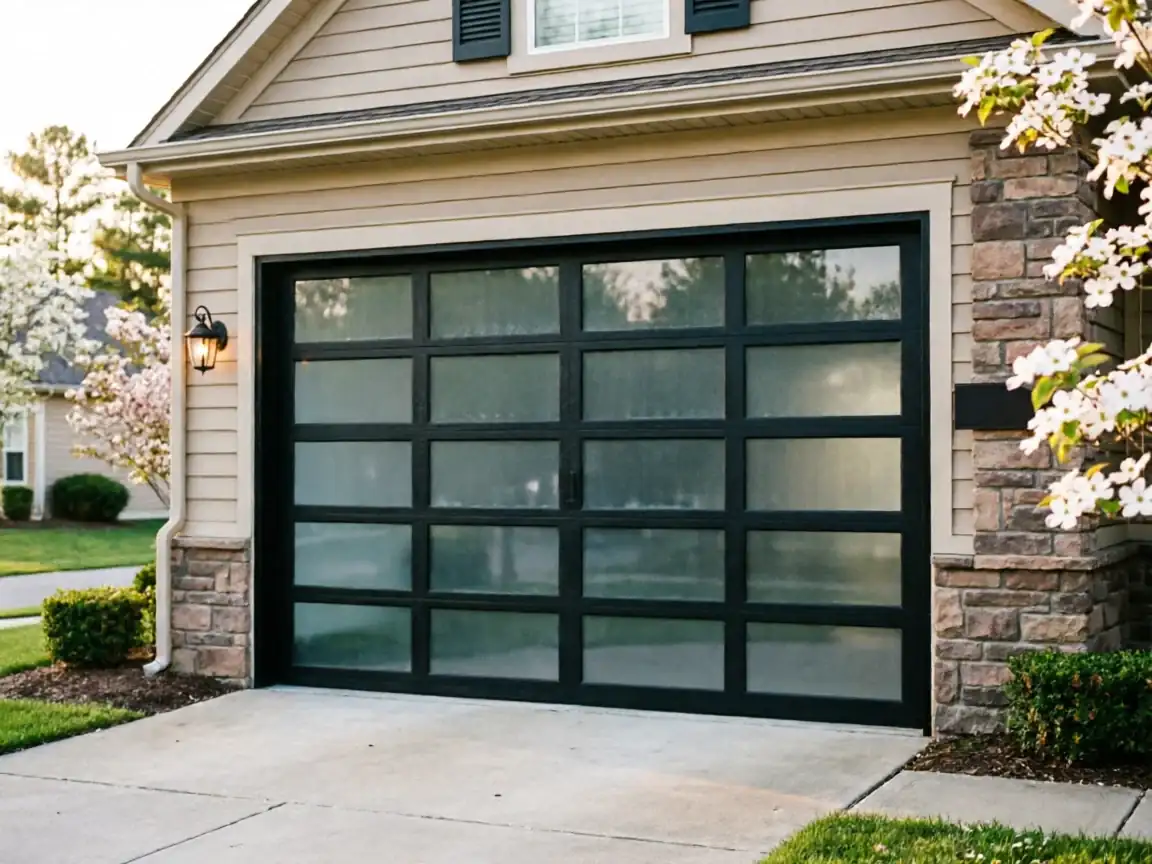
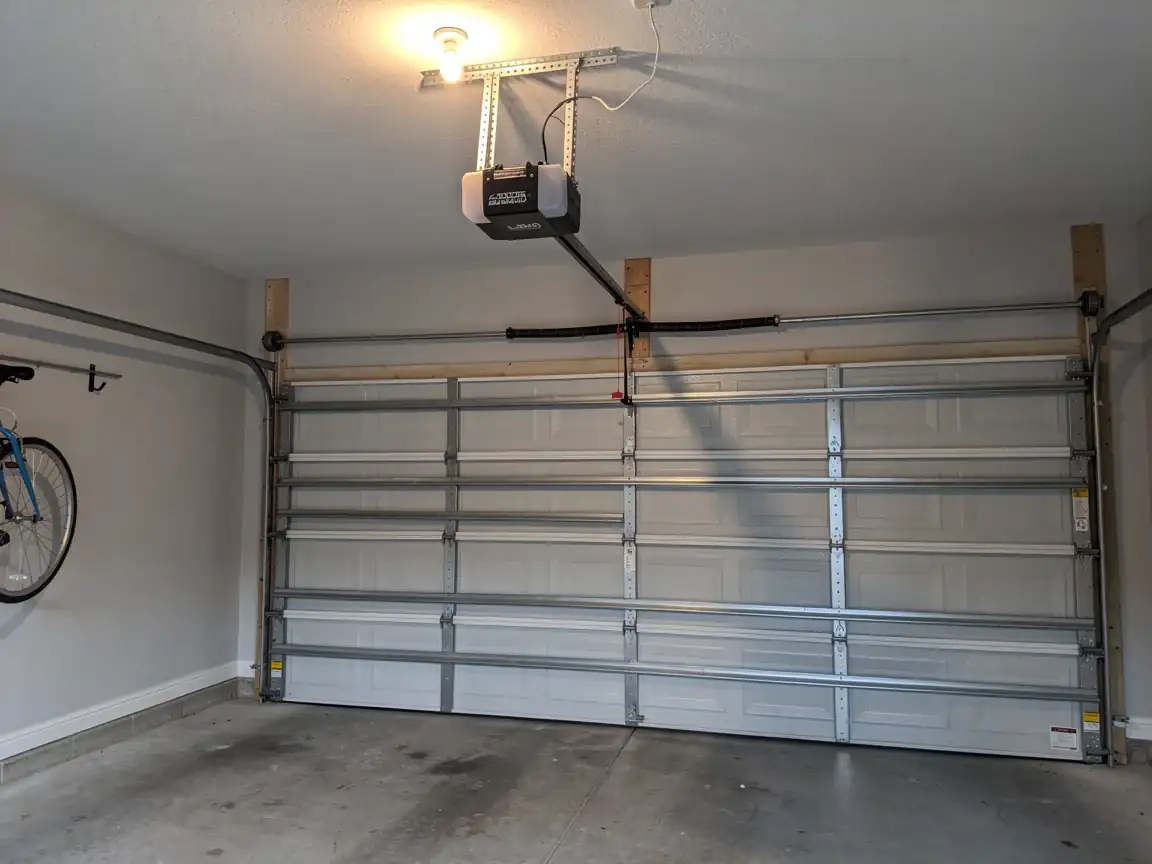
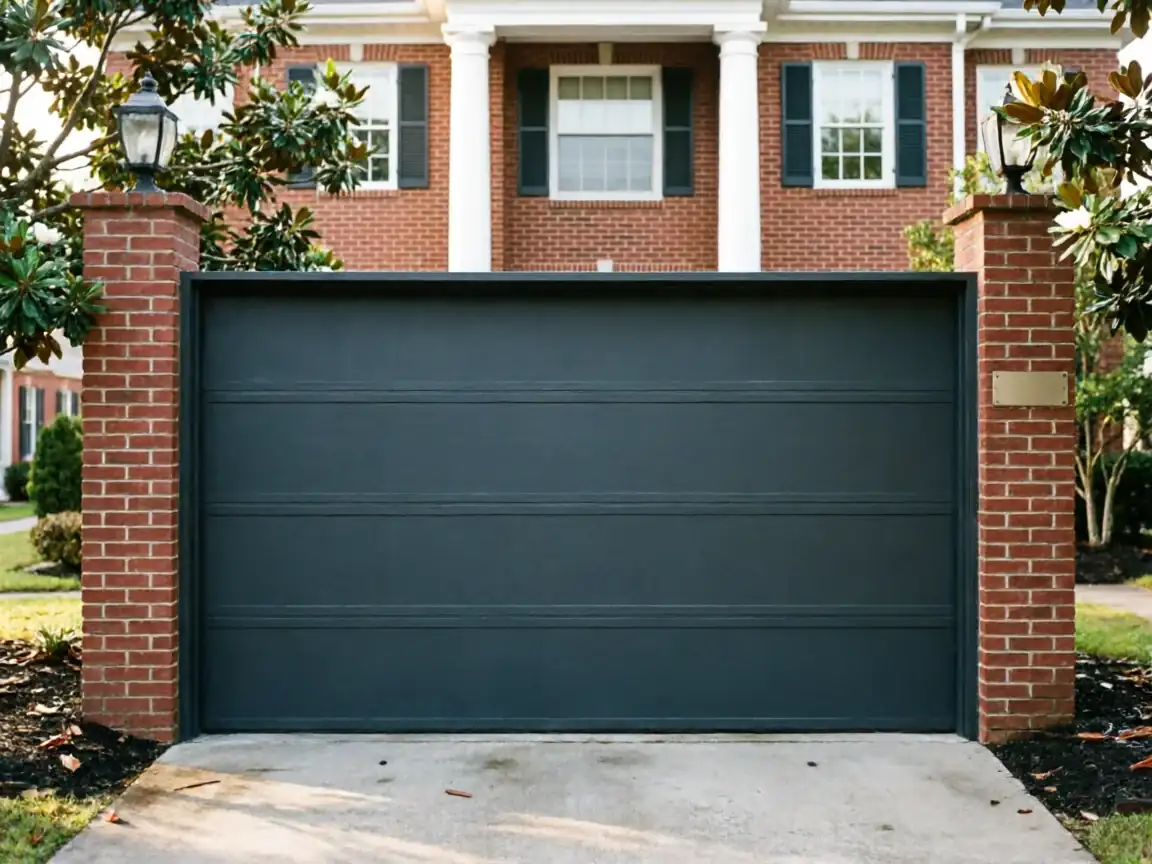
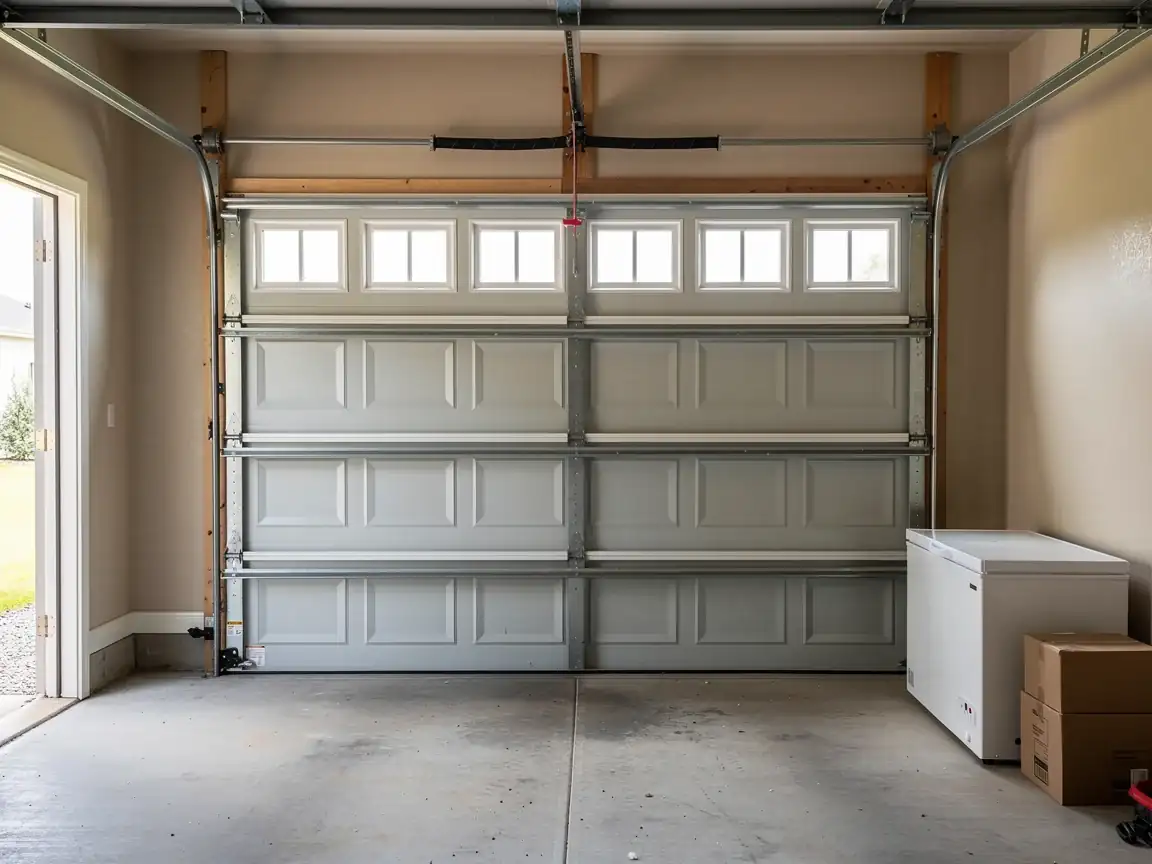
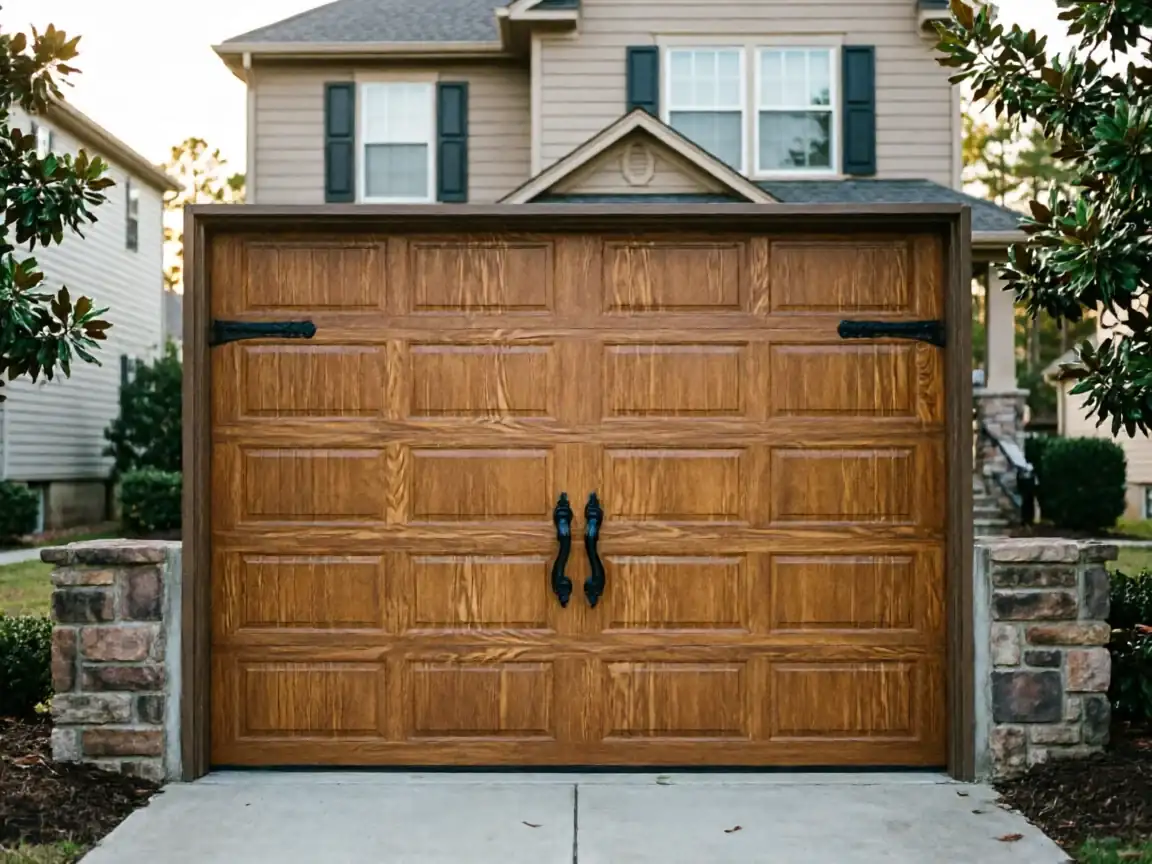
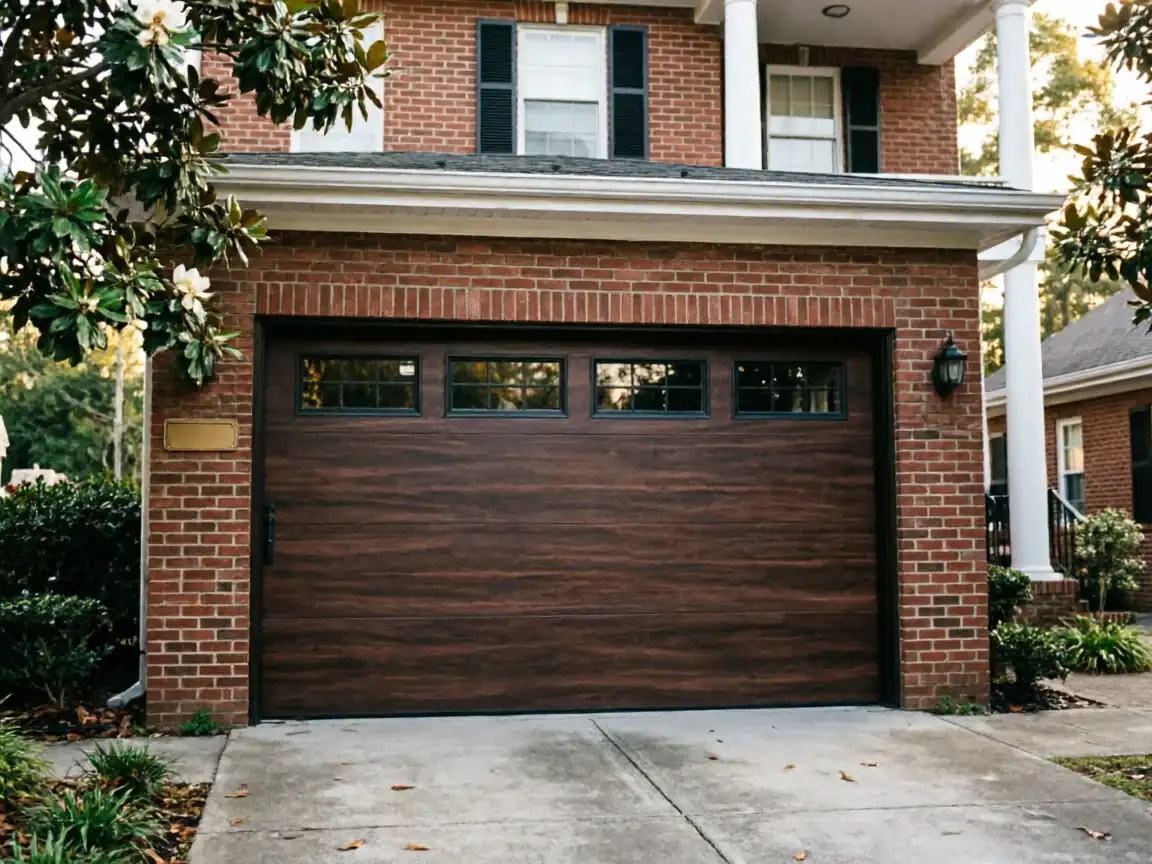
We run the truck out of Burlington, and Glen Raven sits three miles down the road, so a stocked truck gets to you with the same parts we'd bring to a job across town. That matters here because most houses in Glen Raven went up around 1987 - right in the middle of the service area's 1970 to 2004 build window, but on the newer end of it. That means steel sectional doors, torsion springs sized for 7-foot openings, and openers that are either late-80s chain drive or early screw drive, depending on who touched the house last. We carry doors and torsion hardware sized for that era as standard stock, not special order. We don't carry every trim profile or every wood-look panel in the catalog - if you want a specific composite finish, we'll order it, and that adds a few days. For a straight steel replacement matched to what's already on the house, we don't wait on that.
What You Are Seeing
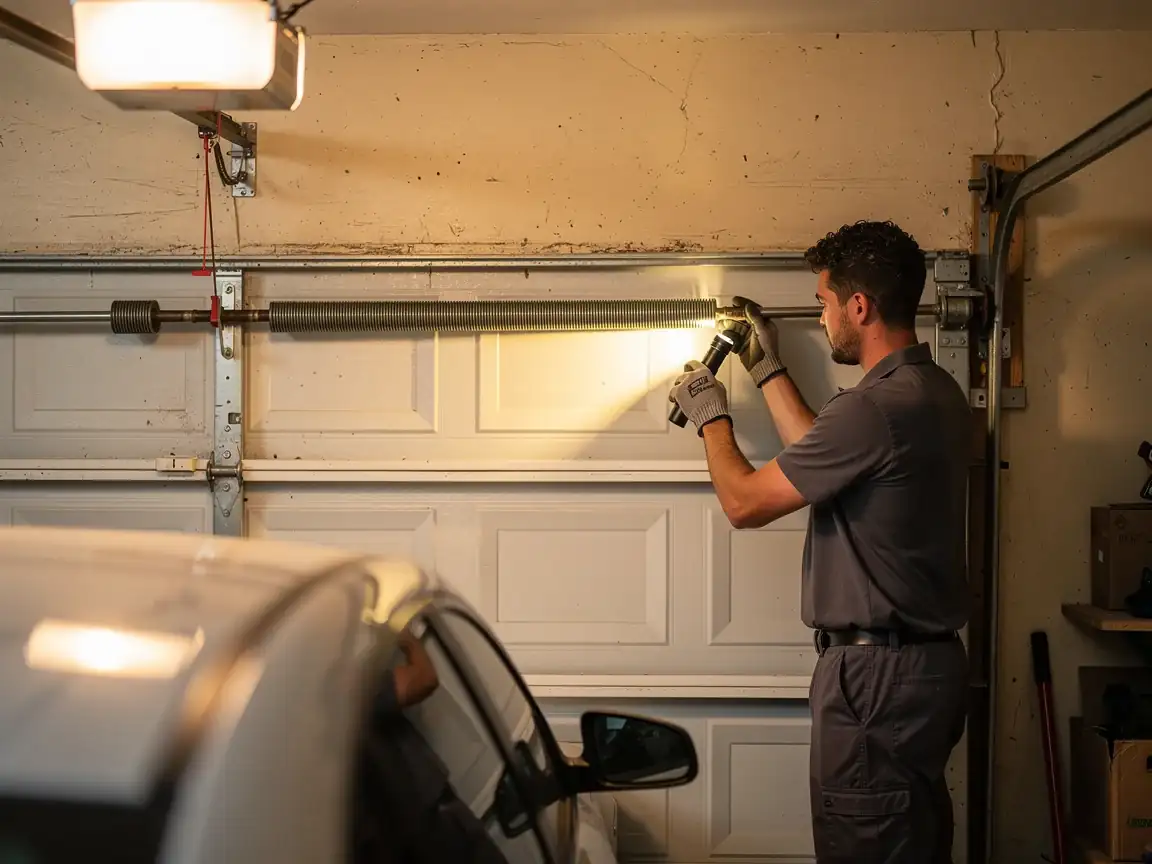
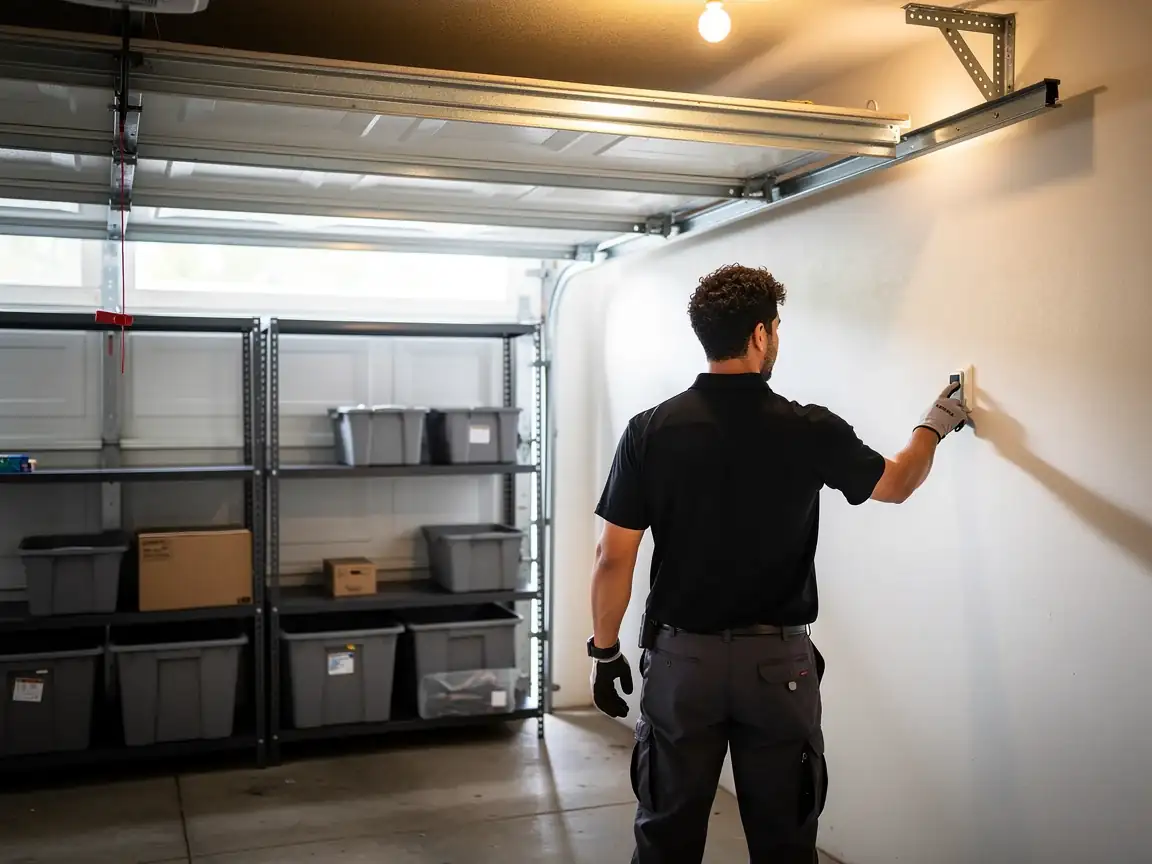
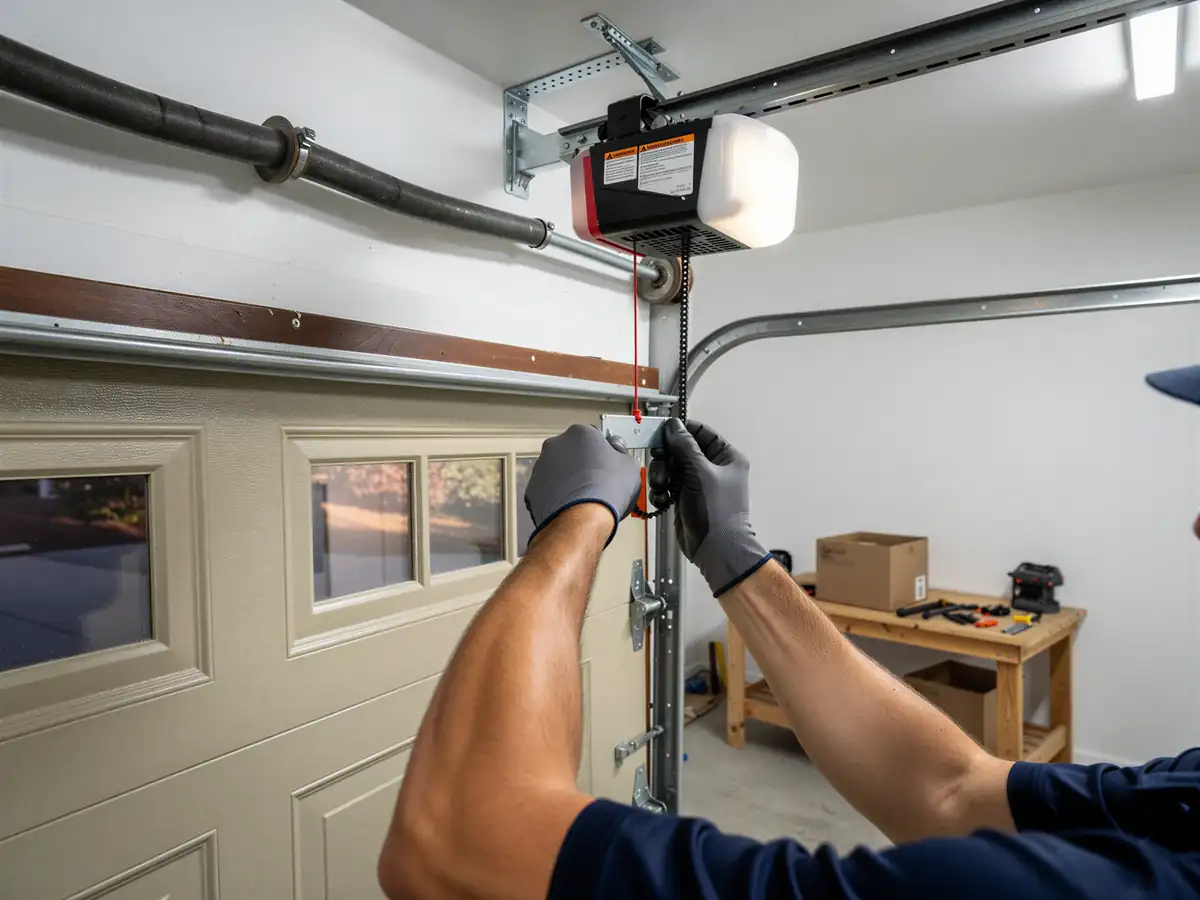
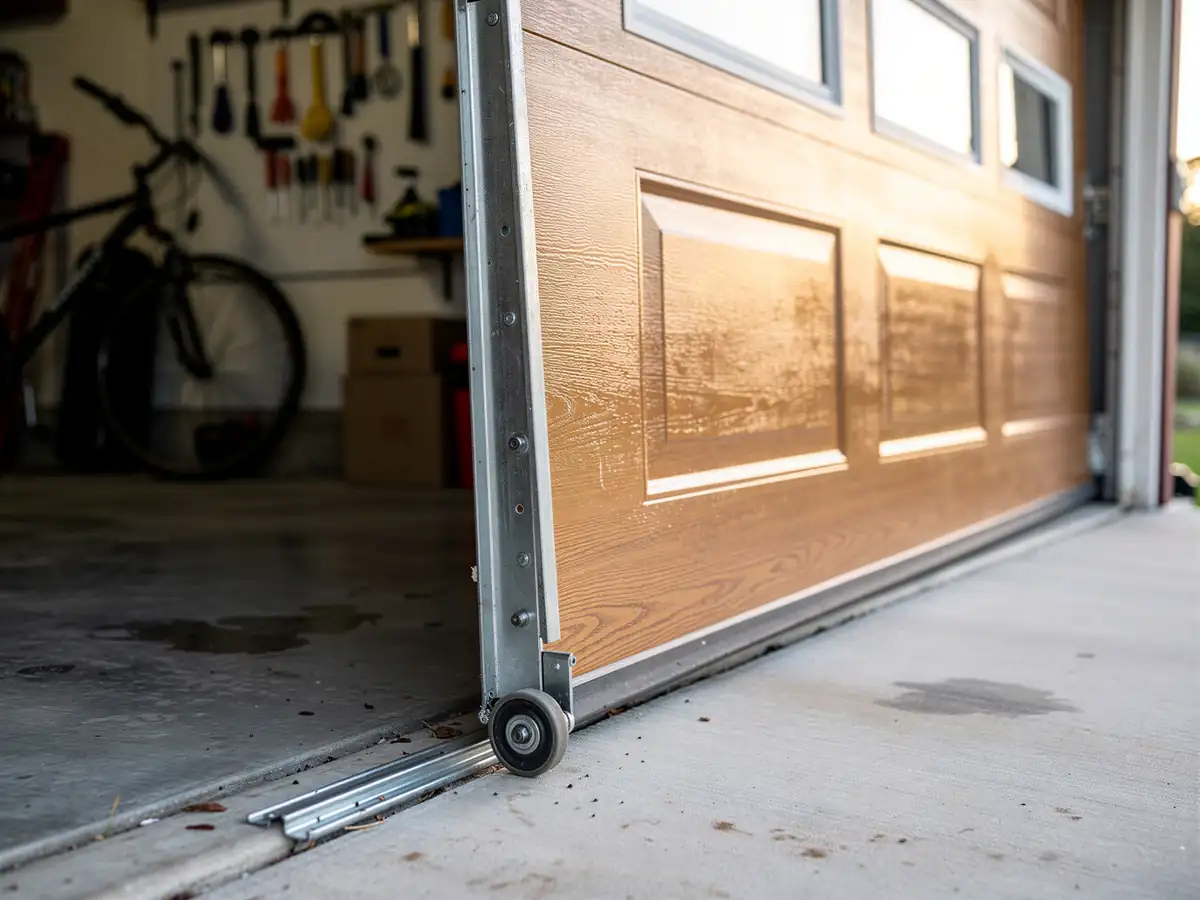
A door that's 35-plus years old in a cold-moderate climate band doesn't fail quietly. You'll usually see the bottom panel rusting or denting first, since that's the panel that takes road salt and snow melt runoff all winter. Springs on original 1987-era installs are past their rated cycle count by now - if the door feels heavier than it used to, or drops fast the last foot, that's the spring, not the opener. Openers from that build period often predate rolling-code security and sometimes lack a working auto-reverse sensor at all, which is a real safety gap, not just an inconvenience. If your opener still uses a simple toggle wall switch with no keypad, that's a strong sign it's original to the house. None of this means the door is unsafe to use today, but it does mean the parts inside it are near the end of what they were built for, and replacement - not another patch repair - is usually the honest answer once you're here.
Time on the Job
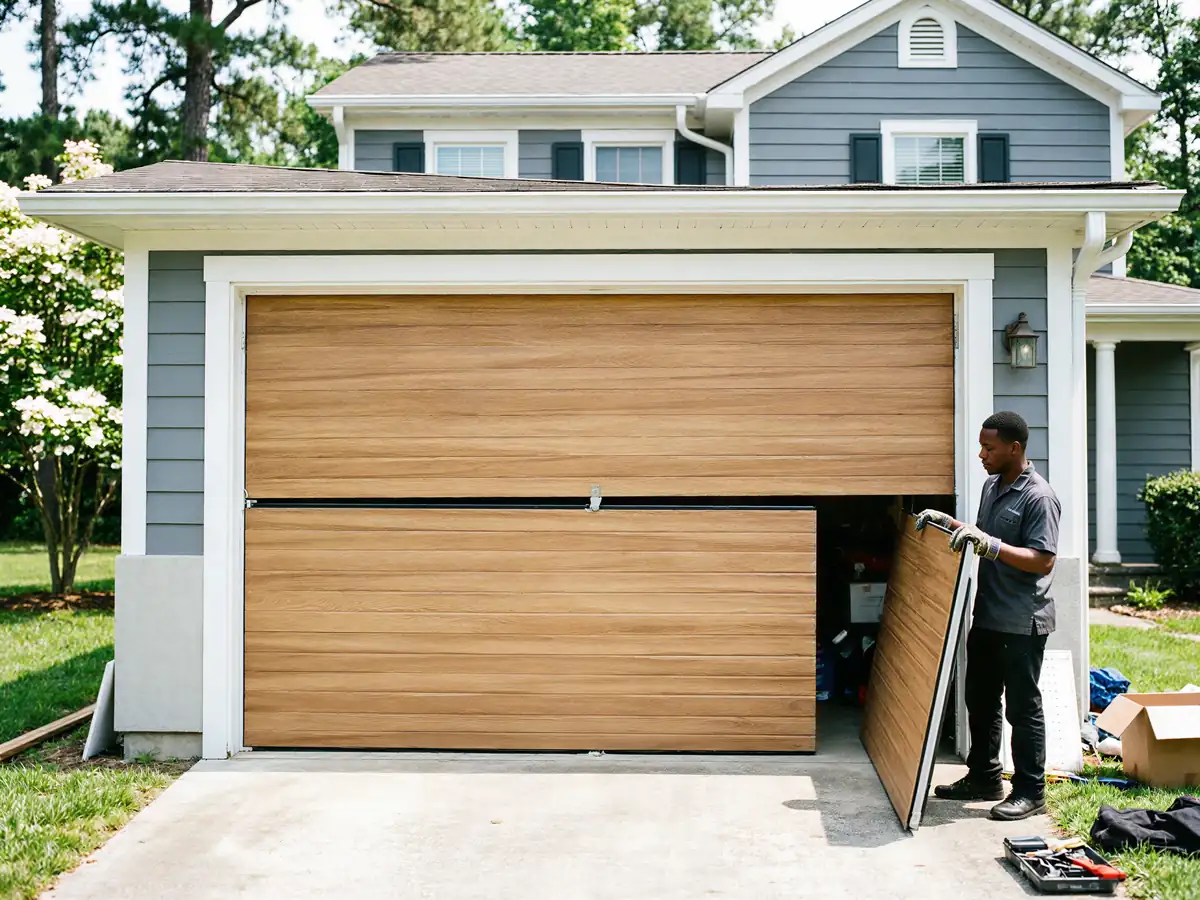
A straight swap - same size opening, new steel door, new opener - is typically a one-day job once the door and hardware are on the truck. If the opening itself needs reframing, or the existing track was bent and the header's out of square, that adds time we can't fully price until we see it in person. We won't pretend every job on a 1987-built house is routine; some of these openings have settled slightly over the decades, and squaring that up before the new door goes in is the part that can't be rushed. We'd rather tell you that up front than hand you a door that binds on day two.
Can You Do This Yourself
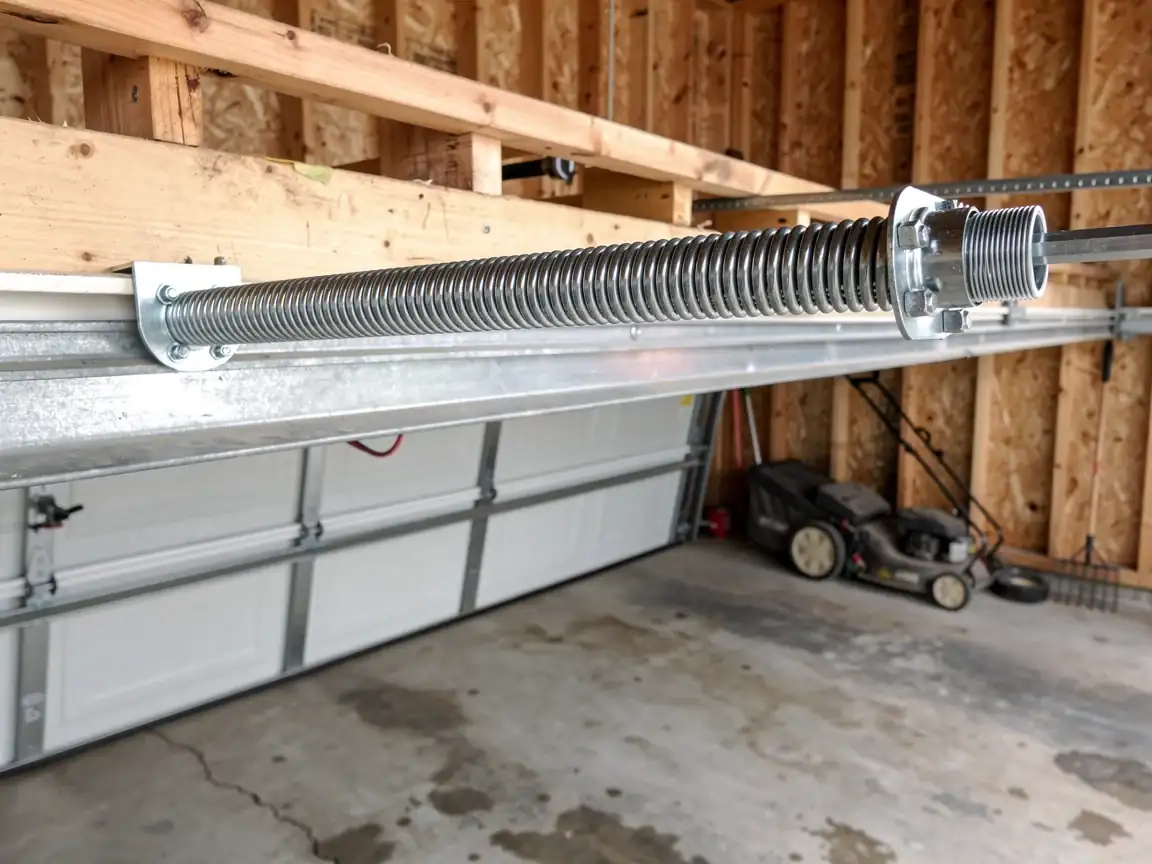
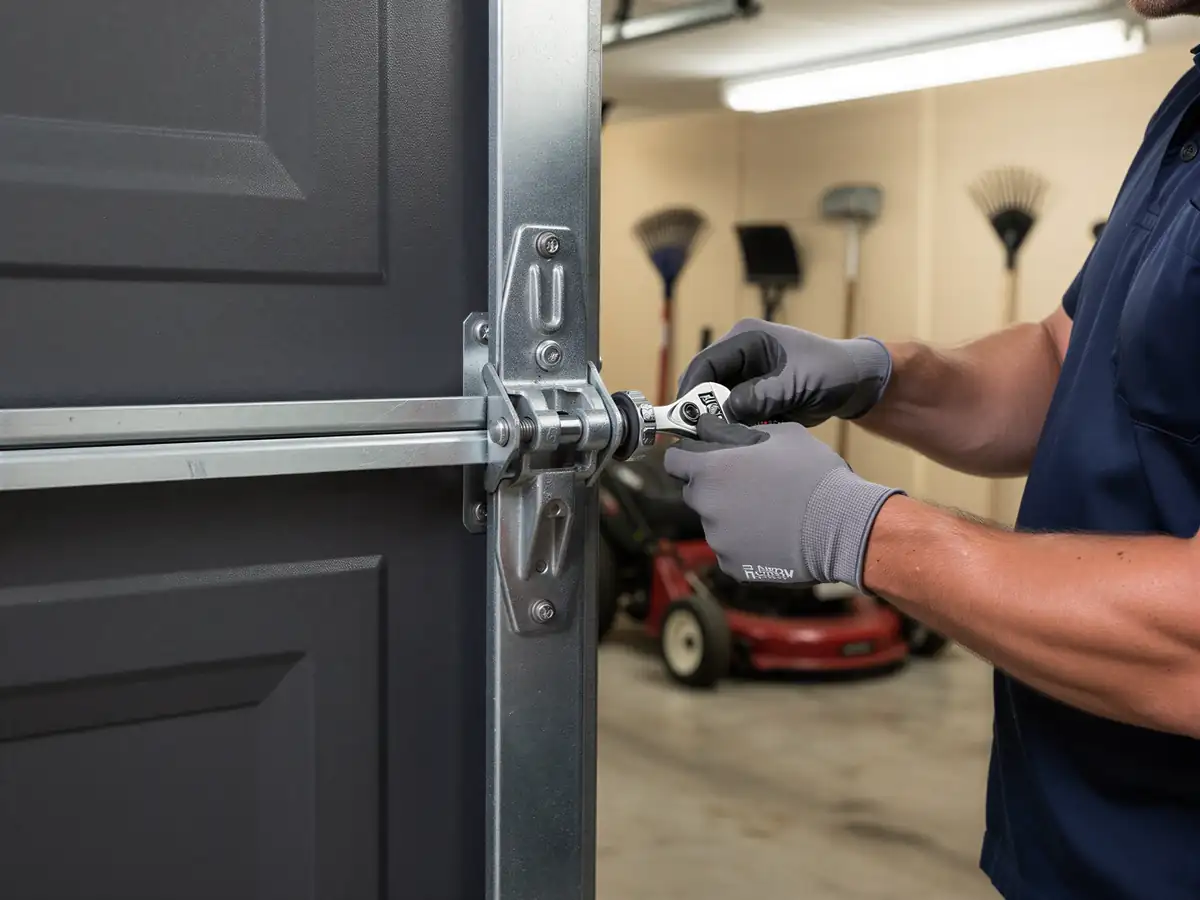
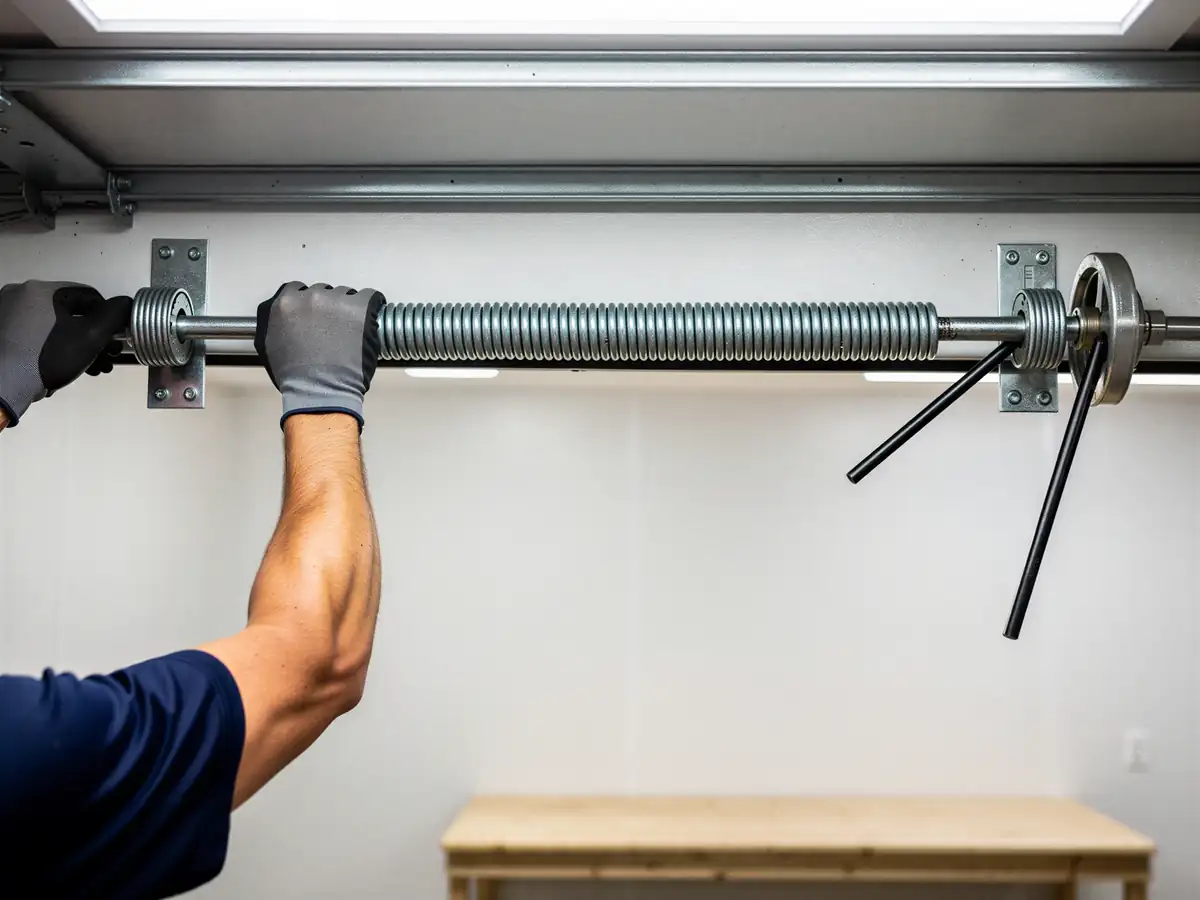
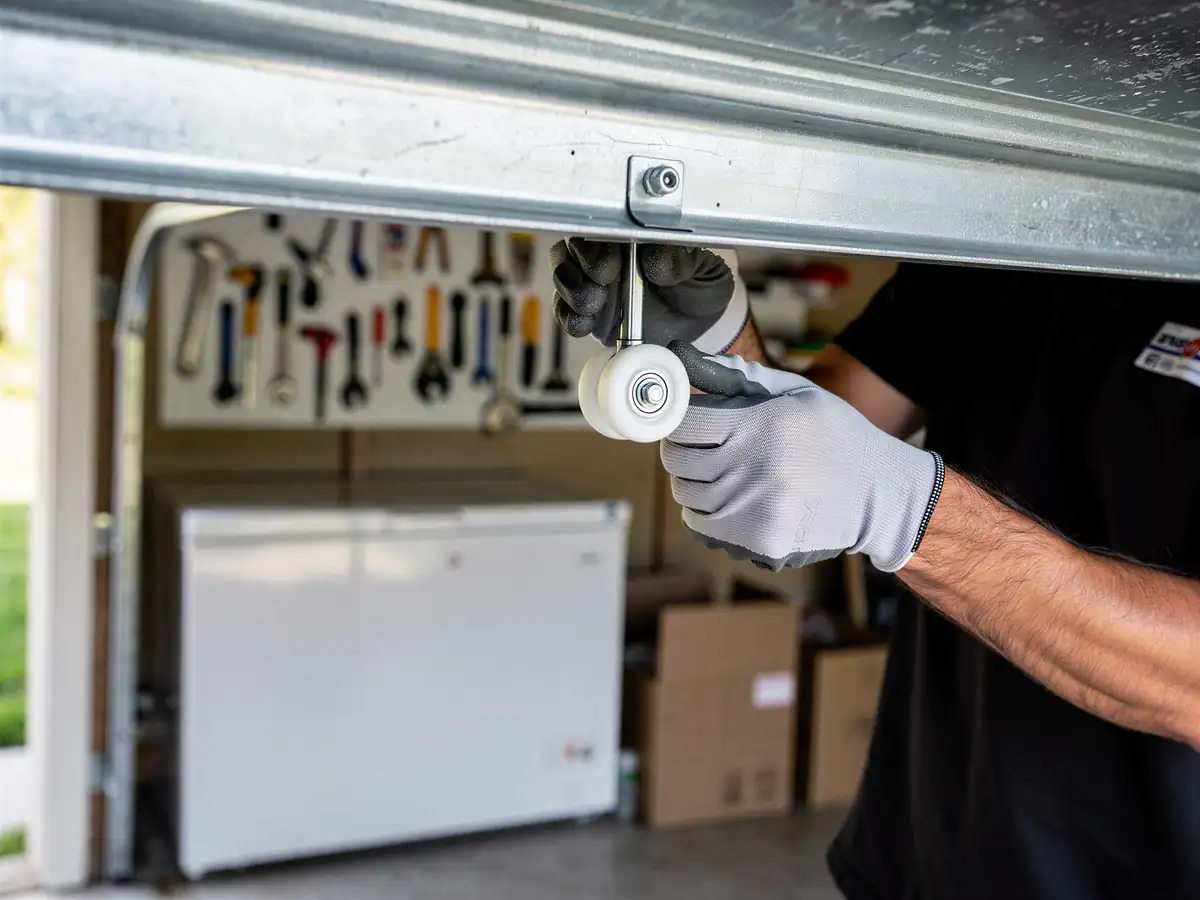
Swapping panels or adjusting a track is within reach for a handy homeowner. Setting torsion spring tension is not - those springs store enough force to break a bone or worse, and that's true whether the door is new or the 35-year-old original. If you're replacing the whole door, the spring has to be matched to the new door's weight, which isn't always the same as what came off. We'll do that calculation and set it correctly. Where we think a DIY approach makes sense: swapping weatherstripping, replacing a remote, or cleaning and lubing rollers on a door that's otherwise sound. Full installs, we'd rather you call us than guess.