Parts We Carry
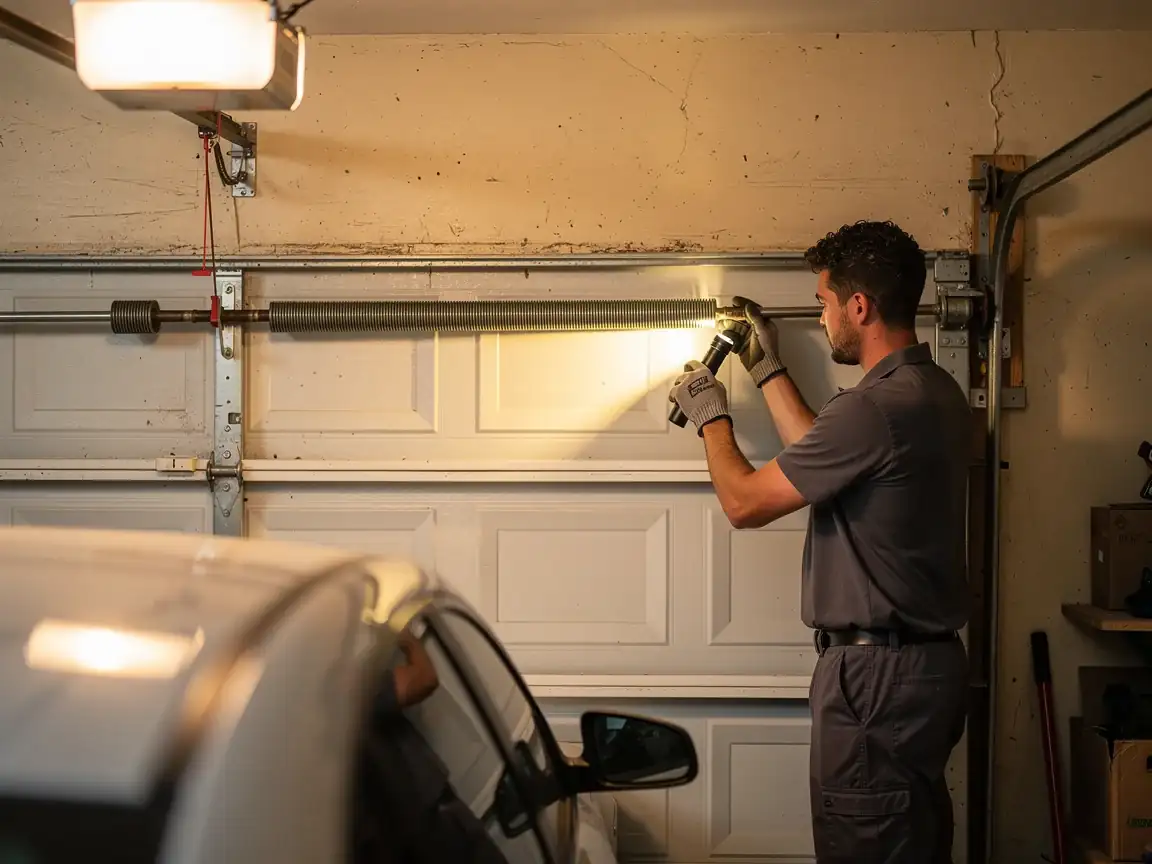
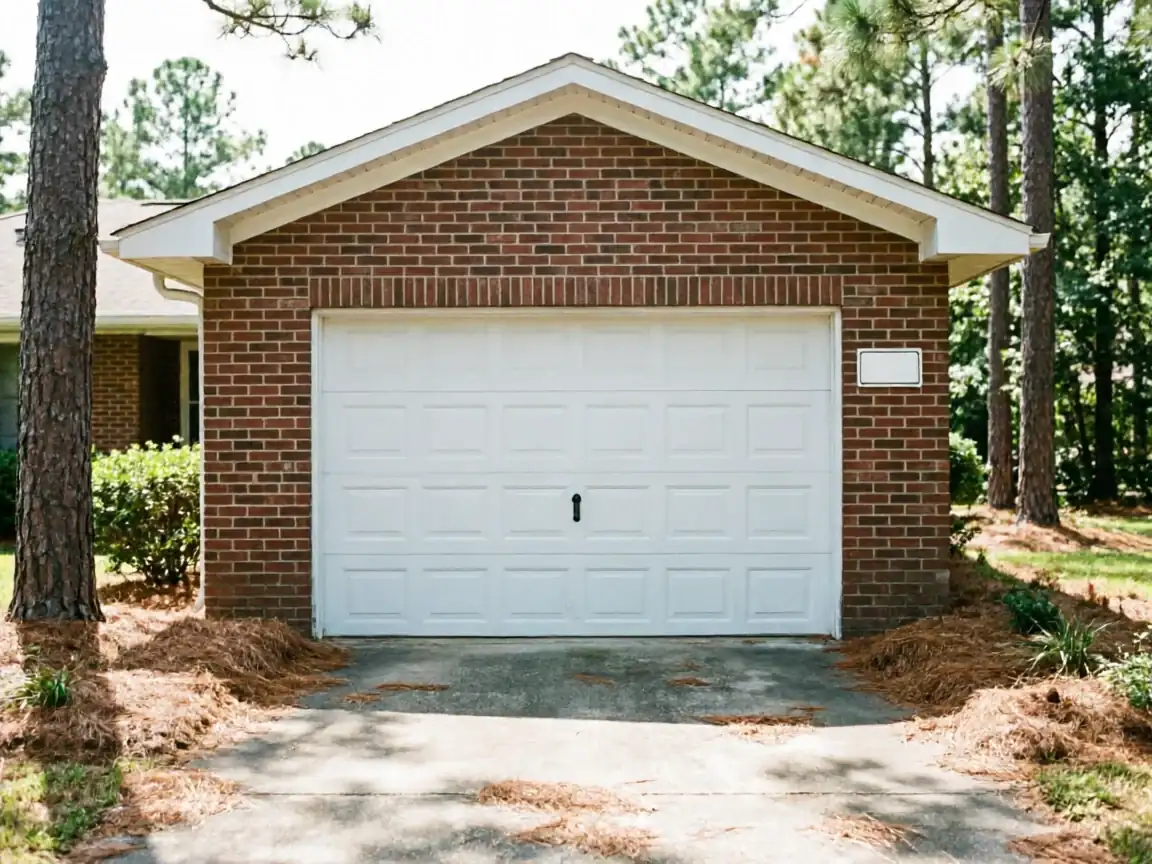
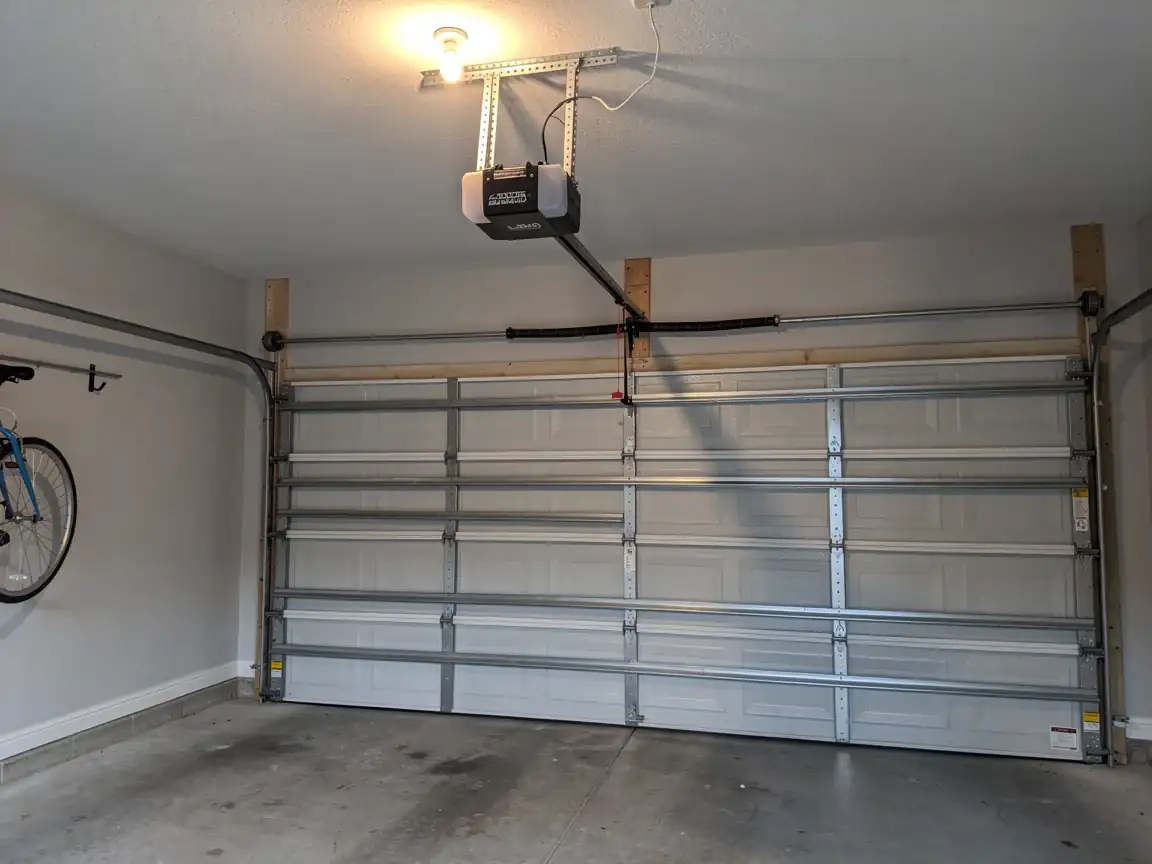
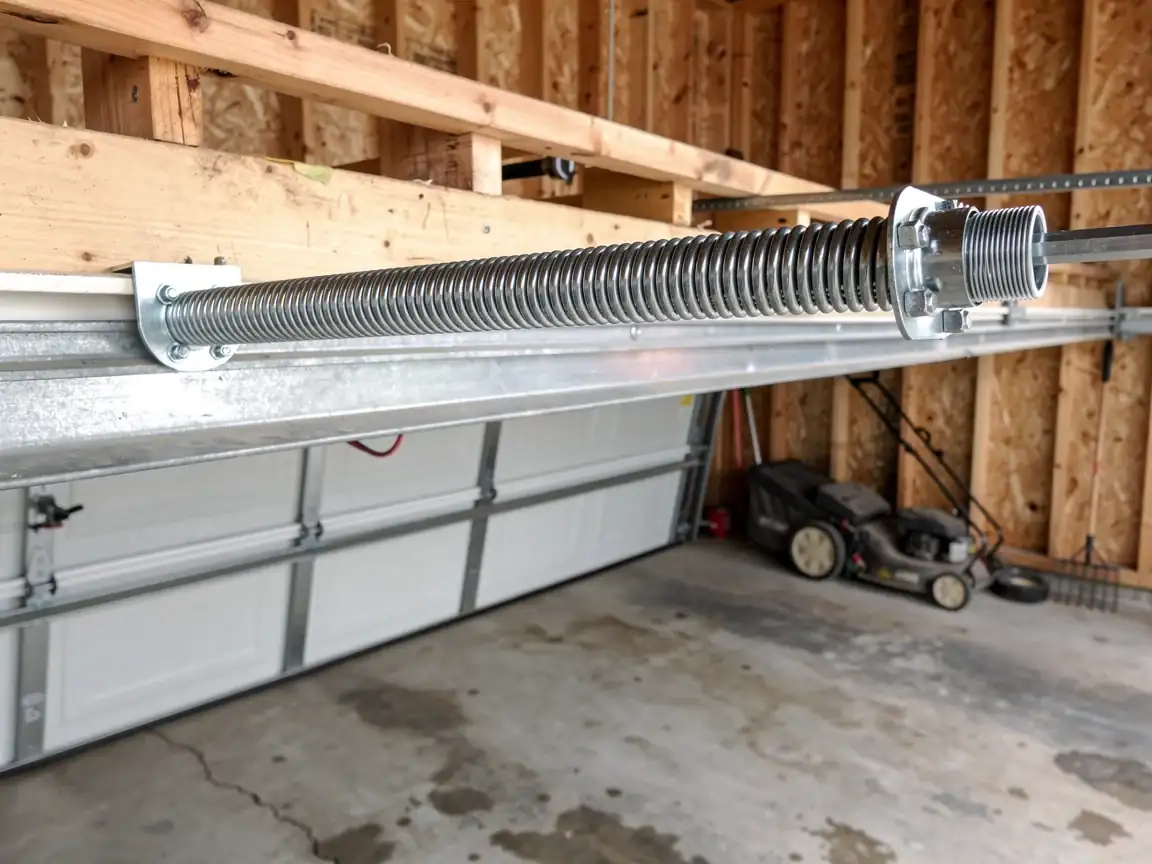
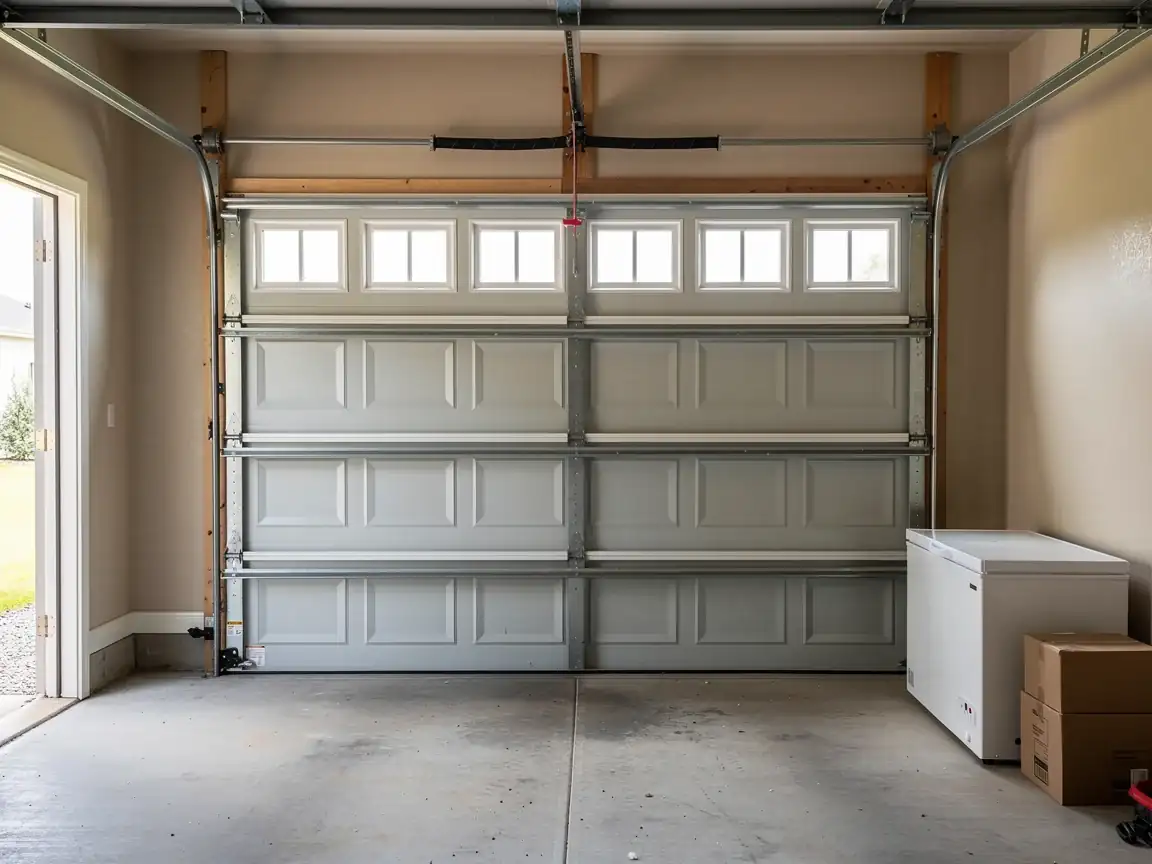
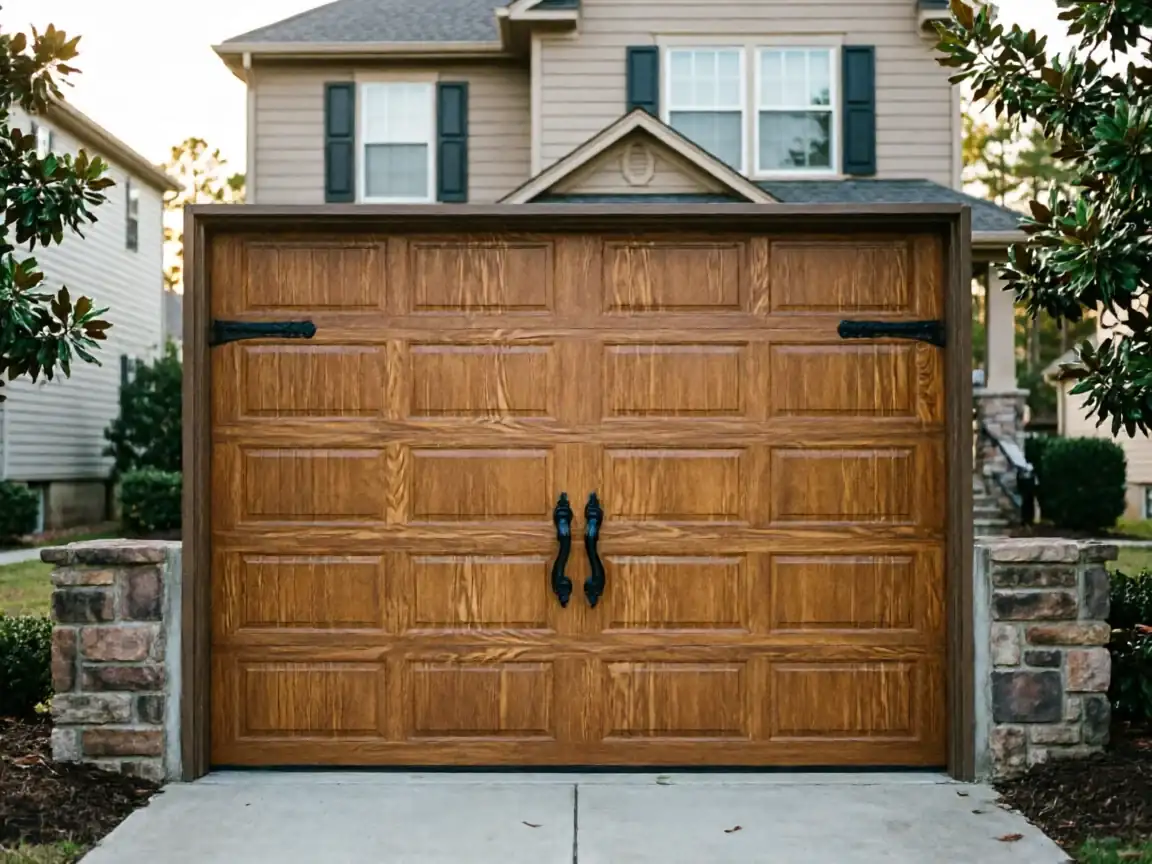
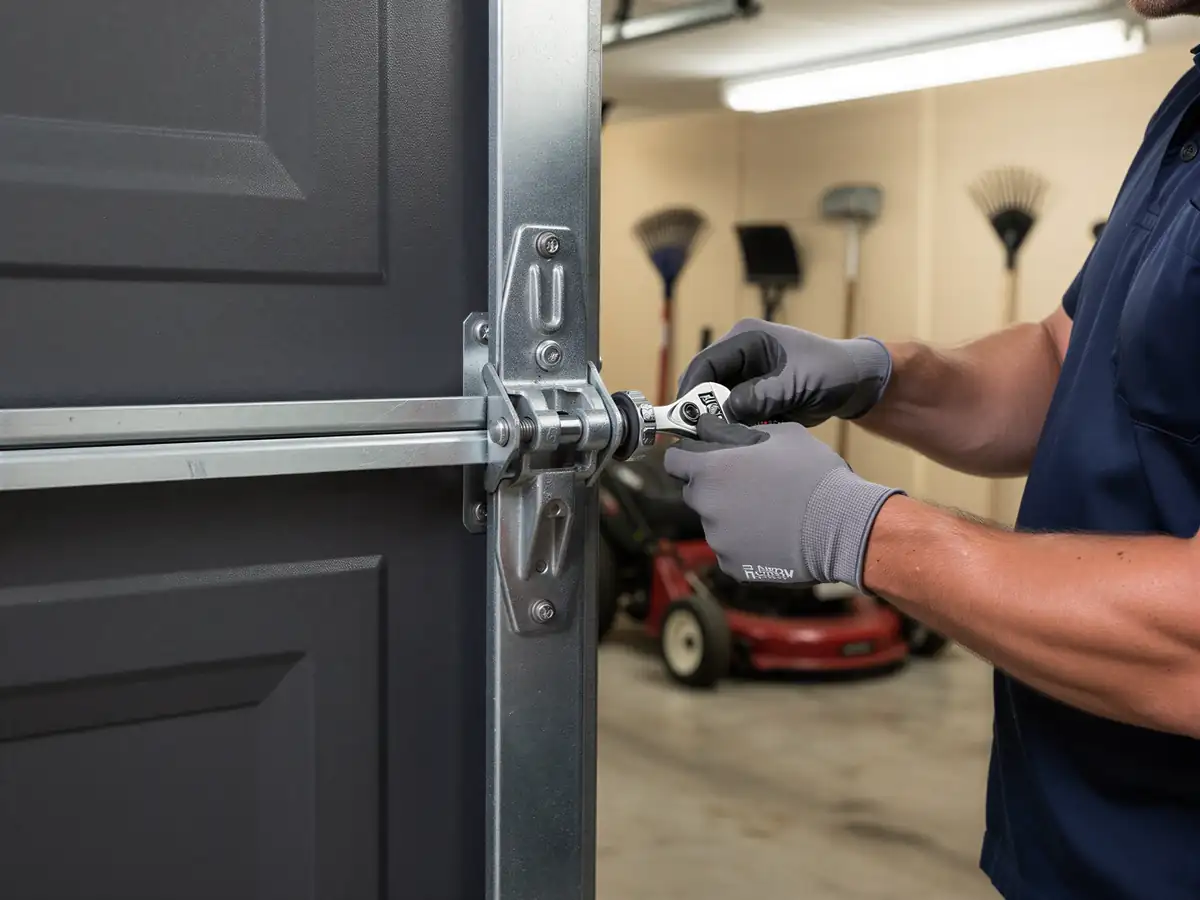
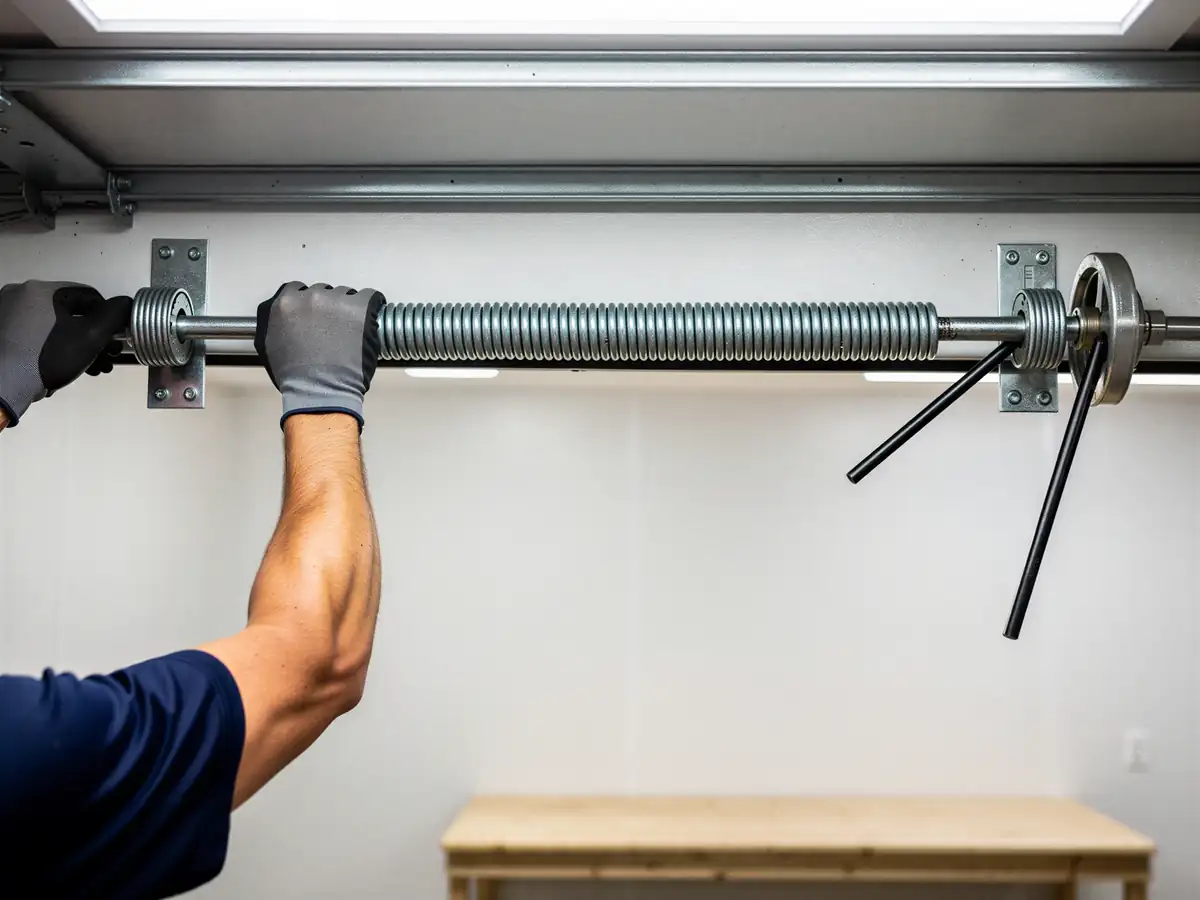
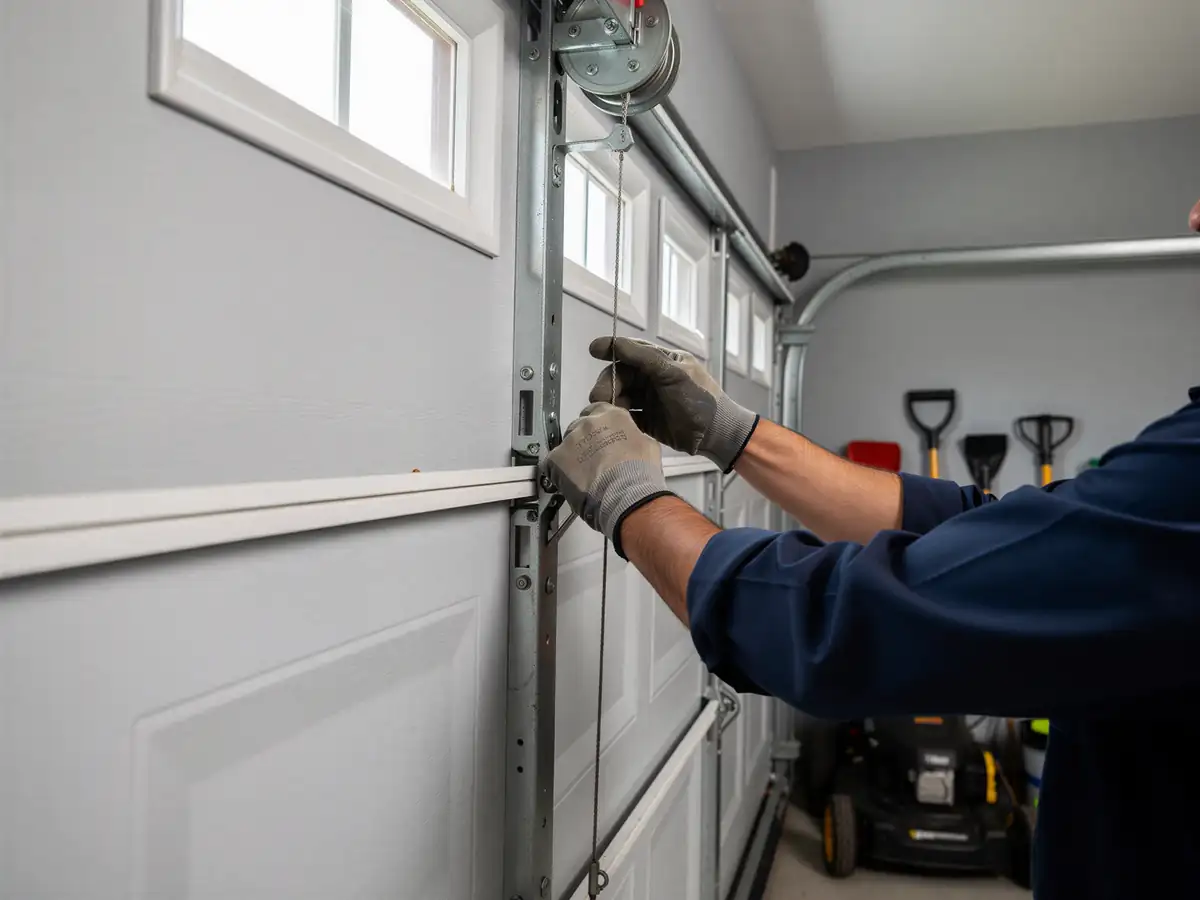
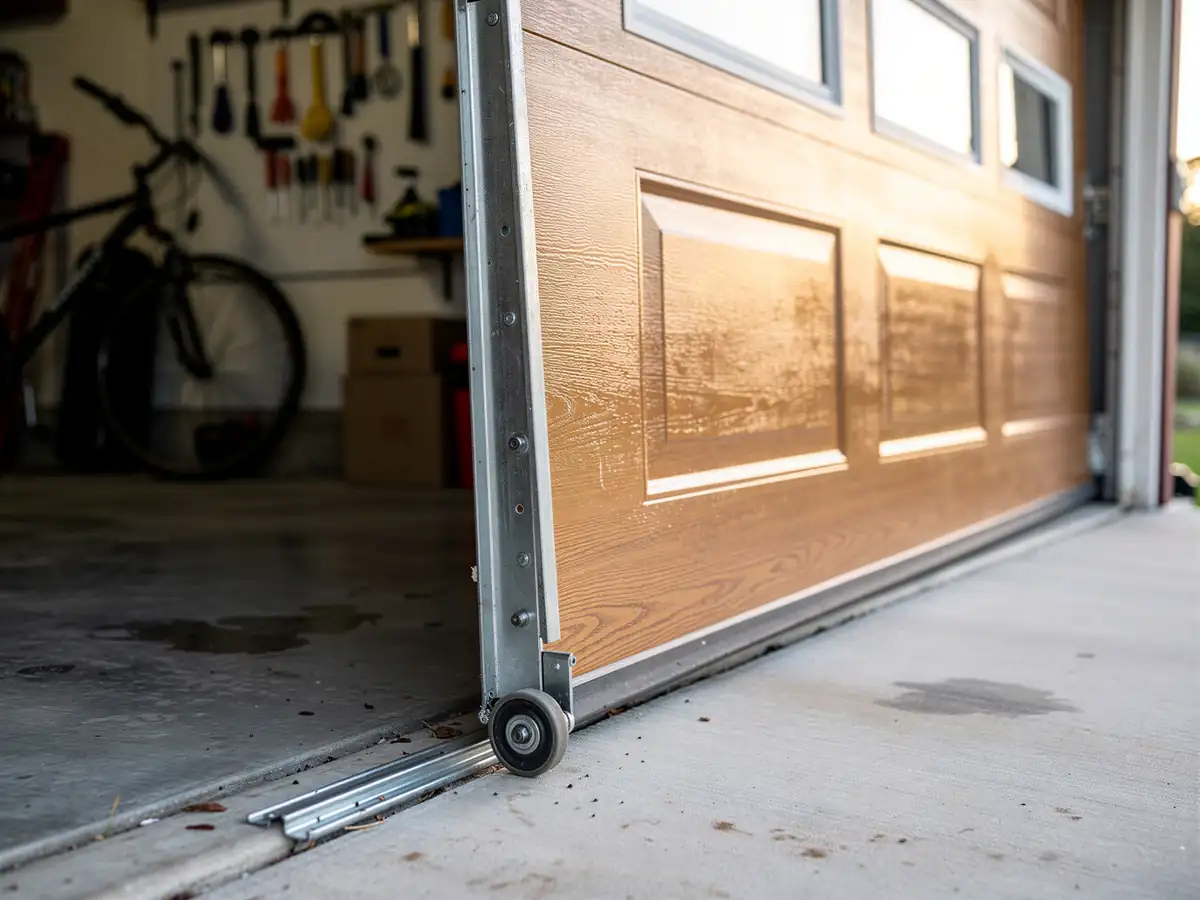
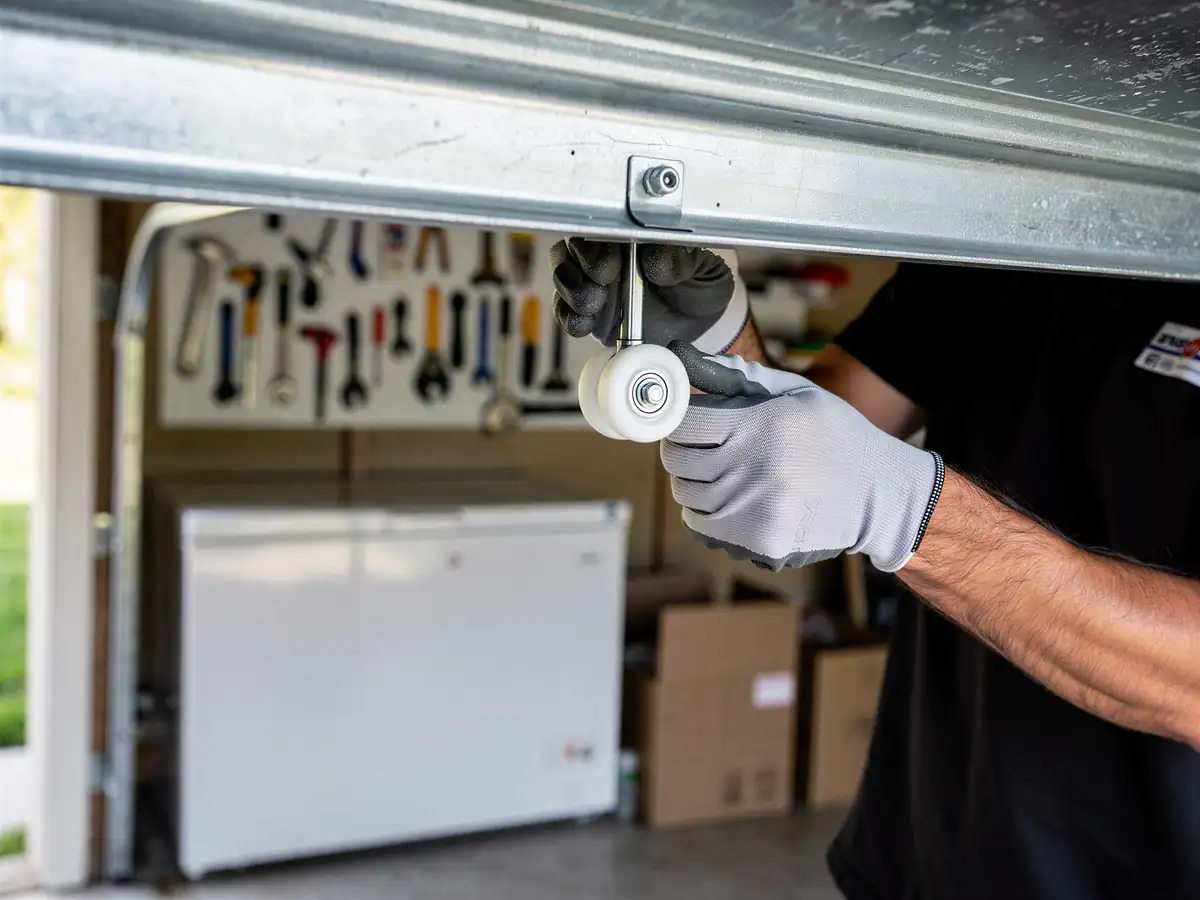
Glen Raven's housing stock centers on 1987, which puts most garage doors here in the raised-panel steel era - doors that shipped standard with single torsion springs sized for lighter sections, and openers with chain drives rather than belts. We carry torsion springs in the wind counts and wire gauges those builders spec'd, along with the steel rollers and end bearing plates that wear out on doors this age. Nylon rollers weren't standard equipment yet in most of this run, so a lot of what we replace is the old steel roller in its original track width. We also stock the drums and cable sets sized for the shorter headroom common on garages built in this window, since some of these houses were framed with less clearance above the door than newer builds get. What we don't stock on the truck: wood doors or the hardware for them. If Glen Raven has any original wood sectional doors left from that build era, that's a special-order part and we'll tell you the lead time before we quote the job, not after.
What You Are Seeing
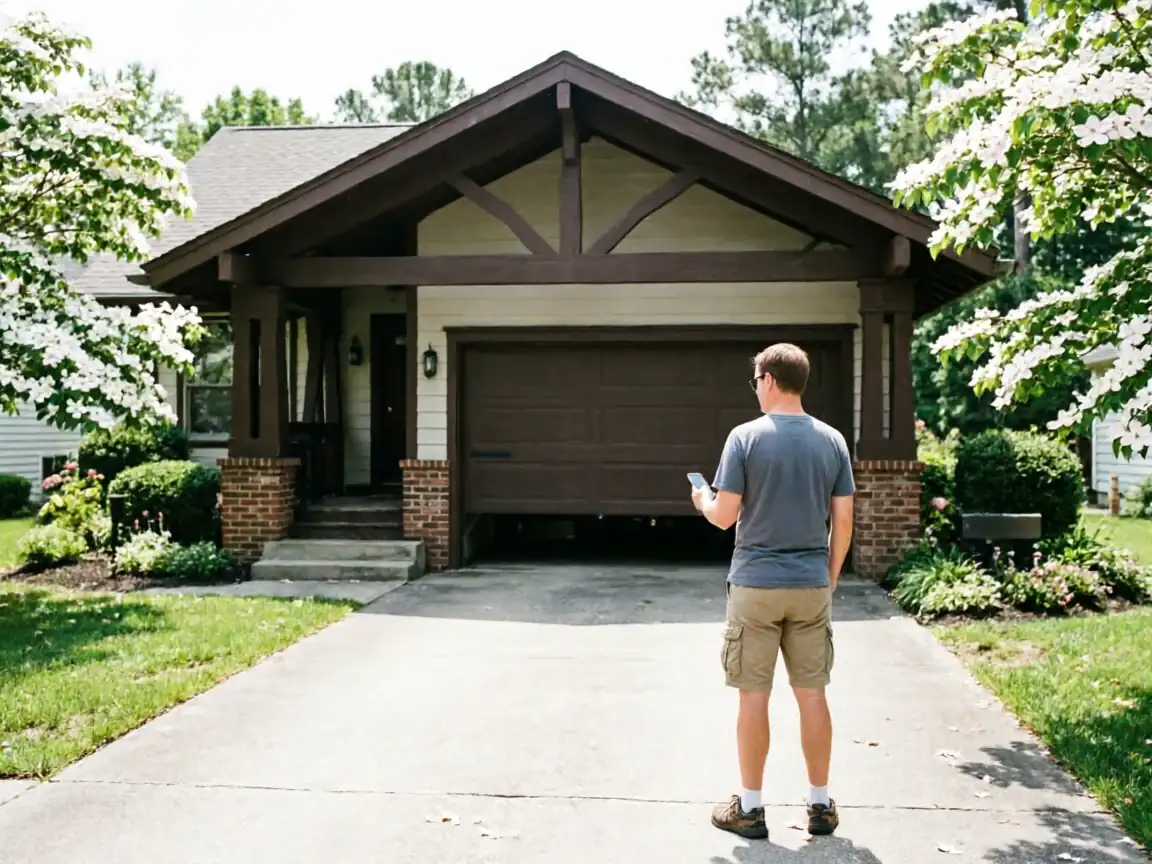
A door from the late 1980s that's sagging on one side, or a spring that let go with a bang, usually traces back to original hardware nobody has touched since the house was built. Extension springs from this era stretch and lose tension gradually, which shows up as an opener straining or reversing partway up - not a sudden failure, a slow one you get used to and then one day it just stops. Torsion springs from the same period tend to go the other way: they hold fine for years and then snap, usually in cold weather when the steel's least forgiving. With roughly 1,240 households in Glen Raven built mostly in that same decade or two, the failure pattern repeats house to house - it's less "what's wrong with your door" and more "what's wrong with doors from 1987." Track misalignment from decades of settling is common too, since these slabs have had 35-plus years to move.
Time on the Job
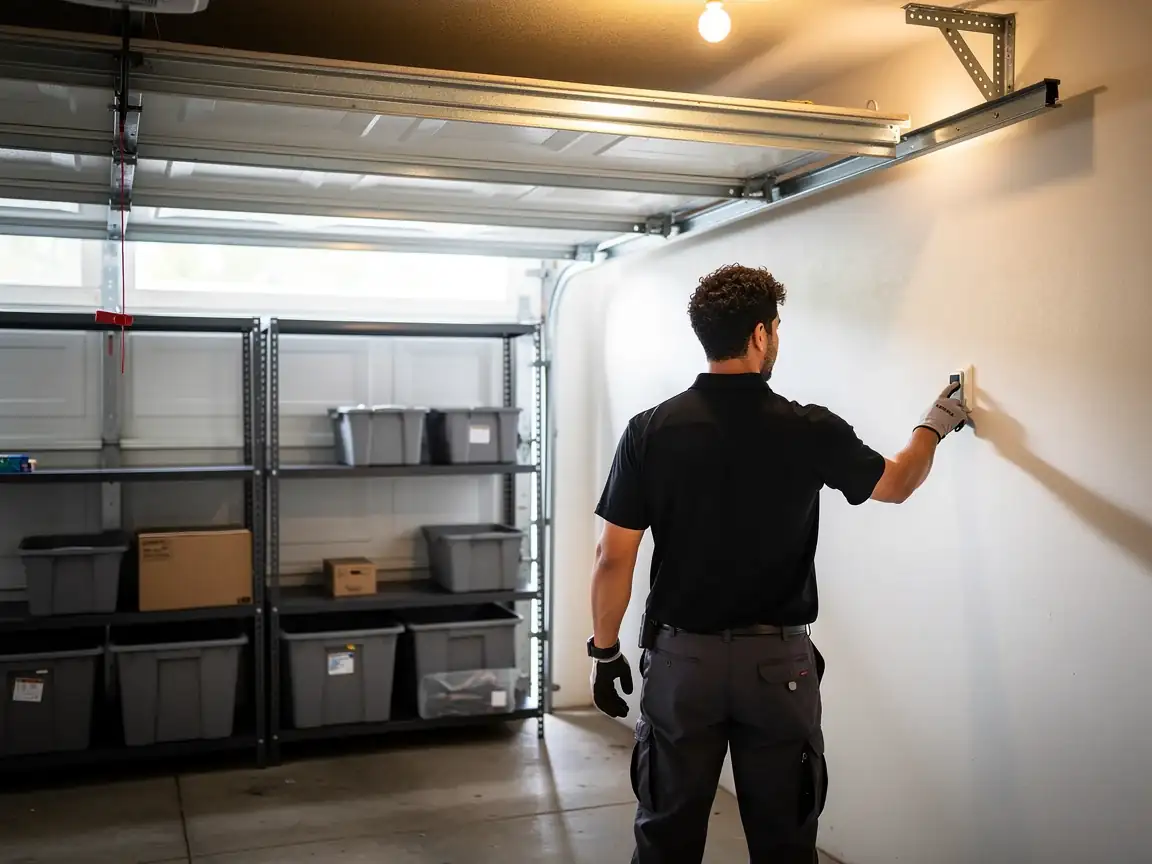
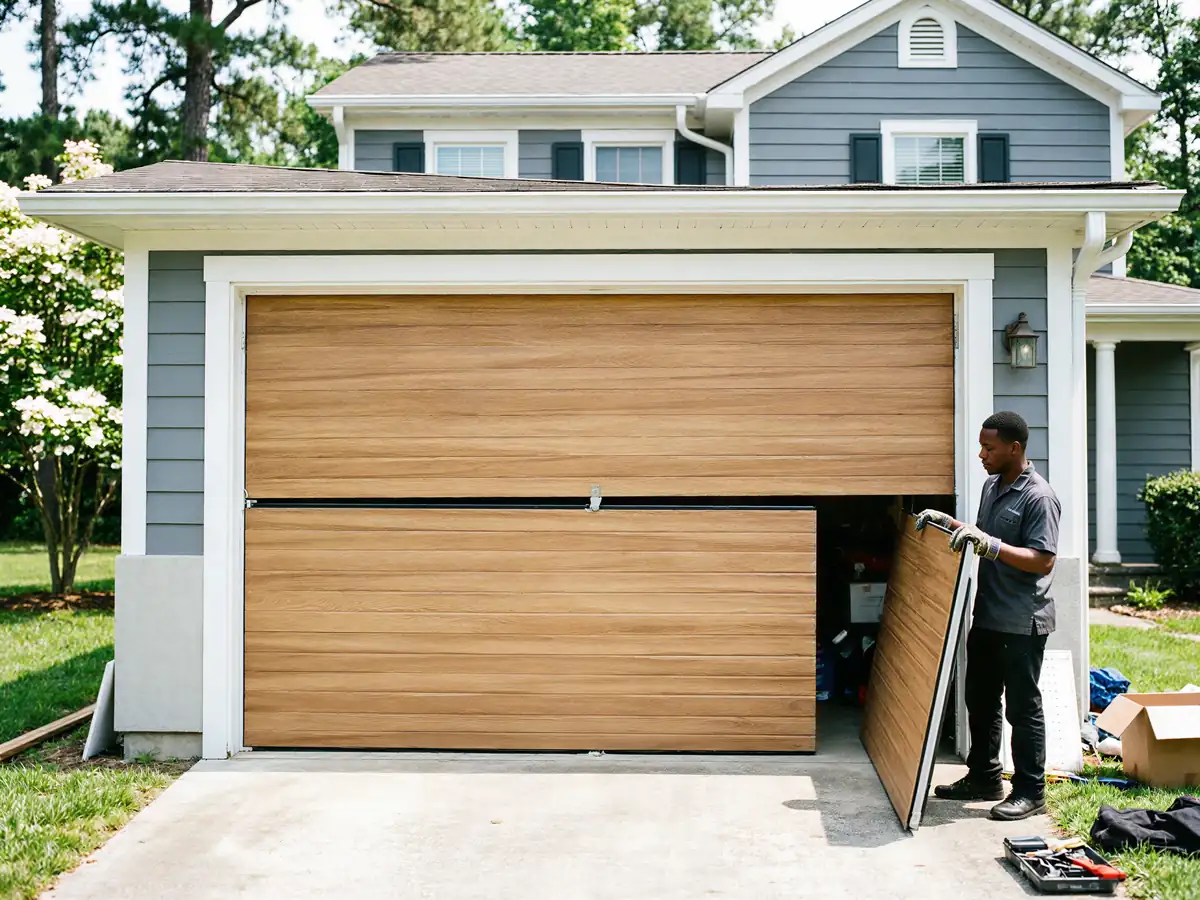
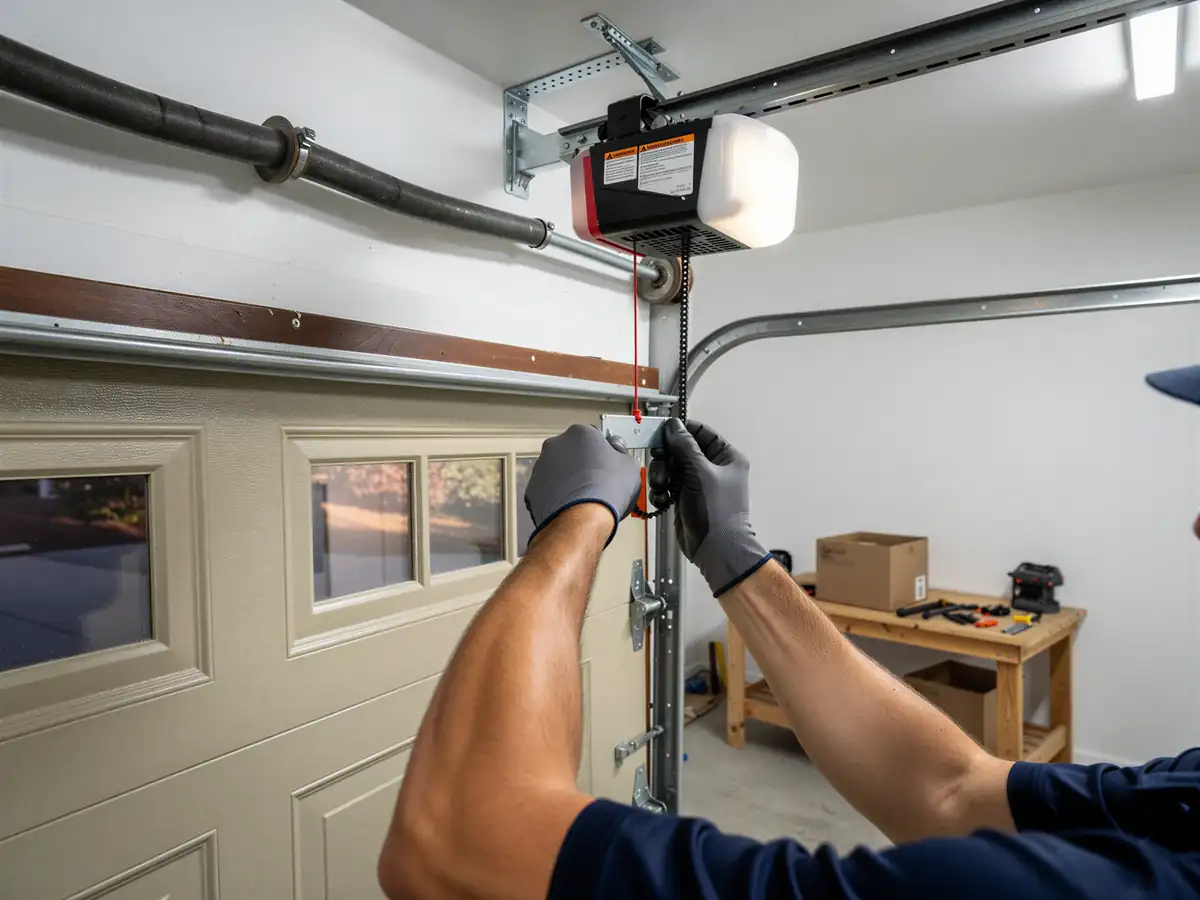
A spring swap on a door from this era is usually a straightforward job once we've confirmed the wind and wire gauge, since the sizing on 1980s-built doors tends to be consistent across the neighborhood. Roller and track work takes longer if the track's been knocked out of alignment over the years, which is common on garages this age. Opener swaps run longer than people expect, mostly because the old chain-drive units are hard-wired into an outlet or switch setup that doesn't match what new openers expect, so there's often an electrical step involved that wasn't part of the original quote conversation. We won't pretend every job takes the same amount of time - a clean spring job and a full track realignment are not the same visit, and we'll tell you which one we're looking at once we've actually seen the door.
Can You Do This Yourself
Lubricating hinges, tightening loose roller brackets, and clearing the track of debris are reasonable DIY tasks on a door this age, and they'll extend the life of hardware that's already decades old. Torsion spring replacement is not something to take on yourself - the spring is under enough tension to cause serious injury, and that's true whether the door is five years old or thirty-five. If your opener is original to a 1987-built house, it's worth asking whether replacing it outright makes more sense than repairing a part for a unit that old; sometimes the labor to fix an old chain-drive opener costs more than a new belt-drive unit would, and we'll say so if that's the case rather than patch something that'll fail again in a year.