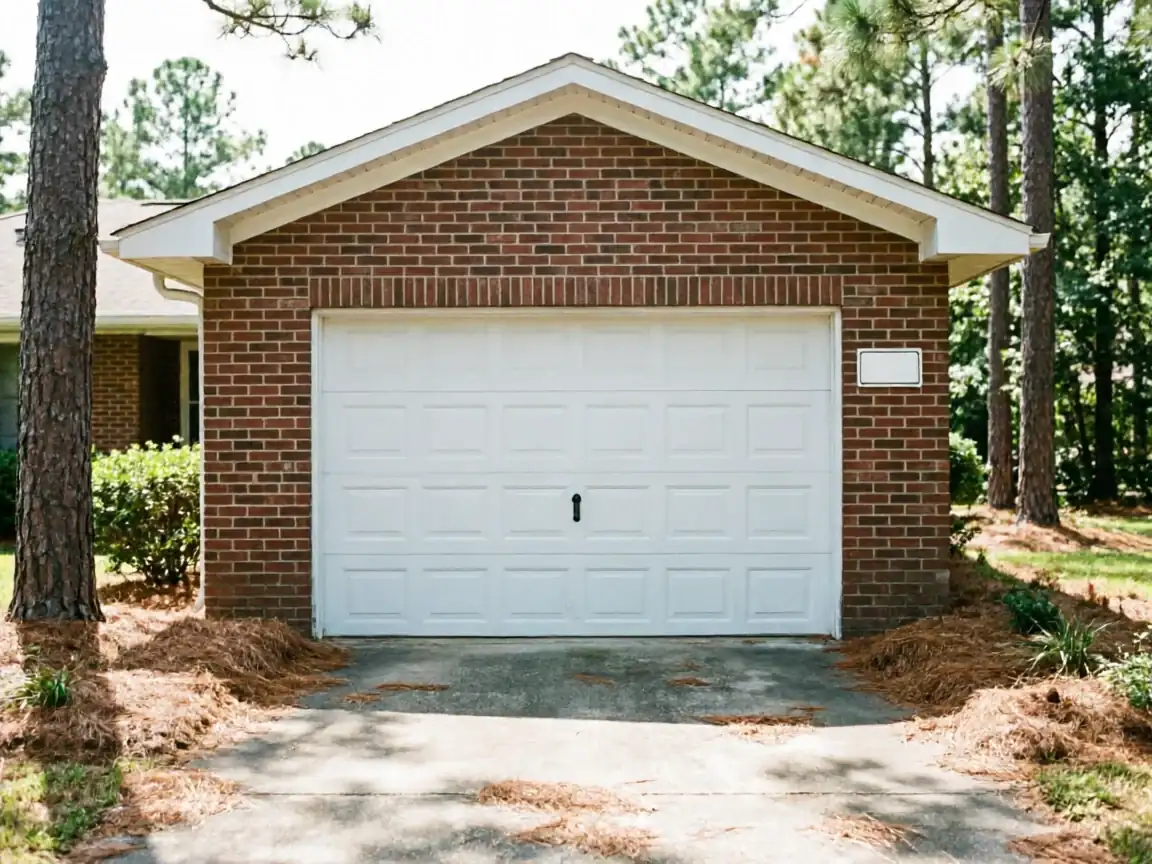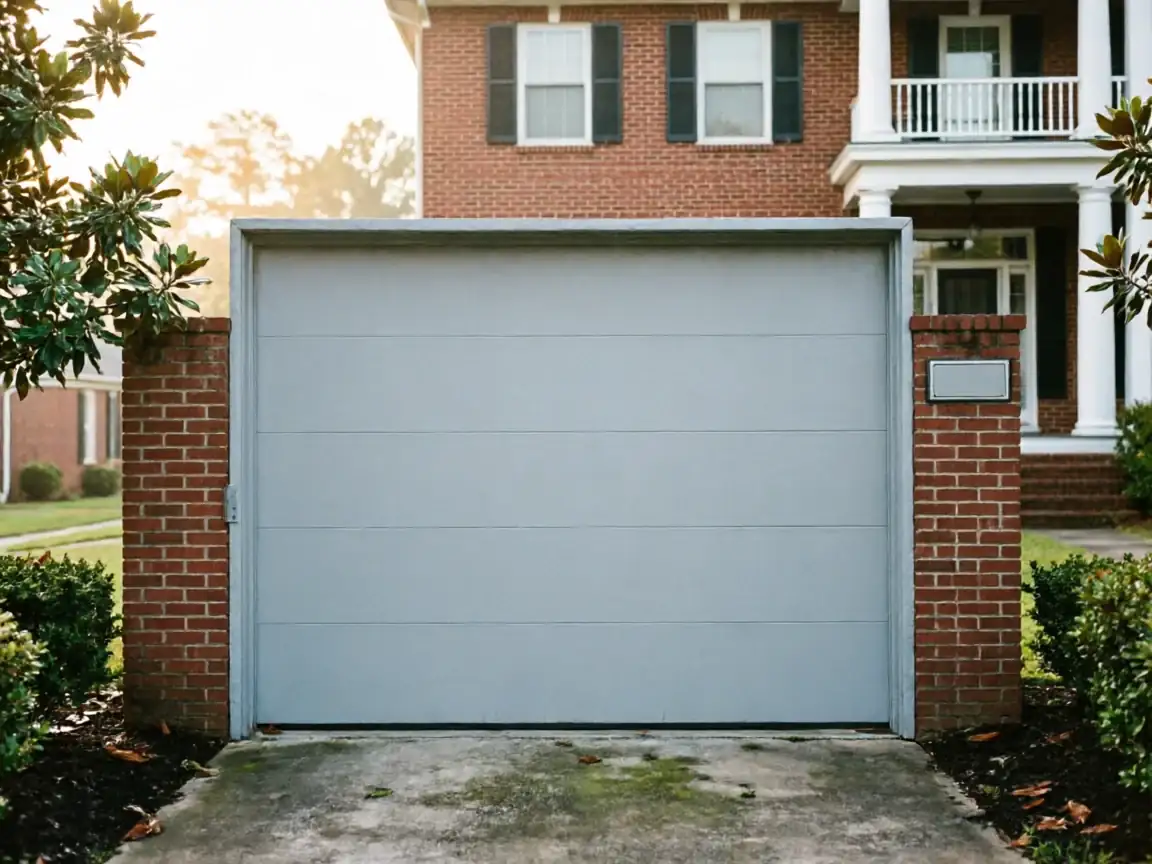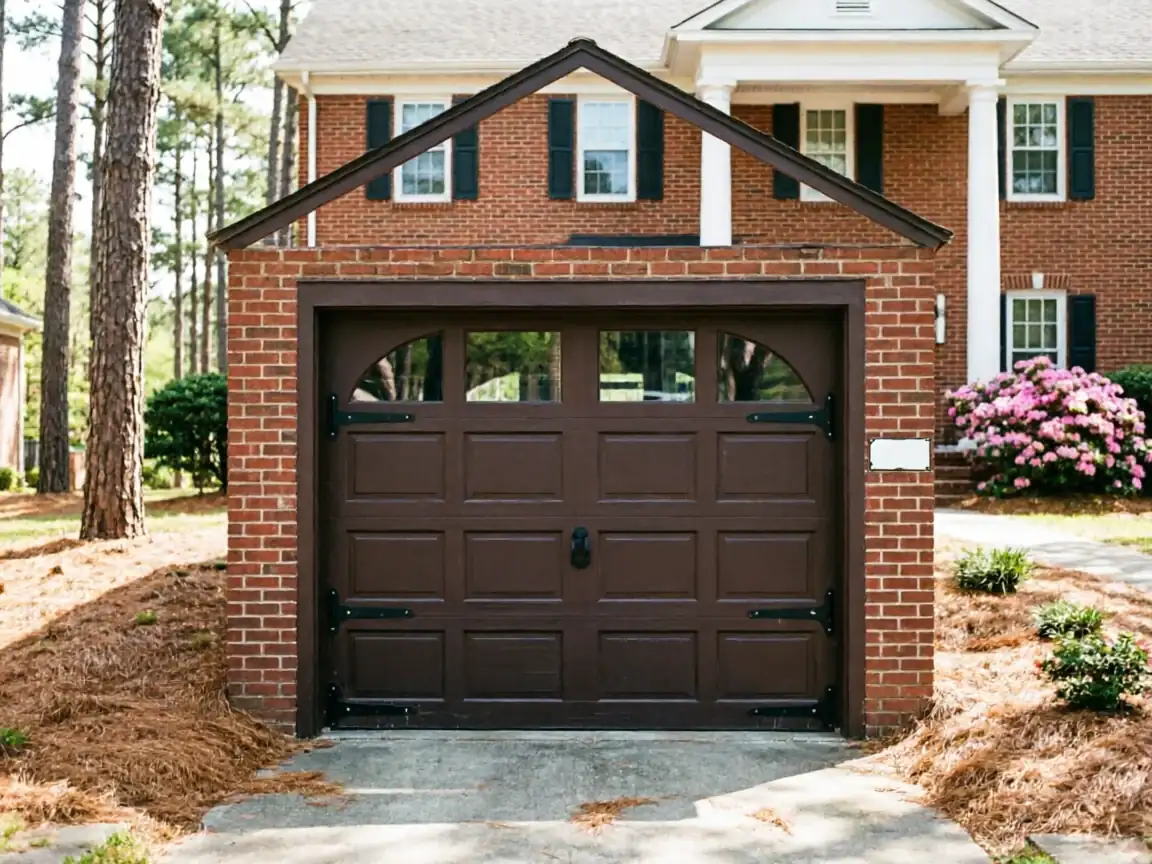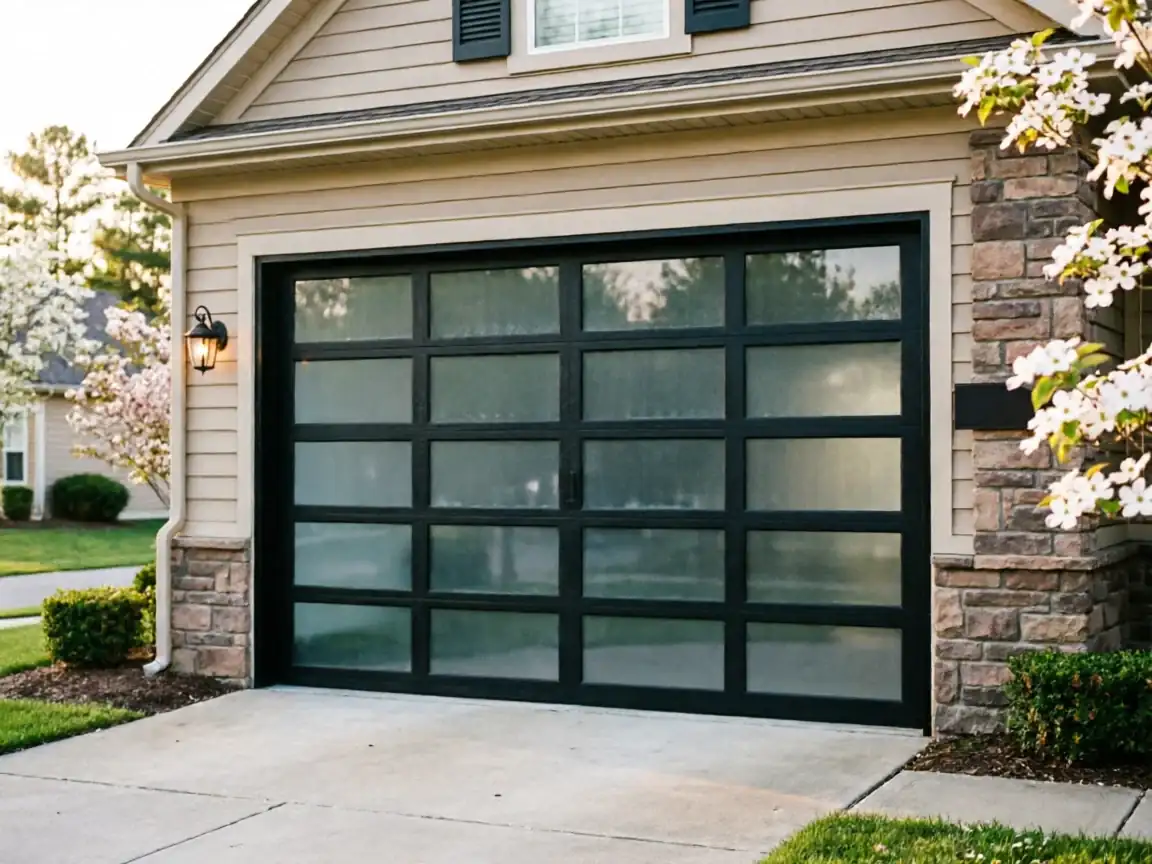
Parts We Carry
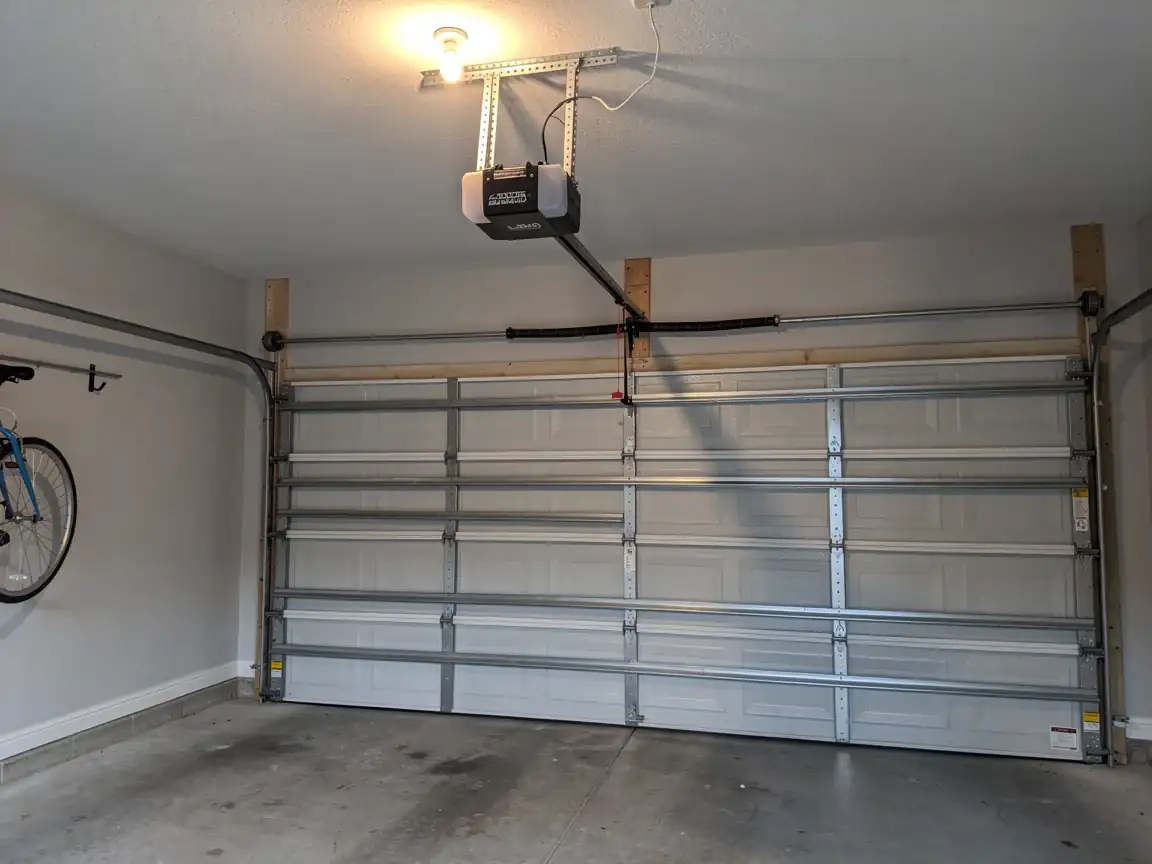
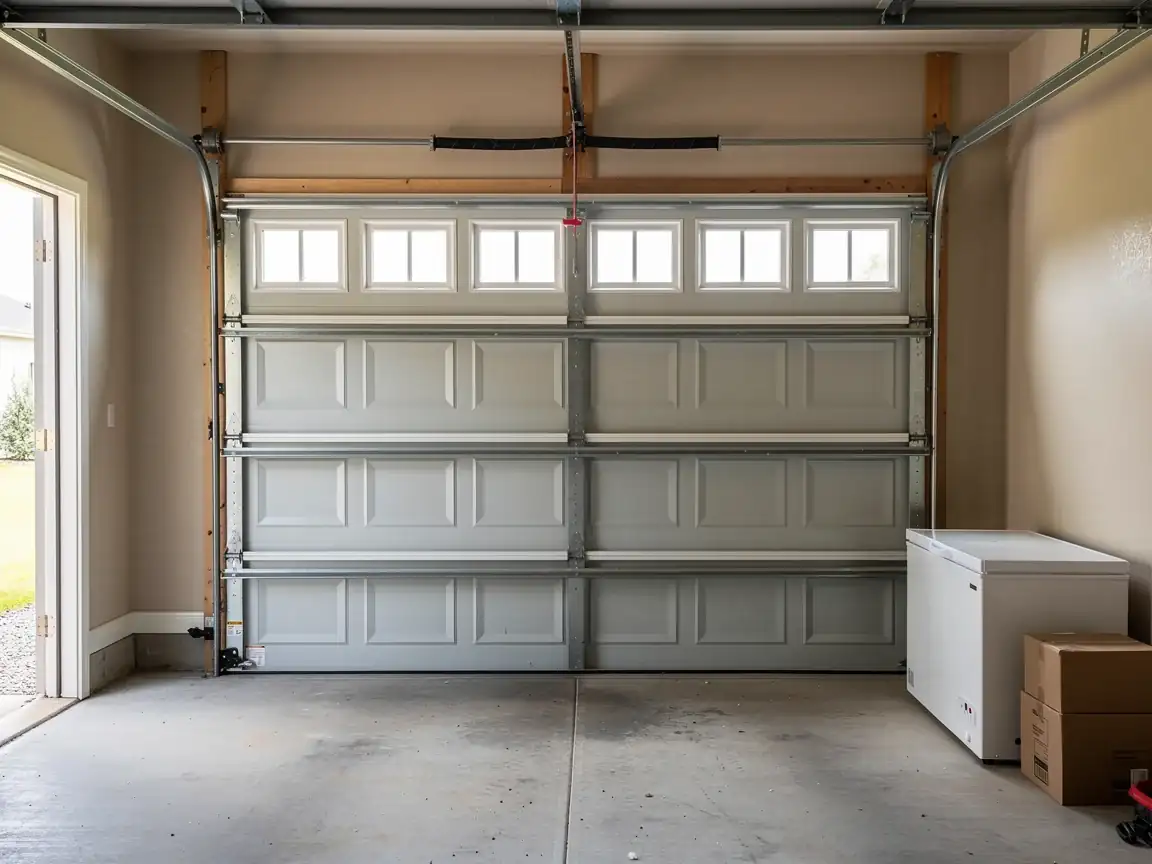
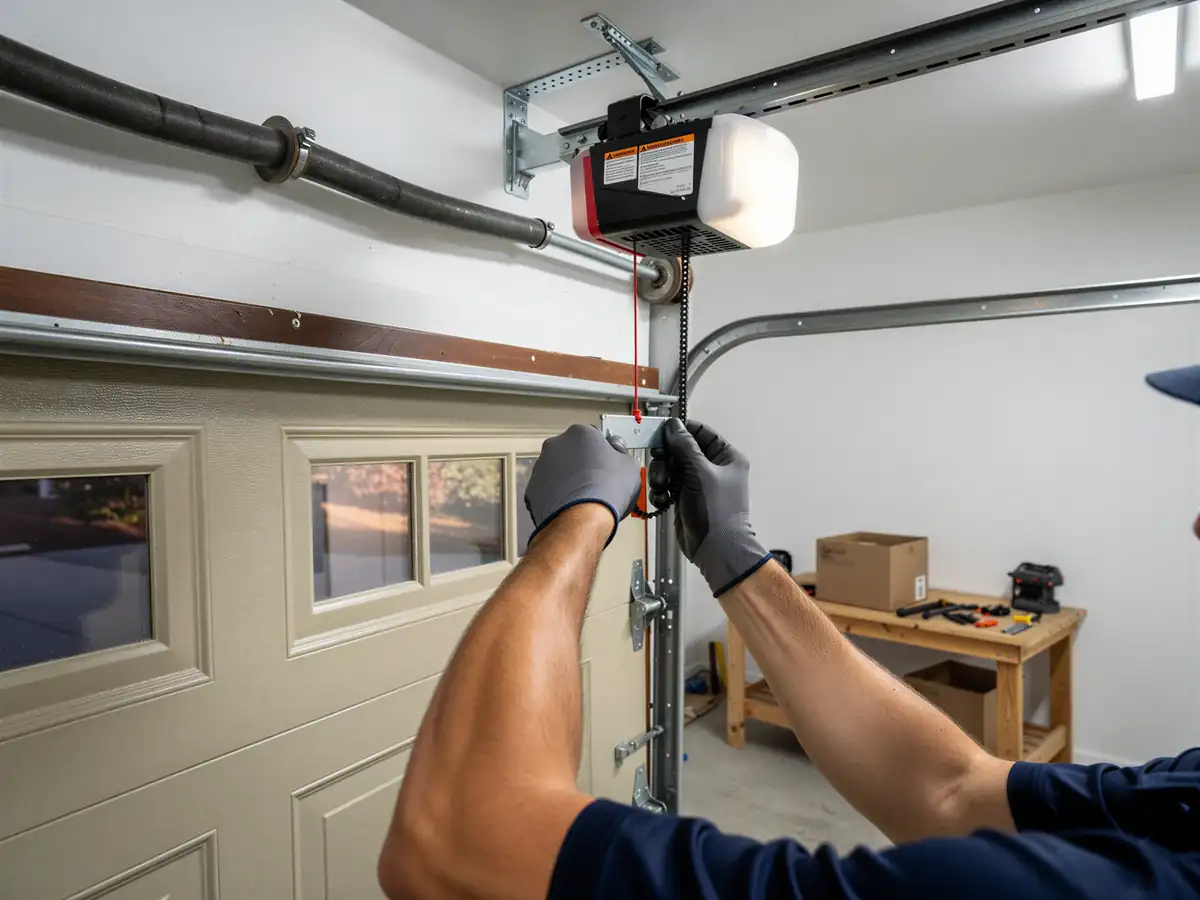
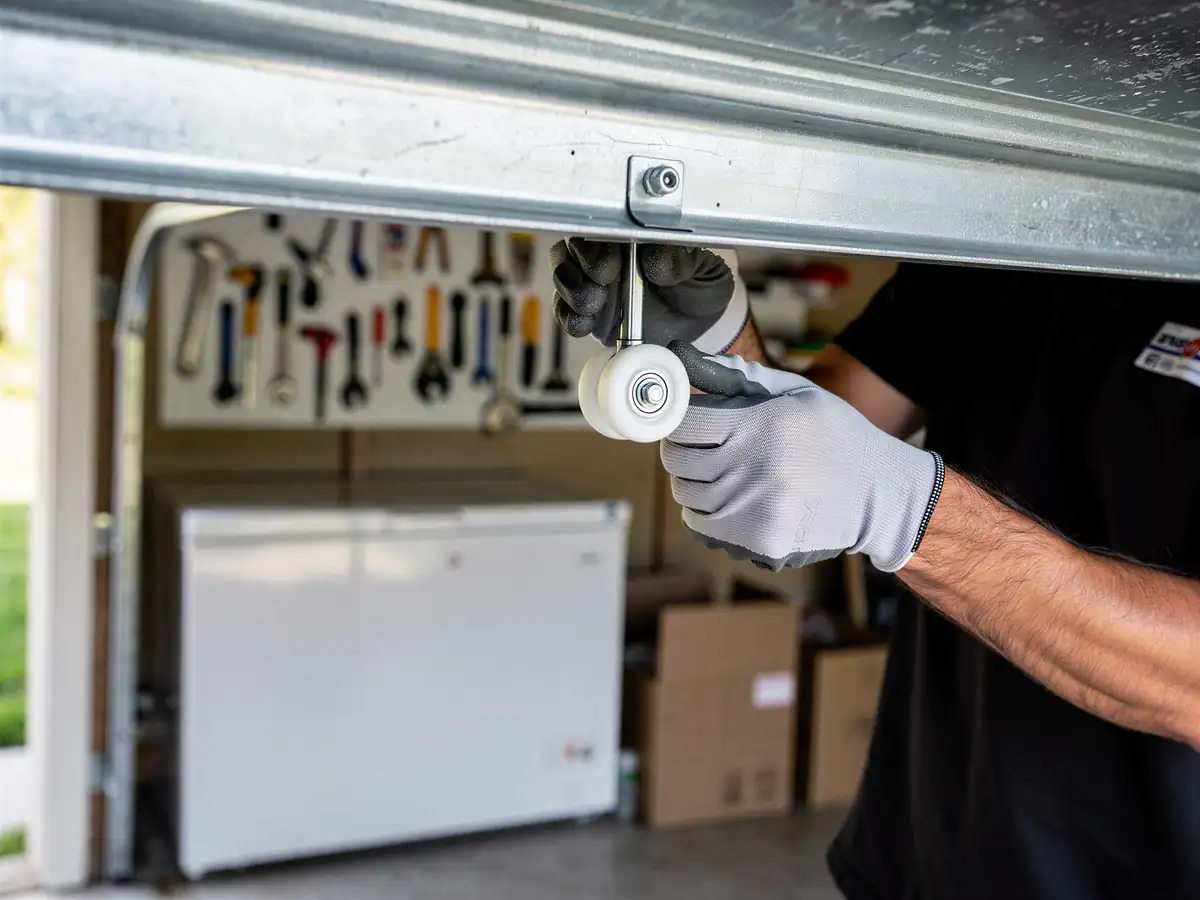
Glen Raven is a small place - about 1,240 households, not the kind of volume that supports a parts counter of its own, which is part of why the truck comes loaded from Burlington rather than from a shop in town. Most of the garage doors here date to around 1987, the tail end of the build-out that put up this side of the county between 1970 and 2004. That era used a fairly standard mix of 1/8-inch aircraft cable on galvanized drums, and we carry replacement cable in the common drum sizes for that vintage along with matching end fittings. What we don't always have on the truck is cable for an odd aftermarket opener or a door that's been retrofitted with non-standard hardware somewhere along the way - those sometimes mean a short return trip once the part is in hand. On a street this size, the doors tend to be close enough in age that one cable job tells us a lot about what the next one down the road will need.
What You Are Seeing
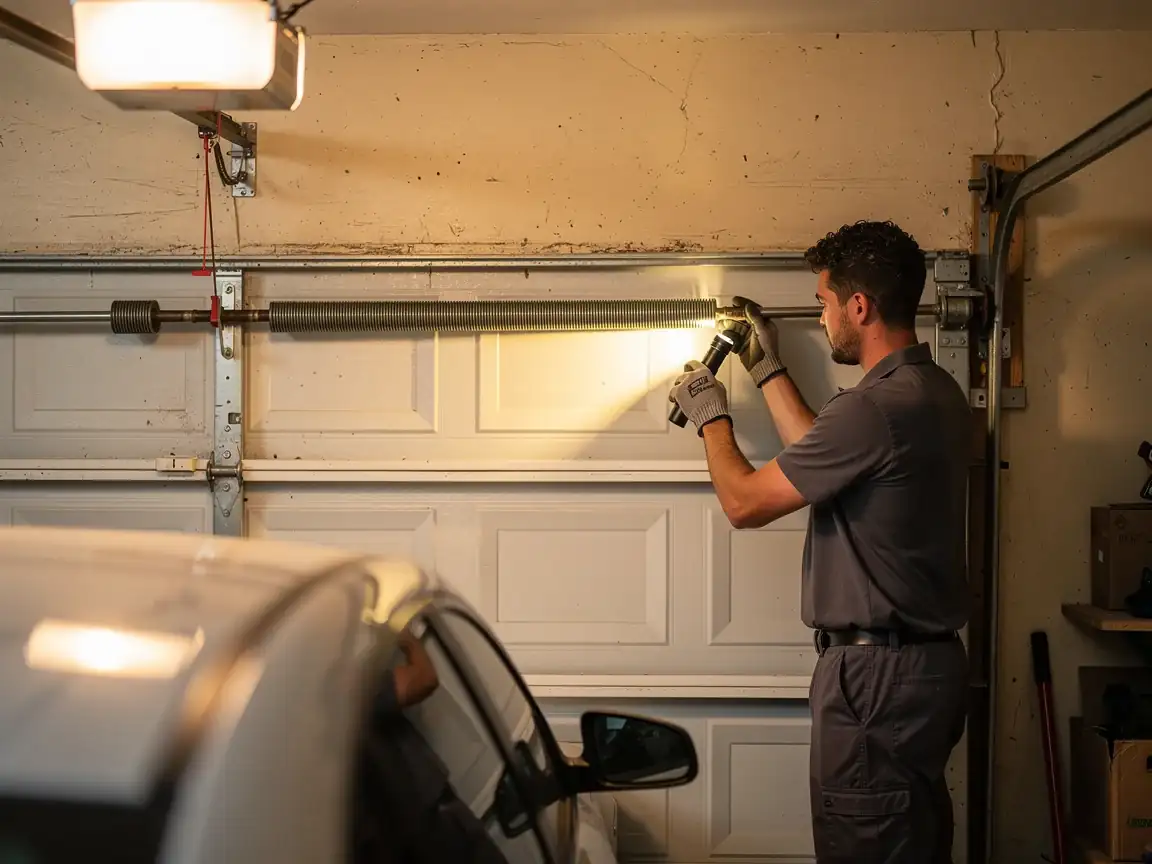
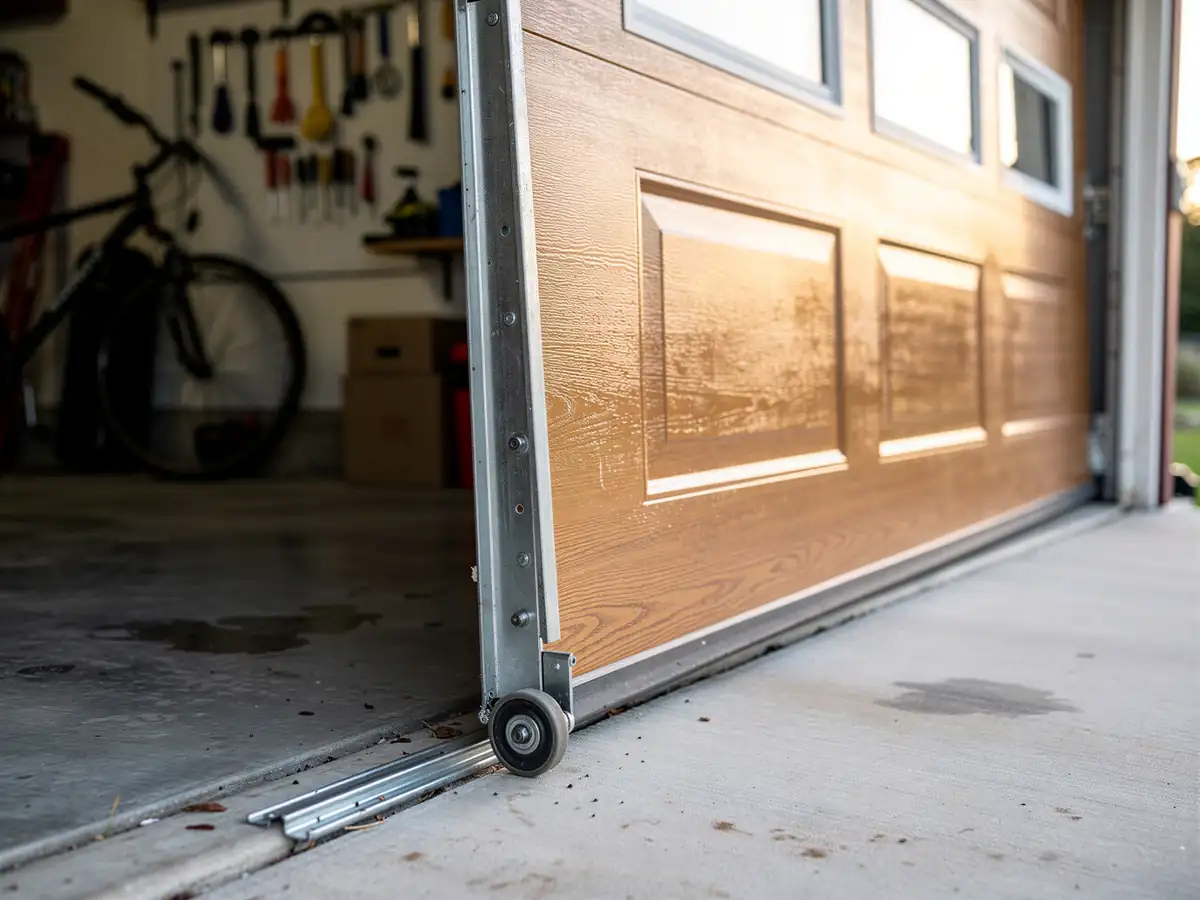
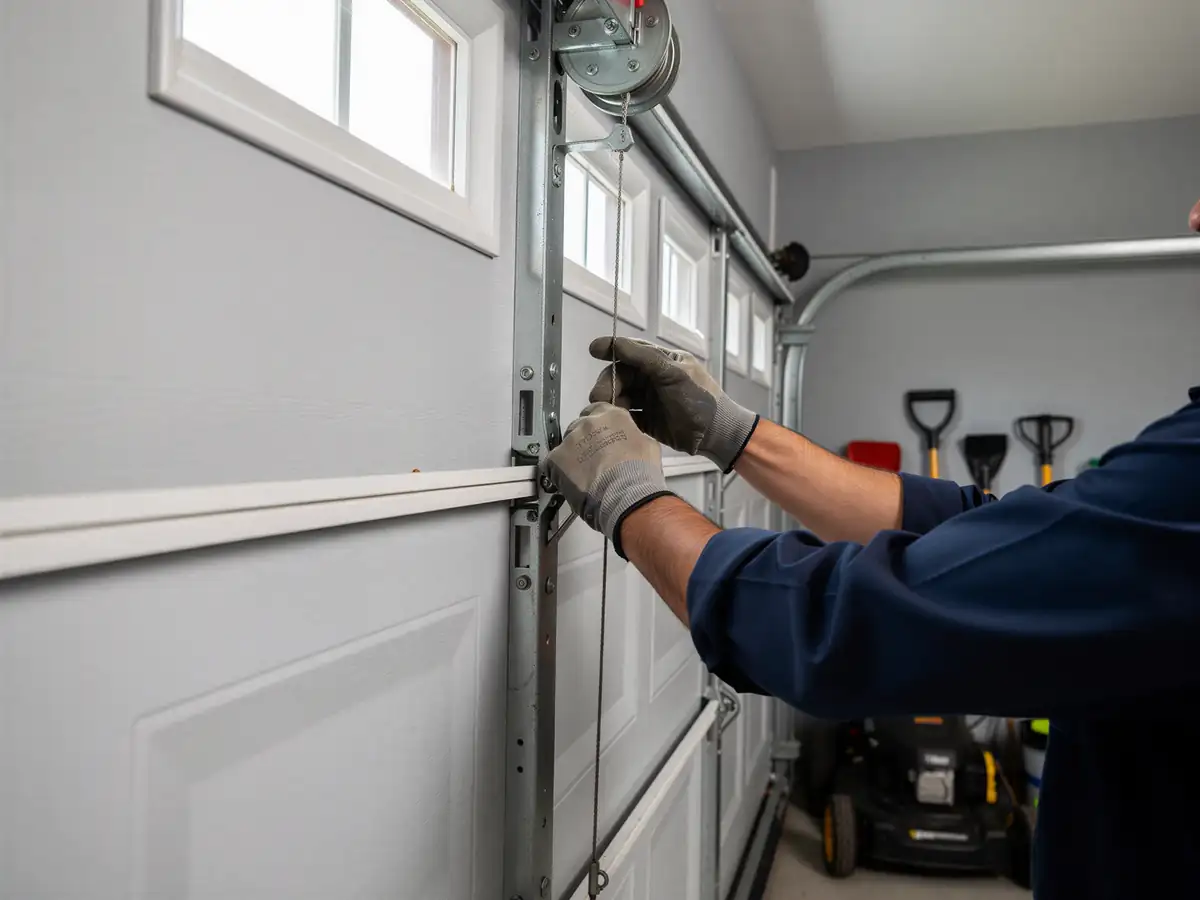
A frayed or snapped cable usually shows up one of two ways: the door hangs crooked, dropping hard to one side when it's partway open, or it won't move at all because the opener senses the imbalance and refuses to run. On doors from the 1980s stock common here, the cable itself is often original or close to it, and after three and a half decades of cold-weather cycling the strands start to separate near the drum where they take the most wear. Glen Raven sits in a cold-moderate climate band, which means winter stiffening and summer expansion both work on that cable twice a year, not just once. If you see a few broken strands sticking out like a wire brush, that's early warning - the cable hasn't let go yet, but it will. Don't mistake this for a spring problem; a broken spring usually drops the door all at once and it won't budge even a little, while a cable issue often still lets the door move, just unevenly.
Time on the Job
A straightforward cable replacement on a residential door - pull the old cable, wind on the new one, re-tension against the spring, test the balance - is a same-visit repair once we're on site. What takes longer, and what you can't rush, is matching drum and cable to a door that's been modified over the years, which does happen on housing this age. If a previous owner swapped in a different opener or extended the track, we sometimes find hardware that doesn't match the original 1980s spec, and that adds time to source the right part rather than force a fit. We'd rather take the extra half hour than send you off with a cable that's going to strand you again in six months.
Can You Do This Yourself
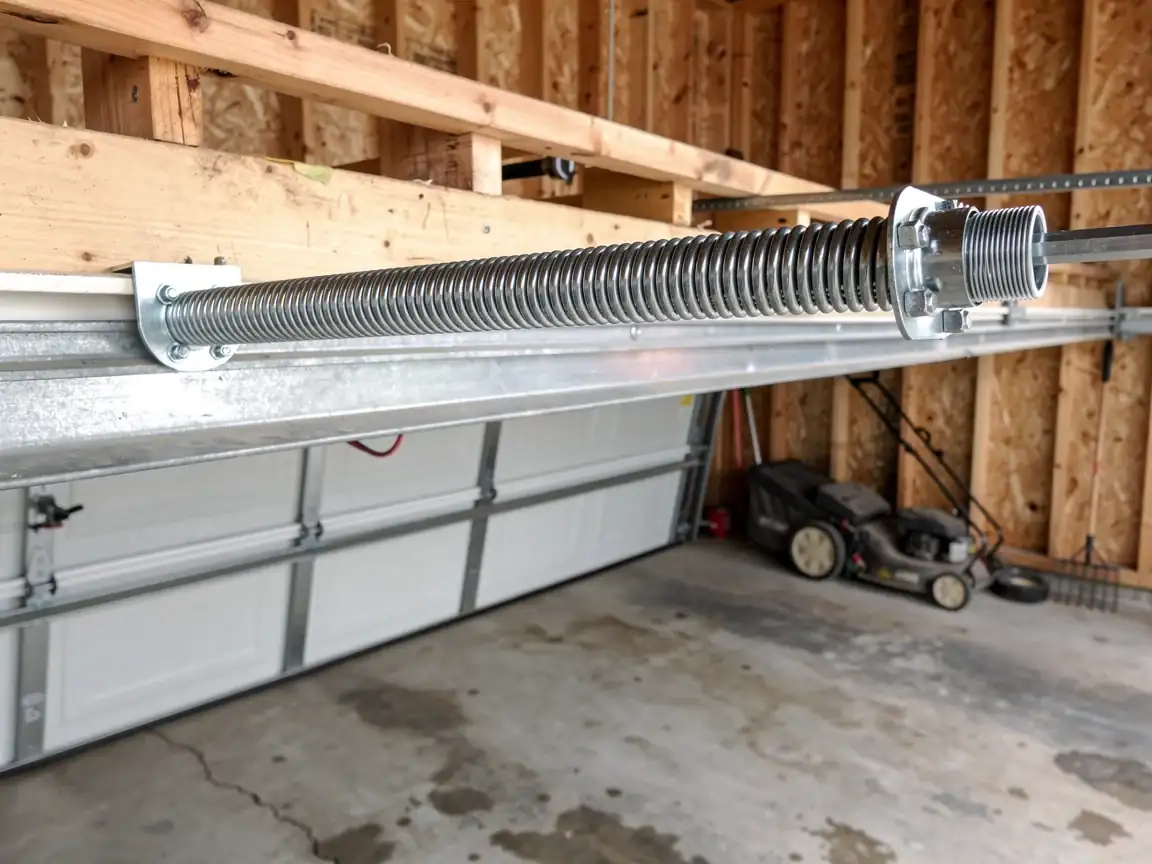
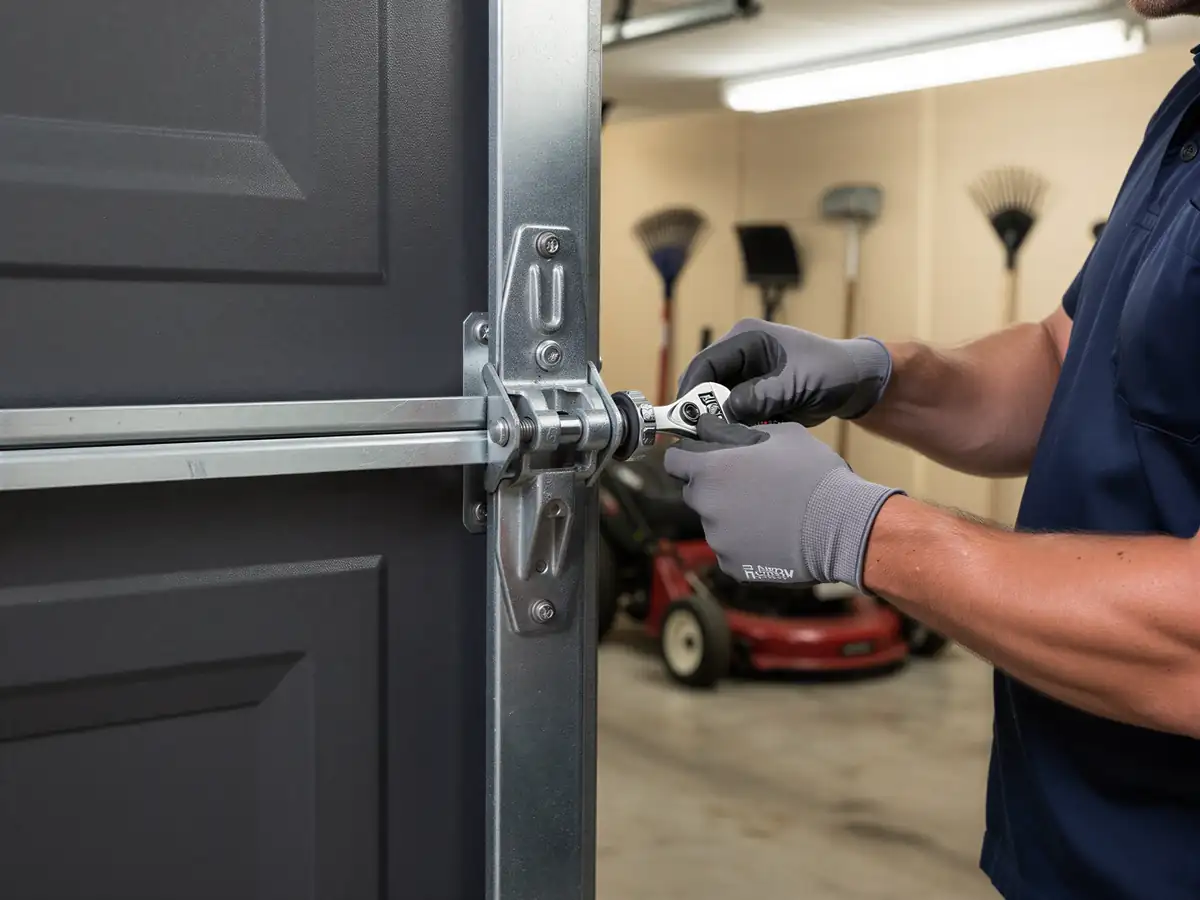
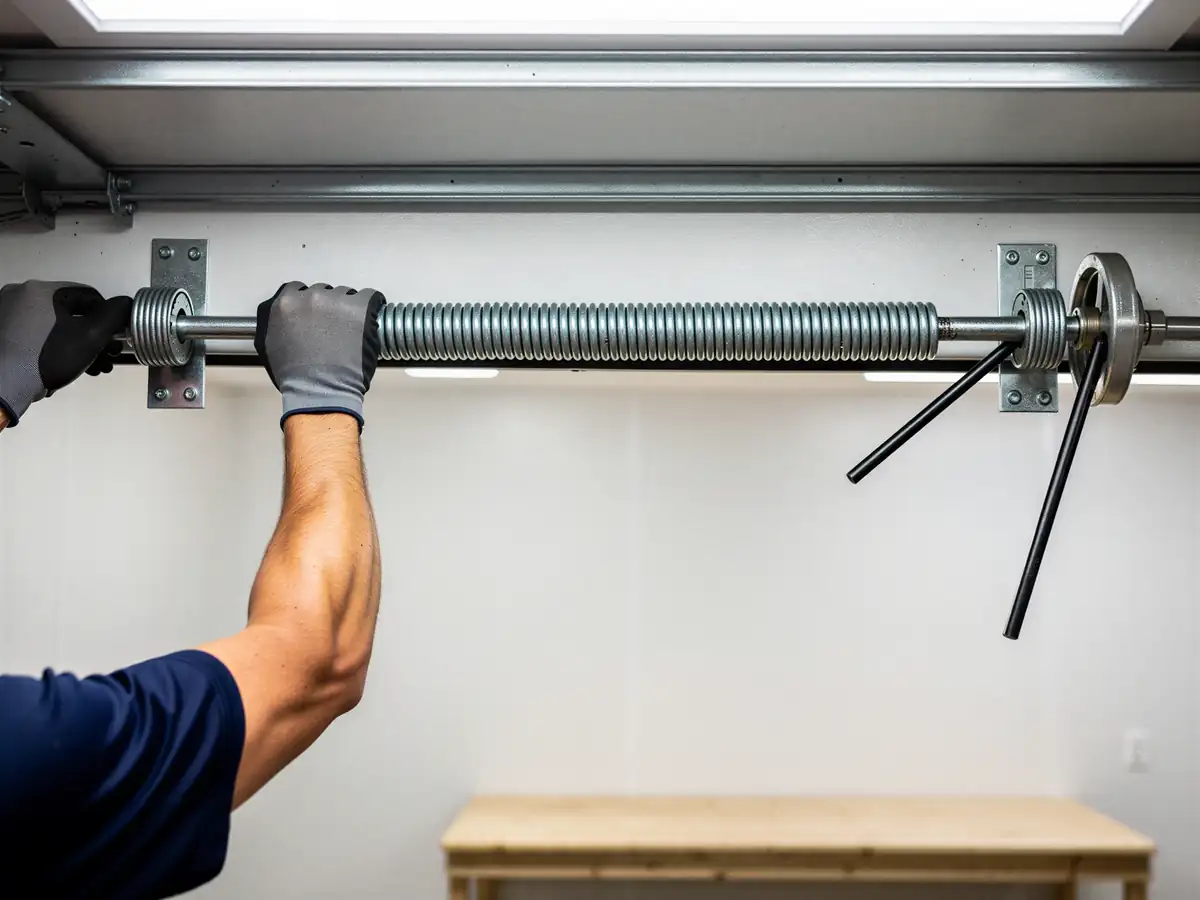
A garage door cable is under spring tension, and that's the honest reason we don't walk people through doing this one themselves over the phone. Loosen the wrong thing on a wound torsion spring and the cable can whip hard enough to cause a real injury, and on a door this old the drums and winding cones have had decades to corrode or wear, which makes them less predictable to work on than a brand-new setup. Where a homeowner can genuinely help themselves is in catching it early - look at the cable near the bottom bracket and the drums at the top corners every so often, and if you see fraying, stop using the opener and call rather than waiting for it to snap on its own.