Can You Do This Yourself
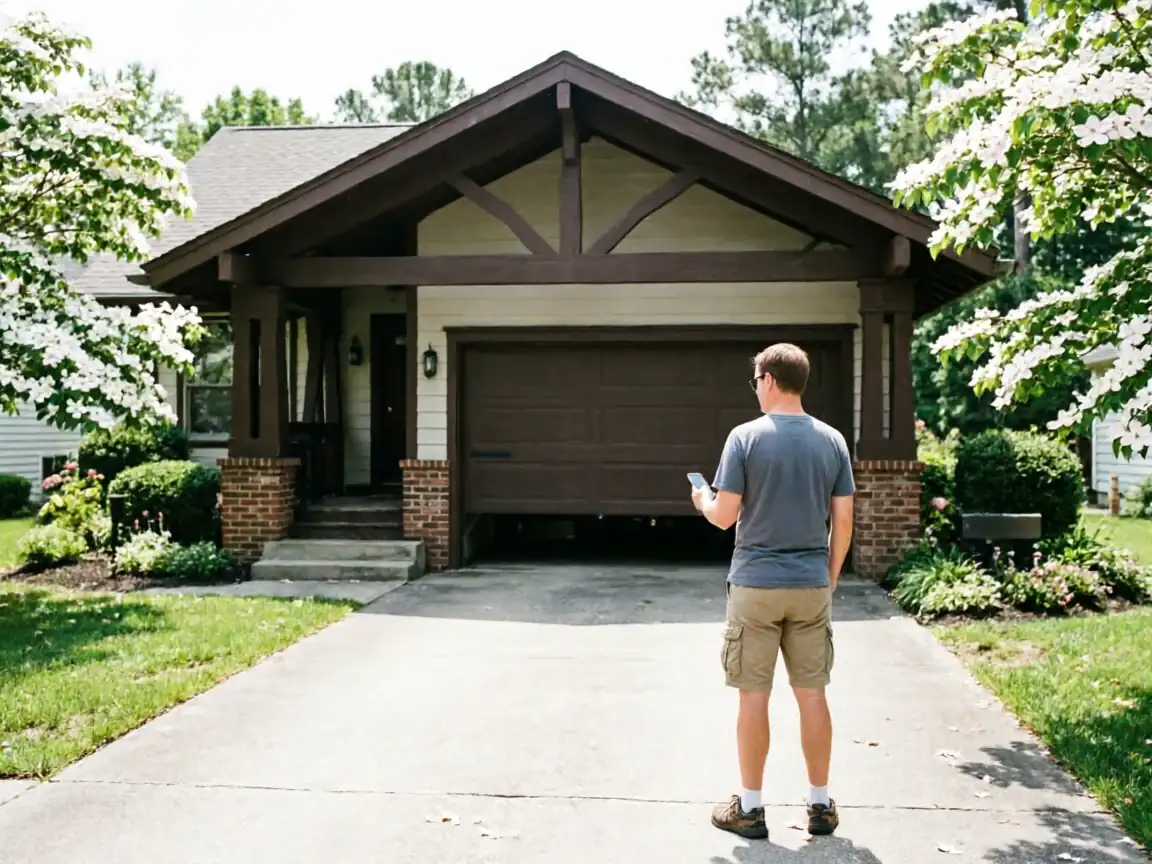
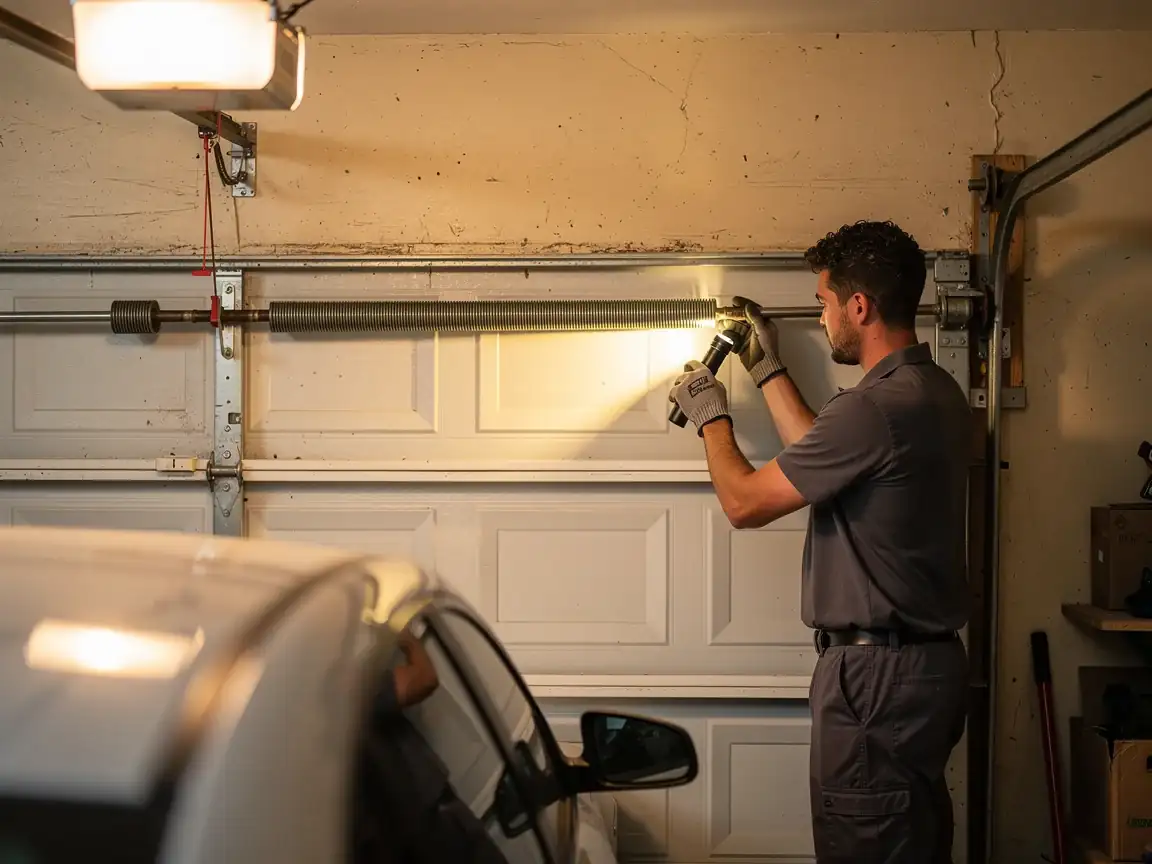
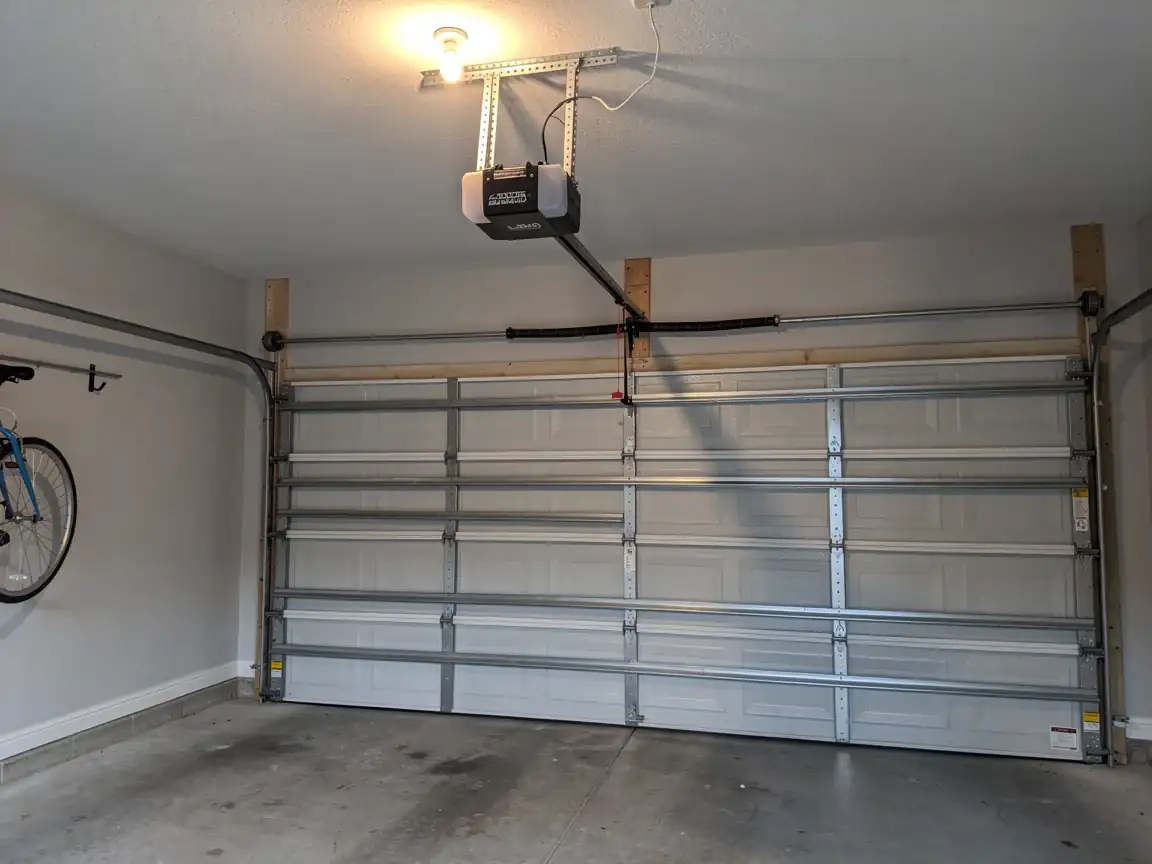
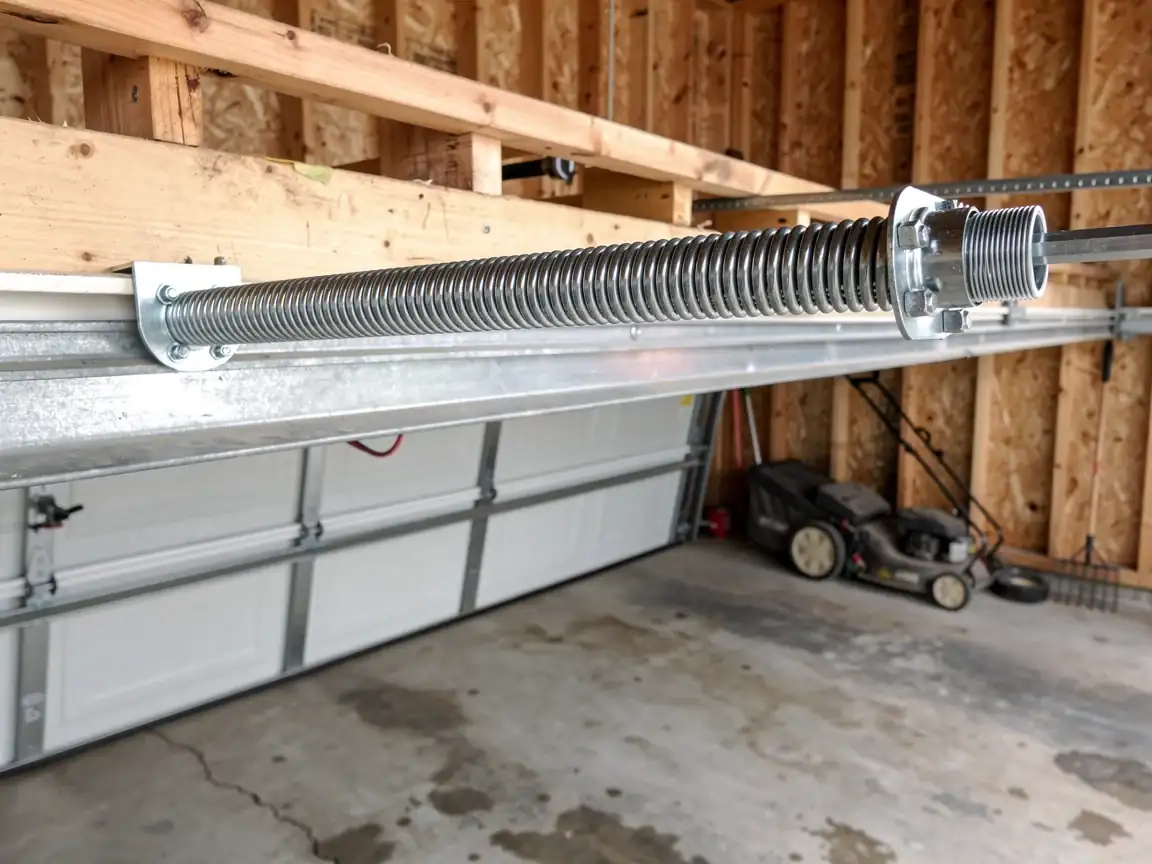
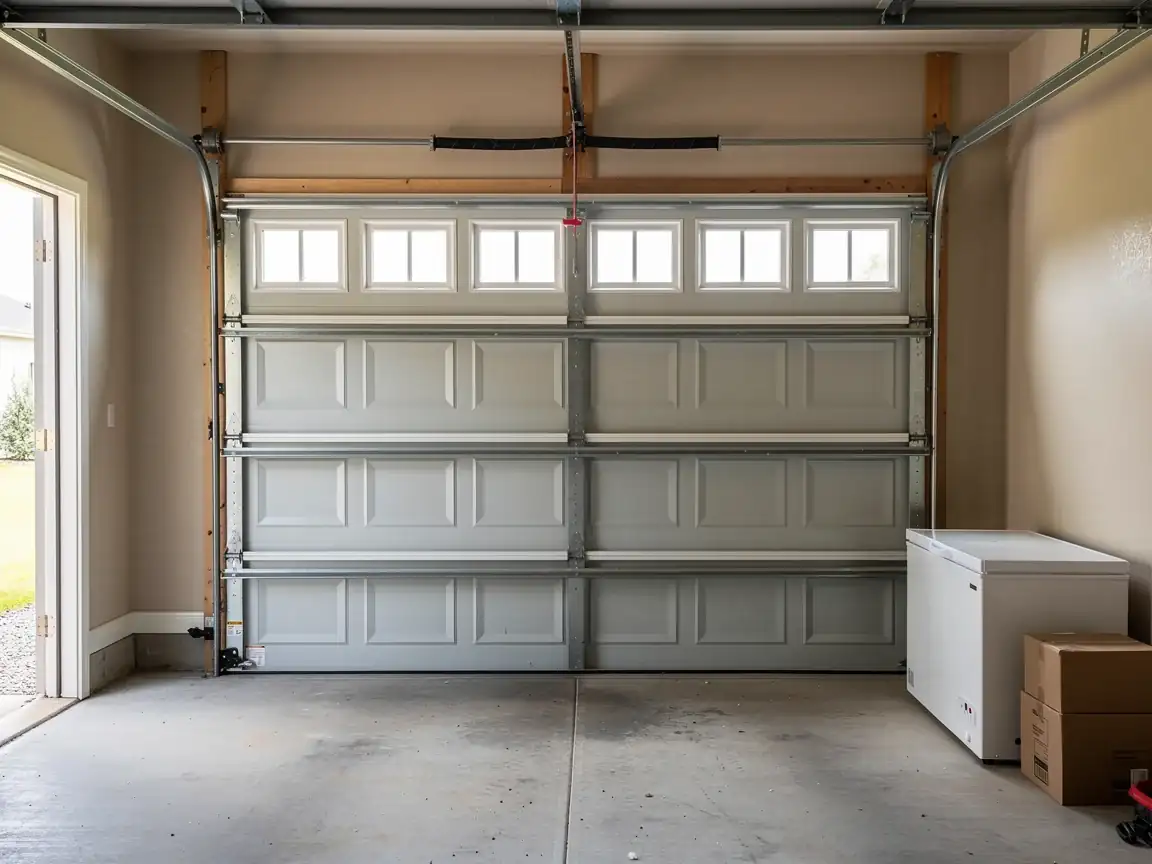
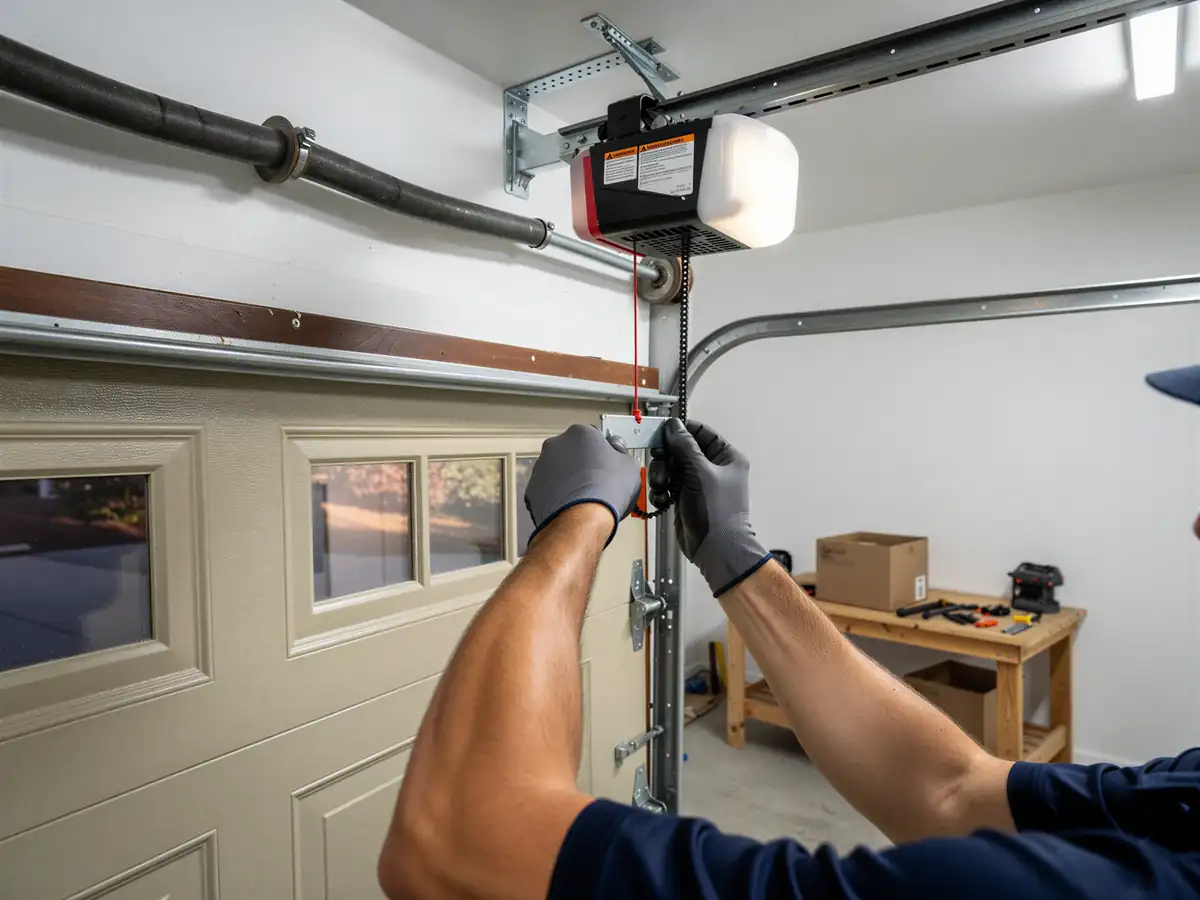
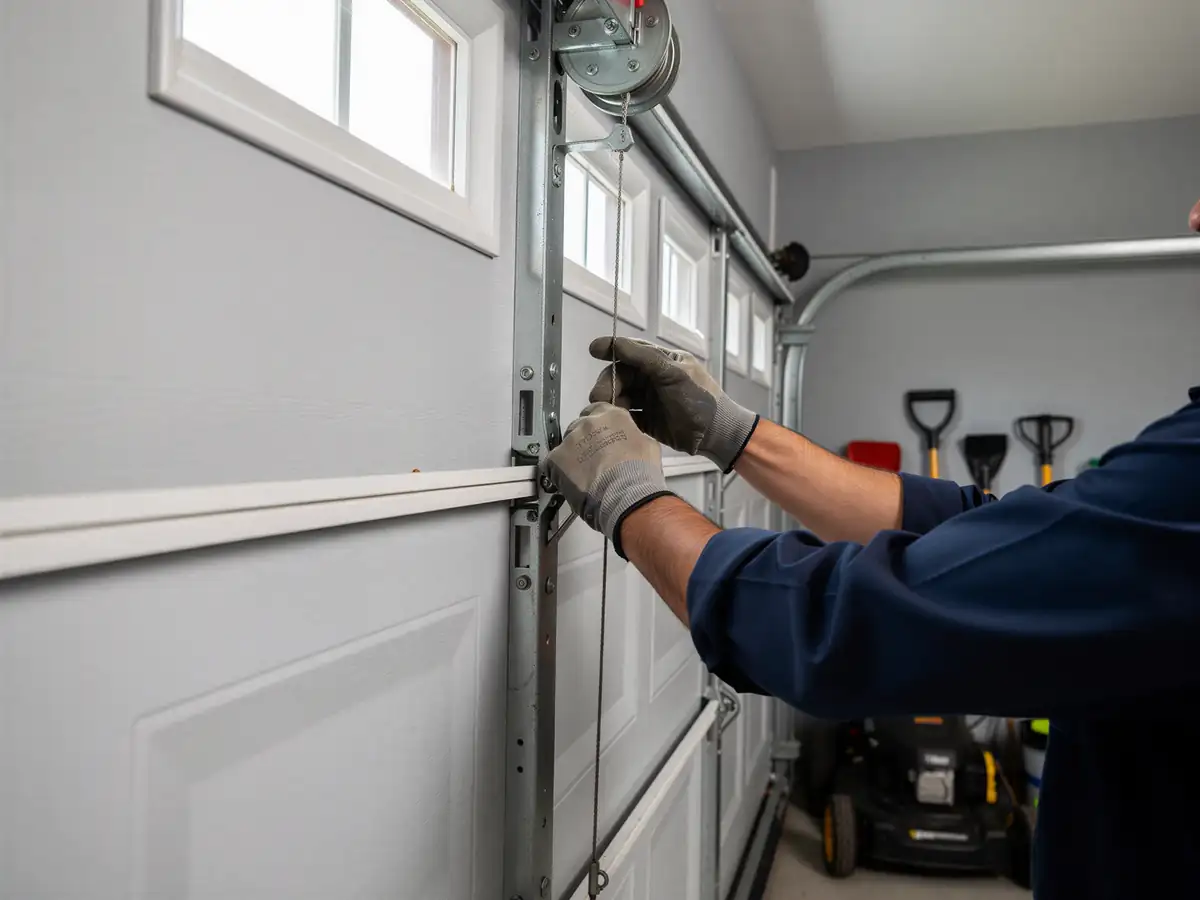
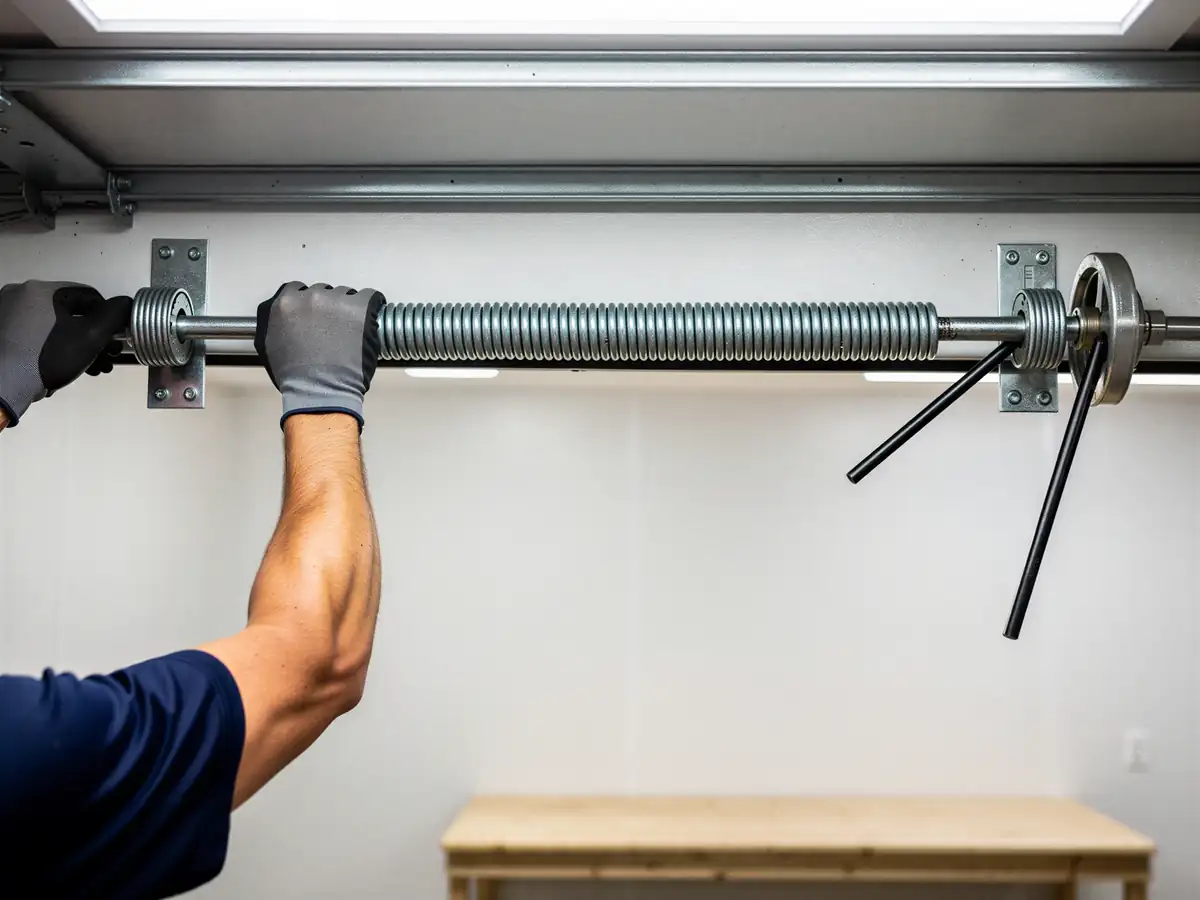
A garage door spring holds enough tension to break a finger or worse if it lets go while you're working on it. We're not going to walk you through winding a torsion spring here, because the honest answer is: don't. What you can safely do is diagnose. If the door won't lift, or lifts a few inches and stops, or the cable has visibly jumped the drum, that's spring or cable failure, and it's a call-out, not a weekend project. Where Elon's housing works in your favor is predictability - median year built here is around 1998, which means most garages use a factory-standard torsion spring setup rather than the mismatched extension-spring hardware you still find on houses built before 1985 elsewhere in the service area. That consistency makes diagnosis faster once someone who does this daily is standing in front of the door. One limitation worth saying plainly: if the spring has been replaced once already with the wrong wire size or wind, matching it over the phone isn't reliable. We confirm the spring specs in person before quoting a fixed price.
Parts We Carry
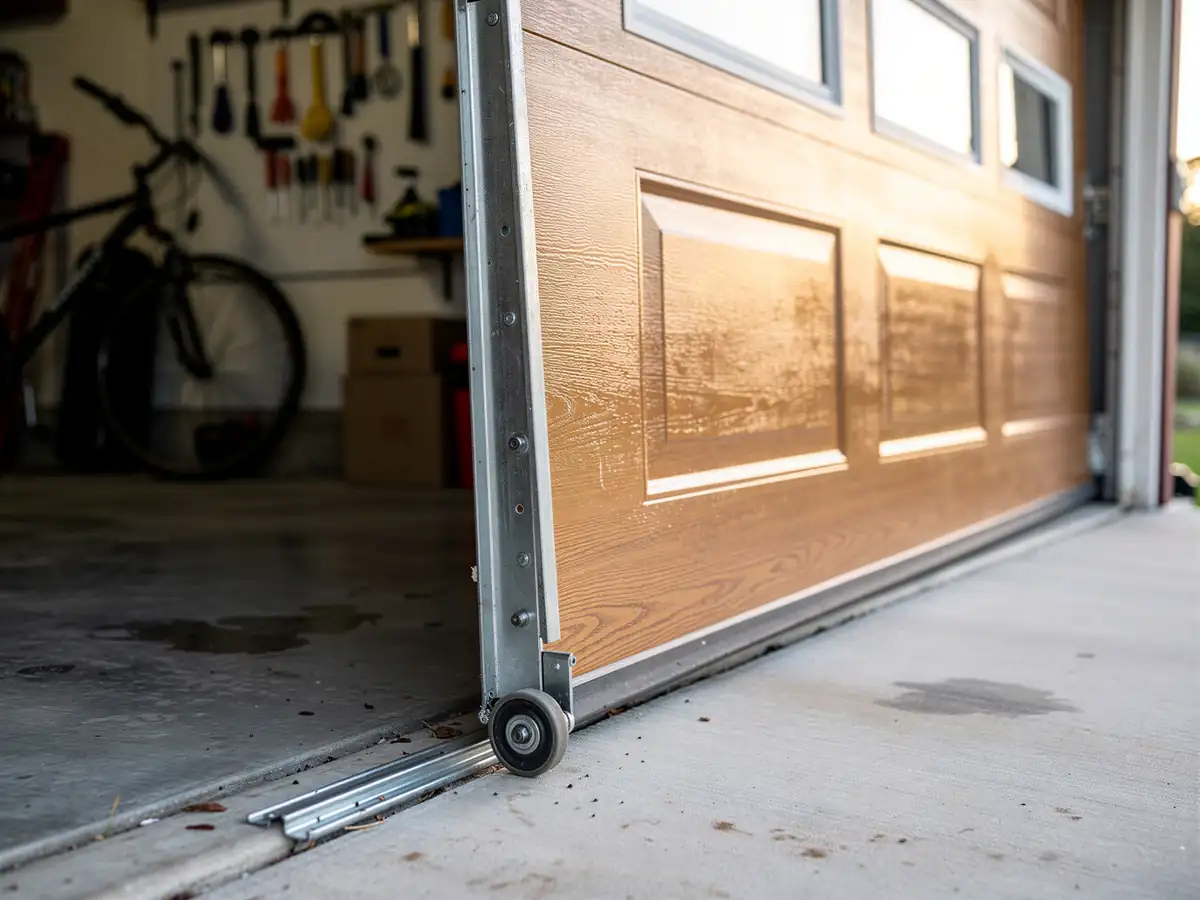
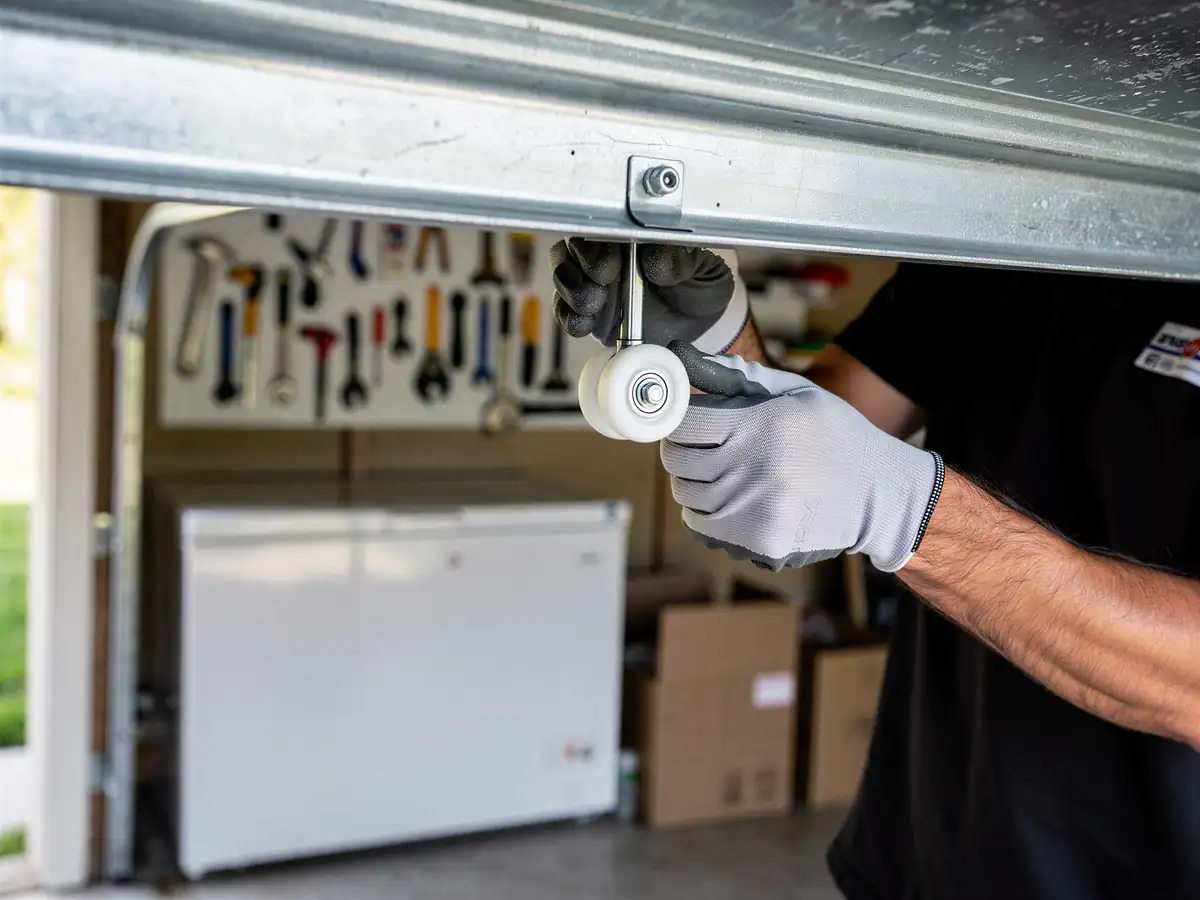
Because Elon's median year built sits around 1998, well after the 1970-2004 window that covers most of the broader Burlington service area, the doors we see out here are overwhelmingly torsion-spring systems on standard 7-foot or 8-foot openings, not the older extension-spring setups common on houses from the 1985 median era closer to town. We carry torsion springs in the common wire sizes and lengths that match that generation of door, along with the cables, drums, and center bearing plates that wear alongside them. We stock both standard and high-cycle springs; high-cycle costs more up front but it's worth discussing if the door gets used several times a day. What we don't carry on the truck is obsolete extension-spring hardware for pre-1970s doors - those openers and track setups are rare enough in this part of the service area that we order the parts rather than stock them, which adds a day or two to that specific repair.
What Can Go Wrong
The service area sits in a cold-moderate climate band, and steel springs lose some flex in winter the same way any metal does - cold makes a spring that was already near the end of its cycle count more likely to snap on a frigid morning than a mild afternoon. That's not an Elon-specific quirk, it's physics, but it's worth knowing before you assume a sudden January failure means something was installed wrong. Beyond the spring itself, a failure that's gone unaddressed for a week or two tends to drag the opener's drive gear and capacitor down with it, since the opener keeps trying to lift a door it was never built to carry alone. We've also seen cables fray against a misaligned drum long before the spring itself gives out, so a spring-only repair that skips a cable and drum check is a repair that gets called back out.
What the Repair Takes
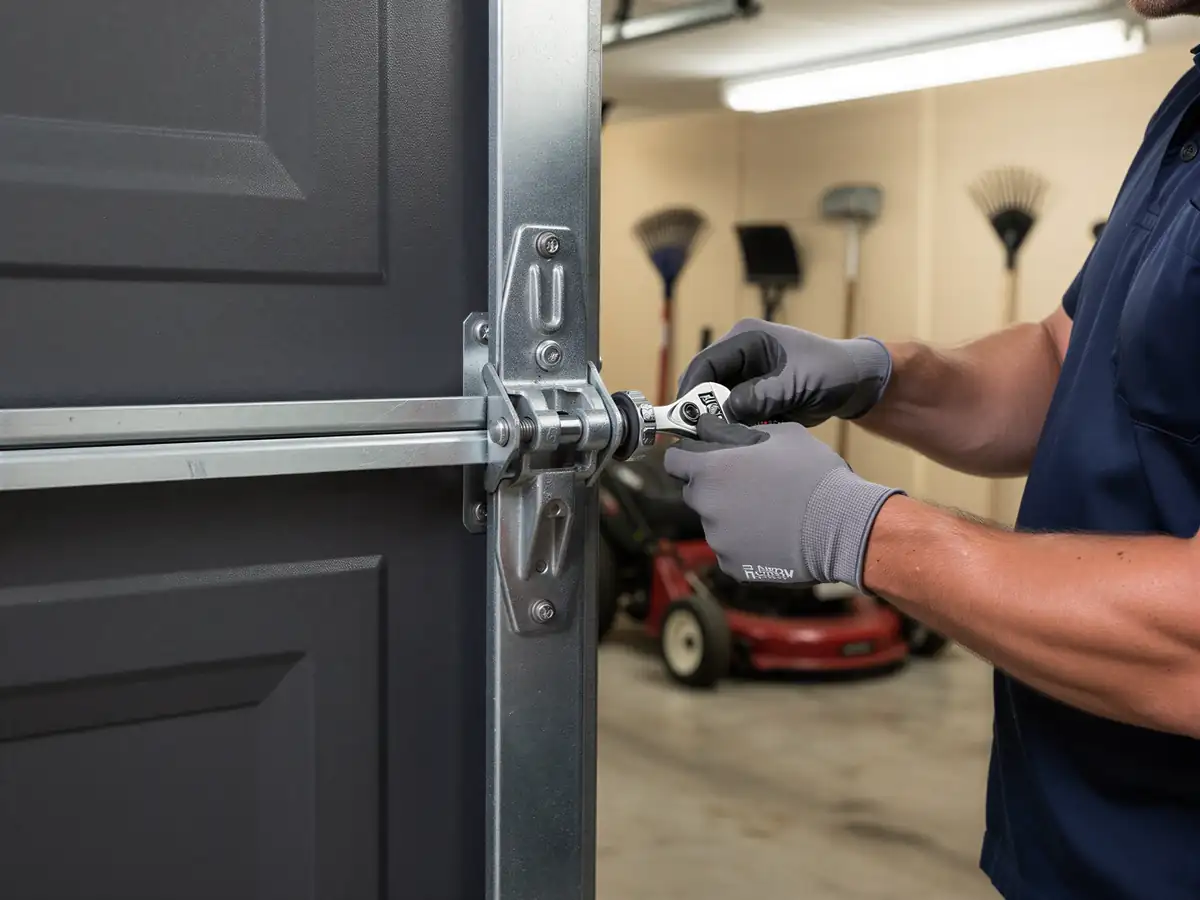
Most spring jobs on Elon's standard torsion setups are same-visit work: swap the spring or pair of springs, check cable and drum condition, lubricate and cycle the door a few times under load to confirm balance. We travel from Burlington, about 3 miles to reach Elon, so the job itself doesn't take longer here than anywhere else in the service area - the drive is the only extra. With Elon's median household income running $82,717, well above the $67,366 median across the wider Burlington service area, we see more homeowners choosing to replace both springs as a matched pair even when only one has failed, rather than patch one side and risk an uneven second failure within a year or two. That's a reasonable call on a door that's otherwise in good shape. Where it stops making sense is a door old enough, or damaged enough, that the spring is the least of its problems - at that point we'll say so instead of selling a repair that won't hold.