Can You Do This Yourself
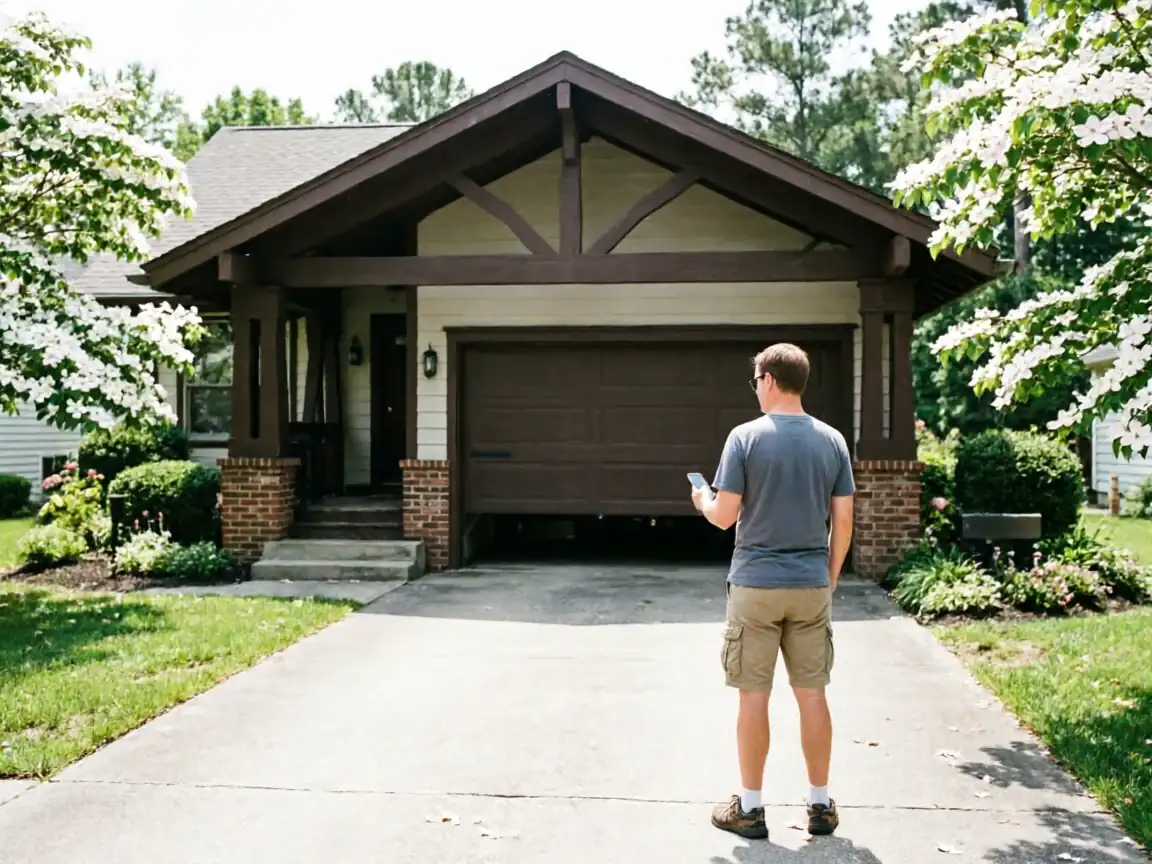
Elon is a short drive from Burlington, about three miles, which matters more than it sounds. It means when we price a job here we're not padding the quote for an hour on the road - we're accounting for a trip that takes minutes. That changes the math on whether a DIY opener swap is worth your Saturday.
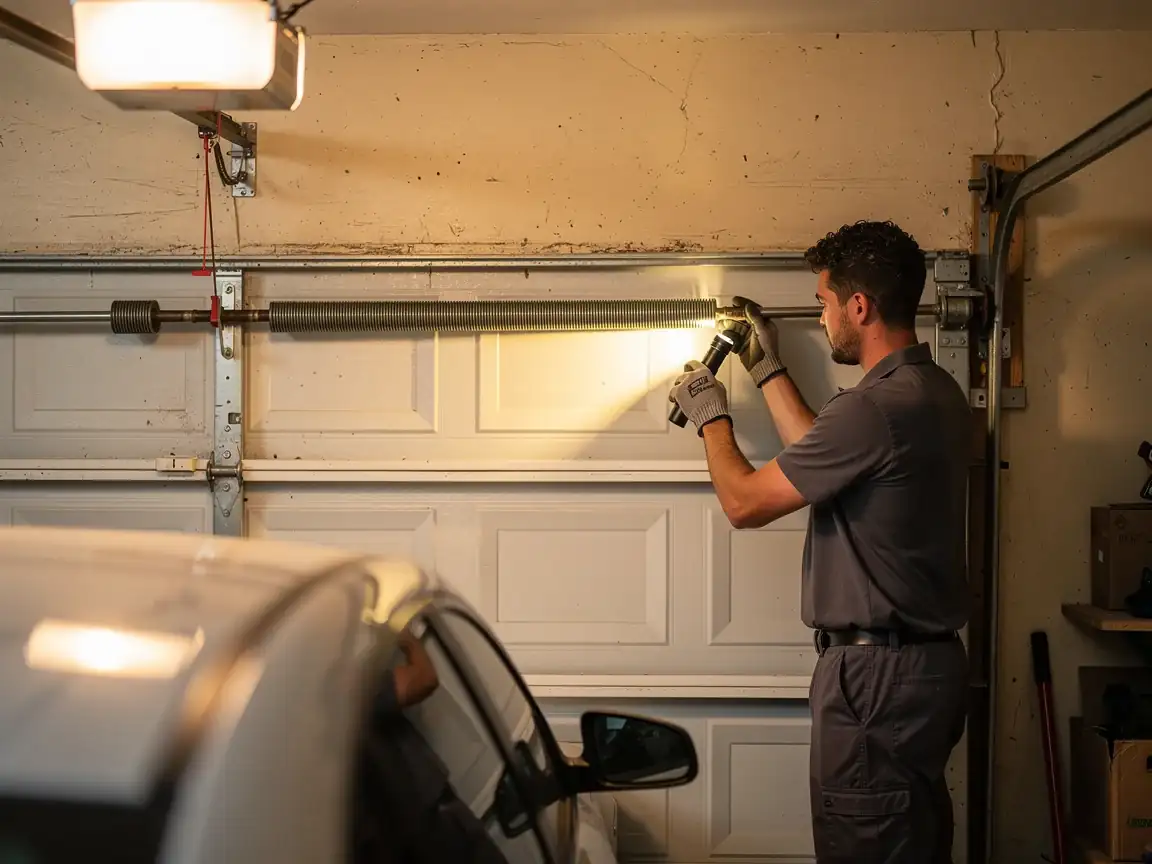
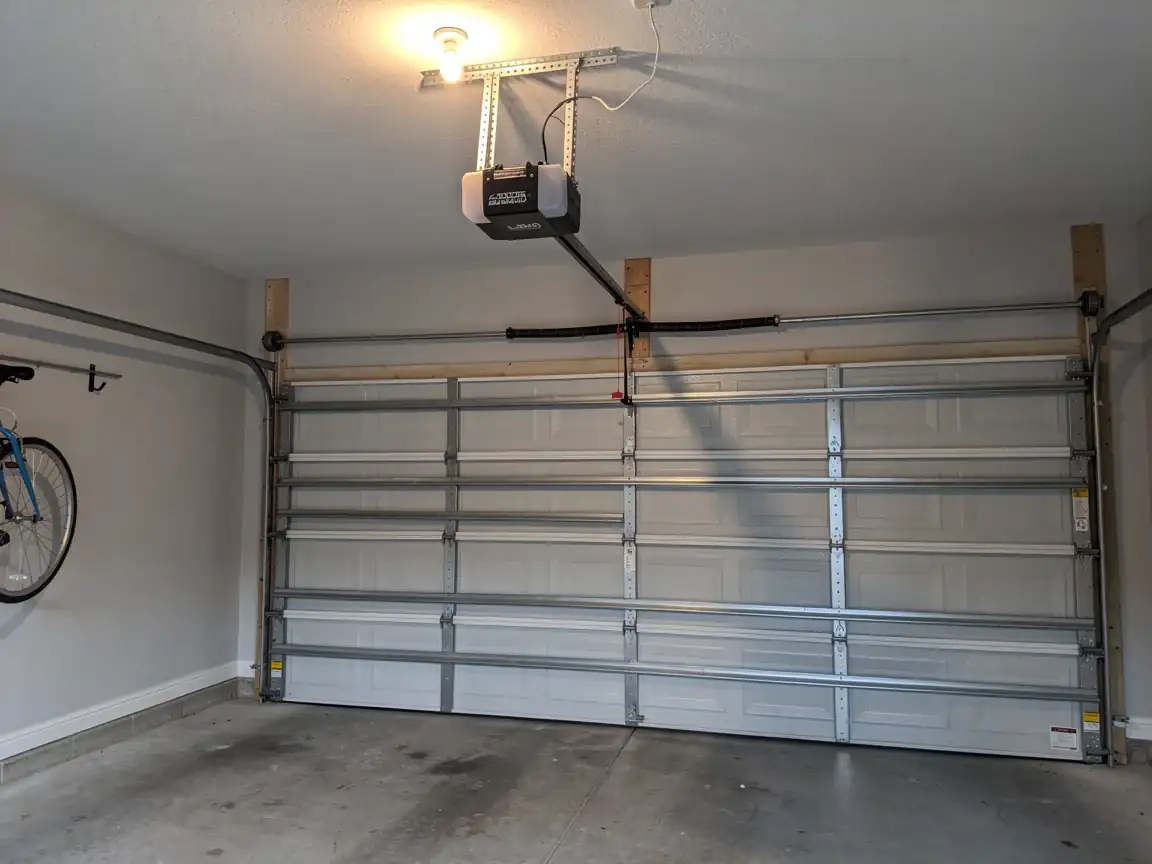
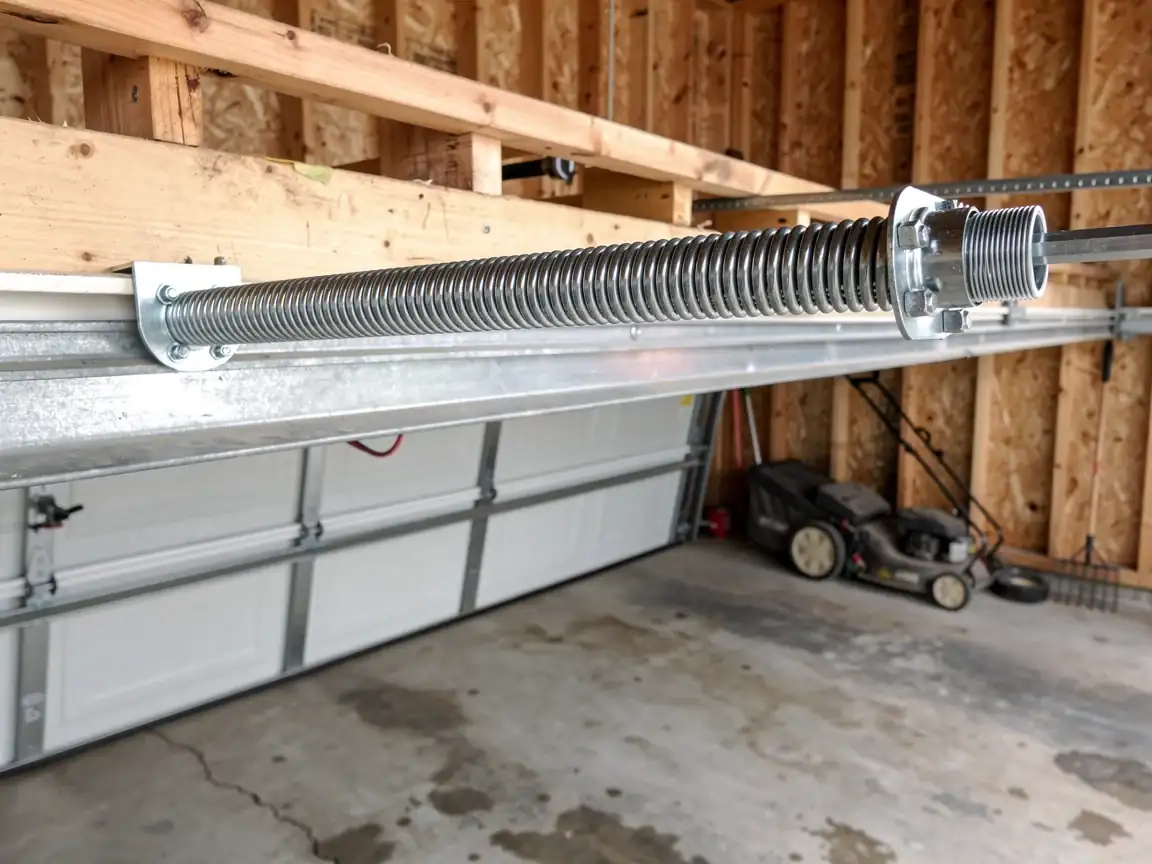
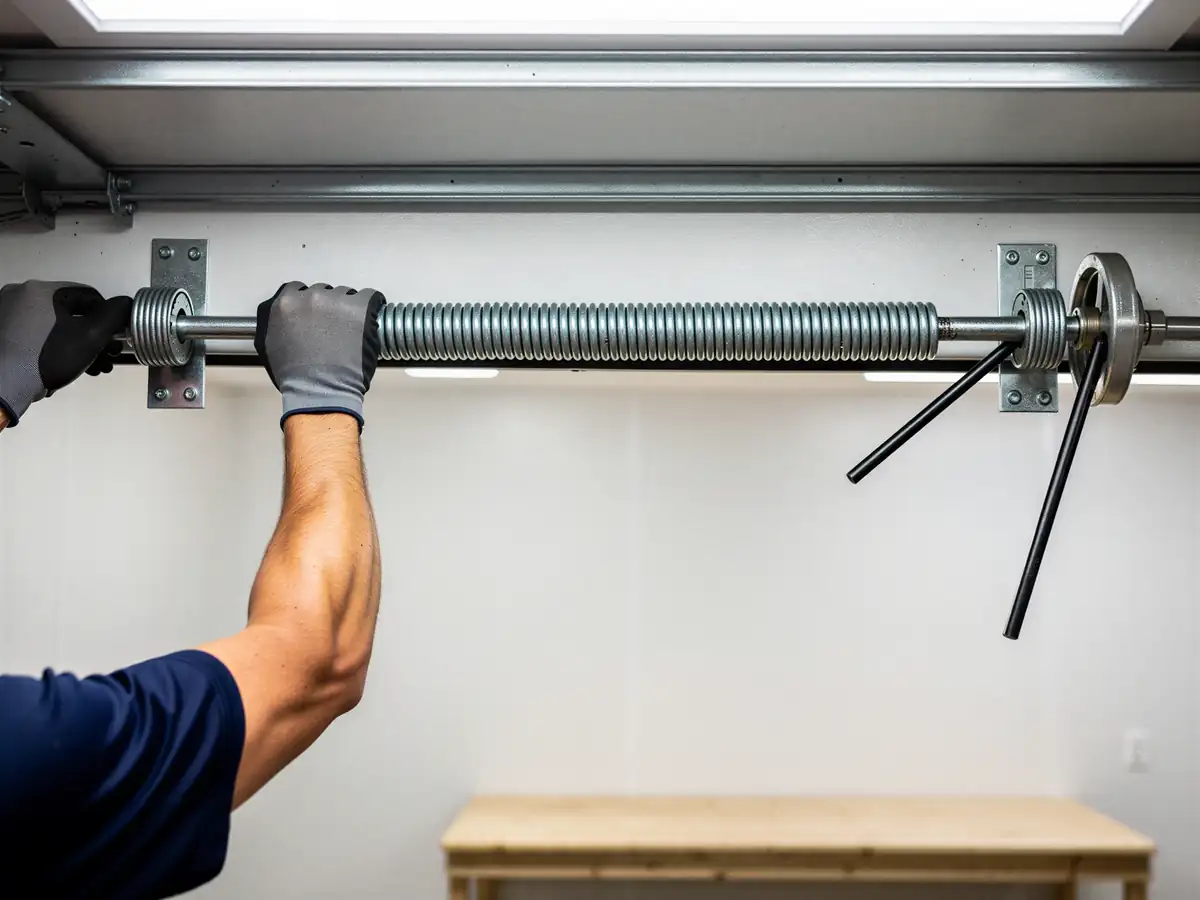
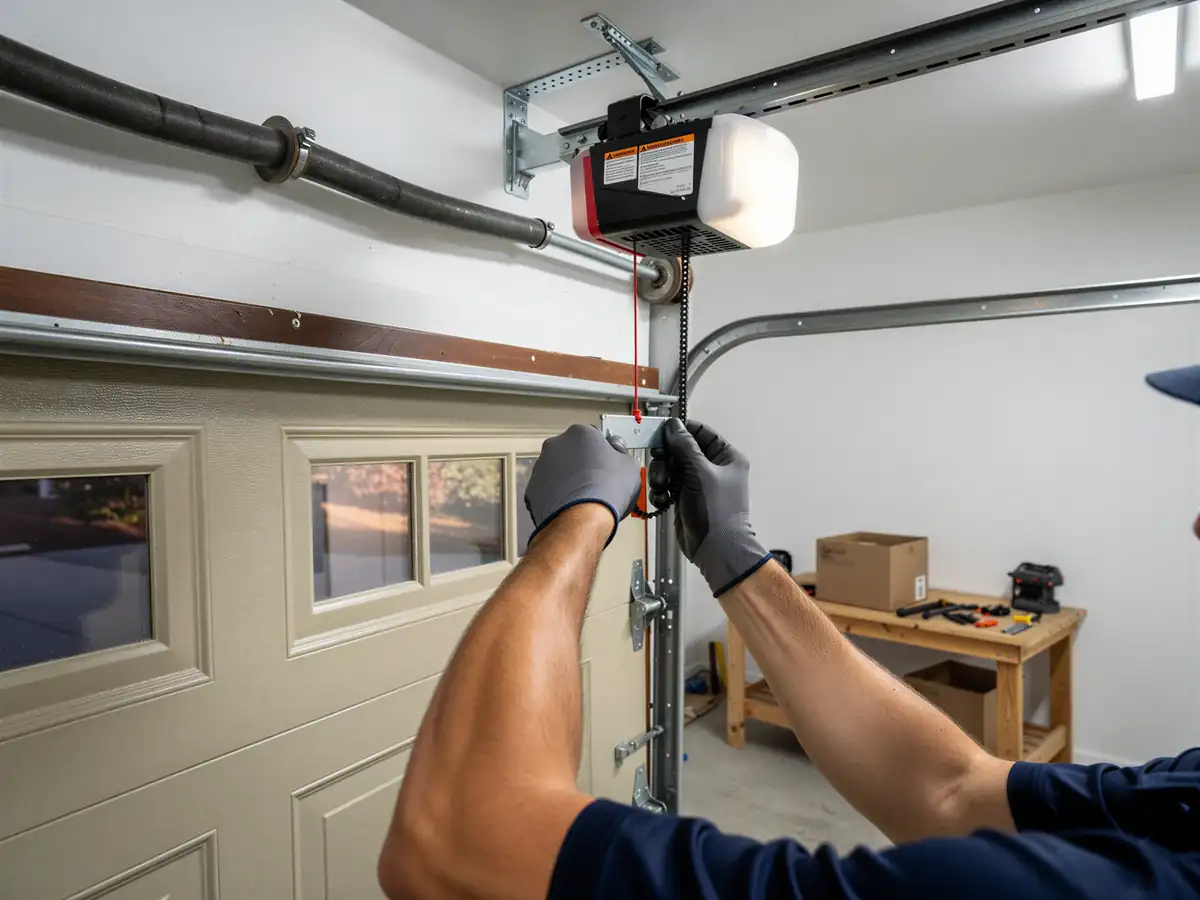
Most Elon houses date to around 1998, which means they were built with chain or belt-drive openers already standard, usually 1/2 horsepower, often on a steel rail that's held up fine but whose logic board is long past its service life. Swapping that unit yourself is possible if you're comfortable with a ladder, a wiring diagram, and torsion spring clearance you don't touch. Where people get hurt is assuming the old opener's mounting bracket and header bracket will fit a new unit without adjustment - on houses this age they often don't, because the lumber sizes and the bracket spacing from that era aren't what current openers ship expecting.
If your door is heavier than standard - insulated steel, or a model added after the original build - the opener has to be matched to that weight, not just to the door size. Get the horsepower wrong and you'll burn out a new motor within a year or two.
Parts We Carry
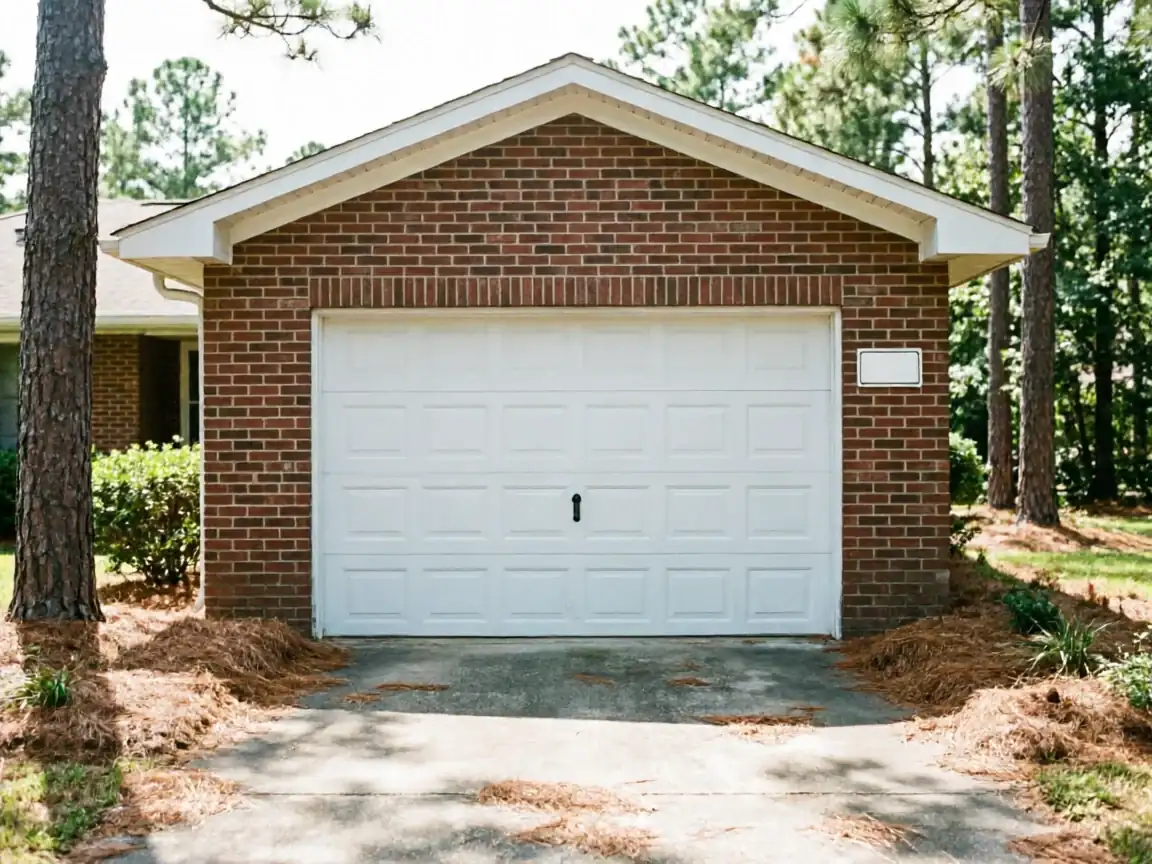
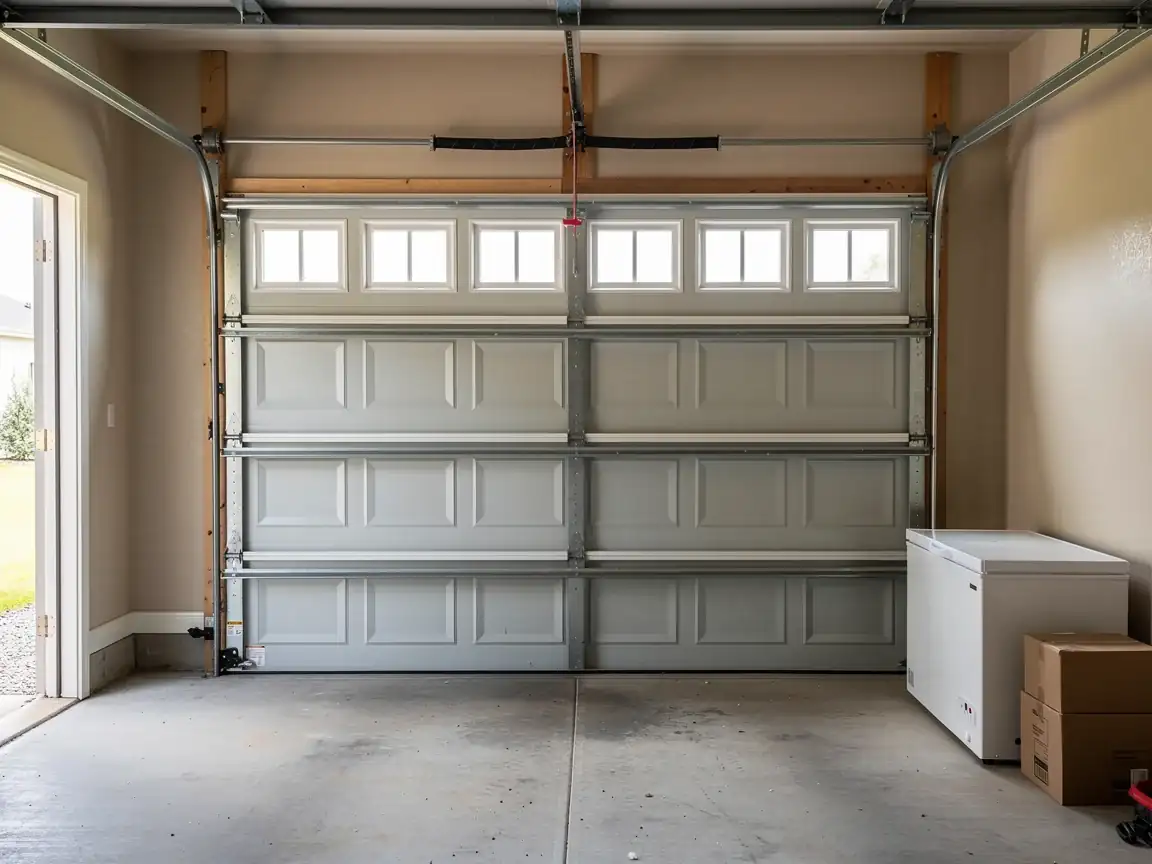
We stock openers suited to the kind of door most Elon houses already have: single and double doors on steel track dating from the late 1990s build wave. That means belt-drive units for people who park under a bedroom and don't want to hear a chain run at 6am, and chain-drive units for detached garages where quiet isn't the priority.
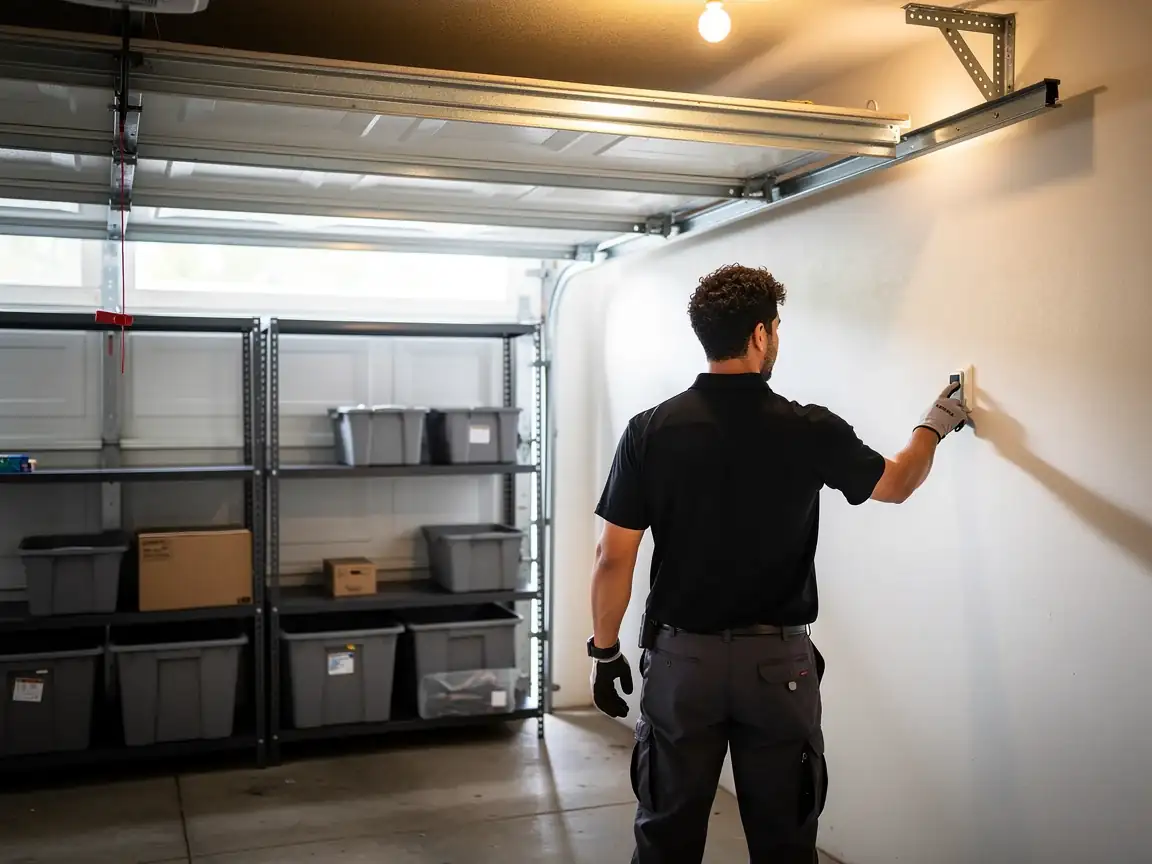
We also carry the wall control, keypad, and remote hardware to match - because a 1998-era opener often used a wiring standard that current safety-sensor kits don't talk to directly, and we'd rather replace the sensor pair than leave mismatched electronics behind the door.
One honest limit: we don't stock every smart-opener brand on the market. If you want a specific app-connected model we don't carry, we'll tell you that up front rather than sell you something close and call it the same thing.
What You Are Seeing
In a town built mostly in the 1990s, the opener failures we see in Elon cluster around two things
The logic board giving out after two decades of humidity cycling, and the original safety sensors drifting out of alignment as the house has settled. You'll notice it as a door that reverses for no reason, a remote that works some days and not others, or a motor that hums but doesn't lift.
Less common here, but it shows up
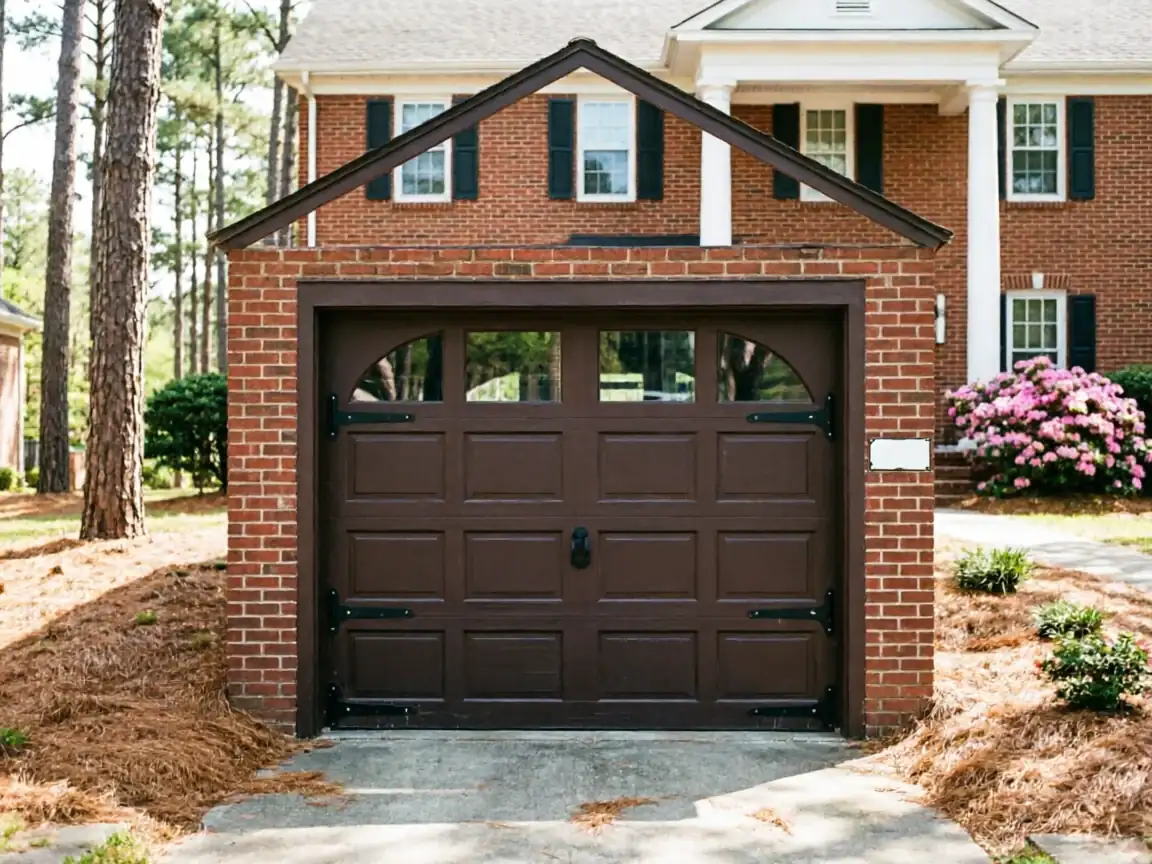
Houses added a second garage bay or a workshop door after the original build, and the opener installed for that addition is a different age and brand than the main door's unit. When that happens, troubleshooting means treating it as two separate systems, not one.
What Can Go Wrong
A mismatched opener is the most common mistake we correct in Elon, not because the homeowner did anything wrong, but because a well-meaning box-store unit gets sized to the door's width and not its actual weight. On a standard double door that's a nuisance - it strains, it's loud, it might reverse on its own. On an insulated or newer heavier door it can strip the gears inside a year.
The other failure point: 1990s-era garages here often have the opener's safety sensors wired on the original low-voltage line, which some newer openers won't recognize without a sensor swap. Skip that step and the new opener either won't engage its safety reversal or won't run at all, and you've got a unit that passes every test on the bench but fails the moment it's wired in.
What the Repair Takes
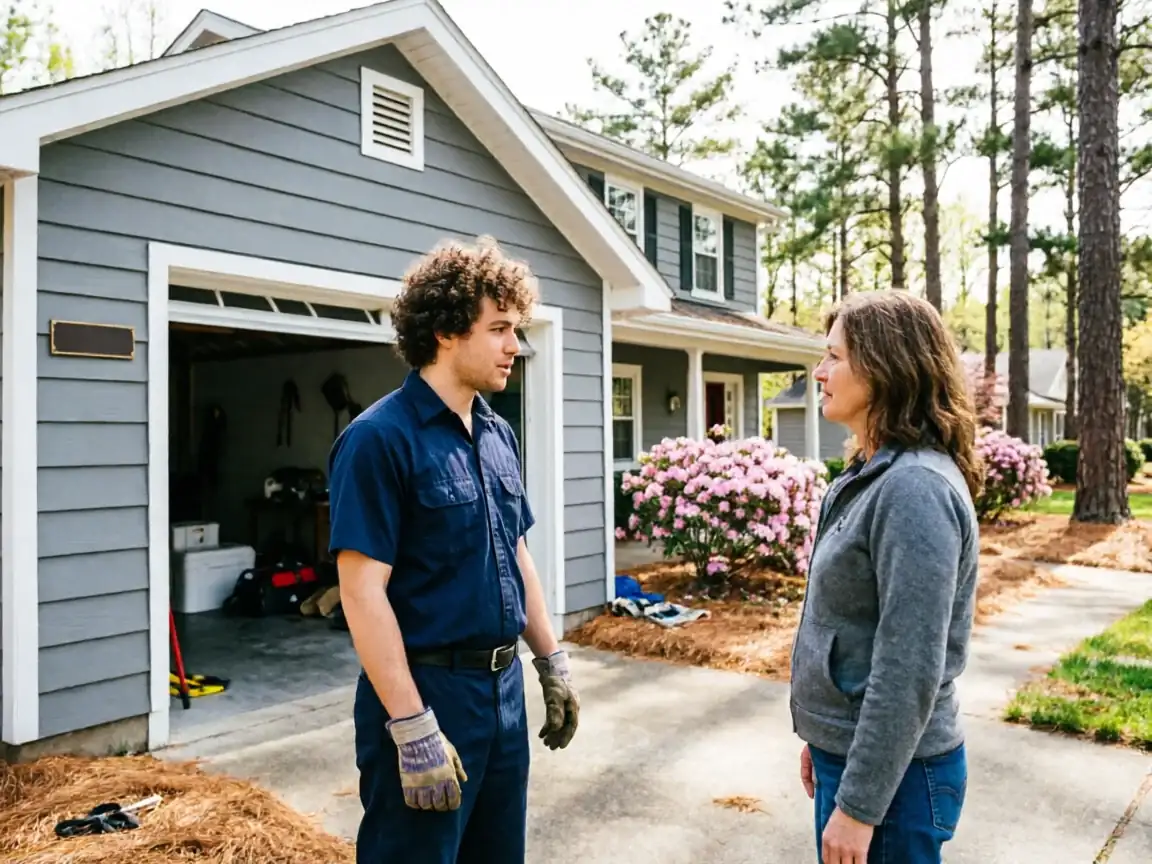
For a straight swap - same mounting, same door weight, working track - we're usually done inside a couple of hours including the drive out from Burlington. Add a header bracket repair, a sensor rewire, or a second bay opener that needs its own run, and the job runs longer.
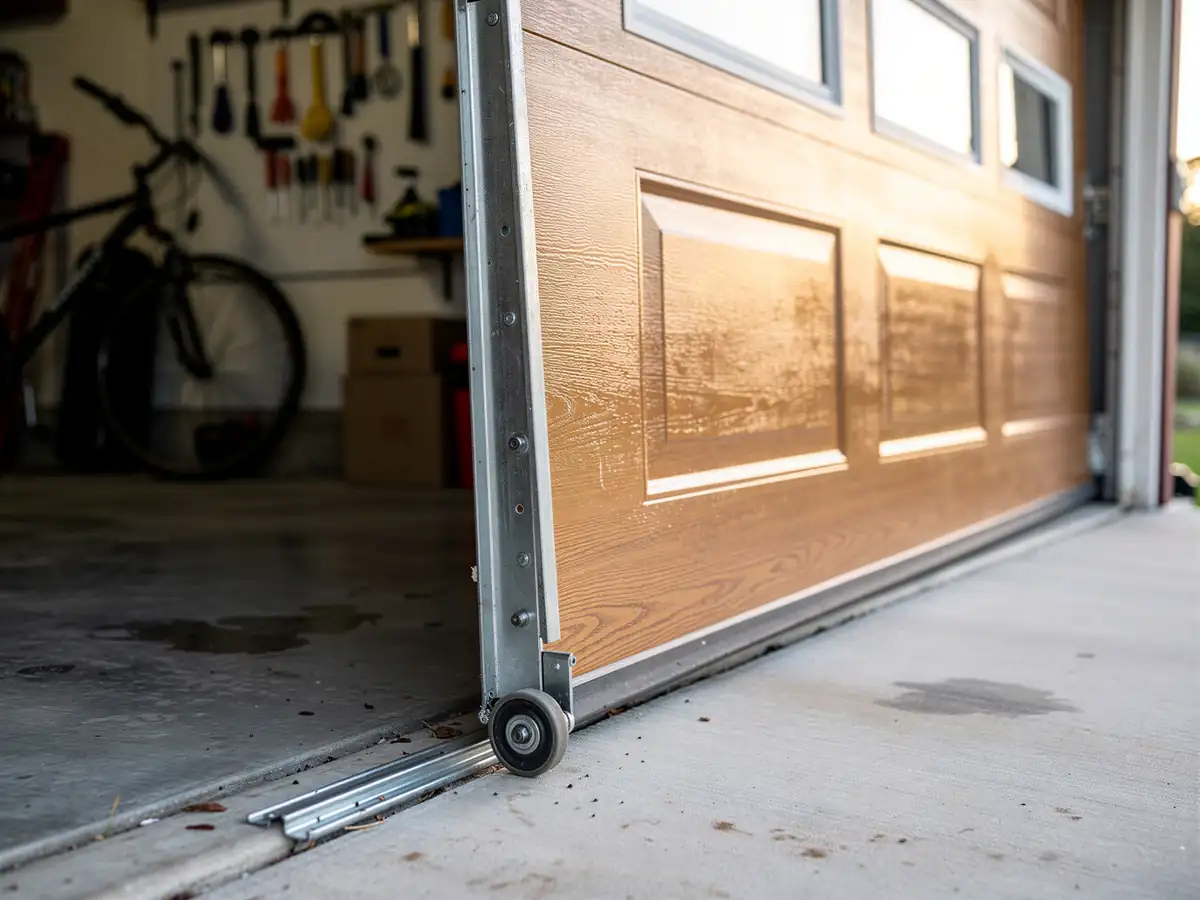
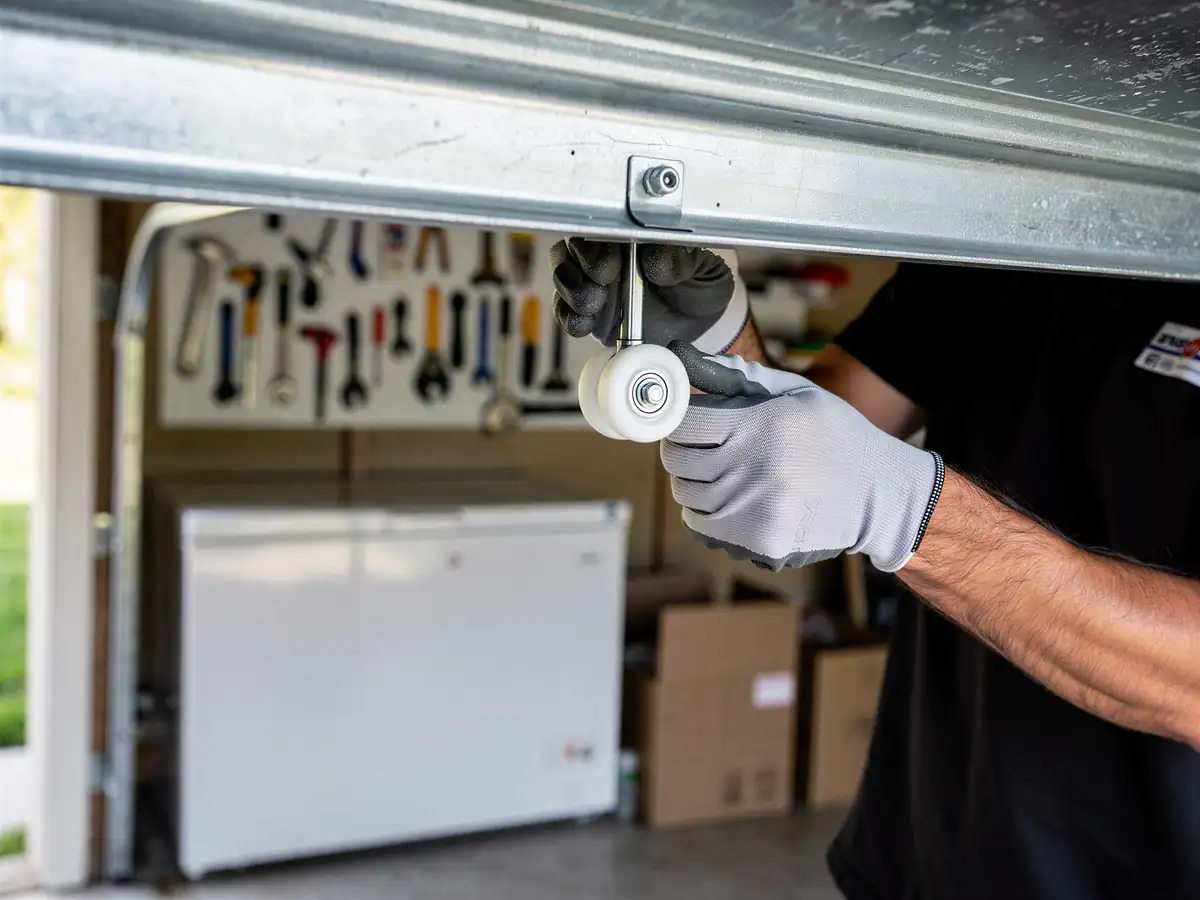
What we won't do is install a new opener on a door and track that are failing on their own. If the rollers are worn through or the track is bent, a new opener just exposes that fault faster and louder. We'll tell you when the door needs attention first, even if that means a smaller invoice today.