Can You Do This Yourself
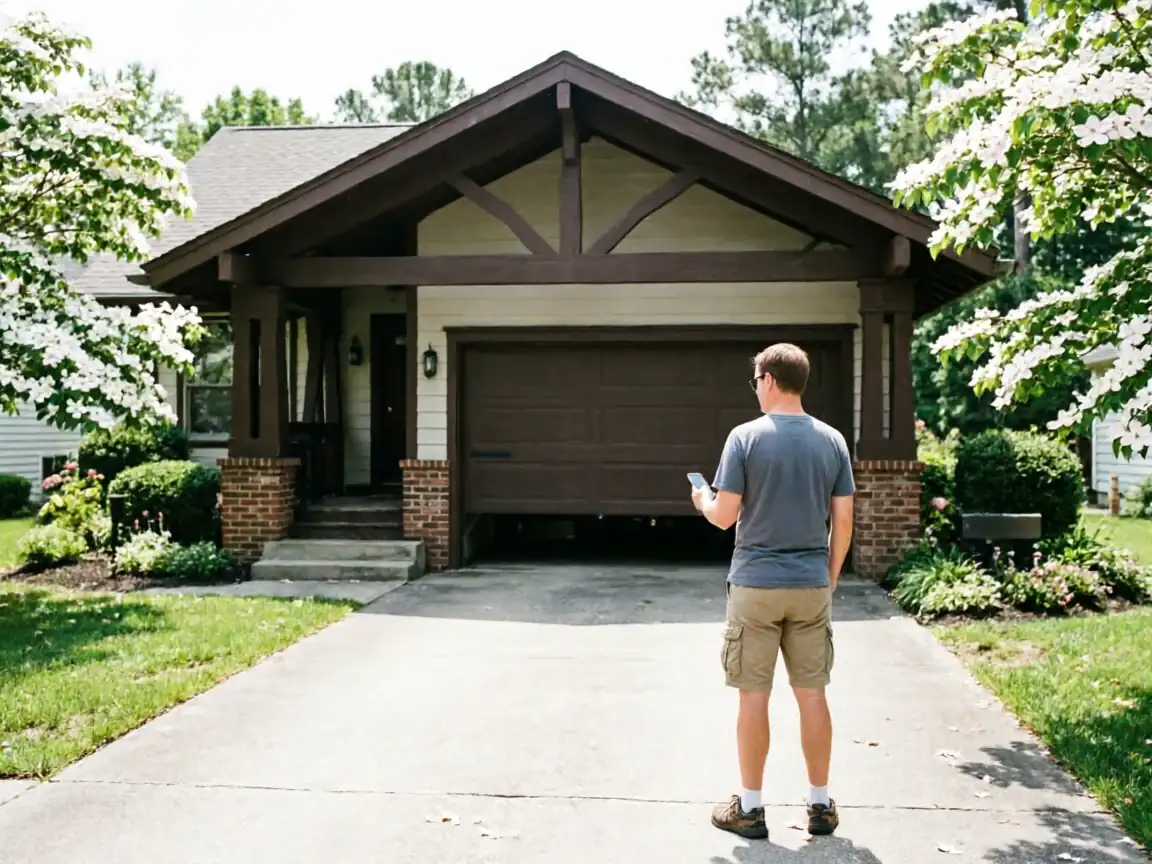
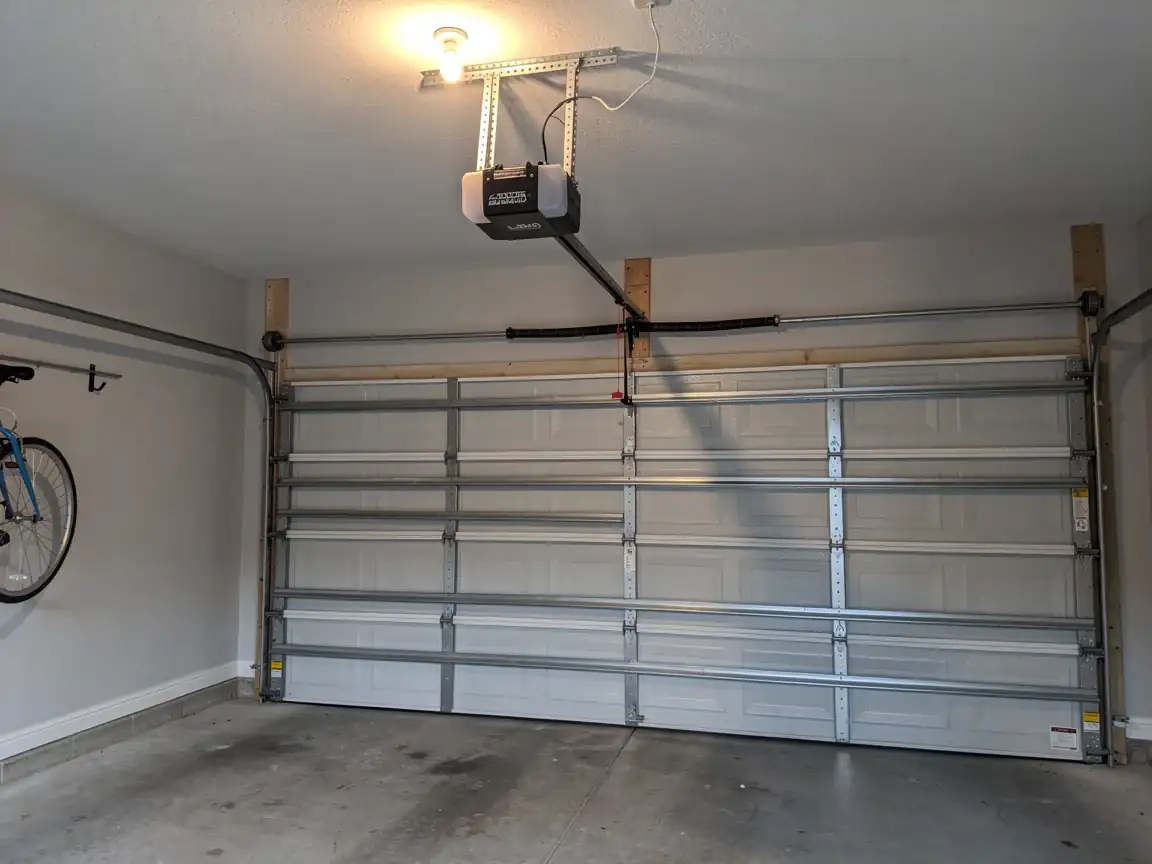
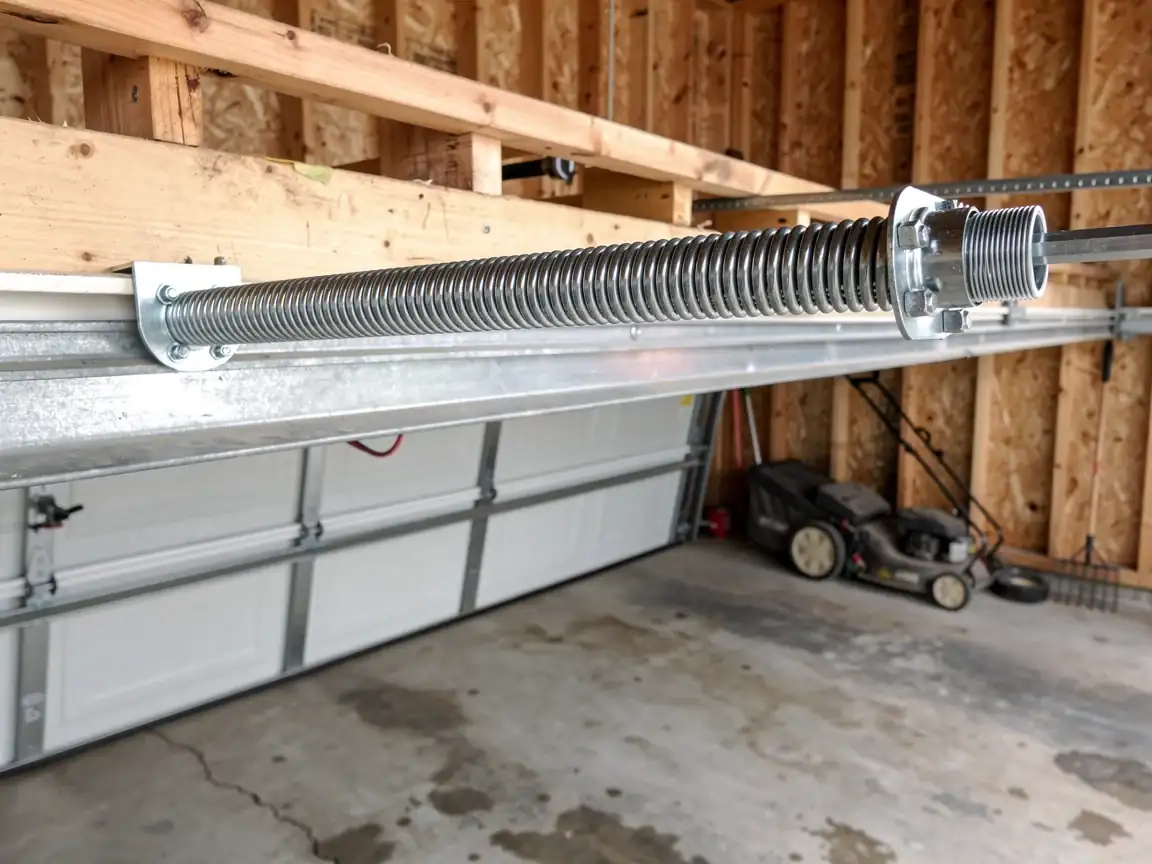
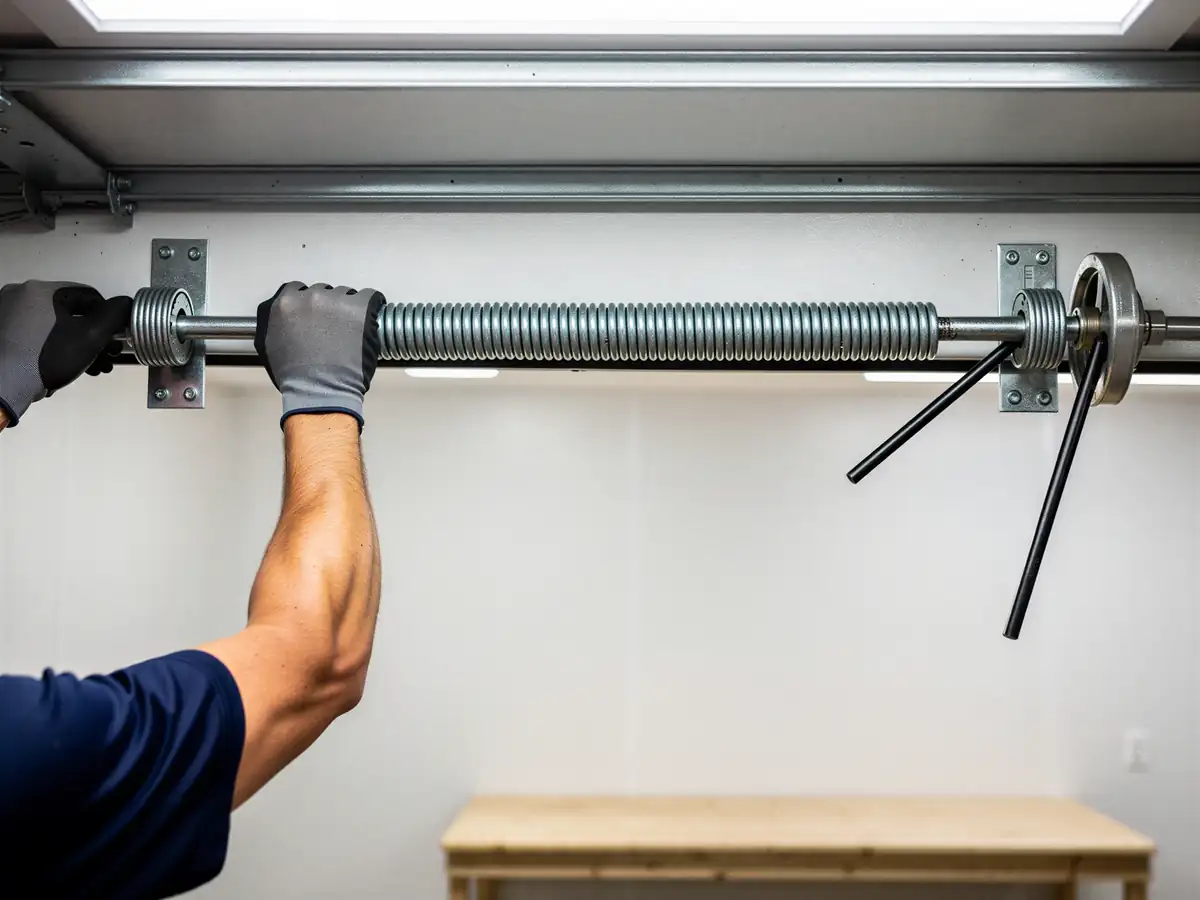
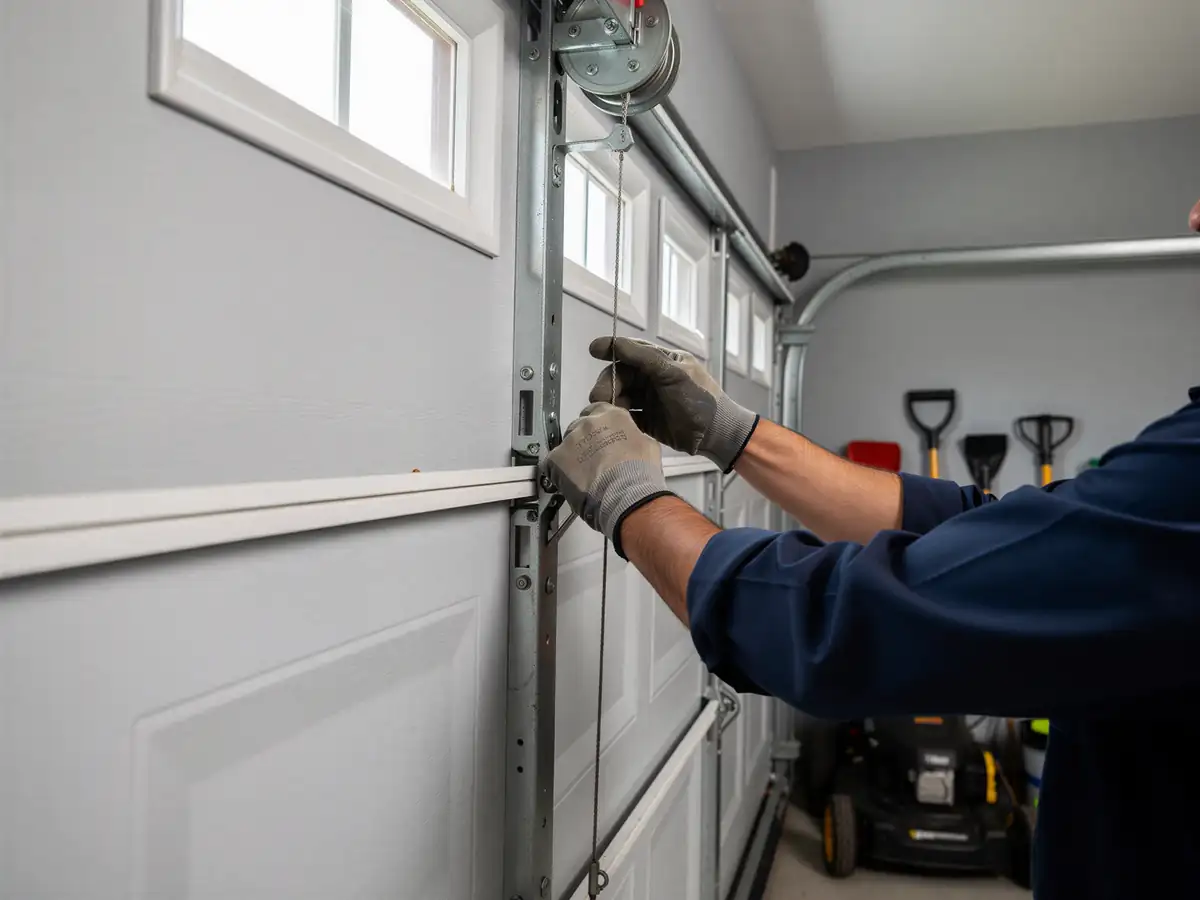
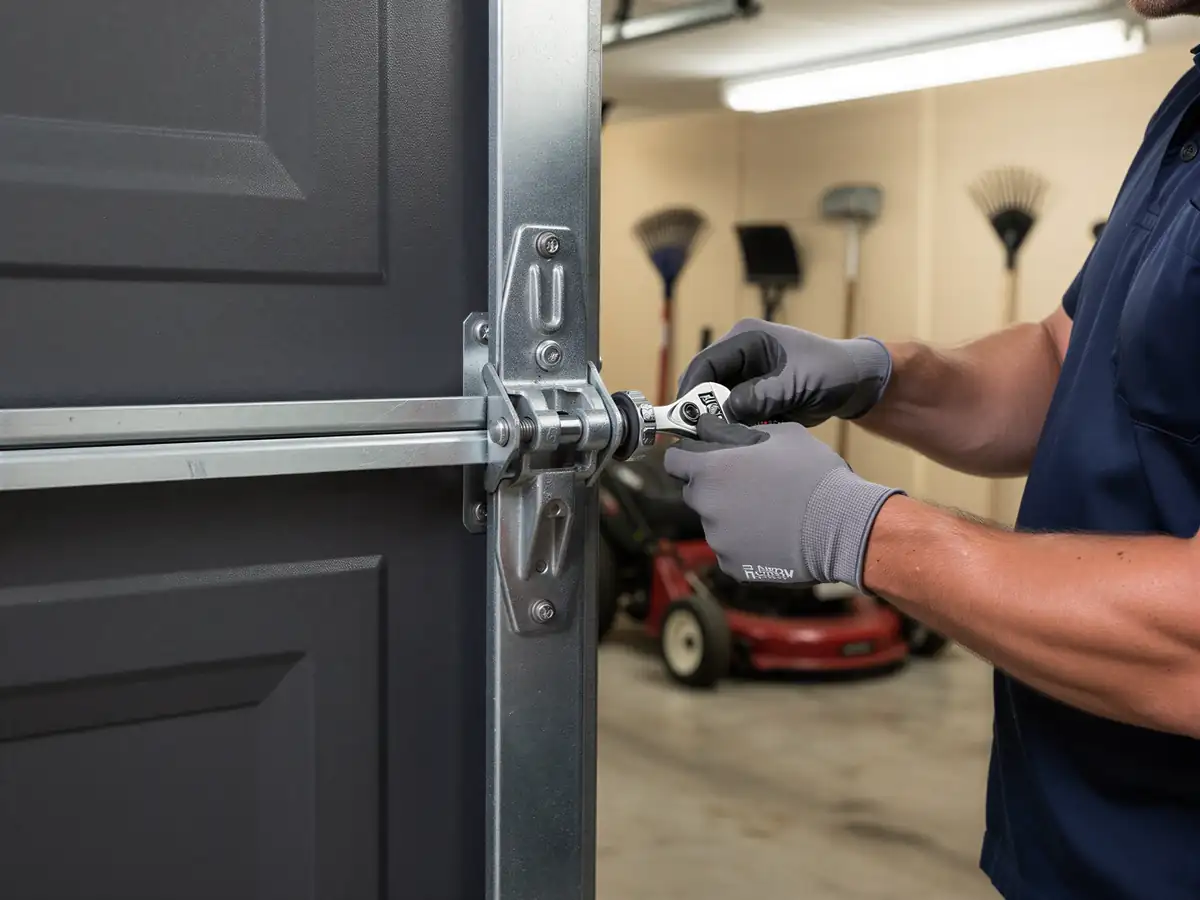
Elon's housing stock centers on 1998, a good decade and a half newer than the 1985 median across the wider Burlington service area this company covers. That gap matters before you touch a wrench. A late-90s door is more likely to run on a standard extension or torsion setup with parts still in production, which means some repairs really are within reach for a careful homeowner - tightening hinges, lubricating rollers, swapping a worn weatherstrip, replacing remote batteries. What you shouldn't take on yourself is anything involving a torsion spring under tension or a cable that's frayed. Those store enough force to break a wrist or worse, and a 1998-era spring is wound the same way as an older one - it doesn't care how new the house is. If the door won't move, binds on one side, or the opener strains and reverses, that's a job for someone who does this daily, not a weekend project. Elon sits close enough to Burlington, about 3 miles, that a call out here isn't a long trip, but the job itself is governed by what's actually on the track, not by distance.
Parts We Carry
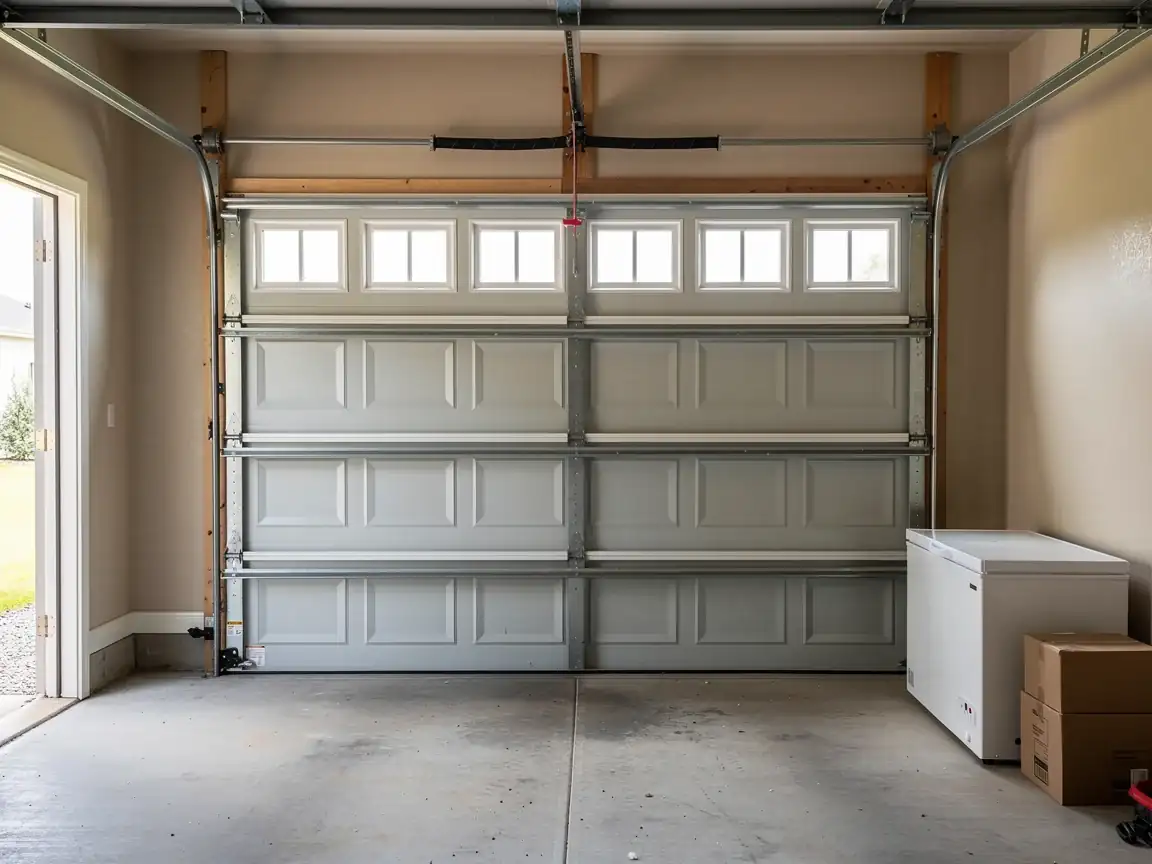
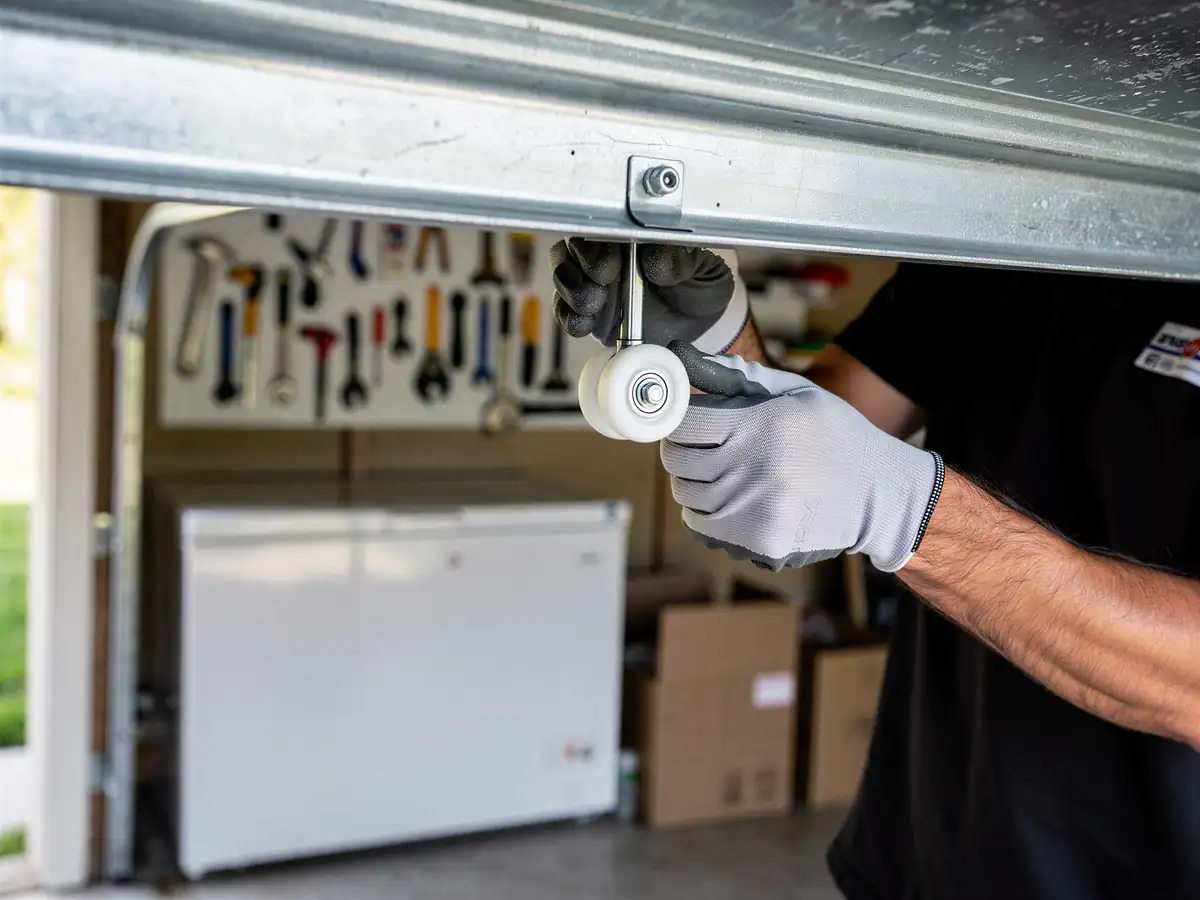
Because Elon's median build year runs newer than much of the surrounding service area, the hardware we see here skews toward parts that are still current - standard torsion springs in common wire sizes, steel rollers, and openers from the chain-drive and belt-drive era rather than the older screw-drive units you'll find on pre-1985 stock elsewhere in the territory. We carry standard torsion and extension springs, nylon and steel rollers, galvanized lift cables, and replacement openers in the power ranges that match a typical single or double door built in that late-90s window. One honest limit: if a door was a custom or architectural order when it went in, matching trim or a specific panel profile can mean a lead time, since that's not stock we keep on the truck. For the common double-car and single-car doors that make up most of what went up here in the late '90s and early 2000s, we're usually working with parts already on hand.
What Can Go Wrong
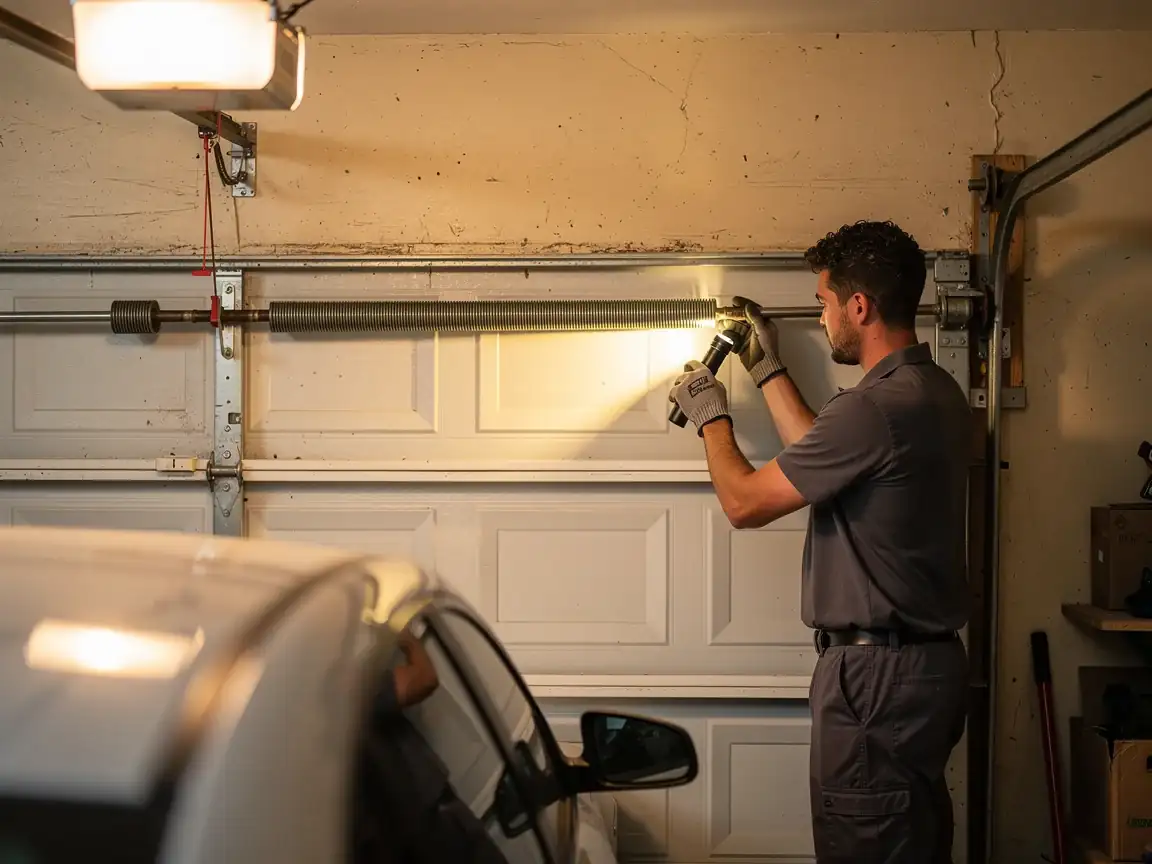
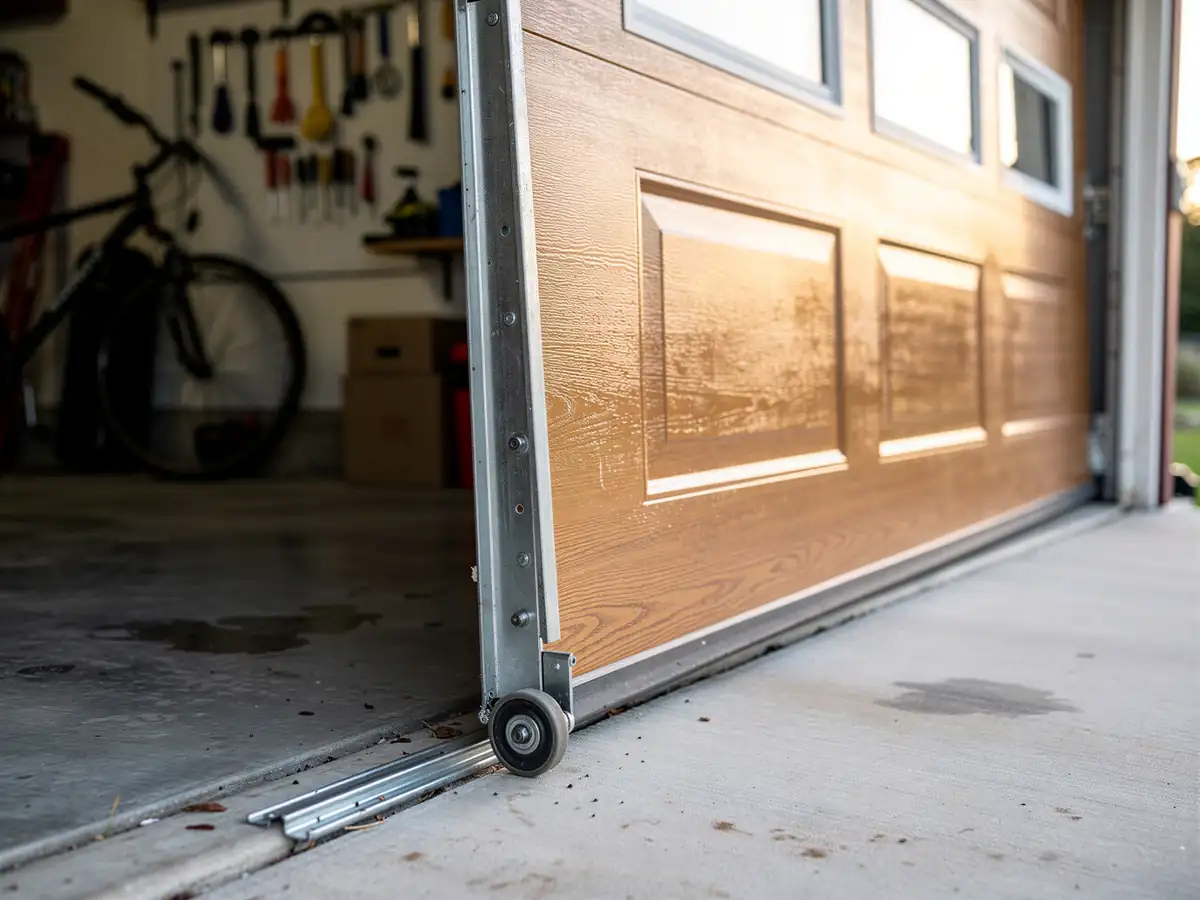
The most common failure on a door built around 1998 is a torsion spring reaching the end of its cycle count - these springs are rated for a certain number of open-close cycles, and a door that's been used daily for over two decades is getting close to or past that number. Second most common: the opener's drive gear or belt wearing out, since that's roughly the service life you'd expect from a unit installed in that window. Less obvious but just as real is track misalignment from a door that's been bumped by a car bumper or a bike handlebar over the years - small hits that don't bend the panel but knock the track out of true, which shows up later as a door that runs rough or binds on one side. Elon's household income runs well above the $67,366 median for the broader service area, which in practice means more of these doors already had a mid-life opener swap rather than running the original unit to failure - so when something does go, it's often the newer motor's own wear parts, not decades-old equipment.
What the Repair Takes
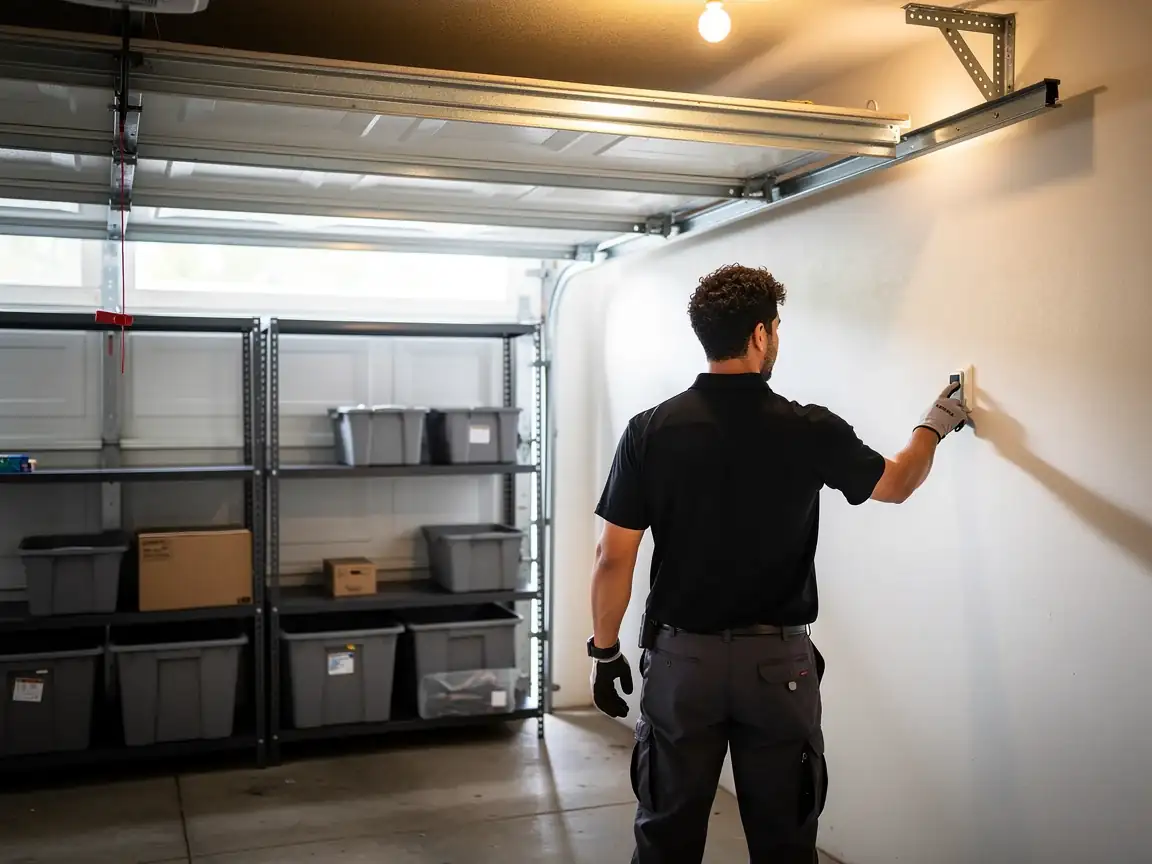
A straightforward torsion spring replacement on a standard double door is usually a same-visit job once the right spring size is confirmed - no custom order needed for the common sizes that match this era's doors. Cable and roller work is similarly quick. Where it slows down: if the opener itself needs replacing and the household wants a specific drive type or a smart-home compatible unit, that can mean ordering rather than pulling it off the truck. Track realignment from an impact is diagnostic work first - figuring out whether the track bent or just shifted - and that assessment has to happen in person before quoting the fix. Across the 32,051 households and 16,594 owner-occupied houses in the full service area this company covers from Burlington, Elon's relatively newer housing means fewer surprises tied to obsolete hardware, but the job still comes down to what's actually mounted on that specific door, not the build year on the deed.