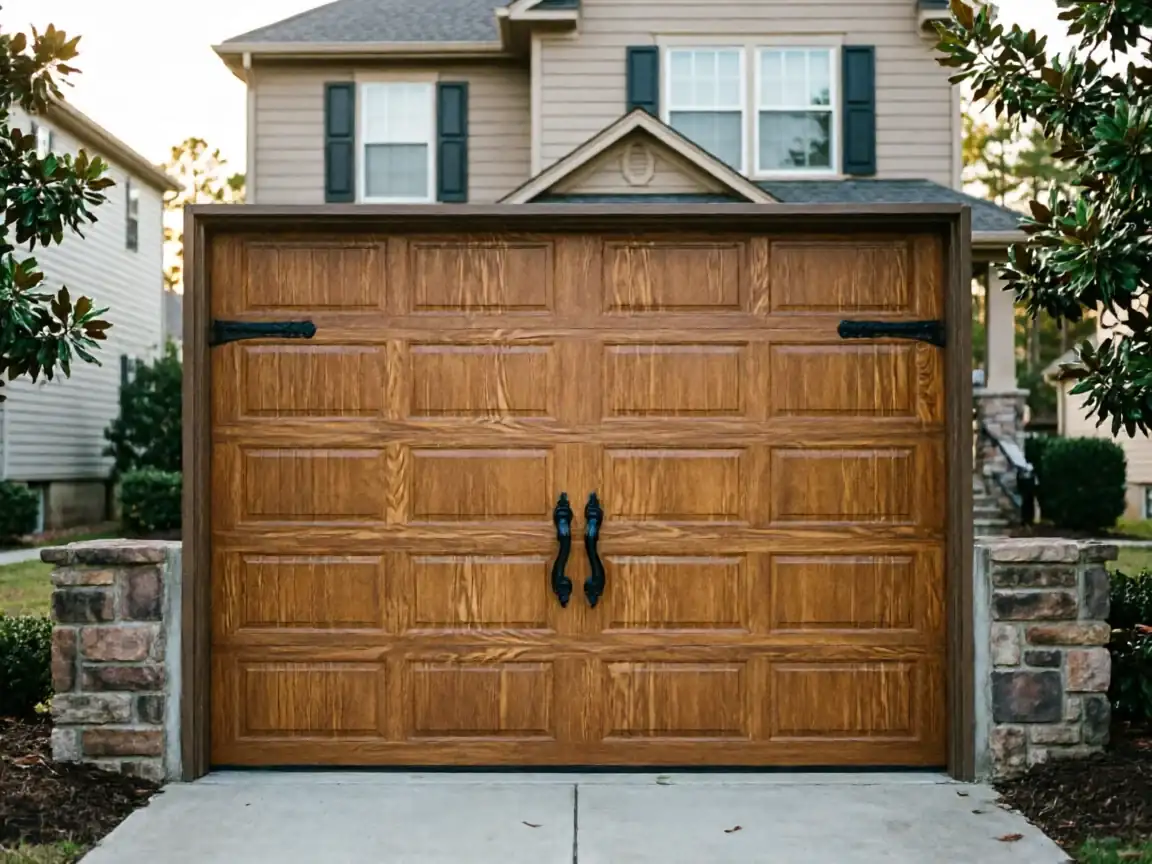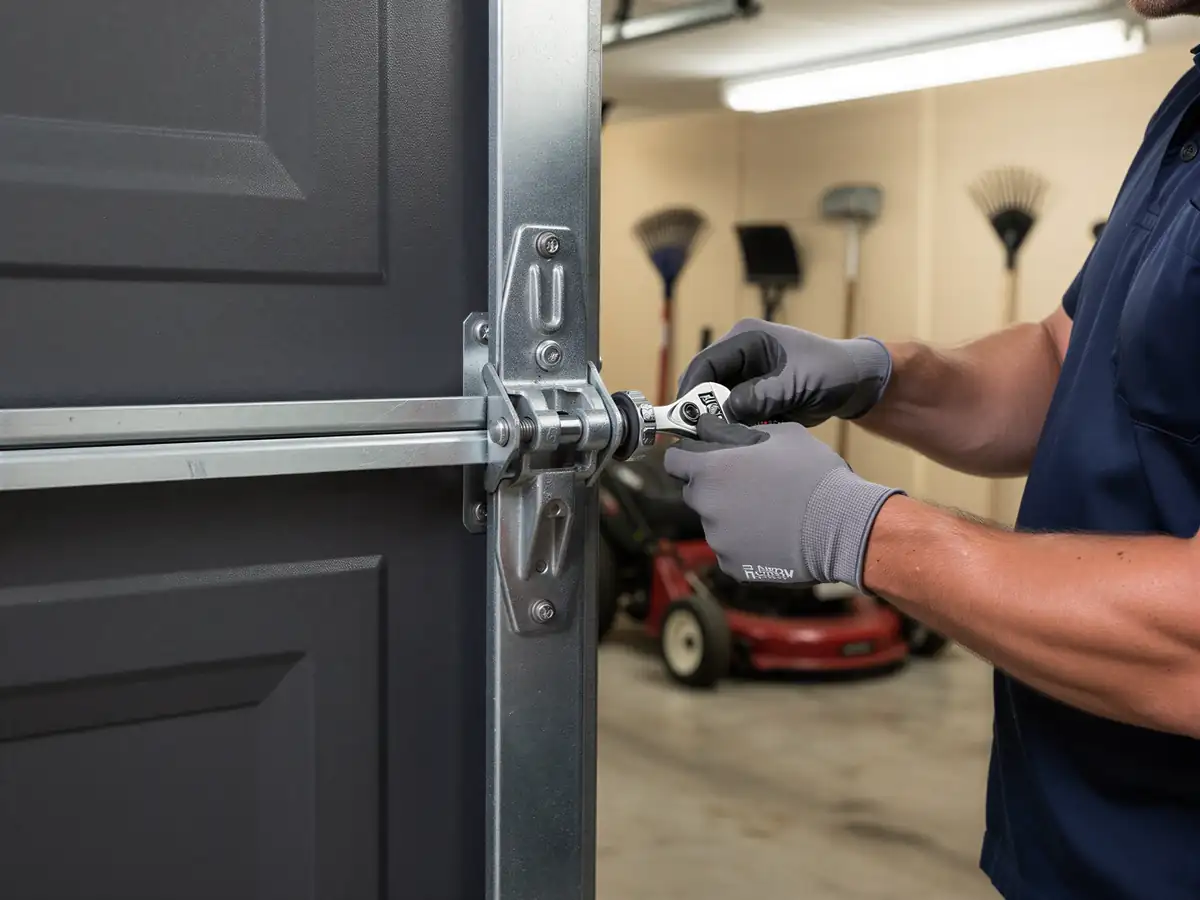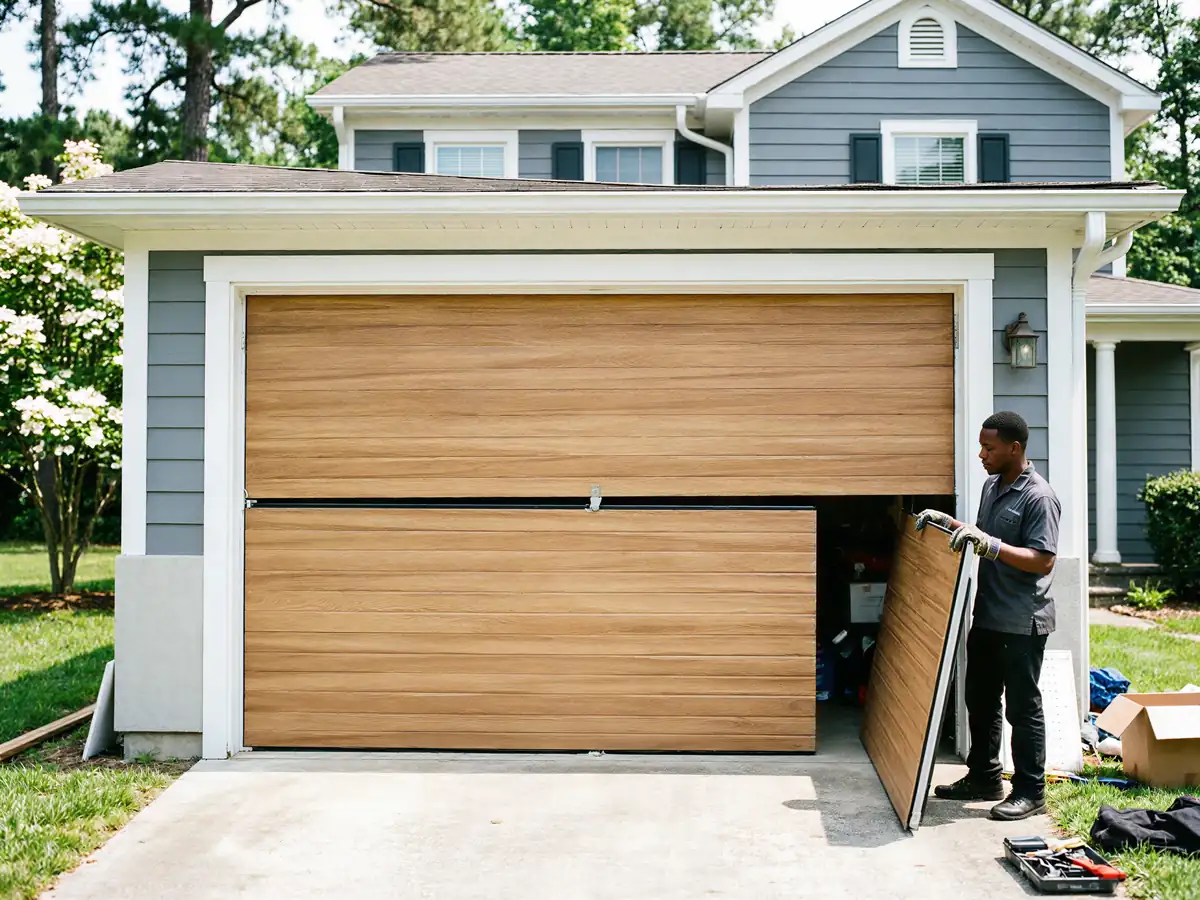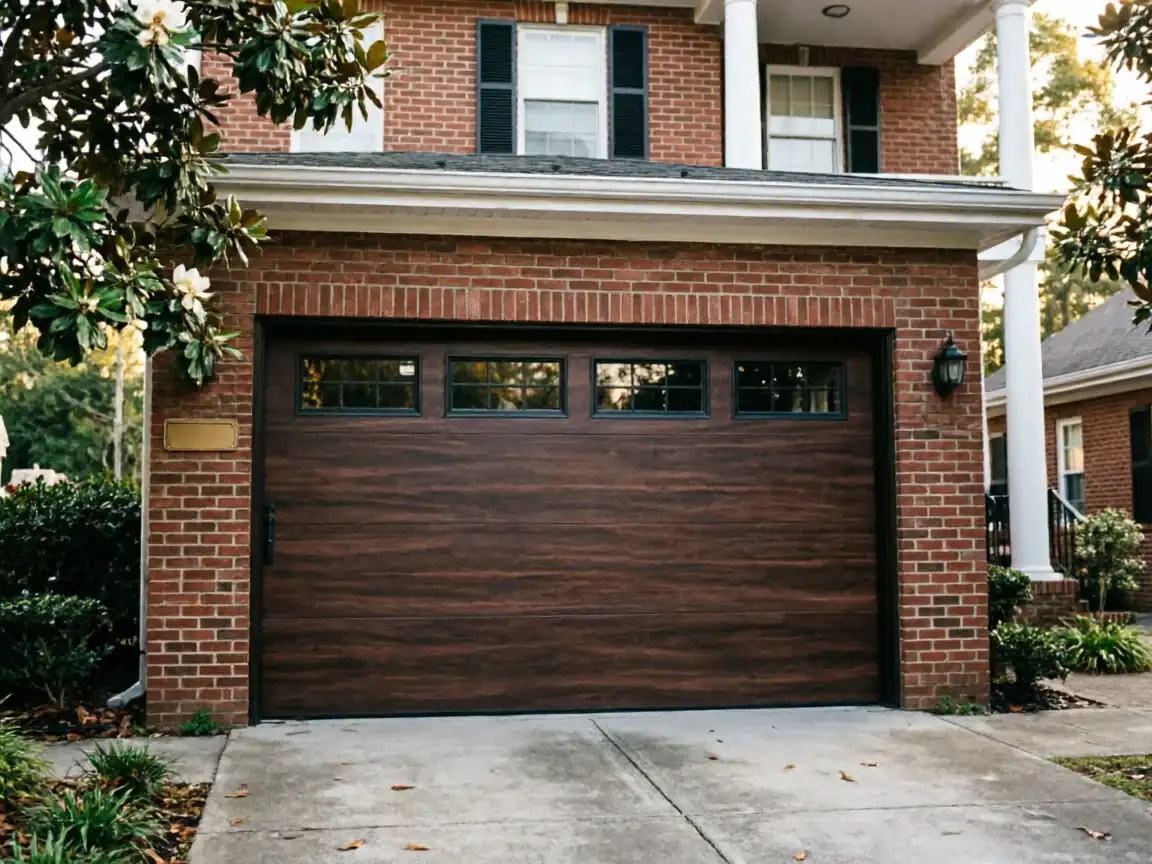
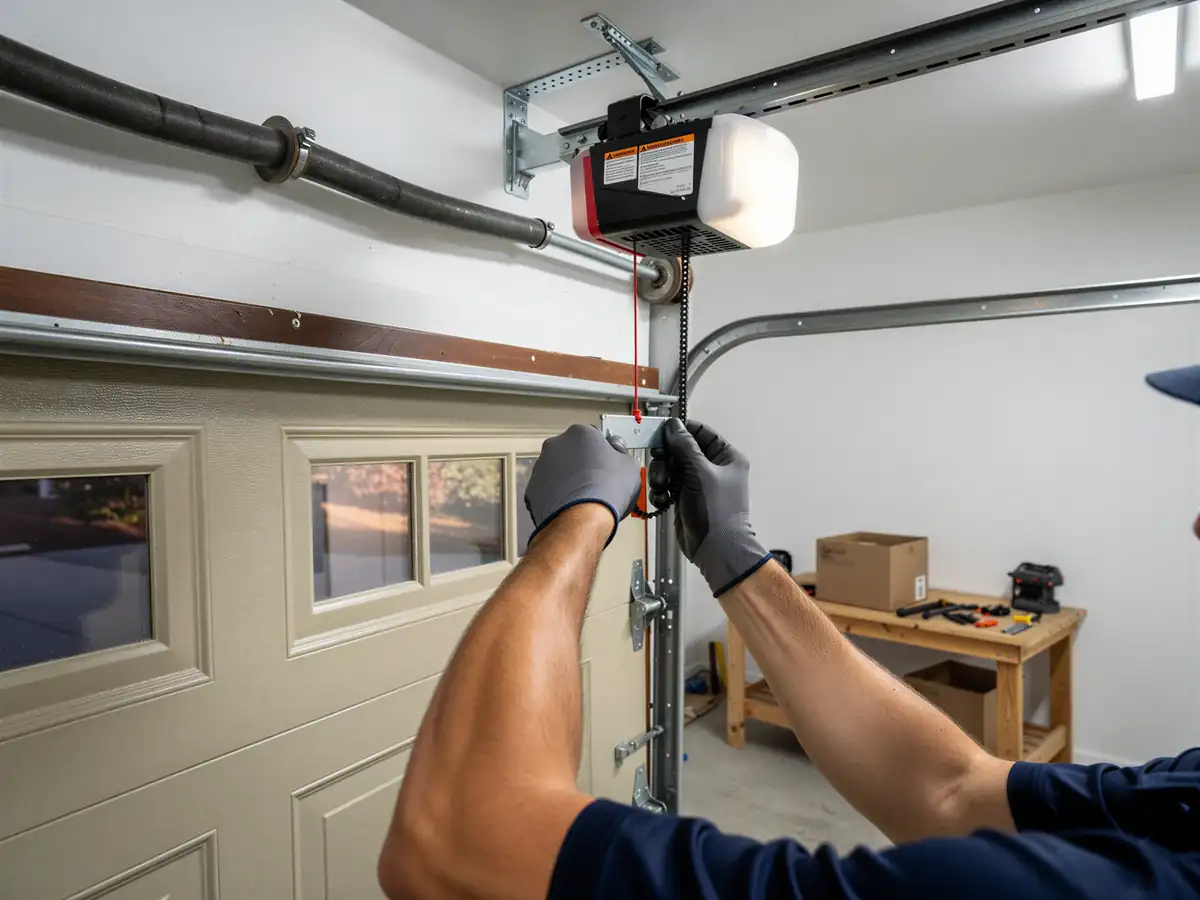
What You Are Seeing
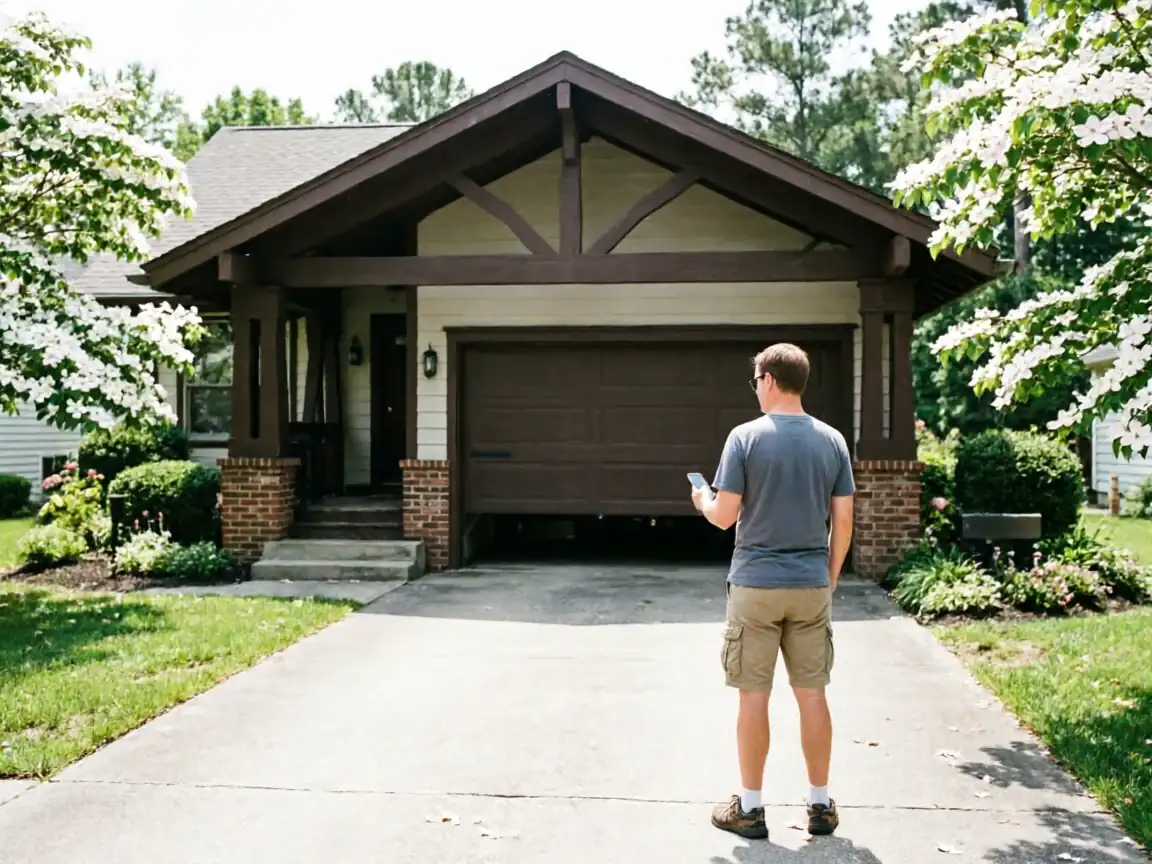
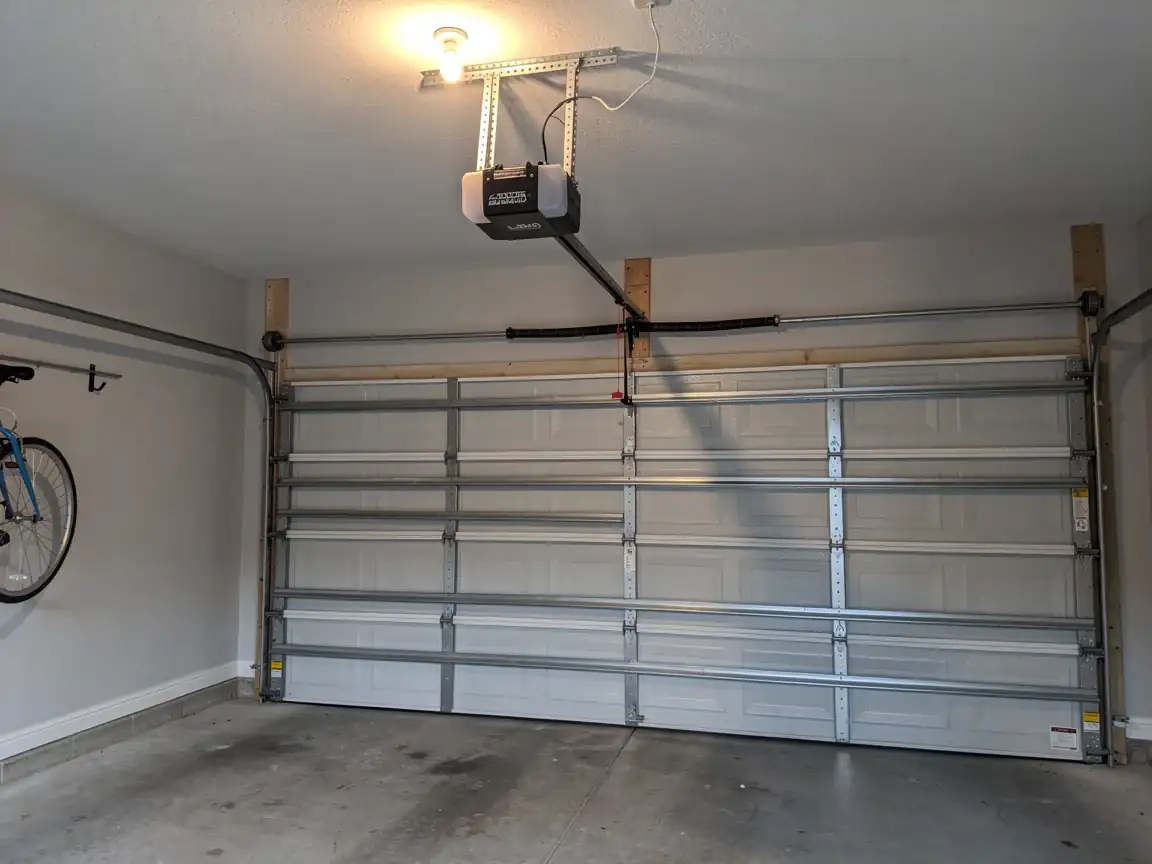
Gibsonville sits about 4 miles from our shop in Burlington, and the housing here runs newer than a lot of what we see across the rest of the service area. Across the wider territory, homes mostly date 1970 to 2004, with the median landing around 1985 - but Gibsonville's own median build year is 2002. That matters for openers specifically. A house built in 2002 almost never got its opener swapped since. The unit on the rail right now is very likely the builder-grade chain or belt drive that went in with the house, pushing 20-plus years old. At that age you're not looking at a tune-up problem - the circuit boards, the logic, and usually the safety reversal sensors are all original and all past the point where parts exist to fix them cheaply. We see this pattern across Gibsonville more than in older pockets of the territory, where openers have already been replaced once or twice. If your house here was built in the early 2000s and the opener has never been touched, that's not bad luck - that's just the math of the neighborhood catching up with you.
What the Repair Takes
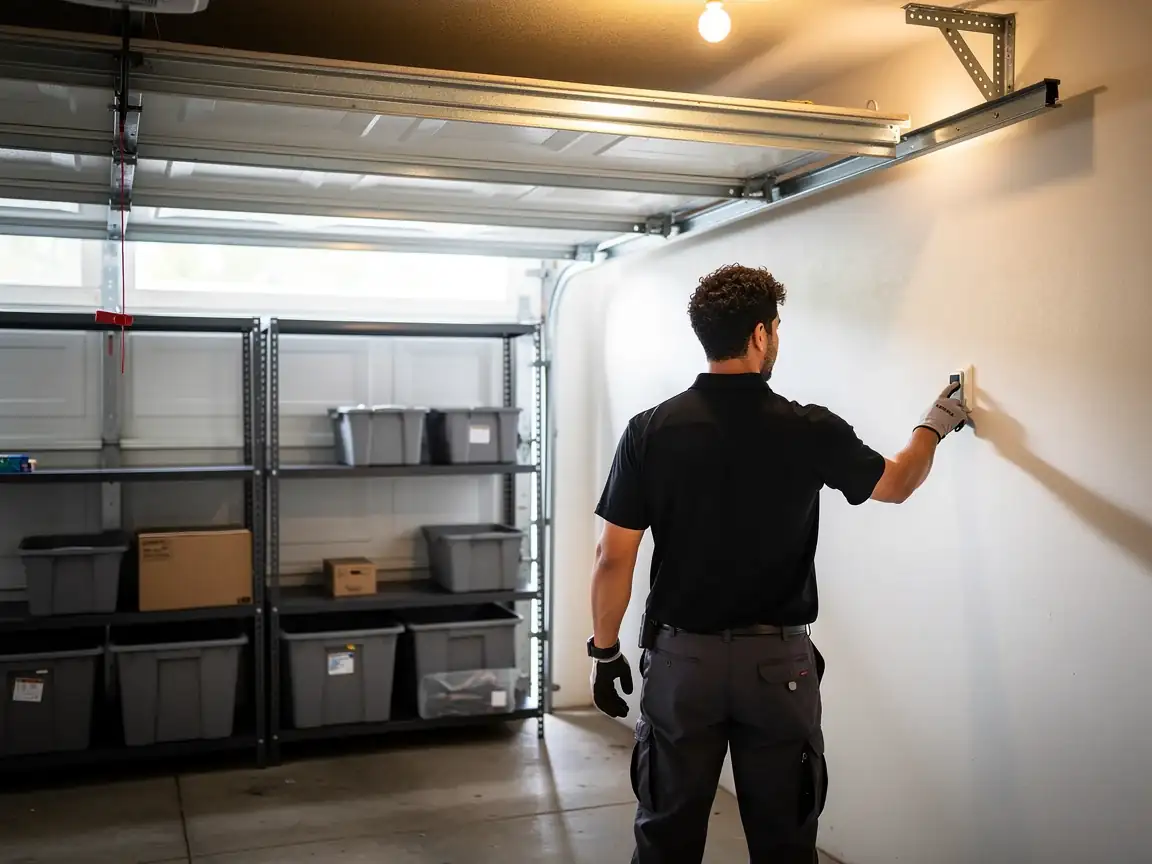
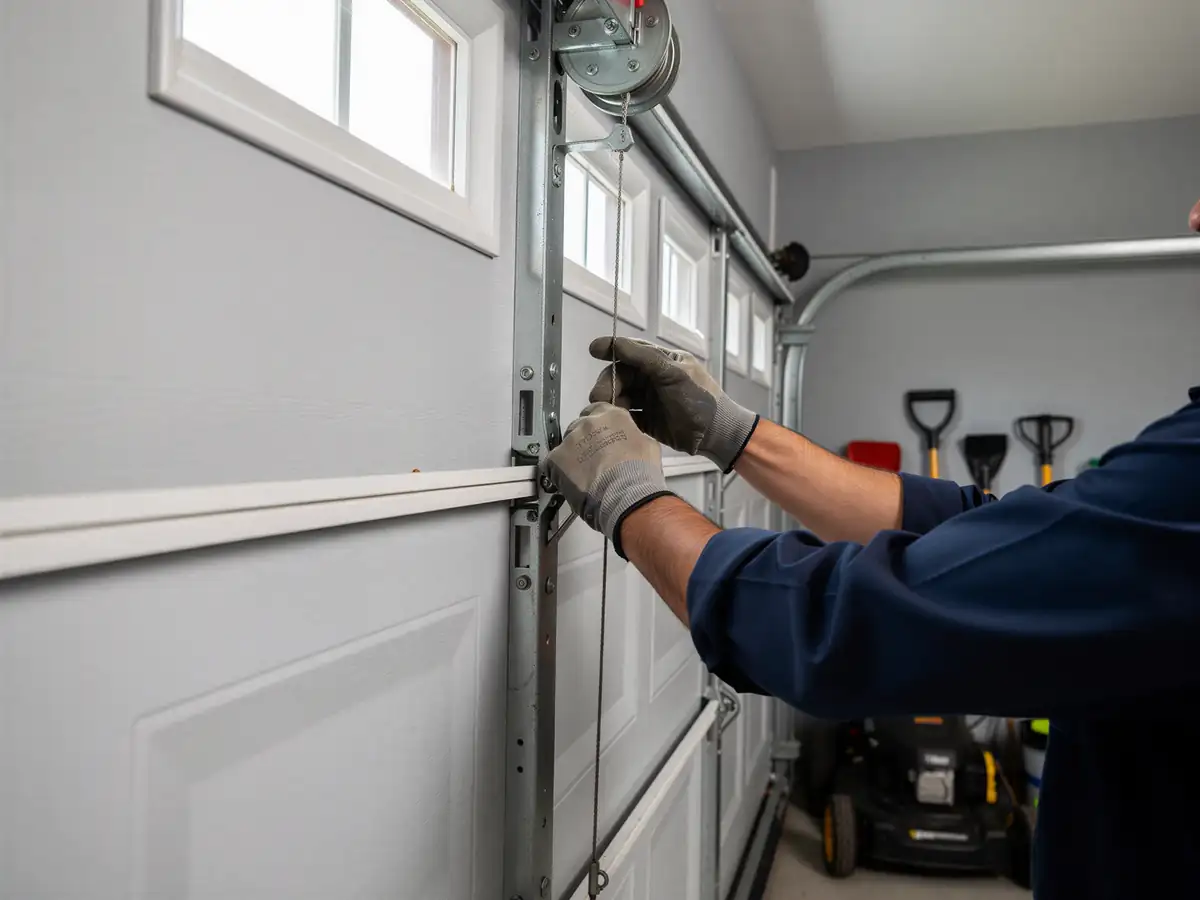
When an opener from this era fails, the first question is whether the motor's dead or whether it's the logic board, the sensors, or the drive gear. On a 20-year-old unit, we don't spend much time chasing a board repair - the boards from that generation aren't made anymore, and a board swap on a dead chassis usually costs close to what a new opener runs. What we check first: the drive gear (plastic, and it's usually stripped by year 18-22 regardless of brand), the capacitor on the circuit board, and whether the rail and bracket hardware are original steel in decent shape, which they usually are on a 2002-era build, since that part rarely fails even when the motor does. If the rail and mounting are sound, we reuse them and swap the head unit, which keeps the job faster and the cost down. If the rail's bent or the bracket's cracked, that gets replaced too.
What It Costs
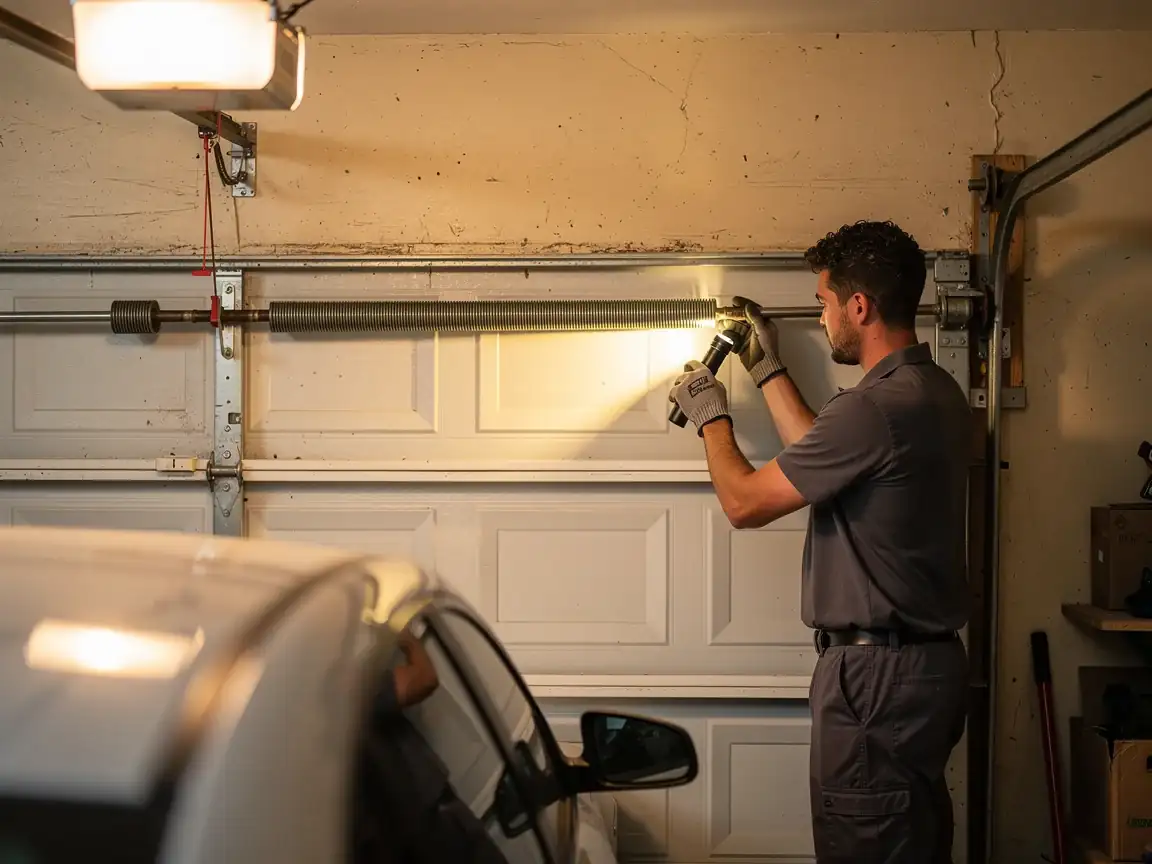
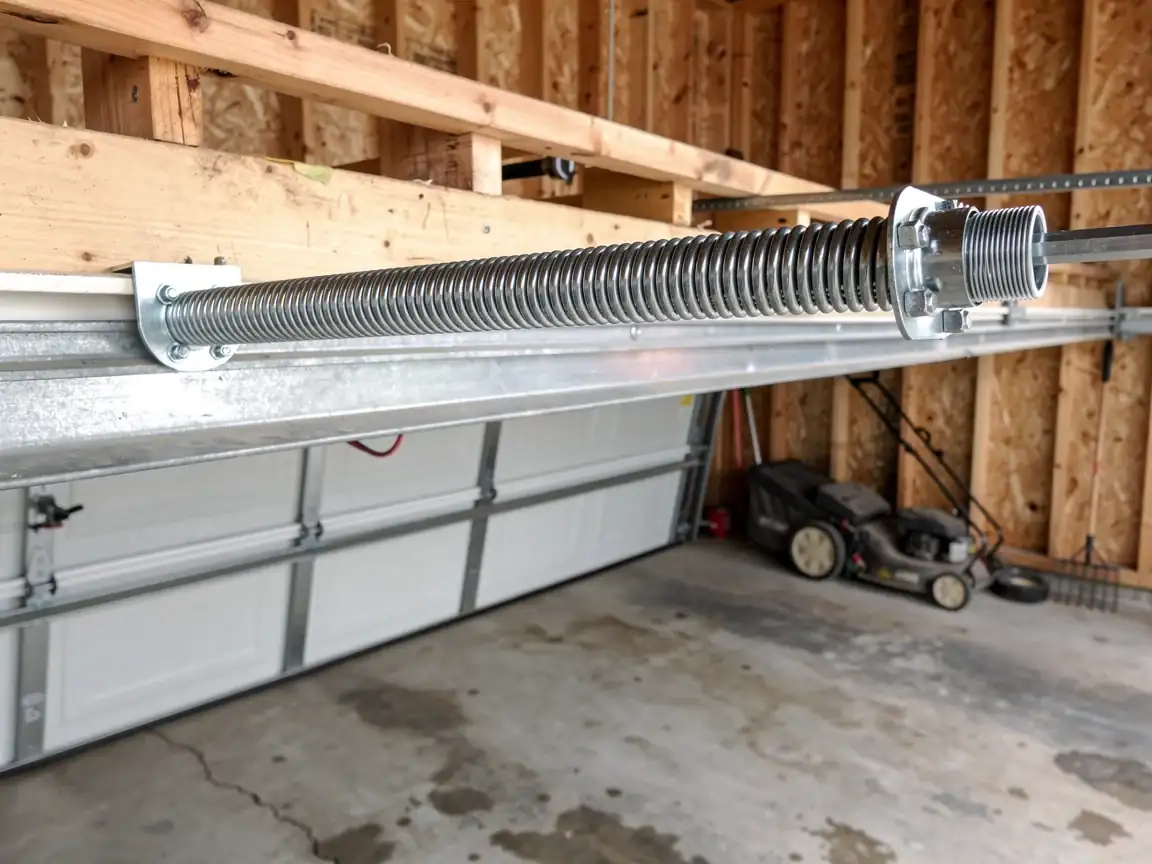
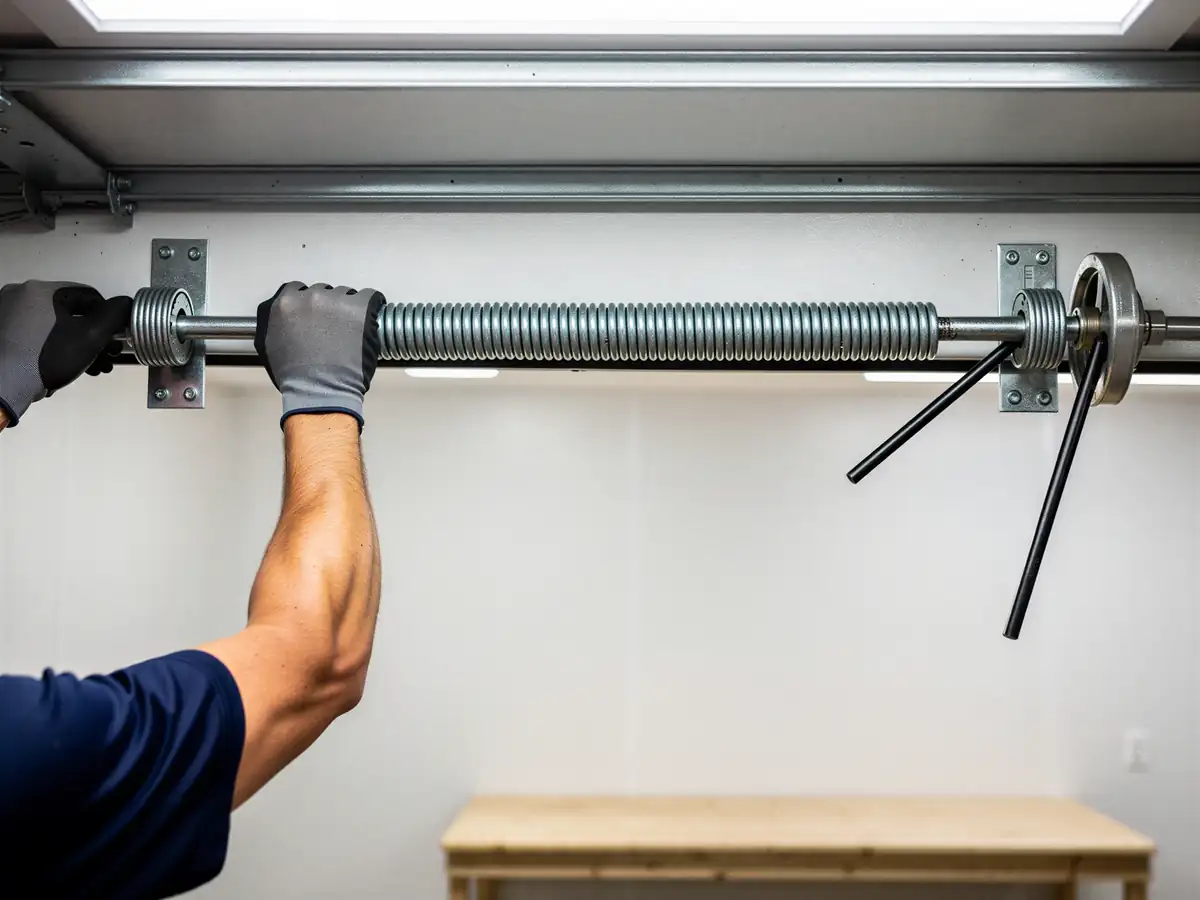
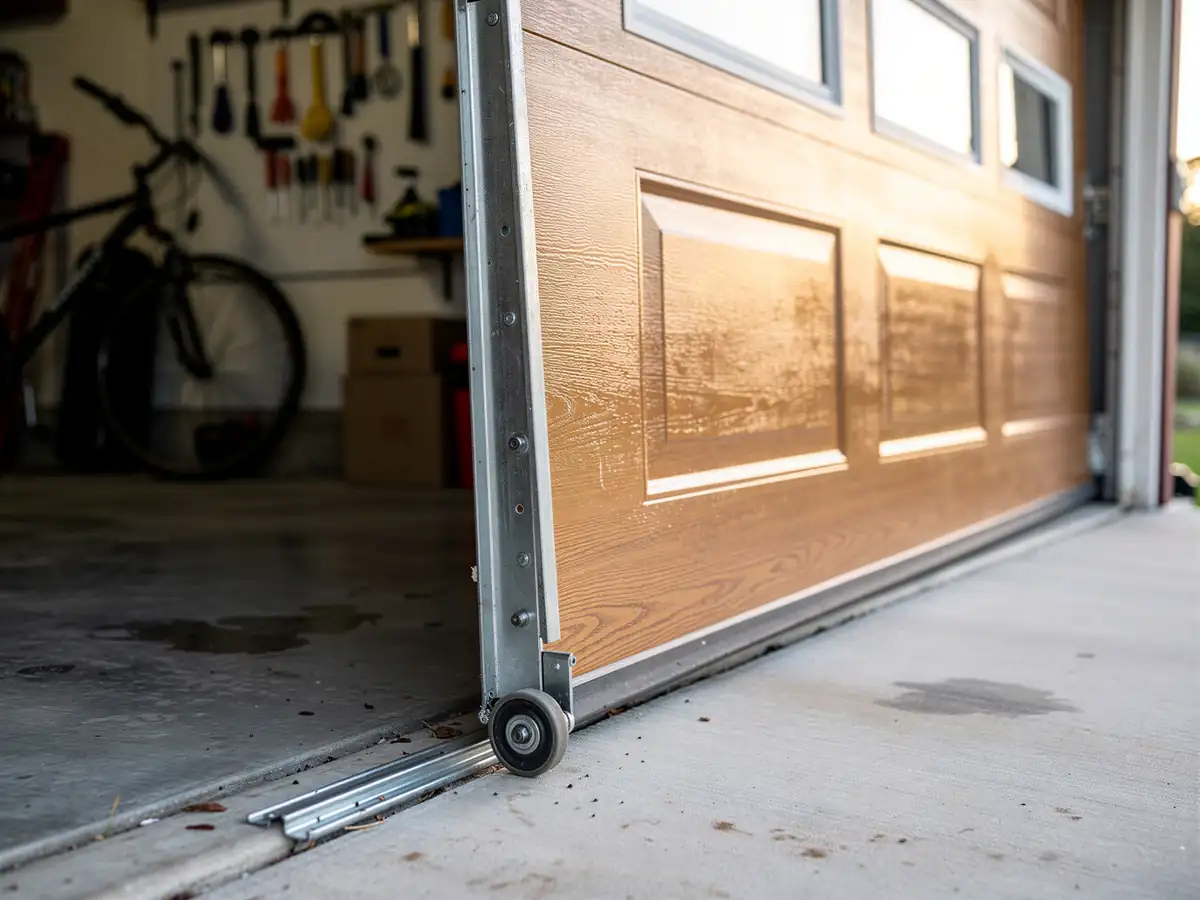
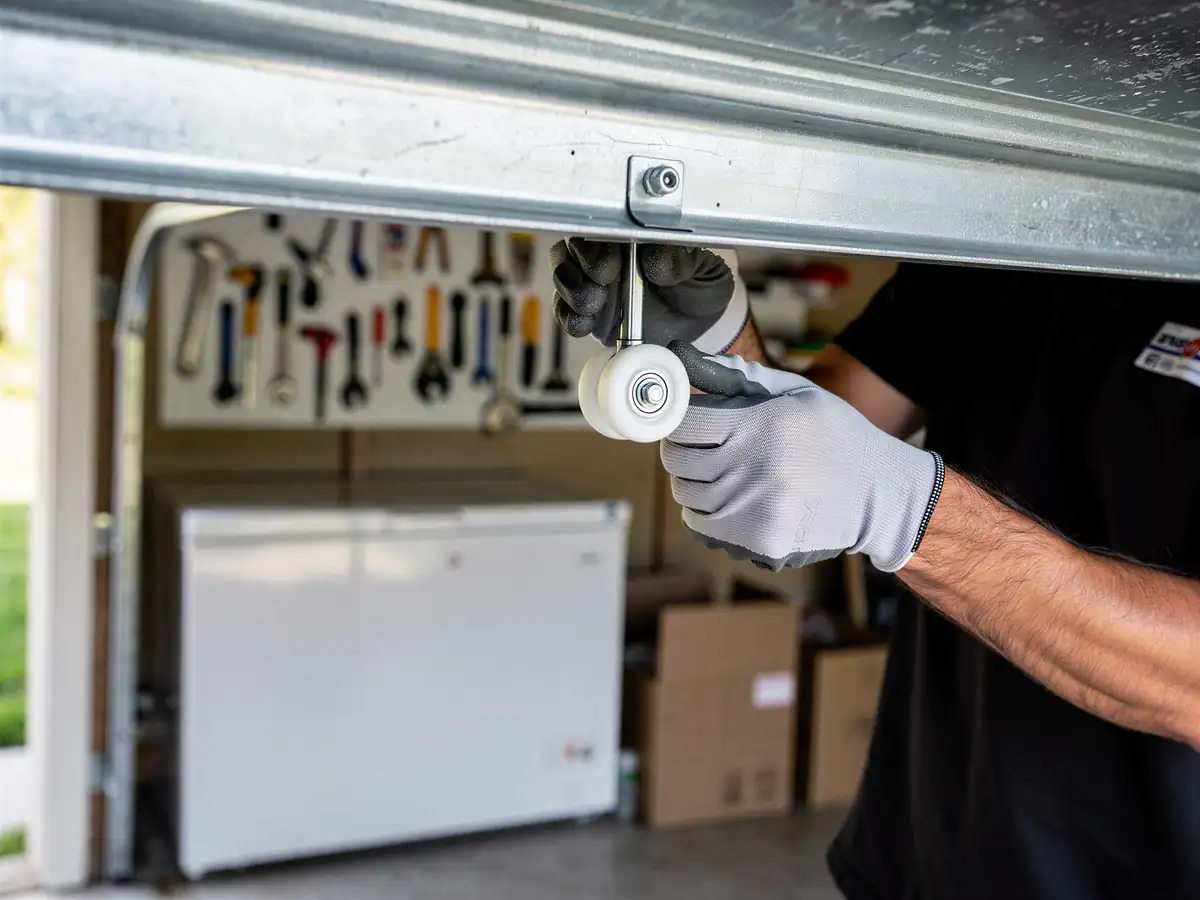
We don't have a price list to publish here, and quoting a number without seeing the door would be a guess, not a fact. What we can tell you is what drives the cost: whether the existing rail and bracket are reusable (cheaper) or need replacing (more), whether you're installing a belt-drive unit (quieter, costs more) or chain-drive (cheaper, louder), and whether the door itself needs a tune-up at the same time - on a 2002-built house, springs and rollers are usually still within their working life, which keeps this closer to an opener-only job than a full door overhaul. Gibsonville's median household income runs well above the wider service area's $67,366 median, but that doesn't change what we charge - we price the job, not the zip code.
Parts We Carry
We stock current belt-drive and chain-drive openers and the standard rail kits that fit most residential doors in this climate band - cold-moderate, meaning winter cold snaps matter more here than heat, and that affects lubricant and seal choices more than it affects the opener itself. What we don't keep on the truck: obsolete circuit boards and discontinued motor housings for openers from the early 2000s. If your unit's board has failed and the model's been out of production for years, replacement is the honest answer, not a special-order repair that takes weeks and costs nearly as much anyway. That's the one case where we'll tell you not to spend money trying to save the old unit.