What the Repair Takes
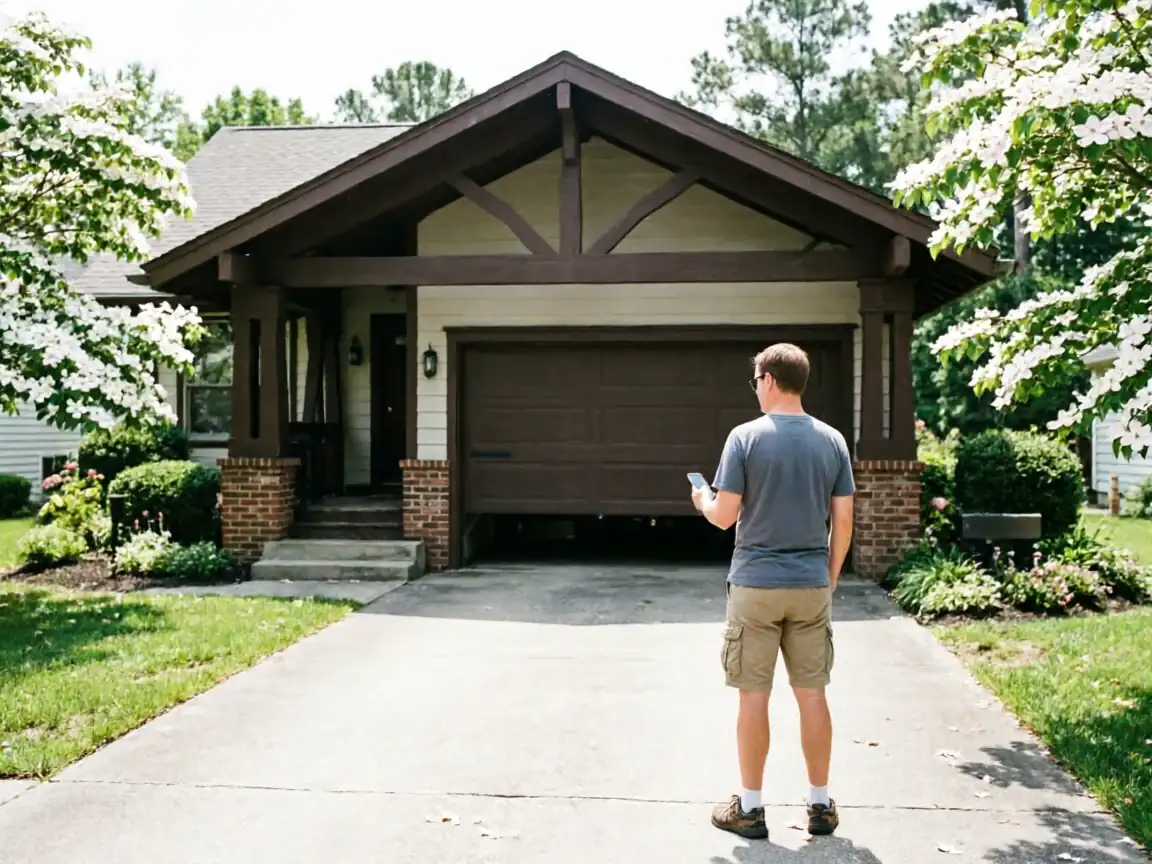
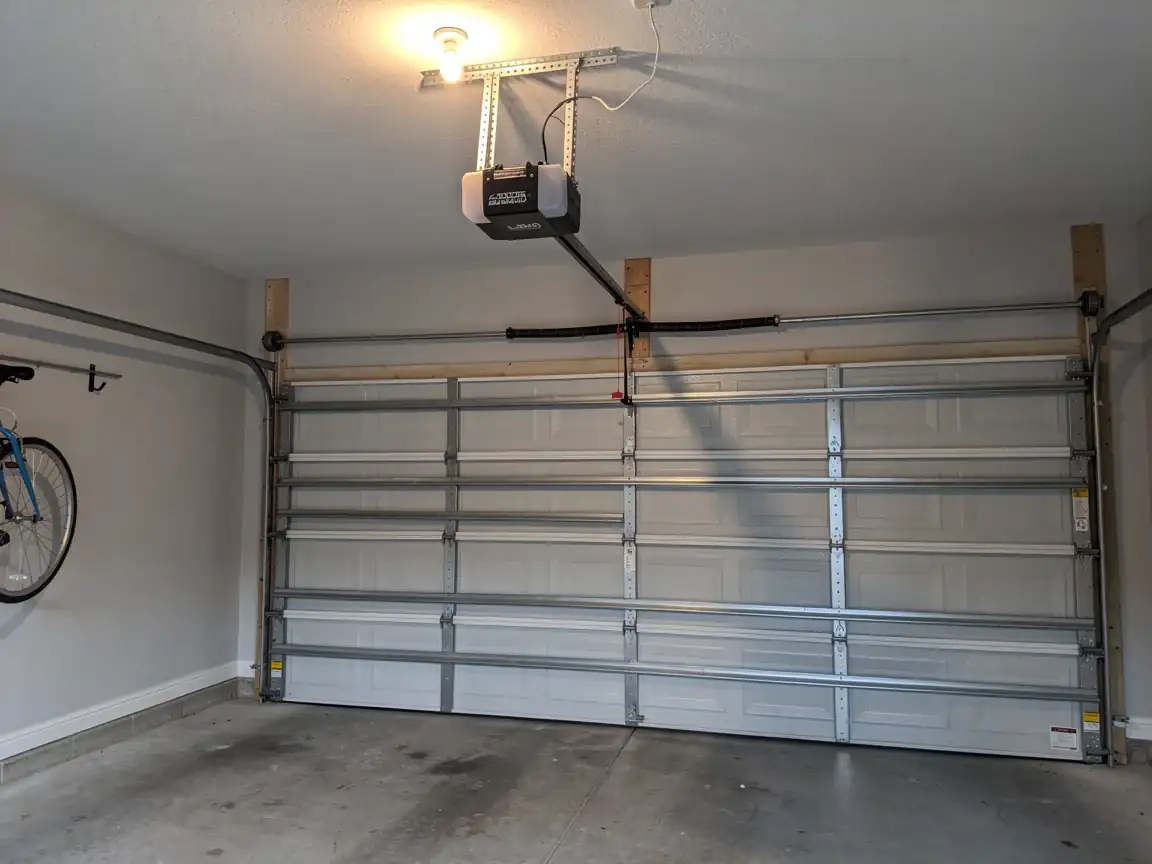
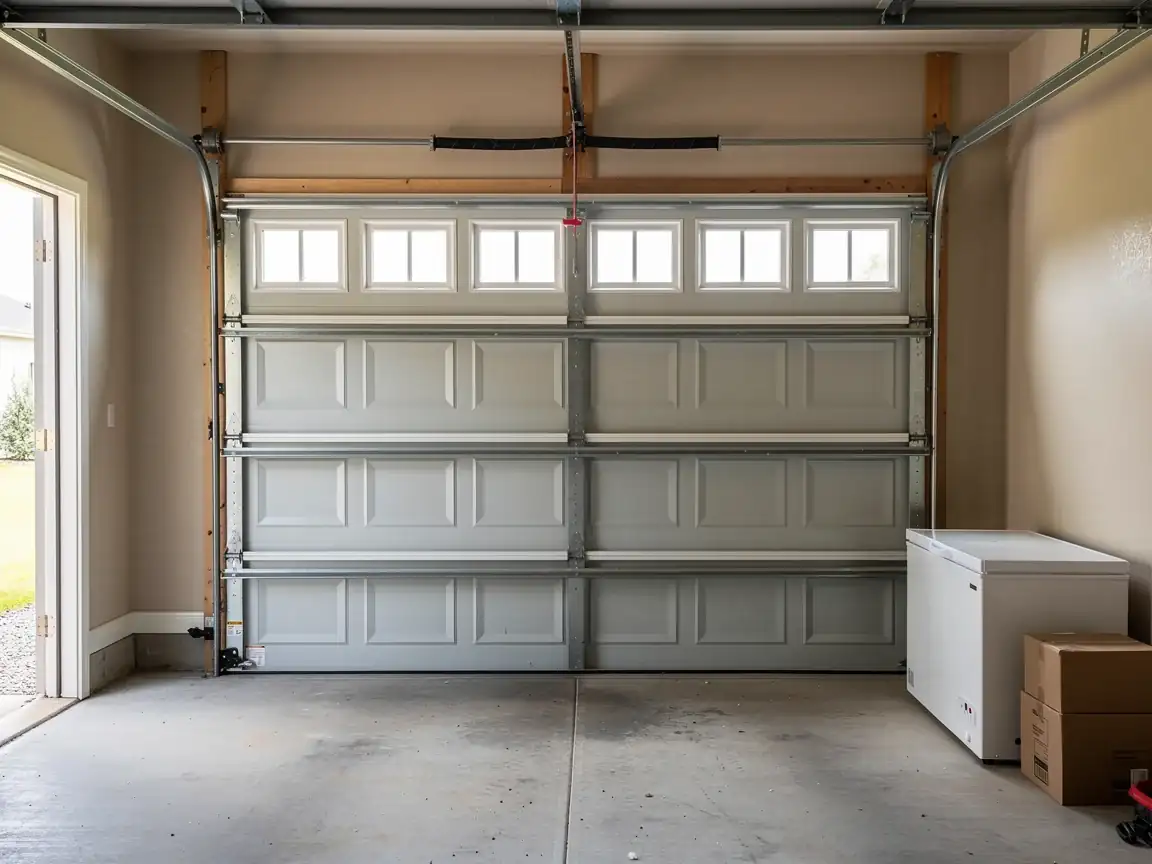
Most houses in Mebane went up well after 1985, with a median build year around 2004 - later than a lot of what we see closer to Burlington. That matters for the repair, not just the trivia. A door installed in the early 2000s came with a different spring wind, a lighter-gauge track, and an opener with a circuit board instead of a mechanical relay. If nobody has touched the system since the house was built, the springs are original, the rollers are the stock plastic that shipped on a builder-grade door, and the opener logic board is pushing twenty years old - right at the point where capacitors and drive gears start failing on their own, not from abuse.
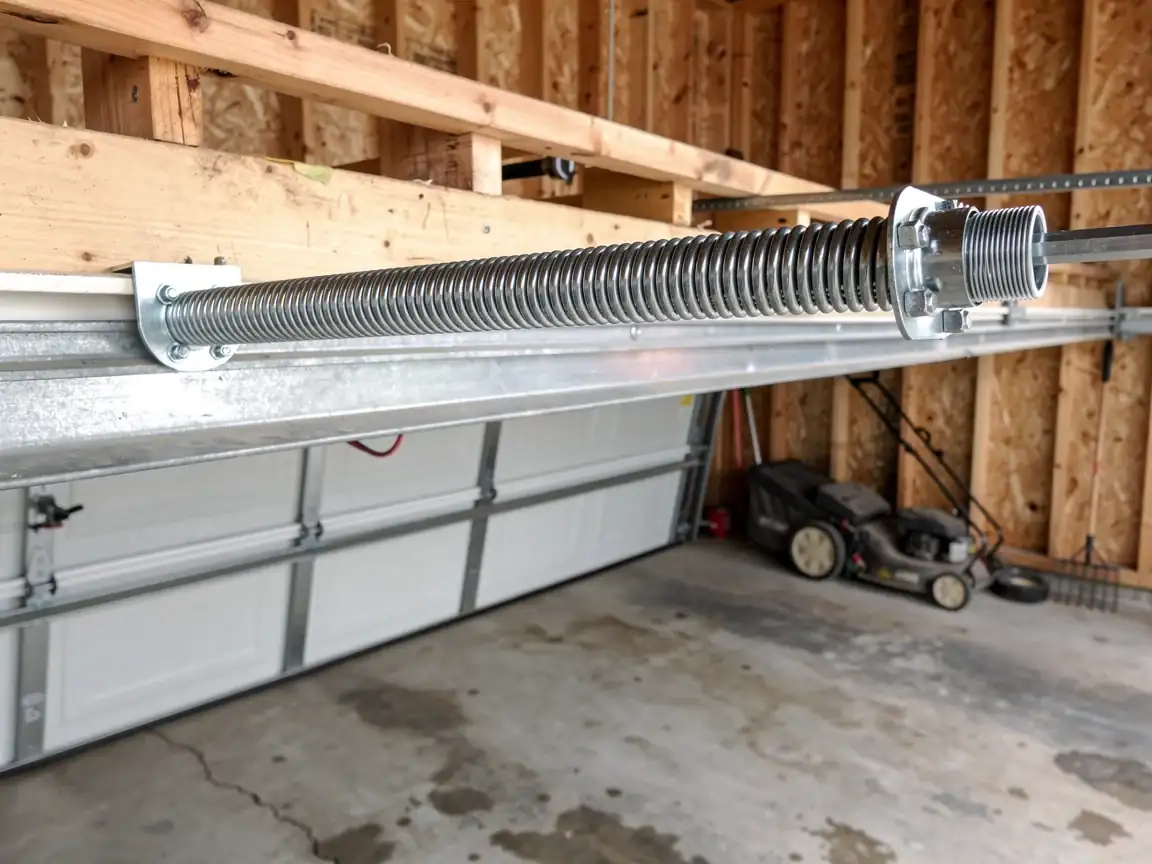
We travel the 11 miles out from Burlington carrying parts sized for that era: torsion springs rated for the lighter 2000s-spec doors, standard-reach safety sensors, and logic boards that match openers sold through the early 2000s. What we don't carry on the truck is anything for a pre-1980 low-headroom track system - if your house in Mebane is an outlier on an older lot, say so when you call, because that part may need to be ordered rather than pulled off the shelf.
The fault pattern follows the build year: fewer rotted wood jambs pulling door tracks out of square, more electronics-side failures on openers nobody's replaced yet.
Time on the Job
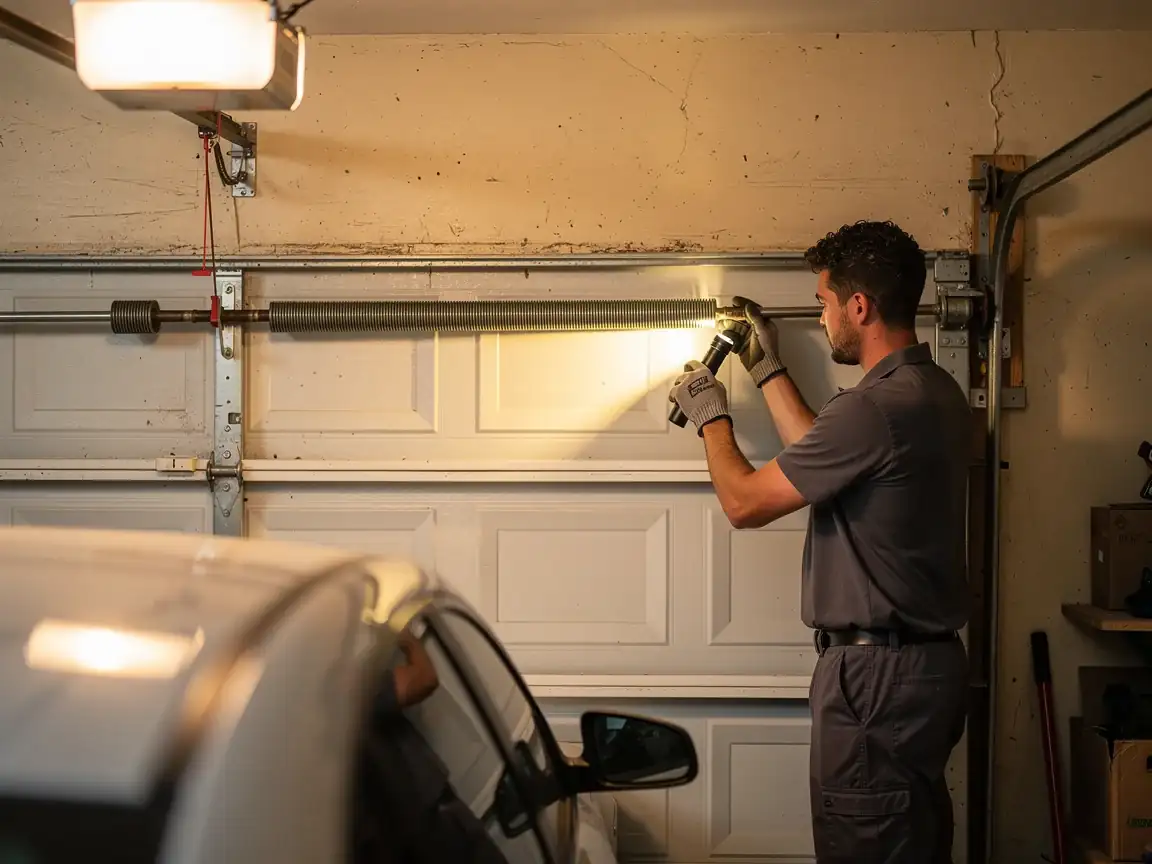
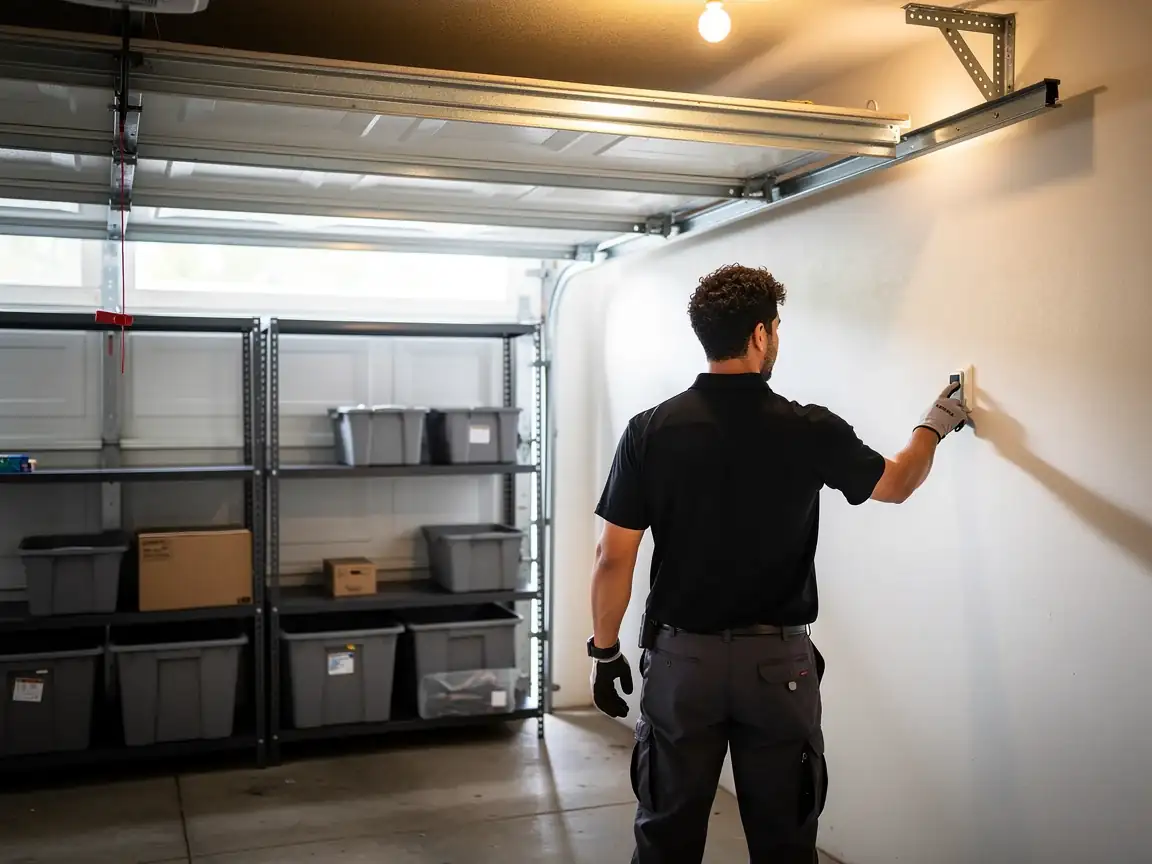
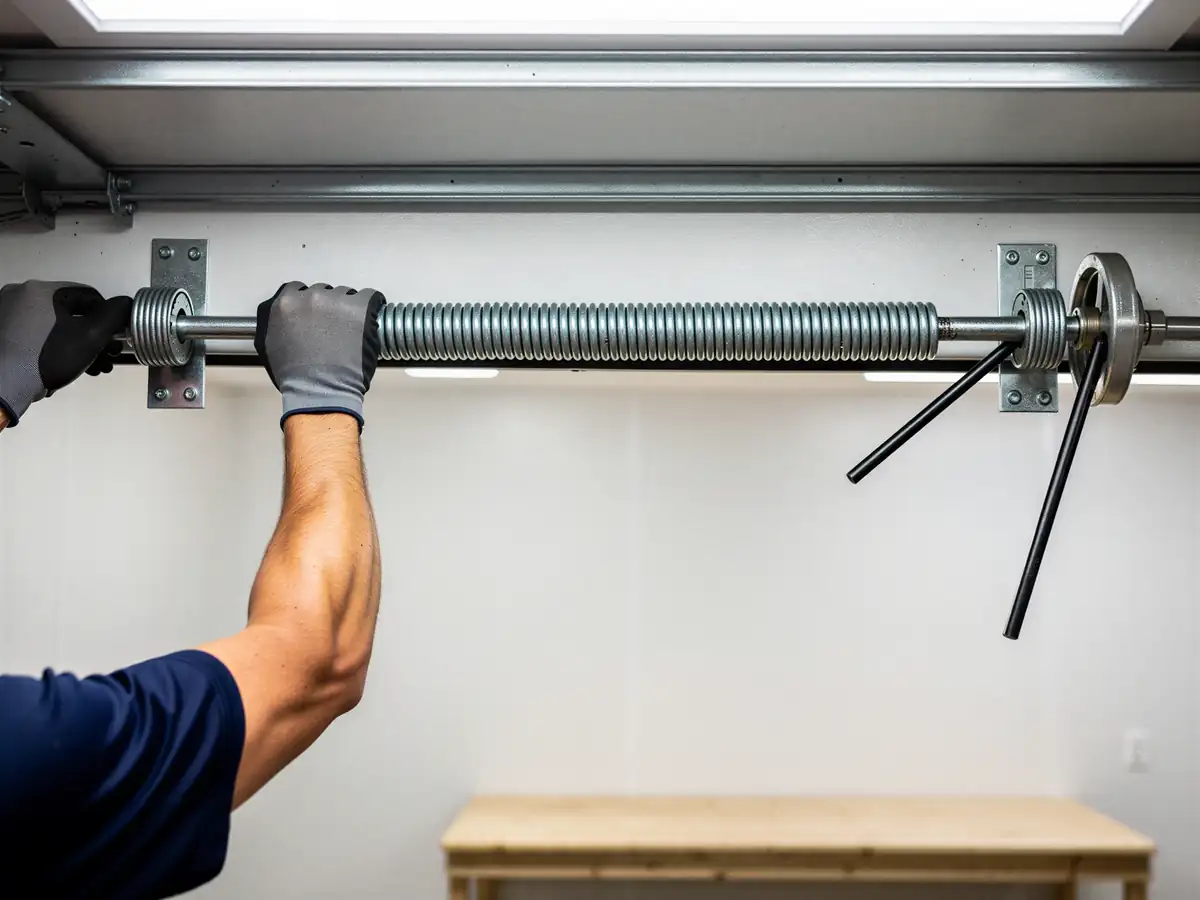
A straight spring swap on a torsion system from the 2000s build era runs the shortest end of a service call - the hardware is standardized enough that we're not improvising a fix. Opener board or sensor work takes longer if the unit is original to the house, since we're diagnosing a board that's two decades into a service life nobody planned past, not just swapping a known part.
What slows a job down in Mebane specifically isn't the door - it's confirming what's actually original. With 7,584 households in town and most of that stock built within a fifteen-year window, a lot of doors look untouched from the driveway but had a spring replaced at some point without a matching opener upgrade, or vice versa. We check both before we quote the fix, because replacing a spring on a system with a dying opener board just means a second call.
Parts We Carry
For the hardware common to Mebane's build years
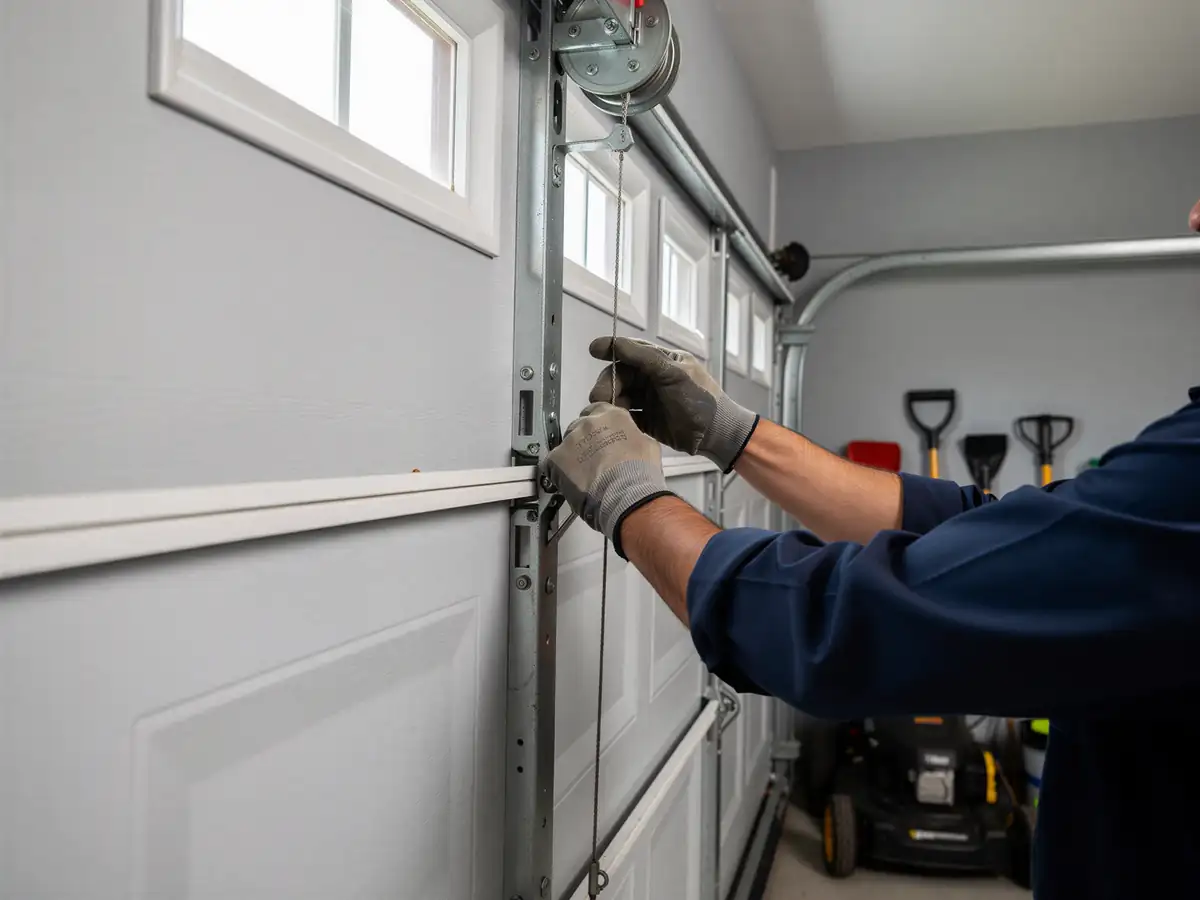
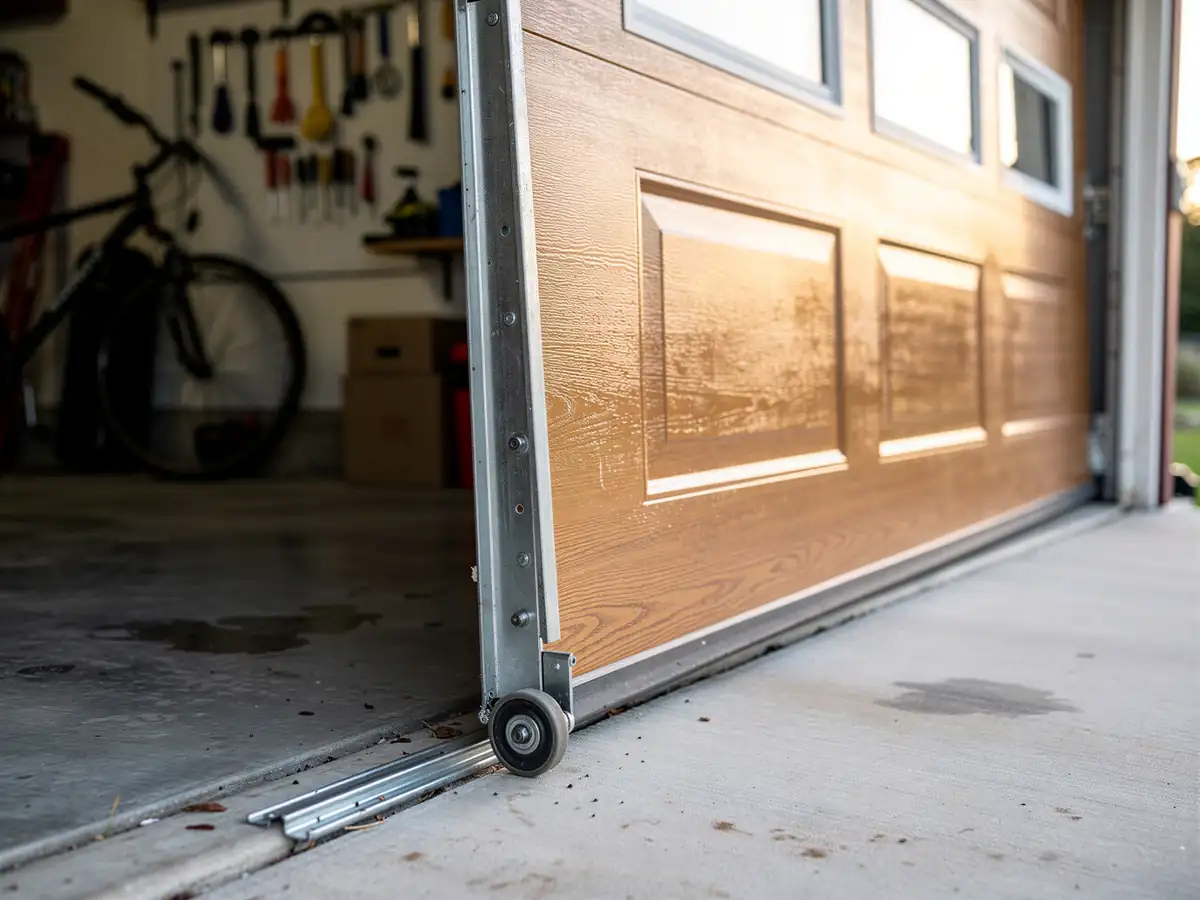
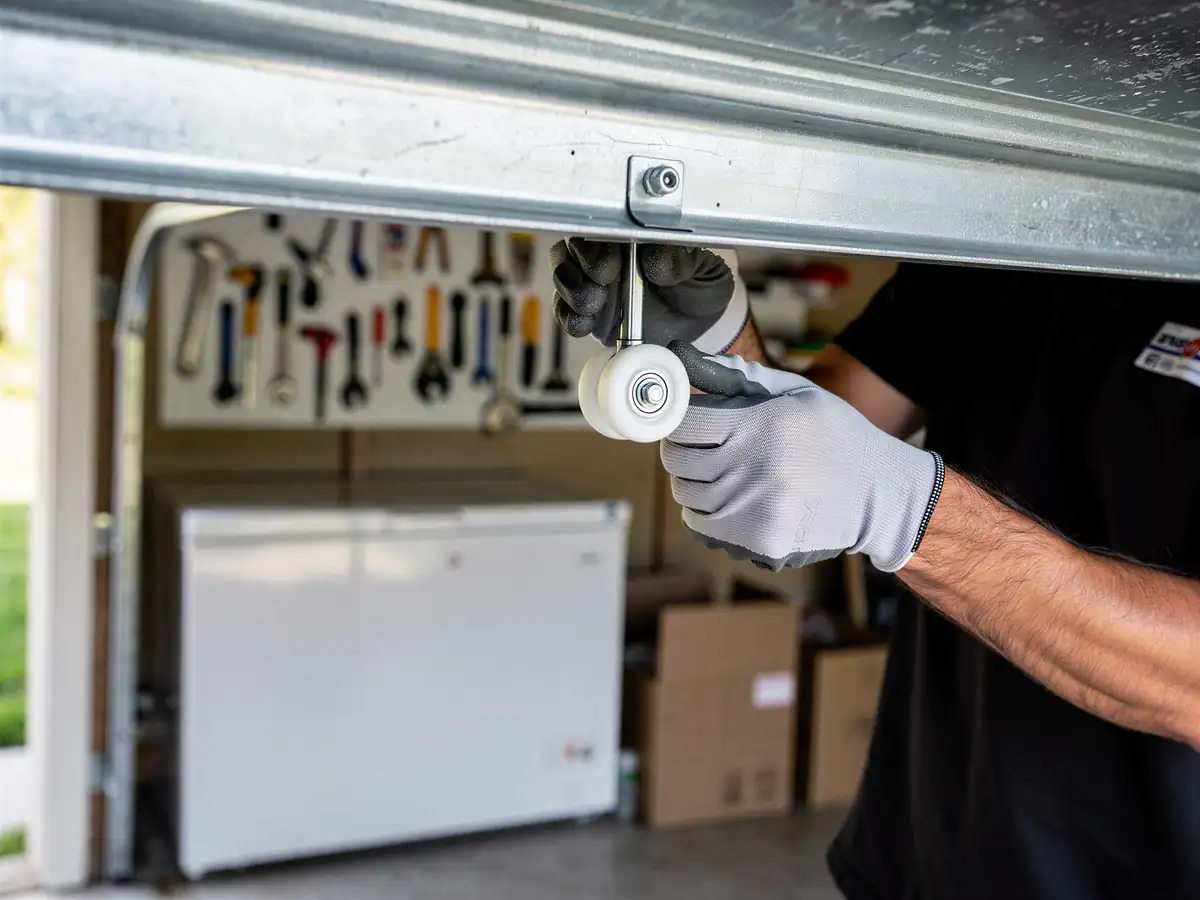
We stock torsion springs in the sizes that match early-2000s residential doors, standard rollers, cables, and the sensor pairs used on openers from that period. Logic boards for openers sold in the late 1990s through mid-2000s are the one electronic part we try to keep on hand, since that's the generation most likely to be original in a house built around 2004.
What we don't carry as stock
Parts for anything older than that build pattern, and certain proprietary opener boards tied to a single manufacturer's model run. If your door turns out to be an exception - an older structure on a newer lot, or a previous owner's upgrade that doesn't match the rest of the house - we'll tell you straight that it's an order-in part rather than pretend we have it on the truck.
What It Costs
We don't post a flat number here because what drives cost in Mebane is whether the hardware is original or already been part-replaced, not the town itself. A straight spring job on a door that's never been touched since the house went up costs less than diagnosing an opener board failure on a unit nobody's serviced in twenty years. Mebane's median household income, at $84,312, runs higher than the area median, but that doesn't change what the parts cost us or what we charge for them - pricing follows the hardware, not the zip code.
One honest limit: if the opener board is original and failing, sometimes replacing the whole opener costs less than sourcing a discontinued board for a unit that old. We'll tell you when that's the case instead of billing for a repair that won't outlast the rest of the unit.